

Tours and Attractions in Fethiye
Fethiye Travel Guide
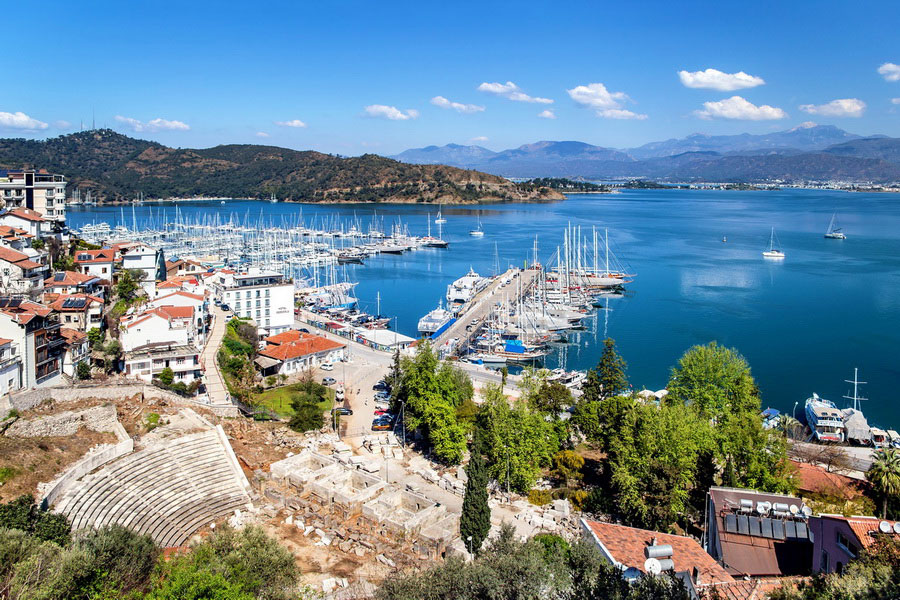
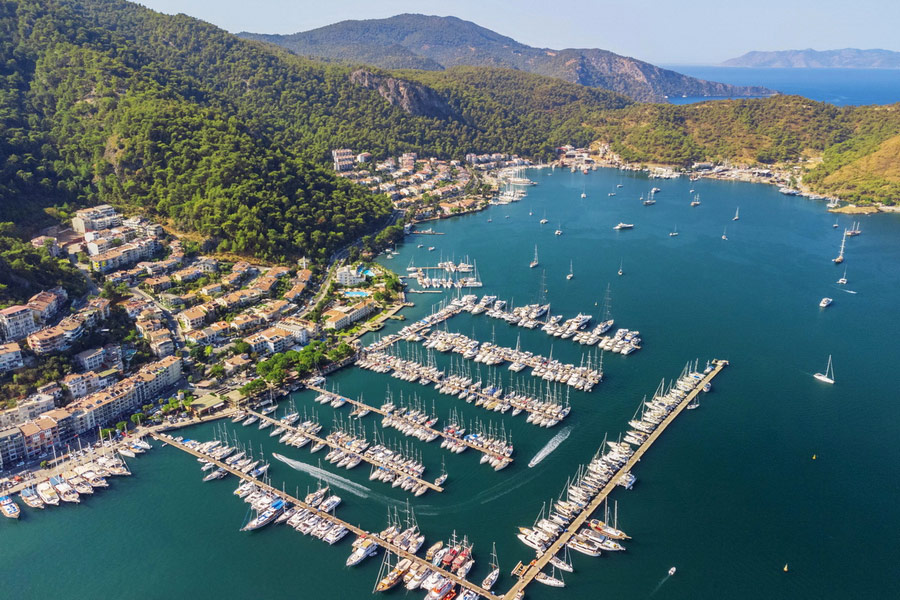
The green of the palm trees and the golden sand against the deep blue lagoon, whose waters ripple endlessly, create quite a picturesque view from a boat on its way to the Marina of Fethiye. With a population of approximately 180,000, this gorgeous seaside resort is one of Turkey’s (alternatively known as Türkiye) most prominent tourist destinations.
With an area of 875 km2, it is located in Muğla Province in the southwestern part of the country, between the Dalaman and Seydikemer districts, along the Mediterranean coast.
A tasteful blend of ancient historical sights and modern attractions characterises the city, having been rebuilt after a devastating earthquake that destroyed everything in 1958. Things to do in Fethiye are countless; people love this little corner of paradise for its mesmerising scenery and fun activities. The settlement is famous for its harbour, beaches, crystal-clear waters, and ancient relics. It will keep water enthusiasts and history lovers equally engaged in all it has to offer.
Fethiye Tours
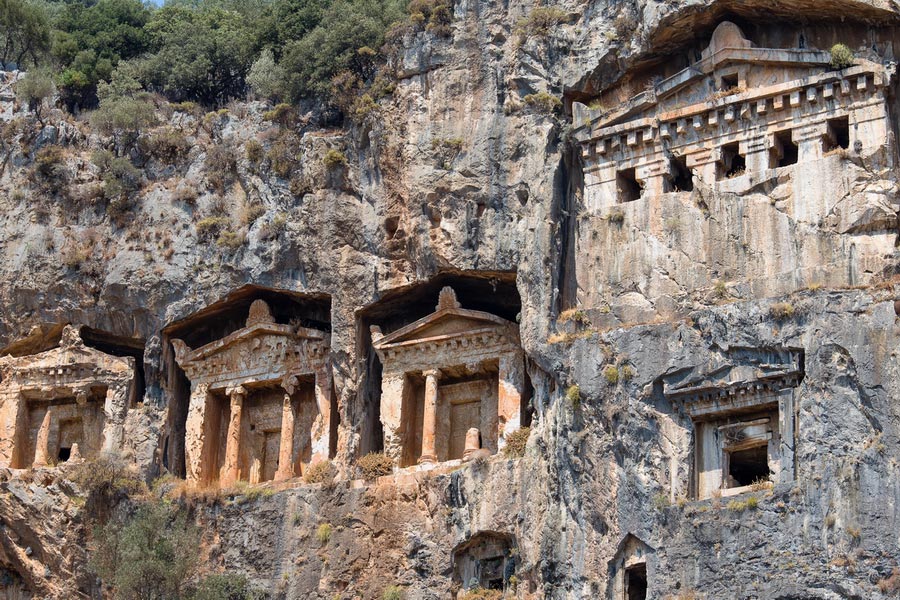
Many of the city’s landmarks have turned into ruins, but this amplifies their beauty and creates a unique ambience as you begin to tour the significant historic attractions. It has grown in popularity over the past decade, leading to the implementation of more appropriate infrastructure and facilities.
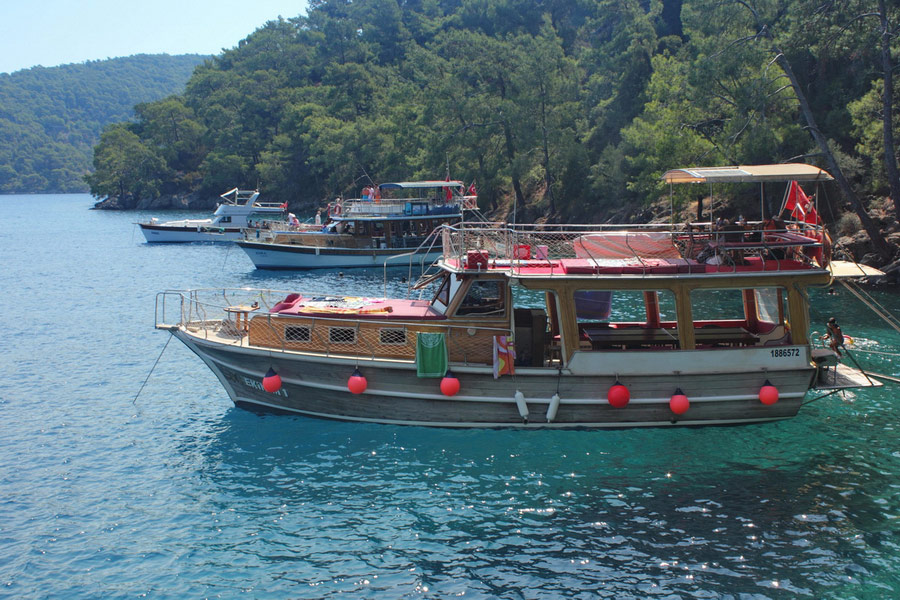
Take a boat trip to the nearby islands and other tourist hotspots of Turkey’s Turquoise Coast, paraglide along the shore while enjoying the beautiful view of the local landscape, or book a safari tour to explore the depths of this resort.
Three days are more than enough to enjoy all the activities in Fethiye fully, but if you decide to stay longer, it will only make your journey more enjoyable.
Best Time to Visit Fethiye
Due to the Mediterranean climate, summers are predictably sunny and hot, while winters are mild, without much discomfort. The hottest month of the year is July, when the temperature reaches 35 degrees Celsius, so if you like basking in the summer heat and spending your time on the beach, you will like summer here. But still, the best time to visit Fethiye is from May to October.
History of Fethiye
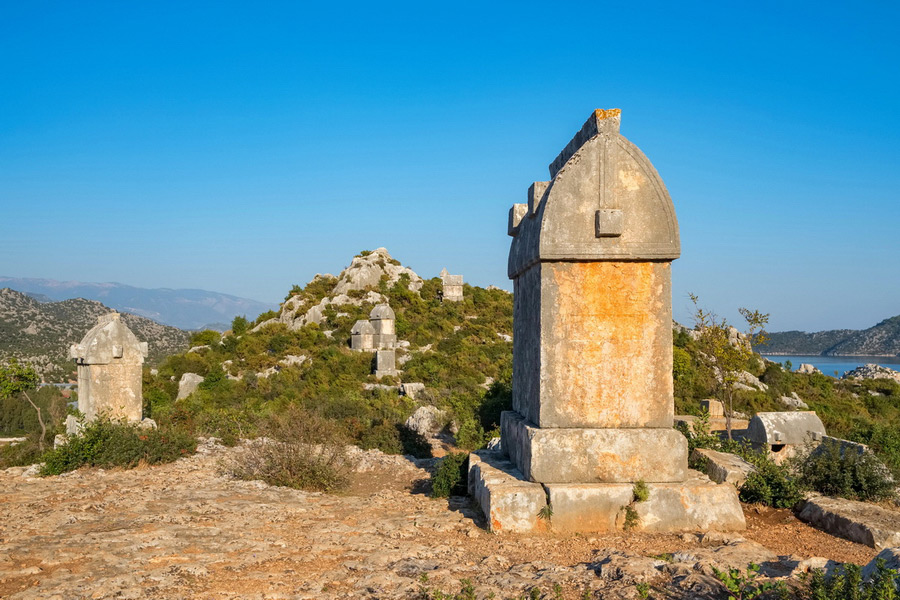
The history of this place dates back thousands of years, as it was built on the site of Telmessos, an ancient city in Lycia near the Carian border. The settlement fell under Persian rule in 547 BC and later became a member of the Delian League (a confederacy of Greek city-states). Even after leaving the union and becoming independent, it maintained close ties with it until the 4th century BC, when Alexander the Great took control over it.
During Byzantine rule, Fethiye is believed to have been prosperous, but it was eventually abandoned due to the Arab-Byzantine wars between the 7th and 8th centuries. From then on, the name Telmessos had been replaced by Makre (alternatively Makri), which means “the long one” in Greek.
From the 12th century, the area began to prosper again: the city walls were expanded, the volume of perfume produced there increased, and Makre was recognised as the centre of fragrance production. Trade and commerce were booming.
After a period of territorial control by the Anatolian beyliks, the Ottoman Empire assumed control in 1424, and the contemporary Fethiye was known as Meğri at the time. Despite this, it never lost its ties to Greece, with a significant Greek population even in the 19th century, until the population exchange between Turkey and Greece, when many moved to Greece and founded a new settlement called “Nea Makri”.
The name “Fethiye” came into the picture almost a century ago, in 1934, when Atatürk renamed the city to honour one of the most significant members of the Ottoman Air Force, Fethi Bey, who tragically passed away during an attempted flight from Istanbul to Cairo.
Today, Fethiye is one of Turkey’s most popular seaside resorts.
What to Do in Fethiye
In the 15th century, with the help of the Genoese, the Knights of St. John built the Crusader Fortress of Fethiye (Fethiye Kalesi), which remains visible today. Another place for active people is the Lycian Way (Likya Yolu). The track is long, but a part of it runs through Fethiye. This will be a perfect opportunity to challenge yourself and create unforgettable memories.
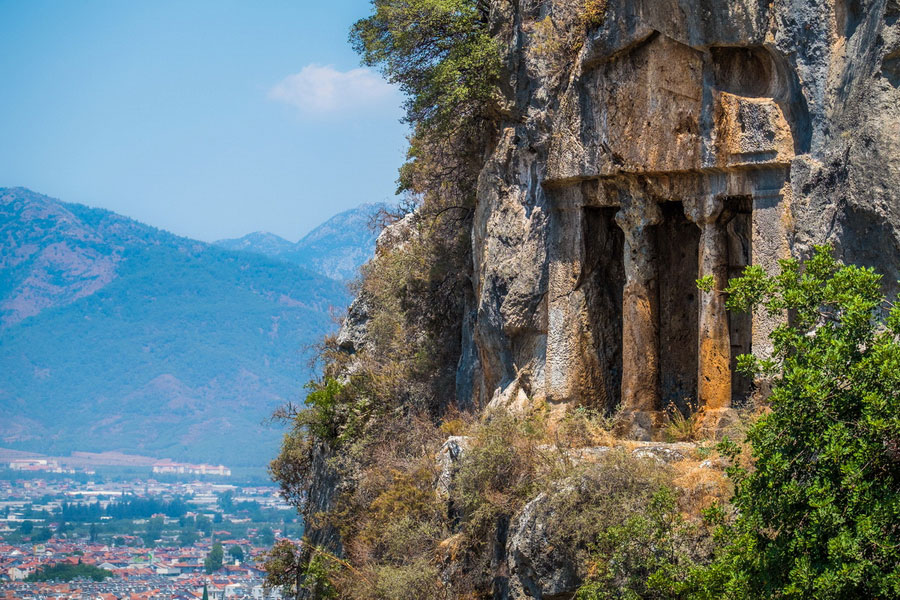
South of the main part of the city, downtown Fethiye has some gems up its sleeve. The Tomb of Amyntas (also known as the Lycian Rock Tombs) (Amintas Kaya Mezarı) awaits thousands of annual visitors. The site is accessible on foot and is only a 15-minute hike from the bus station. It is open from morning till sundown, and the view is especially breathtaking during the golden hour.
Take a stroll along the shoreline on the Fethiye Kordon promenade. The family-friendly atmosphere, bicycle and pedestrian lanes, and the restaurants lining the coast create a pleasant aura.
Moreover, travel back in time to ancient Cadianda (Kadyanda). It is a more off-the-beaten-track destination; however, you will not be disappointed.
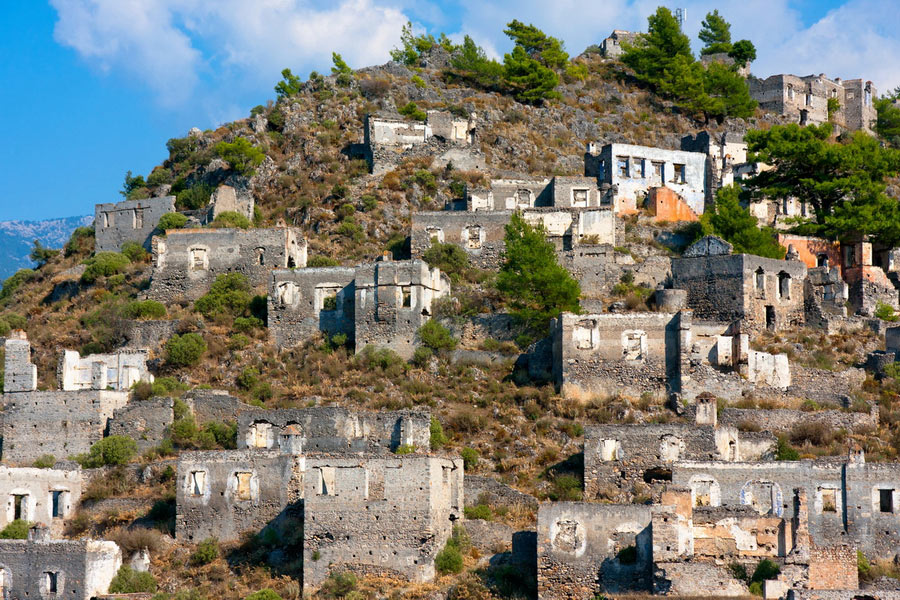
About a 20-minute car ride away from downtown Fethiye is the abandoned village of Kayaköy (also referred to as Karmylessos) (Terkedilmiş Kayaköy Köyü). Additionally, a plethora of ancient sculpture fragments and abandoned buildings can be seen on the outskirts of the district. For instance, the Deadala Rock Tombs (Deadala Kaya Mezarı) are a 3,000-year-old Lycian tomb.
There are no historically significant mosques or churches here. Still, those who want to pray can visit the Christian Fethiye Community Church (Fethiye Halk Kilisesi) and many mosques in the city, such as the Yeni Hamidiye Mosque (Yeni Hamidiye Camii).
Fethiye Museums
In addition to the district's historic landmark museums, the Fethiye Museum (Fethiye Müzesi) is more traditional, with exhibits ranging from ancient statues and stone fragments to kitchen utensils, old coins, and other metalwork.
Fethiye Ethnography Museum (Fethiye Etnoğrafya Müzesi) is more of a niche place. This place is truly fascinating for those interested in traditional customs and clothing.
The Kayaköy Abandoned Village (Fethiye Kayaköy Örenyeri) is located on the site of the above-mentioned abandoned village. There is an entrance fee; however, if you own one of Turkey’s museum passes (e.g., MuseumPass Türkiye or MuseumPass the Aegean), you can view this place for free.
After seeing so many historical and cultural sites, you might want to go to the Galata Art Home — Bahar Barutçu. This place is filled with oil painting works by Fethiye’s own Bahar Barutçu. Her works are colourful and fun — often depicting humans in motion.
Fethiye Theatres
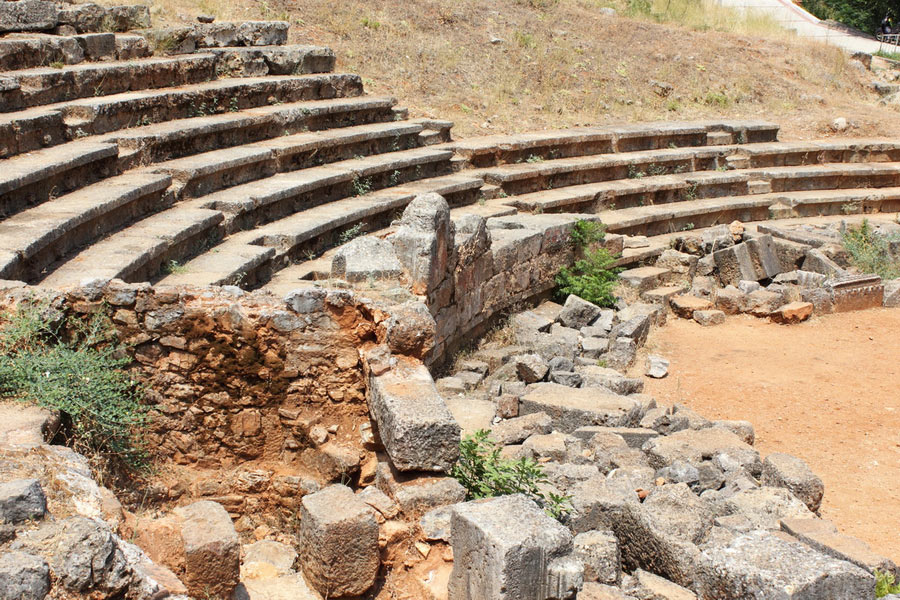
Telmessos Open Air Theatre / Fethiye (Telmessos Açık Hava Tiyatrosu / Fethiye) is one of the theatres you can visit during your stay in Fethiye. It is an ancient-style amphitheatre still used for performances, concerts, festivals, and other cultural events.
The juxtaposition of the old and the new makes for a delightful sight, giving the theatre a one-of-a-kind feeling of being surrounded by the contemporary world, while inside a bubble within an ancient masterpiece.
Entertainment, Parks, and Shopping in Fethiye
Entertainment
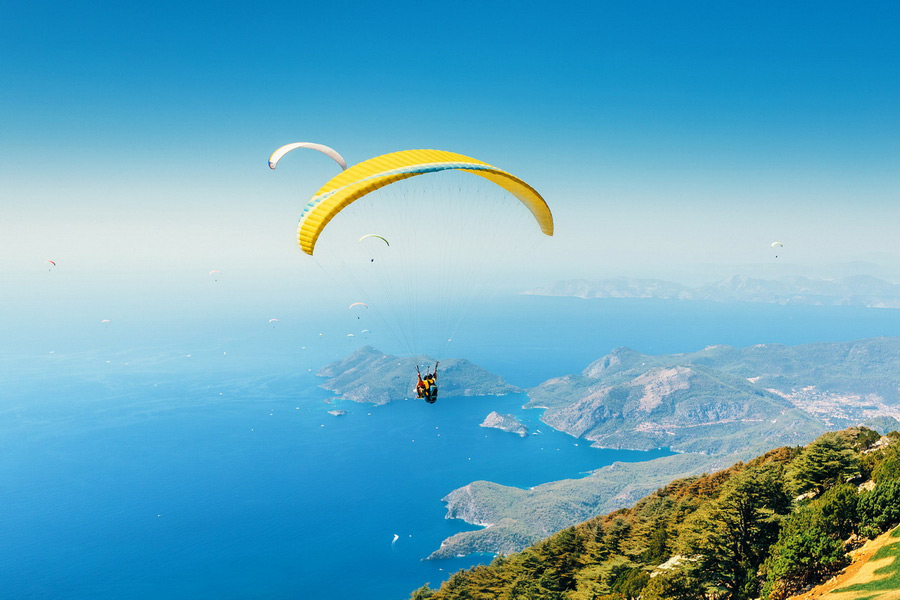
Tour on a boat to Kızılada Island, Yassıca Island (Yassıca Ada), Katrancı Bay Nature Park, Tavşan Island (Tavşan Adası), Göcek Island; or take a speedboat from Ölüdeniz to see the Byzantine ruins of Gemiler Adası (St. Nicholas Adası), also known as St. Nicholas' Island.
Being a coastal city, this place has much to offer in terms of natural recreation. Paragliding from the 2000-metre Babadağ mountain is quite popular here, and the interest in this sport becomes especially obvious during the Öludeniz International Air Games. The Türk Yıldızları (Turkish Stars), the Turkish Air Force team, occasionally performs an aerial acrobatics demonstration.
Women can experiment with paragliding with a female pilot (Bayan pilot). Paragliding is not the only aerial spectacle showcased here, either. You will see hot air balloons in the sky that usually take guests to nearby resorts, like Pamukkale. So, it is the perfect place for the beach and the extreme sports enthusiasts.
Nightlife is vibrant in downtown Fethiye. From trendy dance clubs featuring DJs, to bars with live music and more laid-back pubs. There are activities for everyone. The Turkish Ivy Restaurant & Bar and Club Letoonia are some of the places you can visit.
The beaches are particularly beautiful here. The Turquoise Coast lives up to its name — kilometres of blue lagoons and golden sandy beaches create a scene right out of a romantic comedy film.
The surrounding mountains add drama and adventure to the scene, making it even more striking. Some notable local beaches include Çalış Beach (Çalış Plajı), Fethiye Coast (Fethiye Sahil), Kumburnu Beach (Kumburnu Plajı), İnlice Public Beach (İnlice Halk Plajı), and Kidrak Beach (Kidrak Koyu Plajı).
Parks of Fethiye
If you are looking for an escape from all the sand, there are plenty of options to choose from. The city has some of the country’s most beautiful parks and natural reserves.
You can begin your journey at the Sehit Fethi Bey Park (Şehit Fethi Bey Parkı). The atmosphere is wonderful — birds chirping, children laughing, and gorgeous plants native to the area. The park is filled with statues and sculptures that provide a perfect backdrop for memorable photos.
After the Sehit Fethi Bey Park, take a stroll in the Özgecan Arslan Park (Özgecan Arslan Parkı Fethiye). Sunsets are particularly spectacular from here, so be sure to arrive closer to the golden hour to be fully immersed in how the sun gets swallowed up by the sea.
If you are running out of time, we recommend visiting R. Bahriye Üçok Park (R. Bahriye Üçok Parkı). It is close to downtown and has a more urban feel than the recreational spaces mentioned above, with cafes and small children’s attractions.
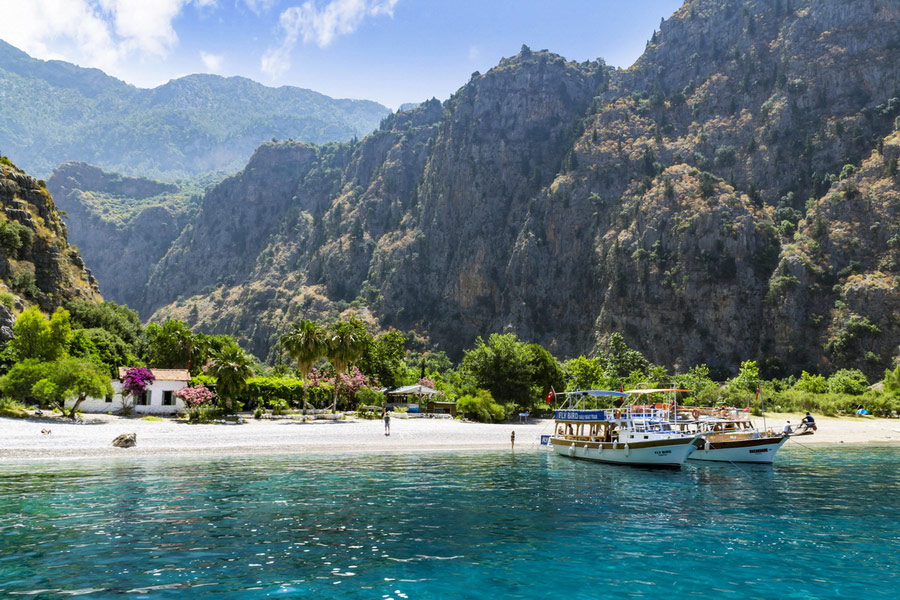
Some other noteworthy recreational sites in Fethiye that are further away from the city, but still within an hour radius, include Öludeniz Kidrak Tabiat Park (Ölüdeniz Kidrak Tabiat Parkı), Saklikent National Park (Saklikent Milli Parkı), Original Waterfall Yakapark (Şelale Yaka Parkı), Gizlikent Waterfall (Gizlikent Şelalesi), and Butterfly Valley (Kelebekler Vadisi).
Shopping in Fethiye
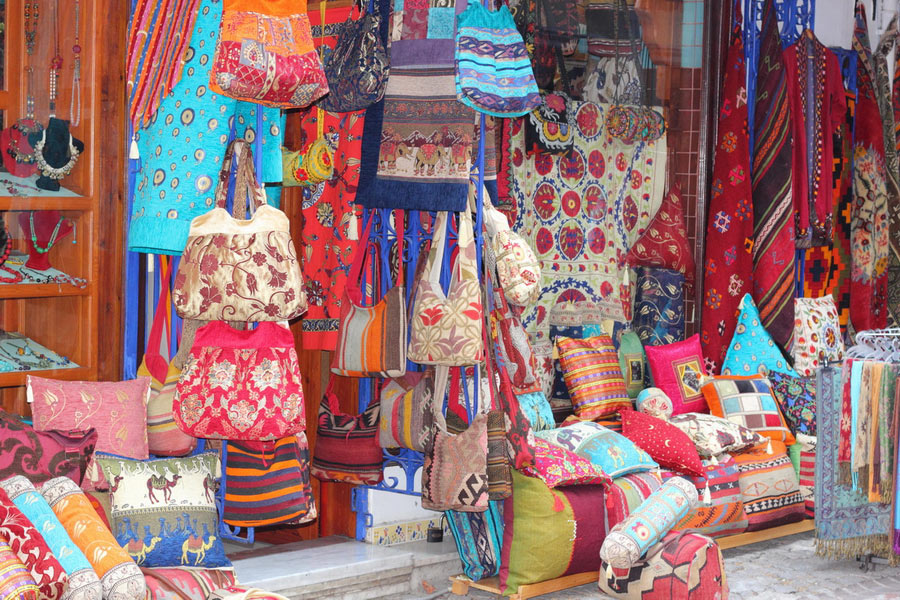
Shopping here is a separate culture. Merchants do not leave guests dissatisfied with their purchases. There is a mix of high-quality goods and mass-produced souvenirs, so finding gems can be challenging. Despite this, determination is the key!
The Amyntas Rock Tombs and downtown Fethiye areas are home to numerous shops. Small local businesses are the way to go, since they often lower the price of the items if you bargain with the seller. That way, you will be guaranteed to get value for money.
Fethiye is known for many things, including textiles. Carpet weaving was an important contribution that Turkey made to the Silk Road. Rugs were usually made using primary colours, with a splash of black and white, often having flower motifs. If you decide to buy one, we recommend Seydiler Kilim, a local variety. Additionally, the art of weaving fabric by hand, called Dastar, is something you may find intriguing.
Birim AVM Fethiye (Birim AVM Fethiye Şube) is a haven for shoppers seeking household items. You can check out Tahtakale Spot Shopping Centre (Tahtakale Spot Alışveriş Merkezi) for more mixed items of textiles and other essentials.
Erasta Fethiye AVM is a more conventional shopping centre where you will find popular domestic and foreign brands. It is also a good hangout place for its variety of food stalls and entertainment.
Food in Fethiye
Turkish Cuisine
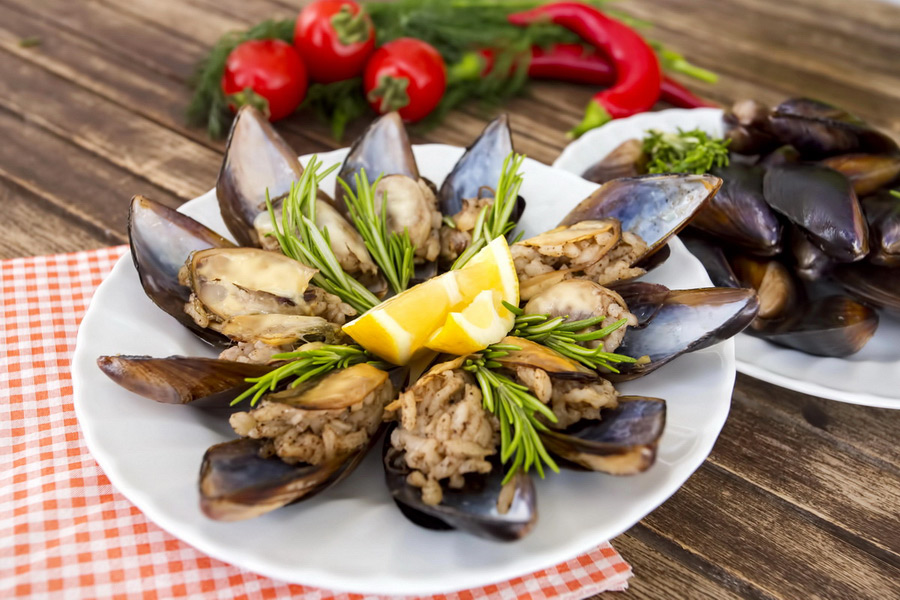
Fethiye’s cuisine features a rich blend of seafood and traditional local Turkish food. Some of the dishes we recommend are:
- Döner Kebab: A mix of meat, salad, sauce, and rice inside a flat bread.
- Stuffed Mussels: In the evenings, waiters carry platters full of mussels filled with rice and different spices.
- Fish Sandwich: Do not knock it until you have tried it! It might look like a regular ‘fish burger’ to you, but the taste is divine.
- Turkish Pancakes (Gözleme): sold at any street market; they can be sweet or savoury. Try them with ayran, a cold yoghurt drink.
More must-try dishes include Purslane Salad, Fried Calamari, and Stuffed Artichoke. We also recommend trying local Tahini and Tarhana, staples of Anatolian and Middle Eastern cuisines. Visit the restaurant in the Zakros Hotel to enjoy nice food, a great atmosphere, and an even better view of the deep blue sea.
Vegetarian Restaurants
Restaurants in Fethiye use fresh seafood and produce. There are no fully vegetarian or vegan restaurants; however, Trio Fethiye's menu is mostly plant-based.
Restaurants are accommodating to everyone. Dishes can be modified per customers’ requests and made to suit their individual dietary needs.
Coffee Houses, Bakeries, and Patisseries
Turkish coffee is brewed over hot sand in a cezve. The sugar content is tailored to your preference. Here is some helpful vocabulary:
- Sade kahve: unsweetened coffee
- Orta kahve: moderately sweetened coffee
- Çok şekerli kahve: sweet coffee
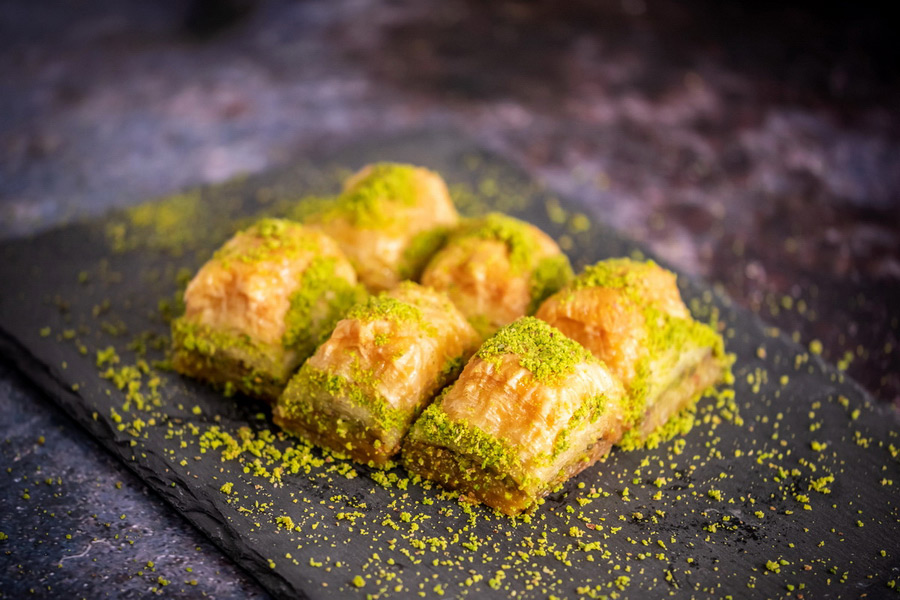
If you are looking for a quick snack with some delicious beverages, coffee and tea houses are everywhere in the city centre. Ulaşlıoğlu Baklava Fethiye, Köşe Kahve Fethiye, and Mereng Patisserie are the favourite bakeries downtown, but you can also visit Babafırın in the town centre.
City Transport in Fethiye
Public Transport
The dolmuş is the most convenient mode of transport in Fethiye. These minibuses run in both urban and rural areas and are affordable. Just look for a black “D” on a white background sign to find a bus stop!
The destination is usually displayed in front of the vehicle, and you can look up the information in advance on the Muğla Kart App. The fare can be paid via Muğla Kart balance, contactless bank cards, NFC-enabled smartphones, or cash.
Other Modes of Transport
Fethiye is quite walkable. Streets are well taken care of, and road infrastructure is optimised for pedestrians.
Taxis
The typical yellow taxis are everywhere. You can even ask your hotel or restaurant to book them for you.
For convenience, downloading a mobile app like Uber Taxi is the best option for tourists. You can view the estimated price of your trip and even order a taxi in your native language.
Car Rental
You can rent a car from one of the local agencies. There is also an option for booking it in advance, so that you can choose the pickup point as the nearest airport.
Some highly rated establishments near the city centre include:
- Likya Rent a Car
- Real Car Rental Fethiye Turkey
- Turunç Rent a Car
Note that each rental company has its own policy, which you can view on its website in advance.
Bicycle Rental
Bicycle rentals are popular here. People often book safari tours, and for that, ATV quadricycles are available. If you prefer to travel by sea, there is an option of renting a boat or a yacht, and water taxis are available to get to nearby resorts.
How to Get to Fethiye
The city can be accessed by air, land, and sea. The nearest airport is Dalaman Airport (DLM), and it takes less than an hour to get to Fethiye.
You can book direct flights from countries like the UK and Germany. However, there are regular flights with stopovers from across Europe. SunExpress, Pegasus Airlines, Turkish Airlines, Wizz Air, Aeroflot, and AJet are among the airlines that operate at Dalaman Airport. The best option is to fly from Dalaman to Fethiye via Istanbul or Ankara.
You can get here by ferry from the nearby Greek island of Rhodes. You may book a day trip to this beautiful seaside resort and enjoy the breezy air during the ride. Moreover, one of Turkey’s biggest state roads in the south, the D400 road, runs close to the city, so reaching Fethiye by taxi, bus, or car is very convenient for some visitors.
Languages Spoken in Fethiye
Residents of Fethiye, just like in the rest of the country, mostly speak Turkish. Despite this, a growing number of tourists made it possible to hear people speaking English quite often.
Tour guides usually know more than just Turkish and English, so your chances of finding a guide that speaks your native tongue are pretty high! It is worth noting that the locals are very friendly, and even if you do not speak their language, they will find a way to communicate with you.
Security in Fethiye
Turkey is notoriously safe for tourists. The same applies to Fethiye as well. The petty crime rate here is low, and police patrol the crowded streets to assist if necessary.