

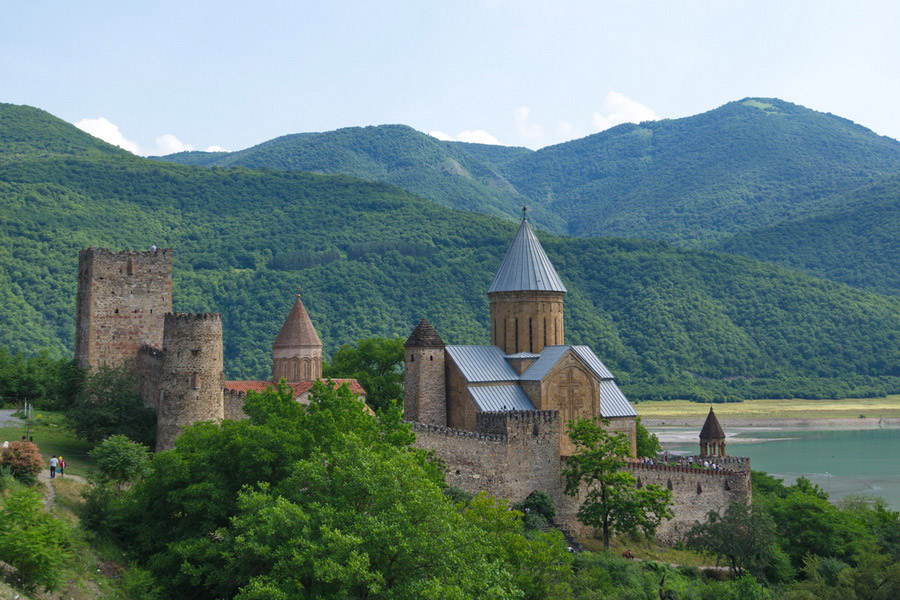
Georgia (საქართველო) is among the rare countries where snowy Caucasus slopes and Black Sea beaches can fit into one day. Gently becoming the top destination in the region, Georgia is also one of the most beautiful countries on earth. While vineyards unfold along the marvellous mountain landscapes, the country additionally captivates with ancient, enchanting culture. As the birthplace of 8,000-year-old winemaking, in Georgia warm hospitality remains part of the lifestyle.
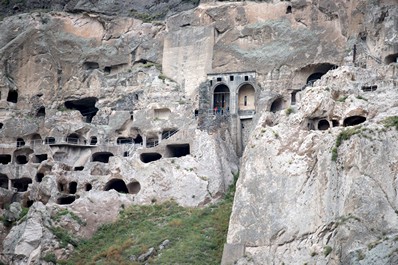
Bordered by the Black Sea region of Turkey, southern Russia, Northern Armenia and northwestern Azerbaijan, Georgia became a crossing place throughout history. Passing through Georgia, Silk Road routes brought merchants, pilgrims and culture into its cave cities, churches and trading towns. Georgia’s long and tangled history left the Vardzia cave monastery, Mtskheta’s UNESCO-listed monuments, polyphonic singing and qvevri wine traditions.
Tbilisi, the capital and the major gateway, stretches along the River Mtkvari (or Kura River) between hills, churches and intricate balconies. Its old districts bring together Abanotubani District’s sulphur baths, the Artsruni Caravanserai, the verdant alleys and streets climbing towards Narikala Fortress. In our Georgia travel guide, you’ll learn everything you need to know before travelling to Georgia.
Your Guide to Georgia by a Local Travel Expert
Contents
Why Visit Georgia?
You should visit Georgia because it boasts UNESCO sites, an 8,000-year wine tradition, and three sea-to-summit climate zones. All that density is packed into a country smaller than Ireland. Georgia is worth visiting because one trip can link Tbilisi, ancient sites, wine regions, Caucasus roads and the Black Sea.
Because of Tbilisi and Mtskheta
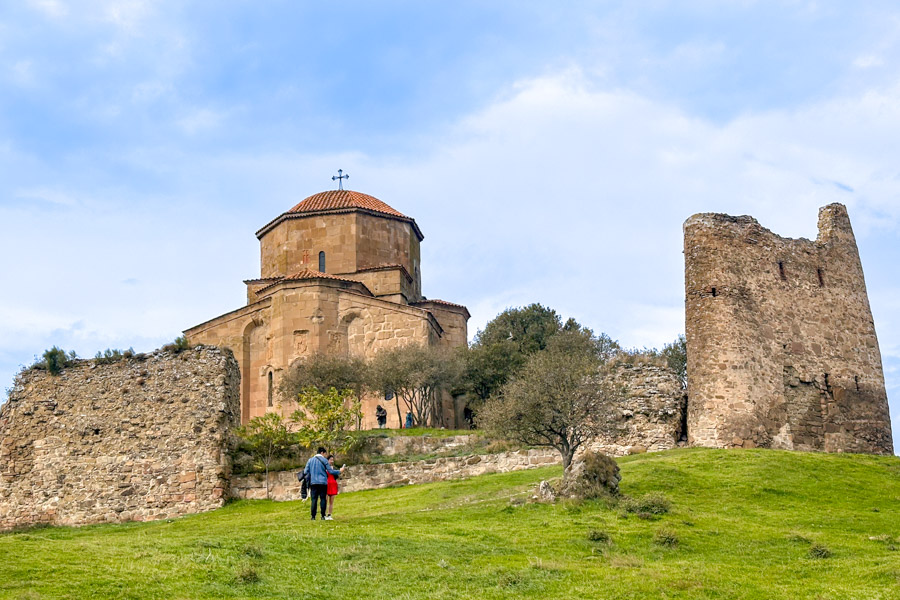
Tbilisi remains the starting point for most Georgia tours, with old quarters linking Abanotubani sulphur baths, Narikala Cable Car and panoramic views over the city. Nearby Mtskheta incorporates Svetitskhoveli Cathedral and the 6th-century Jvari Monastery, two historic sites in Georgia tied to early Christianity.
Because of Wine and Food
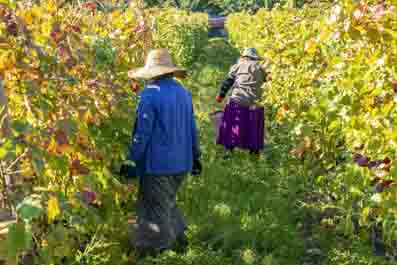
Kakheti brings qvevri wine cellars and wine made from Saperavi (a red cépage) and Rkatsiteli (a white cépage) and family-hosted lunches and dinners around historic Telavi, Sighnaghi and Tsinandali. Food gives each region a distinctive character in the journey, from Kakhetian barbecue and mtsvadi to Megrelian kharcho and Adjarian khachapuri.
Because the mountains are varied and breathtaking
Georgia’s mountains vary from Kazbegi to Svaneti and Tusheti. Kazbegi has Gergeti Trinity Church above Stepantsminda. Svaneti brings Mestia, Ushguli Community and stone defensive towers below Mount Shkhara. Tusheti sits beyond the Abano Pass, while Truso Valley opens into a high basin with mineral springs and abandoned villages.
Because one trip can change everything quickly
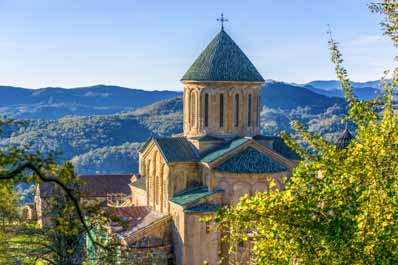
Western Georgia brings charming Kutaisi, Gelati Monastery, Prometheus Cave and Martvili Canyon into Georgia’s sightseeing. Batumi brings seaside beaches along the Black Sea and subtropical gardens to culture tours and family vacations.
Your Dream Holidays in Georgia
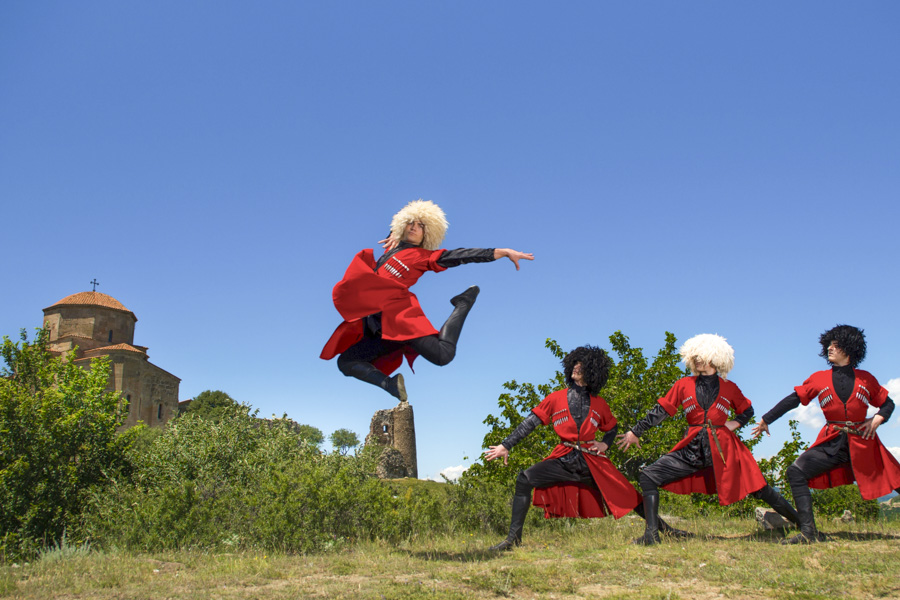
Our Georgia tours usually start in Tbilisi with the old town, then split into wine, mountains, culture or Black Sea routes.
Advantour’s Georgia tour packages cover Mtskheta, Kakheti and Kazbegi within five to seven days. This gives travellers an overview of early Christian monuments, qvevri wine cellars and the Georgian Military Highway with seamless access between them.
Longer Georgia tours take in western and southern regions, including UNESCO-listed Gelati Monastery, Prometheus Karst Cave and Martvili Canyon. The Samtskhe-Javakheti tour package features Rabati Castle and Vardzia’s cave monastery.
Wine-focused routes stay close to Kakheti’s towns and estates, from Telavi and Tsinandali to Kvareli and Sighnaghi. Mountain and hiking itineraries continue towards Kazbegi, Svaneti, Juta Valley, Truso Valley and Adjara’s highland villages.
Family vacations in Georgia work well when the route avoids long daily drives. Borjomi, Kakheti, Kutaisi and Batumi give easier pacing, green parks, caves, seaside walks and child-friendly hotels.
For travellers with more time, Georgia pairs naturally with Armenia and Azerbaijan, creating a wider South Caucasus itinerary.
Top Historical Experiences in Georgia:
Best Cultural Experiences in Georgia:
Visa Requirements for Georgia
Most of the travellers can enjoy Georgia tourism without a visa, including citizens of the EU, UK, USA, Canada, Australia, and most Gulf countries.
Most visa-free visitors can stay for up to one year, although some nationalities have shorter limits. Travellers holding a valid visa or residence permit from countries such as the USA, UK, EU states, Canada, Japan or Australia may also enter Georgia visa-free for up to 90 days in any 180-day period.
Those who need a visa should check our Georgian visa information and official Georgian e-Visa portal before booking flights. Eligible visitors can apply online, pay the fee and receive the e-visa by email, usually within five working days. If e-Visa access is not available, apply through a Georgian embassy or consulate.
Georgian visas fall into five categories: diplomatic (A), special (B), ordinary (C), immigration (D), and transit (T). A short-term single-entry visa covers 30 days. Multi-entry visas run for 5 years but require staying a maximum of 90 days within periods of 180 days.
Is Georgia a Safe Country to Visit?
Yes, Georgia is one of the safest countries to visit around the world. Crime against travellers is almost non-existent. Georgia also ranks highly in international safety indexes. In Numbeo’s 2026 Safety Index, Georgia stands 21st globally, ahead of several larger European destinations.
Police are visible in busy districts of Tbilisi and the regional cities. Tourist infrastructure is direct, with English on many road signs, taxi apps, metro announcements and restaurant menus. The U.S. Department of State lists Georgia as Level 1, meaning travellers should exercise normal precautions.
Georgia Transportation
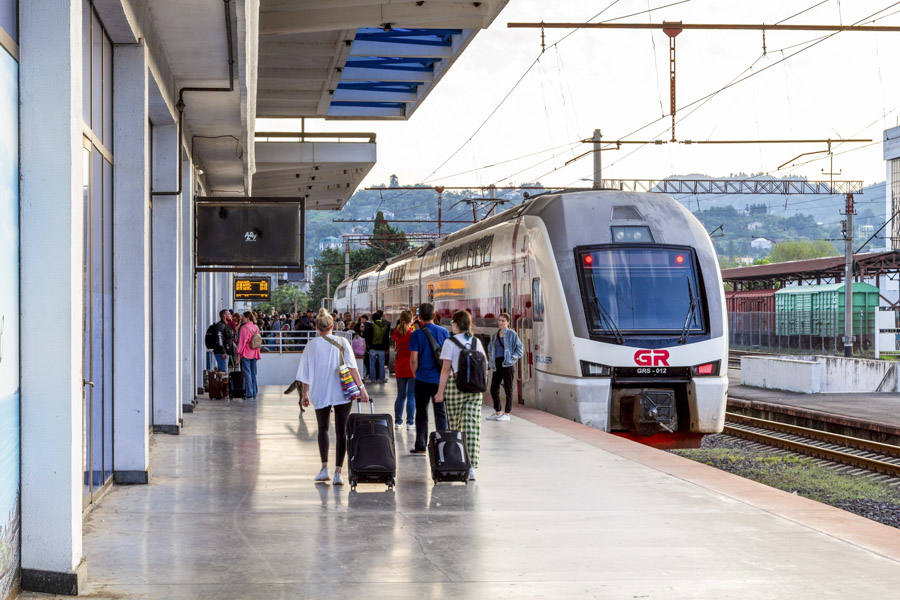
Getting around Georgia is comfortable, as public transport covers much of the country, though mountain routes often need a private driver. Trains are the best option on the western part, linking Tbilisi with Kutaisi, Zugdidi, Poti and Batumi.
Locally known as marshrutka, minibuses connect most cities, towns and villages. They are cheap and frequent, but timetables are not always clear, luggage space is limited and comfort varies by route. For mountain roads, private transfers are often the safer choice. Kazbegi, Svaneti, Tusheti, Racha and Khevsureti require more planning, especially in winter or after heavy rain.
Rental cars are a great option for visiting the countryside, but they are best suited for experienced drivers planning road trips in Georgia beyond the main routes. Roads to high valleys, remote villages and trailheads often need early starts and local road checks. Domestic flights link places such as Mestia and Ambrolauri, but small aircraft depend heavily on weather. Treat them as useful, not guaranteed.
For a smoother trip, use trains in the west, private drivers in the mountains and marshrutkas only for shorter regional routes.
Best Time to Visit Georgia
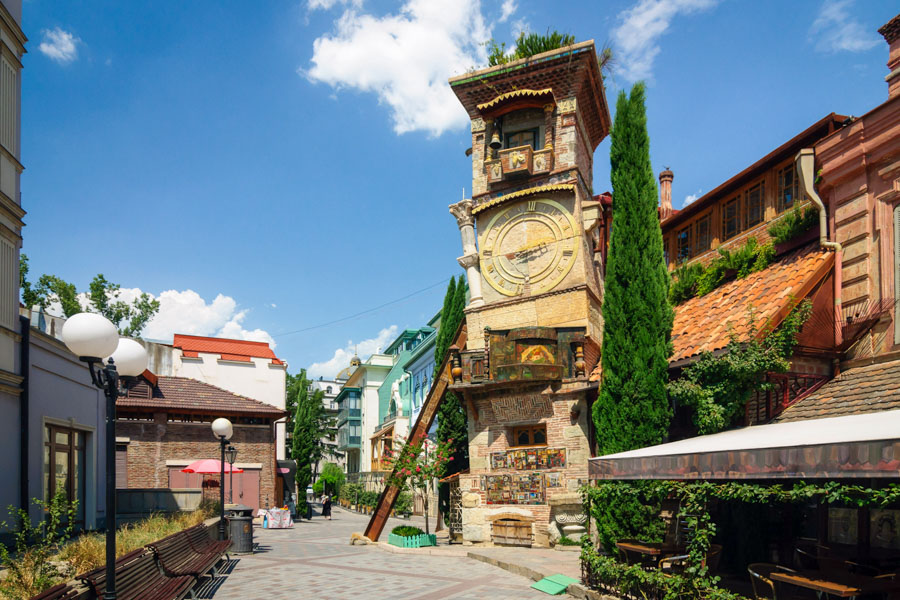
The best months to travel to Georgia are May, June, September and October, though the country is generally year-round. These months work perfectly for city walks, cultural sites, wine routes and smoother Georgia sightseeing. All depends on what you’re planning to do in Georgia. If you’re looking for a winter sports holiday, the season from December to April offers a wide range of opportunities.
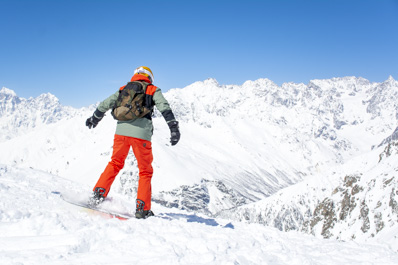
Winter is best for skiing, quiet cities and lower prices. Gudauri, Bakuriani, Goderdzi and Mestia usually run from late December, with January and February offering more reliable snow.
Spring in Georgia is best for Tbilisi, Kutaisi, Kakheti and lower hiking routes. April and May bring blossoms, Orthodox Easter traditions and the New Wine Festival in Tbilisi.
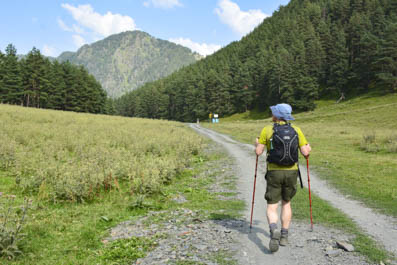
Summer is best for Georgia mountain travel. High routes to Svaneti, Tusheti and Khevsureti usually open from late June, while July and August suit trekking and remote villages. Tbilisi and eastern valleys can be very hot, while seaside tourism in Batumi and on the Black Sea coast is at its peak.
Autumn is an ultimate season for wine and culture. September and October bring the Rtveli grape harvest in Kakheti, the Tbilisoba festival in the capital and clear conditions for late mountain travel.
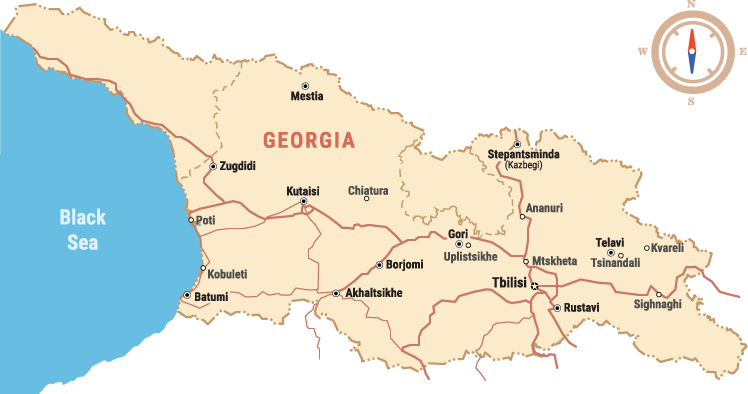
Georgia Travel Map
Use the Georgia travel map to see how Tbilisi connects with the wine region Kakheti, mountainous Svaneti and seaside Adjara. The map also helps plan driving times, regional routes and longer Georgia travel itinerary options.
How Many Days Do You Need to Explore Georgia?
You need around 10 days to properly explore Georgia, the country’s major scenic and cultural highlights. We can also provide shorter tours, including one-week routes or the four-day at-a-glance tour, according to travellers’ preferences.
The perfect duration to fully discover the country of Georgia is three weeks, so you can experience its full range. From sun-drenched vineyards of Kakheti and closely packed balconies of Tbilisi to glacier-crowned peaks of Kazbegi and the Caucasian Riviera of Batumi.
-
Tbilisi – Among the best places to visit in Georgia, Tbilisi is famous for its sulphur bath springs, the Persian bath domes, the Narikala Fortress and the Mtkvari River.
How long should I stay? 2 to 3 days
Major sites: Abanotubani Sulphur Baths, Narikala Fortress, Metekhi Church, National Gallery, Bridge of Peace
How to get off the beaten path: Walk through Sololaki District courtyards and visit the Dry Bridge Market. Explore the old streets of Avlabari District, see the Bank of Georgia headquarters and look at the Tbilisi Sea viewpoint. -
Mtskheta – A UNESCO World Heritage Site, Georgia’s old capital and one of the country’s main centres of Georgian Orthodox Christianity, just north of Tbilisi.
How long should I stay? Half a day to 1 day
Major sites: Svetitskhoveli Cathedral, Jvari Monastery, Samtavro Monastery
How to get off the beaten path: Continue to Shio-Mgvime Monastery or walk quieter streets behind Svetitskhoveli towards the river – one of the best things to do in Georgia. -
Kazbegi – Among the top tourist attractions in Georgia, this mountain destination on the Georgian Military Highway is known for Gergeti Trinity Church and Mount Kazbek.
How long should I stay? 1 to 2 days
Major sites: Gergeti Trinity Church, Dariali Gorge, Gveleti Waterfall
How to get off the beaten path: Hike through the verdant Truso Valley and continue to the hilltop Juta Village below the Chaukhi pass. -
Kakheti – Georgia’s major wine region, with fortified churches, vineyard towns and qvevri cellars.
How long should I stay? 2 to 3 days
Major sites: Telavi, Sighnaghi, Tsinandali Estate, Alaverdi Monastery, Lagodekhi National Park
How to get off the beaten path: Visit family wineries near Kvareli, Akhmeta or Ruispiri, especially during Rtveli (harvest). Attend the Unesco-listed Intangible Cultural Heritage of Humanity Chidaoba (Georgian wrestling) festival in Leliani at the feast of St Theodore Tyro. -
Kutaisi and Imereti – Imereti, western Georgia’s base for mediaeval monasteries, old markets, karst caves, river canyons and an underground culture.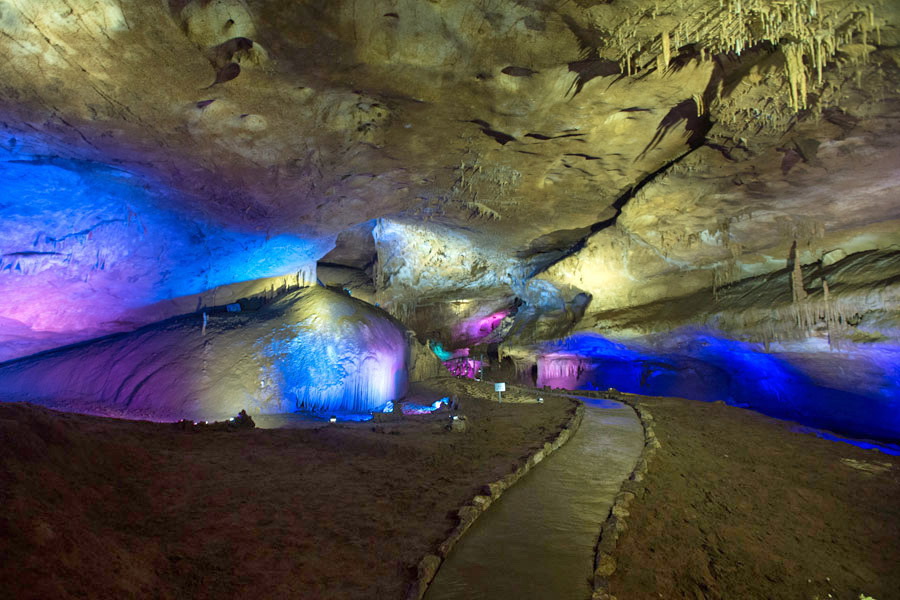
How long should I stay? 2 days
Major sites: Gelati Monastery, Bagrati Cathedral, Prometheus Cave, Martvili Canyon
How to get off the beaten path: Visit Motsameta Monastery and Tskaltubo’s old sanatoriums. Hike through the Khvamli Mountain and follow the road to Chiatura and the Katskhi Pillar. -
Svaneti – A towered highland region where Mestia and Ushguli sit below glaciers, stone villages and long mountain trails.
How long should I stay? 3 to 4 days
Major sites: Mestia, Ushguli, Chalaadi Glacier, Svan Towers
How to get off the beaten path: Stay in smaller villages between Mestia and Ushguli, or hike towards Adishi and Iprari. Attend the Lamproba Festival, Svaneti’s torch-lit winter ritual with handmade wooden torches in snowy villages. -
Batumi and the Black Sea Coast – Batumi and the Black Sea Coast
How long should I stay? 2 to 3 days
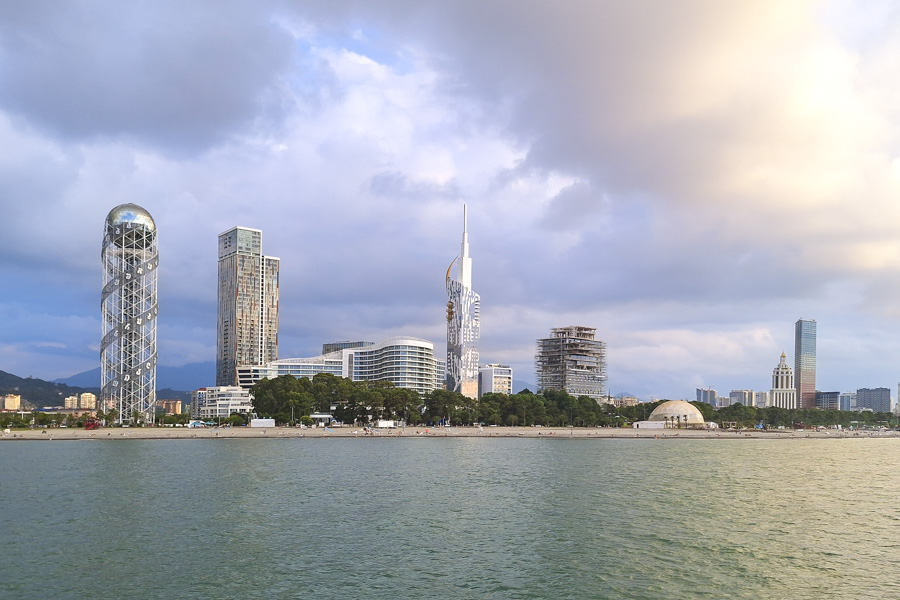
Major sites: Batumi Boulevard, Botanical Garden, Gonio Fortress, Ali and Nino statue
How to get off the beaten path: Stop by Anaklia, Ureki or Poti, or take a boat through Kolkheti National Park. -
Upper Adjara – A forested mountain region behind Batumi, known for painted wooden mosques, dairy dishes, summer pastures and unique misty views.
How long should I stay? 1 to 2 days
Major sites: Khulo, Merisi, Goderdzi Pass, Makhuntseti Waterfall
How to get off the beaten path: Stay in a highland village, visit local wooden mosques or continue towards Goderdzi outside peak season. -
Samtskhe-Javakheti – Southern Georgia’s borderland region, with fortresses, cave monasteries, volcanic lakes and Meskhetian food traditions.
How long should I stay? 2 to 3 days
Major sites: Rabati Castle, Vardzia, Khertvisi Fortress, Paravani Lake
How to get off the beaten path: Visit Saro village, Poka Monastery, Abastumani Observatory and the Doukhobor village of Gorelovka. -
Racha-Lechkhumi – A quieter mountain region between Kutaisi and Svaneti, with forested valleys, stone churches and Khvanchkara wine.
How long should I stay? 2 to 3 days
Major sites: Ambrolauri, Shaori Lake, Nikortsminda Cathedral, Barakoni Church
How to get off the beaten path: Continue to Oni, Utsera, Shovi or the limestone viewpoints around Lechkhumi. -
Samegrelo – Western Georgia’s humid lowland, shaped by royal history, canyons, hot springs and flavour-rich Megrelian food.
How long should I stay? 1 to 2 days
Major sites: Zugdidi, Dadiani Palace, Nokalakevi, Martvili Canyon
How to get off the beaten path: Eat kharcho and elarji in Zugdidi, visit the Rukhi Fortress or continue to Anaklia. -
Tusheti – Georgia’s remote summer highland, reached over the Abano Pass and built around stone villages, towers and horse routes.
How long should I stay? 3 to 4 days
Major sites: Omalo, Dartlo, Shenako, Keselo Towers
How to get off the beaten path: Stay beyond Omalo village, walk between villages or arrange horse riding with local guides. -
Khevsureti – A northern mountain region of defensive villages, narrow passes and stone architecture around the fortified villages of Shatili and Mutso.
How long should I stay? 2 to 3 days
Major sites: Shatili, Mutso, Datvisjvari Pass
How to get off the beaten path: Stay overnight in Shatili or continue to Mutso before day-trip traffic arrives. -
Pankisi Valley – A culturally distinct valley in north-east Kakheti, home to Kist villages, family guesthouses and Sufi traditions.
How long should I stay? 1 to 2 days
Major sites: Jokolo, Duisi, Pankisi Gorge, local hiking trails
How to get off the beaten path: Stay in a family guesthouse, join a guided cultural walk or attend zikr, the women’s Sufi ritual, if timing allows. -
Vashlovani Protected Areas – Georgia’s semi-desert corner, where badlands, mud volcanoes and dry canyons replace the usual mountain image.
How long should I stay? 1 to 2 days
Major sites: Eagle Gorge, Elia Monastery, Big Shiraki, mud volcanoes
How to get off the beaten path: Start from Dedoplistskaro with a 4WD driver and arrange the required visitor/entry permissions and border-zone permit paperwork before entering the trails.
Holidays and Festivals in Georgia
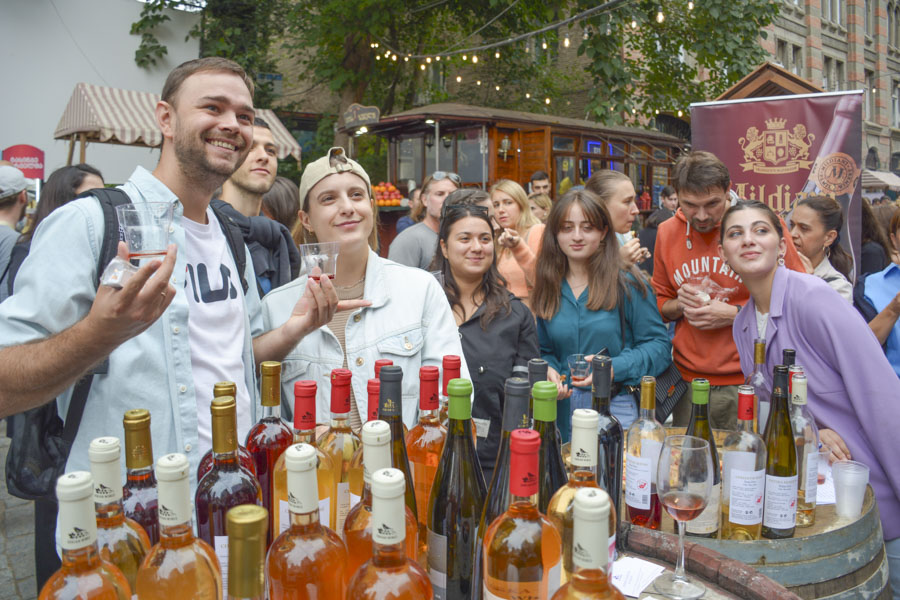
Georgian holidays grew from the same culture that shaped the country’s idea of hospitality. The old belief that “a guest is from God” still appears at supra tables, church gatherings, harvest feasts and city festivals. For travellers, these dates are moments when Georgian food, wine, faith and public life come together scrupulously.
Mixing Orthodox traditions, public ceremonies, family feasts and regional festivals, Georgian holidays are an essential part of daily life. Here, modern customs meet ancient rituals, from nationwide public holidays to regional festivals kept alive by local communities.
Organise your Georgia travels around one of these celebrations:
New Year & Orthodox Christmas (December) – Georgia’s winter holiday mood runs from New Year preparations to Orthodox Christmas on 7 January and Old New Year on 14 January. Offices may reopen earlier, but social visits, supra tables, city lights and family gatherings often continue into mid-January.
Best place to celebrate: Tbilisi, Mtskheta, Kakheti, Batumi, Kutaisi
Orthodox Easter (March–May) – Georgia’s most important religious holiday, with Holy Week services, red eggs, paska bread and family visits to cemeteries.
Best place to celebrate: Tbilisi, Mtskheta, Kakheti
New Wine Festival (Second Saturday of May) – In May, Georgians and foreigners alike gather in Tbilisi to sample young wines fermented throughout the winter. The New Wine Festival comes replete with traditional Georgian dishes and a variety of artistic performances.
Best place to celebrate: Tbilisi
Independence Day (May 26) – Georgia marks the 1918 proclamation of independence with concerts, exhibitions, military displays and public events.
Best place to celebrate: Tbilisi, Kutaisi, Batumi
Rtveli (Early October) – Kakheti’s grape harvest brings vineyard work, qvevri cellars, supra tables and village celebrations into Georgia’s wine season.
Best place to celebrate: Kakheti
Tbilisoba (October) – Tbilisi’s city festival fills the old districts with food stalls, folk music, crafts, wine and regional produce.
Best place to celebrate: Tbilisi
Svetitskhovloba / Mtskhetoba (October 14) – Mtskheta celebrates Svetitskhoveli Cathedral with church services, markets and cultural events in Georgia’s old capital.
Best place to celebrate: Mtskheta
Georgian Wine

Georgian wine is probably the oldest living part of the country’s culture, with grapevines cultivated here for around 8,000 years.
The most Georgian method is qvevri winemaking, where wine ferments in large clay vessels buried underground. This technique is still used in family maranis and professional wineries, especially in Kakheti, Georgia’s main wine region.
Georgia has hundreds of native grape varieties, with Saperavi and Rkatsiteli among the best known. You will find bottled wines in restaurants and shops, but homemade wine is just as important. It often appears at supra-feasts, guesthouse dinners and family celebrations.
Some Georgian wines and grapes to know include the following:
Saperavi – Georgia’s leading red grape variety and one of the country’s most recognisable wines. It has a deep colour, firm body and dark fruit notes and is used in rosé, dry, semi-sweet, sweet and fortified wines.
Mukuzani – A dry red PDO (Protected Designations of Origin) wine from Kakheti, made from Saperavi grapes and usually aged at least three years in oak casks. It is fuller and more structured than many everyday Georgian reds, with dark berry notes and a slightly smoky finish.
Rkatsiteli – One of Georgia’s oldest and most widely grown white grapes. It is used for fresh white wines as well as qvevri amber wines, where they become fuller, more textured and slightly tannic.
Kisi – A Kakhetian white grape known for aromatic wines with notes of dried fruit, tea, honey and flowers. Kisi works especially well in qvevri, where it often becomes richer and more complex.
Mtsvane – A fragrant white grape often linked with softer fruit and floral aromas. It is sometimes blended with Rkatsiteli but also makes fresh, balanced wines on its own.
Khvanchkara – A semi-sweet red wine from Racha region, made from Aleksandrouli and Mujuretuli grapes. It is one of Georgia’s most renowned regional wines, with red berry notes and a naturally soft sweetness.
Dos and Don’ts in Georgia
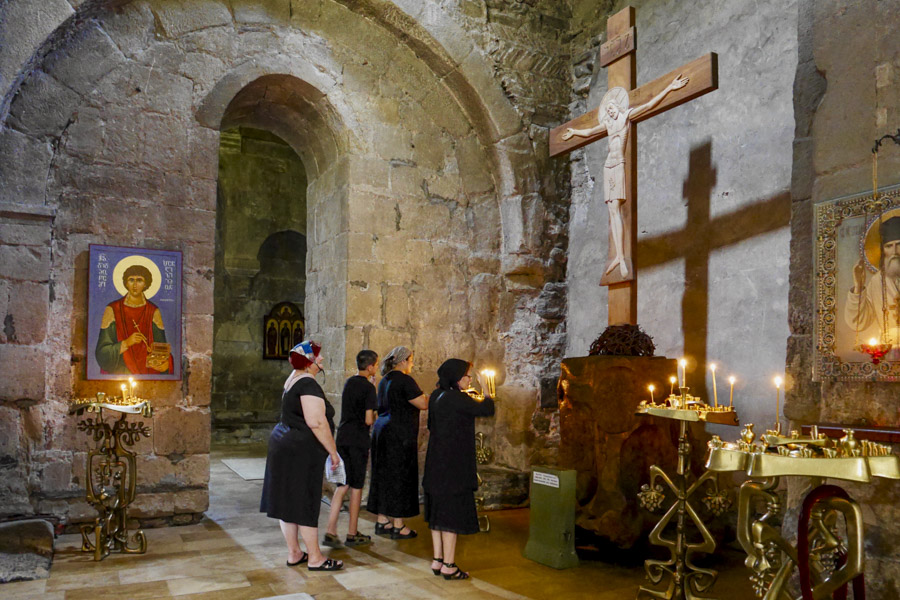
- Dress modestly when visiting churches and monasteries. Men and women should cover their knees, while women are usually expected to cover their hair and shoulders.
- Express respect for older people in public spaces. Give up your seat on buses and metro trains, and allow extra patience in queues and markets.
- Learn a few basic Georgian words. A simple “gamarjoba” for “hello” and “madloba” for “thank you” can soften almost any exchange.
- Agree on taxi prices before the ride if you are not using an app. This is one of the most useful Georgia travel tips for avoiding confusion.
- Bring a small gift if you are invited to someone’s home. Wine, sweets, fruit or flowers are all common choices.
- Watch your step in old districts. Pavements, stairs and cobbled streets can be uneven, especially in Old Tbilisi and older regional towns.
- Speak loudly, joke around or take intrusive photos inside churches and monasteries.
- Enter religious sites in shorts, sleeveless tops or revealing clothing.
- Drink wine at a supra without waiting for the toast. In Georgia, wine is usually tied to words, memory and respect.
- Give an even number of flowers as a gift. Even-numbered bouquets are traditionally associated with funerals.
- Smoke indoors unless it is clearly permitted.
- Hesitate to ask for help. Georgians are often direct, but travellers are usually met with warmth, curiosity and practical assistance.
Georgian Food
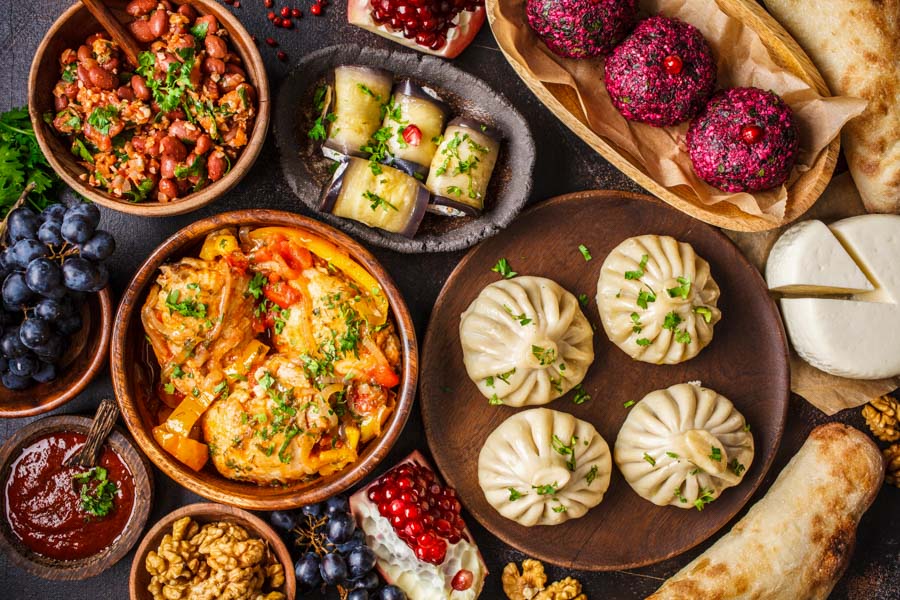
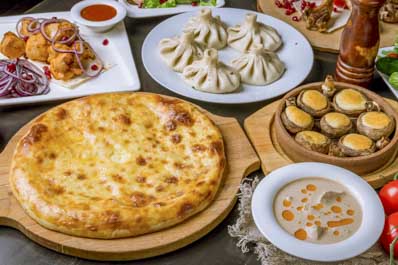
Rapidly gaining global popularity and often ranked among the world’s best cuisines, Georgian food changes from region to region. Kakheti is known for mtsvadi and wine, while Imereti is known for khachapuri. Samegrelo brings elarji and kharcho, Adjara has Adjarian khachapuri, and Svaneti is known for kubdari. Mountain regions are also the best place to try khinkali close to its roots.
Some of the most popular and tasty meals include:
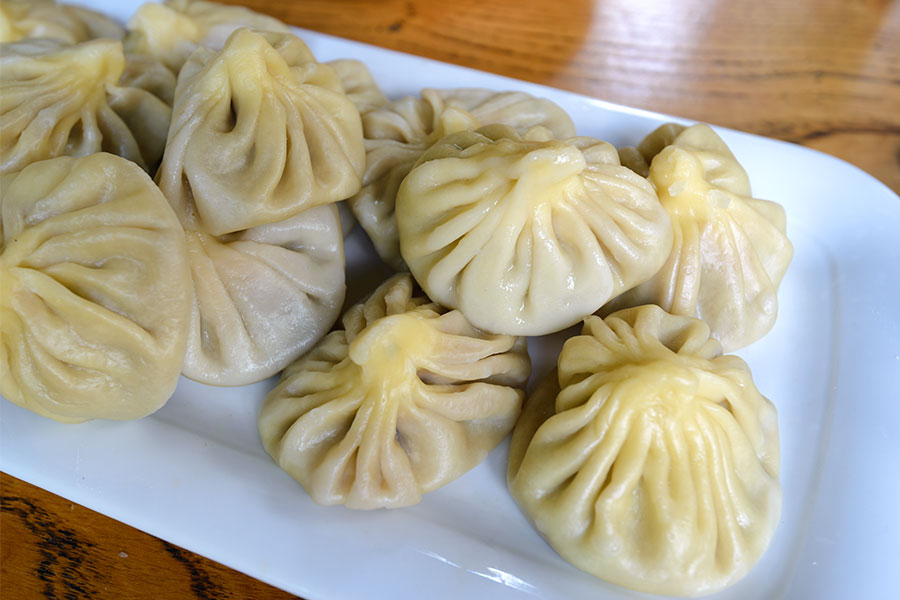
Perfectly steamed, juicy dumplings traditionally filled with mutton. Nowadays, you can also savor vegetarian options stuffed with mushrooms, cheese or potatoes.
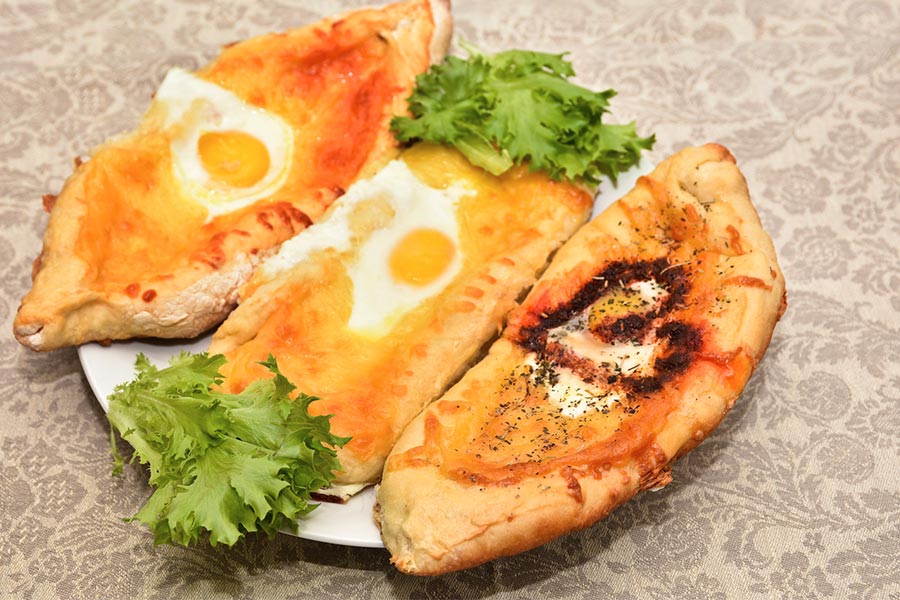
Georgia’s signature food, this delicious cheese-filled bread comes in many regional variations.

Delicious stew made of mashed beans with spices.
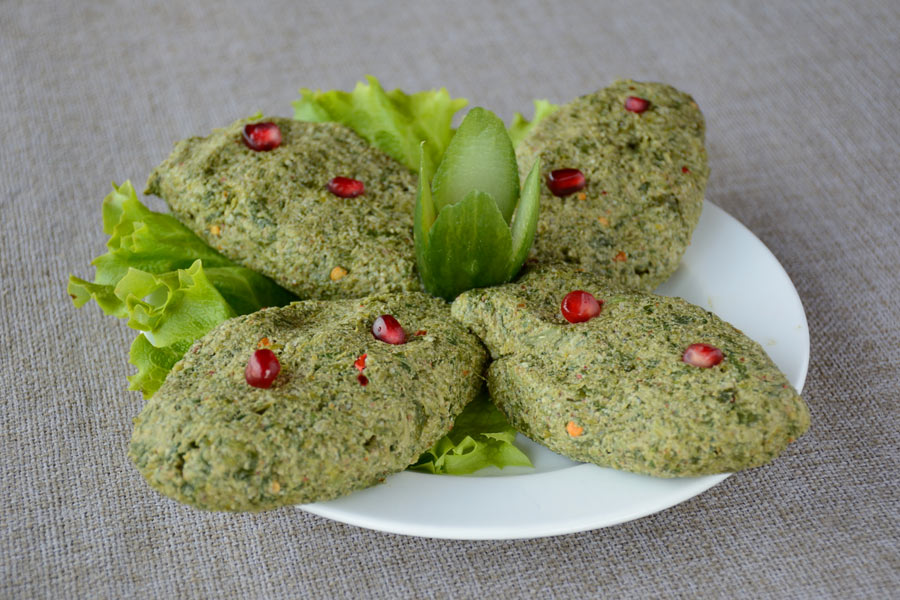
Georgia’s answer to European salads, pkhali is made of minced spinach, beets or cabbage and shaped into small balls.
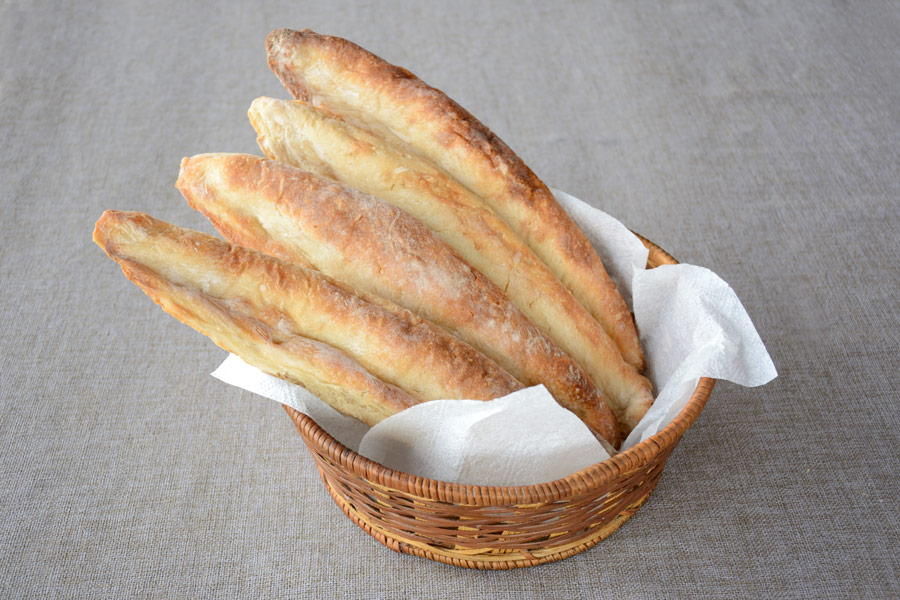
Georgians bake their bread in clay or metal cylindrical ovens called tone. The most popular variations of puri are the large, rounded tonis puri and long, narrow shotis puri.
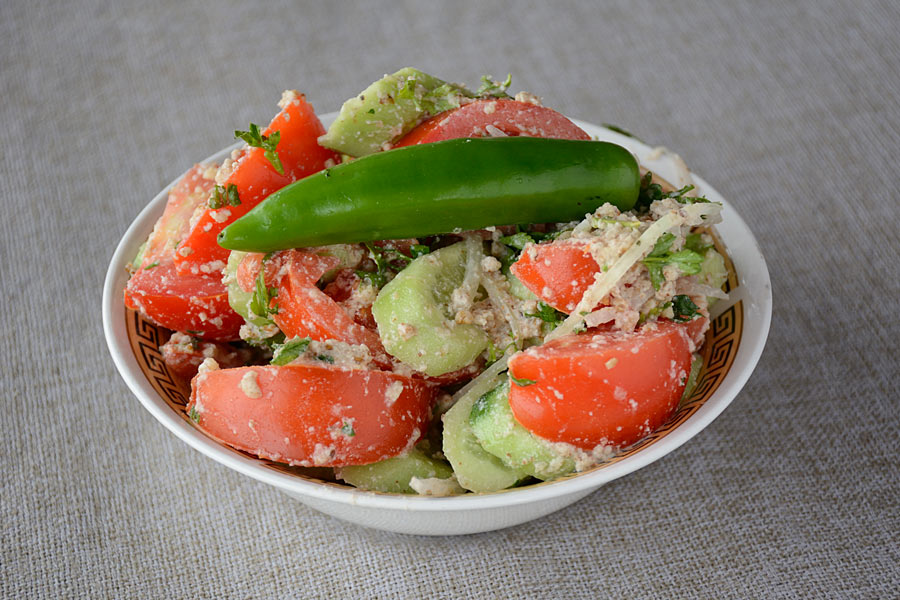
Fresh cucumber and tomato salad served with local herbs and often eaten with walnuts or walnut sauce.
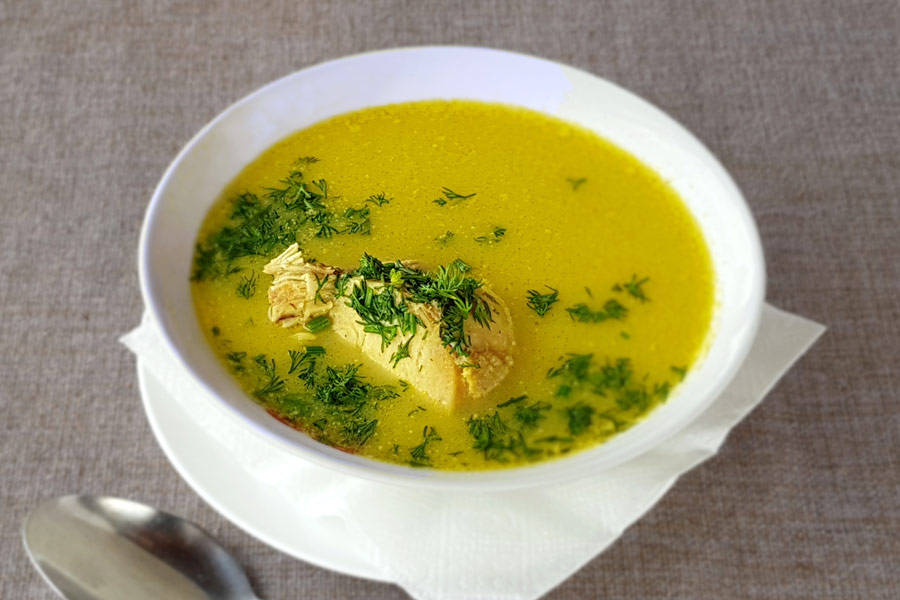
Traditional Kakhetian soup of rich turkey or chicken broth which is thickened with beaten eggs.
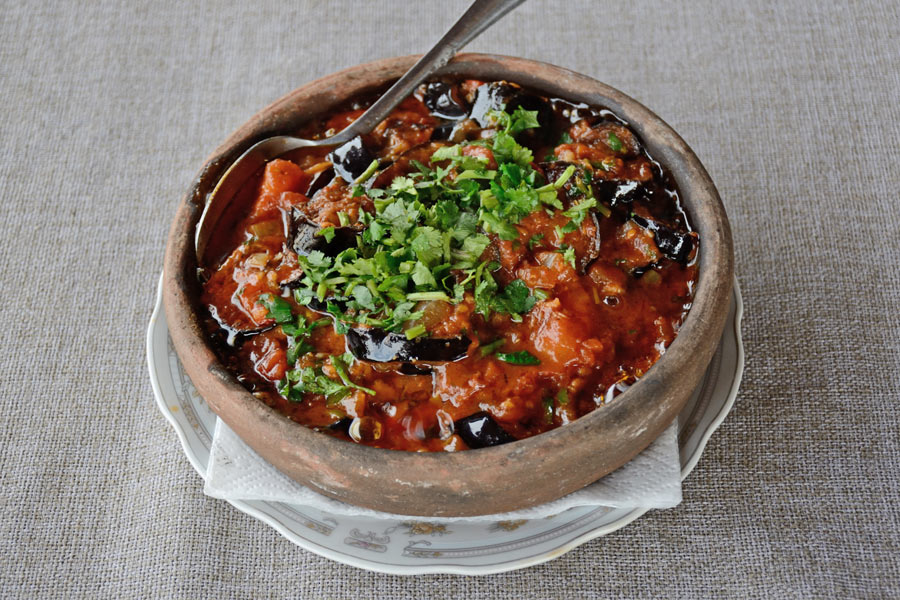
Excellent vegetarian dish blending stewed eggplant, potatoes, tomatoes, onions and herbs.
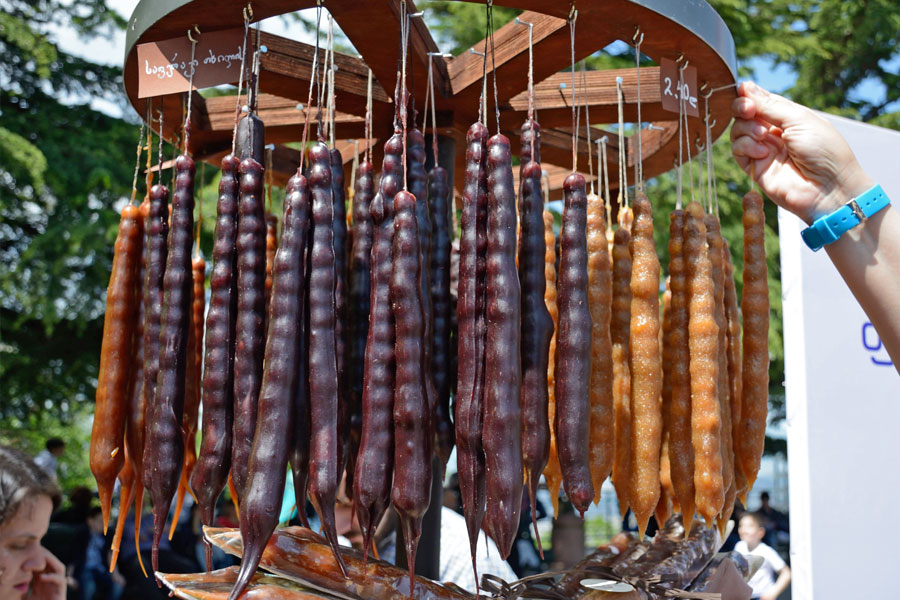
Delightfully sweet walnuts threaded onto a string, dipped in thickened grape juice and dried in the shape of a long candle.
Check out our Georgia Travel Guidebook for Food for an in-depth.
Speak the Georgian Language
Learn these Georgian phrases for your upcoming trip:
| Phrase | Georgian |
| Hello | გამარჯობა (Gamarjoba.) |
| How are you? | როგორ ხარ? (Rogor khar?) |
| Goodbye | ნახვამდის (Nakhvamdis.) |
| Thank You! | მადლობა! (Madloba!) |
| You are welcome | არაფრის (Arapris.) |
| Yes/No | კი/არა (Ki/Ara.) |
| Where is the... (airport)? | სად არის აეროპორტი? (Sad aris aerop’orti?) |
| How much is it? | რა ღირს? (Ra ghirs?) |
| My name is… | მე ვარ/მე მქვია... (Me var.../Me mqvia...) |
| I don’t understand | ვერ გავიგე (Ver gavige.) |
| Excuse me | უკაცრავად (Ukatsravad.) |
| Please | თუ შეძლება (Tu Sheidzleba.) |
| Nice to meet you | სასიამოვნოა თქვენი გაცნობა (Sasiamovnoa tqveni gatsnoba.) |
| Cheers! | გაუმარჯოს! (Gaumarjos!) |
Georgian Gifts
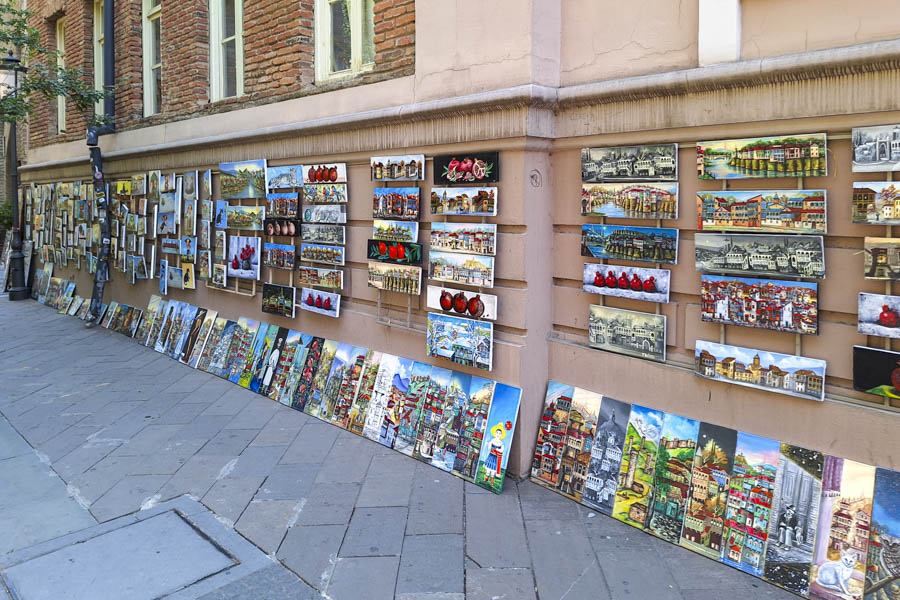
A trip to Georgia often continues at home through wine, spices, sweets and handmade objects. Some of the best Georgian gifts are easy to pack and closely tied to local food, craft and table culture.
Georgian wine: qvevri wines, made from Saperavi grapes, and amber wines, made from Rkatsiteli grapes, are among the most meaningful gifts from Georgia.
Chacha: Georgia’s strong grape brandy is usually bought from wine shops, wineries or local producers.
Churchkhela: walnuts or hazelnuts dipped in thickened grape juice, often called Georgian natural candy.
Svan salt and Megrelian adjika: spice mixes from mountain and western Georgian kitchens, useful for meat, potatoes, beans and vegetables.
Georgian tea: black and green teas from Guria, Samegrelo and Adjara are light, local and easy to carry
Minankari jewellery: Georgian enamel jewellery with colourful patterns, often sold as earrings, pendants and small brooches.
Blue tablecloths: traditional Georgian tablecloths with blue-and-white designs, linked to supra tables and old textile patterns.
Ceramics: small ketsi clay pans, cups, plates and miniature qvevris make practical souvenirs from local workshops.
Felt and wool items: handmade slippers, hats, scarves and small decorations are common in mountain and craft markets.
Georgian books and prints: alphabet posters, city illustrations and art books are good gifts for design and culture lovers.
Did You Know That...
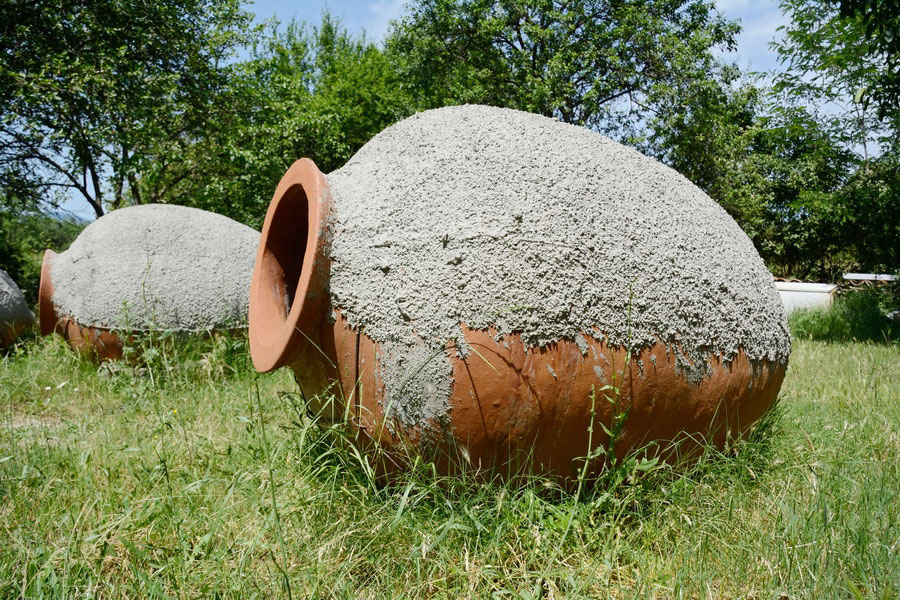
- Georgia is considered the “cradle of wine”. Archaeologists discovered traces of winemaking dating back to 6,000 BC and further evidence proves that early Georgians discovered that grape juice could be converted into wine when buried underground for the winter. This is how the local technique of making wine in qvevri vessels was born.
- The leader of the Soviet Union, Joseph Stalin, was born some 80 kilometers away from Tbilisi in the Georgian town of Gori.
- Famous singer Katie Melua was born to Georgian parents in Kutaisi.
- The town of Bochorna in northeast Georgia, with an altitude of 2,345 meters (7,694 feet), is the highest continuously inhabited settlement in Europe. Since the village has only one resident, however, the title normally goes to Ushguli (2,100 meters/6,900 feet a.s.l) as a more “substantial” settlement.
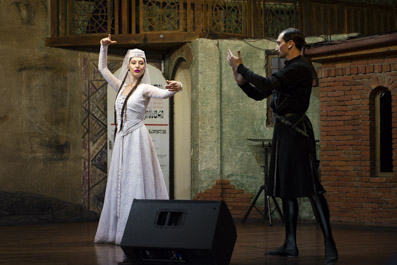
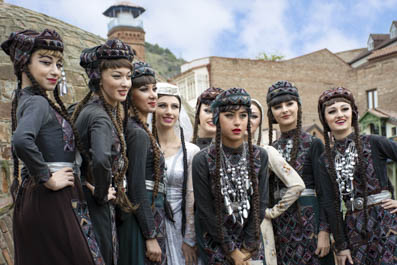
- Georgia's folk music, well-known for its rich tradition of vocal polyphony, attained international recognition when it became one of the first cultural treasures included on Masterpieces of the Oral and Intangible Heritage of Humanity List in 2001. In 2008, its value was further recognized through inclusion on the Representative List of the Intangible Cultural Heritage of Humanity.
- The “Khachapuri Index”, developed by the International School of Economics at Tbilisi State University, uses the cost of making khachapuri to measure inflation in different Georgian cities.
Georgia Travel FAQ
Is Georgia part of Europe?
Yes, Georgia sits at the crossroads of Europe and Asia, in the South Caucasus. Culturally and politically, it is closely tied to Europe.
What language is spoken in Georgia?
Georgian is the official language. It has its own alphabet and is unrelated to any other language.
How do you say hello in Georgian?
You say gamarjoba. It is the standard Georgian greeting and works in almost every situation.
What does “ara” mean in Georgian?
Ara means “no” in Georgian. “Ara, ara” means “no, no” or “no, no, thank you”, depending on context.
Can I speak English in Georgia?
English is common in central Tbilisi, Batumi, hotels, restaurants and tourist areas. In villages, Russian or basic Georgian helps more.
How do you say please in Georgian?
You say tu sheidzleba, meaning “if possible”. Georgians also use gtkhovt, a more formal word for “please”.
Why is Georgia famous?
Georgia is famous for qvevri wine, the Caucasus mountains, ancient churches, khinkali, khachapuri, polyphonic singing and warm hospitality.
What is a must-do in Georgia?
In Georgia, the must-dos are a mix of cultural experiences we can tailor to your preferences: the old town of Tbilisi, heritage sites in Mtskheta, wine tastings in Kakheti, mountain landscapes for hiking and skiing in Kazbegi, and modern seaside life in Batumi, on the Black Sea.