

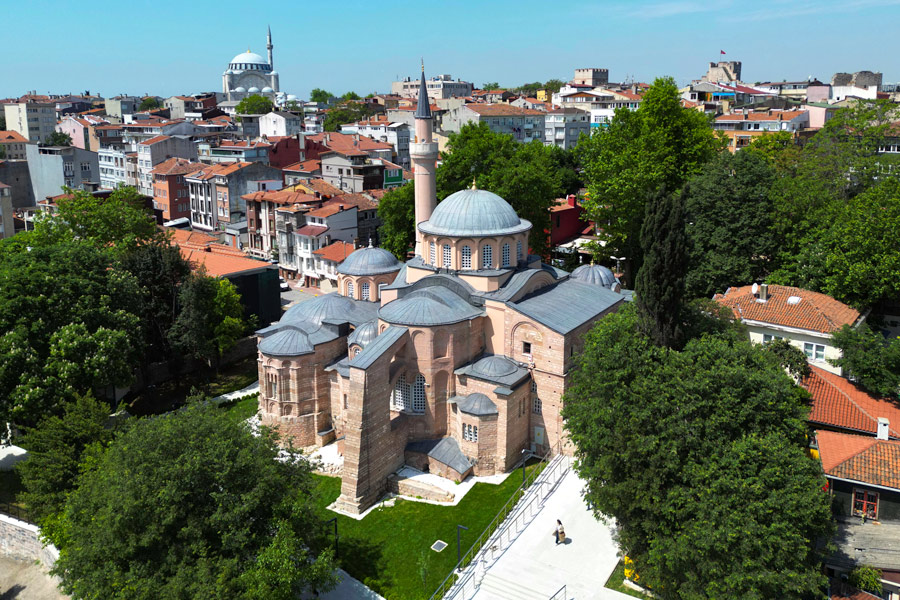
A First Look at the Kariye Mosque
Hidden in the heart of Istanbul’s historic Fatih District, the Kariye Mosque (formerly Chora Church) is one of the most breathtaking examples of Byzantine art and architecture in the world. Standing gracefully alongside the Hagia Sophia and the Blue Mosque, this peaceful gem welcomes visitors with a warm, intimate atmosphere and a sense of wonder.
Its main characteristic is vivid mosaics and frescoes that portray biblical stories with extraordinary emotion. Later converted to a mosque and, for decades, a museum, it remains among Istanbul’s most important cultural monuments.
Whether you know it as the Chora Church, the Kariye Museum, or the Kariye Camii, this landmark is an essential stop for anyone passionate about history, art, or sacred architecture.
Understanding the History of Kariye Mosque
The Early History of Chora Church
The story of Chora Church begins in the early 4th century, when it was built outside the walls of Constantinople – the name, Chora, meaning “in the fields”. When Emperor Theodosius II expanded the city’s defensive walls in the 5th century, the church found itself within the city’s limits but retained its pastoral name.
In the late 11th century, Maria Doukaina rebuilt the church. In the 12th century, Isaac Komnenos, the son of Emperor Alexios I, later rebuilt and strengthened parts of the structure following damage. In the 14th century, the noble scholar Theodore Metochites gave the building its most celebrated artistic flourish. It involved a cycle of Byzantine art – stunning mosaics and frescoes.
From Byzantine Church to Ottoman Mosque
After the Ottomans conquered Constantinople in 1453, they transformed numerous Byzantine churches into mosques. In 1511, during the reign of Sultan Bayezid II, the Chora Church was converted into a mosque – the Kariye Mosque (Kariye Camii).
To respect Islamic traditions, the mosaics were plastered over – not destroyed – preserving them for centuries. The mosque continued to serve as a neighbourhood place of worship, known for its quiet elegance and graceful domes.
The Creation of the Chora Church Museum
In 1945, the Turkish government designated the building as a museum. From 1948 onwards, restoration led by the Byzantine Institute of America (with support from Dumbarton Oaks) uncovered and conserved the mosaics and frescoes.
Kariye Mosque Today
In 2020, the Turkish government decided to reconvert the church into a mosque. Today, it is once again formally known as Kariye Camii.
Visitors are still welcome to admire its historical and artistic splendour. However, the Chora Church's opening hours and access to certain sections may vary during prayer times.
The Architecture and Design of Kariye Mosque
The Kariye Mosque architecture blends elegance and symbolism in every detail. The church was built in the cross-in-square style, a common feature of Byzantine architecture. The domes and semidomes provide balance and rhythm.
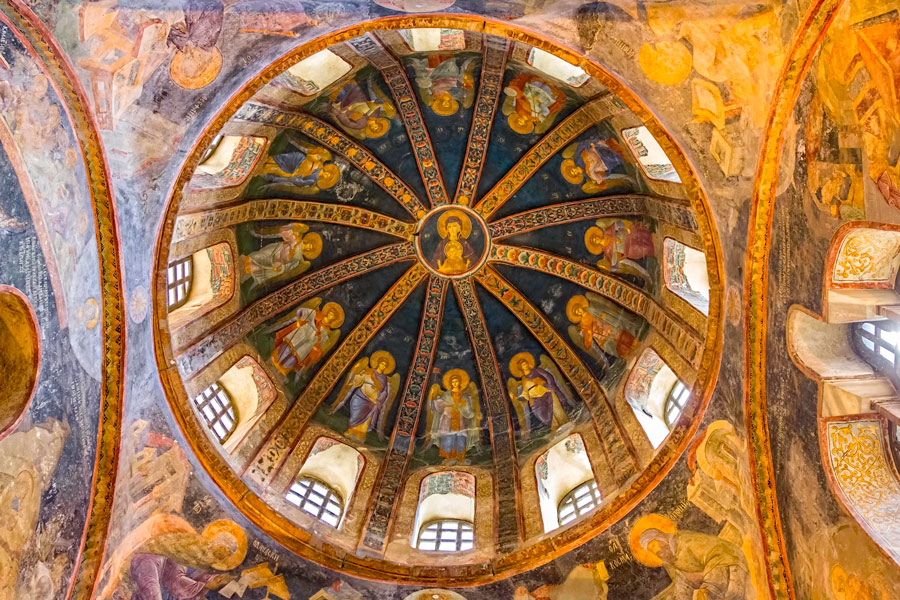
The building truly comes to life in its interior. Every wall and vault seems to shimmer with gold mosaics, portraying scenes from the New Testament and the life of the Virgin Mary. Light streams in through small windows, catching the tesserae (mosaic tiles) and reflecting on them like stars in a sacred night sky.
Mosaics and Frescoes of the Chora Church
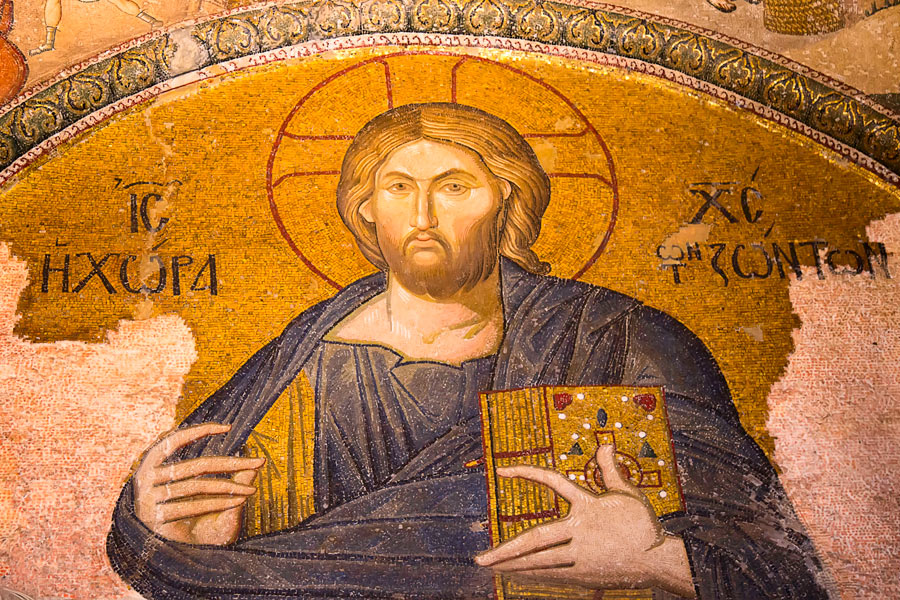
Highlights include prominent narthex mosaics of Christ Pantocrator and the Virgin and Child, framed by prophets and symbolic figures.
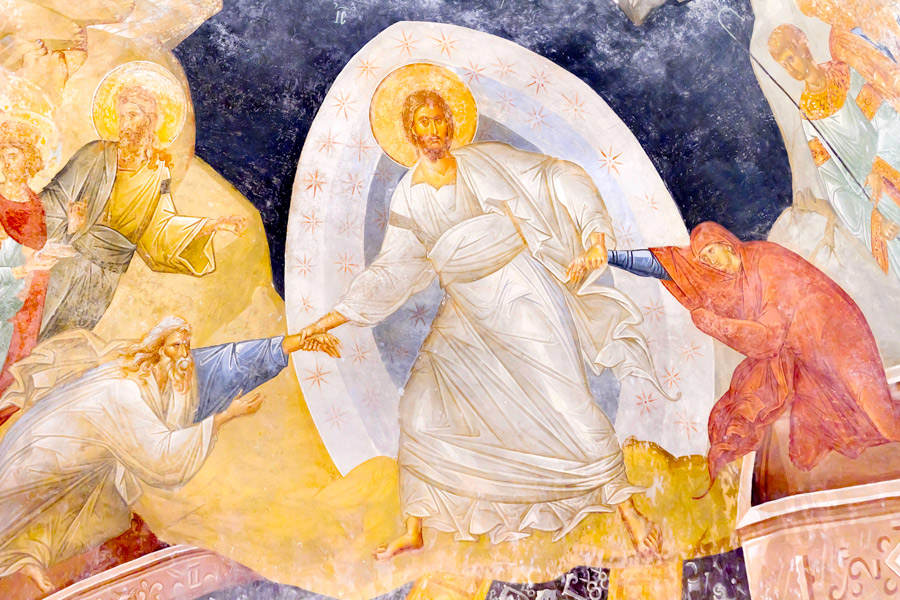
The parakklesion, or funerary chapel, features powerful frescoes of the Resurrection (Anastasis). It depicts Christ lifting Adam and Eve – along with scenes associated with the Last Judgement. These artworks show not only the deep spirituality of Byzantine theology but also a technical mastery of perspective and colour rarely equalled in mediaeval art.
The Man Who Shaped Chora Church’s Art
Without Theodore Metochites, Chora Church might never have reached its current splendour. A scholar, philosopher, and statesman, he poured his wealth into the renovation of the church. One mosaic even shows Metochites offering a model of the church to Christ – a gesture of devotion and legacy.
What to Know Before Your Visit
Kariye Mosque Opening Hours
The mosque welcomes crowds Saturday through Thursday and is closed to tourist visits on Fridays. On other days, tourist admission stops about 15 minutes before prayer times and resumes after prayers conclude.
Typical opening hours are 9:00 AM to 6:00 PM, though these may change depending on the season and restoration works.
Visitors planning a trip should check for updated praying schedules before arrival.
Kariye Mosque Entrance Fee
Admission is 20 euros for tourists; however, entrance is free for Turkish citizens and Muslims looking for prayer grounds. Donations are welcomed for preservation projects.
Respectful Visiting Guidelines
The mosque is an active place of worship. Therefore, travellers are encouraged to dress modestly and respect local customs during their visits. Women should cover their heads and shoulders, while men are advised to avoid wearing shorts. As with all mosques in Istanbul, shoes must be removed before entering the main prayer area.
If you arrive unprepared, there’s no need to worry – scarves and basic coverings are usually available at the entrance.
How to Get to Kariye Mosque

Reaching Kariye Mosque is straightforward, even though it sits slightly off Istanbul’s main tourist routes near the historic city walls.
From Sultanahmet:
Take the T1 tram line toward Bağcılar and get off at Topkapı Station, where you can transfer to the T4 tram line. The T4 tram line provides access to Edirnekapı Station, the closest station to the mosque. From there, exit the underground platform, head toward the Edirnekapı city walls, and enjoy a short 10–15 minute walk through the atmospheric streets of the Fatih District.
By Taxi or Ride Share:
A taxi is the most convenient option, especially for first-time visitors. The ride takes around 15 minutes from Sultanahmet or Taksim, depending on traffic. For added ease, consider asking your hotel concierge to arrange a taxi or using an official taxi stand nearby.
By Bus:
Several local buses run to the Edirnekapı area from major transport hubs such as Taksim, Eminönü, and Mecidiyeköy. Popular routes include 31E and 38E, which stop within walking distance of the mosque.
Once you arrive, you'll find the Kariye Mosque nestled among cobbled streets, Ottoman-era houses, and quiet neighbourhood cafes.
What to See Inside – Highlights of Kariye Mosque
Your visit begins in the entrance hall, where stunning mosaics immediately set the tone. These scenes introduce the story of Christ and the Virgin Mary. The highlights of Kariye are abundant. For instance, be sure to pause at the mosaic of the Virgin Mary seated with the Child.
As you move deeper inside, the inner entrance hall reveals a series of mosaics showing key moments from the life of Jesus. Gaze upwards to witness the central dome, depicting Jesus Christ encircled by his ancestors. Don’t miss the side chapel, often considered the emotional highlight of Kariye. It features dramatic wall paintings showing scenes of the Resurrection and the Last Judgement.
Extending Your Visit – Nearby Landmarks
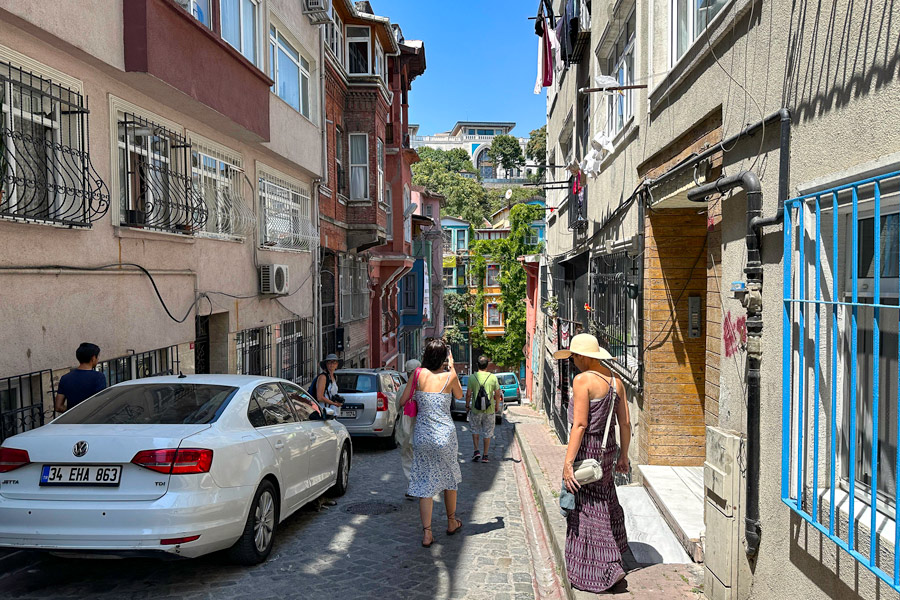
Kariye Mosque’s location in the Fatih District puts it close to several fascinating structures:
- Historical Peninsula (Tarihi Yarımada) – landmarks like the Fatih Mosque, the beautifully restored Zeyrek Cinili Hammam, and the lively Fatih Wednesday Bazaar.
- Walls of Istanbul (İstanbul Surları) – the monumental Byzantine fortifications that once protected Constantinople for centuries, stretching across the city and standing today as one of the most impressive surviving defensive systems of the mediaeval world. You can view its more famous section, Edirnekapı Walls (Edirnekapı Surları), near the Kariye Mosque.
- Eyüp Sultan Mosque (Eyüp Sultan Camii) – Among Istanbul’s holiest Islamic sites, built near the tomb of Abu Ayyub al-Ansari, a close companion of the Prophet Muhammad.
- Mihrimah Sultan Mosque (Mihrimah Sultan Camii) – An elegant 16th-century Ottoman mosque designed by Mimar Sinan for Sultan Süleyman the Magnificent’s daughter.
Combining these with the Kariye Mosque makes for a perfect itinerary for lovers of history and architecture.
The Cultural Legacy of Chora Church
Kariye Mosque is a cultural landmark that shows how Byzantine art coexists with Ottoman history. It is about the centuries of care and continuity across changing cultures and beliefs.
The building went through several transformations. Despite this, its artistic legacy was never lost. The mosaics and frescoes beneath layers of plaster survived intact, revealing their beauty once again.
Today, careful conservation work helps protect these fragile artworks from humidity, pollution, and natural ageing.
Practical Advice for Chora Church Visitors
- Arrive early in the morning or late afternoon to avoid tour crowds.
- Bring a guide or audio tour to fully understand the stories behind each mosaic.
- Photography is allowed, but avoid using a flash.
- Check restoration status online before visiting – some sections may be temporarily closed.
List of Prohibited Items at the Kariye Mosque
Before you embark on a journey to one of Istanbul’s hidden treasures, here are some things you should know about restricted items:
- Weapons are not permitted inside the mosque.
- Items such as spray paints and ink for marking are forbidden.
- Bringing food and beverages is not allowed.
- Luggage and umbrellas must remain outside.
- Strollers, banners, and signs are prohibited, as are pets (with the exception of service dogs).
Curated Tours Near Kariye Mosque
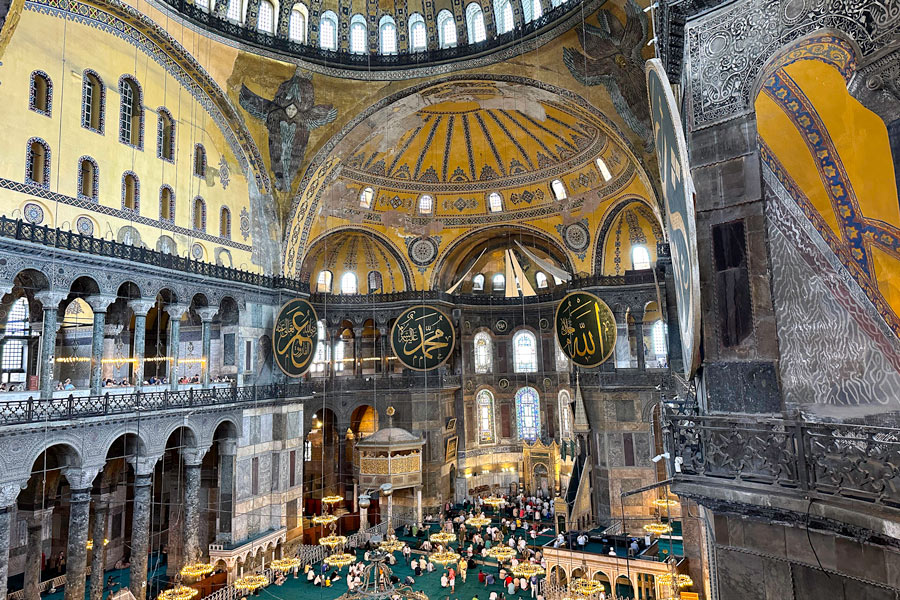
Choose from a range of thematic tours that showcase Kariye Mosque alongside Istanbul’s Byzantine heritage, religious landmarks, and atmospheric historic districts.
- Byzantine Istanbul Highlights Tour – Visit Kariye Mosque, Hagia Sophia, and the Ecumenical Patriarchate. Enjoy an expert commentary about Istanbul’s Byzantine past. Ideal for history lovers who want a well-rounded introduction.
- Private Byzantine Art and Architecture Tour – Explore Istanbul’s rich artistic history with a guide. Learn about Byzantine mosaics and frescoes, including the famous works at the Kariye Mosque. Ideal for art lovers and exclusive gatherings.
- The Fener and Balat Walking Tour – discover the colourful streets near Kariye Mosque. Browse the nearby cafés, synagogues, and historic churches.
- Old City and City Walls Tour – combine Kariye Mosque with the Walls of Constantinople, Edirnekapı, and nearby Ottoman sites. This will give you a more profound understanding of how Constantinople was defended and changed over the years.
- Tour of Istanbul's Faith District – explore the city's religious diversity. Include the Kariye Mosque in your itinerary along with nearby Orthodox churches, historic mosques, and sacred sites in Fatih and Fener.
Why the Kariye Mosque Is Worth a Visit
If you love art, history, or sacred places that tell stories across time, the Kariye Mosque (Chora Church) is a must-see. Its walls still echo the devotion of monks, artists, and worshippers spanning over a thousand years.
For believers, every mosaic at the Kariye Mosque feels personal; every stone hums with memory.
Step beyond Istanbul’s most familiar itineraries to uncover a quieter side of the city. Stand beneath the Mosaic of Christ, and let this masterpiece of Byzantine churches remind you that true beauty survives through faith, patience, and light.