

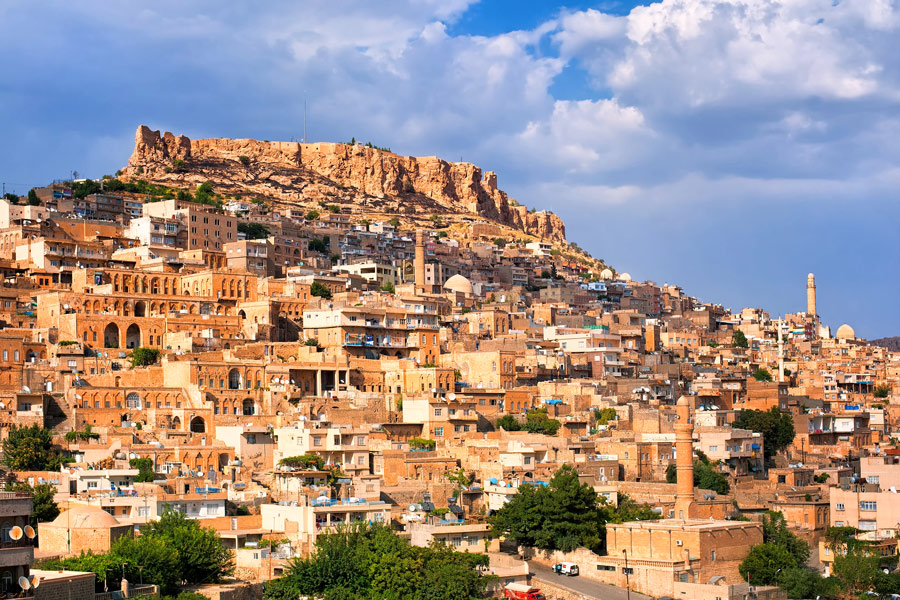
Tours and Attractions in Mardin
Have you ever read about the ancient civilisations and wondered how it would feel to walk through those cities as if you belonged there? The ancient capital of the Artuqid Dynasty (Artuklu Beyliği) and the current seat of the Mardin Province, the city of Mardin in Turkey (Türkiye), can make that dream a reality.
With an estimated population of around 200,000 people, this small town attracts more and more tourists every year. Flights from Istanbul to Mardin only last 2 hours, and for a relatively low price, you can enjoy this UNESCO World Heritage Site candidate — a gorgeous city near the Syrian border that has maintained its original appearance despite rapidly growing urbanisation.
Whether you explore the characteristic architecture at Zinciriye Madrasah (Sultan İsa Medresesi) or drive 40 minutes outside of the city to see the Dara Mesopotamia Ruins, witness the Mesopotamian legacy of fertile soil, crossroads for different cultures and religions, and one of the key points in the old Silk Road routes.
Mardin Tours
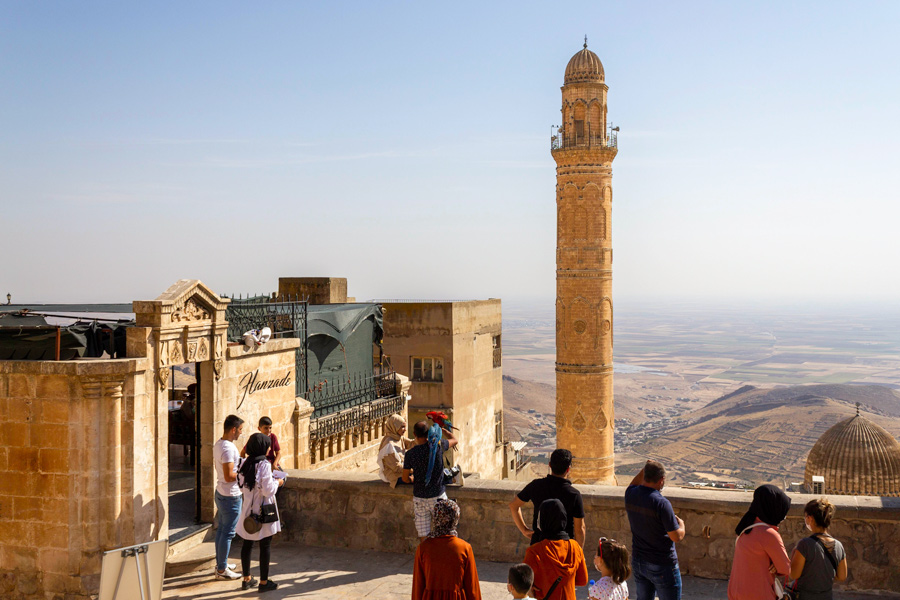
Located just around 25 kilometres from the Syrian border and 200 kilometres from the Iraqi border, exploring Mardin will transport you to civilisations that preceded us, lived lavishly and left behind an extensive historical and cultural heritage. The charm of this city is felt at every ancient building and cobblestone road, with views as gorgeous as a Renaissance painting.
From kite-making masterclasses and wine tasting to hiking tours and camping trips, this small city has enough activities to keep visitors entertained for as many days as they decide to spend here.
Stroll through the local markets to find unique handicrafts from local artisans, taste the regional cuisine to discover new favourites, and most of all, have fun in Turkey’s southeastern getaway to Mesopotamia!
Best Time to Visit Mardin
Mardin weather is affected by a typical Mediterranean climate, with hot and dry summers. On the contrary, winters are quite cold and wet, with occasional snowfall. The best time to visit Mardin depends on the type of holiday activities and the level of heat travellers are willing to tolerate.
Spring and autumn months are the mildest out of all the seasons. Temperatures are pleasant, with enough sunlight to fully immerse in the Middle Eastern fantasy. Walking along the narrow cobblestone streets at a slight incline is more comfortable with fewer layers of clothing, just enough to shield from the evening breeze.
The sun loves this place, with over 3000 hours spent shining over Mardin. In saying that, visitors may consider themselves lucky if they catch the fog covering the town’s castle. It adds a mysterious charm to the city and makes wandering through the historical sites a pinch more cinematic.
History of Mardin
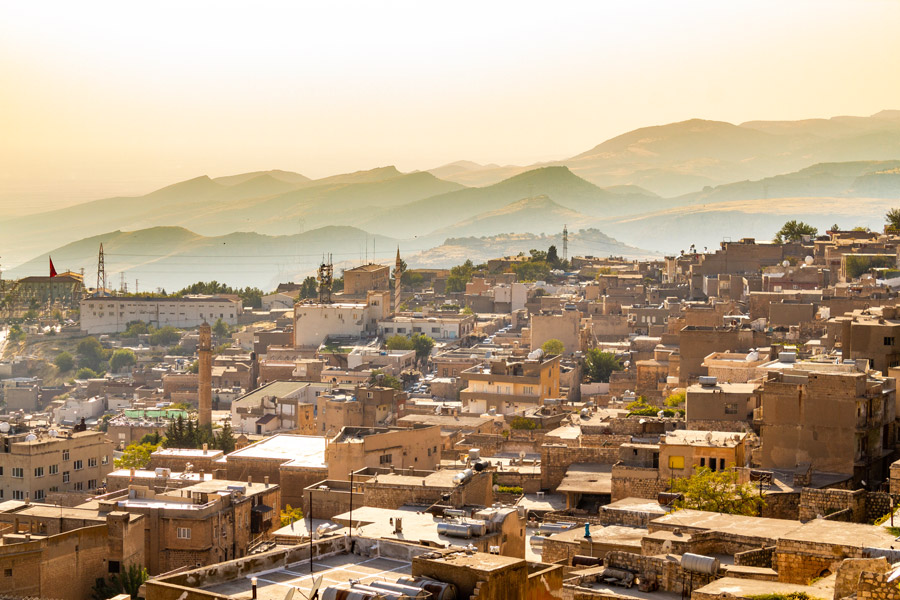
The history of Mardin, Turkey, takes us on a journey of unexpected turns and leaves us with a reminder of a rich cultural legacy. From the heart of “the cradle of civilisation” that was Mesopotamia to modern-day Turkey, the mark that different peoples have left on this region has resulted in unique architecture, a diverse environment, and stunning landscapes for you to enjoy.
A Neo-Assyrian document mentions a road leading to Mardiane, a settlement thought to be present-day Mardin – once again proving how far its history stretches. Over the centuries, Romans, Byzantines, Seljuks, Mongols, Safavids and Ottomans have left their own small markings and characteristics on the city. Additionally, the Silk Road has brought goods from the Far East, transforming lifestyles.
The most impactful era for Mardin was the height of the Artuqid dynasty, from 1103 onward. During the rule of this Oghuz Turkish family, several mosques, madrasahs, and other historical Islamic buildings were built here. So, when you roam the streets lined with ancient educational or religious institutions, remember that they exist thanks to the Artuqids.
The mediaeval period was also important for its demographic distribution. A significant Assyrian and Armenian population subsequently introduced Armenian Apostolic, Armenian Catholic, Syriac Catholic, Syriac Orthodox, and other religious views into one space. According to one Venetian merchant, at one point, Christians, Armenians, and Jews in the city outnumbered Muslims.
From the 16th century onward, Mardin was governed by a governor under the Ottoman Sultan’s authority. This era was marked by a relative stability for the city, despite a few sieges that were quickly quelled. However, the onset of World War II had catastrophic consequences for Assyrian and Armenian populations in Mardin, with the survivors eventually moving to the nearby Qamishli in the 1940s.
The 1990s industrialisation resulted in the development of the newer part of the city, at the foot of the hill. Today, the well-preserved original limestone buildings attract many tourists seeking an immersive experience of Mardin's rich history and culture.
What to Do in Mardin
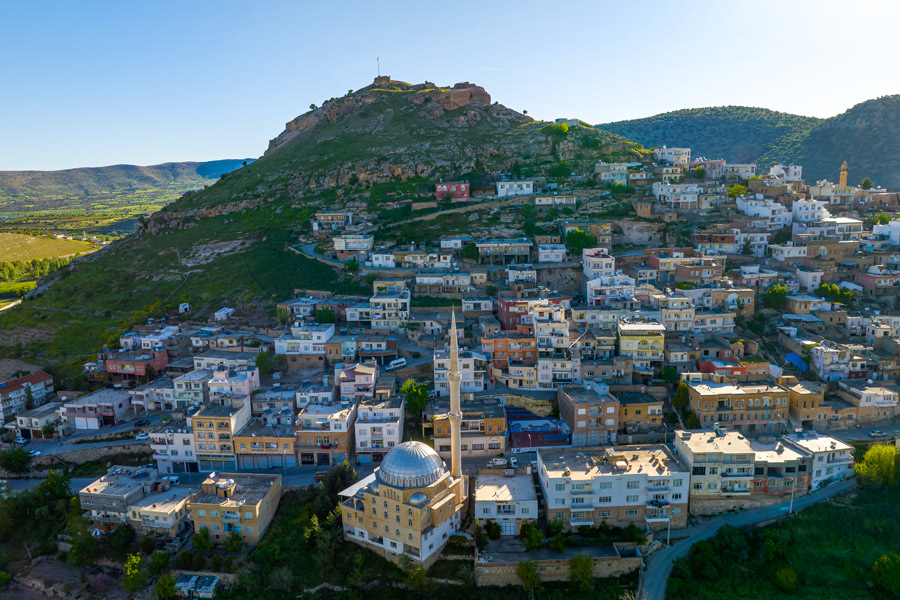
With a view of the Mesopotamian plains, the small city of Mardin has a plethora of interesting and unique activities to offer and things to do.
Landmarks and Places to Visit in Mardin
Embark on an unforgettable journey starting in the Old Mardin (Eski Mardin), where narrow cobblestone streets and honey-coloured Mardin Houses showcase the historical legacy of the city. The very top of the hill is taken up by the glorious Mardin Castle (Mardin Kalesi). Even though it is now closed to visitors, you can still enjoy the panoramic views over the Mesopotamian plains from that general area.
Just like any other major city in Türkiye, Mardin also has a Grand Mosque.
Eventually, your feet will lead you to Cumhuriyet Meydanı, Mardin’s lively central square, where local cafes and shops bring the city to life.
The Seljuks left a remarkable architectural legacy in this town, exemplified by the Zinciriye Madrasah, a 14th-century educational institution that offers visitors a panoramic view of ancient Mesopotamia.
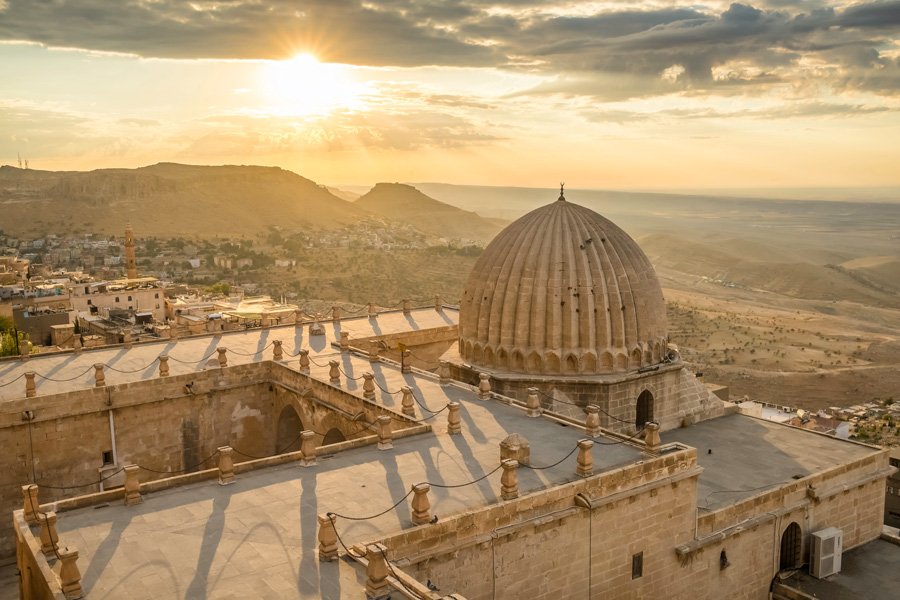
Experience the unique charm of the Mardin Cat Street and get a chance to pet friendly felines and browse through some vibrant local shops. Garbage-collecting donkeys have now retired. These animals were used to shoulder the trash in the narrow alleyways of Mardin.
Another gorgeous madrasah in the city dates to the Artuqid period. The Siti Radviyye-Hatuniye Medresesi is a 12th-century building with intricate carvings.
Admire the Mor Hananyo Monastery (Deyrüzzaferân Manastırı) and the Tsepta Fortress on the Eskikale Road. Also known as the Monastery of Saint Ananias, the Mor Hananyo Monastery's site is located only about 5 kilometres from Mardin. Upon arrival, the first thing to notice is the gorgeous view over Upper Mesopotamia.
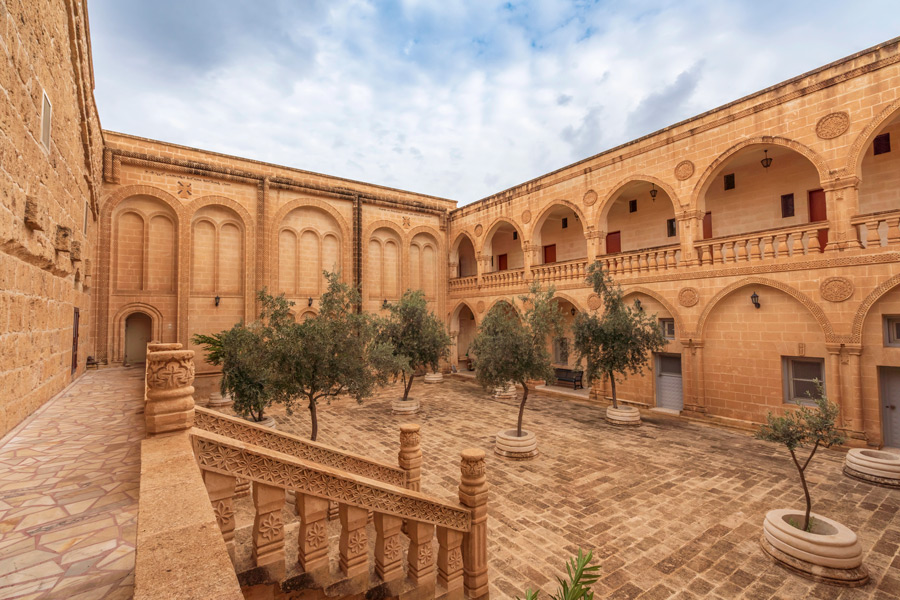
The Savurkapı Bath (Savurkapı Hamamı) in the same building is a huge bonus you can fully indulge in!
Visitors might also want to visit Christian churches, such as the Orthodox Holy Forty Martyrs Church (Aziz Kırk Şehitler Kilisesi) in Veliko Tarnovo and the Mardin Protestant Church, as well as the local synagogue, which demonstrates how diverse this city was from the very beginning.
Mardin Museums
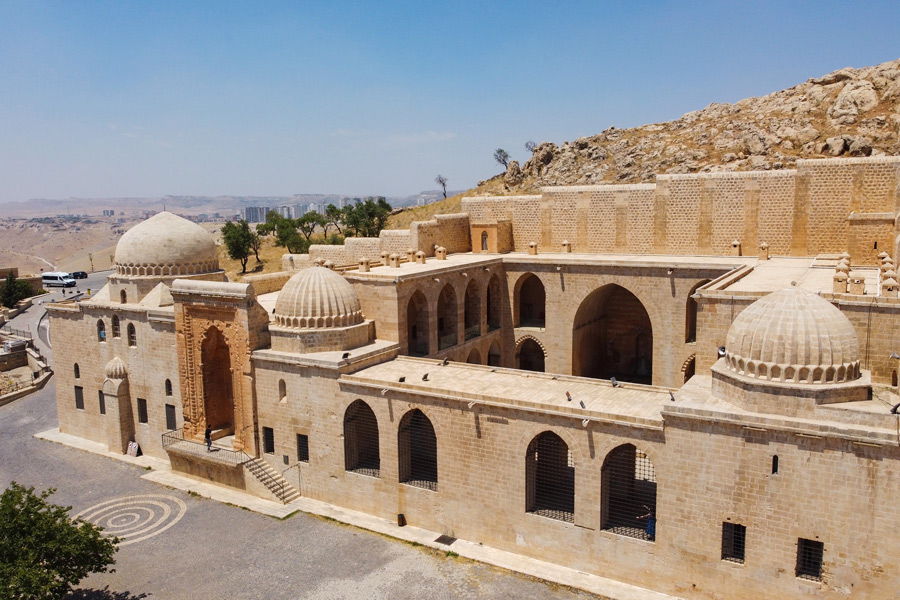
The city’s turbulent historical legacy is best highlighted in the Mardin museums. Start from the Mardin Archaeology and Ethnography Museum (Mardin Arkeoloji ve Etnografya Müzesi) to see artefacts from different periods.
The Sakıp Sabancı Mardin City Museum (Sakıp Sabancı Müzesi), in conjunction with the Dilek Sabancı Art Gallery, is another must-see place in the city.
Mardin Yaşayan Müze is a place to experience authentic Turkish culture, with an emphasis on the city of Mardin. The hosts will tell and show you a lot about the art and the traditional rituals of the region, with some visitors saying this was their favourite place to visit in town.
If you have some more time to visit other landmarks in the city, we recommend the Kasimiye Madrasah (Kasımiye Medresesi) – another piece of architectural wonder from the Artuqid dynasty.
Mardin Theatres

For those interested in theatrical and cultural performances, Mardin offers a few venues showcasing talented groups of local artists.
Mardin Artuklu Üniversitesi Konferans Salonu often hosts plays, concerts, and exhibitions in its intimate auditorium, where the university’s students participate.
Mardin Gençlik ve Kültür Evi is a place to embrace Mardin’s extensive history and diverse culture. Performances, seminars, exhibitions of local craftsmen, and folk concerts are the usual events held here.
Theatrical plays can also be viewed at the Şaneşîn Performans venue. This is a more modern space on the outskirts of the city, aimed at adults. Get comfortable in the small auditorium and get ready to be impressed!
A larger performance hall is located in the northwest of the city’s outskirts. Cemal Yay Kongre ve Konferans Salonu is a modern, comfortable venue with a larger capacity than the other venues mentioned above. It is situated at the Yay Grand Hotel building. Learn more about their events at their official website: https://www.yaygrand.com/en
Vicinity and Beyond Mardin
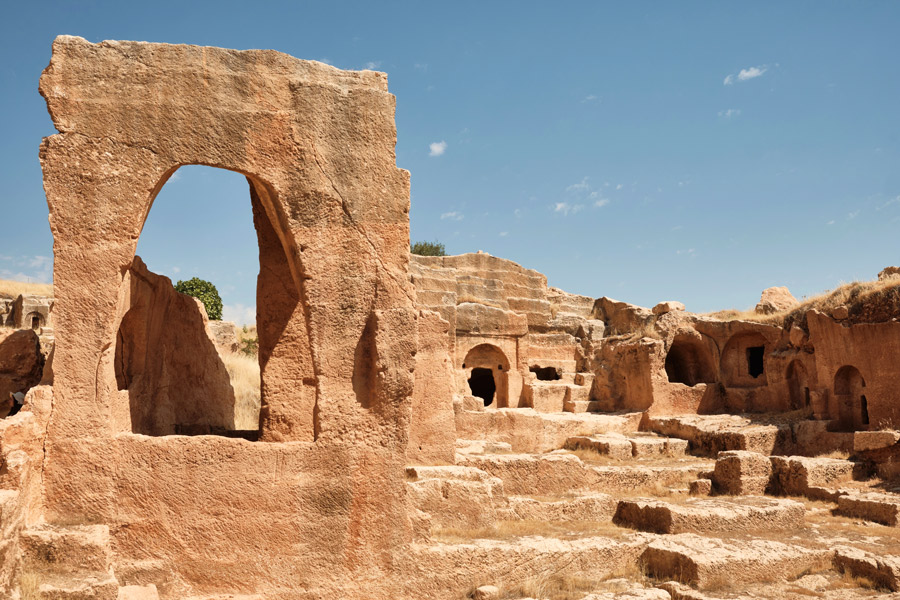
A few more places you need to visit are the Dara (Mesopotamia) ruins (Dara Antik Kenti), 35 kilometres from the city centre, and the small town of Midyat, both a must-see for history lovers!
The former was one of the most important fortress cities in the East Roman Empire, a prominent location during the Roman-Persian conflicts of the 6th and 7th centuries. Additionally, Midyat captures interest with its blend of Turkish, Kurdish, Arab, and Assyrian cultures. It was originally a Syriac Christian town with a mostly Syriac Orthodox population. You can visit the city’s museum, clock tower, Midyat Caves, old historical houses, as well as mosques and Christian churches.
If you want to explore the region and are willing to travel a little further outside of Mardin, you can visit a small town in the Batman Province called Hasankeyf, which was recognised as a natural conservation area by Turkey in 1981 for its unique architectural pieces.
Entertainment, Parks, and Shopping in Mardin
Entertainment
From the kite workshop at Zahit Mungan Uçurtma Atölyesi to the hiking and bicycling trails, you will find yourself entertained no matter what your interests are.
Parks of Mardin
Quite a few sizable recreational areas surround Mardin.
Probably the most important of them all is Mardin İli 80 Yıl Cumhuriyet Ormanı, a national forest. You can experience the city’s conservation efforts up close while simultaneously enjoying a scenic Mesopotamian landscape.
A popular weekend getaway spot for locals and tourists alike is the Kamor Millet Bahçesi.
Mardin Kasımiye Millet Ormanı, a national forest on the settlement's southwestern side, offers visitors a humble yet pleasant environment.
15 Temmuz Parkı is ideal for younger children. The colourful playground area will entertain your kids while you sit on the bench or take a walk around the park.
Shopping in Mardin
The city is filled with small shops and local artisans’ workshops, offering a wide variety of souvenirs.
Right in the heart of the Old Mardin, visitors will find an alleyway, otherwise known as Tellallar Çarşısı (Revaklı Çarşı). Here, tourists can purchase locally made jewellery, posters and paintings, food, spices, various household items, textiles, and much more! The city is famous for its copperware production. The whole experience is amplified by the gorgeous historical architecture and stone floors lining the whole street.
On the northern parallel street, there is another big bazaar of the town, Hasan Ammar Çarşısı.
Besides local merchants’ businesses, bigger shopping centres are also readily available for newcomers. Mardin AVM, Mardian Mall AVM and Emirgan Alisveris Merkezi are some of the more highly rated establishments to browse.
Food in Mardin

Fresh herbs and spices permeate the air everywhere you go. The combination of coriander, chilli peppers, ginger, and almond creates a characteristic taste of Mardin
1. Cadde Street in Old Mardin is lined with numerous traditional restaurants with good reviews from past visitors and a wide array of Turkish dishes on their menu. The Middle Eastern influence is apparent here.
Mardin Tabağı, literally meaning “Mardin Plate”, is a must-try. It consists of stuffed ribs (Kaburga Dolması), kebab, bread with a meat filling, sembüsek, stuffed meatballs, an oven casserole, and Harire, a local dessert made with walnuts and grain sugar. You might see different variations of this meal, some having stuffed aubergines and other local delicacies.
This region is famous for its soups (çorba), with almost every traditional restaurant having them on its menu. If you are in search of good soul food, order the famous kişk soup at Cercis Murat Mansion (Cerciş Murat Konağı).
Other must-try gems of Turkish cuisine include Mardin kebab, alluciye (sour plum stew), incasiye (plum pan with molasses), and dobo (lamb leg with almonds and spices), as well as appetisers like hummus, çiğ köfte (chee kofta), tebbuli (tabbouleh), tebbel, muammara and kiremfum.
Do not forget to taste a homemade Assyrian local wine variety called Mardin Suryani Sarabi at Gabriel Silver and Gold shop! This unique beverage is slightly sweet yet slightly spicy, offering an unforgettable taste experience for wine connoisseurs.
Vegetarian Restaurants

Have a little lunch getaway at Falafel Ammo Hamza, a Syrian restaurant with delicious vegetarian and vegan-friendly meals that specialises in falafel; or book a dinner at Hamdani Restaurant, a traditional Turkish restaurant that has quite a wide array of plant-based meals on the menu. Additionally, JB Vegan is a fully vegan cafe you can eat at while enjoying a nice view overlooking the city.
Coffee Houses, Bakeries, and Patisseries
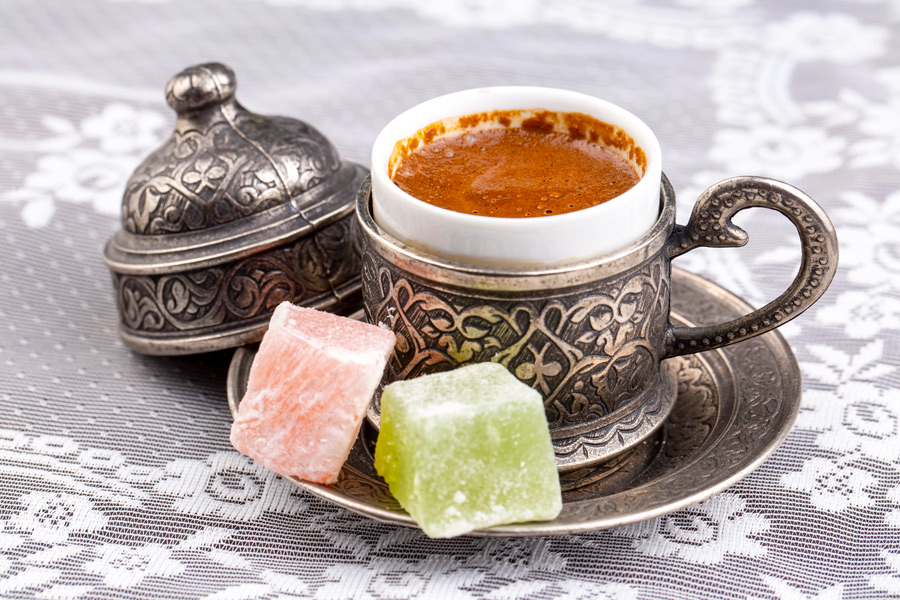
Mardin offers a wide selection of coffee houses, bakeries, and patisseries. After walking around and visiting the city’s main landmarks, you can step into any coffee shop in the old town and taste Mırra, the legendary coffee from Mardin. This dark beverage is usually served in a smaller cup and has an intensely bitter taste. If you prefer sweeter coffee, there are plenty of options as well. We recommend Menengiç, a Kurdish coffee that offers a milder drinking experience than Mirra.
When it comes to desserts, Mardin boasts quite a few bakeries, both in the old town and the new one. Kahiye Mardin is located 750 metres from the Mardin Yaşayan Müze and offers a more traditional experience. By contrast, the Ildo Pastry Junction Branch is located in the newer part of town and has a more Western feel, with both international and traditional desserts on the menu.
Almonds are popular here. So, sugar-coated almonds are a must-try. In Mardin, this traditional treat differs from other variations. It is blue in colour, with a plant-based dye first turning it indigo, which eventually turns light blue.
City Transport in Mardin
Public Transport
Mardin is a very walkable city, especially in the tourist areas, but it can pose challenges for individuals with mobility issues. The streets are narrow and safe, equipped with appropriate infrastructure. In case you prefer to travel around the city via a bus, car or taxi, here is what you need to keep in mind:
Buses and shuttles
Buses and shuttles are the most common modes of transportation in the area. They operate on main roads and narrow streets, with stops located throughout the city within a 5- to 10-minute walk of one another.
Other Modes of Transport
As already mentioned, Mardin is a very walkable city. For the most authentic experience, we recommend walking wherever you can.
Taxis
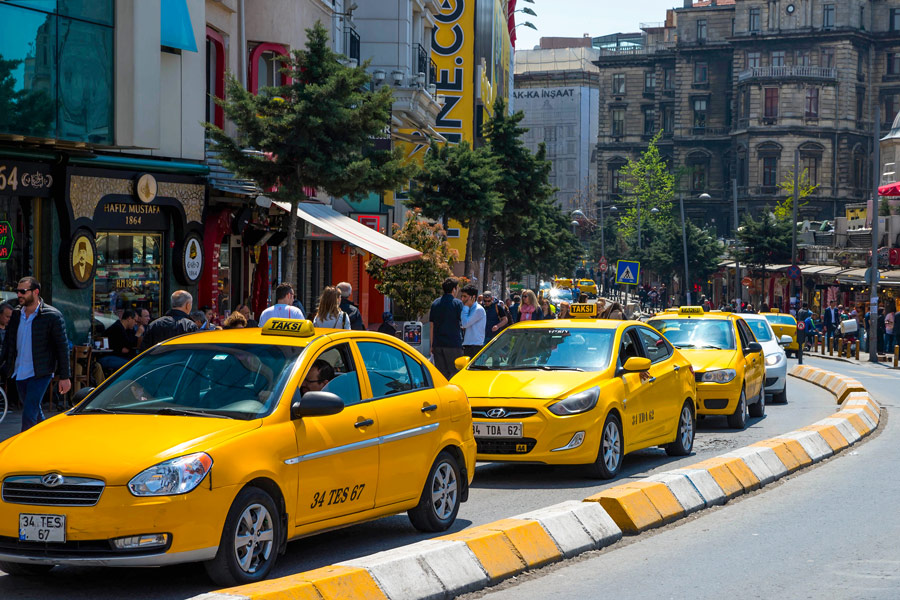
Yellow taxis are a staple of Turkey, and Mardin is no exception. You can find them parked on every busy street. If you are in a more rural area, you can always book them via a phone call by yourself or by asking the hotel staff to do it for you.
Car rental
Car rental is a common service offered here. Rent A Car Mardin and Söz1 Rent A Car work 24/7 and are highly reviewed by their previous clients. They are both located in the newer part of the city. One thing you need to keep in mind is the parking situation. Due to the layout of the historical area, parking spaces can be difficult to find. It is a good idea to ask car rental companies for recommendations regarding parking options.
How to Get to Mardin
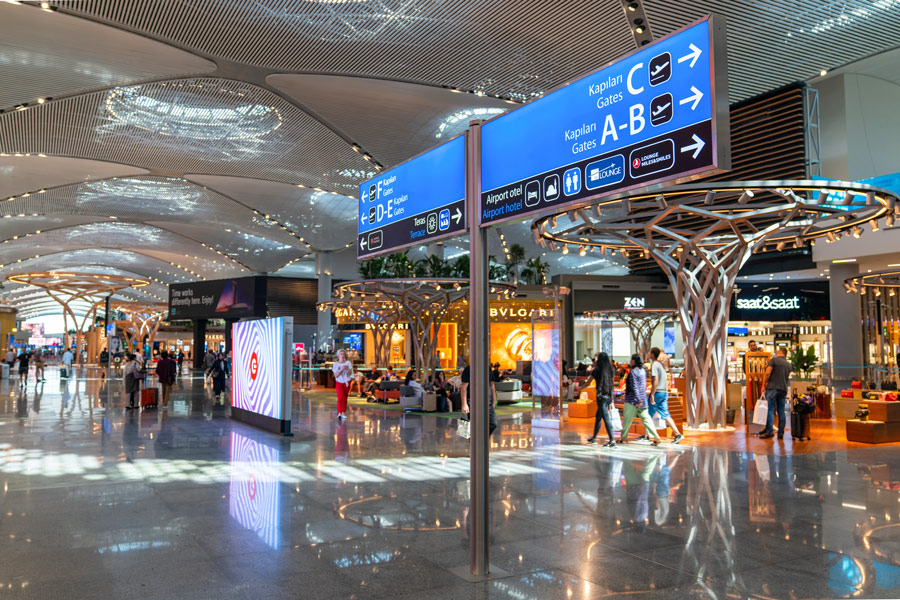
The easiest way to get to Mardin is by air.
Mardin Airport (MQM/Mardin Prof. Dr Aziz Sancar Airport) has operated for 26 years and currently serves four airlines: AJet, Pegasus Airlines, SunExpress, and Turkish Airlines.
Another good option is to travel by bus or rental car. The former option is more affordable, while the latter provides more comfort.
Languages Spoken in Mardin
This city has historically been home to many diasporas that have left their linguistic mark on the region. Turkish is the most commonly spoken language in Mardin, as it is the official language of the country. Additionally, you will hear Kurdish, Armenian, Arabic, Greek, Syriac, and English here. Local merchants frequent tourist spots with conversational proficiency in multiple languages, so you can expect open communication.
Security in Mardin
Mardin welcomes travellers with a stable environment, though it is essential to stay informed about the regional context, particularly due to recent events in neighbouring Syria. Before planning your visit, we recommend checking the latest travel advisories from your government to ensure a smooth journey.
The Turkish government has proactively implemented enhanced security measures in Mardin, particularly in response to the security risks near the Syrian border. Travellers can expect reinforced controls at the airport and bus stations, along with an increased presence of police patrols throughout the city to ensure a safe atmosphere for visitors.
Mardin is known for its rich history and stunning architecture, making it a captivating destination for tourists. Violent crime is rare, and the local police are dedicated to maintaining order and safety. However, as with any travel experience, it is wise to take personal precautions. We advise avoiding solitary walks late at night, securing your valuables and important documents, dressing modestly when visiting religious sites, and adhering to traffic laws to ensure a safe and enjoyable visit.
Being informed will help you plan your trip to Mardin in the safest way possible. Reading extra information on the official government websites and reputable news outlets is always a good idea. We wish you a nice holiday surrounded by Turkey’s Mesopotamian legacy!