

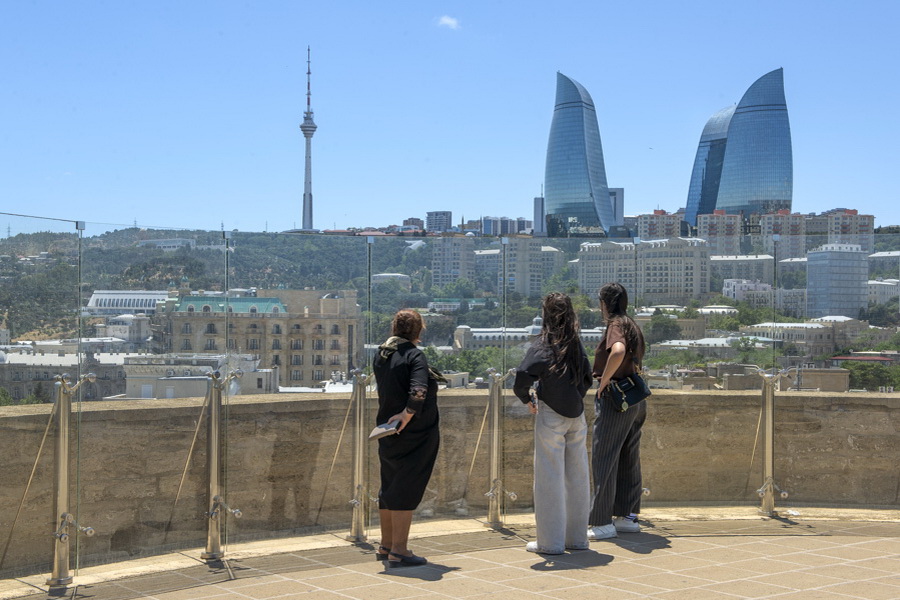
Every season in Azerbaijan has its own beauty and highlights. For wandering through Baku’s old streets and exploring historic towns, the best time to visit Azerbaijan is spring, early summer and autumn, when milder weather makes sightseeing more comfortable. Summer sends travellers up to the cooler Caucasus highlands or down to the Caspian waterfront. Winter draws ski enthusiasts to the mountain slopes. And if your idea of a holiday centres on good food, carpet weaving and visiting museums, there is no need to wait for a particular month.
This guide takes you through the year to help you choose dates that suit your interests and the places you most wish to see.
Best Months to Visit Azerbaijan
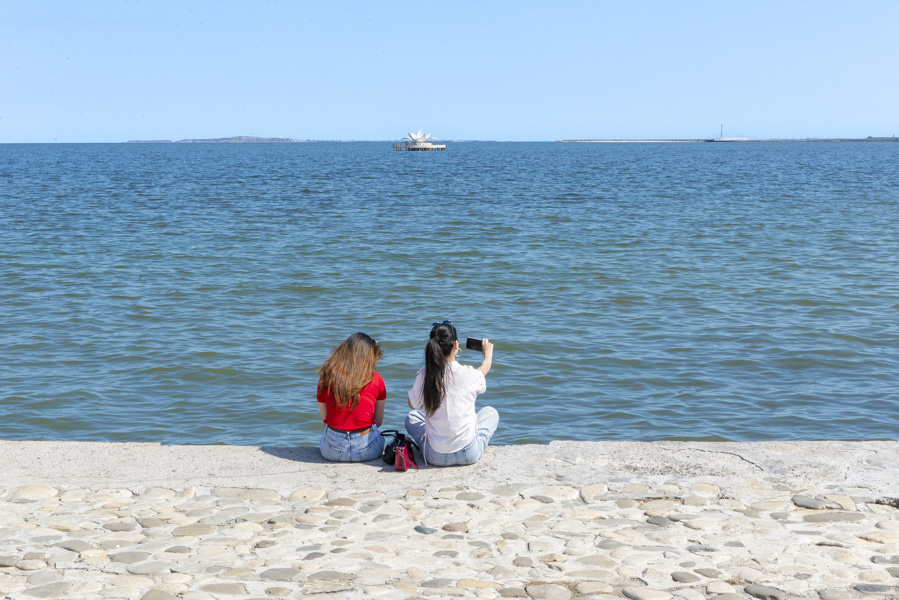
The best months to visit Azerbaijan are April, May, June, September and October. Average temperatures in Baku during this period are around 14°C to 24°C (57°F to 75°F).
These comfortable shoulder-season conditions create the perfect climate window for a journey that covers Azerbaijan city trips and hiking in the Caucasus Mountains.
May and June are best for blooming alpine landscapes, relaxed Baku city walks and trekking through Azerbaijan’s highlands before the summer temperatures climb. And September and October are ideal for the harvest season, with pomegranate and grape festivals and local food events.
Azerbaijan is also rewarding beyond these peak months. Winter brings crisp air, winds, atmospheric city walks and snow-covered mountain resorts, while the intense heat in July and August is perfect for enjoying the Caspian coast, exploring cooler high-altitude regions and discovering the country’s varied landscapes at a slower pace. Whatever the season, Azerbaijan offers a distinct mix of culture, nature and regional experiences.
Azerbaijan Seasons at a Glance
Spring (March to May)
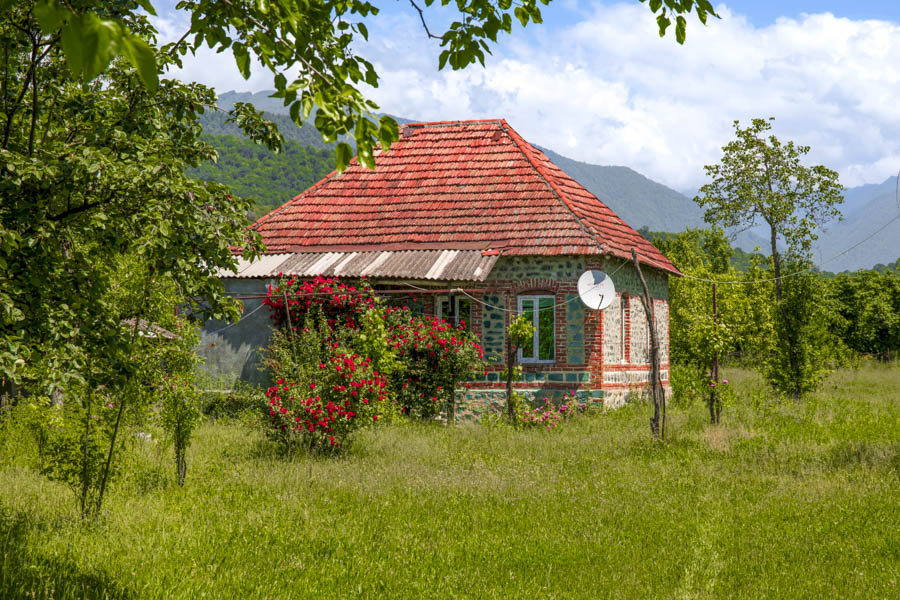
Spring begins with one of Azerbaijan’s most important celebrations, Novruz (Novruz Bayramı), which marks the coming of spring on 20 or 21 March. The four Tuesdays preceding Novruz, dedicated to Water, Fire, Wind and Earth, lead up to it: families jump over bonfires for purification and lay out Khoncha (xonça) trays of sweets and nuts, decorated with Samani (sprouting wheat). Mountain snow lingers until mid-April, so early spring works best for city and heritage tours. By May, alpine meadows peak, tea and citrus plantations in subtropical Lankaran burst into leaf and blossom, and Zagatala’s rose fields yield petals for local jams, rose water and essential oils.
Ideal for: Hiking, day trips, guided visits, watching local traditions and hiking Hirkan National Park.
Summer (June to August)
In summer, the heat sets the pace. Baku and the lowlands turn hot, so most visitors prefer city strolls in the mornings and evenings, with museums and shaded lunches in between. Beachgoers love spending time at the waterfront: the Caspian warms to 24°C to 27°C by August. Higher ground around Quba is much cooler. Bazaars fill with cherries, apricots, peaches and melons. A curious local habit: Azerbaijanis keep drinking hot black tea (chay) through summer, brewed with thyme (kəklikotu) and served in a pear-shaped armudu glass – said to cool you down faster than anything cold.
Ideal for: Mountain backpacking, swimming, sunbathing, kitesurfing and culinary tours.
Autumn (September to November)
The air cools in autumn, yet the sun keeps shining. Visitors can plan long treks through the hills and national parks or a stay at a mountain spa. It is easy to visit Baku’s attractions on foot, and the Caucasus lies close enough for a day trip from the capital.
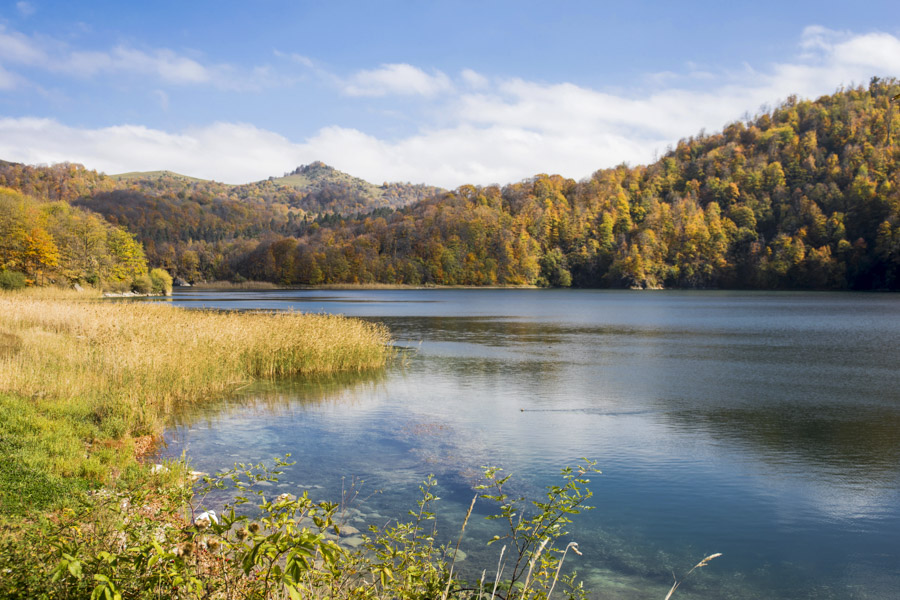
This is also the season of the Pomegranate Harvest Festival (Nar Bayramı) in the Goychay region, where the fruit symbolises abundance, fertility and long life. This festival has been inscribed on the UNESCO Representative List of the Intangible Cultural Heritage of Humanity since 2020. Shamakhi hosts the Grape and Wine Festival in mid-September. In the wine-producing regions of Gabala (Qabala), Ismayilli, Shamakhi and Goygol, a glass of local wine often comes with an invitation to help with the picking. The Baku International Film Festival is a big annual event in late October. And by November, Azerbaijan’s forests and lakeside trails boast the richest colours of the year.
Ideal for: Grape and pomegranate harvests, festivals and autumn hiking.
Winter (December to February)
Winter brings crisp weather. While mountains are blanketed in snow by mid-November, snow rarely falls in the lowland capital. But Baku doesn’t need snow to feel festive. Throughout December and January, New Year lights illuminate Nizami Street, decorated trees adorn the squares, and the holiday market at Fountains Square delights visitors with festive cheer and delicious local treats.
Ideal for: Festive markets and illuminations along Baku Boulevard, Baku Hammams, museums, thermal spring destinations, or skiing and snowboarding at the top mountain resorts.
Azerbaijan Tourist Seasons
Weather is only part of the picture. Hotel demand, public holidays and the sites on your list influence the experience. Ski resorts can be busy, and a major city event can change accommodation availability overnight. When planning your Azerbaijan holiday with Advantour, share your dates, preferred pace, interests and budget.
Peak Season: Mountain and Summer Escapes
June, July, and August are popular months for exploring Azerbaijan’s mountains. A varied route might combine the Shahdag or Goygol National Parks with time in mountain villages. Lagich, also known as Lahic, lies on the southern slopes of the Greater Caucasus and is renowned for its traditional crafts and surrounding mountain scenery. Another village, Laza, sits beneath Mount Shahdag, with waterfalls and opportunities for a scenic hike.
Shoulder Season: Cultural Tours and Gabala’s Tulips
March to May and September to October are optimal for cultural sightseeing with seasonal activities outside the main summer holiday period. Consider a route through Baku, Sheki and the countryside, allowing time for craft workshops, regional food and vineyard visits.
Apart from blooming fields of Lankaran, Goychay and Zagatala, April showcases a tulip season in Gabala. A colourful addition to a spring journey would be a drive to the Tulip Garden in Charkhana village. Check on the bloom before making any arrangements, as timing varies with the weather.
Low Season: Greater Value and Winter Culture Trips
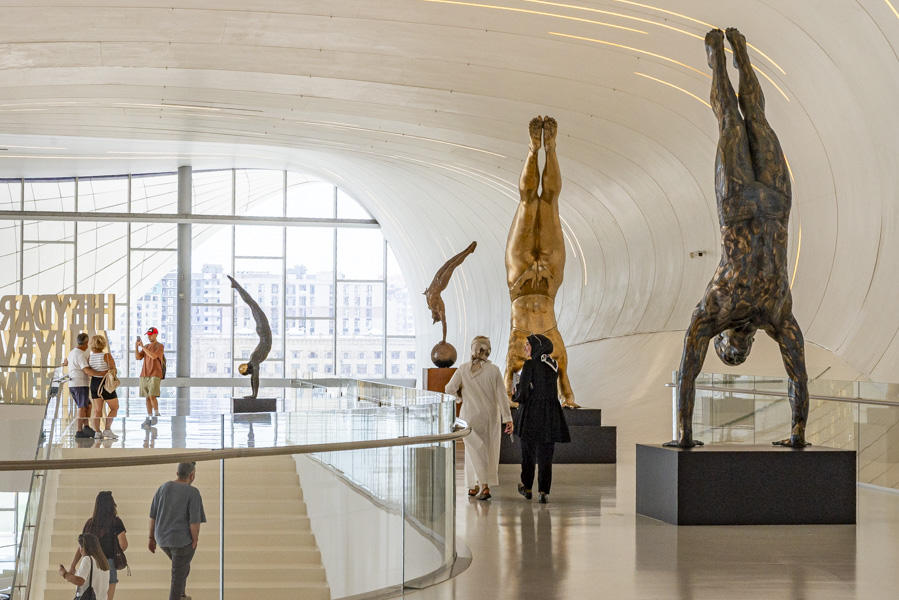
Travels during the quieter months from November to February can offer excellent value, with more favourable seasonal rates for hotels and flights. The Azerbaijan National Carpet Museum and the Heydar Aliyev Centre are less crowded, and tours and events are simpler to book. A traditional hammam session provides a relaxing break between visits. Museum experiences and gastronomic adventures give winter in Baku plenty of appeal.
Skiing in Azerbaijan: Winter’s Separate High Season
Shahdag and Tufandag follow their own calendar, and skiing in Azerbaijan usually lasts from December to March. Book early for the holiday weeks, and consider adding a few days in Baku to balance the slopes with the city.
Azerbaijan Month-by-Month Guide

January
January is Azerbaijan’s coldest month, with daytime highs in Baku around 7°C (45°F) and lows near 3°C (37°F). It is one of the quieter periods of the year, which translates into shorter queues and less crowded museums. Mountain regions are considerably colder and usually have reliable snow cover.
February
February stays cold, hovering around 7°C (45°F) with grey skies more common than sunshine. This is the most reliable month for snow in the mountains, and the ski season is at its peak. Villages begin their first stirrings of pre-Novruz preparation as the month winds down.
March
March is a month of transition. Baku and the Caspian coast average 8°C to 15°C (46°F to 59°F), often sunny and gentle enough for city excursions. Winter still has a firm grip on the high Caucasus destinations. The far south moves first: around Lankaran, the first wildflowers appear ahead of the rest of the country. Some shops and restaurants close during the Novruz public holidays.
April
Baku averages about 14°C (57°F), and snow begins to retreat from the Caucasus ridges. Wildflowers spread across the lower trails, and dry days make this an excellent month for Gobustan’s petroglyphs and lower-altitude hiking. High mountain passes stay closed a little longer.
May
May is beautifully warm (14°C to 23°C / 57°F to 73°F), though occasionally unpredictable. Expect passing showers in Ganja or the higher Caucasus foothills. Mountain roads to remote villages such as Khinalug and Lagich are usually accessible by this stage, and local travel services run at full capacity without the crowds of high summer.
June
June holds onto spring’s greenery as the summer heat gradually builds. The Caspian’s beaches fill with swimmers, the last high mountain passes clear, and days grow longer. This is the start of the peak season.
July
July is hot and dry, with the lowlands regularly exceeding 35°C (95°F), so this is the month to head to the coast or the mountains. The Absheron beaches are at their busiest. In Baku, keep sightseeing in the mornings and evenings.
August
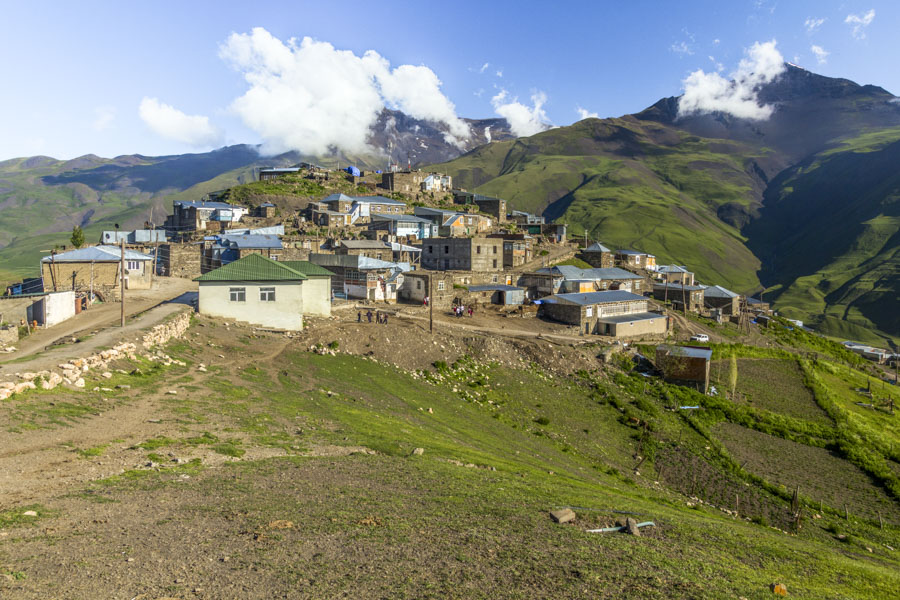
August is the hottest month of the year, with the Caspian Sea reaching around 27°C (81°F) and warm enough for long swims and kitesurfing. Inland heat is palpable, so travellers looking to cool off often head for Quba, Khinalug or the highlands of Shahdag National Park.
September
Temperatures ease to 18°C to 26°C (64°F to 79°F); the sea is still warm, and summer’s crowds thin out noticeably. The Azerbaijan Grand Prix launches Formula 1 onto the city streets, and the harvest season begins in the vineyards of Shamakhi.
October
October is golden autumn, when Azerbaijan’s nature shines in full glory: the forests around Sheki, Gabala, Ismayilli and Lagich turn amber and red, and sunny days mean it is one of the best months for photography.
November
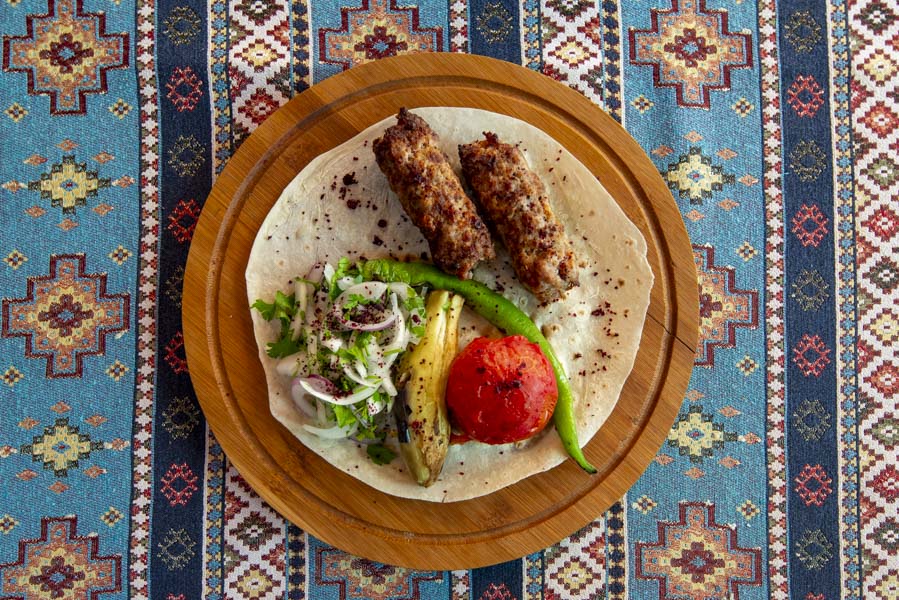
November is cool and rainy, with Baku averaging around 11°C (52°F). Snow may return to the higher mountains by mid-month, and some remote guesthouses close for the season. Baku, however, remains a rewarding base for slower food, wine and culture trips.
December
December is cool in Azerbaijan, with Baku dropping to around 7°C (45°F) and rain or the rare snow flurry in the lowlands. The ski season opens around mid-December, and Baku counts down to the New Year with festive events and fireworks.
When Is Baku Windiest?
Baku owes its nickname, the “City of Winds”, to the gusts that sweep in from the Caspian Sea. Locals even name them: the cold northern Khazri and the milder southern Gilavar. Long-term averages show the windier part of the year running from late June to early April, with the strongest winds in November and the calmest conditions in May. And in high summer, July and August are also windy – which is a blessing because the breeze acts as a natural fan against the heat. Even in summer, it is worth carrying a light jacket or windbreaker.
Best Time to Visit Baku
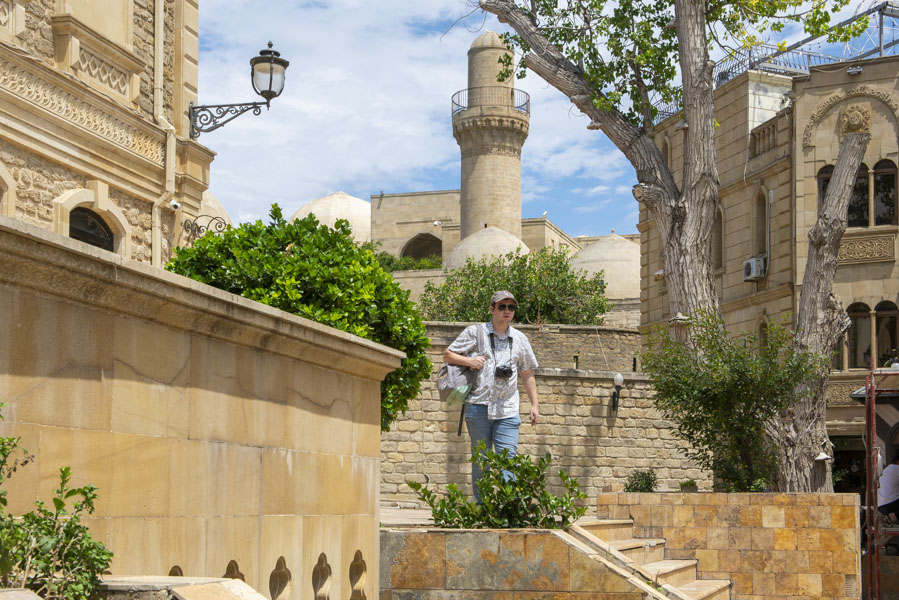
April, May, June, September, October and early November are some of the best months to visit Baku, but it all depends on one’s preferences. If you prefer an active holiday, beach time and nightlife, summer is the better choice. Autumn is for festivals, city strolls and food-focused travel, and spring for cultural events, the Old Town (Icherisheher) and the city’s modern architecture. Winter offers plenty of calm, though snow-mantled streets in Baku are rare.
Best Time to Visit the Mud Volcanoes
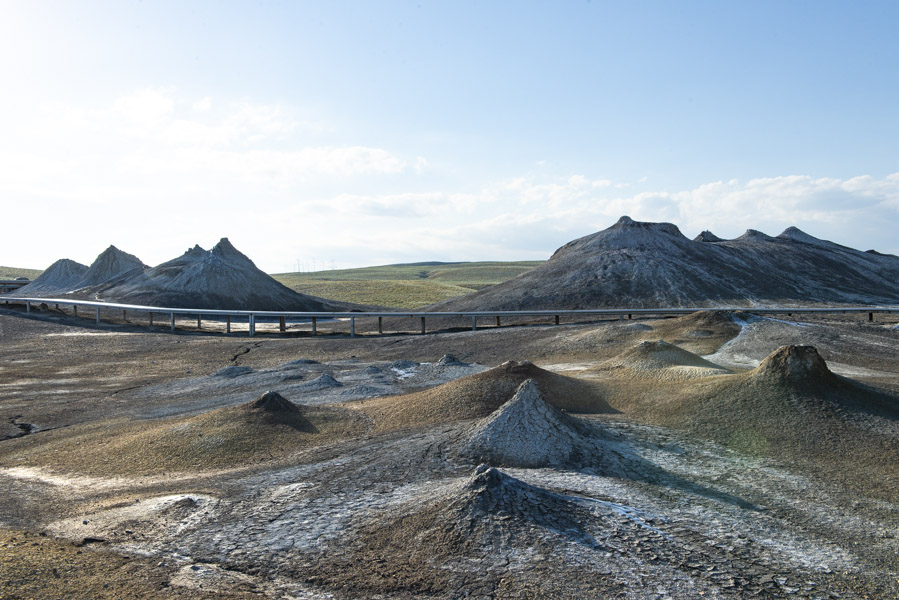
April to June and September to October
Why: Visiting Gobustan’s mud volcanoes means navigating unpaved, clay-heavy terrain, so dry weather is essential. The best time is mid-spring and early autumn, when the ground is firm enough for off-road driving and walking; late autumn and winter rains often turn the tracks into impassable mud. In summer, the volcanoes are best tackled first thing in the morning to avoid the fierce sun.
Best Time to Visit Rock Petroglyphs
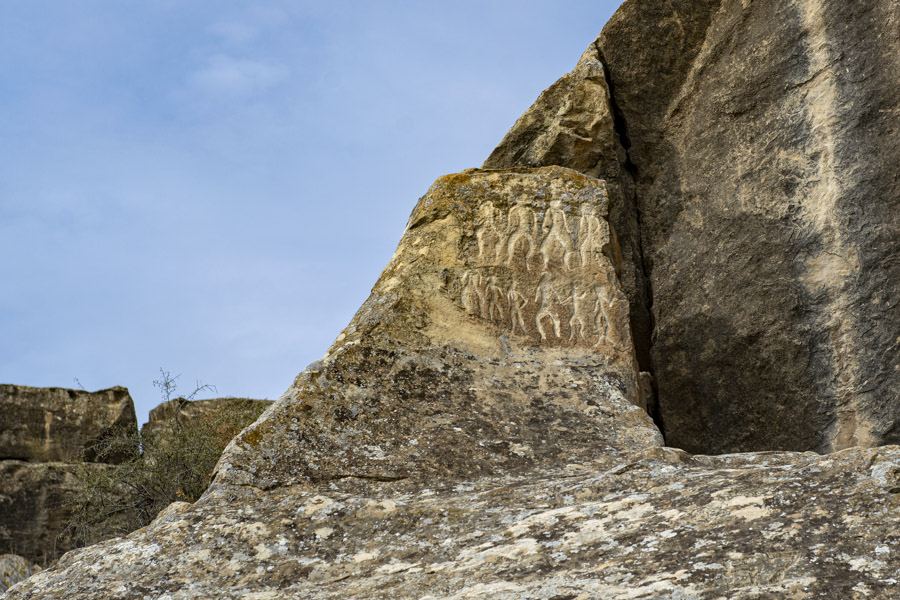
April to May and September to October
Why: Spring and autumn are also the best seasons for exploring Gobustan’s rock petroglyphs. Much of the visit happens outdoors among rocky outcrops, where milder temperatures let you examine the carvings without rushing into the shade. Another reason is light. The engravings are shallow and easiest to peruse (and photograph) in the low, raking sunlight of early morning or late afternoon, which spring and autumn days provide without the harsh midday glare of summer.
Best Time to See the Eternal Flames
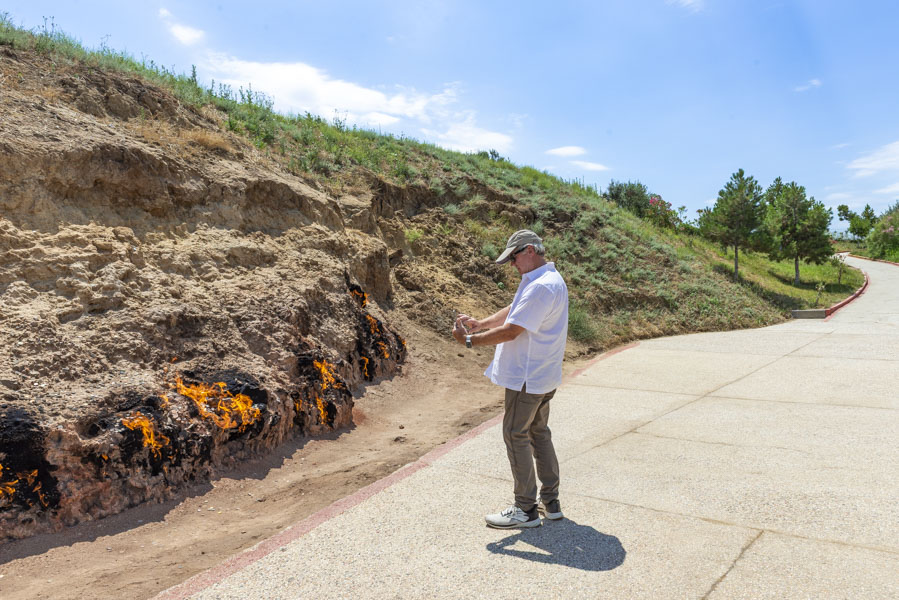
Any season
Why: Yanar Dag’s natural gas fire burns year-round whatever the weather, so the real question is when it looks best. The flames are more dramatic after dark, which tips the balance towards the shorter days of autumn and winter, when dusk arrives earlier. And you do not have to plan a late-evening trip out of the city just to catch the fire against a dark sky. That said, a visit works in any season.
Best Time to Visit Sheki
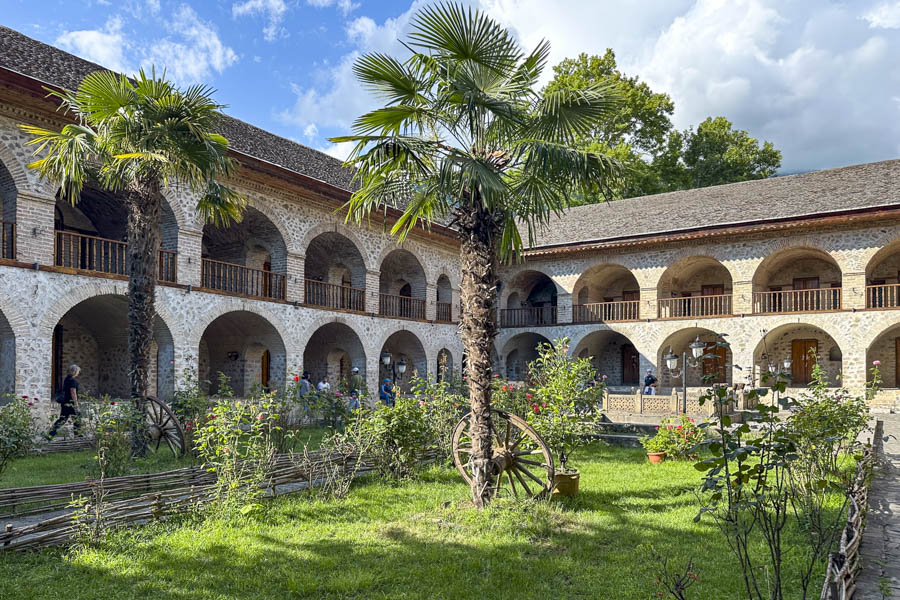
May to June and September to October
Why: The historic Silk Road hub of Sheki sits in the densely forested hills of the Greater Caucasus, and it is at its most enchanting in late spring and early autumn. May and June bring green surroundings, and autumn adds colour to the wooded foothills. Pleasant weather makes it easier to see the Khan’s Palace, historic caravanserais and craft workshops, with time to appreciate the details between the main sights.
Best Time for Hiking
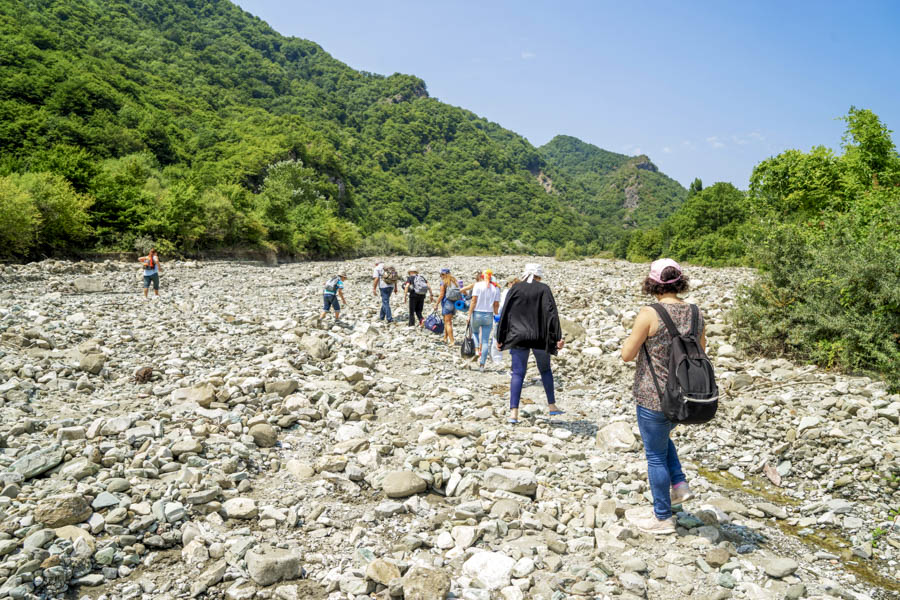
June to September
Why: The best season for hiking in Azerbaijan depends entirely on elevation. For high-altitude alpine routes in the Greater Caucasus mountains around Gabala, Quba and remote mountain villages like Khinalug or Laza, summer (June to September) is the prime window. Conversely, opt for mid-spring and mid-autumn if you plan to trek through lower-elevation trails, such as the lush forests of Hirkan National Park in the south or the rolling hills around Gobustan.
Best Time for Skiing
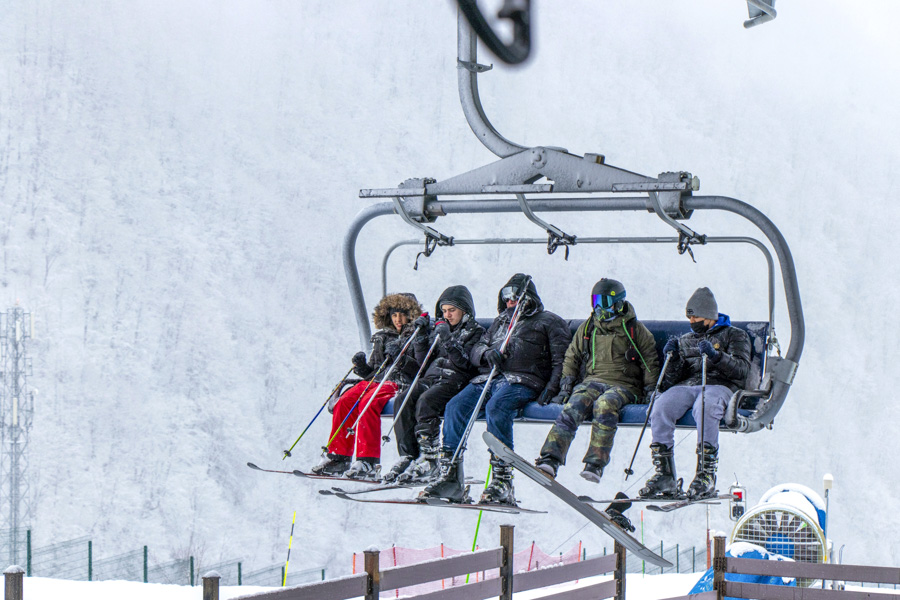
January and February
Why: Mid-to-late winter features the most reliable snow cover, sub-zero mountain temperatures and powder snow for winter sports enthusiasts heading to Azerbaijan’s main resorts, such as Shahdag Mountain Resort near Gusar and Tufandag near Gabala. Yet the broader ski season generally extends from December into March.
Best Time for Festivals
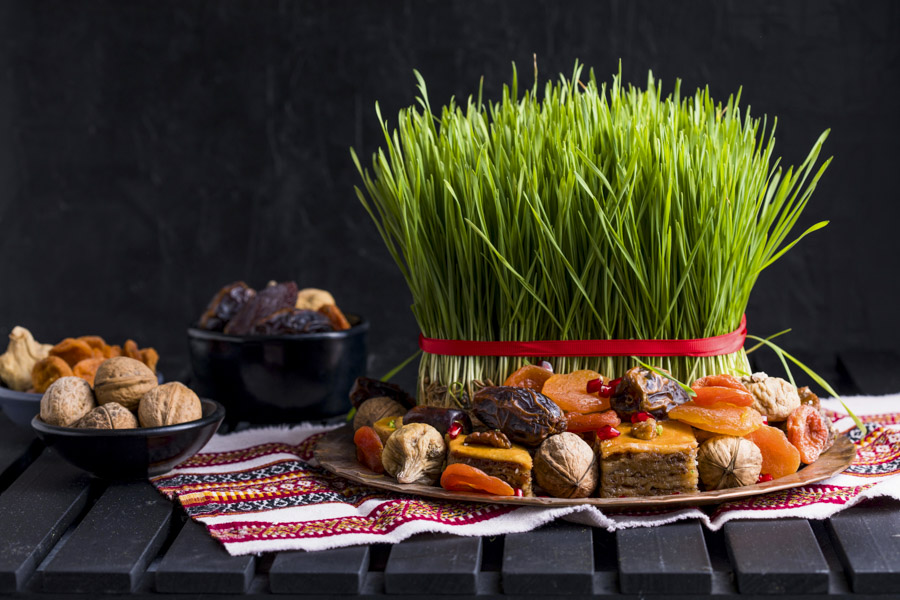
Any season
Why: There are a few key seasonal milestones. Novruz Bayramı, on 20–21 March, is the big one. The entire nation celebrates with street performances, folk music, traditional sweets and community feasts. Autumn suits travellers interested in grape and pomegranate festivals in Shamakhi and Goychay. In December, Sheki welcomes traditional New Year equestrian competitions. The tournament’s centrepiece is Chovgan, an ancient Azerbaijani game played on horseback. And in summer, Baku hosts music and arts festivals that make the most of long evenings and open-air venues on the Caspian waterfront.
Best Time to Visit Azerbaijan and Georgia
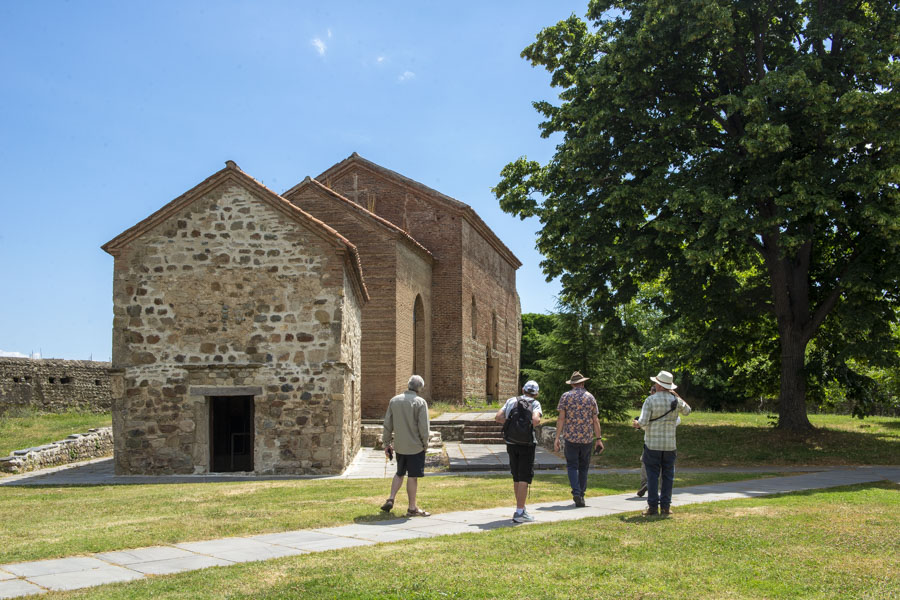
May to June and September to October
Why: When pairing Azerbaijan and Georgia into a single multi-country Caucasus itinerary, the shoulder months of late spring and early autumn are the best. In these months, the two countries share mild weather. This holds true for Baku and the Caspian coast, as well as Georgia’s Kakheti wine region and Tbilisi. Mountain areas such as Kazbegi in Georgia and Gabala in Azerbaijan are also green and open for stunning road trips and outdoor adventures.
Best Time to Attend the Azerbaijan Grand Prix
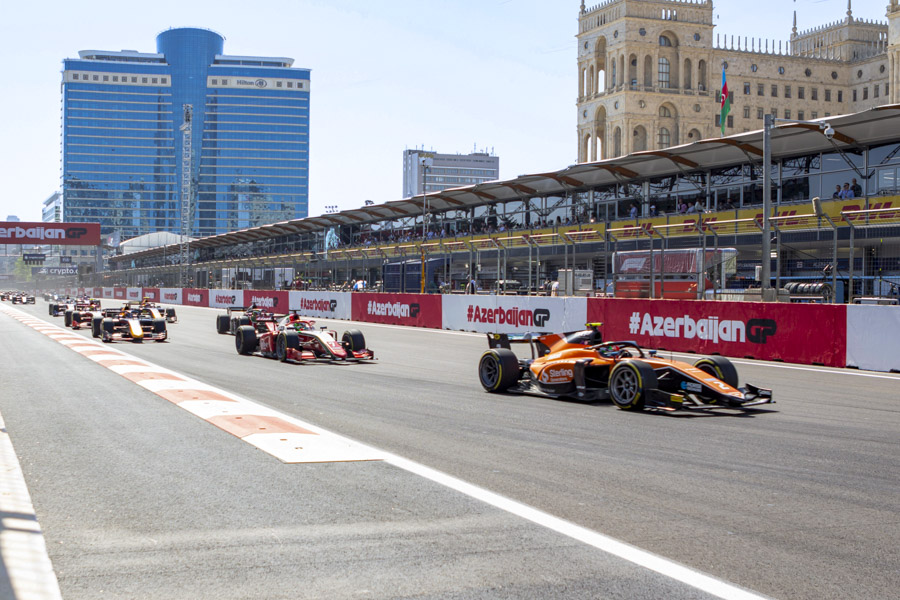
The Formula 1 Azerbaijan Grand Prix is now held in late September at the Baku City Circuit in Baku, although earlier editions took place mainly in April, June and early summer. The 2027 edition is scheduled for 24 to 26 September. Visitors can expect excellent weather, with average daytime highs around 24°C to 26°C (75°F to 79°F). And it is easy to blend racing action with sightseeing because the race is a street circuit in the heart of Baku.
Is Azerbaijan a Good Country to Spend Christmas and New Year?
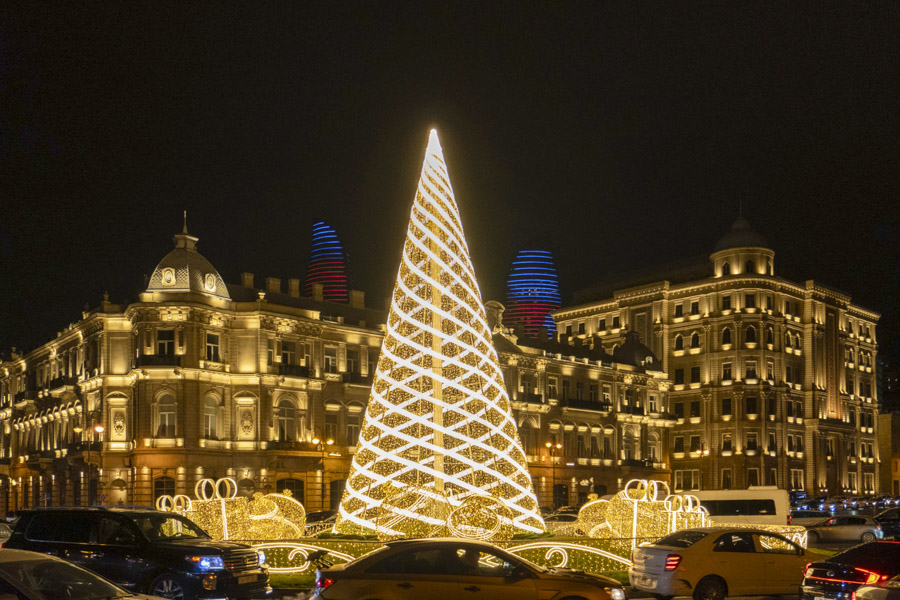
Azerbaijan is a good destination for Christmas and New Year. Visitors will find an ideal mix of comfort, rich history and a safe, friendly environment. Although it is a secular, majority-Muslim nation where Christmas is not a public holiday, Baku embraces the season with illuminated streets, decorated trees and the Christmas market “Cold Hands, Warm Heart”, traditionally held in Fountains Square.
Christmas is observed by Azerbaijan’s Christian minorities. Catholics celebrate it on December 25, while many Orthodox Christians celebrate it on January 7.
Unlike Western European cities, where much shuts down over the holidays, Baku’s top-tier restaurants, museums and cultural venues stay open. Five-star hotels along the Caspian host black-tie New Year’s Eve galas with fireworks over the water. Programmes vary by venue. January 1 and 2 are public holidays, so museum schedules and dinners need advance planning. Outside the capital, snow-capped alpine resorts like Shahdag offer spa retreats, fine dining and wonderful winter landscapes.
Should You Travel to Azerbaijan in August or January?
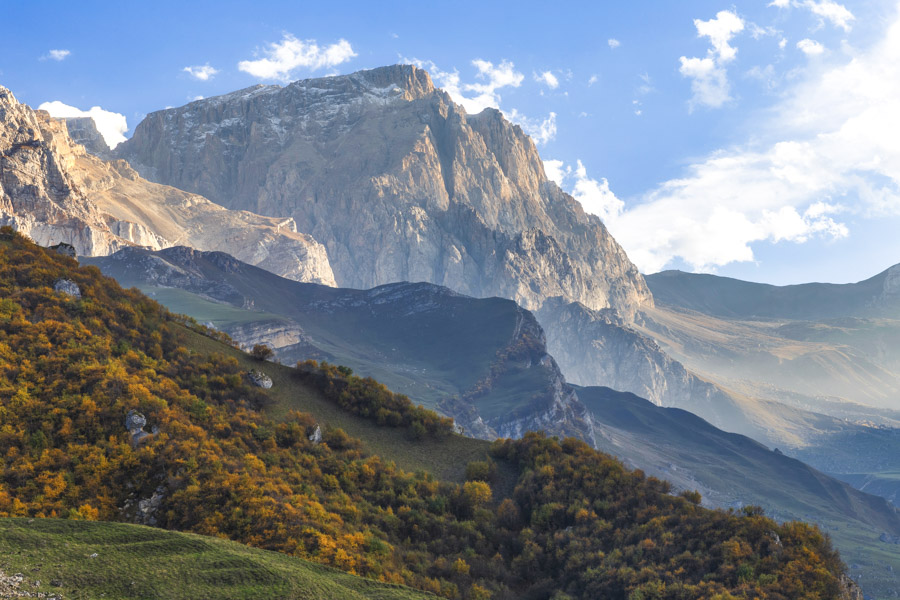
While August and January represent Azerbaijan’s two weather extremes – August being the hottest month of the year and January the coldest – neither should deter travellers.
You can escape hot August in the cool mountains. Indoors, climate control helps too: between excursions in the summer heat, you can step into an air-conditioned café, and the Azerbaijan National Carpet Museum and the Heydar Aliyev Centre stay comfortable whatever the weather outside. You can also explore various regions of Azerbaijan on horseback while visiting historic landmarks.
January is the perfect time for winter sports. Those who don’t ski can spend a day at a traditional hammam or a spa at one of the Shahdag resorts, overlooking the snow-capped mountains in a cosy atmosphere. Or, even more surprisingly, you can swim in a heated outdoor pool. Gabala offers ATV rides.
Practical Planning Tips
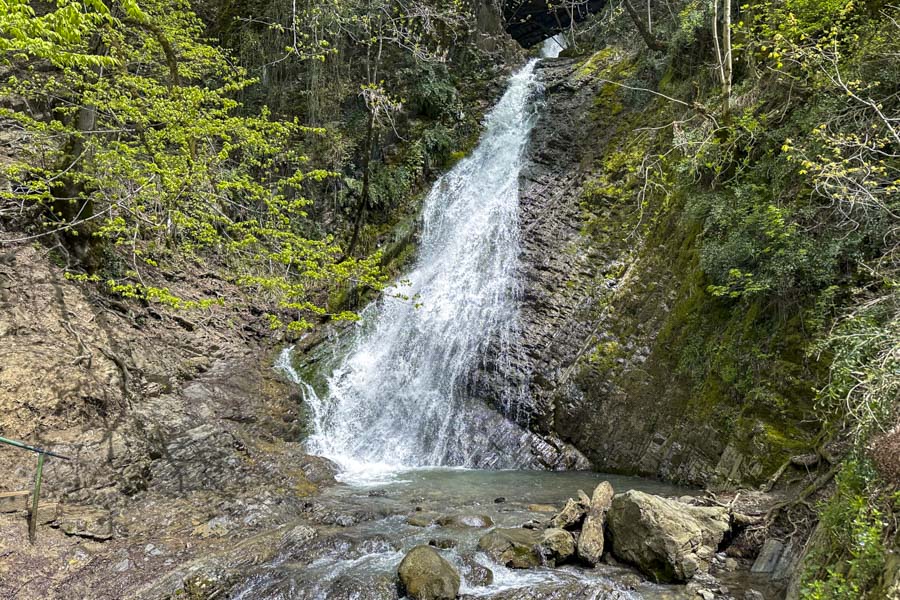
A sunny afternoon in Baku can coincide with snow in Shahdag or rain in Lankaran, so consider the whole route when planning your holiday.
- In spring, leave room for changing conditions. Pack layers, a light waterproof layer and shoes with good grip. City and foothill walks combine well, but higher mountain trails may still hold snow.
- In summer, plan around the hottest hours. Baku and the Absheron Peninsula have a semi-arid climate, with mild, windy winters and hot, dry summers. Visit Gobustan in the morning, then allocate time for lunch and indoor sights. Include higher-altitude stays for relief from the lowland heat, but bring a warmer layer for mountain evenings. A hat, sunscreen and drinking water are useful even when the air feels cool.
- In autumn, match your dates to your interests. Grape-picking depends on the vineyard’s harvest schedule, so arrange it in advance. Shorter daylight hours also favour a lighter daily itinerary.
- In winter, choose between a city break and a snow holiday. Snow in Baku is rare, so travel to Shahdag or Tufandag if snow is central to your plans. Pack a windproof coat for the capital and boots for slippery mountain surfaces. For ski holidays, discuss lessons and equipment hire when booking.
- Prepare for the regions beyond Baku. The mountains around Gabala and Quba differ from the higher slopes of Shahdag, where temperatures drop lower and snow lasts longer. Lankaran and the Talysh region, humid subtropical, the greenest and rainiest part of the country, calls for rain protection and boots to handle damp paths. Nakhchivan’s climate is much drier than Baku’s, with hotter summers and colder winters. As a result, spring and autumn are sensible choices for sightseeing. Check forecasts for each overnight stop shortly before departure.
- Build festival visits around confirmed programmes. Novruz centres on 20–21 March. Goychay’s Pomegranate Festival falls in late October or early November, and Baku’s winter fairs usually span part of December and January. Music festivals and the Azerbaijan Grand Prix keep separate annual schedules. If an event is a highlight of your trip, please inform your Advantour advisor before finalising your dates so that your visits, transfers and accommodation can be coordinated accordingly.