

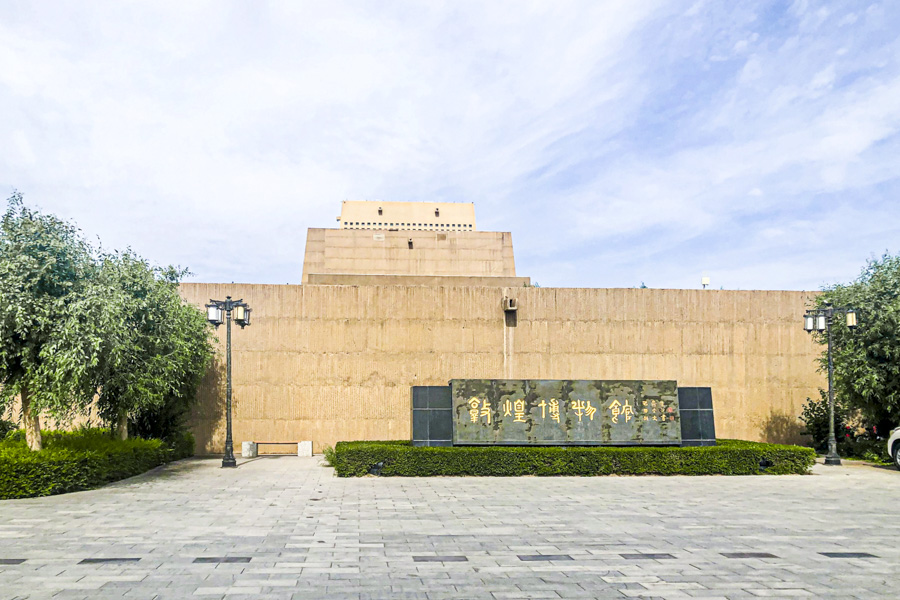
Address: 1390 Mingshan North Road, Dunhuang, Gansu Province
Opening hours:
1 May–30 September: Tuesday–Sunday, 08:30–18:30; last admission at 17:30
1 October–30 April: Tuesday–Sunday, 08:30–18:00; last admission at 17:00
Closed on Mondays.
Admission: Entry to the permanent exhibitions is free. Visitors must collect a ticket at the ticket office and present valid identification; international visitors should bring their passports.
Dunhuang Museum (敦煌博物馆) is a cultural treasure trove, housing a rich collection of artefacts that bring the centuries-old history of Dunhuang and the Silk Road to life. Its displays feature archaeological finds and works of art that reflect generations of contact and cultural exchange between China and other civilisations.
Founded in 1979, the museum moved to its present building in 2011. Its architecture combines contemporary forms with traditional motifs, including elements inspired by the Great Wall of China, ancient signal towers, and military fortifications. The complex covers 29,308 square metres, while the exhibition spaces occupy 5,060 square metres.
The museum’s collection comprises 13,524 cultural relics covering 14 categories. These include stone and clay objects, bronzes, porcelain, silk, Han-period wooden and bamboo tablets, relief-patterned bricks and other archaeological finds. Particular importance is given to artefacts associated with the Han and Tang dynasties, when Dunhuang was an important centre of trade and cultural exchange between East and West.
Discover the world of ancient Dunhuang, where every gallery opens a new chapter of history. This guide highlights the museum’s most interesting exhibitions, rare finds and essential practical information for your visit.
Dunhuang Museum Tours
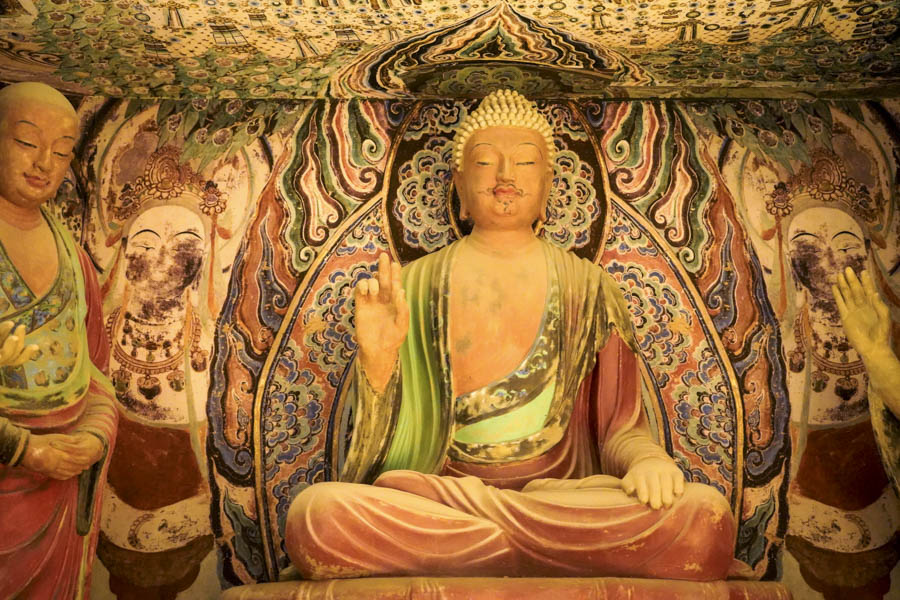
Enter a realm where the sands of the Gobi Desert preserve the tracks of ancient Silk Road caravans, where the Great Wall reached its westernmost point in the region, and where hidden desert caves tell thousand-year-old legends.
Embark on a seven-day journey through Western China, beginning in Dunhuang with the Mogao Caves, the rolling sand dunes of Mingsha Mountain and Crescent Moon Lake. Dunhuang Museum holds a special place on this itinerary, offering a unique key to the city’s past. Here, ancient artefacts provide an up-close look at the material remains of a world that existed thousands of years ago.
For a more extensive exploration of the Silk Road heritage, consider a ten-day adventure connecting China’s ancient capital, Xi’an, with the vibrant landscapes of Zhangye Danxia, Jiayuguan Fortress, and Dunhuang. On this route, Dunhuang Museum becomes a focal point of the tour. Among the historic relics, you can see evidence of cultural contact, trade, and the spread of Buddhism before heading into the Gobi Desert to soak up the atmosphere of its golden dunes and surrounding natural wonders.
Dunhuang Museum is a gateway to the city’s heritage, while other regional itineraries can help you choose the ideal way to explore ancient caves, desert landscapes, and mysterious monuments of the past.
Collection at Dunhuang Museum
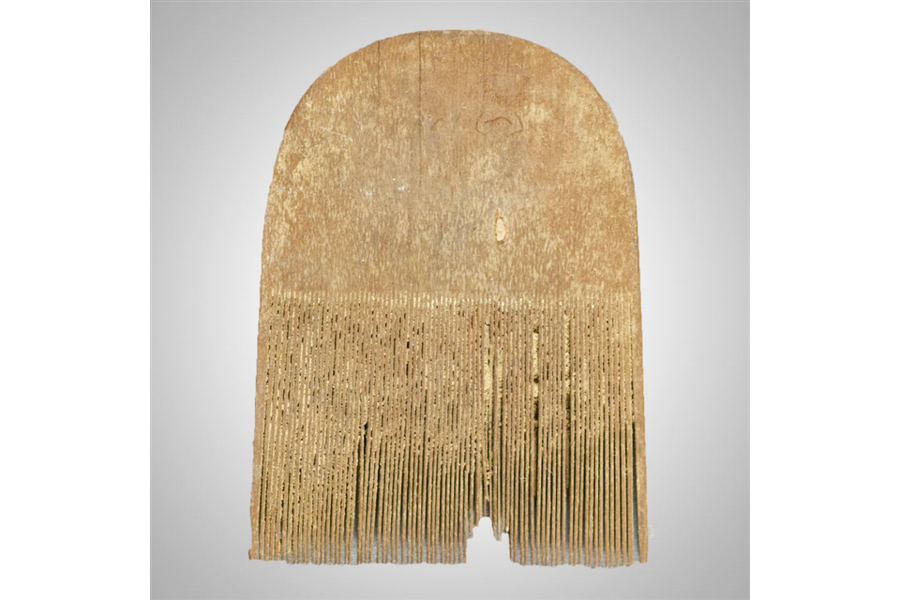
Photo source: www.dhbwg.org.cn
Dunhuang Museum’s collection is arranged as a chronological narrative of the city's history, showing how its society, culture, religion, and art evolved over several millennia. The chronological route begins in the prehistoric period and continues through the Han, Wei, Jin, Sui, Tang, Western Xia, Yuan, and Ming eras, culminating in the Qing dynasty.
Of particular interest are the everyday objects that offer an insight into both major historical events and the daily lives of ordinary people. These include bronze mirrors, lamps, burial objects, weapons, jade artefacts, coins, millstones, and horse harnesses.
The exhibition also traces the development of Buddhist art and highlights the connection between the museum's discoveries and the history of the Mogao Caves. It includes materials from the Library Cave, which was discovered at the beginning of the 20th century. The permanent exhibition is displayed in a preface hall and eight additional exhibition halls.
Preface hall – Overview of Dunhuang’s History
The Preface Hall (序厅) contains a map of the region’s historical finds and a diagram illustrating how the governance of Dunhuang changed over the centuries.
Hall 1 – Ancient Dunhuang: Early Civilisations
Dedicated to the Prehistoric Period (Late Neolithic / Stone Age and Early Bronze Age, c. 3300 – 1600 BCE), this hall introduces Dunhuang’s early heritage and establishes the historical context for the rest of the exhibition.
The first thing visitors encounter is a large-scale relief sculpture entitled "A Town Where Chinese and Foreigners Meet". The "Ancient History and Its Inhabitants" exhibition explores the lives of the early Qiang, Rong, Wusun, and Yuezhi tribes, as well as the nomadic Xiongnu people, who frequently raided the surrounding lands and controlled the local territory.
Hall 2 – The Rise of Dunhuang under the Han Dynasties
The Han Exhibition (两汉展厅), dedicated to the Han Dynasty Period (206 BCE – 220 CE), explores a new chapter in Dunhuang’s history, when the city developed into an important cultural centre. The exhibition transports visitors back to an era of flourishing trade and bustling Silk Road caravan routes. Numerous display cases and authentic artefacts illustrate the city’s military, political, economic, and cultural life as it became a vital oasis on China's frontier.
Through realistic installations, the gallery recreates scenes of the thriving silk trade, the daily lives of local residents, traditional craft production, and the early stages of Buddhism's expansion eastwards.
Hall 3 – Flourishing Cultures in an Era of Change
The Wei & Jin Exhibition (魏晋展厅), dedicated to the Jin, Wei, and Northern and Southern Dynasties Period (420–589 CE), explores a vital stage in Dunhuang’s history, when the city continued to develop as a major cultural and administrative hub on China’s western frontier. The exhibition showcases the rich culture of this era through decorative bricks, military weapons, and everyday objects. Among the unique discoveries are finely crafted burial vessels, colourful stoves shaped like chicken heads, bronze crossbows used by frontier warriors, ceramic granaries, and luxurious silk fabrics – all of which help visitors imagine the vibrant life during this age of shifting empires.
Hall 4 – The Golden Age of Dunhuang
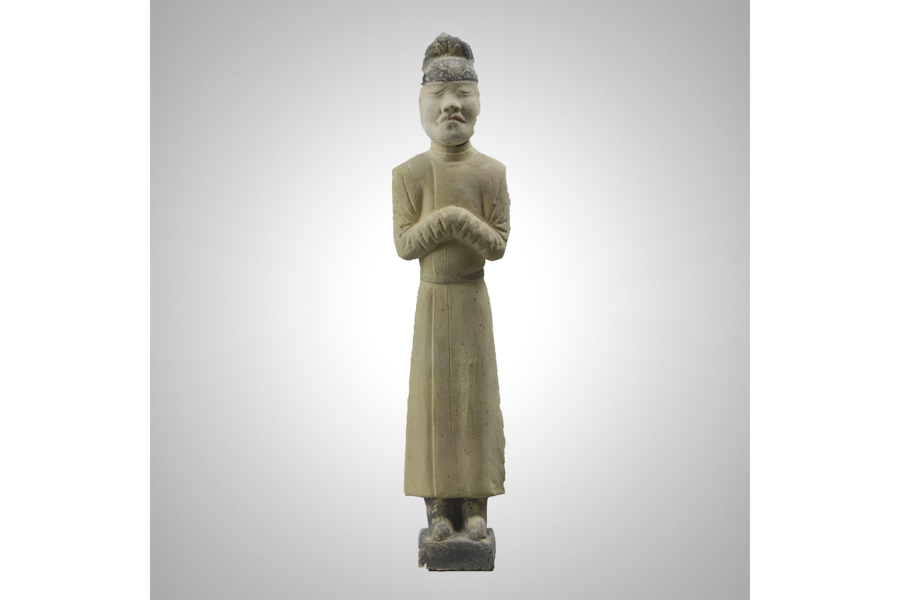
Photo source: www.dhbwg.org.cn
The Sui and Tang Exhibition (隋唐展厅), dedicated to the Sui (581–618 CE), Tang (618–907 CE), and Five Dynasties (907–960 CE) periods, explores the most glorious era in Dunhuang’s history, when the economy, culture, and wider society flourished. During this period, the city established itself as a key international market and a meeting place for foreign merchants travelling along the Silk Road. The display cases feature authentic treasures including delicate glass beads, Go stones, jade artefacts, ceramics, and expressive figurines of camels carrying goods across the desert. The exhibition also reveals unique and dramatic chapters of the region’s mediaeval history – from the period of Tibetan rule to the governance of the local Cao family, who inherited and enriched these great cultural traditions.
Hall 5 – From Decline to Revival
The Xia, Yuan and Ming Exhibition (夏元明展厅), dedicated to the Western Xia (1038–1227 CE), Yuan (1271–1368 CE), and Ming (1368–1644 CE) periods, explores a turning point in Dunhuang’s history, when the city declined after the prosperity of earlier eras, before beginning to recover. The first part of the exhibition focuses on the Shazhou Uyghurs and the rule of the Western Xia, revealing the distinctive style and the stark, bold character of this period.
Hall 6 – Dunhuang during the Yuan and Ming Dynasties
The next hall, number 6, transports visitors to the Yuan and Ming rule (1271–1644), when the Mongol Yuan government reopened Dunhuang as a gateway to the western regions, bringing about a renewed resurgence in the city's economy and culture.
Hall 7 – A Monumental Discovery and the Rebirth of Dunhuang
The Qing Exhibition (清代展厅), dedicated to the Qing Dynasty (1644–1912 CE), explores the rebirth of Dunhuang and its transition towards the modern era. The exhibition reconstructs the social environment of the period in detail. Through authentic artefacts and historic images, the hall reveals not only the daily life of the time but also a major milestone in global archaeology – the discovery of the famous Library Cave at the Mogoa Caves. Rare Dunhuang manuscripts hold a special place in the collection, clearly demonstrating the immense scholarly and artistic significance of Dunhuang studies.
Hall 8 – Ancient Coins of the Silk Road
The Ancient Silk Road Coins Exhibition Hall (丝路古钱币) completes the museum's main collection. Three sets of ancient coins offer a glimpse into the history of trade along the Silk Road, providing small yet eloquent testaments to the past. The exhibition immerses visitors in the spirit of caravan journeys. These coins form a unique bridge to bygone times, helping visitors imagine a long-vanished world and capture the essence of the mysterious Silk Road.
Temporary Exhibitions Hall
The Temporary Exhibition Hall (临时展厅) is designed to host rotating exhibitions that complement the museum’s permanent collection and offer regular insights into new subjects. It presents exhibitions dedicated to the archaeology, art, and history of Dunhuang and other regions of China. The museum also hosts local displays focusing on Dunhuang’s Intangible Cultural Heritage, as well as children's art exhibitions.
Must-See Artefacts and Experiences in the Dunhuang Museum
Treasures of the Collection
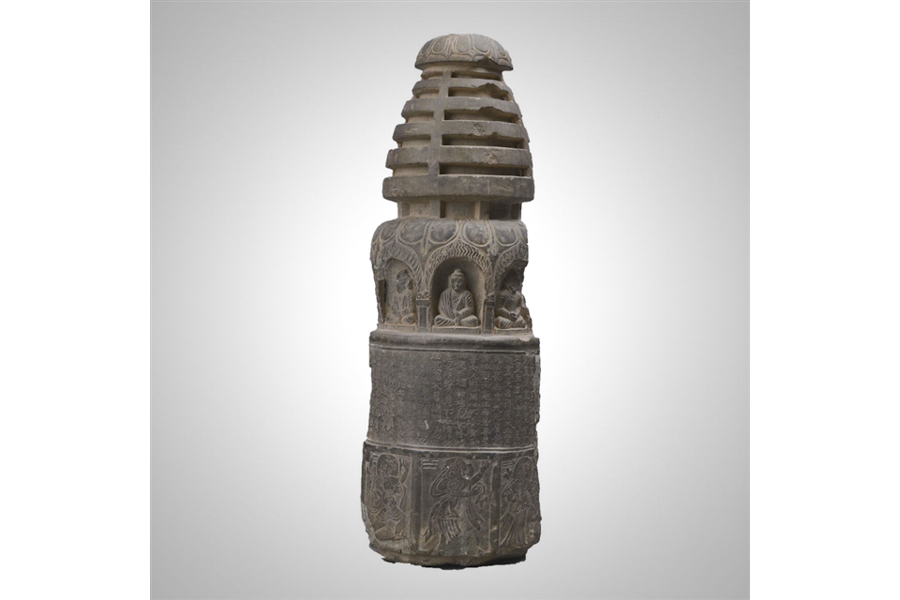
Photo source: www.dhbwg.org.cn
The collection at Dunhuang Museum contains unique historical relics that allow visitors to explore the origins of ancient Eurasian civilisation and encounter rare testaments to bygone eras.
Among the most notable exhibits is the Northern Liang Buddhist Stone Pagoda (北凉石塔) – a miniature stone pagoda shaped like a ritual tower, standing just 36 centimetres (14.2 inches) tall. It is recognised as one of the earliest surviving Buddhist works of art in Dunhuang. The pagoda features carved figures of eight Buddhas – the seven Buddhas of the past and Maitreya, the Buddha of the future – and is decorated with ancient Chinese divinatory symbols. Together, these elements illustrate the fusion of Indian religious traditions and traditional Chinese philosophy.
The historical timeline continues with the Han Dynasty Border Wooden Slips (汉代简牍) – unique written documents on bamboo and wood discovered during excavations at ancient border checkpoints. These fragile artefacts provide authentic records from border garrisons, including military orders, medical prescriptions, and soldiers’ personal letters from along the Great Wall of China. Used instead of paper more than 2,000 years ago, they preserve the direct voices of the frontier defenders.
The Wei-Jin Dynasty Pictorial Bricks (魏晋画像砖) represent the rich funerary culture of the era. Mineral pigments depict the mythical beast Qilin and everyday scenes of hunting, feasting, and life in the oasis, alongside figures of the deities Fuxi and Nüwa. The vivid, expressive strokes of the ancient craftsmen have retained their original depth for around 1,500 years, allowing museum visitors to appreciate the specific details and artistic spirit of a vanished era in Dunhuang.
The collection also features the Tang Dynasty Painted Pottery Tomb-Guarding Beast (唐彩绘陶镇墓兽) – a one-metre-tall (3.28-foot) statue of a guardian with powerful paws, horns, and wings. Such figures were created to protect the tombs of the nobility from evil spirits. The preservation of its form and details allows visitors to study the style and expressiveness of Tang dynasty art in all its subtlety.
Immersive Experiences
A visit to Dunhuang Museum extends beyond viewing historical displays, offering opportunities to engage with the past through modern digital formats. The primary space for this immersive experience is the Dunhuang Museum XR Immersive Exhibition Hall (敦煌元视界), a specialised Extended Reality (XR) pavilion where guests can enjoy large-scale digital presentations.
As you exit the museum complex, right by the main entrance to the grounds, you will find the Feitian Theme Post Office (飞天主题邮局) beside the main entrance. This welcoming space offers a distinctive interactive experience: here, you can purchase exclusive collectible stamps, postcards, and other unique postal gifts. You can also stamp your purchases with commemorative postmarks featuring images of flying apsaras and caravans, sending a message from the heart of the Gobi Desert to anywhere in the world.
How to Get to the Dunhuang Museum
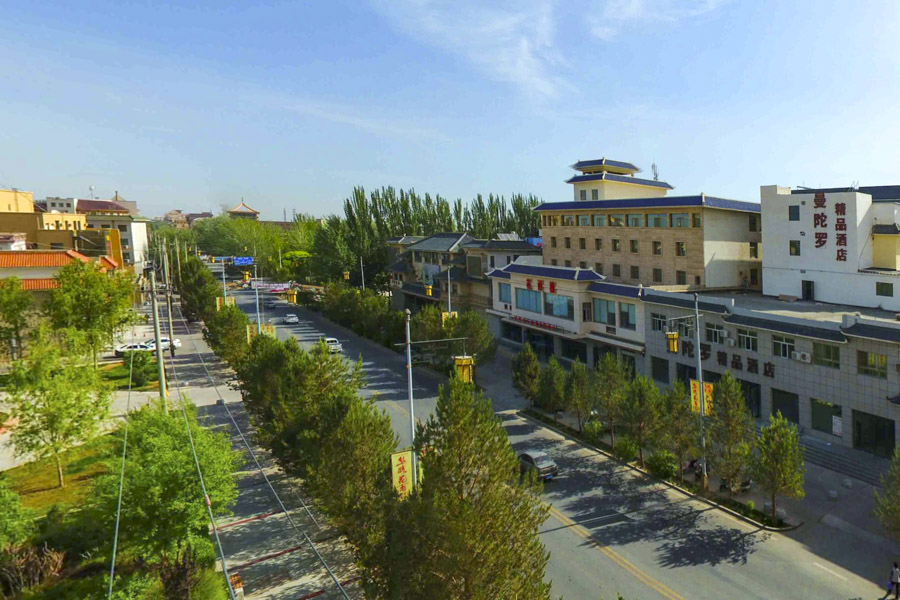
Dunhuang Museum is located at 1390 Mingshan North Road (鸣山北路1390号), approximately 2.5 kilometres (1.55 miles) from Dunhuang city centre.
By Bus
You can reach the museum easily from the city centre by taking Bus No. 3 and getting off at the Museum stop (博物馆), located beside the building.
By Taxi
A taxi ride from central Dunhuang takes around 10 minutes, as the museum is close to the city's main districts. The fare is typically no more than CNY/RMB 10 (approximately $1.40 / €1.21 / £1.04).
On Foot or by Bicycle
Given its short distance from the city centre, the museum is easily accessible on foot or by bicycle. This is a convenient option for visitors who would like to combine their museum visit with a walk or cycle around Dunhuang.
By Car
Ample visitor parking is available beside the museum. As you approach, simply follow the signs to the parking area.
Dunhuang Museum Visitor Tips
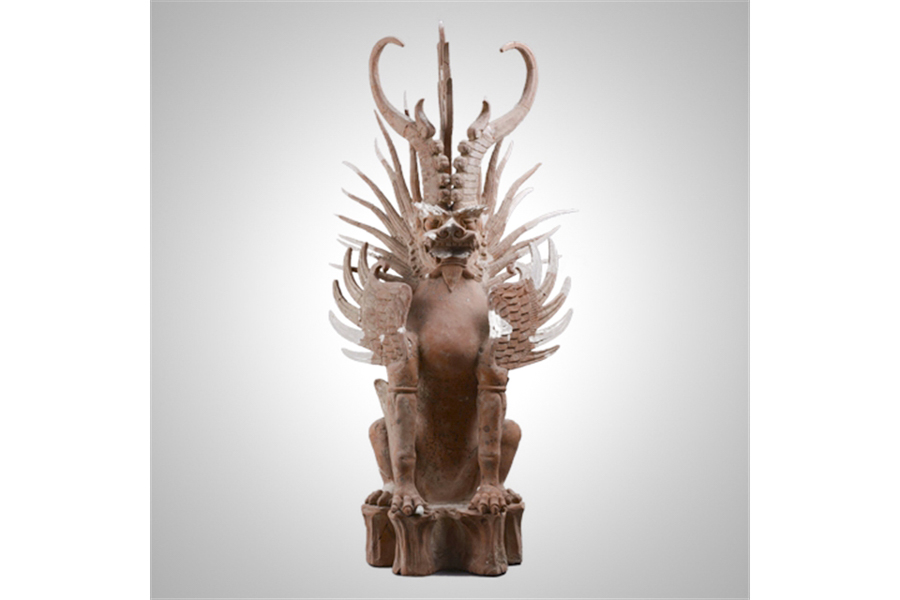
Photo source: www.dhbwg.org.cn
For visitors’ convenience, free left-luggage facilities are available at the entrance, allowing you to leave your personal belongings during your visit. However, it is strongly recommended that you keep cash and valuables with you.
Please respect the museum rules and help protect the collection by refraining from touching the exhibits or display cases and following all instructions from the museum staff.
Photography is permitted, but the use of flash and tripods is strictly prohibited inside the exhibition halls.
Before your visit, it is a good idea to check the current opening hours and details of any temporary exhibitions. The museum regularly hosts rotating displays, offering new themes and insights for returning visitors.