

Category: UNESCO World Heritage Sites in Kazakhstan, Mangystau
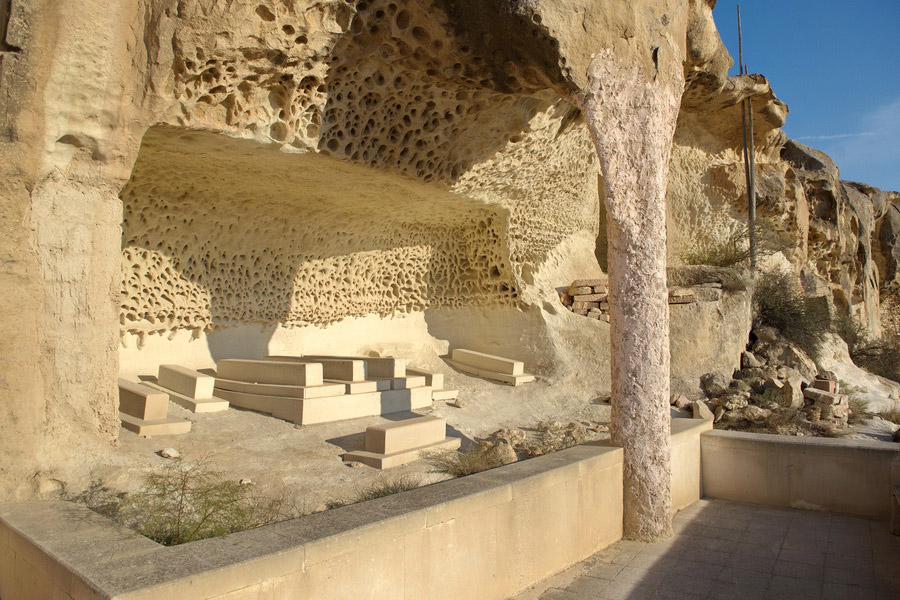
On 25 July 2026, the UNESCO World Heritage Committee inscribed “Rock Mosques and Associated Sacred Sites of Mangystau” on the World Heritage List. The decision was made during the Committee’s 48th session in Busan, Republic of Korea.
The serial property comprises five sacred complexes in Mangystau, south-western Kazakhstan: Beket-Ata, Shopan-Ata, Karaman-Ata, Shakpak-Ata and Sultan-Epe. Each is associated with a Sufi master, and together they date from the 12th to the 18th centuries.
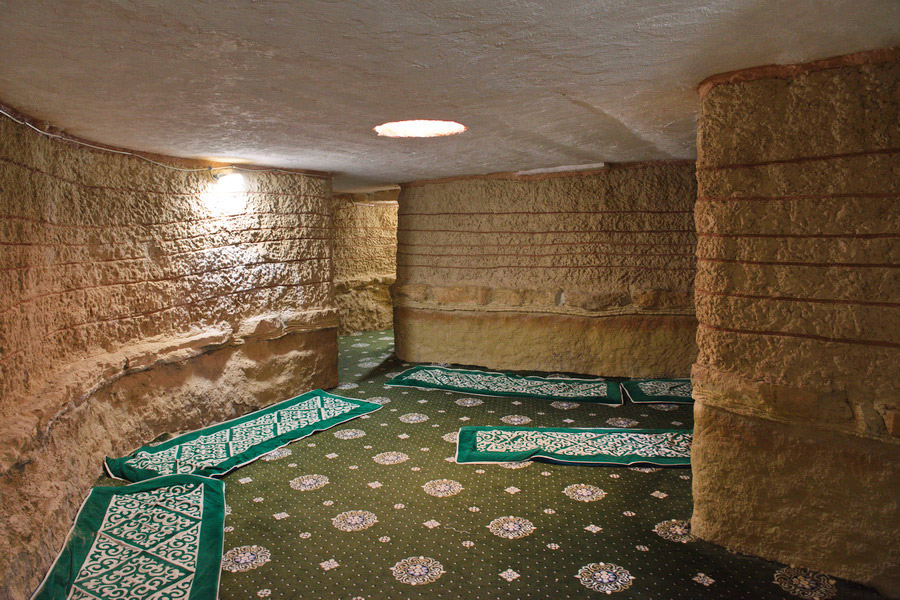
Known locally as “underground mosques”, these complexes emerged from the nomadic traditions of the Mangystau and Ustyurt plateaus. Places of prayer and spiritual retreat were created in natural caves, cut into steep rock faces, or excavated underground. This distinctive tradition blends Islamic Sufi spirituality with older practices of ancestor veneration and the perception of the natural landscape as sacred. Together with their necropolises, water sources, sacred trees and pilgrimage paths, the mosques form sacred complexes that have remained important centres of pilgrimage for centuries.