
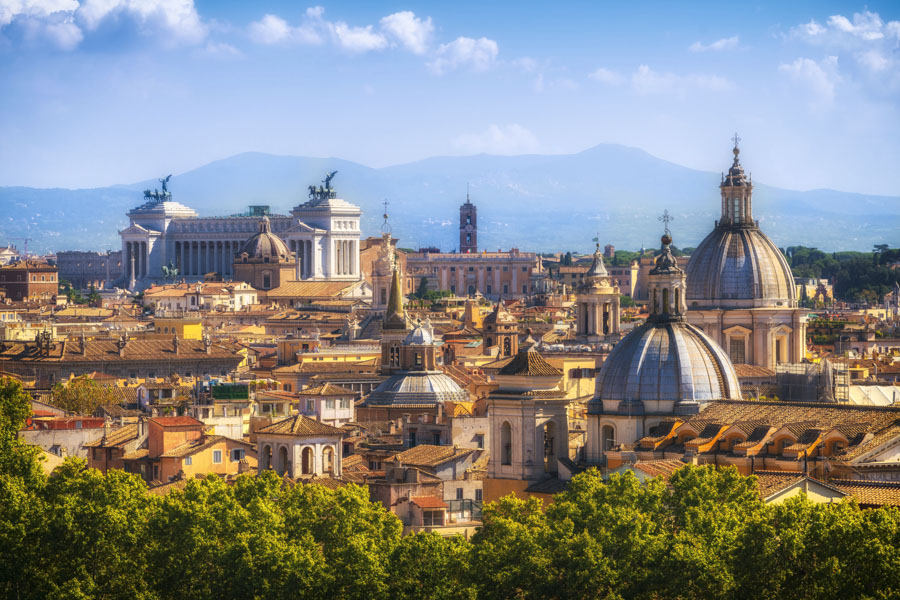
Italy stretches from the Alpine watershed into the centre of the Mediterranean, its boot-shaped peninsula framed by Sicily, Sardinia, mountain ranges, plains, ports and long coastlines. For travellers, this geography is never just scenery: it helps explain the country’s striking regional variety, from dialects and food traditions to architecture, pace of life and local character. Although modern Italy is historically young, formed from former city states, kingdoms and duchies, its layers reach deep into antiquity, the Middle Ages and the Renaissance. Rome carries the visible legacy of empire, while Florence, Venice and Milan shaped art, commerce, design and ideas in ways that still influence how the world imagines Italy.
This guide looks at Italy through both its celebrated landmarks and its regional contrasts. Ancient ruins, Renaissance galleries, mountain resorts, wine regions, coastal towns and everyday dining traditions all form part of the journey. For Advantour, Italy also holds particular interest as Europe’s western gateway in the wider Silk Road story. Venetian merchants, Genoese fleets and Mediterranean trade routes helped carry goods, techniques and ideas between East and West, leaving traces in painting, architecture, luxury materials and city life. Seen from this angle, Italy becomes a natural continuation of a much broader route of exchange, rather than a destination standing apart from it.
Your Guide to Italy
CONTENTS
Is Italy worth visiting?
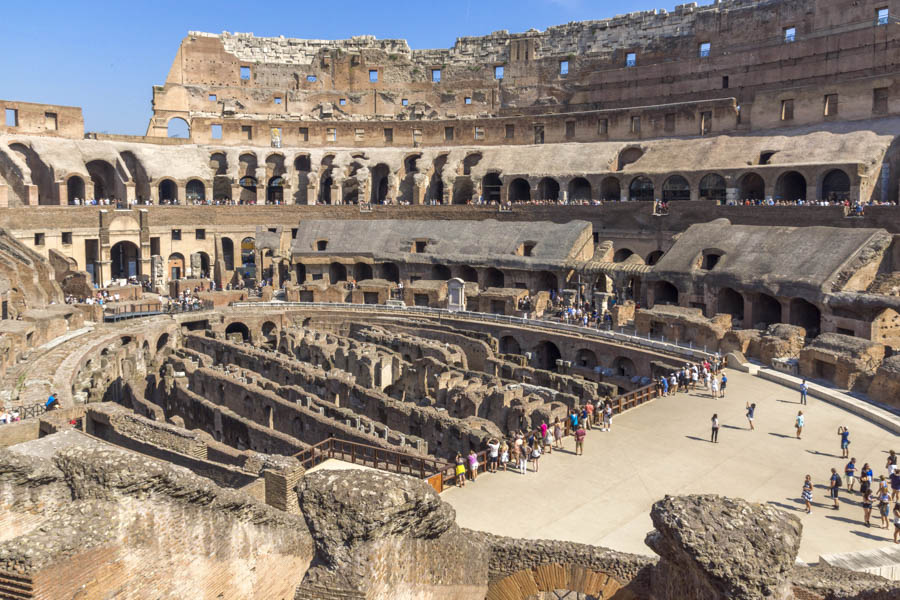
Certainly, Italy is well worth visiting, and it’s also worth going back to again and again. It’s a country that can be visited for a short city break, a week or two of utter relaxation, or even a lengthy road trip. It’s a place for families as well as solo travellers and romantic couples, with world‑class opera and cultural attractions, superb skiing and hiking trails, outstanding food and wine, and experiences to suit every interest. Whatever stage of life you’re in, Italy has something for you.
Here are a few more reasons to entice you:
The Food is Great
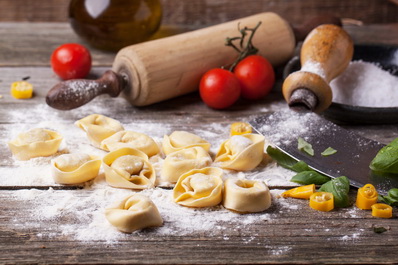
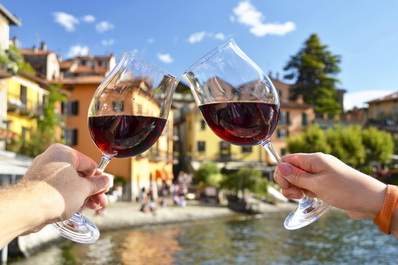
When you come to Italy, you can be sure the food will only enhance your experience. Italians helped perfect and popularise pasta and pizza into the regional specialities we know today, reflecting centuries of multicultural culinary exchange. There’s so much more to Italy’s cuisine, however, and gastronomes will love discovering mouthwatering food and drink regional specialities, being part of food festivals, getting their own fingers in a mixing bowl, and enjoying long meals under vine-clad pergolas with a glass of something local.
It’s an All-Year-Round Destination
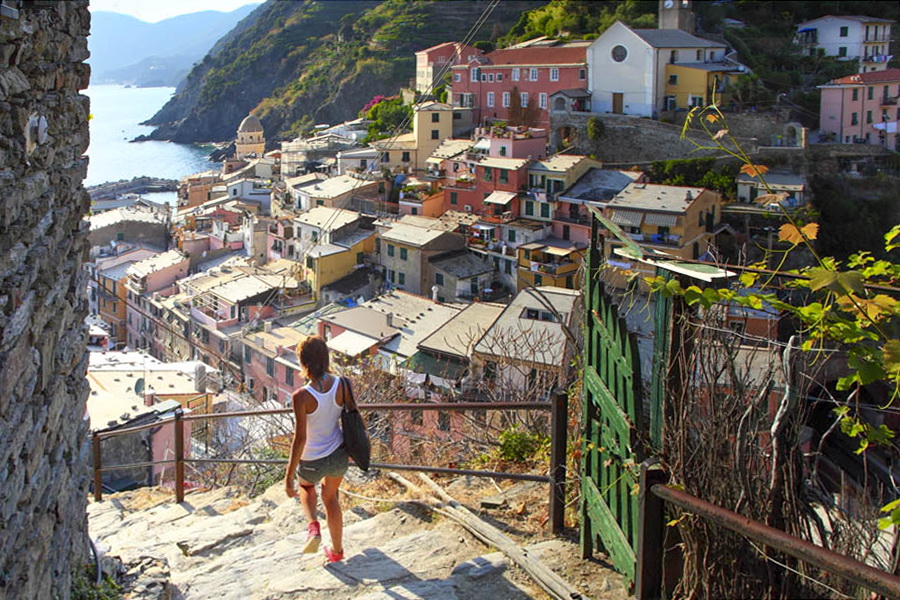
Thanks to its varied latitudes and topography, Italy rewards travellers coming in any season. Much of the country enjoys a Mediterranean climate, with conditions varying. The far north is alpine and can be cold with heavy snowfall in winter, while the central and southern regions are milder. Summer is reliably hot and dry, ideal for those seeking the classic sunny getaway or drawn to the lakes or mountains. Winter brings the skiers and those who love galleries and museums without the crowds. Spring and autumn are wonderful for sightseeing in moderate climes. And throughout the year there are vibrant festivals embedded in the seasonal cycle, which means that the best time to visit Italy can be many times.
It has Diverse Regions
Italy's regions are strikingly diverse. Beyond the north, the economic powerhouse, and the Mezzogiorno (literally ‘midday’, referencing its heat) of the south, Sicilians have quite a different lifestyle and outlook from the inhabitants of a city like Turin. Add in Venetians, Romans, Tuscans, Umbrians, Neapolitans, and so on, and you’ll find multiple different versions of ‘Italian’, with traditions and even languages of their own. The diverse regions of Italy are integral to its fascination.
The Cities are Amazing
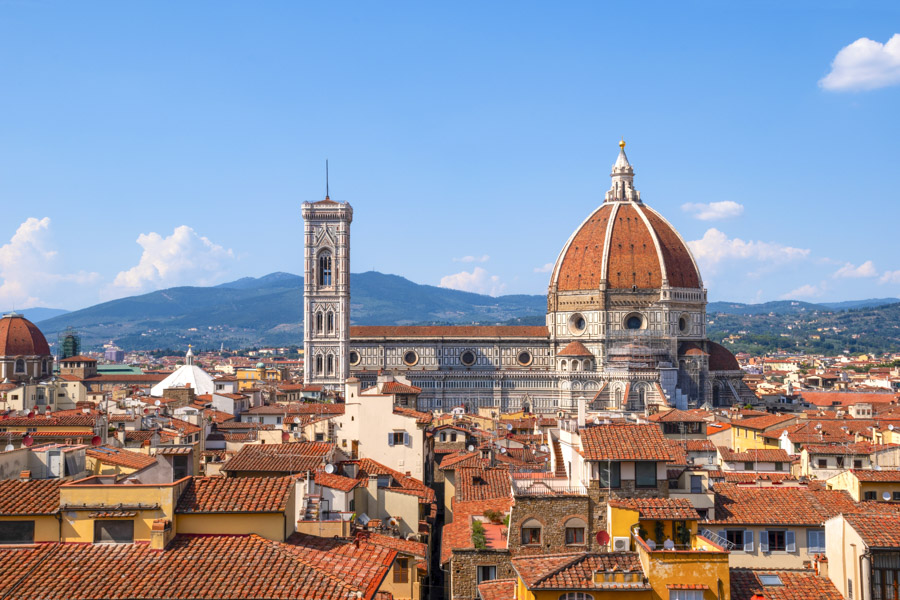
Cities are cultural centres, shaped by three great periods. The first is the Greco-Roman period, which produced ancient amphitheatres, monuments and Roman villas. The second was the Renaissance between the 14th and 16th centuries: a time when cities such as Florence, Venice and Rome in particular spawned the art, architecture and attitudes that transformed Western society. Today Italian cities are still vibrant and evolving centres of excellence in areas such as fashion and style.
You’ll Appreciate the People
As a general rule, Italians are warm-hearted, welcoming and very easy to fall in love with. Perhaps it is that Romantic tradition and the prioritising of family, friends and food above the daily grind. There are certainly plenty to learn from them and many traditions that you’ll be tempted to adopt. What’s more, cultural traditions vary regionally and seasonally, so learning to be a bit more ‘Italian’ yourself can be a long-term project.
It’s Accessible
Italy is very easy to access and travel around. International air connectivity is superb, high-speed trains link the major cities, regional airports offer access to remoter areas, the road network is good, and all this means that you can combine multiple experiences within a single trip.
Experience the Best of Italy
In a country as richly diverse as Italy, a fantastic holiday is very likely; but the real question is which of its many experiences you’ll weave into the perfect itinerary. You might be drawn to Italy’s extraordinary historical and cultural depth, or perhaps its beautiful landscapes and outdoor adventures appeal more. You may even want a bit of everything. Whatever you choose, every journey is enhanced by Italy’s exceptional food and wine.
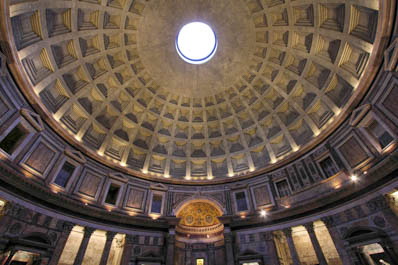
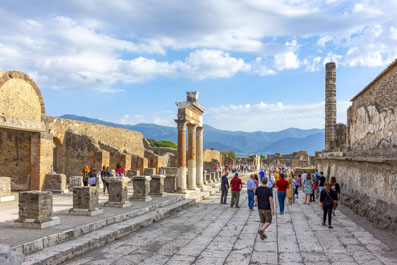
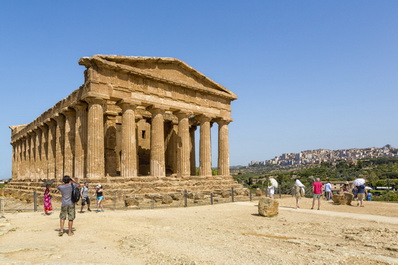
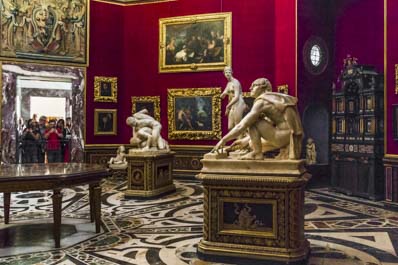
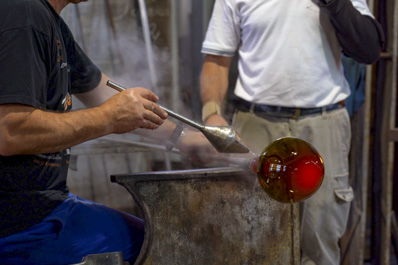
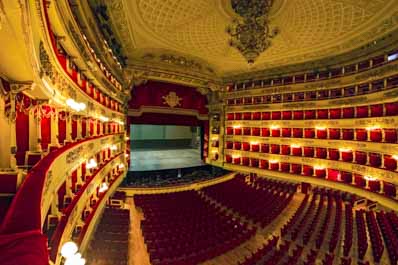
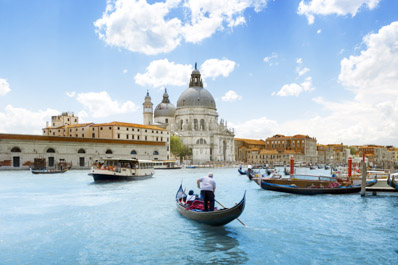
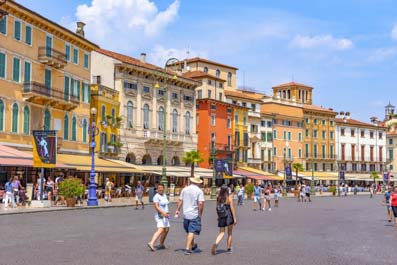

The Regions of Italy
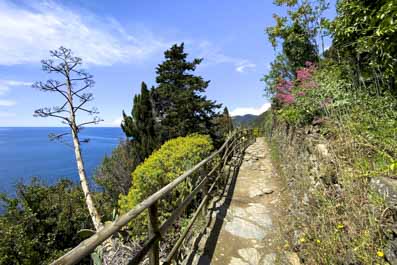
Many visitors note a broad north-south contrast, with an industrial, prosperous north, a region of bustling, business-like cities and high culture – and the south, where the combination of a hot climate and a rural outlook brings quite a different pace and attitude to life. Then they may travel to other places that don’t quite fit the trend before realising that Italy’s regions are much more complicated and fascinating than they first thought.
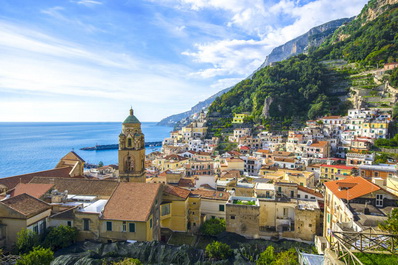
To plan an immersive experience of Italy, a country often best encountered region by region, it pays to know some basics: Florence sits in Tuscany; the Amalfi Coast is just a short hop from Pompeii and Naples; and Lombardy contains Lake Como and Milan. From there you’ll start becoming fluent in the different attractions and distinct identities of regions like Umbria, Emilia-Romagna, Lazio, Calabria, Piedmont, Veneto, and more.
The Cities of Italy
Italy’s regional patchwork is a legacy of the independent states that existed before the 1861 unification into the country we know today. Each region had urban administrative and commercial centres that reflected its history of rule and the cultural influences, some of which even came from distant lands.
For example, the grandeur of Rome is inseparable from its pivotal role in the Roman Empire and subsequently as the centre of the Roman Catholic Church. Florence, part of the Grand Duchy of Tuscany before unification, was ruled by the House of Lorraine. Venice was an independent maritime trading republic for a millennium before falling to Napoleon Bonaparte in 1797; the Republic was dissolved by the Treaty of Campo Formio, and its territories were ceded to Austria. The powerful Duchy of Milan shifted between French, Spanish and Austrian control. And Naples was a kingdom that came under Bourbon rule in 1734 and, after being governed in personal union with Sicily, was formally united as the Kingdom of the Two Sicilies in 1816. The Bourbon dynasty remained in power until the kingdom’s overthrow during Italian unification (Risorgimento) in 1860–1861.
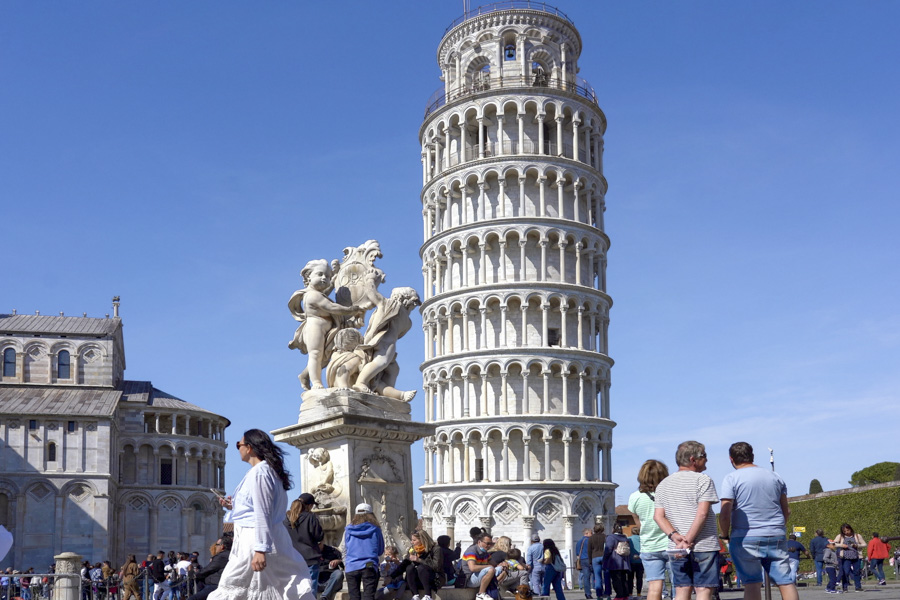
Discovering the marvels of Italy’s cities could be a lifelong quest because the more you know, the more you find that there’s another one equally compelling. From the headliners, you’ll move on to Bologna, Verona, Siena, Ravenna, Palermo, Pisa, Turin, Ferrara, Genoa, Mantua, Lecce, and many more besides, each packed full of colourful history, architectural marvels, beautiful art, fascinating traditions, and distinct food.
Best Time to Visit Italy
There’s something worth doing in Italy whatever the season, so when to visit Italy is dependent on what you want to do and which region you are interested in. Different parts of Italy vary in climate, crowd levels, and seasonal rhythms. For example, alpine areas follow a completely different pattern from coastal regions, and major cities have their own peaks tied to festivals, school holidays, and international tourism.
Broadly speaking, the Italian non-winter-sport tourism year can be divided as follows:
High Season (June to August): Coinciding with school holidays, this time of year brings reliable sunshine and long days. That also often means intense heat. Other downsides include higher prices and a more limited choice of accommodation for your budget.
Low Season (November to March): These months are cooler and wetter, making them far less popular but consequently better value for money. If you’re a museum or gallery lover, then this is the time of year for you.
Mid-Season (April to May and September to October): If you don’t have to stick to school holidays, then these ‘shoulder’ seasons are superb times to visit most regions of Italy. The weather is pleasant and the crowd levels feel more manageable.
Visit Rome, Milan, Florence, and Venice
Spring and autumn are the most rewarding times to explore Italy’s major art cities. Compared with peak season, mild temperatures make walking far more comfortable. Museum queues are shorter, and the light is at its most flattering for architecture and photography. You’ll still find some crowds, but nothing like the summer months when you’ll also have to cope with the heat.
Visit Tuscany and the Wine Regions
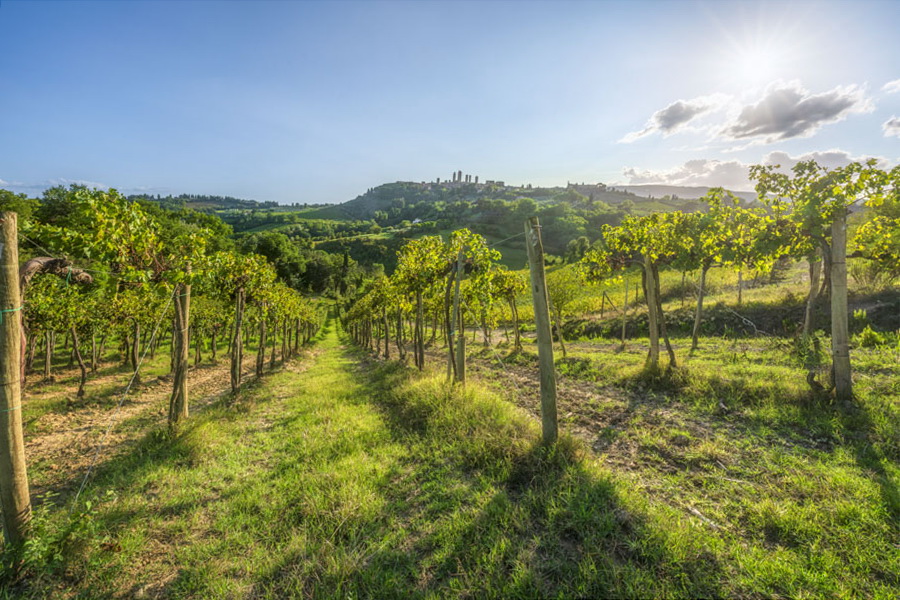
Late spring and early autumn are the most rewarding times to visit Tuscany and Italy’s major wine regions. The weather is warm but gentle, and the vineyards are at their most scenic. For festivals, tastings and a more lively atmosphere, coincide your visit with the harvest.
Visit the Amalfi Coast and Islands
Late spring and early autumn are the most enjoyable times to experience the Amalfi Coast on the Tyrrhenian Sea. The weather is warm but not overwhelming, the sea is inviting, and the coastal roads and villages feel far less congested than in the peak summer months. At this time of year, the ferries are running their summer timetables, and hotel availability is good. These shoulder seasons offer the coast’s trademark beauty with a calm, relaxed atmosphere.
Visit the Dolomites
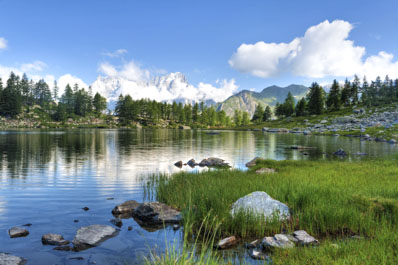
Summer and winter, each offering a completely different experience, are the seasons for visiting the Dolomites, a dramatic mountain range in northeastern Italy and a UNESCO World Heritage Site. Summer brings long days, clear trails, wildflower meadows, and ideal conditions for hiking, cycling, and via ferrata routes. Nights are cool, which, combined with the exhaustion of outdoor activity, will help ensure a restful night! Winter transforms the region into one of Europe’s premier ski destinations, where reliable snow and an extensive lift network combine for an excellent winter sport break from December to early March.
Holidays and Festivals in Italy
Italy’s annual calendar of holidays and festivals is one of national public holidays, lively regional celebrations of tradition, and festivals linked to religious traditions. As the centre of the Roman Catholic Church, it is not surprising that many events are tied to the Christian timetable. You will also find, however, that there are plenty of celebrations that are purely about civic pride, food culture and the seasonal cycle.
Whatever their basis, holidays and festivals have a potential impact on your holiday. You might specifically come to witness the pageant, or you might alternatively coincide with one and be frustrated by the crowds and lack of accommodation. With this in mind, it’s worth knowing some of the major events that you may wish to experience or plan around.
Christmas and Easter
Cities and towns hold processions, markets, and concerts, creating a festive atmosphere that blends faith and local culture. These are Italy’s most important religious holidays, marked by church services, family gatherings, and regional food traditions.
Infiorata
From mid‑May to late June, many Italian towns transform their streets into elaborate floral displays. The Sicilian UNESCO-listed town of Noto is famous for its infiorata, with Spello, Genzano di Roma, and Lucignano also spectacular.
Republic Day
On 2 June each year, this day celebrates the founding of the modern Italian Republic. There are parades, ceremonies, and flyovers in major cities. It’s a patriotic holiday that often brings closures and crowds, especially in Rome.
Ferragosto
The height of the Italian summer holiday season, 15 August is when many locals head to the coast or mountains. Cities can feel empty, while beach towns and resorts can be extremely busy.
Venice Carnival
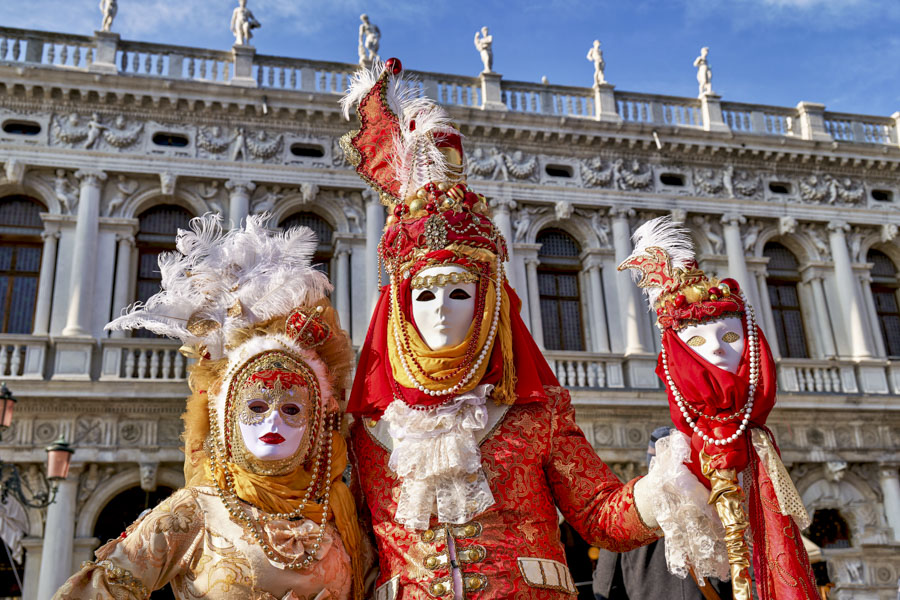
In the two weeks leading up to the start of Lent, Venice is enhanced by elaborate masks, baroque costumes, and atmospheric balls. Expect parades, performances, and open‑air events.
Palio di Siena
Held on 2 July and 16 August, Palio di Siena is an amazing parade and centuries‑old horse race run in Siena’s Piazza del Campo. It’s one of Italy’s most dramatic traditional events.
Verona Opera Festival
From mid-June to early September, Verona stages a different opera production every night in its ancient Roman arena. The festival draws opera lovers from around the world.
What to Eat in Italy
Enjoying the food and drink of Italy is inseparable from an experience of the country and its regions. Here are a few highlights.
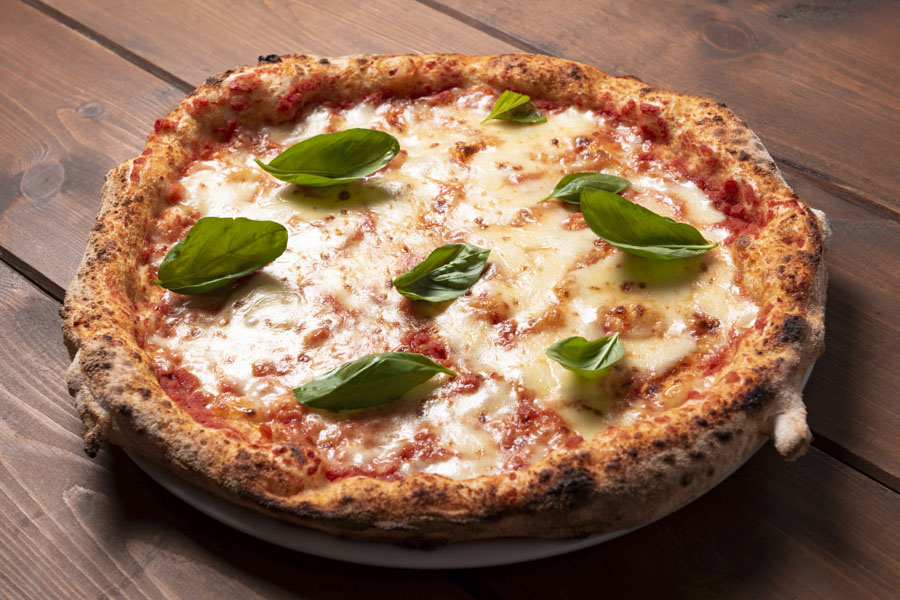
Forget pineapple chunks, Naples is the home of the original Neapolitan pizza. It’s known for its soft, blistered crust and simple toppings like tomato, mozzarella, and basil.
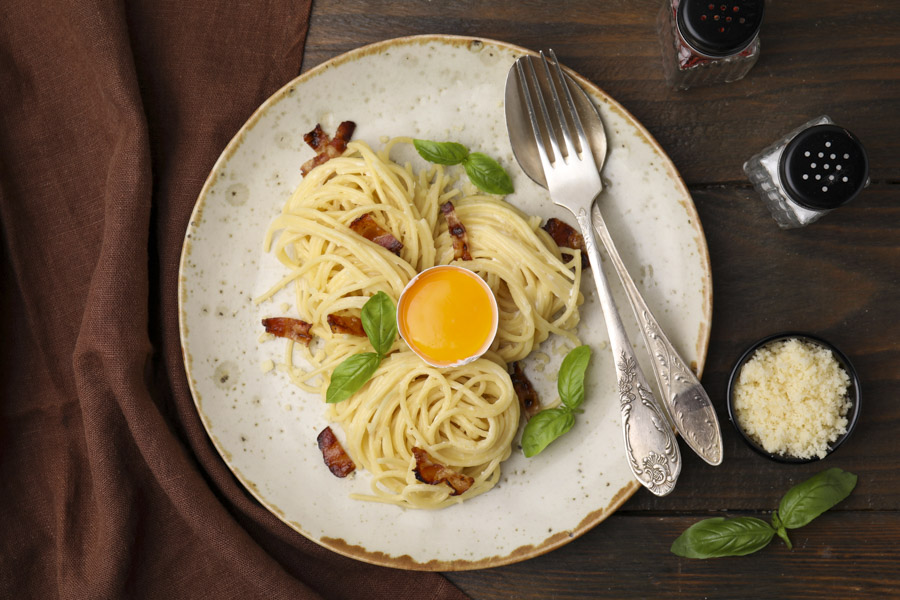
A Roman classic made with fresh eggs, freshly grated PDO Roman pecorino cheese (sheep’s milk cheese), guanciale (cured pork), and black pepper. It’s rich, savoury, and deceptively simple.
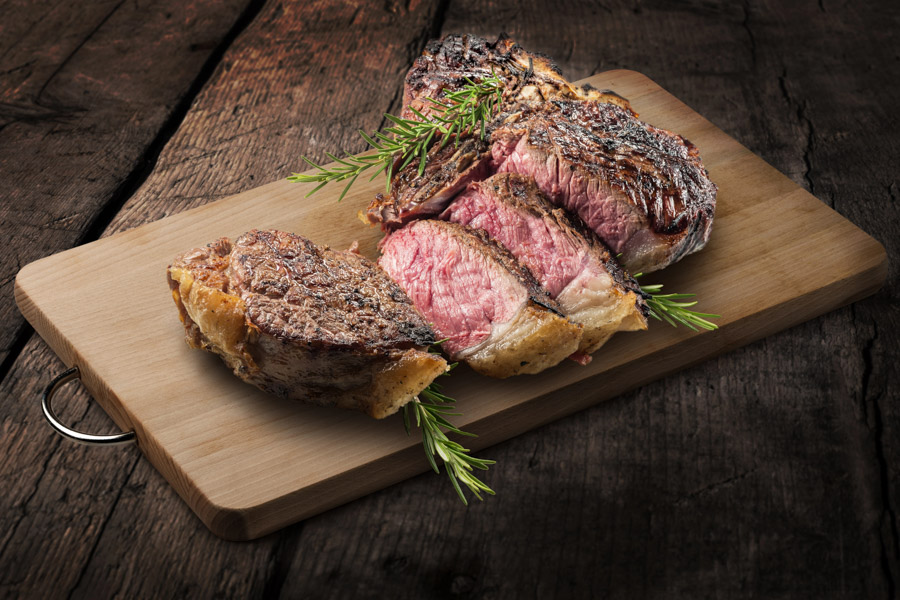
A thick-cut, charcoal‑grilled T‑bone steak from Chianina cattle, served rare. It’s typically shared with a couple of friends.
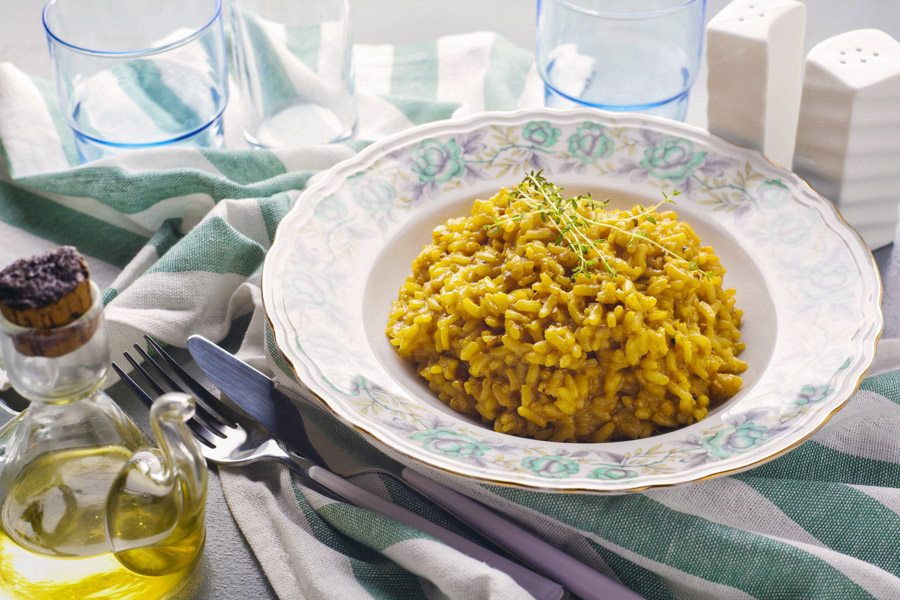
A creamy saffron risotto, traditionally combined with ossobuco (braised veal shanks), this is one of northern Italy’s great dishes.
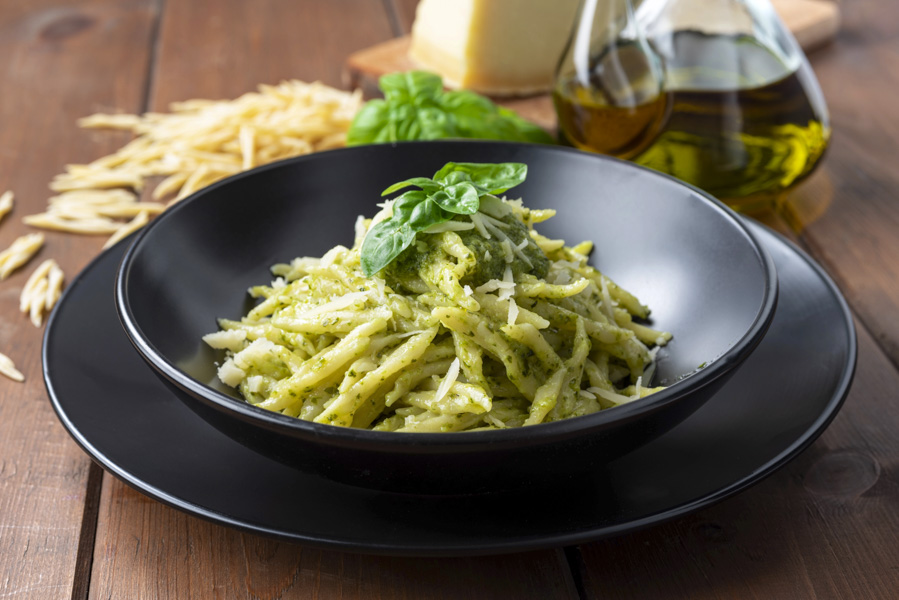
A fragrant blend of basil, pine nuts, garlic, Parmesan, and olive oil, often served with trofie (thin, twisted) pasta.
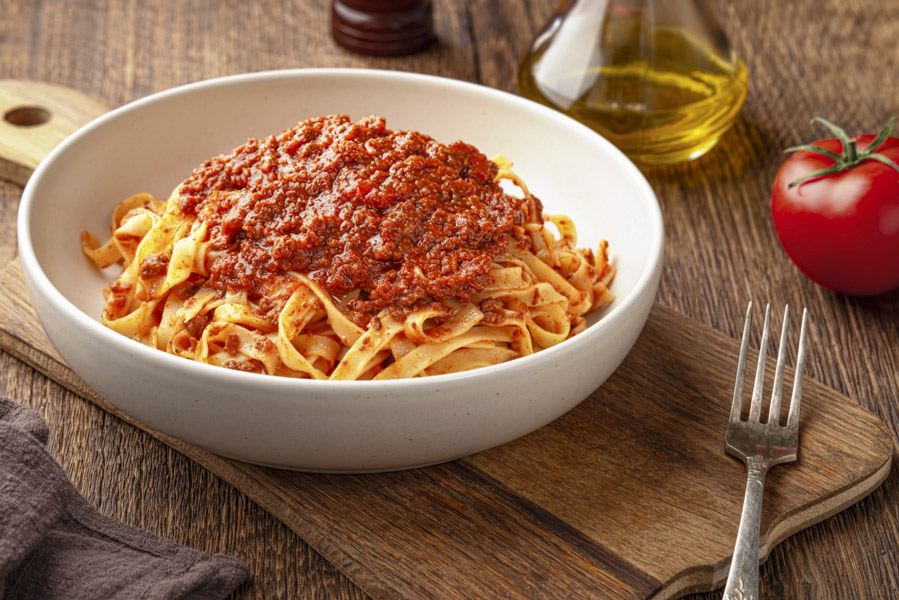
Whether the slow-cooked ragù coats cheese-stuffed tortellini or just plain tagliatelle, true bolognese sauce in Italy has the richest of flavours.
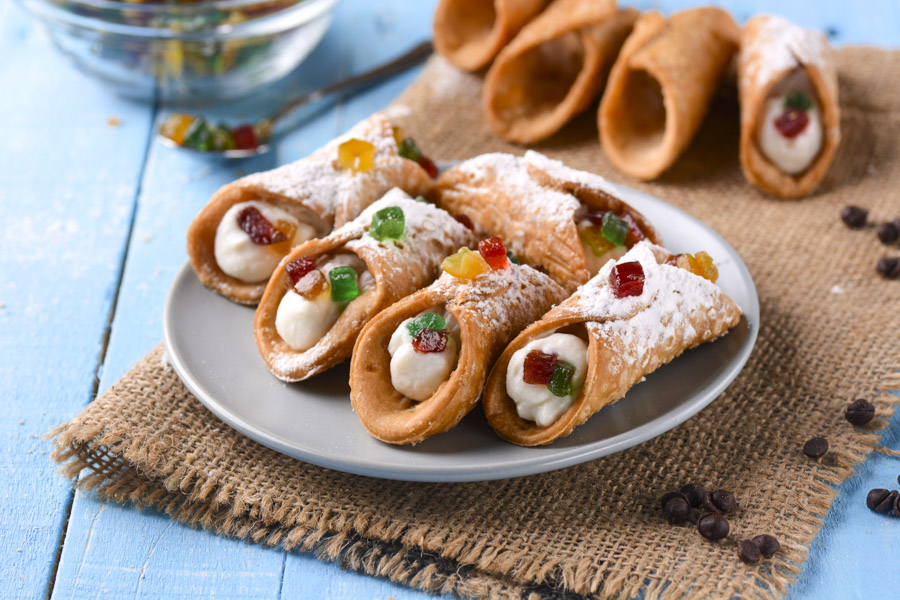
For an iconic Sicilian street food meal, go for crisp rice balls filled with ragù or cheese, followed by a sweet ricotta‑filled pastry.
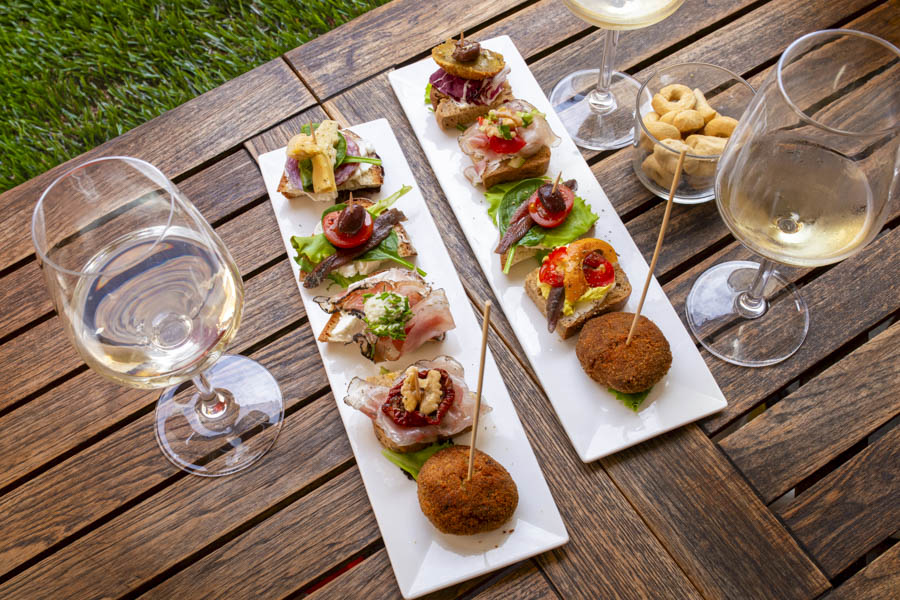
When you go to a bàcari (a traditional Venetian wine bar), combine a glass of wine with bite-size bar snacks such as crostini and seafood bites.
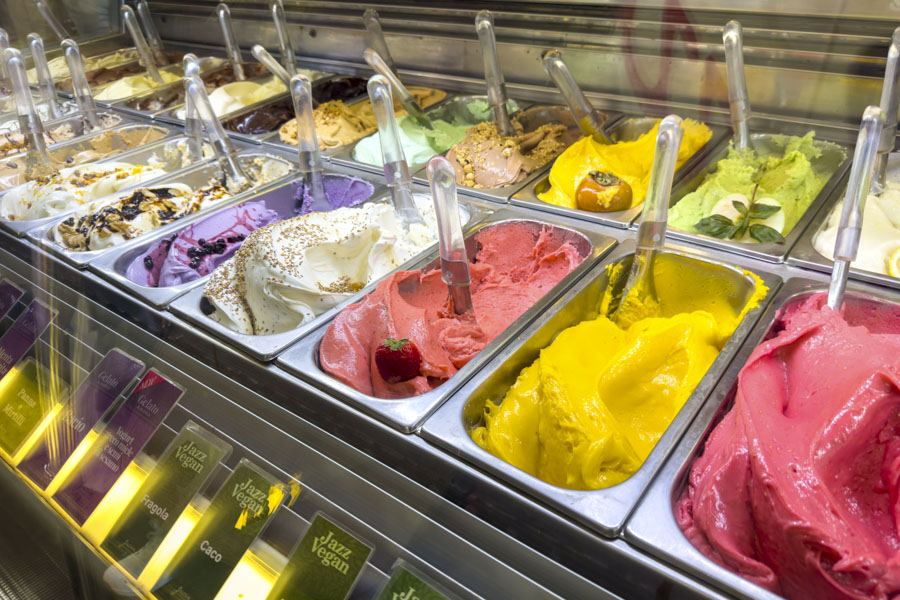
A source of national pride, the classic Italian frozen desserts are known for their intense flavours and dense textures. Gelato is made with more milk and less cream than typical ice cream.
Italian Coffee and Aperitivo Culture
Many of the coffee terms you may use at home (espresso, macchiato, latte, mocha, and so on) come from Italy. But drinking it here can be surprisingly different, because many Italians take coffee strong and short, usually standing at the bar. Un caffè means an espresso, a macchiato is ‘stained’ with a little milk, and milky cappuccino is generally just for breakfast. Particularly in norther areas, coffee-drinking is quick and purposeful, often only lasting a minute or two before moving on.
A classic Italian evening starts with the aperitivo, which is a preparation of the palate for dinner. Any time from 18:30 onwards, you may find Italians indulging in a glass of wine, prosecco or a light cocktail with small snacks.
The Best Way to Get Around Italy
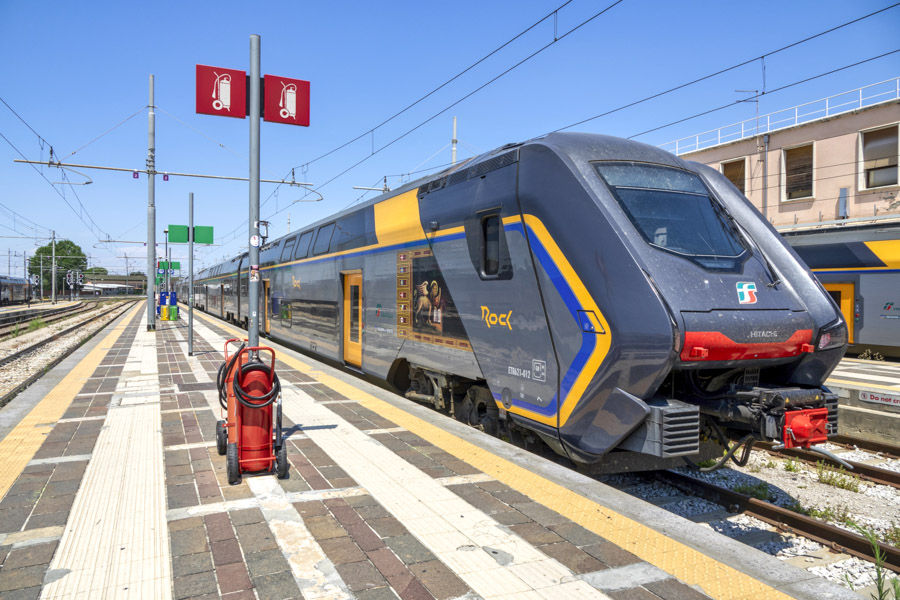
Italy is well served by excellent road and rail links, making travel between the major cities quick, simple and pleasant. If you’re venturing beyond the cities into rural areas, to smaller towns and some coastal regions, you’ll find public transport to be more limited. Renting a car may be essential to make the best of your available time and get off the beaten paths.
Flights
Italy is easy to reach thanks to numerous international air gateways, including Rome Fiumicino (FCO), Milan Malpensa (MXP), Venice Marco Polo (VCE), Naples (NAP), Bologna (BLQ), and the Florence (FLR)–Pisa (PSA) airports. Travellers heading to the islands can fly directly into Catania (CTA) or Palermo (PMO) in Sicily, or Cagliari (CAG) and Olbia (OLB) in Sardinia. There’s a well-developed network of domestic flights too, so you can use air travel between regions to create a very diverse holiday without the need for overland journeys.
Trains
Italy’s high‑speed rail system is operated by two main companies: Trenitalia, the national operator running Le Frecce (‘The Arrows’) services; and Italo, a private operator running modern high‑speed trains on many of the same core routes. Both offer fast, frequent connections between the major cities.
The flagship high‑speed corridor links Turin–Milan–Bologna–Florence–Rome–Naples–Salerno, with journey times such as Milan–Rome in around 3 hours and Florence–Rome in 1.5 hours. Another very useful route connects Venice with Milan and Bologna.
In addition to the high‑speed network, Trenitalia operates extensive InterCity and regional services, which reach smaller towns, rural areas, and coastal regions at a slower pace. If you’re discovering Italy by train, these lines will take you to destinations such as the Cinque Terre, Puglia, Umbria, and Sicily (which has its own regional network but no high‑speed lines).
For a quick journey, the TGV INOUI runs from Paris via Turin to Milan.
For a unique experience, the legendary Venice Simplon‑Orient‑Express (VSOE), operated by Belmond, occasionally runs seasonal prestige journeys to and from Italy, notably Venice via Florence and Rome, and it even takes you to Istanbul in Turkey.
Buses and Coaches
Several major long‑distance coach companies operate across Italy, including FlixBus, Itabus, and MarinoBus. Buses tend to serve the role of connecting major cities with smaller towns and regions not easily reached by train.
These buses are typically modern and comfortable, with air-conditioning, reclining seats and Wi-Fi, though the exact facilities vary between carriers and routes. Regional and local buses, generally run by local authorities, are more basic, but they venture to areas that aren’t served by trains.
City Transport
Metro and Trams
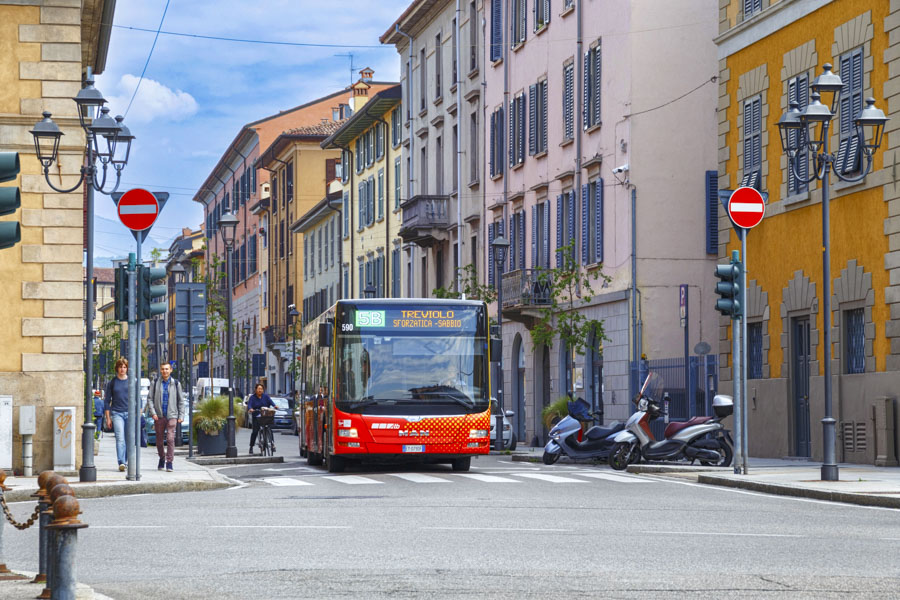
Major Italian cities offer various levels and styles of public transport. The best is Milan, whose ATM is the most advanced of Italy’s metros, plus it’s complemented by a good tram and bus system. The metros of Rome (ATAC) and Naples (ANM) are less extensive, with buses taking a higher proportion of the strain. Florence and Bologna do not have metros, but their electric bus networks are excellent.
You’ll find that some modes of public transport can be important experiences on your holiday. In Naples, for example, there are historic funicular railways, and the workhorse of the Venice ACTV is, of course, the vaporetto water bus.
Other Transport Options
Car Rentals
Renting a car can be the most flexible way to explore regions where public transport is limited, especially in Tuscany, Umbria, the Dolomites, Sicily, Sardinia, Puglia, and other countryside or coastal areas. Picking up and dropping off a car at Italian airports is generally straightforward.
While a car allows easy access to places that are difficult to reach by train or bus, it is far less useful in historic city centres. This is where you’ll find that traffic restrictions, limited parking, and pedestrian zones make driving both stressful and impractical. Also, be aware that in-car satellite navigation systems in rental cars are sometimes not accurate for the Italian road network.
Ferries and Boats
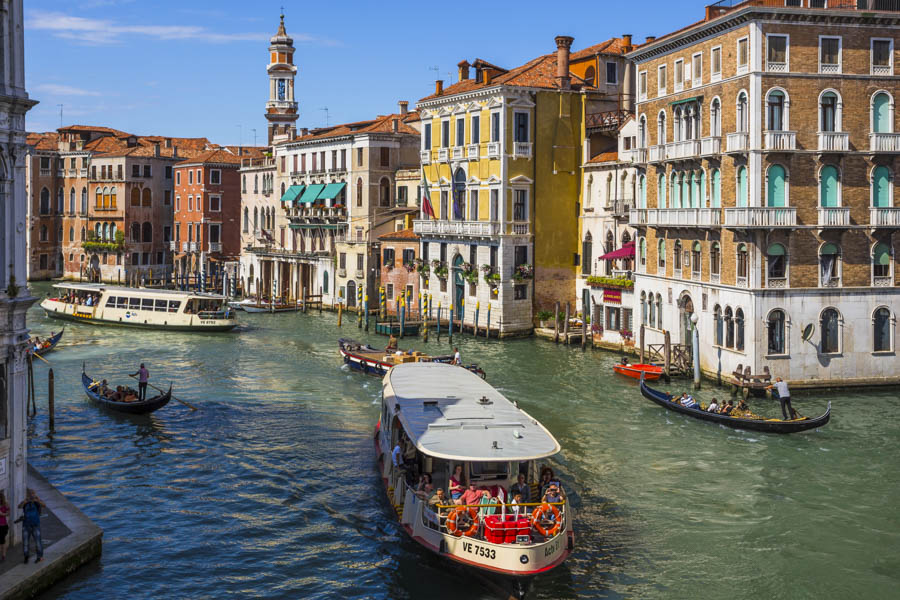
In addition to the vaporetto boats of Venice, many other coastal and island regions of Italy are well-served by water transport services. High‑speed and conventional ferries link the Amalfi Coast, Capri, Ischia, and Sorrento, and there are major routes between the mainland and Sicily or Sardinia.
Smaller companies such as Siremar and SNAV operate good services, even by fast hydrofoil ships, to outlying islands such as the Aeolians, making it very feasible to spend a night or two on Stromboli and watch the volcano erupt.
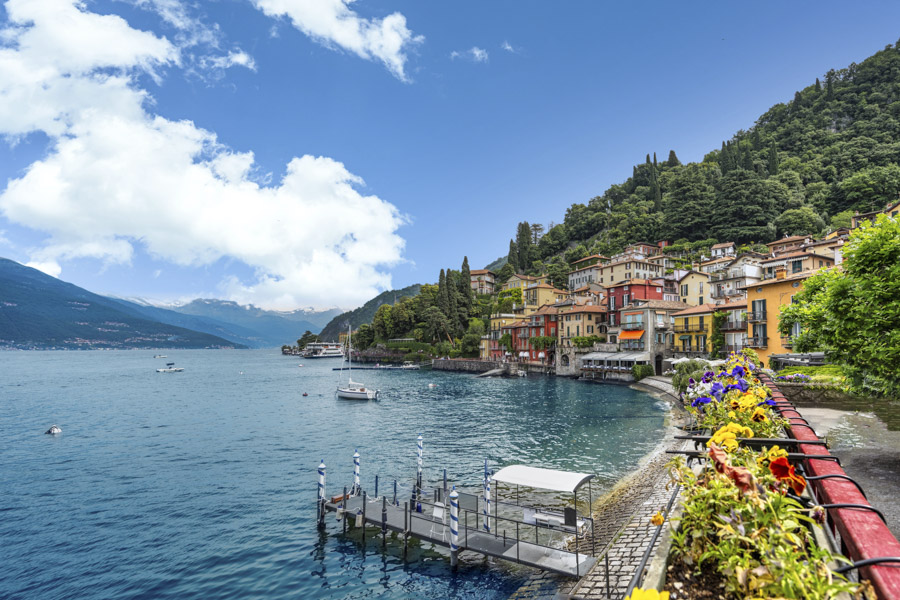
The settlements of Lake Como are linked by regular ferries and fast hydrofoil ships, but in high season, demand can outstrip supply. The result can be long queues. We suggest a mid-lake base such as Varenna and an early start to be ahead of the rush.
Cycling and E-scooters
As is typical of Europe, cycling and e‑scooters are increasingly available in Italian cities, though options vary widely by location. Milan, Turin, and Bologna have well‑developed bike‑share schemes, while Rome, Naples, and other cities offer mixed availability depending on neighbourhood and local regulations. E‑scooter rentals operate in several urban centres but are subject to changing rules on speed limits, helmets, and where they can be used. Check local guidelines, ride cautiously, and be careful of rules that apply to historic areas.
Do You Need a Visa to Visit Italy?
Italy is part of the Schengen Area (a group of European countries with shared external borders and a common visa policy), and visa requirements depend on your nationality and the length of your stay. Many travellers can enter Italy visa‑free for short visits, while others must apply for a Schengen short‑stay visa in advance. You should always check the latest rules before planning your trip, as requirements can change.
Travellers from visa‑exempt countries should also be aware of the upcoming ETIAS travel system (an electronic authorisation required for non-EU visitors), which will apply to short‑term visitors once implemented.
Is It Safe to Travel in Italy?
Italy is generally a safe country for travellers, and millions of visitors explore it every year without difficulty. Any safety concerns tend to relate to the kinds of issues common in major tourist destinations worldwide and can easily be guarded against with a bit of awareness.
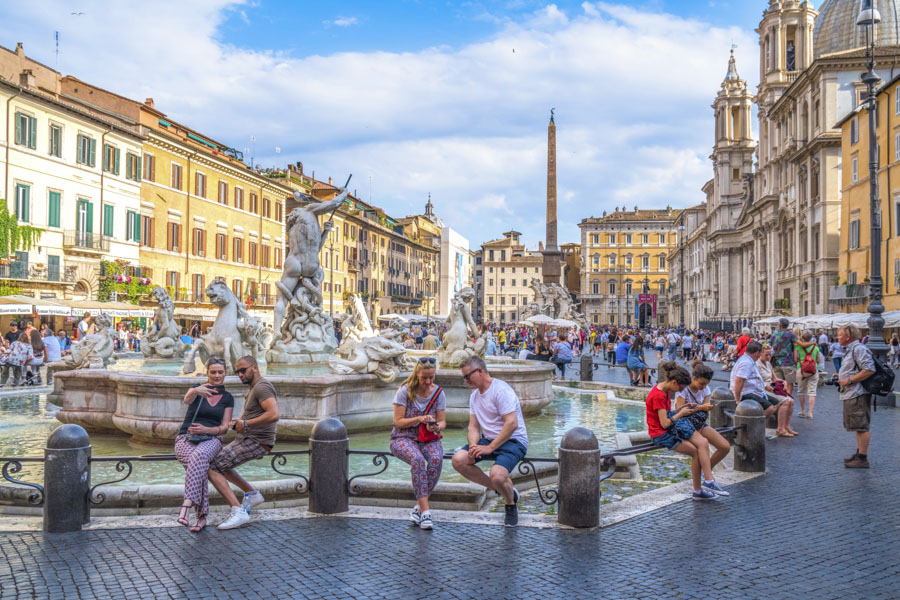
If you’re in a crowded place such as a busy square, a major city landmark, or a railway station, or if you are closely packed on public transport, there is a chance of falling prey to a pickpocket. To counteract this, keep your valuables secure and be cautious of distractions.
Park your vehicle in a supervised parking lot and avoid leaving luggage in your vehicle, even out of sight in the trunk. Thefts from parked cars are common throughout the country.
Out of the cities, there are also precautions to take in Italy’s natural landscapes. Summer heat is often intense, not just in the south, so carry plenty of water, wear a hat and use high-factor sunscreen. Mountainous areas such as the Dolomites have additional hazards, including sudden drops in temperature, thunderstorms, and the potential for rockfalls. Some of Italy’s mountains are volcanoes, with the potential for eruptive and seismic activity, though this is monitored closely by the authorities. In all upland areas, follow marked trails, heed warning signs, and carry extra clothes, food and water.
Many travellers find that road safety is a consideration and feel that Italian driving can be both assertive and unpredictable. Roads in towns and rural areas can be very narrow, and in-car navigation systems are not always accurate. Often, the best way to approach driving in Italy is just to enjoy the adventure.
As with any international trip, it’s wise to check your government’s latest travel advice before departure, but it’s very rare for Italy to be flagged as anything other than entirely safe. It’s generally a well-organised, relaxing and pleasant place to visit.
With the right choices of transport, knowledge of some important rules and customs, and along with proper planning, you can enjoy a smooth and memorable holiday in Italy.
Dos and Don’ts in Italy
Italy is a wonderfully welcoming place to travel, but – like any destination – it has its own customs and small courtesies that are worth knowing about. Whether navigating a café, stepping into a church, or joining the evening passeggiata, these simple tips will help you to behave considerately.
- Greet people with a simple “buongiorno” or “buonasera”.
- Validate train tickets on regional services before boarding.
- Dress modestly when visiting churches, covering shoulders and knees.
- Book major museums and attractions in advance.
- Try regional dishes to enjoy diversity.
- Carry some cash for small cafés and family‑run shops.
- Respect quiet hours in residential areas.
- Take your time at meals, as dining is seen as a social, unhurried experience.
- Be like the locals: Take on the pausa (midday break).
- Join in the passeggiata, an evening stroll through the town with friends.
- Touch produce at markets unless invited.
- Expect restaurants to open early.
- Sit at a café table unless you’re willing to pay the “table service” price.
- Assume queues work the same way as back home.
- Eat near major tourist sites if you want authentic food.
- Rely on public transport late at night.
- Expect tap water at restaurants unless you ask.
- Touch historical monuments or sit in restricted areas.
- Rush through meals and expect quick service.
- Get parking wrong.
Speak the Language: Italian Phrases for Travellers
| English | Italian | Pronunciation |
| Hello | Ciao / Salve | chow / SAL‑veh |
| Good morning | Buongiorno | bwon‑JOR‑no |
| Good evening | Buonasera | bwo‑na‑SEH‑ra |
| Good night | Buonanotte | bwo‑na‑NOT‑teh |
| Goodbye | Arrivederci | ah‑ree‑veh‑DER‑chee |
| What is your name? | Come ti chiami? | KOH‑meh tee KYA‑mee |
| My name is... | Mi chiamo… | mee KYA‑mo |
| How are you? | Come stai? | KOH‑meh STY |
| I am fine, thank you | Sto bene, grazie. | sto BEH‑neh, GRAHT‑see‑eh |
| Yes/no | Sì / No | see / no |
| Please | Per favore | per fa‑VOH‑reh |
| Excuse me | Scusi / Scusa | SKOO‑zee / SKOO‑za |
| Thank you | Grazie | GRAHT‑see‑eh |
| You are welcome | Prego | PREH‑go |
| Airport | Aeroporto | ah‑eh‑roh‑POR‑to |
| Train station | Stazione | stat‑zee‑OH‑neh |
| Bus station | Autostazione | ow‑to‑stat‑zee‑OH‑neh |
| Car | Macchina / Auto | MAK‑kee‑na / OW‑to |
| How much is it? | Quanto costa? | KWAN‑toh KOH‑sta |
| Where is…? | Dov’è…? | doh‑VEH |
| Ticket | Biglietto | bee‑LYET‑to |
| Help | Aiuto | eye‑OO‑to |
| I do not speak Italian. | Non parlo italiano. | non PAR‑lo ee‑ta‑LYA‑no |
| Do you speak English? | Parla inglese? | PAR‑la een‑GLEH‑zeh |
Did You Know That…
As you’re almost ready for your trip to Italy, here are a few facts that will further whet your appetite:
- UNESCO appreciates it.
Italy has one of the world’s highest numbers of UNESCO World Heritage Sites, with 61 cultural and natural properties listed. The top four cities for UNESCO sites are Rome, Florence, Venice, and Ravenna. - There is a country within it.
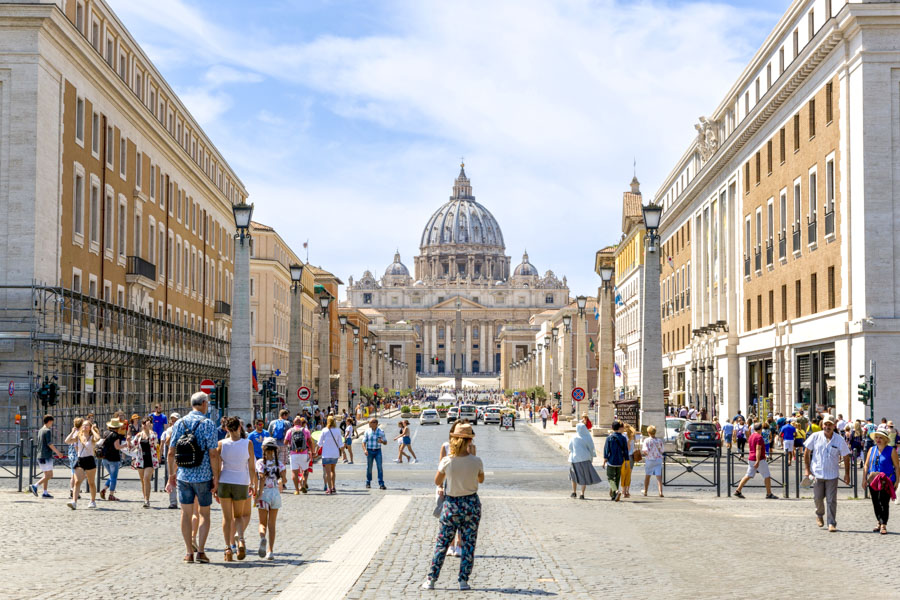
Rome contains Vatican City, the world’s smallest independent state and the spiritual administrative centre of the Roman Catholic Church. - It has languages galore.
Though standard Italian is spoken everywhere, there is also a rich diversity of regional dialects and languages, from Venetian and Sicilian to Sardinian, many of which differ significantly. - It is the home of Western opera.
Opera has deep roots in Italy, with early Western works emerging in Florence and Venice in the late 16th and early 17th centuries. - It was a Silk Road junction.
Italy played a role in Mediterranean branches of the Silk Road, with ports such as Venice and Genoa acting as key gateways for goods, ideas, and luxury materials arriving from the East. - It has sites of volcanic eruptions.
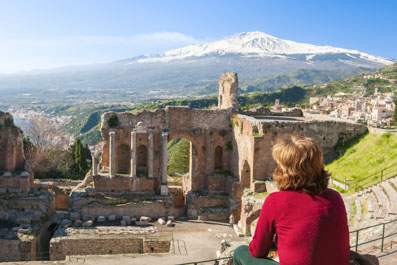
Apart from Iceland and Greece, Italy has the most active volcanoes in Europe. These include Etna, Vesuvius and one that’s been erupting for longer than 2,000 years: Stromboli. - Italian footballers are unpredictable.
The Italian men’s football team has won the World Cup four times but has also failed to qualify. - It hosted the hub of the Renaissance.
In the 14th century, the cultural and intellectual revival known as the Renaissance – marked by major advances in art, architecture, science, and literature – began in Florence. - Clothes are very important in Italy.
Italy is a global leader in fashion and design, with Milan recognised as one of the world’s major fashion capitals and home to brands such as Armani, Prada, and Versace, as well as the annual Fashion Week.