

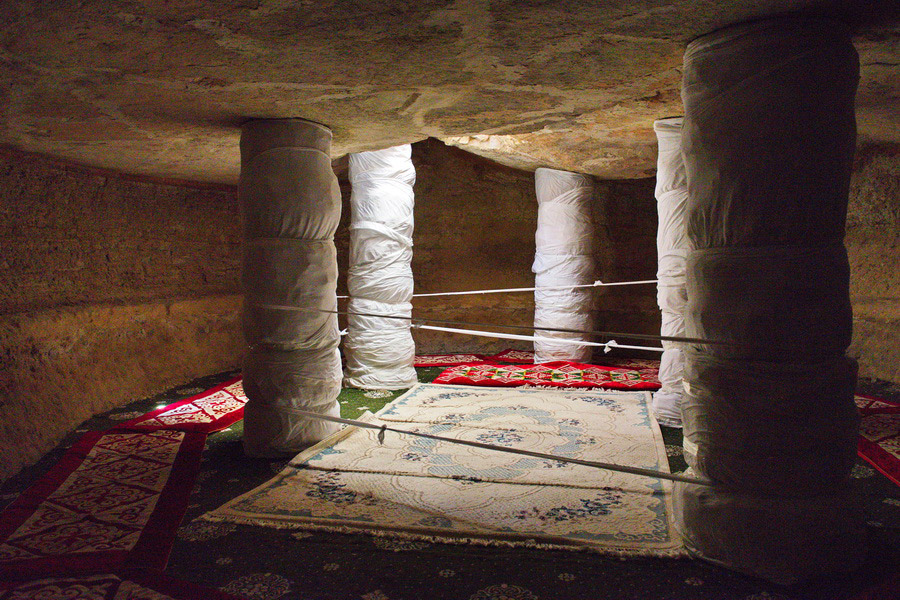
Karaman-ata is one of the oldest and largest necropolises in Mangystau. The site includes an underground mosque believed to date to the 12th–13th centuries. According to tradition, one of its chambers contains the remains of the Sufi Karaman-ata, who is widely revered in the region. In July 2026, the Karaman-ata complex, together with four other sacred sites in Mangystau, was inscribed on the UNESCO World Heritage List.
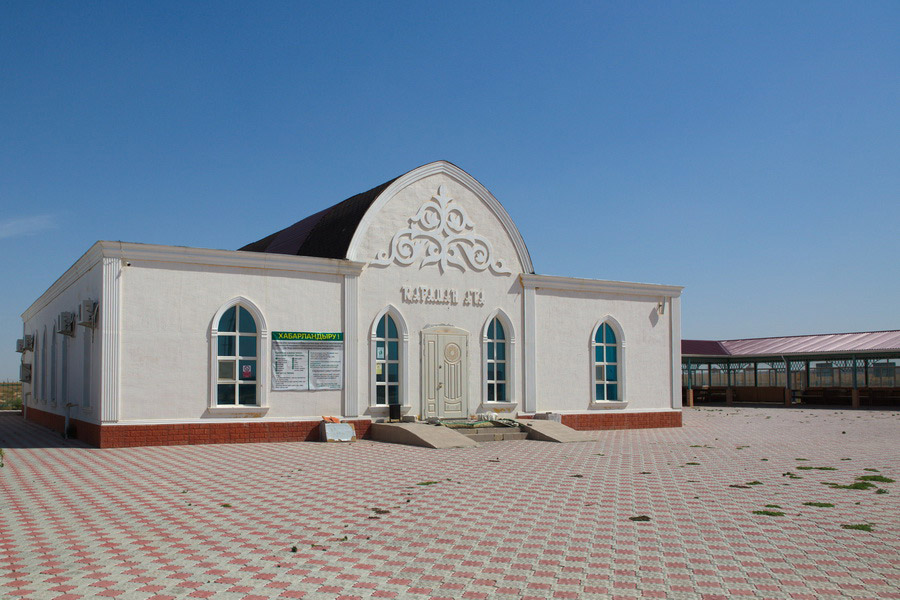
Covering more than 7 hectares, the necropolis contains hundreds of monuments from different periods, the oldest of which are more than 1,000 years old. Many of the surviving funerary monuments date to the second half of the 19th century and are associated with the Adai, a Kazakh tribe that historically inhabited the region. The site also features small mausoleums decorated with relief ornaments and paintings. The most recent of these was built in 1970, during the Soviet period.
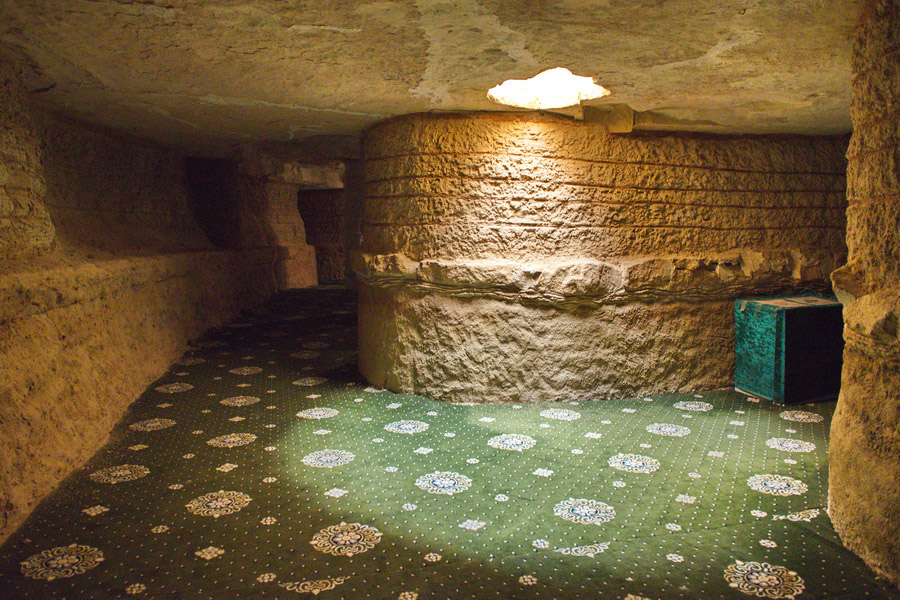
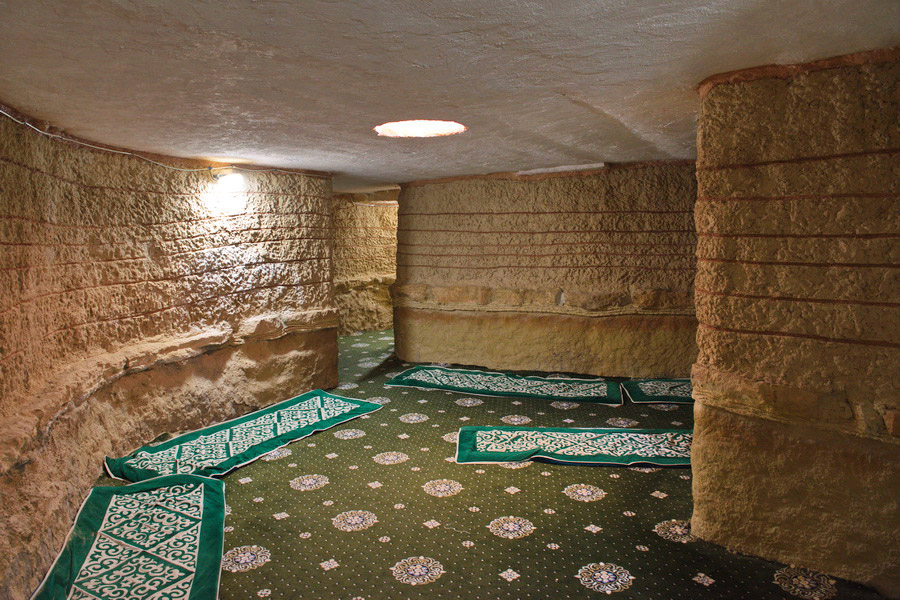
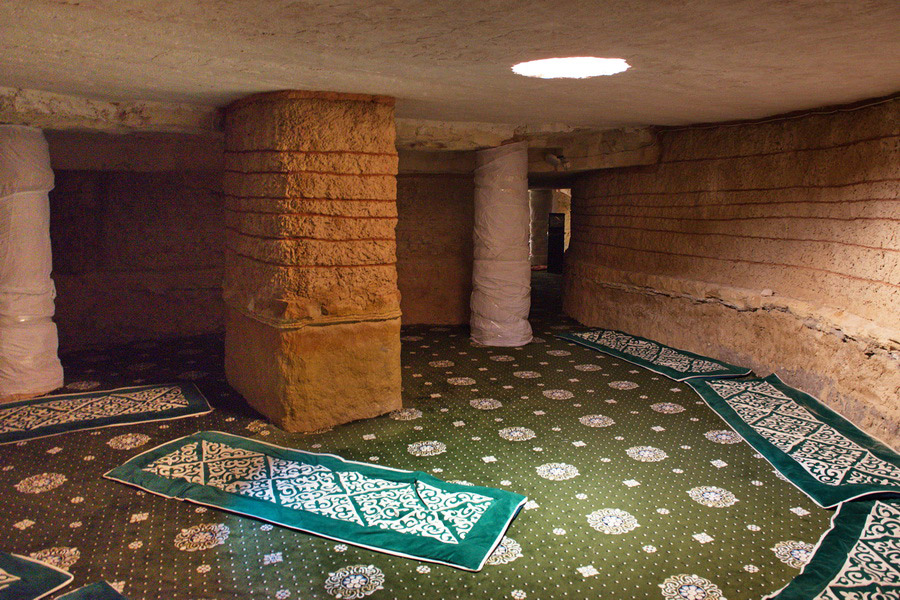
The underground mosque is delicately carved into a hillside and descends roughly 5 meters, providing a cool sanctuary even on the warmest days. It consists of a twisting corridor and two chambers supported by columns, with the back chamber's circular design meant for Sufi rituals and dances. Visitors must remove their footwear to respect the sanctity of the soft-carpeted interior.
The Karaman-ata necropolis is a sacred site, revered for its peace and inviolability where historical truces were often negotiated. Local legends abound, including tales of Karaman-ata's friendship and subsequent fallout with the prominent Sufi Khoja Ahmed Yassawi. The exact cause of their dispute remains a mystery.
Today, the necropolis is enclosed and features amenities for pilgrims, including a home with a kitchen for meals and rest after their travels. The underground mosque is 145 km from Aktau, with the final stretch being a rough dirt road through the vast Kazakh steppe, occasionally dotted with a solitary shepherd and flock. Nearby is the village of Beki, which marks the turnoff towards this sacred site, and not far west lies the captivating Ybykty canyon, another natural wonder of the Mangystau region.