

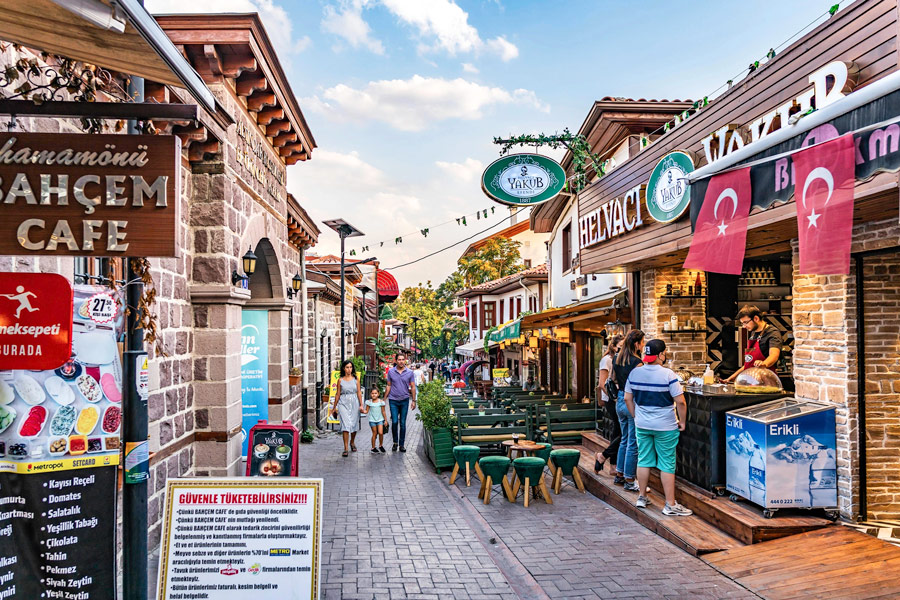
While some places boldly proclaim their presence, others await discovery. Hamamönü Neighbourhood, Ankara, firmly belongs to the second category. Located close to the capital city's historic core, this carefully preserved neighbourhood offers a balanced introduction to its cultural identity. It combines Ottoman architecture, traditional arts, and welcoming cafés in a compact, walkable setting.
Time moves differently here. Streets remain human in scale, and conversation replaces large crowds. The experience is perfect for those who prefer lingering over tight schedules. Hamamönü is particularly well-suited for travellers who value heritage, discretion, and comfort. It fits naturally into an Ankara visit as a place to slow the pace and engage more deeply with the city’s quieter narrative.
Practical Information for Visiting Hamamönü Neighbourhood
Before exploring the quieter wonders of Hamamönü Ankara, it’s important to understand how easily this neighbourhood fits into a broader Ankara itinerary.
Hamamönü lies within the Altındağ district, close to Ulus and Ankara Castle. Its central location makes it excellent for staying out of heavy traffic or congestion.
The Hamamönü restored area remains open throughout the day. Mosques welcome visitors outside prayer times. Cultural houses and exhibitions typically operate between 9:00 and 17:00, while cafés often close earlier in the winter evenings. Entry to streets and public spaces is free, and most small museums charge only modest fees.
Printed guides and a Hamamönü neighbourhood map are available locally, though the area’s compact layout makes independent exploration easy.
The History of Hamamönü District
The history of the Hamamönü District reveals Ankara at its most humane. Long before Ottoman houses defined the area, Roman infrastructure shaped daily life nearby. The Roman baths in Ankara point to a settlement organised around water, social rituals, and shared spaces.
The neighbourhood takes its name from the historic Karacabey Hamamı, regarded as the oldest hammam in Ankara, dating to the 15th century. Built during the early Ottoman period, the bath served as a social anchor for the surrounding community and gave Hamamönü its enduring identity.
During the Ottoman era, Hamamönü developed primarily as a residential quarter. Scholars, artisans, and religious figures lived here, shaping the area through learning and spiritual life rather than commerce. Architecture followed this philosophy, favouring harmony and intimacy over monumentality.
This organic development explains why Hamamönü feels distinct from more touristic districts. Despite periods of less maintenance, its essential structure endured, allowing today’s visitors to experience continuity rather than reconstruction.
Restoration Works for the Hamamönü Historical Ankara Houses
The defining feature of Hamamönü's historical Ankara houses lies in their simplicity. Timber frames, bay windows, stone foundations, and inner courtyards create architecture that invites guests into the daily lives of locals.
The transformation into the Hamamönü Restored Area followed a conservation-led philosophy. Restoration works avoided modern reinterpretation and instead returned buildings to their original footprints and materials wherever possible. Streets retained their narrow scale, and modern infrastructure remained deliberately discreet.
This approach earned Hamamönü international recognition through the European Destinations of Excellence (EDEN) programme, underscoring its commitment to sustainable and culturally responsible tourism.
As visitors walk through the neighbourhood today, they notice how naturally the old and the new coexist. Restored houses feel inhabited, not frozen. This balance makes Hamamönü the most appealing for sophisticated, heritage-focused travellers.
Cultural and Intellectual Heritage of Hamamönü
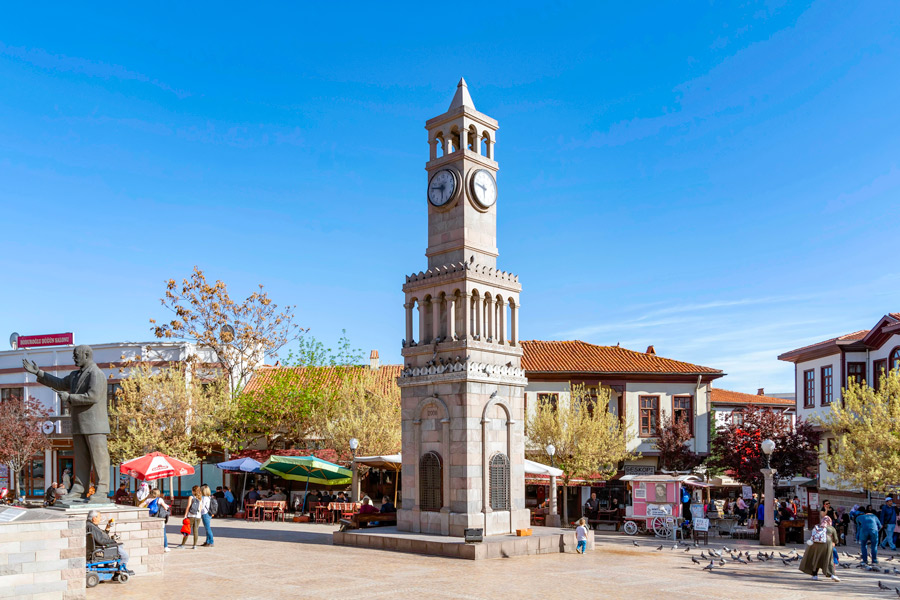
Cultural life in the Hamamönü neighbourhood has always leaned toward thought rather than performance. Visit the Tacettin Sultan Mosque, a modest yet spiritually resonant structure. The mosque’s courtyard encourages quiet reflection rather than the movement of a heavy crowd.
Then, move on to the Mehmet Akif Ersoy House, which is close by and keeps the memory of one of Turkey's most important writers alive. Ersoy composed the Turkish National Anthem while living here, adding literary value to the area's identity. His presence reinforces Hamamönü’s association with ideas, language, and moral inquiry.
These sites form cultural anchors rather than headline attractions. Visitors engage at their pace, often pausing to sit, read, or observe. This emphasis on intellectual heritage makes Hamamönü particularly attractive to travellers who value context and depth.
Sanat Sokağı and Traditional Arts
Sanat Sokağı (Arts Street) provides a living link between Hamamönü’s past and present. This pedestrian street hosts workshops dedicated to traditional arts, such as calligraphy, marbling (ebru), miniature painting, wood carving, and ceramics.
Most spaces function as working studios. You can observe artisans at work and engage in short conversations about techniques passed down through generations. The atmosphere remains calm and respectful.
For many people, Sanat Sokağı is one of the most memorable parts of Hamamönü, offering meaningful engagements without spectacles and reinforcing the neighbourhood's authenticity.
Everyday Elegance of Modern Hamamönü
Today, restored mansions here serve a practical, cultural purpose. You will find small guesthouses, municipal centres, bookshops, and cafés that soften the streetscape and offer breaks.
Cafés emphasise tradition and consistency. Savour the taste of Turkish coffee that is prepared carefully and served without urgency. Tea remains a constant companion to any conversation; it can be enjoyed in the late morning or stretched gently into the afternoon. Menus favour familiar flavours and seasonal dishes, reinforcing a sense of reliability rather than novelty.
Along Sanat Sokağı Arts Street, small shops sell calligraphy tools, ceramics, handmade textiles, and other locally produced crafts. Visit these spaces to observe local creations and purchase items without feeling the pressure to buy something.
This measured rhythm explains why Hamamönü feels animated without being busy. People sit, talk, read, and walk with intention. The experience feels grounded and sincere, influenced by daily life.
From Istanbul’s Historic Districts to Ankara’s Hamamönü
Travellers often arrive in Ankara's Hamamönü neighbourhood after already having spent time in Istanbul's historic districts, such as Üsküdar or Balat, where everyday life continues in long-established urban settings. The connection between these places is based on shared values rather than direct comparisons.
Like Hamamönü, these Istanbul neighbourhoods prioritise lived-in streets over monumental spaces. Wooden houses, local cafés, and mosques are woven into everyday routines; a sense of continuity shapes the experience. The difference lies mainly in pace and scale. Istanbul's neighbourhoods reflect the energy of a global city, while Old Ankara offers similar intimacy in a calmer, more contained environment.
Including them both on a broader itinerary allows travellers to experience Turkey's urban heritage in different contexts. Together, they form a coherent journey without sacrificing cultural depth or authenticity.
Best Time to Visit Hamamönü, Ankara
Hamamönü reveals its true character most clearly during autumn and winter. Cooler air sharpens architectural lines. Fireplaces glow in cafés, while snow softens the streets, amplifying the comfort brought by silence.
These seasons suit travellers who prefer off-peak journeys. The surroundings are warm and welcoming, encouraging slow routines and cosy meals based on Turkish cuisine. This seasonal rhythm reinforces Hamamönü’s identity as a place to pause and enjoy the present moment.
How to Get to Hamamönü Restored Area
Taxis provide the most direct access to Hamamönü. From central locations such as Kızılay or Çankaya, the journey usually takes 10–15 minutes. Drivers are familiar with the Hamamönü restored area, and drop-off points sit close to the main streets.
Public transport offers a reliable alternative. You can easily connect the metro to buses or take a short walk from the Ulus station. Approaching Hamamönü on foot allows tourists to experience the gradual shift from busier urban streets to a calmer residential environment.
Once in the neighbourhood, the well-maintained streets gently slope. Distances between cafés, cultural sites, and small shops stay short. Benches, courtyards, and cafés provide frequent resting points, making exploration comfortable and unhurried.
A Half-Day Itinerary of Hamamönü
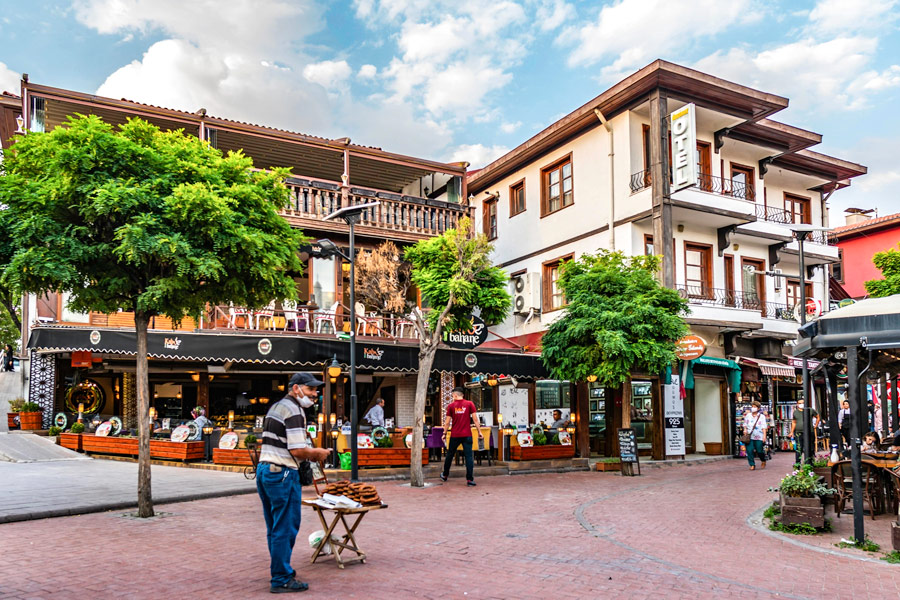
A half-day is enough to experience the Hamamönü at an unhurried pace while understanding its place in Ankara.
Morning
Begin with a quiet walk through the Hamamönü restored area, then visit Taceddin Sultan Mosque while the courtyard remains calm. Continue to the Mehmet Akif Ersoy House for cultural context.
Late Morning
Spend time on Sanat Sokagi Arts Street, observing traditional arts workshops. Pause for Turkish coffee in a courtyard café.
Afternoon
Visit a small exhibition or nearby Roman remains, then finish with tea in a shaded courtyard or by a fireplace in winter. From certain points, the Atakule Tower appears in the distance, placing Hamamönü within modern Ankara.
This itinerary complements broader plans exploring the top 17 things to do in Ankara and fits easily into a more comprehensive cultural experience.
Guests often extend their time in the neighbourhood by settling in its long-established cafes and eateries.
- Hanimeli Cay Evi offers a traditional setting for tea and simple homemade dishes and is popular for its calm garden atmosphere.
- Bacchus Cafe Hamamonu attracts visitors looking for a relaxed café environment within a restored house.
- For a quieter pause surrounded by greenery, Yeşilçam Turquoise Garden provides shaded seating ideal for longer afternoons.
- Those wishing to try local flavours can opt for Hamamonu Kebapcisi, which is known for its traditional dishes.