

Tours and Attractions in Bursa
In Bursa, the traditional buzz of Koza Han comes alive with the echoes of conversation and the clink of tea glasses. The historic silk market, with its maze of shops and stalls, projects a sense of a timeless commerce legacy. The redolence of freshly brewed Turkish tea interweaves with the faint scent of silk, assembling a delightfully oriental aura.
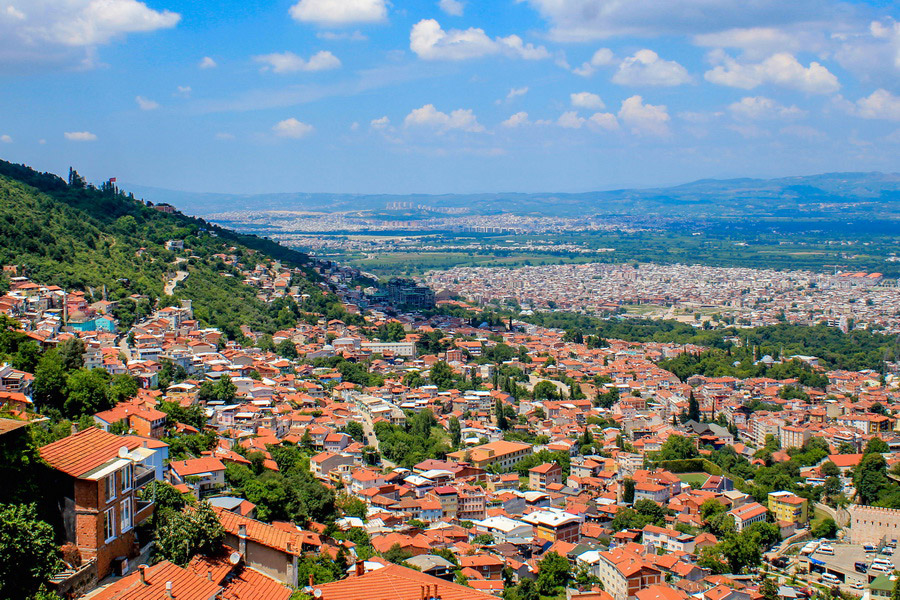
Bursa is the cradle of the Ottoman Empire and the heart of the Silk Trade in Turkey (officially Türkiye). As the fourth-largest city in the country, it offers an abundance of attractions, historic landmarks, and vibrant cultural activities.
Celebrated as the 'Green City', Bursa is qualified to be radiantly white in winter. Mount Uludağ (40 km away) serves as the quintessential winter resort of the country, both for local and international vacationers.
Set against the base of towering mountains, Bursa, the first capital rich in Ottoman heritage and abundant in shades of green, presents a unique mosaic made of culture and nature shaped by the layers of history.
With its emerald vistas and minaret-crowned skyline, Bursa delicately blends natural beauty with architectural elegance and time-honoured charm, alongside cutting-edge sophistication. Bursa, with its timeless stories of Byzantine resistance to Ottoman rule, is a signature location and an opulent hotspot for discerning travellers.
Bursa Tours
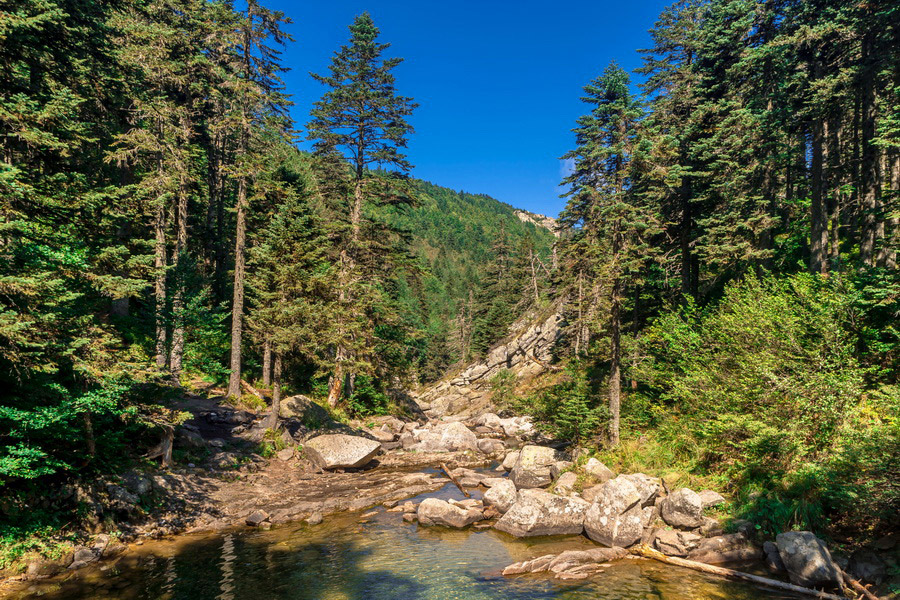
Plunging into the year-round magnetism of Bursa suits travellers of all tastes. These are renowned ski resorts, ancient silk markets, and captivating museums. In addition, soothing baths, bazaars, and historic landmarks can make any Bursa tour a fulfilling adventure.
Whether you are a nature enthusiast, an architecture buff, or a passionate foodie, Turkey's fourth-largest city provides a serene escape for visitors from around the world. Often referred to as a 'smaller Istanbul', its historical centre is compact enough for a stroll, while a charming tram service, cable car (Gondola; Teleferik) and convenient buses connect you to the city's more distant treasures.
Best Time to Visit Bursa
To savour its charm in full, the best time to visit Bursa is from November to March, when the green city is blanketed in pure white snow, and Uludağ Mountain is the country's main winter sports destination.
With temperatures dropping to -10 °C during December and January, Bursa’s winter charm is unmatched. Bursa promises a memorable getaway year-round.
During spring (April to June), when the weather is mild, with average temperatures around 23 °C, Bursa becomes an ideal destination for exploring its historic landmarks and vibrant attractions.
History of Bursa
Bursa, the noble birthplace of the Ottoman Empire, stands as a beacon of historical and cultural significance. Recognised in ancient times as Prusa, the city was liberated from Greek occupation on September 11, 1922, after a notable 2-year, 2-month, and 2-day occupation.
Its origins date back to early settlements around 8500 BC. Throughout its storied past, Bursa has been a stage for Lydian, Persian, and Byzantine influences, including the architectural legacy granted by Carthaginian king Hannibal. He was the first to map out the city.
As the Ottoman Empire's capital from 1326, Bursa thrived as a vital silk trade hub, flourishing from around 500 AD and contributing to its opulence. Its therapeutic hot springs and elegant hammams were further refined during Emperor Justinianus's era.
And the city’s prominence continued until Edirne succeeded it as the Ottoman capital in 1365. Despite the trials of conflict and occupation, Bursa's legacy endures as a beacon of cultural and economic vitality in the early Ottoman era.
What to Do in Bursa
Settled on the lush plateau of Uludağ Mountain, one of the principal ski resorts in Turkey, history casts a large shadow over Bursa. While the city's most enchanting discoveries invite you to uncover its copious history, there is much more beyond the celebrated past waiting to be discovered.
Landmarks and Attractions in Bursa
The largest municipality in Bursa, Osmangazi District, embraces most of the city's significant attractions, many of which are linked to the nation's history. Among these are the tombs of Osmangazi, the founder of the Ottoman Empire, and his son Orhangazi, located in Tophane Park, which is part of UNESCO's World Heritage List.
There, you will also find the Clock Tower, an iconic landmark providing a glimpse into Bursa’s historical urban landscape. The district is home to the Emir Sultan Mosque, a classic example of splendour, perched in the serene Emir Sultan neighbourhood. Green Madrasa, home to the Museum of Turkish and Islamic Arts, is an additional wonder of the Osmangazi District.
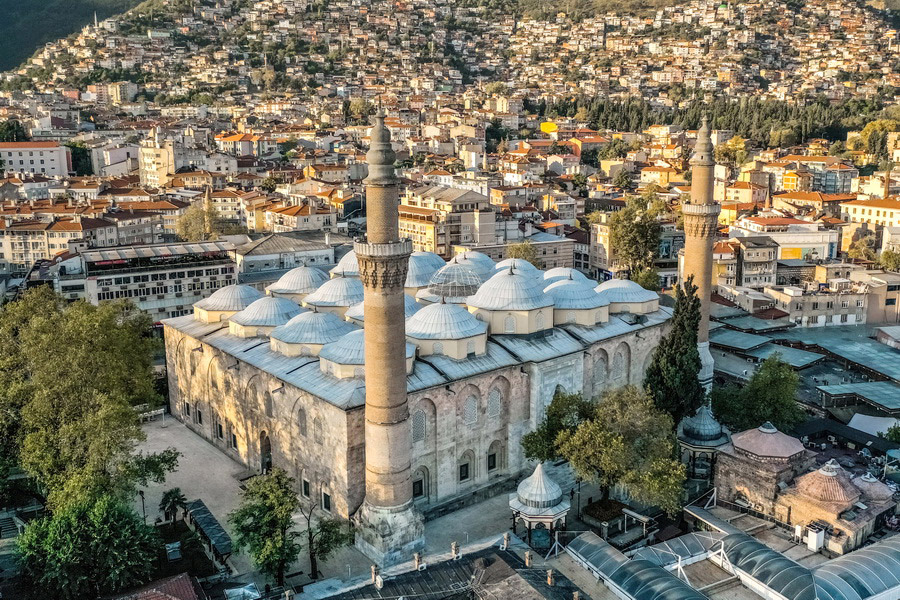
The heart of the Silk Road, Koza Han, with over 100 shops spanning two floors, also borders the Bursa Grand Mosque, reflecting the cultural texture of Bursa and the architectural brilliance of the Ottoman Empire.
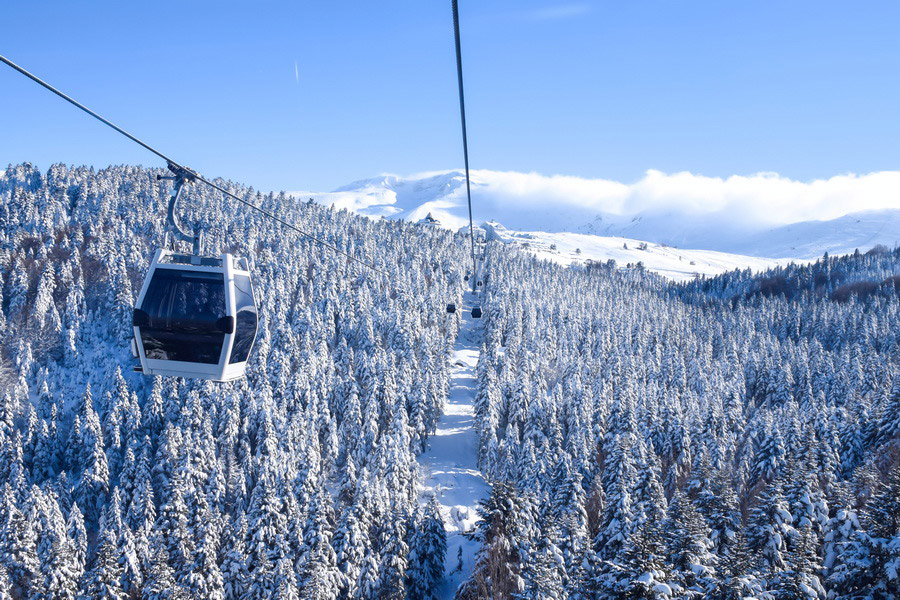
The Bursa Uludağ Gondola, the longest cable car ride in Turkey, lasts 20 minutes.
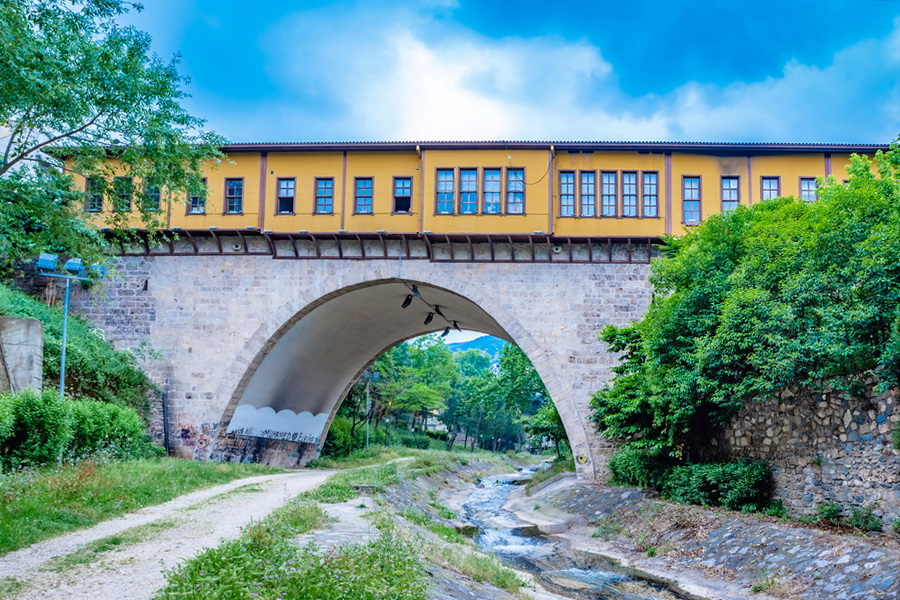
Irgandi Bridge integrates traditional shops "arastas". Another mesmerising landmark, Inkaya Tree, 37 metres tall and 53 metres in diameter, is the largest tree in the country, standing for over 600 years. Settled on a hill, Bursa Castle has long stood as a formidable sentinel, safeguarding the city and bearing witness to countless tales. The Green Mosque and Tomb, a treasure for enthusiasts of Islamic culture, is one of Bursa’s most exquisite mosques.
The Muradiye Mosque Complex, built by Sultan Murat II in the early 15th century, is a serene enclave encompassing religious schools, a soup kitchen, and a bathhouse.
Bursa Museums
In this city of flowers, museums facilitate history with a modern texture. The pioneering museum here is the Bursa Turkish and Islamic Arts Museum, inaugurated in 1902.
Bursa's Atatürk Museum is headquartered on Çekirge Avenue.
The Bursa City Museum characterises the old capital's 8,000-year culture, highlighting its role in shaping the core Anatolian and Ottoman ethos.
Bursa Atatürk Congress Culture and Museum, lodged in the historic building where Atatürk first visited Bursa, recounts the city's role in Turkey's national struggle.
The Bursa Karagöz Museum celebrates the art of traditional Turkish shadow puppetry, featuring exhibits on puppets, scripts, and performances.
The Bursa Archaeological Museum, often called the Bursa Museum, showcases archaeological artefacts from the region.
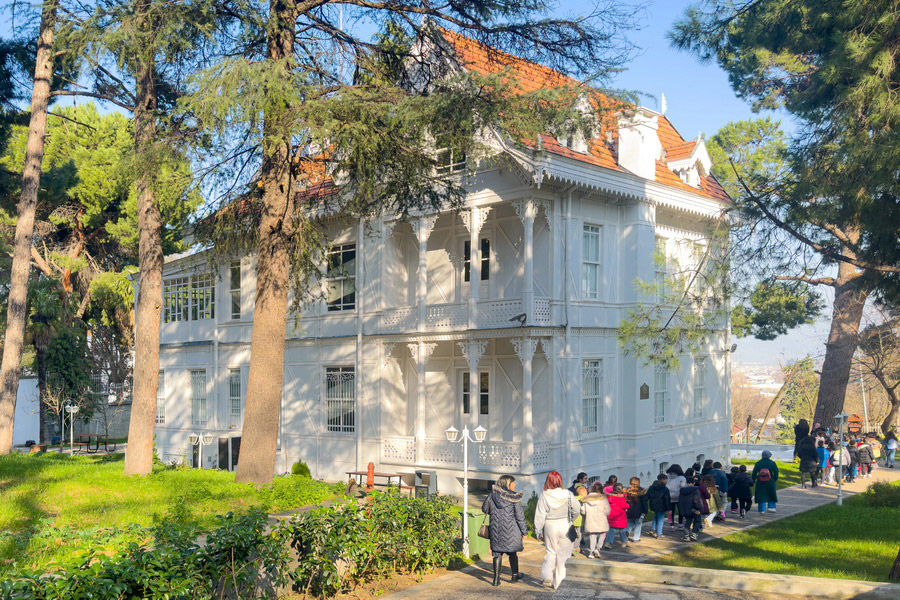
Sultan's Mansion Museum, housed in a 1844 hunting lodge, adorns the garden and café with royal heirlooms.
The Merinos Textile Industry Museum, a former wool factory, currently exhibits textile machinery and fabrics as an industrial heritage museum.
The Yıldırım Bayezid Mosque Museum, within the monumental mosque, focuses on religious relics and the bygone era.
The Orhan Gazi Mosque Museum houses traditional specimens from the heyday of the Ottoman dynasty.
The Uludağ National Park Visitor Centre Museum extends insight into the natural heritage and biodiversity of Uludağ, with exhibits on local wildlife.
The Tofaş Museum of Cars and Anatolian Carriages, opened in 2002, is a private museum dedicated to Turkish carriages and Tofaş-manufactured cars.
Bursa Theatres
From traditional Turkish theatre to Greek tragedies, Bursa's theatres reflect the local artistic scene. While the Culture Park Open Air Theatre (Kültürpark Açıkhava Tiyatrosu) hosts a remarkably diverse range of productions, including musicals, comedy, tragedy, and concerts, the Bursa Karagöz Theatre prioritises traditional Turkish shadow puppetry, implicitly reflecting Turkish cultural values and social norms.
In addition to staging plays, Ahmet Vefik Pasha State Theatre (Ahmet Vefik Paşa Bursa Devlet Tiyatrosu) offers practical and theoretical theatre classes, nurturing the next generation of actors for the Turkish theatre arts.
Initially focused solely on children's plays, Bursa City Theatre (Bursa Şehir Tiyatrosu) has since expanded its repertoire and revived the forgotten Ortaoyunu tradition, establishing an Orta Oyunu branch in 1998.
Stationed at Nilüfer municipality, inside the Bursa Journalists Association Press and Culture Palace, Uğur Mumcu Scene exercises in performing arts, boasting a 298-seat capacity, an advanced sound and lighting system, three backstage rooms, and facilities for simultaneous interpretation.
Entertainment, Parks, and Shopping in Bursa
Entertainment
Often branded by Bursalı marketers with the catchphrase "Bursa - Another Name for Green", because of the immense and tranquil parks embedded within its urban fabric and the greenery of its historic landmarks, this city symbolises a haven for outdoor activity vacationers. Coined as Green Bursa (Yeşil Bursa) and surrounded by expansive forests, the old capital is among the crowning rendezvous for strollers, hitchhikers, and thrill-seekers.
Parks of Bursa
Kültürpark is the first systematised verdant zone of the city, with restaurants, amusement parks, bars, and chai houses on its comely body.
Tophane Park parades as an elegant retreat, bedecked with delectable cafes, adorable refreshment stalls, and statuesque features.
Soganli Botanical Park (Soganli BOTANİK PARK) beckons visitors to revel in its delights of Japanese and English gardens.
While Uludağ delivers hustle and bustle in winter, Bursa will still thrill adrenaline junkies of all seasons with its exemplary Extreme Park (ExtremPark Macera Parkı). Spread across Ataturk's Urban Forest, this adventure campsite comprises airsoft, rock climbing, zip-lining, skateboarding, mountain sledging, a giant swing, and a range of other thrilling physical activities.
For those seeking thrills like Jeep safaris, overwhelming giant swings, ziplines, or horseback riding, Bursa pitches yet another gem: Yeşil Vadi Adrenalin Park.
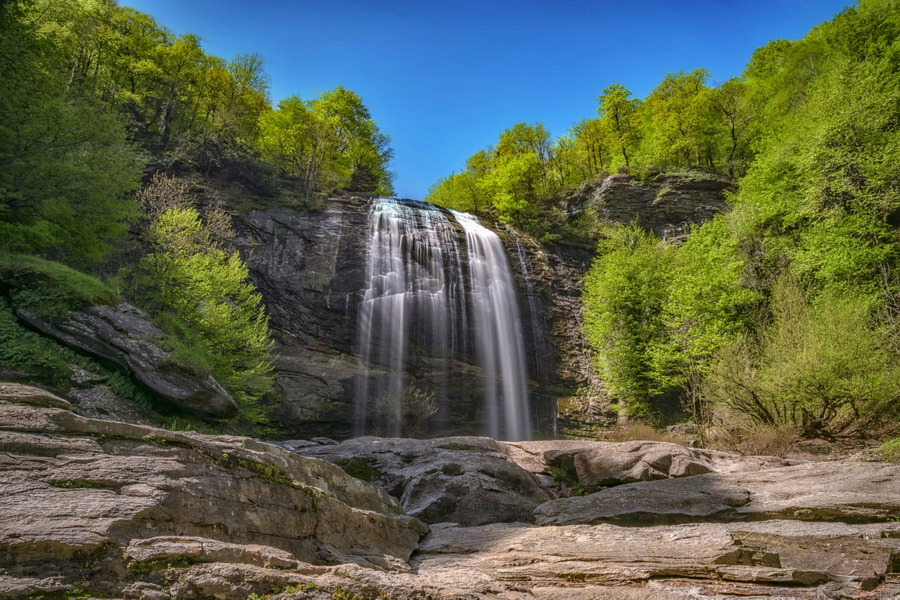
Snugged inside the wondrous district of Mustafakemalpaşa in Bursa, just 20 kilometres from the town centre, Suuçtu Nature Park divulges its idyllic beauty with a waterfall cascading from a height of 38 metres.
Merinos Park is a bucolic sanctuary in the heart of Bursa, suggesting a revitalising escape with its ponds and pathways for walking, running, and cycling. The park also houses the Merinos Atatürk Congress and Culture Centre.
Shopping in Bursa
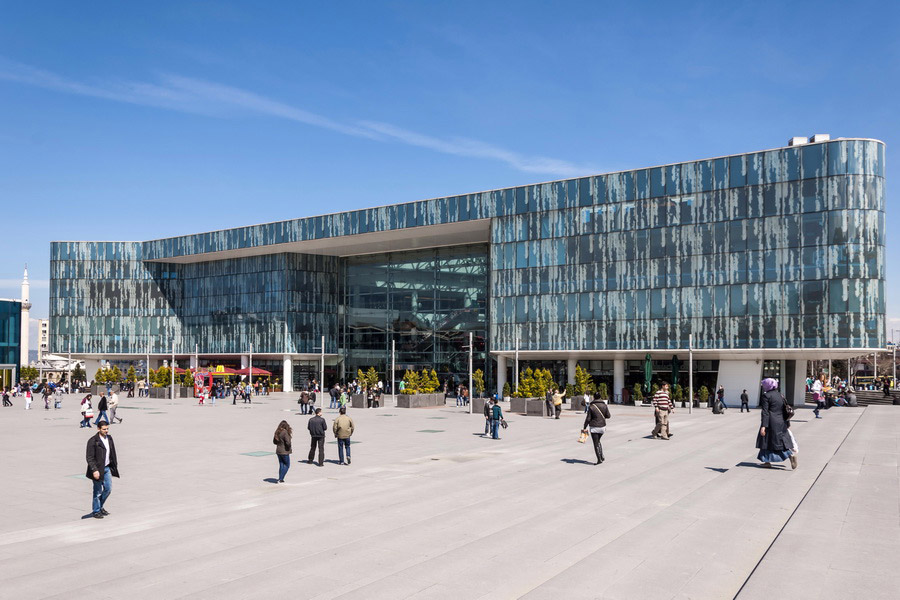
The incipient berth of Silk Trading in Turkey, Bursa, successfully maintains the yore tradition of commerce through the excellent Koza Han from yesteryear, ultra-modern shopping malls, and richly textured bazaars.
Covering 169,000 m², Korupark Shopping Centre boasts 215 stores, a movie theatre with a repertoire of both local and international titles, and entertainment centres such as bowling alleys and food courts.
Located in the heart of the city, Kent Meydanı Shopping Centre offers services including car washes, hairdressing, dry cleaning, tailoring, and an infant care room.
ÖzdilekPark Bursa Nilüfer Mall, an ultramodern Podyum Park and Zafer Plaza act as three of the premier shopping destinations in Bursa
The Anatolium Alışveriş Merkezi comprises a dynamic retail adventure with its eclectic mix of stores and a spacious, lively food court.
Purchasing goods in Bursa without penetrating the hoary bazaars is futile. The city is dotted with venerable Turkish marts, including the Koza Han, a 15th-century paragon of free enterprise and a silk market in the heart of Bursa.
The Covered Market in Bursa (KAPALI ÇARŞI) is a treasure trove of multifarious offerings, from elegant clothing, bags, and accessories to exquisite gold jewellery.
The Sunday Bazaar in Osmangazi (Pazar Pazarı) welcomes visitors with a colourful batch of Black Sea delicacies, fresh vegetables and fruits, a variety of food staples, and a wealth of other local merchandise.
200 metres long, the Archers Bazaar (Okçular Çarşısı) is a marketplace filled with clothing, footwear, household essentials, and agricultural supplies.
The Salt Market (Tuz Pazarı), on the other hand, will treat visitors to grains, honey, fresh fish, and legumes.
Food in Bursa
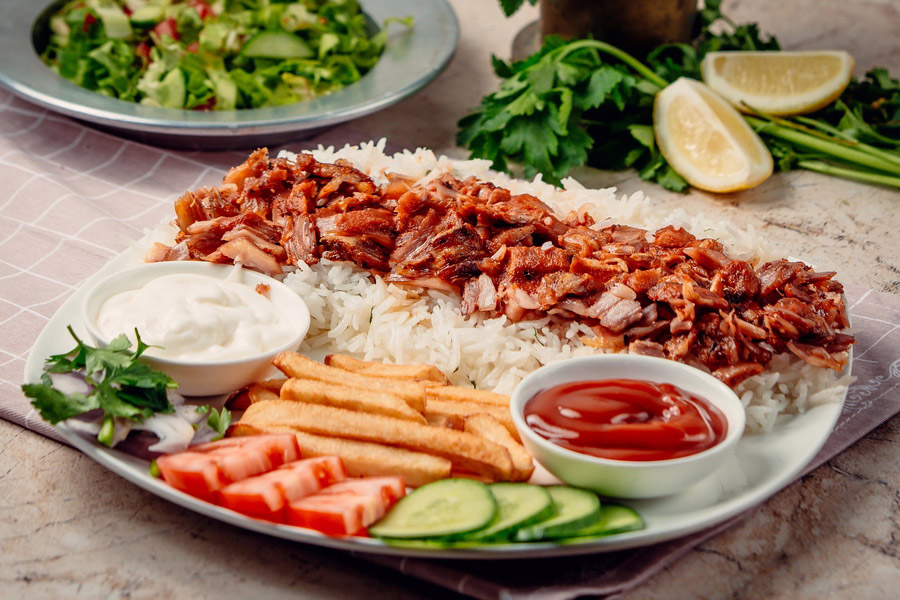
In Bursa, each morsel of local cuisine is an adventure and a story yearning to be heard. The bosom of the revered Īskender kebab will align with the needs of all tastes.
Turkish Cuisine
Although the Īskender kebab is a signature of Bursa's culinary scene, the breadth of the city's cuisine is astronomical, from regionally oriented dishes to internationally acclaimed fare.
Extensively served across Anatolia, Boiler Tarhana Soup, or "Milky Tarhana", stands for the heart of Bursa’s time-honoured cuisine. The world-renowned doner kebab traces its origins to Bursa’s Kayhan Bazaar.
Another peculiar creation of Bursa and Ottoman Palace cuisine is Meaty Stew with Plum and Damat Paçası. Sometimes called Turkish pizza, lahmacun is a thin, crispy flatbread topped with ground meat, tomatoes, onions, and spices.
Another symbol of Bursa, chestnuts from Uludağ are central to many local meals. Mantı, a tender dumpling with spiced meat and paprika butter, and çiğ köfte.
Vegetarian Restaurants
In Bursa, plant-based dining is now easier than ever. Good Call, Big Chefs, Golyazi Gonul Sofrasi guarantees a warm, welcoming environment where you can savour vegetarian dishes with friendly service, enriched by cultural exchanges and Turkish dance lessons, and Zennup 1844 delivers traditional cuisine. Vasfi Falafel provides a delightful array of falafel chows at reasonable prices.
Coffee Houses, Bakeries, and Pastries
Bursa brims with a fair number of cafés, bakeries, and signature local pastries. While börek hails from the Balkans, this former Ottoman capital redefines it with ultra-thin, flaky layers filled with cheese, spinach, potatoes, or minced meat. Equally enchanting is the city's beloved künefe and sucuklu yumurta. And of course, Bursa’s baklava – a national delicacy – boasts buttery slabs packed with pistachios or walnuts, drizzled in fragrant syrup, perfected by the city's closeness to the finest nut-growing regions.
City Transport in Bursa
Public Transport
Navigating Bursa’s suburban sprawl is now seamless, thanks to its well-integrated public transport system. Municipal Buses, Dolmuş (minibuses), an expansive tram network, and Turkey’s longest cable car make travel remarkably convenient. Single-use contactless cards offer flexibility, priced at 5 Lira (approximately 0.15 USD) for a one-way trip, while two trips cost 8 Lira (0.24 USD). Opting for a rechargeable BursaKart, however, is very cheap. Fares start at 2.4 Lira (0.07 USD), and the card costs 7 Lira (20 cents).
Buses and Shuttles
Bursa’s extensive bus and shuttle chain, spanning over 200 routes, operates daily from 6 a.m. to 11 p.m., with slight variations depending on the area and service line. Ticket prices range between 2.4 and 7.5 Lira, determined by whether you are using a contactless card or the convenient BursaKart. Whether traversing the city’s historic core or its outer districts, the transportation system is designed for ease and comfort. For detailed route information, visit Bursa’s official transit site at Burulas.com.tr.
Metro
Bursa’s metro system, known as Bursaray, integrates subway and tram services, providing an efficient, albeit limited, transit option. With rates varying from 2.3 to 2.55 Lira (less than 10 cents), Bursaray operates from 6 a.m. to midnight, with trains arriving every 10 minutes. Its two-line structure makes navigation straightforward, though it covers only a modest portion of the city, which may not fully cater to travellers seeking to explore Bursa’s diverse attractions.
Other Modes of Transportation
One of the most popular alternatives to public transport is the Dolmuş, or shared taxi, providing an effortless and cost-effective way to explore the city. Blue minibuses form a widespread network, while taxi-dolmuşes, clearly marked with their destination, whisk passengers to various districts. The city's modern tram system, connected to the metro, further enhances urban mobility. For those preferring eco-friendly options, bicycle and scooter apps provide an easy alternative for short-distance travel.
Taxi
In Bursa, as in many Turkish cities, taxis – known locally as "taksi" – are easily recognisable by their iconic yellow hue, and both public and private options are widely available, including apps such as Uber and BiTaksi. With fares averaging around 36 Lira (1.30 USD) per kilometre, taking a taxi offers an affordable and time-saving alternative, sparing you the hassle of handling public transport.
Car Rental
In the Green City, car rentals begin at an astonishingly affordable rate of just 10 USD per day, making it a flawless option for holidaymakers keen on exploring this town. Whether you are arriving at the airport, checking into one of the city’s renowned hotels, or strolling through the downtown areas, convenient rental hubs are at your service. The standard minimum age for renting a car is 21, though select agencies may require drivers to be 25. Ensure your licence is recognised – if it is not in English or Latin script, an International Driving Permit (IDP) is essential.
How to Get to Bursa
Although Yenişehir Airport serves domestic flights to Bursa, the most common way to reach this former Ottoman capital is by ferry, bus, or private car hire. From Istanbul's Sabiha Gökçen International Airport, a journey to Bursa takes a mere hour and a half by road. Alternatively, combining ferry rides with private services guarantees a more cost-effective solution, allowing travellers to indulge in a scenic adventure, whether cruising across unflappable waters or steering picturesque roads.
Languages Spoken in Bursa
As the initial political centre of the Osmanlı Empire, Bursa has invariably attracted visitors, merchants, and traders from abroad, enhancing its linguistic diversity. Formerly an abode for the Romaniote Jewish community, Turkish is absolutely predominant, though you will encounter Kurdish, Bosnian, and Albanian tongues adopted here. Recently, the rise of the Arabic language has been triggered by the increase in Syrian refugees, with Bursa accommodating approximately 170,000 Syrian refugees. In tourist areas, English is also widely spoken by local vendors and hospitality workers.
Security in Bursa
Bursa is generally safe for travellers, with minimal risk of serious issues. Public transportation, including buses, trams, and the metro, is reliable and safe, though reputable taxi services are recommended for late-night travel. Petty crimes are infrequent, but securing your belongings and avoiding visible valuables will help maintain safety. Overall, Bursa provides a secure environment with only a few manageable precautions.