


In the northwestern part of China, where majestic mountains meet fertile plains, lies Shaanxi Province – the cradle of Chinese civilisation and the heart of an ancient empire. Here, history becomes tangible, bringing the images of bygone eras to life. For over a thousand years, Shaanxi served as the country’s political and cultural centre, preserving the priceless heritage of thirteen imperial dynasties. It was right here that ancient Chang’an stood – the capital of the mighty Tang Dynasty and the most cosmopolitan city of its time, where the cultures of East and West met.
Today, the Terracotta Army and Mount Huashan remain the main symbols of Shaanxi, while its unique atmosphere is complemented by the bustling backstreets of Xi'an, small family restaurants, traditional craft workshops, and lively markets filled with the aromas of spices and the clatter of dishes. Xi’an was once the starting point of the Silk Road. For centuries, this land has drawn ordinary wanderers, wealthy merchants, and powerful rulers. Today, it continues to captivate travellers with its unique character.
This travel guide features iconic landmarks, picturesque natural spots, gastronomic discoveries, and practical tips for travelling around Shaanxi.
Shaanxi Province Tours
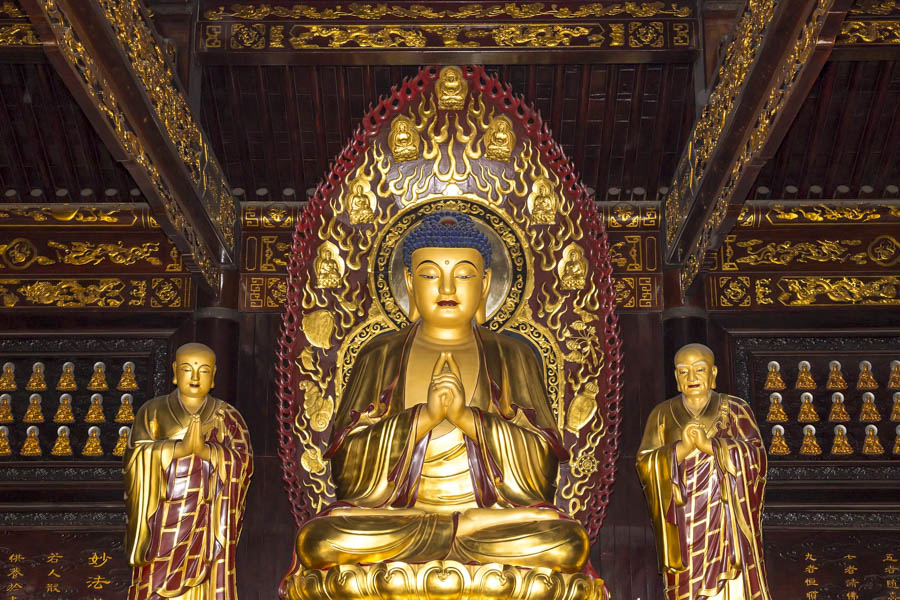
Discover the historical treasures of Shaanxi with the ancient city of Xi'an at its heart or extend your journey to other exceptional destinations across China. From the imperial monuments of Beijing to the Silk Road landscapes of Gansu and Xinjiang, our itineraries link Shaanxi to some of the country's most fascinating cultural and natural sites.
Explore Shaanxi
Discover Xi’an and the surrounding region, including the Terracotta Army, the ancient city wall, the Bell and Drum Towers, the Big Wild Goose Pagoda, Huaqing Palace, Mount Li, and other historic landmarks. Northern Shaanxi also offers surviving sections of the Great Wall, including the fortifications around Yulin and Zhenbeitai.
Combine Shaanxi with Beijing
Choose an itinerary linking Xi’an with Beijing, two of China’s most important historic capitals. In Beijing, visit the Forbidden City, the Temple of Heaven, and the Great Wall at Badaling or another nearby section. In Shaanxi, explore the earlier foundations of Chinese imperial history through the heritage of Xi’an and the Qin dynasty.
Follow the Silk Road West
Continue from Xi’an into neighbouring provinces and autonomous regions. In Gansu Province, visit the Zhangye UNESCO Global Geopark with the Danxia Scenic Area and the Mogao Caves near Dunhuang. Further west, explore the Flaming Mountains of Turpan and Kashgar in Xinjiang. These destinations are not in Shaanxi, but they can be included in extended itineraries that begin there.
Discover other travel options that reveal the full diversity of Shaanxi: from one-day excursions around Xi'an to a large-scale 16-day Central China Grand Tour, which combines the country's main cultural and natural treasures.
Best Time to Visit Shaanxi
Shaanxi is distinguished by two distinct main climates, separated by the Qin Mountains. The southern part of the province enjoys a generally warm and humid subtropical climate, with temperatures around 3 degrees Celsius in January. Spring and early summer make up the driest period of the year. The Wei River valley has a much drier climate, with average winter temperatures close to 0°C. Further north and west, on the Loess Plateau, the climate becomes progressively drier and colder, with sparse precipitation.
The best times to visit are April, May, September and October. The hottest weather usually sets in during July and early August, while the lowest temperatures occur in January. Significant temperature fluctuations between day and night are characteristic of almost the entire region, especially in mountainous areas.
Spring (March to May) is considered one of the best seasons to explore Shaanxi. After a cool March, the weather quickly becomes warm and sunny. The average daytime temperature is 12°C to 25°C (54°F 77°F). Humidity remains relatively low, and rainfall is rare.
Summer (June to August) brings hot weather with average daytime temperatures of 28°C to 35 °C (82°F to 95 °F), though the air can heat up even more on particularly sweltering days. High-altitude mountain areas remain noticeably cooler than the cities. It is during summer that most of the annual precipitation falls, with the peak of the rainy season usually occurring in July and August. Humidity reaches its maximum levels, so it is best to plan excursions to historical sights for the morning or evening hours.
Autumn (September to November) is a season of dry, clear, and comfortable weather. The average daytime temperature gradually decreases from 24°C to 27°C (75°F 81°F) in September to 10°C 17°C (50°F 63°F) in November. Humidity decreases, the amount of rain drops rapidly, and the crisp air makes the season particularly good for visiting natural parks and viewpoints.
Winter (December to February) in Shaanxi is cool and predominantly dry. The average daytime temperature is usually 0°C to 8°C (32 to 46°F), while at night it often drops from -2 to -8°C (28°F 18°F). This is the driest season of the year with plenty of clear days. In Xi'an, snow falls irregularly and usually melts quickly, whereas in mountainous areas, snow cover lasts significantly longer.
Mount Huashan is open to visitors year-round. However, during heavy snowfall, icy conditions, or adverse weather, certain trail sections, cable cars, or viewpoints may temporarily close for maintenance and safety reasons. If you are planning a trip in winter, it is recommended to check the latest updates on the operation of tourist infrastructure in advance.
Plan Your Holidays in Shaanxi
Explore Shaanxi's Historic Landmarks
Trace the history of Shaanxi – a province where bustling markets and trading quarters opened the way to the distant lands of Central Asia and the Middle East.
Begin your journey in Xi'an, known in ancient times as Chang'an – the capital of the empire and the eastern starting point of the Silk Road. It was from here that caravans set out on their long journey through deserts, mountains, and oases, connecting China with neighbouring countries.
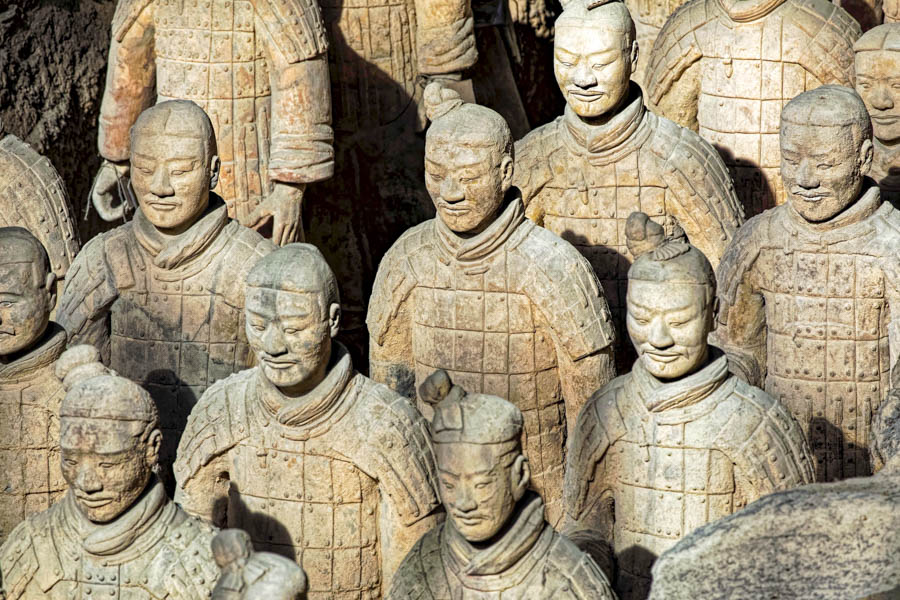
Discover the era of unified China at the Mausoleum of the First Qin Emperor (秦始皇陵, Qin Shihuang Ling), Qin Shi Huang, inscribed on the UNESCO World Heritage List. This grandiose funerary complex gained world renown thanks to the Terracotta Army – thousands of clay warriors, horses, and chariots created more than two millennia ago to guard the peace of Qin Shi Huang, the first emperor of the Celestial Empire.
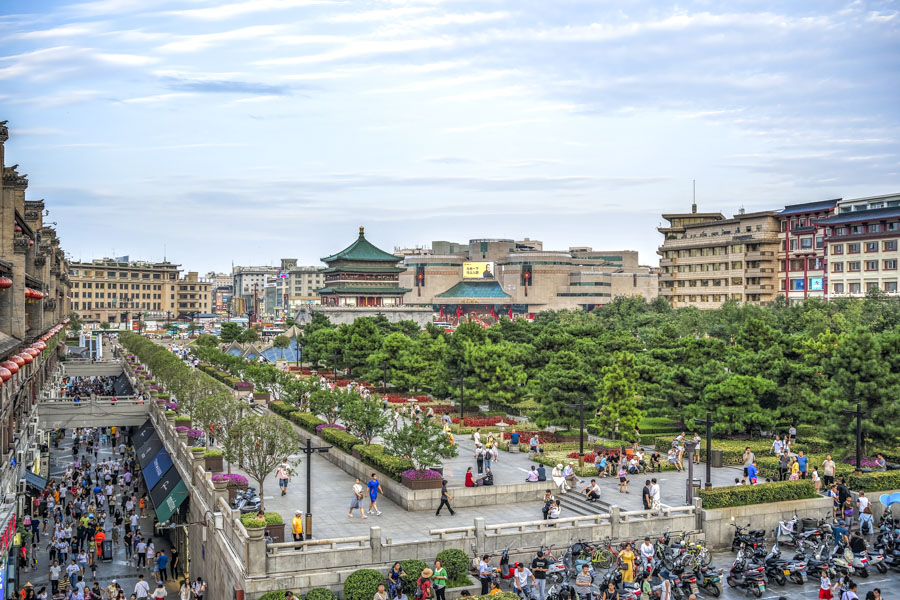
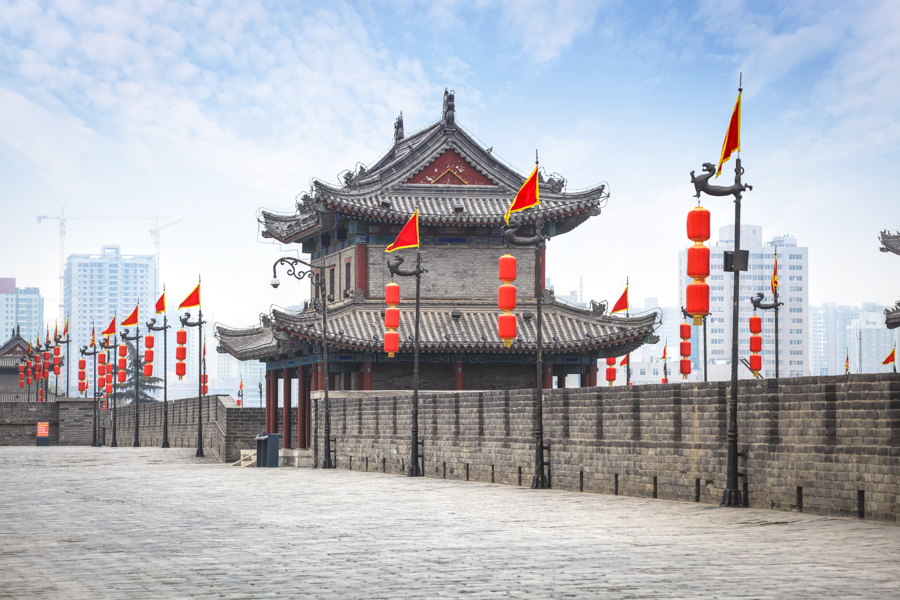
Explore the historic centre of Xi'an, where the majestic Xi'an City Wall surrounds the ancient capital, and the Bell Tower and Drum Tower recall the days when they set the rhythm of city life. Drop by the Shaanxi History Museum to trace the region's history from the first Chinese states to the heyday of the Tang Dynasty, and then visit the Big Wild Goose Pagoda – an outstanding monument of Buddhist architecture associated with the monk Xuanzang, who brought sacred Buddhist texts to China from India.
Soak up the atmosphere of the ancient Muslim Quarter, where the Great Mosque, blending Islamic and Chinese architectural traditions, rises alongside bustling shopping streets. Afterwards, head to Huaqing Palace, located at the foot of Mount Li. For centuries, its hot springs served as a retreat for emperors, and the site is closely linked to the story of Emperor Xuanzong of Tang and Yang Guifei, one of the most famous and debated episodes in Chinese history.
Conclude your journey at the surviving sections of the Great Wall in the northern part of Shaanxi. Built in different historical eras, they stand as a reminder of the times when the northern borders of the Chinese Empire were protected by a grandiose fortification system stretching across steppes, mountains, and deserts.
Discover Natural Wonders of Shaanxi

Admire the natural diversity of Shaanxi – a place where majestic mountain peaks coexist with deep gorges, endless plains, and the sandy expanses of northern China.
Visit Mount Huashan – one of the five Sacred Mountains of China. Climb the steep trails to the granite peaks shrouded in clouds, and then descend to the steep cliffside passages of Qianchi Zhuang and Baichi Gorge, where sheer cliffs, narrow stone corridors, and dizzying precipices form a rugged mountain landscape.
Continue exploring the province's nature on the Loess Plateau, formed by ancient wind-blown deposits. Rolling hills and deep ravines give way to the sandy dunes of the Mu Us Sandland, while nearby lies Hongjiannao Lake – China’s largest desert freshwater lake, which has become an important habitat for migratory birds.
Explore the giant sinkholes hidden among the majestic mountain ranges. Their sheer walls and dense vegetation form an isolated natural world that contrasts sharply with the open expanses of the plateau and deserts.
Visit Shaanxi's Cities
Explore the cities of Shaanxi, each revealing a new facet of the province – through imperial heritage, ancient traditions, natural landscapes, and pages of modern history.
Xi'an: Historic by Day, Vibrant by Night
Xi'an is an ancient capital living a modern life. After a day of sightseeing, experience the city’s lively evening atmosphere. Watch the fountain show at the North Square of the Giant Wild Goose Pagoda, and then take a stroll through the pedestrian quarters of the Datang Everbright Tang City area, inspired by the Tang Dynasty era. Admire the evening illuminations, street performances, and traditional costume shows, and then drop by the restaurants and tea houses to experience the unique local colour of Xi'an.
Xianyang: Echoes of the Qin Dynasty
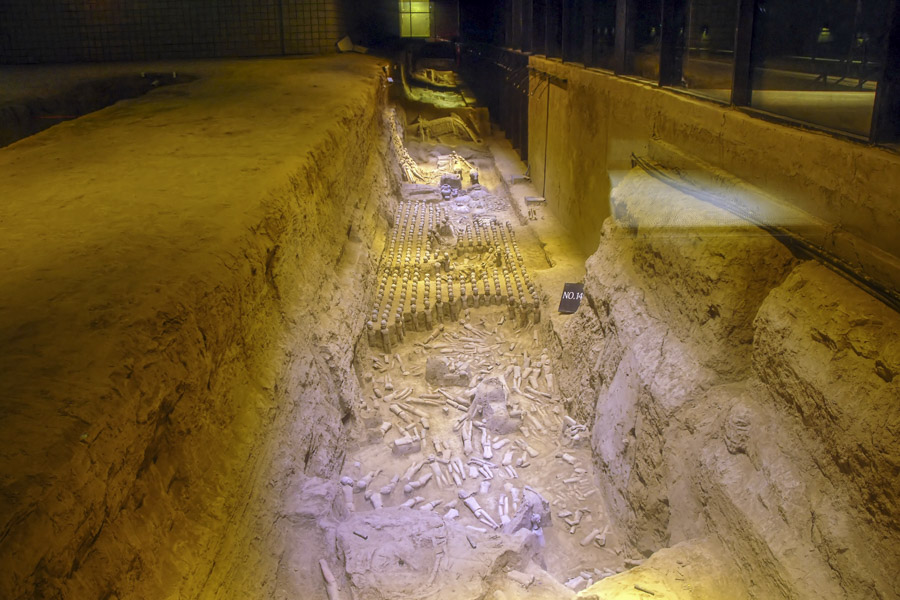
Continue your itinerary in Xianyang – the first capital of unified China during the Qin Dynasty era. Visit the Xianyang Museum, whose collection includes archaeological finds related to the Qin Shi Huang era, and then head to the Han Yangling Mausoleum – the burial site of Emperor Jingdi of the Han Dynasty. Glass galleries run directly over the excavation site, offering a rare opportunity to see the archaeological monument exactly as researchers discovered it.
Discover More of Shaanxi’s Cities
In Baoji, visit the China Stone Drum Garden, which houses the famous Stone Drums – the oldest monuments of Chinese stone calligraphy – and then stroll along the shady alleys of People's Park. In Weinan, visit the historic quarter, Weinan Old Street, and admire the exquisite Tang and Ming ceramics within the walls of the Weinan Museum. In Hanzhong, take in the picturesque panorama of the Hanjiang River in Tianhan Cultural Park, and in Yulin, climb the walls of the Zhenbeitai Fortress, preserved on the northern borders of the Great Wall. In Tongchuan, explore the imperial residence of Yuhua Palace, and in Yan'an, explore the Yan'an Revolutionary Memorial Hall and the Baota Pagoda Mountain – symbols of the 20th-century Chinese revolution.
Culture, Religion and Art of Shaanxi
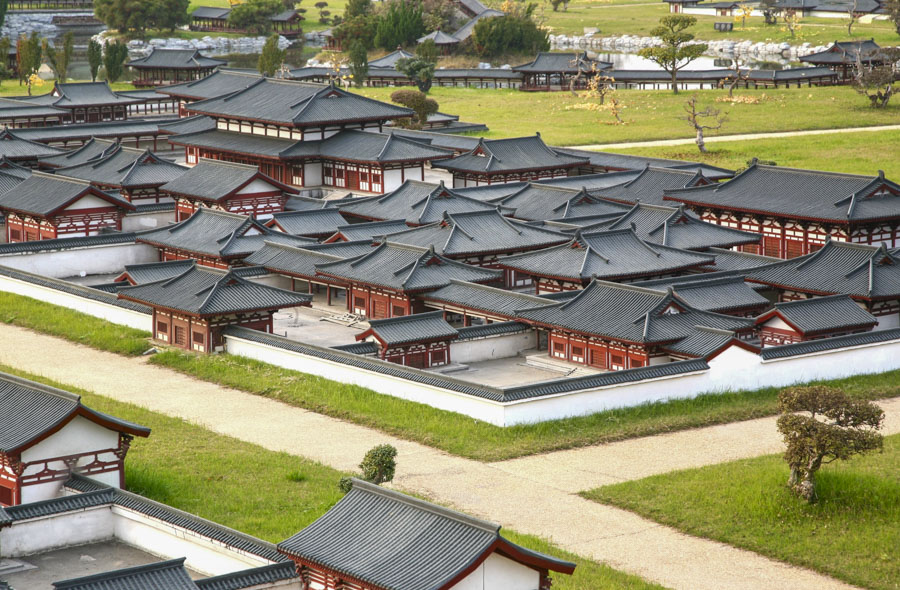
The cultural heritage of Shaanxi lives on in its religious practices, ancient crafts, traditional festivals, and the rich museum collections. Experience the culture of Shaanxi through its monumental architecture, religious sites, and traditional folk crafts associated with the region’s diverse communities.
Imperial Heritage
Shaanxi’s cultural identity was largely shaped during the Qin and Han Dynasties, when the province became the centre of political power and cultural development for a unified China. It was here that the traditions of imperial ceremonies, court art, writing, and state governance were established, leaving a lasting impact on subsequent generations. Today, this heritage can be seen in events such as the Lantern Festivals celebrations on Xi'an’s ancient City Wall, as well as in the exquisite art of calligraphy represented by the relics of the Forest of Stone Steles. It also comes to life in the patterns of imperial silk, fine jade carvings, and Sancai three-colour ceramics, maintaining the connection between modern Shaanxi and the era of ancient capitals.
The Daming Palace National Heritage Park holds a special place in this context. Here, through historical reconstructions, multimedia exhibitions, and costumed performances, you can experience the heyday of the Tang Dynasty and envision the scale of the imperial court of that era.
Buddhism Along the Silk Road
Buddhism has exerted a profound influence on the culture of Shaanxi, shaping the appearance of its temples, monasteries, and works of art. For centuries, the province remained an important centre for the translation of Buddhist texts, religious education, and pilgrimage. The Famen Temple, located 120 kilometres (75 miles) from Xi'an, is considered a symbol of this heritage. According to tradition, the only relic of Sakyamuni Buddha’s finger bone is preserved here.
An equally important monument is the Caotang Temple in the southwest of Xi'an, where the prominent monk Kumārajīva worked on the translation of Buddhist sutras. To experience the Tibetan Buddhist tradition, you can visit the Guangren Lama Temple – the only Tibetan monastery in Shaanxi Province, where Buddhist worship and religious activities continue to take place and the traditions of the Gelugpa school are preserved.
Islamic Heritage
Shaanxi’s Islamic heritage is closely associated with the Hui people, a predominantly Chinese-speaking Muslim community whose history in the region extends back many centuries. In Xi’an and other parts of Shaanxi, Hui communities developed within a predominantly Han Chinese cultural environment while preserving their own religious traditions and distinctive forms of community life. The region’s historic mosques reflect this cultural interaction. Many combine Islamic religious requirements with traditional Chinese architectural features, including courtyard layouts, timber structures, tiled roofs, gardens, stone steles, and Chinese decorative motifs. The Great Mosque of Xi’an, for example, incorporates traditional Chinese architectural forms while retaining Islamic features such as its orientation toward Mecca, prayer hall, mihrab, and Arabic inscriptions. Hui cultural heritage can also be experienced through regional cuisine, calligraphy, and the observance of Islamic festivals such as Ramadan, Eid al-Fitr, and Eid al-Adha.
Traditional Folk Arts
Among the most recognisable crafts of Shaanxi, the art of Chinese paper-cut (剪纸, jiǎnzhǐ) stands out, having been inscribed on the UNESCO Representative List of the Intangible Cultural Heritage of Humanity. Delicate paper compositions decorate homes during festivals, weddings, and family celebrations, with their designs often depicting animals, flowers, mythological characters, and auspicious symbols. Northern regions of China, including Shaanxi, are characterised by expressive silhouettes, bold lines, and contrasting patterns, which make the local style of paper-cutting easily identifiable.
Outdoor Adventures in Shaanxi
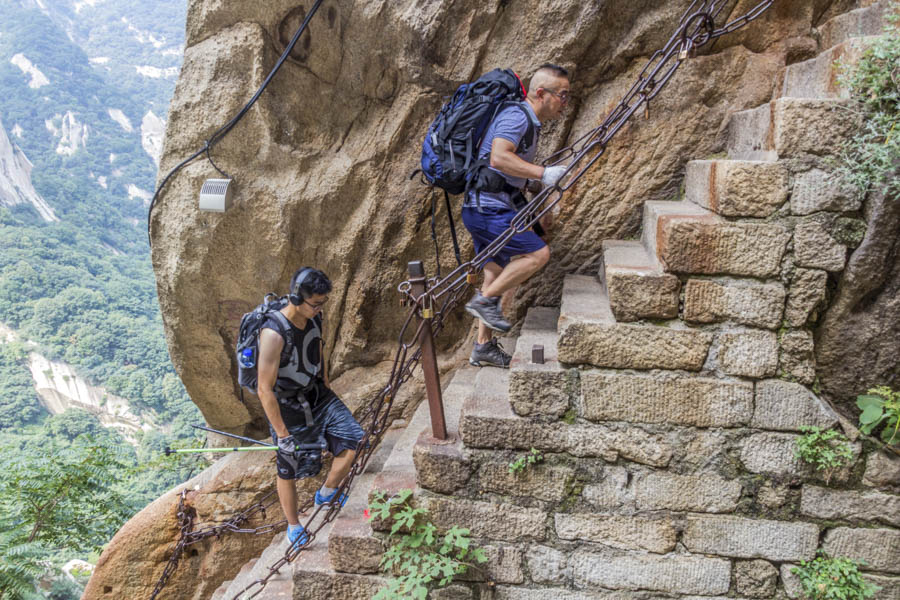
Complement your exploration of Shaanxi’s history with outdoor activities. Walk along scenic mountain trails, explore national parks, or spend a day outdoors in the city parks of Xi'an.
Forest Trails and Mountain Valleys
Mount Huashan is one of China’s Five Great Mountains and a must-visit destination for adventure seekers in Shaanxi. Famous for its dramatic granite peaks, steep stairways, narrow ridges, and cliffside paths, the mountain offers a thrilling hiking experience alongside spectacular views of the surrounding landscape. Visitors can choose between challenging walking routes and cable-car-assisted excursions, while sunrise and sunset are especially popular. The mountain’s Taoist temples and centuries-old religious heritage also provide a cultural dimension to the outdoor experience.
Enjoy the nature of the Qinling Mountains – the natural border between northern and southern China. This mountain range is renowned for its unique biodiversity, being home to the famous giant pandas, golden monkeys, takins, and crested ibises. To experience the pristine atmosphere of these places, visit Heihe National Forest Park, where well-maintained eco-trails run along pristine rivers, waterfalls, and deep gorges. Many tourist routes pass through protected woodlands, allowing visitors to safely observe the local flora and fauna.
You can also head to Taibai Mountain National Forest Park – the highest nature park in the region. Here, hiking trails wind through coniferous forests, mountain streams, alpine meadows, and viewpoints offering sweeping panoramic views. During the warmer months, trekking and climbs to high-altitude lakes are particularly popular.
Riverside Recreation in Xi'an
Spend a day in the Chanba Ecological District, where cycling and running tracks, pedestrian promenades, and green recreation areas stretch along the Chan and Ba rivers. In summer, this ecological oasis comes alive with special colours: you can see endless emerald ponds filled with blooming pink lotuses and stroll along wooden boardwalks weaving through thick reed beds. This modern district of Xi'an is perfect for those looking to change pace after a busy sightseeing programme and see a different side of the city.
Taste the Flavours of Shaanxi

Discover the cuisine of Shaanxi, where simple ingredients are transformed into dishes with rich flavours thanks to the skill of local chefs, aromatic spices, and centuries-old culinary traditions.
Begin your culinary journey in Xi'an with the legendary Yangrou Paomo (羊肉泡馍, Yángròu Pàomó), a rich lamb soup served with pieces of unleavened flatbread that are traditionally crumbled by hand before serving. Next try Roujiamo (肉夹馍, Ròujiāmó), a crispy flatbread filled with stewed pork or beef, which is considered a signature staple of Shaanxi street food.
In addition, sample Biang Biang Noodles (Biángbiáng Miàn), which consists of wide, hand-pulled ribbons of dough served with chilli, garlic, vinegar, and hot oil. These noodles are also considered one of the "Eight Curiosities of Shaanxi". For a lighter option, try Liangpi (凉皮, Liángpí), a cold dish made from wheat or rice starch and dressed with garlic, sesame paste, vinegar, and spicy oil. You can then discover Qishan Saozi Noodles (岐山臊子面, Qíshān Sàozi Miàn), which are distinguished by their aromatic sour and spicy broth, as well as their meat sauce and vegetables. Furthermore, the signature tangy flavour characteristic of many local dishes comes from Qishan Vinegar (岐山醋, Qíshān Cù), a traditional vinegar that has been produced for centuries in the district of the same name.
Conclude your gastronomic exploration with traditional snacks and desserts. Among them, don’t miss the Persimmon Cakes (柿子饼, Shìzi Bǐng), soft persimmon patties with red bean or black sesame filling. You should also try Guokui (锅盔, Guōkuī), a dense, crispy flatbread served as a standalone snack or alongside meat dishes, as well as Jinggao (甑糕, Zènggāo), a steamed glutinous rice dessert with red dates and kidney beans, which is particularly popular on the streets of Xi'an.
Best Gifts to Buy in Shaanxi
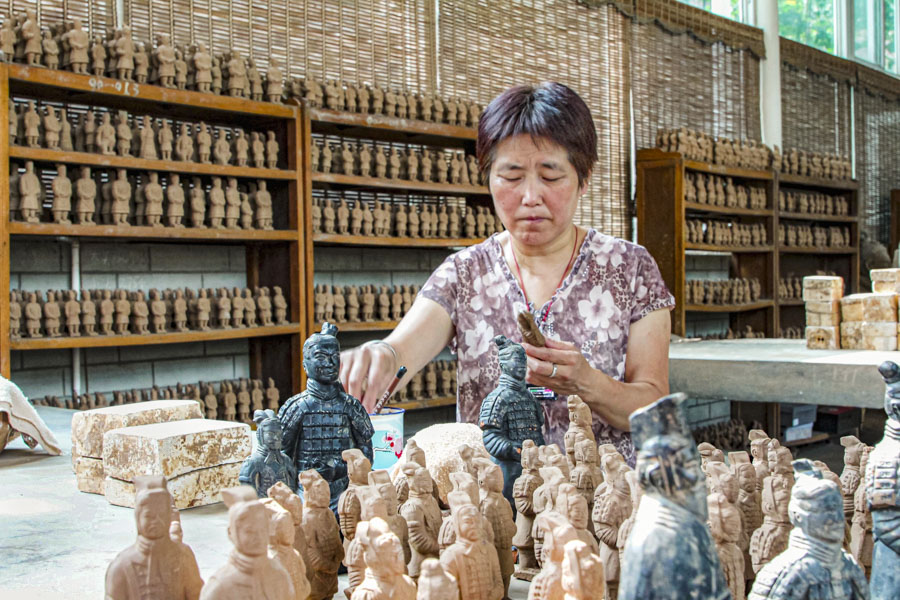
Shaanxi’s finest souvenirs reflect the province's ancient history, regional craftsmanship and enduring artistic traditions. At the Terracotta Warriors Museum Gift Shop, high-quality miniature, moderate and full-size replicas of the Terracotta Army and decorative pieces featuring motifs from the Qin Shi Huang era are available. Other refined gifts inspired by Xi’an’s history include decorative objects featuring Qin-dynasty motifs, traditional calligraphy scrolls and traditional ceramics.
When it comes to Shaanxi’s most distinctive folk crafts, Fengxiang Clay Sculptures (凤翔泥塑, Fèngxiáng Nísù), brightly painted clay figurines depicting animals and mythological figures, stand out. Crafted entirely by hand, these items are considered among the most recognisable expressions of Shaanxi folk art.
Equally fascinating are the decorative Shaanxi Shadow Puppets (陕西皮影戏, Shǎnxī Píyǐngxī), carved from thin leather and hand-painted. These exquisite figurines stand as a reminder of the centuries-old tradition of Chinese shadow theatre. Art lovers should look out for Huxian Farmer Paintings (户县农民画, Hùxiàn Nóngmín Huà) – vibrant paintings depicting rural life, festivals, harvests, and folk customs, executed in a distinctive decorative style.
For the best selection of traditional crafts, private travellers can explore Yongxingfang Street, known for its wide choice of traditional handicrafts. Beiyuanmen and the surrounding Muslim Quarter offer creations by local artisans, while the galleries of Xi'an and workshops in Huyi District showcase bespoke pieces by contemporary artists.
How to Reach Shaanxi Province
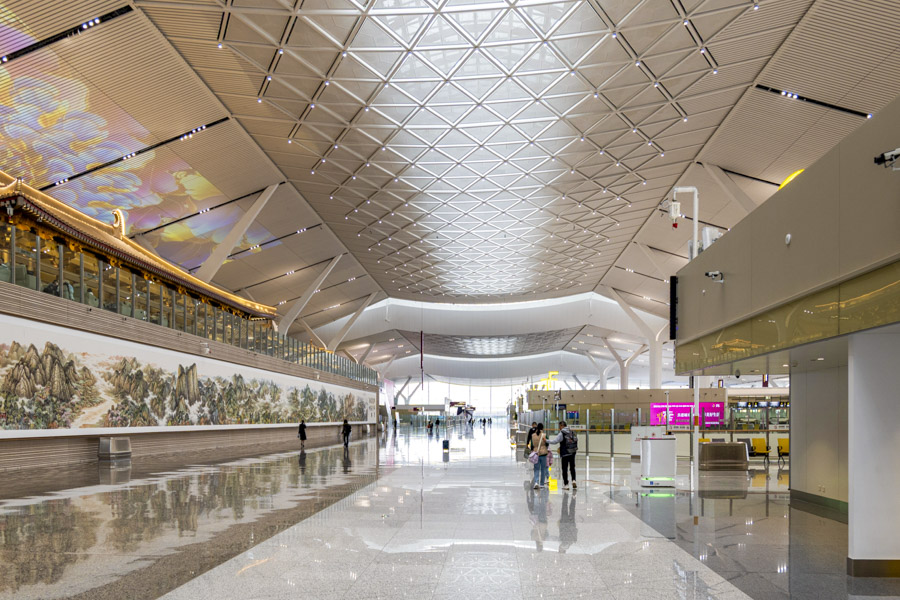
Shaanxi Province is easily accessible from different regions of China, thanks to an extensive network of air connections, high-speed railways, and motorways. Xi'an remains the province's main transport hub, serving as a major aviation and railway gateway for northwestern China.
By Air
Most travellers arrive via Xi'an Xianyang International Airport (XIY), located approximately 25 kilometres (16 miles) northwest of Xi'an city centre. The airport operates numerous domestic flights from Beijing, Shanghai, Guangzhou, Chengdu, Chongqing, and other major Chinese cities, alongside international routes to Asian countries.
You can travel from the airport to Xi'an by metro, airport shuttle bus, taxi, or car.
By Train
High-speed trains make rail travel one of the most convenient ways to get around China. Xi'an North Railway Station handles high-speed services of the China High-Speed Rail network, connecting Shaanxi with Beijing, Shanghai, Zhengzhou, Luoyang, Lanzhou, Chengdu, and many other cities.
Additionally, Xi'an Railway Station, alongside the rail stations of Baoji, Weinan, Hanzhong, and Yan'an, is used for travel across the province.
By Road
An extensive network of national expressways connects Shaanxi with neighbouring provinces, including Gansu, Shanxi, Henan, Sichuan, Ningxia, Inner Mongolia, Hubei, and Chongqing. Long-distance buses operate daily between Xi’an and major cities; however, for most travellers, the train remains a faster and more comfortable option.
Plan Your Trip to Shaanxi
Good preparation will help you see more of Shaanxi’s sights, plan your journeys comfortably, and gain a deeper understanding of the province’s history, nature, and culture.
Choose Your Travel Style
Decide what kind of experience you would like from your trip. Xi'an, Xianyang, and the monuments of the Qin and Han eras are ideal for exploring Shaanxi’s history. Mount Huashan, the province’s sinkholes, and the province’s nature parks offer opportunities for scenic sightseeing and outdoor activities. Traditional markets, historic neighbourhoods, craft workshops, and local restaurants provide further ways to experience Shaanxi’s culture and cuisine.
Prioritise Your Must-Sees
Make a list of your priorities, as Shaanxi’s main sights are located a considerable distance apart. It is best to balance a busy itinerary with more relaxed days, leaving time for city walks and exploring the local cuisine and unplanned discoveries.
Plan Around Travel Times
Even with a well-developed transport network, journeys between cities and natural sights can take several hours. If you are planning trips to Mount Huashan or the northern regions of the province, factor in the travel time and train or bus schedules in advance.
Prepare for the Weather
In summer, pack lightweight, breathable clothing, a sun hat, sunscreen, and sufficient water, especially for sightseeing and hiking. In winter, bring warm layers and footwear with good grip. In mountain areas temperatures are significantly lower than in the cities.
Think About Shopping
If you plan to purchase creations by local artisans, original artworks, or food products, leave some extra space in your luggage. Pack fragile items carefully, and check any restrictions that may apply to transporting food or other products.
Consider Dietary Needs

Shaanxi cuisine is known for its rich flavours, wheat noodle dishes, and a generous use of vinegar, garlic, and spices. If you follow a special diet or have dietary restrictions, it is helpful to learn a few simple phrases in Chinese in advance or use a translation app when ordering food.
Payment Methods
Before travelling, consider linking an international bank card to Alipay or WeChat Pay, which are widely used for everyday payments in China. However, it is worth carrying a small amount of cash as a backup.
Bargaining Tips
In traditional markets, souvenir shops, and small private stores, especially in the tourist areas of Xi'an, bargaining remains a common part of the shopping experience. Feel free to politely discuss the price, as in many cases, vendors initially factor in a small discount, usually between 10% and 30%. Meanwhile, prices in shopping centres, chain stores, and supermarkets are generally fixed.