


Bakuriani is one of Georgia’s most popular mountain resorts, set on the Trialeti Range at 1,700 metres. The town lies 30 kilometres (18.6 miles) from Borjomi and has long been a winter sports and mountain holidays destination.
Bakuriani’s ski terrain is spread across Didveli, Kokhta and Mitarbi, with pistes ranging from beginner runs to demanding intermediate and advanced slopes. Bakuriani has hosted major FIS (International Ski and Snowboard Federation) skiing and snowboarding competitions.
Summer brings hiking, mountain biking, horseback riding, fishing and cooler temperatures than in the country’s lowlands. Our Bakuriani travel guide introduces the town as both a major winter sports destination and a year-round resort.
Bakuriani Tours
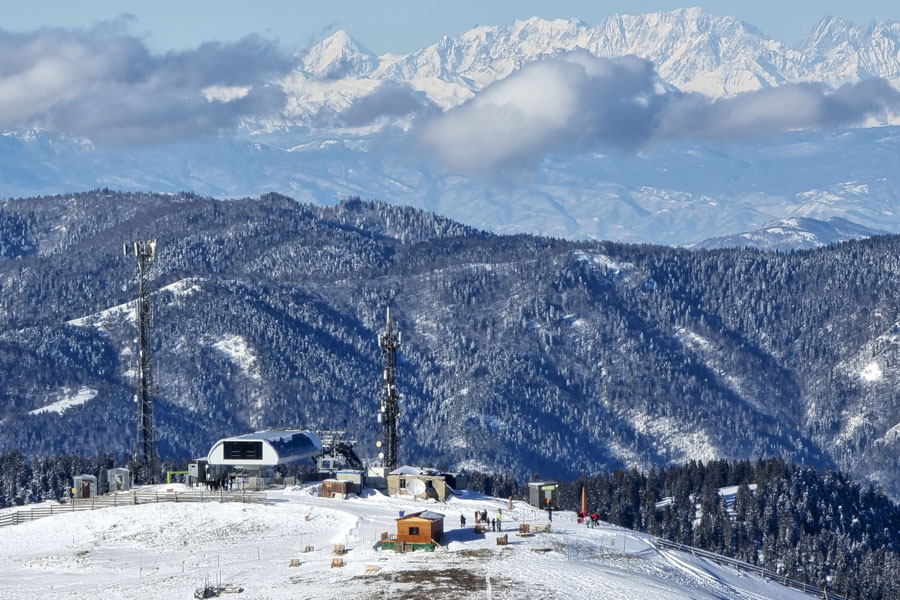
Tours in Bakuriani bring together mountain activities with visits to nearby Borjomi, Georgia’s best-known spa town. Winter remains the busiest season, when skiing and snowboarding become the main reasons to visit.
Our 2-day Georgia Winter Tour combines Bakuriani with Borjomi and is a good choice for a short mountain escape. Longer Bakuriani ski holidays can include several resorts. The 7-day Bakuriani and Gudauri Ski Tour connects two of Georgia’s major skiing areas in one journey. The 11-day Grand Winter Tour extends the route further to Mestia in Svaneti.
At the same time, the resort stays active throughout the year, with hiking, cycling, and forest walks during the warmer months.
Best Time to Visit Bakuriani
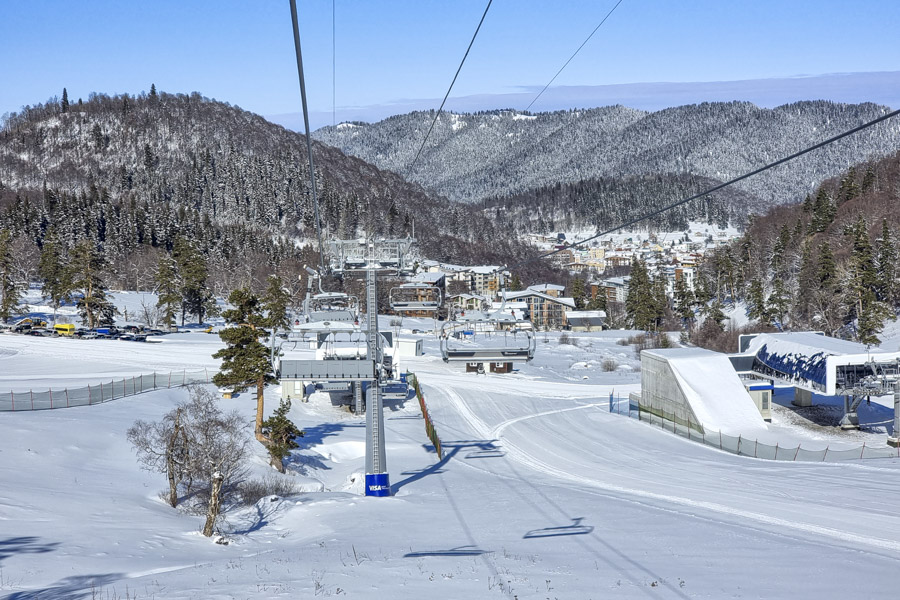
The best time to visit Bakuriani depends on the activities you plan to enjoy, as the resort is open all year round. Spring, summer and autumn are ideal for hiking, cycling and sightseeing, while winter is, of course, the most popular season for skiing and snowboarding.
Winter is the best time to visit Bakuriani for winter sports enthusiasts, especially from late December through February. This is when the resort is fully ready for skiing, snowboarding and other snow activities. January and February are usually the busiest months.
Spring arrives gradually at Bakuriani’s 1,700-metre altitude. March can still bring good skiing; April begins the transition towards hiking. By May, the surrounding slopes turn greener, and visitor numbers are lower, although rain and changing weather remain common.
Bakuriani Summer is ideal for travellers who prefer mountains without snow. The forests and open slopes become suitable for outdoor activities and visits to the Botanical Garden. Bakuriani weather stays considerably cooler than Georgia’s lowlands.
Autumn is quieter, with September still suitable for hiking and cycling before colder mountain weather arrives. During October, deciduous trees among the coniferous forests turn yellow and orange, making the area particularly scenic. Snow can return later in the season, so outdoor plans become increasingly dependent on daily conditions.
Bakuriani has a cool mountain climate, with an average annual temperature of 4.3°C (39.7°F). January averages –7.3°C (18.9°F), whereas August reaches around 15°C (59°F). From December to March, the resort receives approximately 64 centimetres (25.2 inches) of snow.
History of Bakuriani
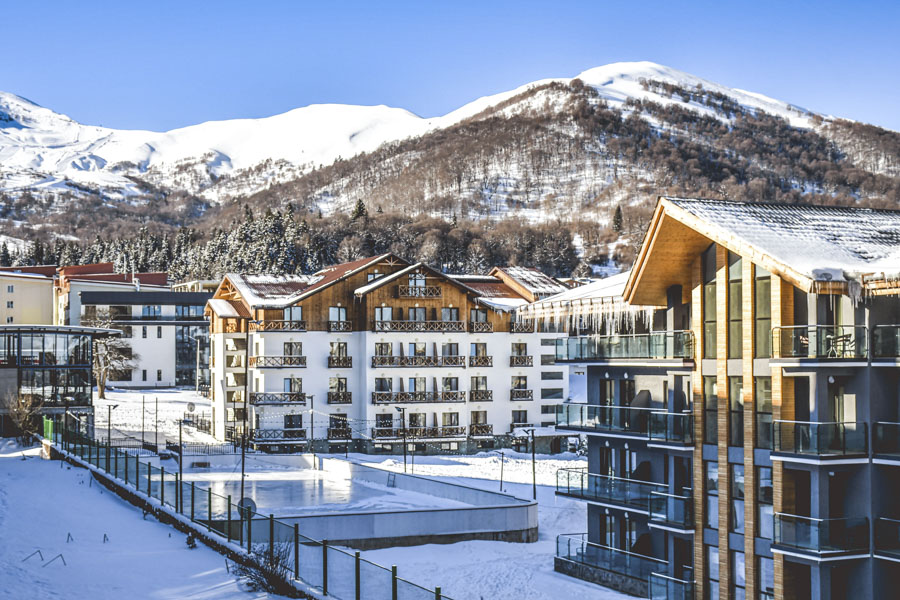
Bakuriani lies within the Bakuriani Basin, which was formed by lava flows from the Mukheri Volcano. Archaeological evidence of a megalithic culture has been discovered in the area. The Pantnari Church, a religious structure dating from the early feudal period, has survived to the present day.
However, little is known about Bakuriani itself. It was likely a small, isolated mountain settlement nestled amidst the forests and alpine meadows of the Trialeti Range. Its economy and way of life probably relied primarily on seasonal pastoralism, forestry, and local agriculture.
The 18th-century Georgian prince, historian and geographer Vakhushti Batonishvili mentioned it. He referred to it as Bakuliani in his 1745 Description of the Kingdom of Georgia.
Bakuriani’s development closely follows Borjomi and the growth of mountain tourism in the late 19th century.
Interest in the wider Borjomi region increased as its mineral waters became commercially important. Improved transport followed. Construction of the narrow-gauge Borjomi–Bakuriani railway began in 1897, and the 37-kilometre (23-mile) line opened in 1902. The railway helped make the high mountain settlement considerably easier to reach.
Scientific activity developed alongside tourism. The Bakuriani Alpine Botanical Garden was founded on the western slope of Kokhtagora in 1910. It later became an important centre for studying and conserving high-mountain vegetation.
Bakuriani’s transformation into a ski resort accelerated during the 20th century. Georgian mountaineers began experimenting with skiing here in the late 1920s. The first organised group of skiers appeared in 1932, followed by Bakuriani’s first skiing competition in 1935.
During the Soviet period, Bakuriani became an important winter sports and training centre. That sporting tradition continues today, while the resort has developed into a four-season mountain destination.
Skiing in Bakuriani
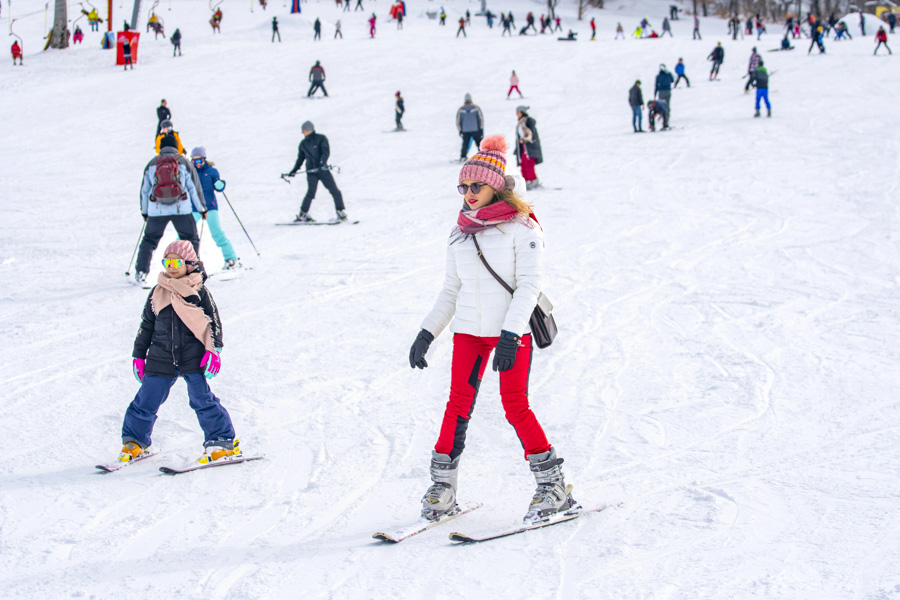
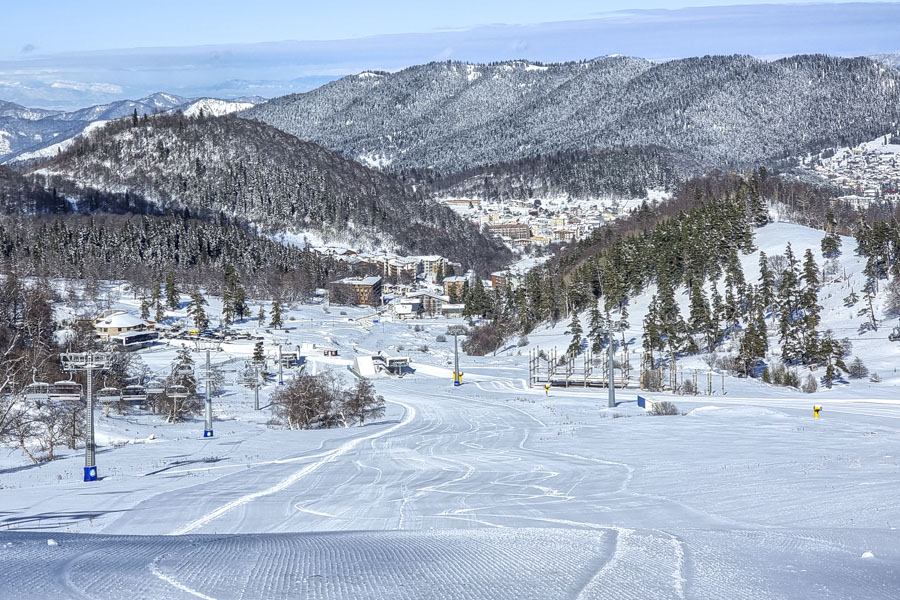
Skiing is one of the main reasons to visit Bakuriani in winter. The resort has three principal ski areas, Didveli, Kokhta and Mitarbi, with pistes for different ability levels. Didveli has the broadest selection of runs, Kokhta is known for steeper terrain, and Mitarbi extends the ski area farther across the mountains.
Closer to the centre, 25 Ski Park has gentle slopes suited to beginners and children. Ski schools, private instructors and equipment rental are widely available around the resort, while the main ski areas operate under the MTA lift-pass system.
For detailed information on slopes, lifts, passes, ski schools, equipment rental and current ski conditions, see our Bakuriani Ski Resort.
Things to Do in Bakuriani
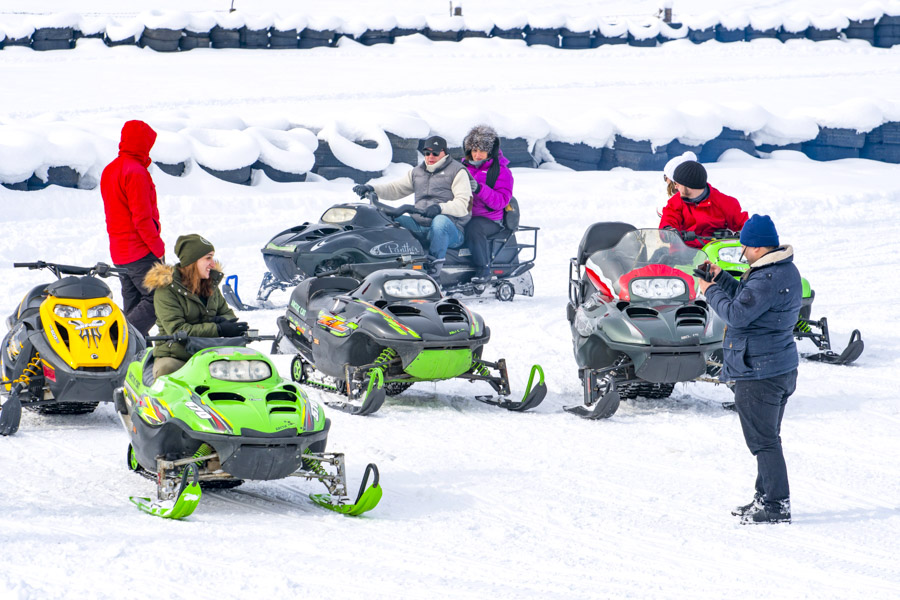
Things to do in Bakuriani extend beyond skiing, particularly for travellers visiting outside the main winter season. Snow activities dominate winter, while warmer months bring hiking and trips into the surrounding Trialeti Mountains.
Winter Activities Beyond Skiing
Bakuriani family activities include sledging, snow tubing, ice skating, and snowmobile trips. These make the resort suitable for groups where not everyone wants to ski. Within the Bakuriani area, Crystal Resort is a complex that has an ice rink and snow tubing area, still similar winter activities are available around the town.
Snowmobiling includes short local rides as well as longer guided trips through the mountains. One established route runs approximately 27 kilometres (16.8 miles) from Bakuriani to Tabatskuri Lake.
It crosses high terrain before reaching the lake, which normally freezes between late December and March. Taking this route with an experienced local guide familiar with weather and snow conditions is highly recommended.
Sledging, tubing and other children’s activities are as well widespread around recreational areas and slopes.
Summer Activities
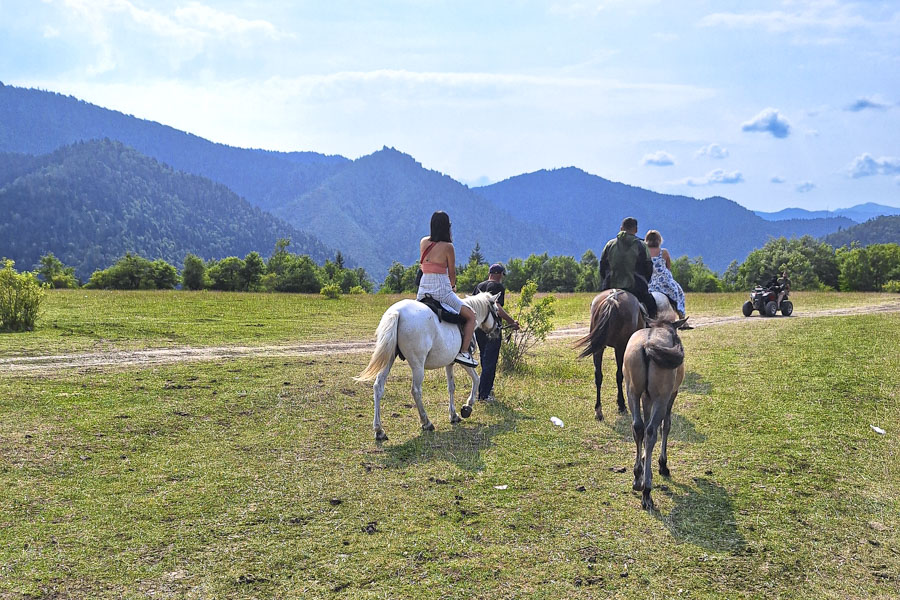
Summer changes how the ski infrastructure is used. Didveli lifts continue operating during the warmer months, giving visitors access to higher slopes without a winter sports pass. For the 2026 summer season, the Nodo and Deka lifts operate daily.
Mountain biking is one of Bakuriani’s main summer sports. Didveli has purpose-built downhill routes reached by cable car. One intermediate track covers about 2 kilometres (1.2 miles), another intermediate route runs for approximately 2.5 kilometres (1.6 miles). Helmets and protective equipment are recommended on both.
Horse riding, jeep excursions and paragliding are promoted as summer activities in Bakuriani. Plus, the surrounding forest roads and open mountain terrain suit cycling and longer outdoor excursions.
Hiking and Nature in Spring and Autumn
Bakuriani hiking covers everything from short forest walks to longer routes climbing onto the Trialeti Range. Paths around Kokhtagora and the Kokhta area pass through woodland before reaching open mountain slopes and higher viewpoints.
Tskhratskaro Pass provides access to the high plateau south of Bakuriani and towards Tabatskuri. The pass rises to around 2,300 metres and crosses a landscape of open grassland, streams and volcanic terrain. Longer routes in this direction require proper planning and suitable mountain equipment. Around Tabatskuri, walking, cycling and horse riding routes are normally possible from May until late autumn.
Places to Visit Around Bakuriani
The Bakuriani Alpine Botanical Garden is one of the most important Bakuriani attractions outside the ski areas. Founded in 1910, it was later relocated to its present 17-hectare site. Today, it is part of Institute of Botany and specialises in the study and conservation of high mountain plants.
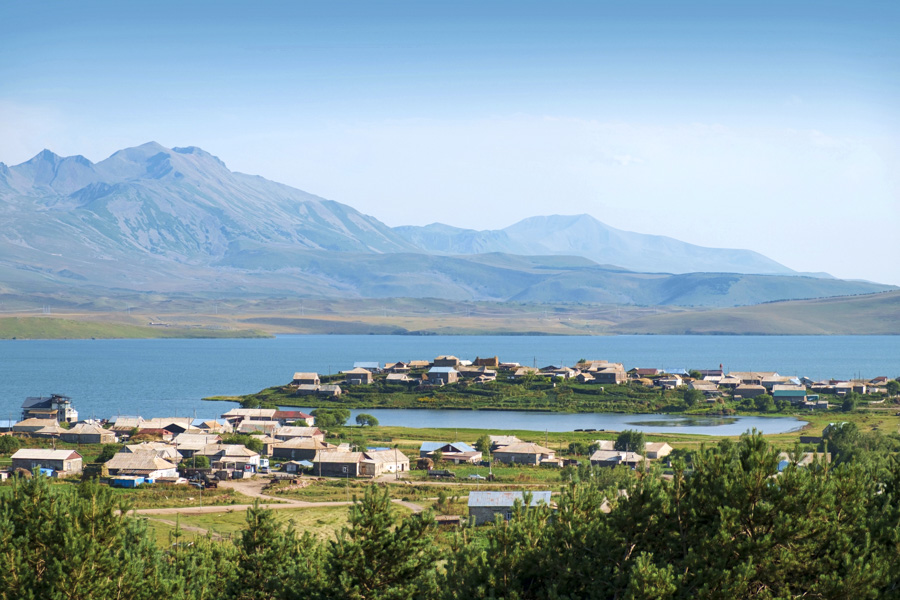
About 27 kilometres (16.8 miles) beyond Bakuriani lies Tabatskuri Lake, within the Ktsia Tabatskuri Managed Reserve, a protected area. The lake sits at roughly 2,000 metres (6,562 feet) and is surrounded by volcanic mountains, grassland and alpine villages. The road from Bakuriani crosses Tskhratskaro Pass, and an SUV is recommended.
For a cultural stop, Timotesubani Monastery lies in the forested valley between Bakuriani and Borjomi. Dating from the 11th century onwards, the monastery complex is centred on the Church of the Dormition, built in the 12th and 13th centuries. Inside are extensive mediaeval frescoes, including a large Last Judgement composition.
Entertainment, Parks and Shopping in Bakuriani
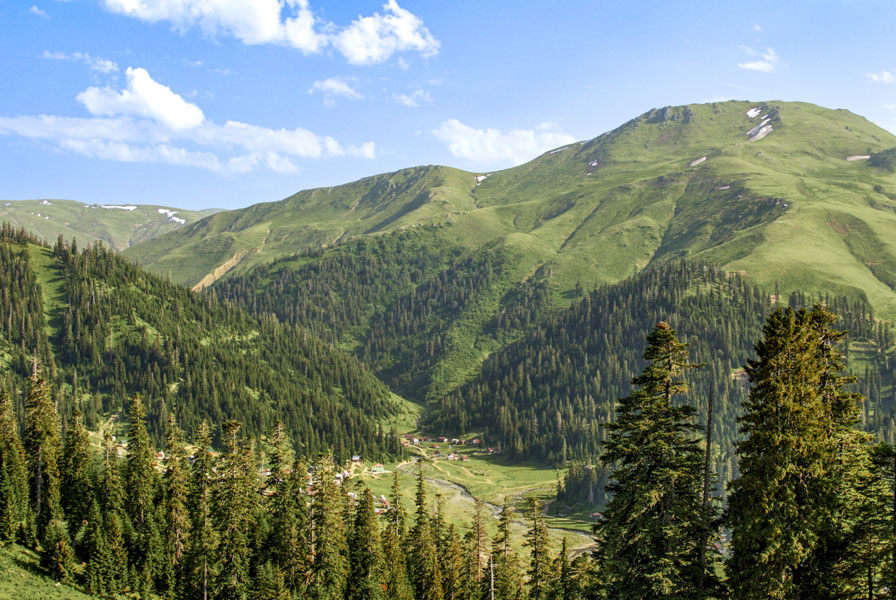
Bakuriani has more leisure infrastructure than a typical mountain settlement. Attractions, parks and hotel entertainment operate alongside the ski areas, with the busiest programme usually appearing during winter. Large events are seasonal, so visitors should check the current calendar before travelling.
Entertainment
Bakuriani’s entertainment scene becomes livelier during the winter ski season, particularly around weekends, holidays and organised events. Evening activity centres largely on restaurants, hotel bars, resort terraces and occasional live performances.
Recent seasons show how varied the programme can become. In January 2026, Bakuriani hosted the Giz Giz Festival, organised by the Georgian National Tourism Administration. The free event included live music, entertainment areas for adults and children, and dedicated food spaces.
In February 2026, the resort hosted Winter Jazz Bakuriani for the first time. Around 60 musicians performed across ten concerts during the two-day festival at Kokhta-Bakuriani Hotel. The programme included jazz, soul, funk and electronic music. Kokhta-Bakuriani currently has an indoor children’s playground and seasonal indoor ice skating.
Extreme sports enthusiasts can embark on a rafting route in the Mtkvari Gorge that begins at Chitakhevi and ends at Likani from late spring to summer.
Horseback rides are available year-round and offer a unique way to discover the breathtaking alpine landscapes of Bakuriani. Another active way to explore the high-altitude pastures, waterfalls, lakes, and surrounding area is by using a buggy, quad bike, or Jeep.
Parks
The main public green space is Bakuriani Recreational Park, usually known as Central Park. Covering roughly eight hectares, it underwent a major redevelopment completed in 2023. The park was planned around a family recreation concept and divided into sports, cultural and leisure areas.
Walking paths run through the wooded grounds, alongside children’s playgrounds, picnic areas and spaces for general recreation. One distinctive feature is an elevated pedestrian walkway connecting different levels of the park. Additionally, there is a football pitch and a small café. The redevelopment retained much of the existing landscape rather than replacing the wooded character with heavily built infrastructure.
Shopping
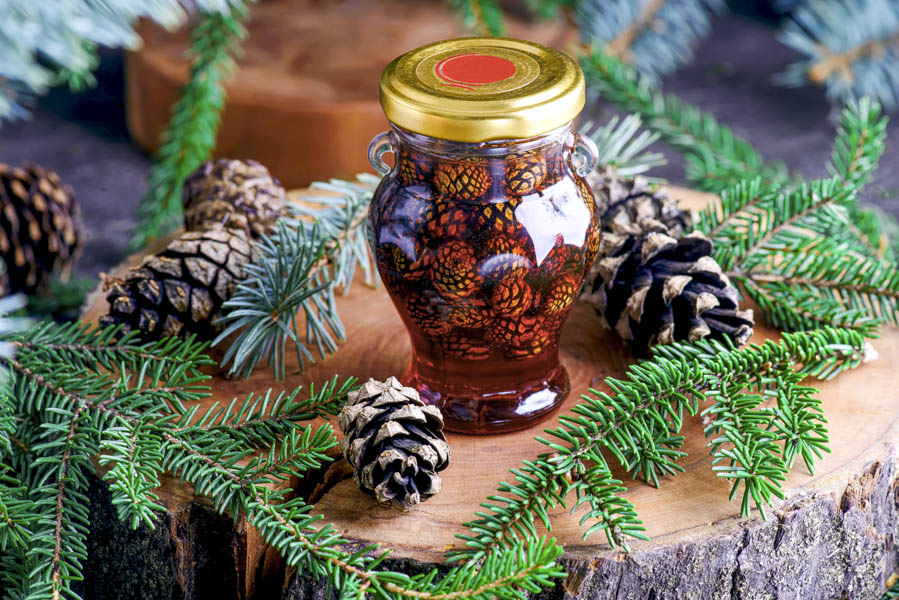
Shopping in Bakuriani is modest but closely tied to its identity as a mountain resort. Along Agmashenebeli Street, visitors can find small souvenir shops selling gifts and Bakuriani-themed keepsakes.
Food makes a more characteristic souvenir than general tourist merchandise. Honey and pine-cone jam are particularly associated with the Borjomi-Bakuriani area.
Travellers interested in local produce can visit Agro+, a family-run agro-market in central Bakuriani. It specialises in natural food products, with fruit and vegetables, meat, grains and bakery goods among its regular stock.
As expected from a ski resort, specialist winter shopping is another part of the retail scene. Ski and snowboard rental shops are around the centre and ski areas. Equipment, helmets and winter accessories are available alongside rentals.
Food in Bakuriani
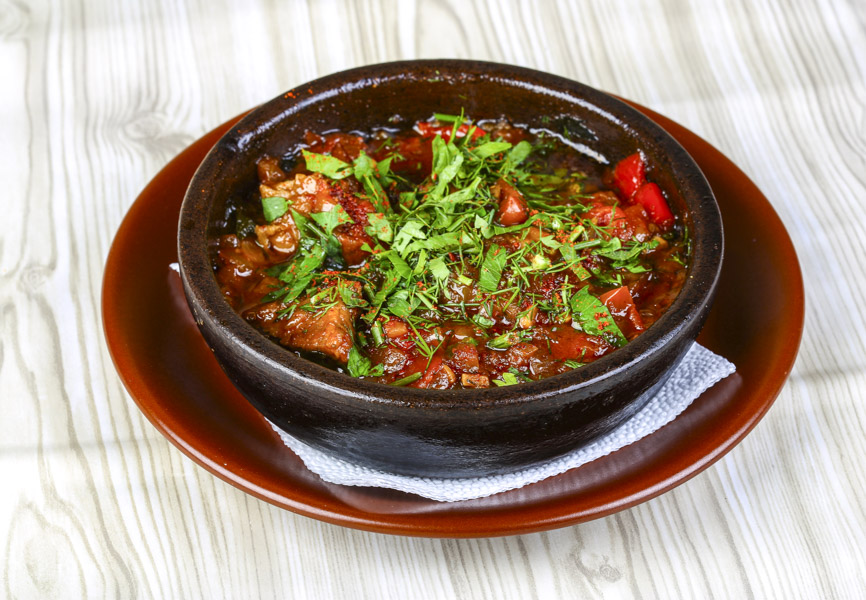
Bakuriani has a broad dining scene with Georgian restaurants dominating. Visitors will find European, Greek, Japanese, halal, and international food. Many Bakuriani restaurants cluster around the centre, Didveli and Kokhta, but larger hotels have their own.
Georgian Cuisine
Traditional Georgian food is the major cuisine to enjoy in Bakuriani. Mimino, Georgian Flavor and The Cellar of Vartsikhe are among the established Georgian restaurants currently operating in the resort.
Bakuriani lies in Samtskhe-Javakheti, a region with its own Meskhetian culinary traditions. Regional specialities include Meskhetian khachapuri, tenili cheese, tutmaji and apokhti, a salted and dried meat traditionally made with goose. These dishes are less widespread than standard Georgian classics, so availability should be checked locally.
Kokhta Kitchen provides one contemporary introduction to regional cooking. Its current menu includes apokhti khinkali with smoked goose, alongside Georgian dishes such as lobiani and mkhlovani.
Vegetarian Restaurants and Options
Vegetarians can eat comfortably in many Georgian restaurants because numerous traditional dishes contain no meat. Vegetarian choices include lobio, a bean stew, and pkhali, vegetables mixed with walnuts and herbs. Ajapsandali is a vegetable stew, while khachapuri is Georgia’s traditional cheese-filled bread.
Vegans should check ingredients carefully, since butter, cheese, eggs and matsoni are widely used in Georgian cooking. Mimino is vegetarian-friendly with vegan options. Kokhta Kitchen features numerous meat-free dishes on its menu, including grilled vegetables and a falafel salad.
International restaurants can provide additional choices, particularly during the busy ski season. Still, travellers following a strict vegan diet should confirm ingredients when ordering rather than relying only on menu descriptions.
Cafés, Bakeries and Patisseries
Bakuriani’s café scene includes simple coffee stops in the centre and mountain cafés around the resort areas. Cafe Aspen, within Crystal Resort, serves Georgian and European food alongside coffee. Cafe Skyline sits higher on the mountain and pairs drinks and meals with views across Bakuriani.
Bakuriani has other and more varied coffee and dessert spots, including Cafe 25, Sweet Point and Chimney Cake & Ice Cream. The latter specialises in chimney cakes and ice cream, while the others serve coffee, cakes and light desserts.
Getting Around Bakuriani
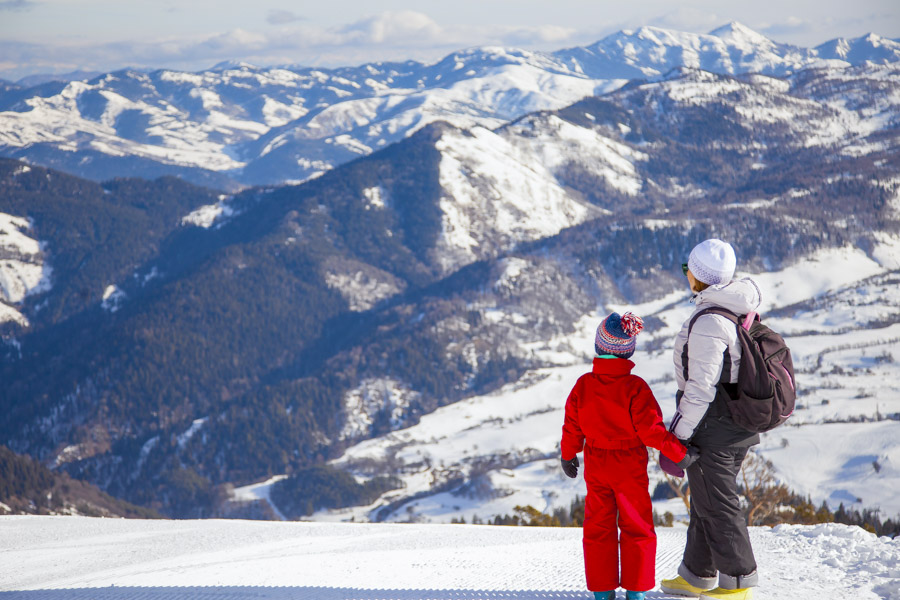
Getting around Bakuriani is relatively straightforward, although the resort is more spread out than its centre suggests. Didveli lies about 3 kilometres (1.9 miles) south of central Bakuriani; Kokhta is around 4 kilometres (2.5 miles) east. The two major ski areas are about 8 kilometres (5 miles) apart by road, so transport is necessary when carrying ski equipment.
Walking
Central Bakuriani is easy to cover on foot. Restaurants, shops, parks and many guesthouses are concentrated around the centre and the main streets.
Walking becomes less practical when travelling between the centre and the ski areas. Pavements are not continuous on every road, particularly around Kokhta and parts of the route towards Didveli. Snow and ice can make walking slower during winter.
Buses and Taxis
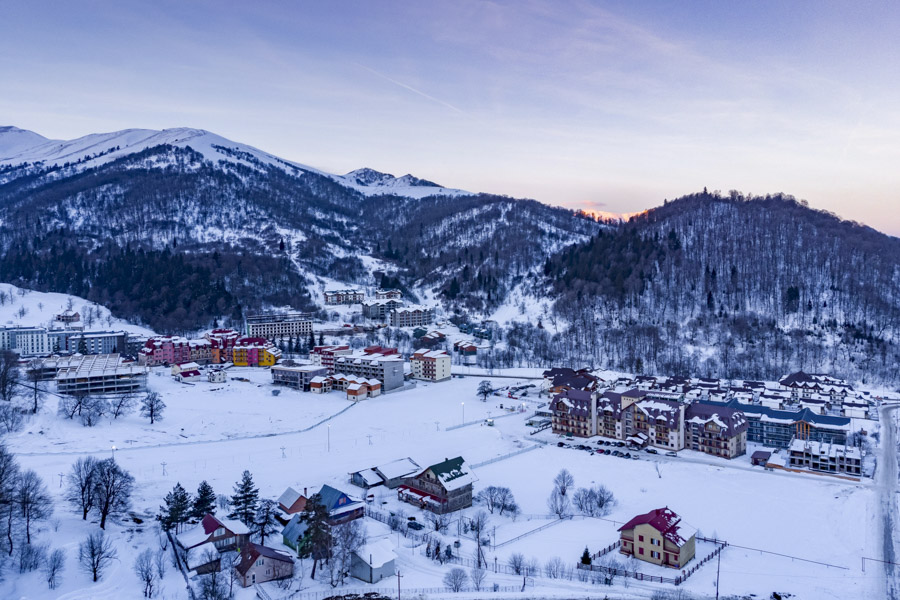
Public buses connect Didveli, central Bakuriani and Kokhta throughout the day. Two local routes currently operate through the resort, and Didveli has services towards both Kokhta and the town. The fare is 1 GEL per journey, and payment is made by bank card.
Taxis provide a more flexible alternative, particularly for groups and travellers carrying ski equipment. The Bolt app currently operates in Bakuriani, alongside local taxis can be arranged directly.
Driving and Parking
A private car is useful but not essential. It makes moving between accommodation, restaurants and separate ski areas easier, especially during longer stays.
Most central roads are paved, although road quality varies, and snow or ice can affect driving in winter. Paid parking is available around the main ski areas and in parts of the town. During busy winter weekends and holidays, roads and parking areas can become considerably more crowded.
How to Get to Bakuriani
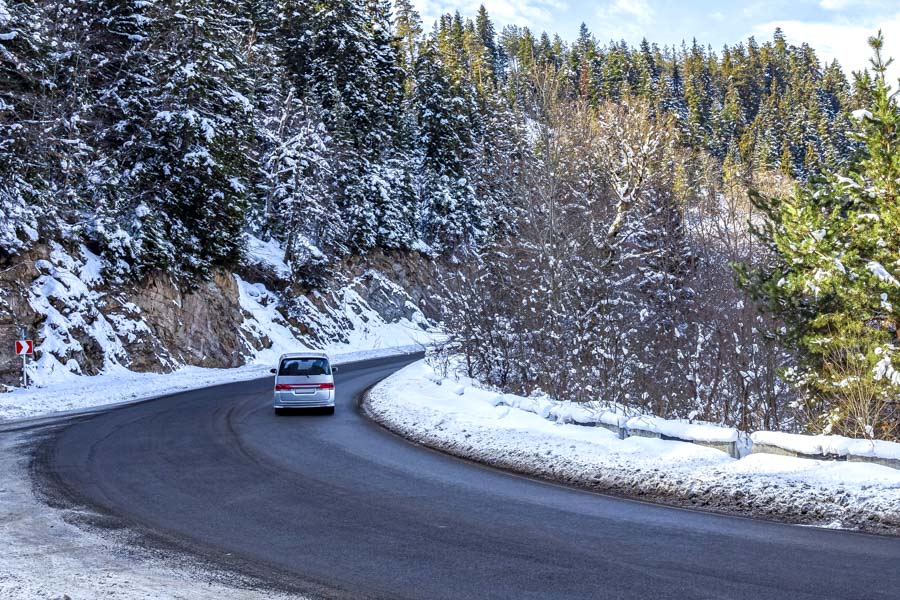
Bakuriani lies about 185 kilometres (115 miles) southwest of Tbilisi and only 30 kilometres (18.6 miles) from Borjomi. Most visitors arrive by road, with private transfers, marshrutkas and cars, providing the simplest connections. The journey from Tbilisi usually takes around three to four hours.
From Tbilisi to Bakuriani
The Tbilisi to Bakuriani route passes Gori and Khashuri before turning south towards Borjomi. From there, the final 30 kilometres (18.6 miles) climb through the mountains to the resort.
Direct marshrutka minibuses leave from the Didube transport area in Tbilisi, including Nige Bus Station. Current 2026 information shows at least four daily departures, with a journey of around three hours in good conditions. The fare is about 20 GEL, although schedules and prices should always be checked before departure.
From Borjomi to Bakuriani
Borjomi to Bakuriani is the main local connection and takes around 45 to 60 minutes by road. Marshrutkas leave Borjomi Bus Station several times each day, with taxis and private transfers available for greater flexibility. This route is useful for travellers already visiting Borjomi or arriving there by train.
By Train
There is currently no direct passenger train to Bakuriani. Two daily trains run between Tbilisi and Borjomi, taking slightly more than four hours. Travellers then continue to Bakuriani by marshrutka, taxi or private transfer. Georgian Railway currently lists departures from Tbilisi at 06:35 and 18:35.
The historic narrow-gauge Borjomi–Bakuriani railway, known as the Kukushka, has not operated since 2020. Georgian Railway began a full rehabilitation project in April 2026, covering trains, stations and electrical infrastructure. The company plans four daily services after reconstruction, but no passenger timetable has yet been announced.
Driving to Bakuriani
Driving provides the greatest flexibility, particularly for visitors staying several days or travelling with winter sports equipment. From Tbilisi, follow the main highway towards Khashuri, then continue through Borjomi to Bakuriani.
The road is paved, but the final section from Borjomi climbs through mountain bends and requires greater care in winter. Heavy snow can occasionally lead to temporary traffic restrictions.
From 1 December to 1 March, winter tyres are legally mandatory on the Borjomi–Bakuriani–Akhalkalaki road. The requirement covers the entire 82-kilometre (51-mile) Borjomi–Akhalkalaki section, including the road through Bakuriani. Chains may also be required under particular weather conditions.
Travellers driving during heavy snowfall should check current conditions with Georgia’s Roads Department before departure.
Languages
Georgian is the official language and the main language spoken in Bakuriani. It uses the Georgian alphabet, which is different from the Latin script used in English.
English is widespread in Georgia’s tourism sector, and particularly in international resorts such as Bakuriani. Hotels, restaurants, ski schools and other visitor services commonly have English-speaking staff. English-speaking ski instructors are available locally. Many older residents can also understand Russian, however, English is sufficient for most everyday travel arrangements.
Security
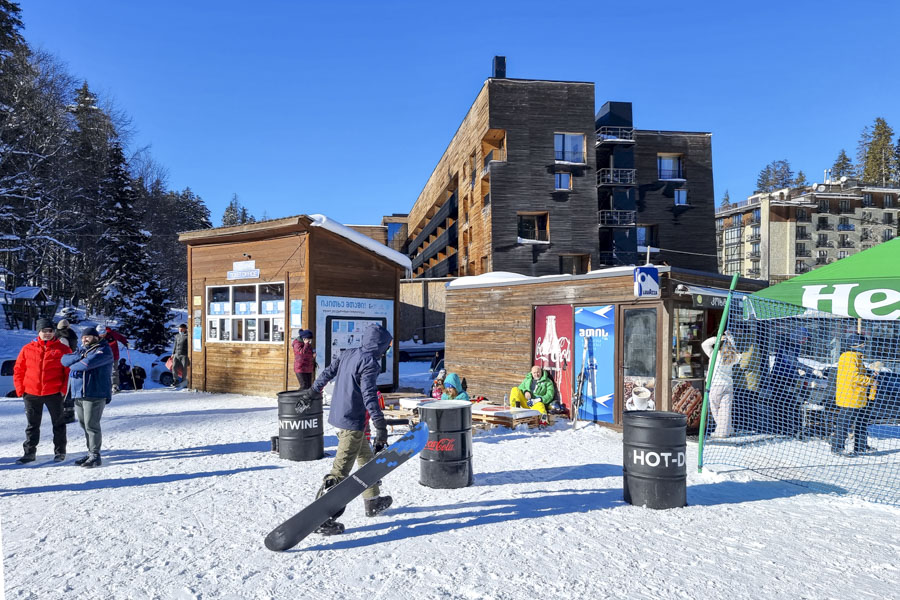
Bakuriani is generally a peaceful mountain resort, and most visitors spend their stay moving between hotels, ski areas, restaurants and recreational spaces without difficulty.
In winter, preparation for mountain conditions is more important than typical city precautions. Check the weather and lift status before skiing, stay on marked pistes and choose slopes suited to your experience. Snow and ice can affect roads and walking conditions around the resort.
Visitors planning to ski, snowboard or take part in other mountain activities should have suitable travel insurance. Since 1 January 2026, foreign tourists entering Georgia are required to hold health and accident insurance covering their stay.
For urgent assistance, 112 is Georgia’s nationwide emergency number. It operates around the clock and connects callers with ambulance, police and fire or rescue services. Bakuriani is well-equipped with a clinic that operates 24 hours and which is located near Bakuriani Inn.