

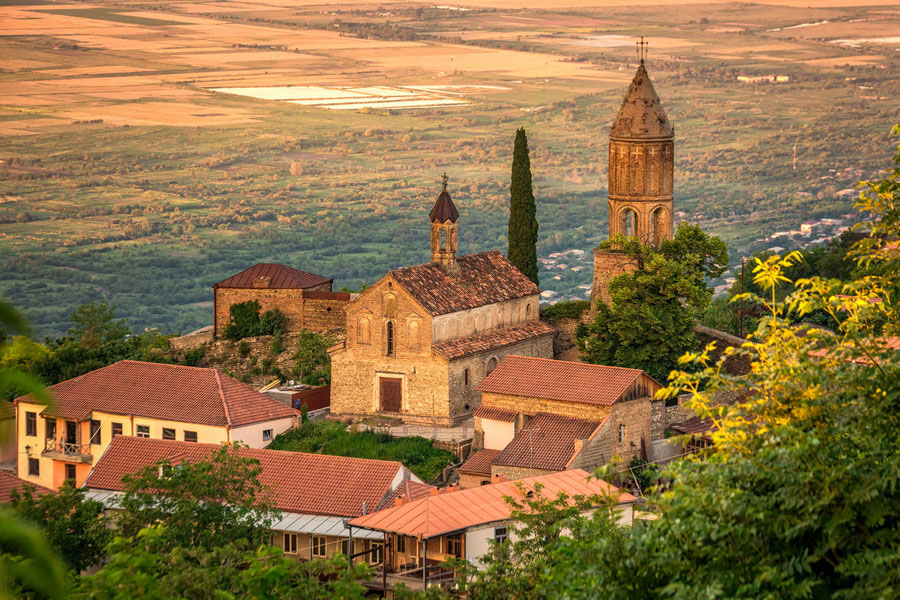
Sighnaghi, Georgia’s City of Love, is perched on a hillside above the Alazani Valley in the Kakheti wine region. Red-tiled houses, carved wooden balconies and narrow cobbled streets fill the historic centre, with the Caucasus Mountains beyond. Sections of its 18th-century Sighnaghi city walls still overlook the surrounding countryside.
Also spelt Signagi, it is one of Georgia’s smallest towns, and much of its historic centre can be explored on foot. The town owes its romantic nickname to its Wedding House, where couples could once marry even in the middle of the night.
Many travellers visit Sighnaghi on a day trip from Tbilisi, often alongside wineries and nearby historical sites. Historically a town of merchants, Sighnaghi belonged to the Caucasus trading networks, with connections to the Silk Road. Staying overnight allows more time to wander its tranquil streets, enjoy traditional Kakhetian food and enjoy Sighnaghi wineries. Our Sighnaghi travel guide covers everything from its streets and religious sites to natural wine and practical travel information.
Sighnaghi Tours
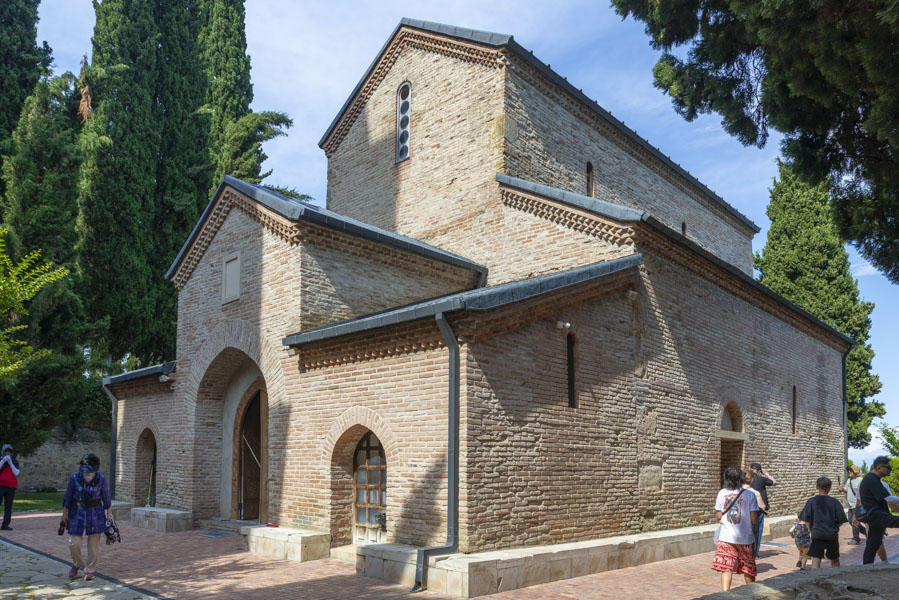
Most Sighnaghi tours form part of a wider journey through Kakheti, with the town serving as one of several stops. Sighnaghi sightseeing tours usually include the old streets, fortress walls and panoramic views of the Alazani Valley. Nearby Bodbe Monastery is a frequent addition, while Sighnaghi wine tours usually include family cellars and larger wineries.
A one-day Kakheti tour from Tbilisi includes Sighnaghi, Bodbe Monastery, the Tsinandali Estate and Telavi. An overnight stay in Telavi leaves more time for sightseeing without fitting every stop into a single day. A two-day itinerary adds Gremi, Alaverdi Cathedral and wine tasting in Kvareli, discovering more of the region.
Longer Georgia tours place Sighnaghi alongside destinations such as Mtskheta, Kazbegi and Tbilisi. Private trips allow greater flexibility over the schedule, and small-group departures follow planned itineraries. Since many routes cover several destinations, it is worth checking how much time is allocated to Sighnaghi itself.
History of Sighnaghi
Human settlement around Sighnaghi dates back to the Palaeolithic period, but the town itself is much younger. In ancient Greek accounts, the wider region was known as Kambechovani and belonged to the Kingdom of Iberia.
Nearby Bodbe became an important Christian site following Saint Nino’s burial there in the 4th century. During the Middle Ages, Khornabuji served as the region’s centre and stood on a major caravan route. After the Mongol invasions of the 13th century, its importance declined, and activity gradually shifted towards Kiziki.
Modern Sighnaghi took shape in the 18th century under King Erekle II of the Kingdom of unified Kartli-Kakheti. In 1762, he ordered the construction of a fortress to protect the surrounding population from raids originating in Dagestan. The name Sighnaghi comes from a Turkic word meaning “shelter”, reflecting the defensive purpose of the town. By 1770, royal records listed around 100 families, primarily merchants and craftspeople.
Trade routes connecting Tbilisi, the ancient kingdom of Hereti, and Telavi helped Sighnaghi develop into a commercial centre. After the Russian Imperial Empire annexed eastern Georgia in 1801, the town became a district administrative centre the following year. Residents participated in the Kakhetian uprising against Russian rule in 1812. During the 19th century, local guilds practised 20 crafts, and the main square accommodated 131 shops and trading stalls.
Armenians formed a substantial part of the population, contributing to the town’s commercial and cultural development. An 1851 record counted 4,267 Armenian residents and 200 Georgians, with Armenian churches and schools serving the community. By the late 19th century, travelling theatre companies, musical ensembles and salon gatherings had become part of local life. This is no longer the case today.
During the Soviet period, Sighnaghi remained an agricultural centre. Following Georgia’s independence in 1991, the town faced economic challenges. A major restoration project, carried out in 2007, made it possible to renovate historic buildings and streets, modernise the museum and foster the development of tourism.
Best Time to Visit Sighnaghi
The best time to visit Sighnaghi depends on what you want to experience. The town welcomes couples getting married and visitors to Bodbe Monastery throughout the year. Christmas and Easter offer opportunities to experience important religious and cultural celebrations. Wine tasting and local gastronomy are highlights, especially during the autumn grape harvest. In every season, the surrounding countryside offers opportunities for outdoor adventures or simply relaxing amid beautiful scenery.
| Season | Average High | Average Low | Precipitation |
| Autumn (Sep – Nov) | 16.5°C (62°F) | 9°C (48°F) | 78 mm (3.1 in) |
| Winter (Dec – Feb) | 6.5°C (44°F) | −1.5°C (29°F) | 28 mm (1.1 in) |
| Spring (Mar – May) | 15.4°C (60°F) | 6.8°C (44°F) | 111 mm (4.4 in) |
| Summer (Jun – Aug) | 26.6°C (80°F) | 18.2°C (65°F) | 92 mm (3.6 in) |
In spring, especially from April, fresh vine leaves and flowering trees change the countryside around Sighnaghi. Warmer spring days suit walks along the fortress walls and visits to Bodbe Monastery, although rainfall becomes more frequent. May is typically the wettest month, and some winemakers begin tasting wines produced during the previous autumn’s harvest.
Summer brings long evenings, with the daytime of July and August being hot. The exposed fortress walls receive direct sunlight, making morning walks preferable to afternoon sightseeing. Restaurant terraces are particularly appealing after sunset, although summer haze can sometimes obscure views of the Greater Caucasus Mountains.
Autumn, especially September and October, is ideal for wine lovers when the rtveli - grape harvest - takes place. Wineries in the surrounding villages press freshly picked grapes, and some arrange harvest activities for visitors. September days are cooler and changing vineyard colours arriving in October.
In winter, vineyards below the town are bare, and the Greater Caucasus Mountains are covered in snow. Snow occasionally reaches Sighnaghi itself, and nights are freezing. Fog can conceal the mountains, and cold winds make the fortress walls less comfortable for walking. Some smaller wine cellars operate seasonally, so arrange tastings beforehand.
Things to Do in Sighnaghi
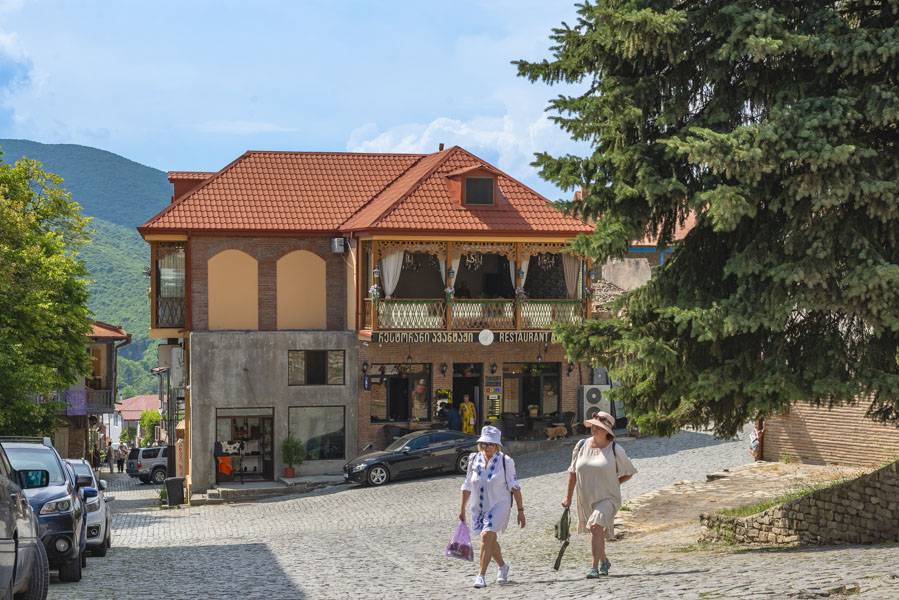
Many Sighnaghi attractions are centred around Erekle II Square. From here, narrow streets climb towards St George’s Church and the old fortress gates. Beyond the restored façades, carved balconies, small courtyards and older houses occupy the hillside.
Places to Visit in Sighnaghi
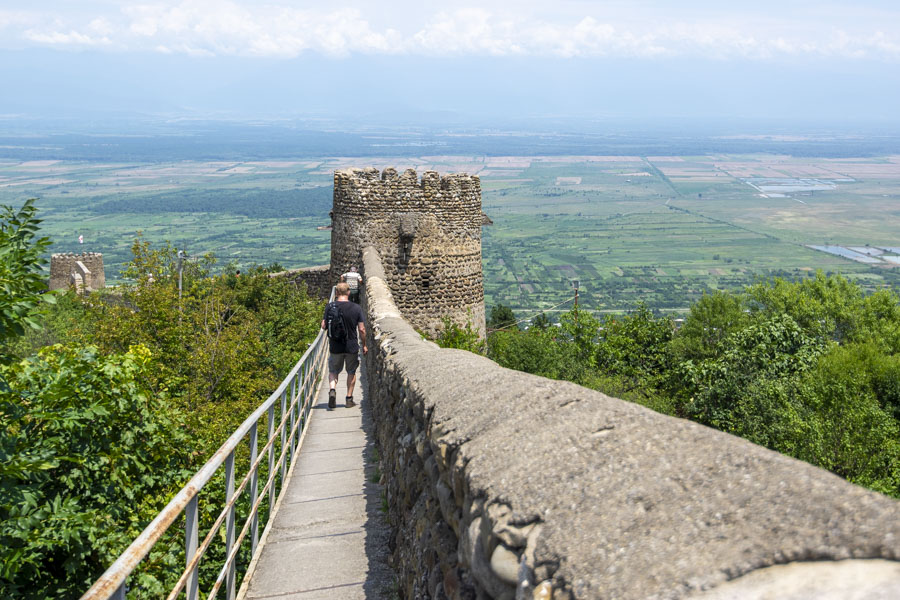
You can walk sections of the four-kilometre (2-mile) of the Sighnaghi Fortress Wall, which includes 23 towers and six gates. Built in the 18th century as a defensive fortification and refuge for the surrounding population, the wall still overlooks the countryside. As you explore, look for the village names carved into the towers and the substantial stonework. The stretch near Gorgasali Street provides extensive views across the Alazani Valley towards the Greater Caucasus Mountains.
Unique Experiences in Sighnaghi
Georgian wine tasting in Sighnaghi is possible without travelling to the surrounding vineyards. Small cellars such as Kerovani and Pheasant’s Tears introduce visitors to local grape varieties and traditional qvevri winemaking. Tastings provide an opportunity to compare amber and red wines and learn about fermentation in clay vessels buried underground.
In nearby Kvemo Magharo, craftswoman Lamara Bezhashvili has revived traditional silkworm breeding at her Silk House workshop. Visitors can learn how silkworms are raised and silk is spun into thread, with practical activities available by reservation.
Sighnaghi as the City of Love
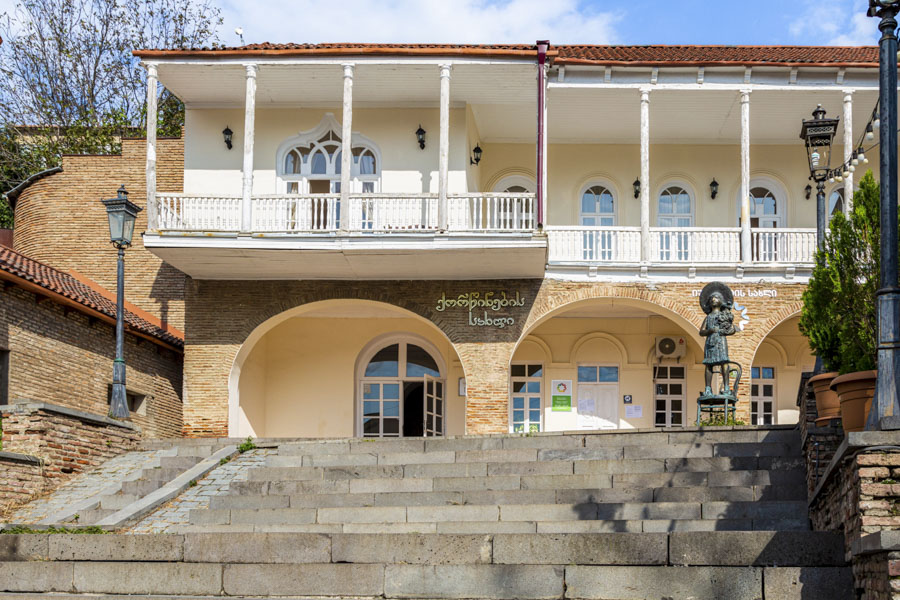
Getting married in Sighnaghi is one of the town’s most distinctive experiences. Foreign couples can register a civil marriage at the Sighnaghi Wedding House on Kostava Street, provided they meet the required documentation rules. The Wedding House operates Wednesday to Sunday, from 09:00 to 18:00.
Sighnaghi is also popular for honeymoons, anniversaries and Valentine’s Day stays. Several hillside hotels, including Kusika, Villa Provence, Panorama and Brigitte, have outdoor pools overlooking the surrounding landscape.
Pilgrimage and Church Visits
Pilgrimage is an important reason to visit Sighnaghi. About three kilometres from town, Bodbe Monastery preserves the grave of St Nino, who played a central role in Georgia’s conversion to Christianity. A steep woodland path descends to St Nino’s Spring, where pilgrims bathe in the holy water.
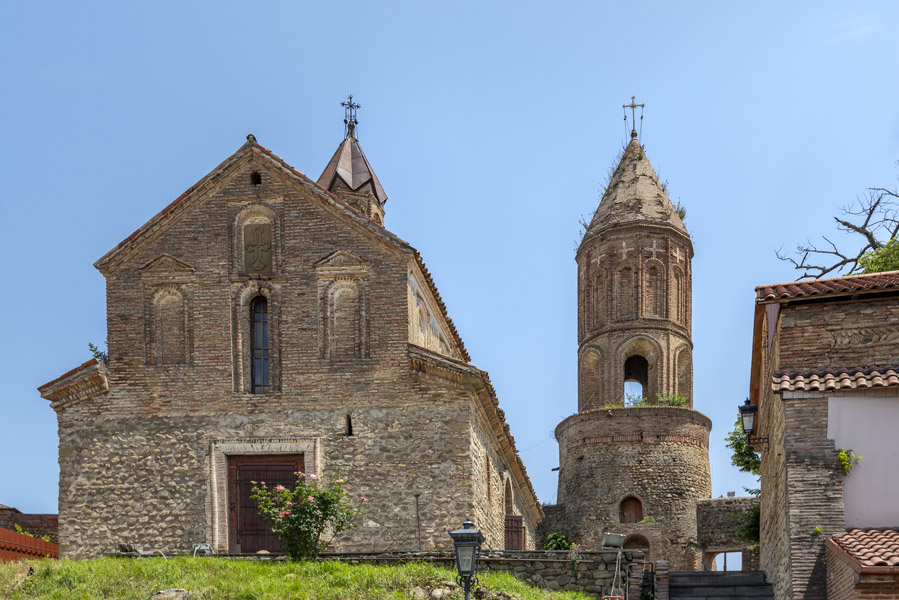
Within Sighnaghi, St Stephen’s Church is built into one of the fortress towers, while 19th-century St George’s Church stands beside the northeastern wall. The newer Queen Tamar Church was built in 2007.
Visitors can attend Orthodox services when permitted, with Christmas on 7 January and Easter among the main religious celebrations. Services may include Georgian polyphonic church singing, while schedules should be confirmed locally.
Other sacred springs include Tavgatekhila Spring on Bidzina Kvernadze Street and Ormila Spring, around 500 metres from the centre.
Villages Near Sighnaghi
Several villages around Sighnaghi add crafts, museums, markets and countryside stops to a longer stay. Among the most useful for travellers are Nukriani, Mirzaani, Anaga, Bodbiskhevi, Kvemo Magharo, Vakiri and Zemo Bodbe.
In Nukriani, the hillside Peace monument, created by sculptor Nugzar Manjaparashvili in the 1970s, overlooks the surrounding countryside. The village is also known for its craft workshops and seasonal lavender fields, which usually begin flowering in June.
Mirzaani is closely associated with painter Niko Pirosmani and has his house-museum, while Anaga has the Sandro Akhmeteli House-Museum. Bodbiskhevi is known for its long-running Sunday bazaar, and Vakiri has family-run food experiences based around local produce.
Near Zemo Bodbe, a 23-hectare protected forest contains broad-leaved and coniferous trees, including species planted during the Soviet period. Paata Spring stands near the main entrance.
The villages are spread across Sighnaghi Municipality, so a car or driver is the easiest way to combine several in one day.
Sighnaghi Museums
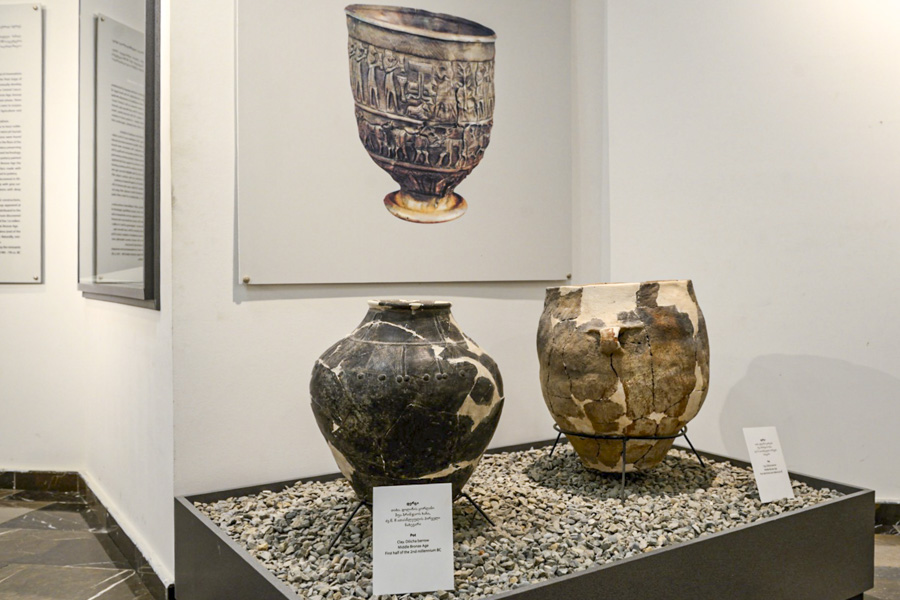
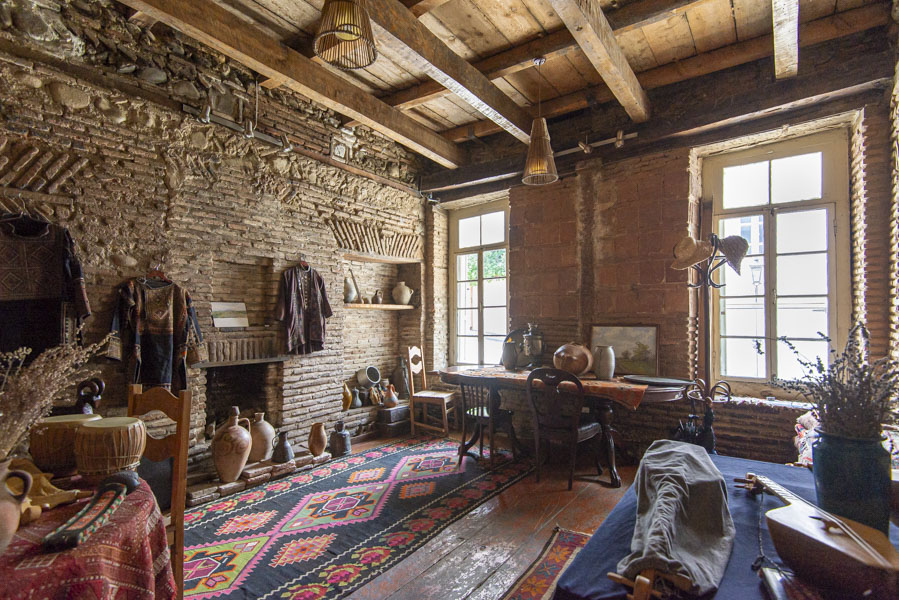
The Sighnaghi Historical and Ethnographic Museum on Tamar Mepe Street is the best starting point for the town’s history and artistic heritage. Reopened in its present form in 2007, it displays archaeological finds, mediaeval artefacts and ethnographic collections from eastern Georgia. Among the exhibits are traditional textiles, musical instruments, winemaking tools and historical coins. Its art gallery holds original paintings by Niko Pirosmani, one of Georgia’s most celebrated artists.
The Vano Sarajishvili Memorial Museum traces the life of the opera tenor born in Sighnaghi in 1879. Photographs, stage costumes, posters and recordings document his performances in Georgia and at Milan’s La Scala. Admission is free.
Another museum honours Sandro Mirianashvili, a Sighnaghi-born composer, painter and ethnographer. His house museum preserves original paintings, musical scores, instruments and ethnographic objects he collected.
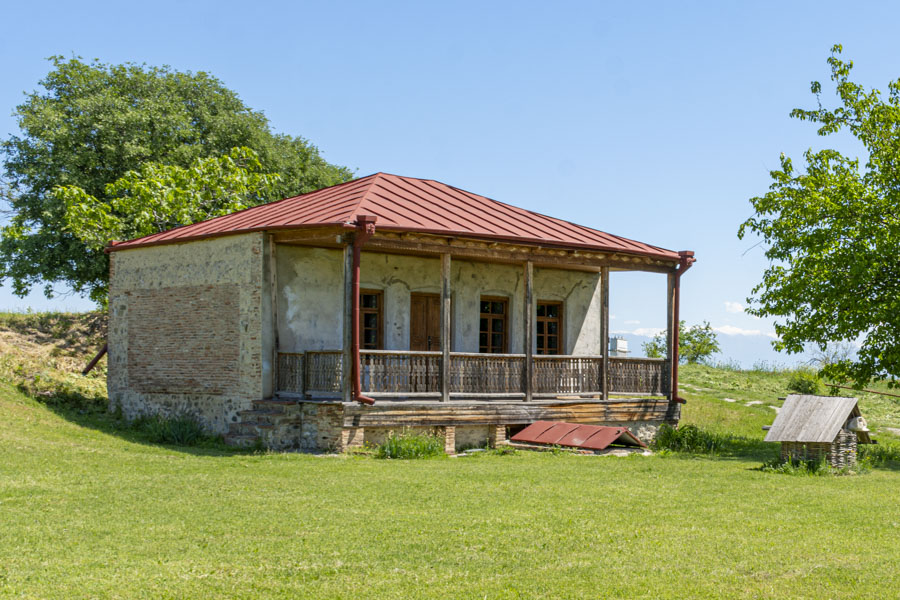
Outside Sighnaghi, the Niko Pirosmani House Museum in Mirzaani honours the self-taught Georgian painter born here in 1862. His depictions of animals, feasts and everyday life gained international recognition, with exhibitions at the Louvre and a portrait by Pablo Picasso. Established in 1960, the museum preserves a house Pirosmani built for his sister, alongside original paintings, personal belongings and Picasso’s portrait lithograph.
As of November 2026, the Sandro Mirianashvili museum and the Niko Pirosmani House Museum are temporarily closed for renovations, and no reopening date has been announced. Check whether it has reopened before visiting.
Other museums in the municipality include the Sandro Akhmeteli House-Museum in Anaga, dedicated to the theatre director executed during Stalinist repression in 1937. The Irodion Evdoshvili House Museum in Bodbiskhevi preserves the poet’s belongings, manuscripts and publications.
Theatres in Sighnaghi
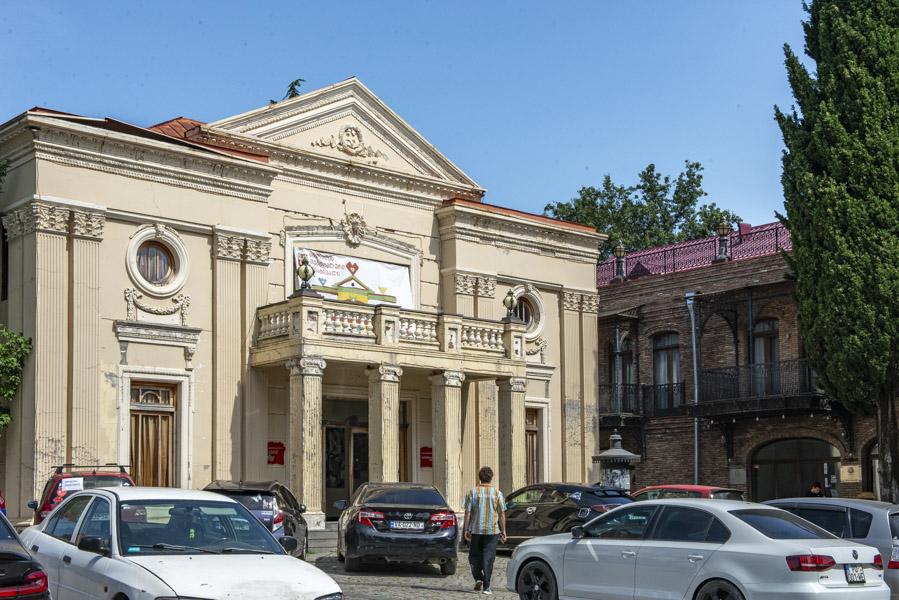
The Sighnaghi Municipal Theatre, located on Davit Aghmashenebeli Square, has a theatrical tradition dating back to 1872. Its history began with a play by Georgian dramatist Giorgi Eristavi, staged by students returning from St Petersburg. Today, the theatre maintains a local acting company, staging Georgian-language productions and occasionally hosting visiting ensembles.
One of its main annual events is the Sighnaghi International Theatre Festival, held in early June. The 2026 edition brought together eight Georgian companies and international troupes from Lithuania, Ukraine and Spain. The town hosts the Kiziki International Children’s Theatre Festival as well. Performances are not scheduled every evening, so visitors should check local cultural announcements before planning a visit.
Entertainment, Parks and Shopping
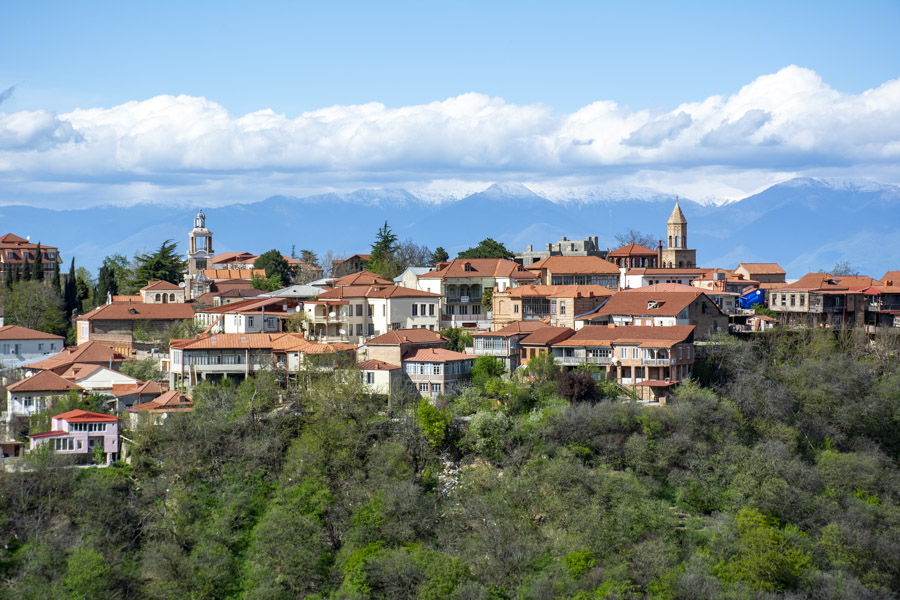
Shaded gardens break up walks through Sighnaghi, and small shops display feltwork, knitwear and leather goods. On festival days, concerts and craft stalls occupy the town’s streets and squares. Beyond Sighnaghi old town, more adventurous and offbeat experiences are available in the city.
Entertainment
Operating throughout the year, the Sighnaghi zipline runs beside Baratashvili Street, covering approximately 400 metres (0.25 miles) in about a minute. In nearby Kedeli, Lost Ridge Ranch arranges horse rides through surrounding hills and villages, lasting one to four hours. Sighnaghoba, the town’s autumn festival, fills streets and squares with folk performances, craft stalls and children’s activities.
For a bird’s-eye view of Sighnaghi, the Caucasus Paragliding Development and Promotion Club offers tandem flights near the historic city walls, accessed via the Tsnori Highway. Flights with certified instructors last around 7 to 15 minutes, depending on the weather, and cost 250 GEL. The service operates from 10:00 to 19:00, and advance booking is required. Wear comfortable clothing.
For four gorgeous hikes around Sighnaghi, explore the Cultural Heritage route 9.7 kilometres (6.0 miles), following the old town walls before descending through pomegranate groves to St Nino’s spring and Bodbe Monastery. Further afield, the challenging scenic hike from Dedoplistskaro (15.3 kilometres (9.5 miles)) and the trail via Khornabuji to St Elias Church (17.7 kilometres (11.0 miles)) offer longer countryside adventures. For a gentler option, walk the roughly (5-kilometre (3.1-mile)) route from Sighnaghi to Tsnori; one section is reported to be overgrown, so check the path before setting out.
Sighnaghi Parks
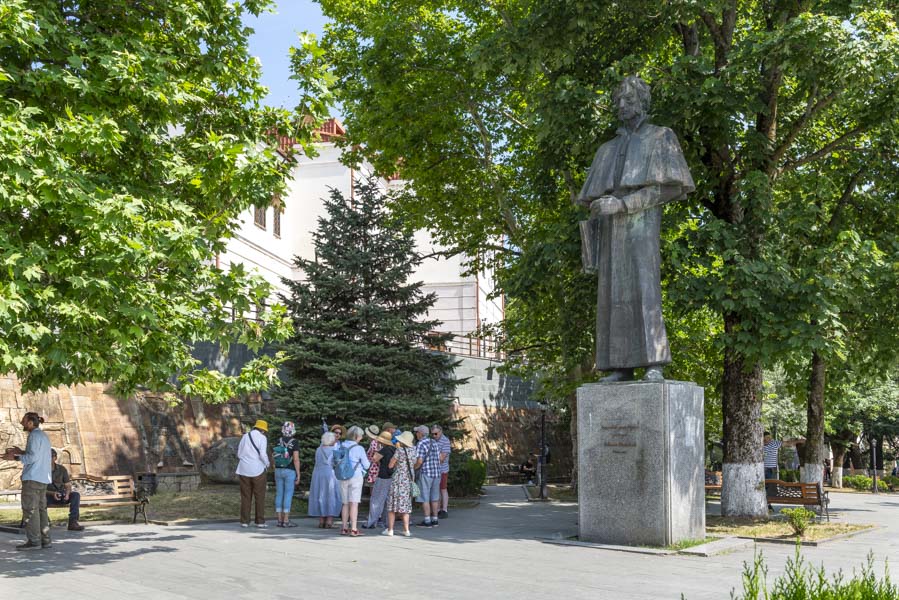
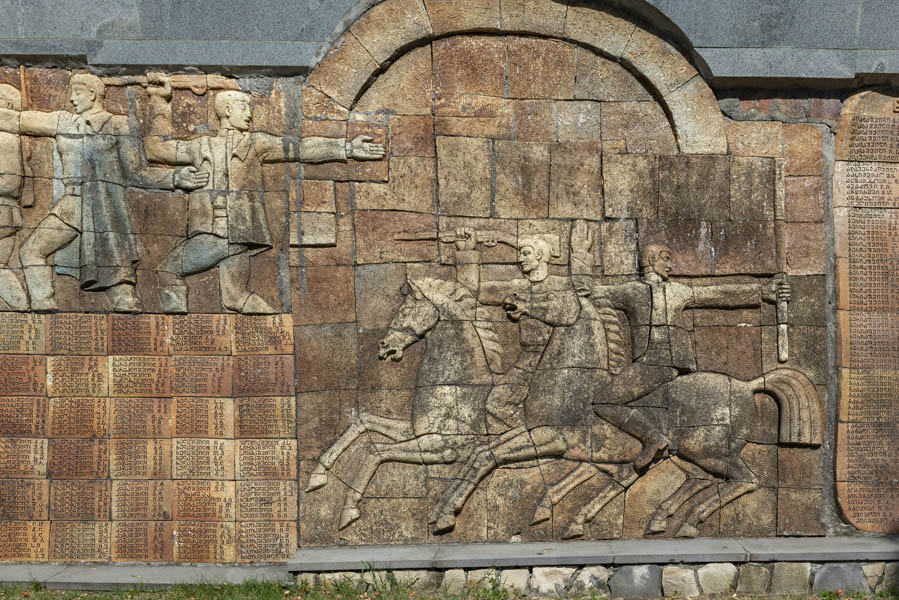
With shaded paths, benches and children’s play area, Sighnaghi Boulevard sits beside the town’s war memorial. Monuments honour philosopher Solomon Dodashvili and composer Bidzina Kvernadze. The Second World War memorial honours local war heroes, whose names appear beside reliefs of soldiers and historic buildings.
Also known as “Grand Parent’s Garden”, Bebrebis Bagi occupies a smaller space near Lolashvili Street. It was laid out in the 1950s above former wine and spirit cellars, where older residents traditionally gathered.
Northwest of the centre, the Ethnographic Park covers around 8,300 square metres (2.06 acres) of conifer-planted grounds. Its former cinema and children’s attractions are no longer in use.
Shopping in Sighnaghi
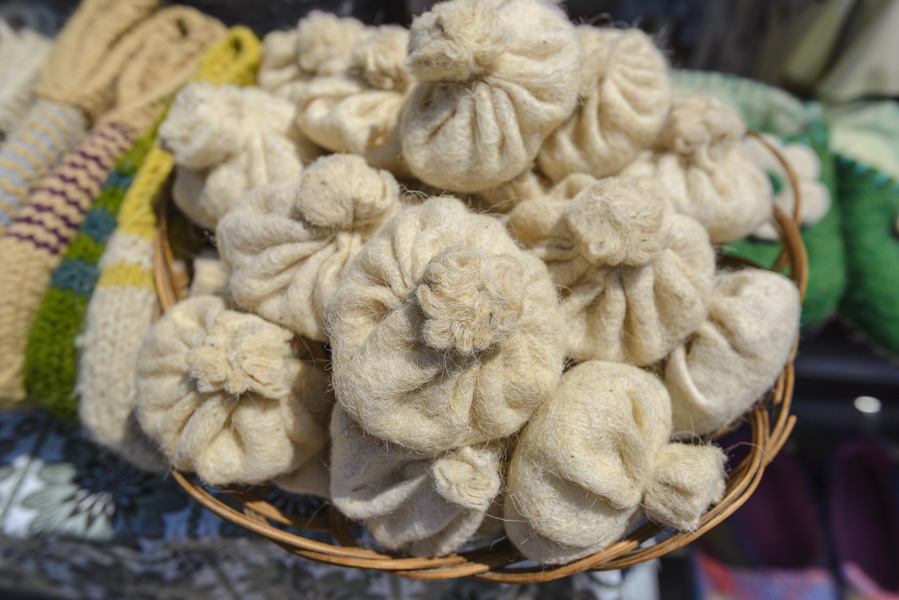
Opened in 2023, the New Bazaar on Kostava Street sells fruit, vegetables, feltwork, carpets, jewellery and souvenirs from 9am to 10pm. For handmade goods, Shina Bodbe on Aghmashenebeli Square stocks feltwork, knitted clothing, jewellery and paintings. Tani, at 1 Vano Sarajishvili Street, specialises in handmade leather accessories.
In nearby Nukriani, Nukriani Workshops makes felt accessories, bags, dolls and other textile crafts. Founded in 2007, the social enterprise provides employment and craft training for local women. Bodbiskhevi Bazaar, approximately nine kilometres from Sighnaghi, operates on Sundays, with trading starting at 06:00. Established in 1914, the market sells fruit, vegetables, cheese, churchkhela, clothing and household goods.
Food in Sighnaghi
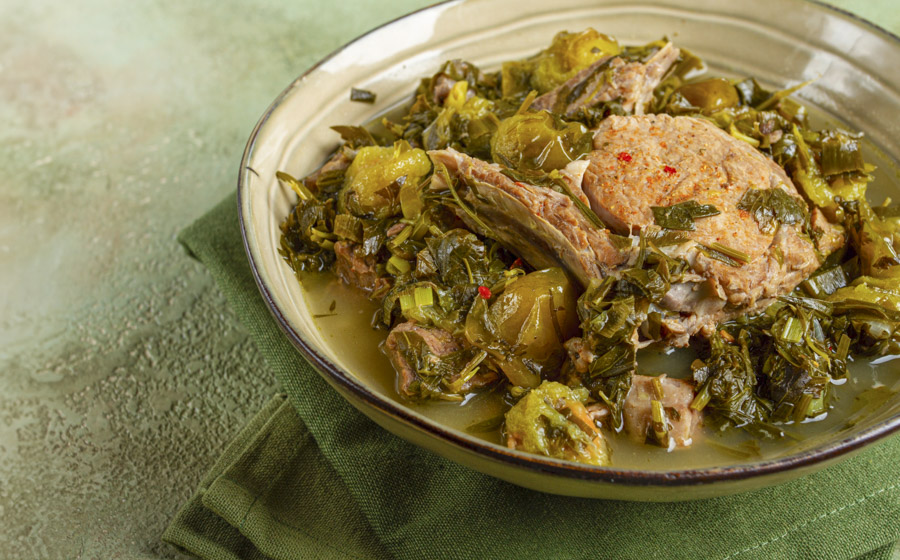
Food in Sighnaghi draws on Kakhetian cuisine, with grilled meat, seasonal vegetables, fresh cheese, and local wine. Sighnaghi restaurants range from family kitchens to hotel dining rooms and terraces overlooking the surrounding hills. Beyond town, village hosts prepare meals with produce from their own farms, and some arrange cooking classes and tours.
Georgian Cuisine
Two staples of Georgian cuisine are mtsvadi, Kakhetian pork grilled over vine embers, and khashlama, large pieces of slowly boiled beef. Spring brings chakapuli, lamb or veal stewed with tarragon, green plums and white wine. Fresh herbs, pickles and cheese often accompany the meat.
In nearby Nukriani, Dergi serves regional dishes under the direction of renowned Georgian master chef Levan Kobiashvili, recognised as the President of Bocuse d’Or Georgia in 2019 and the Georgian Culinary Federation. Its menu includes guda cheese served with local oil and ajika, a spicy pepper-and-garlic paste, alongside veal in wine sauce. Desserts include baked quince, strained yoghurt and tarts filled with tatara, a pudding made from grape juice and wheat flour.
Within Sighnaghi, Mtevani serves Georgian dishes and arranges master classes in khinkali dumplings folding, bread baking and churchkhela making. In Vakiri, seven kilometres from Sighnaghi, the Demetrashvili family runs Kakhetian House Vakirelebi. The family serves farm-grown food and provides cooking classes for the visitors.
Experience locally made beer at the Lost Ridge Inn, about 2 kilometres (1.2 miles) from Sighnaghi. In addition to offering horse-riding sessions and accommodation, the owners brew a variety of beers on site.
Vegetarian Restaurants
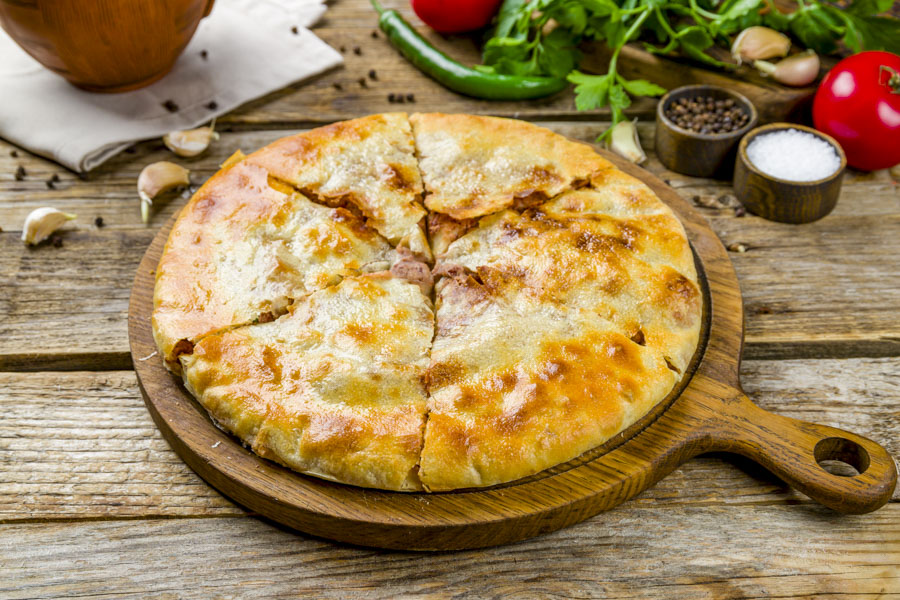
Vegetarian meals are available at restaurants with mixed menus, with beans, mushrooms and walnuts appearing in many dishes. Lobio is a bean stew, ajapsandali consists of stewed vegetables, and lobiani is bread filled with beans.
ChikChiki marks vegan options on its menu, including chickpea omelettes, avocado toast, lobiani and pumpkin soup. Its pkhali bruschettas sit on cheese cornbread, so this particular preparation is not vegan.
On Niko Pirosmani Street, Golden Lion lists walnut aubergine, cauliflower in walnut sauce and beans cooked in clay pots. Mushrooms appear both plain and with sulguni cheese, so vegan diners should confirm the preparation before ordering.
Cafés, Bakeries and Patisseries
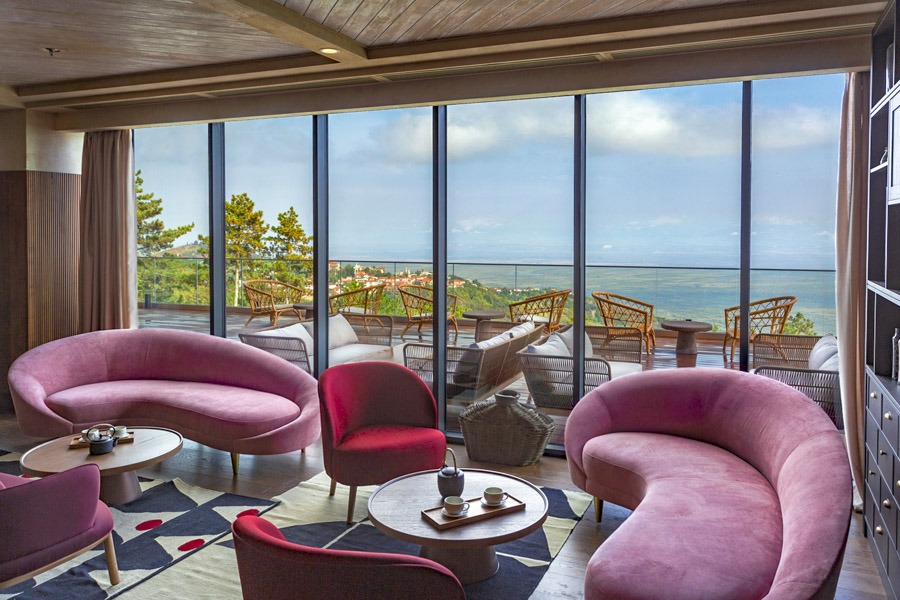
Café Medea serves coffee and desserts, including cakes and ice cream, and has a small outdoor seating area. For espresso drinks, ChikChiki lists flat whites, cappuccinos and espresso tonic, with oat, almond and hazelnut milk available.
About 3 kilometres (1.9 miles) from Sighnaghi, Bodbe Hotel offers one of the best panoramic views of the city. The Bodbe Hotel’s Tea Lounge serves Georgian and international teas under its Sheleaf label. The lounge welcomes visitors who are not staying at the hotel. Its selection includes black and herbal teas, served in a room furnished with bookshelves and a fireplace. Bodbe Hotel’s Aura Restaurant serves fresh pastries, khachapuri and bread from a traditional tone oven during the breakfast buffet.
City Transport in Sighnaghi
Getting around Sighnaghi is easy and delightful on foot, with most central sights close together.
Local taxis around Erekle II Square and Solomon Dodashvili Square charge approximately 20 GEL for trips to Bodbe Monastery. The fare, waiting time and return journey should be agreed before departure.
Municipal buses connect Sighnaghi with Tsnori and villages including Nukriani and Iliatsminda, with only a few daily departures. Journeys cost 1 GEL, payable with a TBC bank card or a local transport card. Transport cards are available at Sighnaghi’s TBC branch. Return departures need confirmation locally before travelling.
Drivers can use parking at Graitia Square or Abramishvili Street and continue through the centre on foot. The Tourism Information Centre at 13 Aghmashenebeli Street provides local transport information, route advice and printed town maps.
How to Get to Sighnaghi
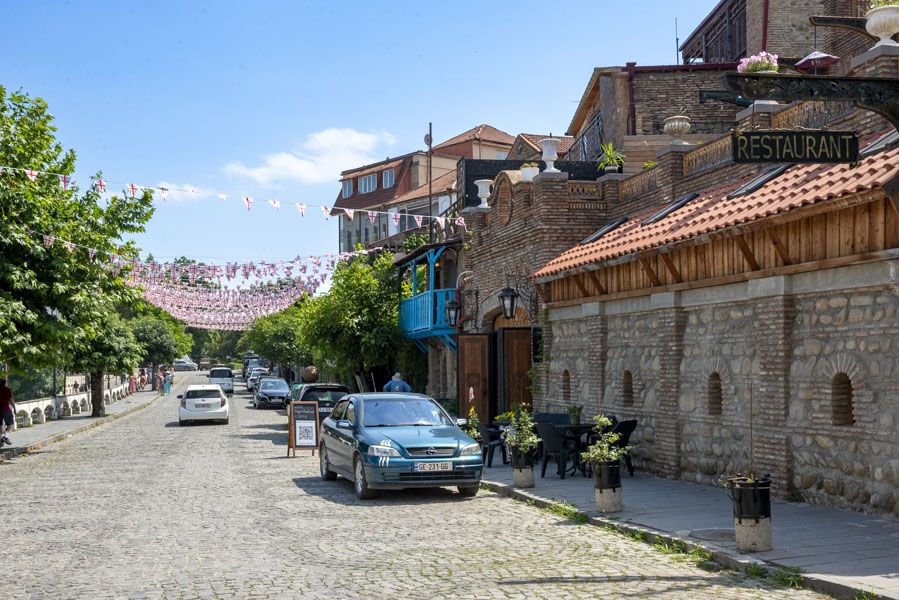
Sighnaghi is reached by road, with direct minibuses (marshutka) from Tbilisi and a more limited service from Telavi. Taxis and private transfers allow more flexibility over departure times, luggage and stops along the way.
From Tbilisi
The journey from Tbilisi to Sighnaghi covers approximately 115 kilometres (71.50 miles), usually taking around two hours by car. Most drivers follow the Kakheti highway before taking the winding road uphill into town. Renting a car is ideal for longer journeys around Kakheti, particularly when several villages are on the itinerary.
The Tbilisi to Sighnaghi marshrutka leaves from Navtlughi Bus Station, beside Samgori metro station. The journey usually takes two to two and a half hours.
Arriving around 30 minutes early is advisable, as full minibuses may leave before their scheduled departure. The bus station in Sighnaghi sits behind the police station building. The last published departure to Tbilisi is 18:00, although return times should be confirmed on arrival.
Shared taxis depart near Isani metro station, generally leaving once the seats are filled. Typical fares are approximately 120 to 150 GEL for the whole car. The quoted price should specify whether it covers one seat or the entire vehicle.
Travellers arriving at Tbilisi International Airport can arrange a direct transfer to Sighnaghi without first travelling into central Tbilisi. The airport journey usually takes approximately one and a half to two hours, depending on traffic and stops.
From Telavi
From Telavi, the road journey via Gurjaani covers approximately 60 kilometres and takes around 90 minutes. A taxi or private car allows stops along the route without depending on afternoon bus departures. The direct Telavi to Sighnaghi minibus runs Monday to Saturday. Another route uses a minibus from Telavi to Tsnori, followed by a municipal bus or local taxi to Sighnaghi.
Languages Spoken in Sighnaghi
Georgian is the everyday language in Sighnaghi, while English is commonly used in most tourism businesses, although fluency varies. Russian remains understood by some residents, particularly older generations. Having your accommodation’s name and address saved in Georgian can help with taxi journeys and directions. A translation app is useful for conversations outside the main tourist businesses.
Security in Sighnaghi
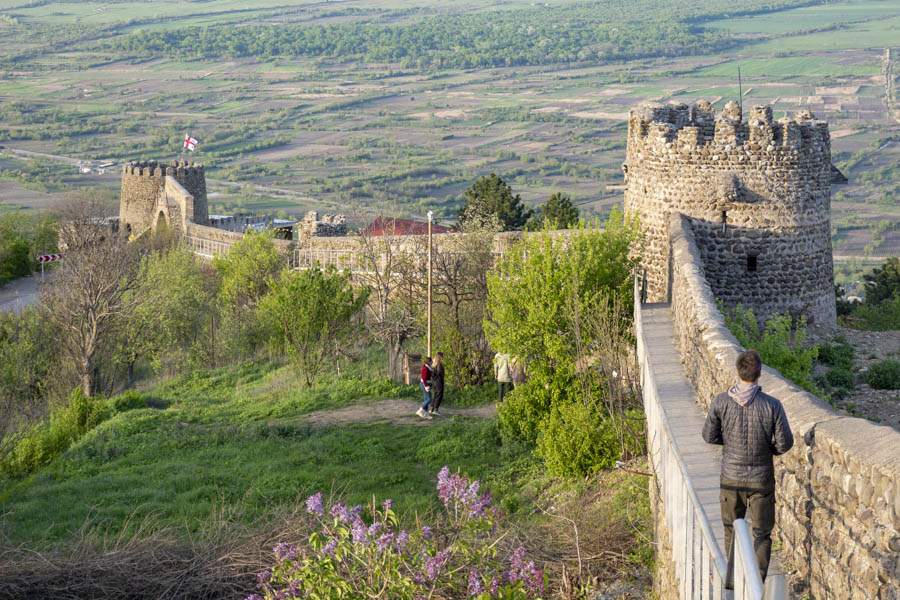
Keeping valuables secure around busy market stalls and arranging a driver after wine tastings are sensible precautions. Extra care is useful on wet cobblestones and narrow streets shared with vehicles.
The town’s hills, steps and cobbled streets add character to a stroll, so allow extra time and take breaks as you explore. If you’re travelling with luggage or a pushchair or have limited mobility, check the access at your accommodation and consider arranging a vehicle for steeper stretches.