
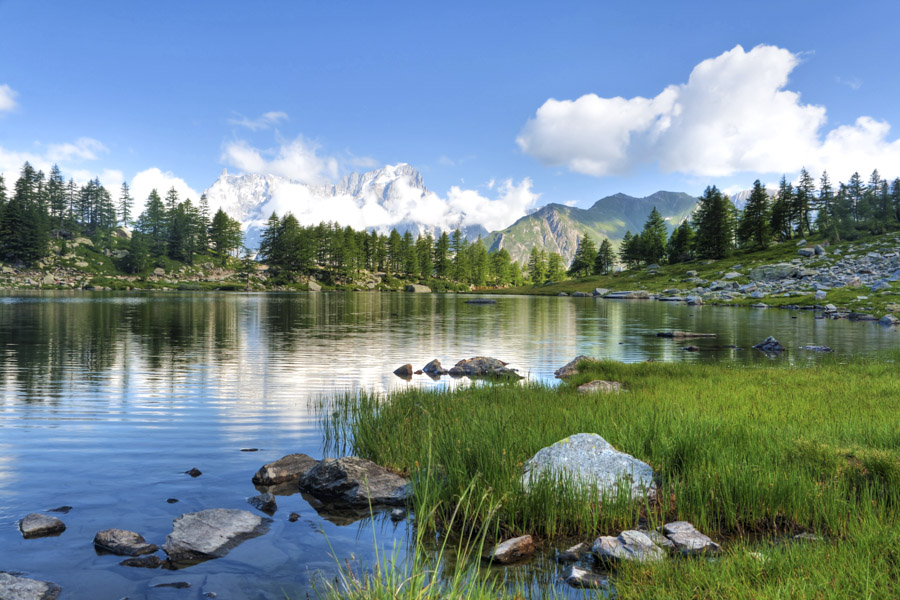
Italy Throughout the Year
Wondering when the best time to visit Italy is? With its range of topography and altitude, latitude-spanning axis, maritime influence and position within the warm Mediterranean climatic belt, Italy offers a wide variety of seasonal options. At different times of year, and in different regions, Italy has sweet spots for everyone, including dedicated sun worshippers, skiers, hikers and bikers, water sports enthusiasts, museum-goers, shoppers, opera lovers, and those who time their holidays around festivals and seasonal food.
Use our guide to find points in the year and places to go that highlight the country at its best.
Italy in February and March
Few people know that February is often a very dry month in several regions of Italy, making it a great time to wander around historic sites in cities like Florence and Rome and take great photos.
With crisp conditions, you’ll be energised by your days, there won’t be much queueing, and you will have the pick of the hotels and restaurants. If you’re planning a road trip, this is also a great month for travelling without air conditioning and windscreen wipers.
February is also a very popular month for skiing in the Dolomites and the Aosta Valley, with good snow conditions at higher-altitude resorts and lengthening days. This is the best time to visit Italy for skiing in the Alps. If you want the slopes less crowded, however, catch the end of the ski season in March when half-term holidays are over.
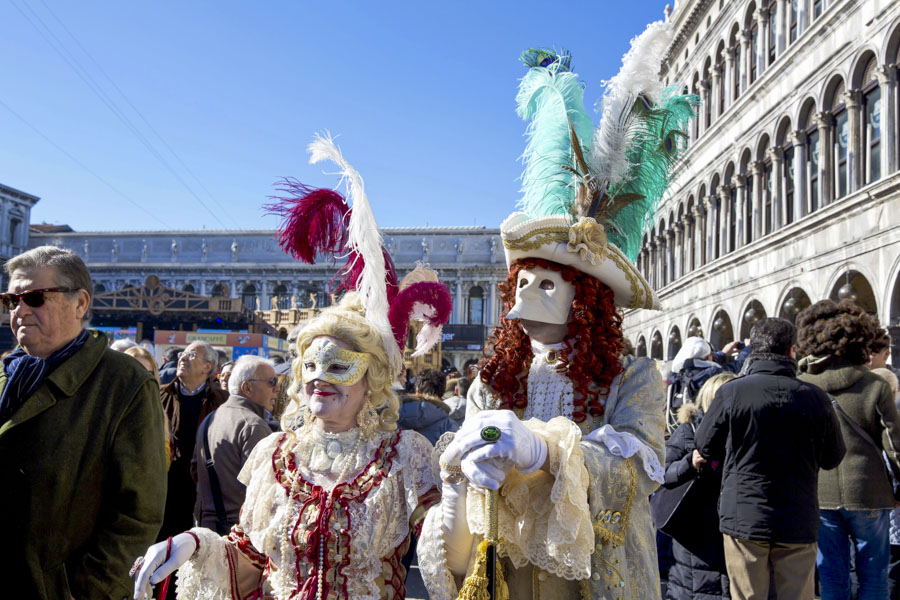
Another highlight of February is the Carnival in Venice, a festival that precedes Lent. A trip to Venice at this time will coincide with masquerades, feasts, dancing, and the Volo dell’Angelo (Flight of the Angel) in St Mark’s Square.
Of course, Lent leads up to Easter (Pasqua), the most important part of the Christian calendar. With Roman Catholicism utterly entwined with Italian culture, you’ll find that Easter transforms everything. Wherever you are in Italy, it’s a time of mass church services, family gatherings, picnics with seasonal treats, egg painting, and parades of holy relics. For some, Easter is when they make a specific journey to Rome, joining the worshippers that gather in St Peter’s Square to hear the Pope deliver the Easter homily.
Typical February Average Daytime Temperatures
- Rome: 10 to 14°C (50 to 57°F)
- Florence: 9 to 13°C (48 to 55°F)
- Venice: 7 to 9°C (45 to 48°F)
- Naples: 11 to 14°C (52 to 57°F)
- Dolomites: 0 to 2°C (32 to 36°F)
Italy in April and May
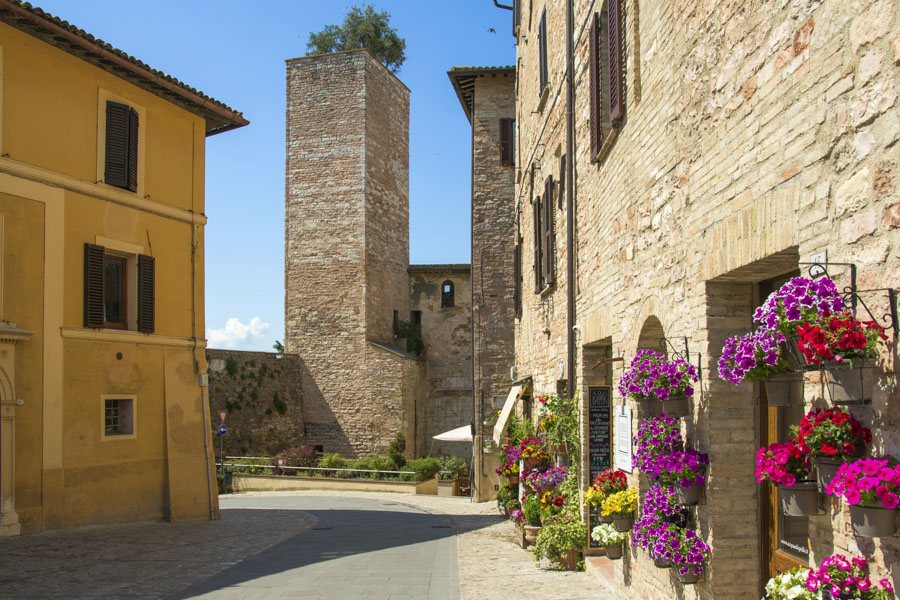
By late spring, Italy is blooming. That means if you are out hiking somewhere like along the Cinque Terre trail, wildflowers enhance every view. If you’re a gardener, then this is the time when every palazzo’s garden is green, lush and at its best. April and May are often the best times to visit Italy for gardens, outdoor activities and general sightseeing.
The burst of life that accompanies spring is celebrated in the festival of Infiorata (which means ‘decorated with flowers’). You’ll find that many towns transform their streets by the installation of spectacular floral displays, which they do as part of a tradition dating back to the first such festival in the Vatican City of 1625. Connoisseurs of the infiorata unanimously say that the Sicilian town of Noto is the best, but there are plenty of impressive alternatives over several weeks to choose from. Genzano (Lazio) and Spello (Umbria) are among the very best.
It could be said that the best time to do most things in Italy is in April to May. It’s a time of year when you have warm, sunny days and cool nights. There won’t be the crowds of the summer holidays either. And if you need another very good reason to come to Italy in these months, Florence holds its annual gelato festival. Before the proper heat of the summer, you’ll be able to finish your ice cream at leisure rather than in competition with the sun.
Culture lovers flock to Venice in May every second year to be the first to see its Biennale, an enormous festival of contemporary art and architecture. The Biennale runs to late autumn, but the best festivities associated with it are at the beginning.
Typical April Average Daytime Temperatures
- Rome: 20°C (68°F)
- Florence: 19°C (66°F)
- Venice: 17°C (63°F)
- Naples: 20°C (68°F)
Italy from June to August
The summer months are very hot across Italy, with the southern regions particularly intense. This is one reason many visitors come in summer, and it is one of the best times to visit Italy to enjoy La Dolce Vita. If you’re going at this time of year, do sightseeing in the cooler hours of the morning, embrace the concepts of long lunches and afternoon siestas, bring plenty of sunscreen, and venture out again in the evening for the passeggiata.
Because the months of July and August are the school holidays in Europe, you’ll find that many cities and sites are crowded despite the high temperatures. Venice can be humid, and occasional unpleasant odours from the canals may occur depending on tide, temperature and maintenance. The authorities have made significant efforts to limit these inconveniences, and the experience of Venice is magical under any conditions.
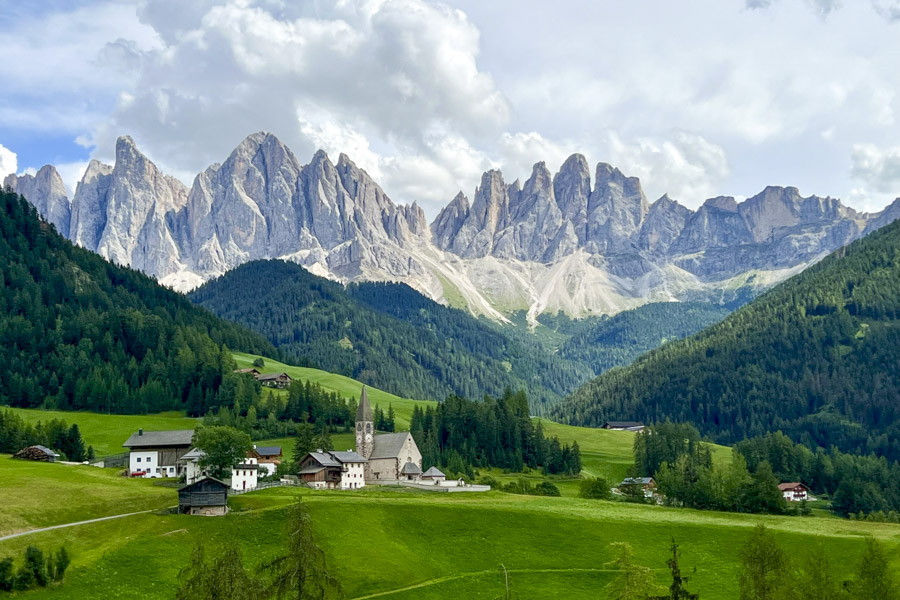
Head to the hills and mountains, if you prefer a quieter, more tranquil environment. Though they are still hot and sunny, evening and overnight temperatures will be far more pleasant. It’s certainly the time of year to embrace outdoor activities such as hiking in the Dolomites through alpine meadows. Consider other areas too, such as the wolf and bear territory of Abruzzo, Molise and Sibillini.
The lakes, such as Como and Garda, offer cooler air than the cities and a lively summer atmosphere that’s perfect for socialising. Beach resorts come alive in August when many Italians are on holiday, creating a festive, local vibe. Around Ferragosto (15 August) some towns calm down as families take a short break, which can be a chance to enjoy quieter streets and traditional festivities in nearby villages.
As for summer festivals, Verona’s magnificent Roman amphitheatre, the Arena, hosts a different opera every night from June to September. On two dates in July and August, Siena is the location of its famous Palio horse race, and the Venice Lido is the venue for the Venice Film Festival in August and September.
Typical August Average Daytime Temperatures
- Rome: 32°C (90°F)
- Florence: 33°C (91°F)
- Venice: 29°C (84°F)
- Naples: 33°C (91°F)
- Dolomites: 22°C (72°F)
Italy in September and October
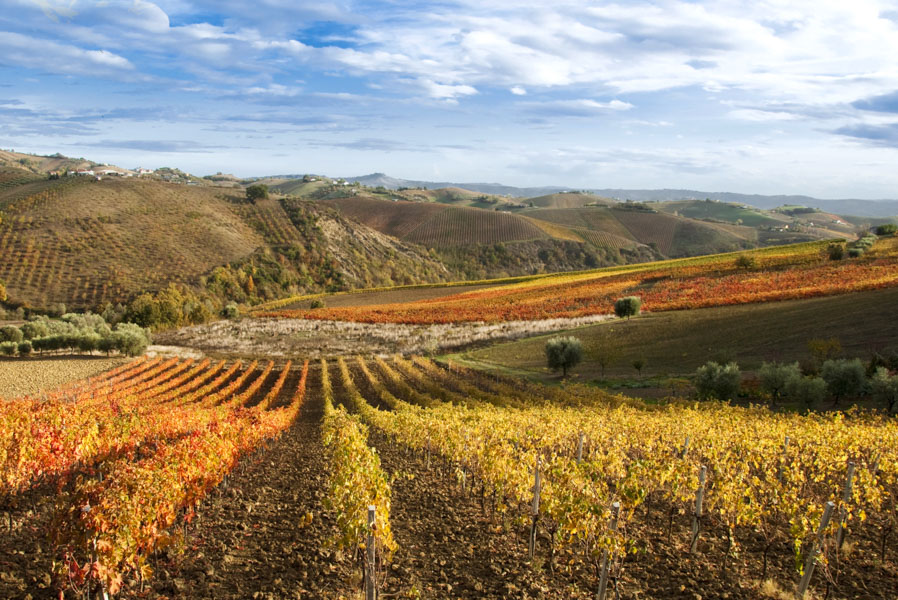
September is a particularly good time to visit Italy. In all regions you will find visitor numbers are declining as schools have returned, and yet all facilities are still open. The weather is still quite hot, but not as extreme as August. Places that are particularly good in September include Tuscany, Sicily, Sardinia and Puglia.
By mid-September, many regions celebrate food festivals associated with the harvest. It is the best time to visit Italy for wine tasting. Vendemmia is the general name for the season of grapes, although it extends well beyond the grape harvest. Olive oil production and truffle harvests join in festivals, and there are plenty of places that use them as a focus for celebrations with great food and wine.
By the end of September and through October, it’s excellent in many places in Italy, which makes this time of year often the choice for true lovers of the country. Like spring, ancient sites like Pompeii are quieter and cooler than in peak season, making for a memorable and worthwhile experience. Road trips are wonderful at this time of year, with views enhanced by the softer light and autumnal colours, though by the last week in October there is normally a distinct cooling and a shift to winter conditions.
Typical October Average Daytime Temperatures
- Rome: 23°C (73°F)
- Florence: 21°C (70°F)
- Venice: 19°C (66°F)
- Naples: 23°C (73°F)
Italy from November to January
This is officially the low season because November, December and January can be wet and cool everywhere. That’s the ideal time if your real interest lies indoors, so those who are interested in museums, galleries, and music can make use of quiet cities and plenty of accommodation available.
The festival of Ognissanti (All Souls’ Day, 1st and 2nd November) is culturally very significant to Italians, and you will find most businesses closed on All Saints’ Day so that families can gather to remember the departed. Families visit graves, children run around doing scavenger hunts, and there are special dishes consumed, such as Pane dei Morti (Bread of the Dead).
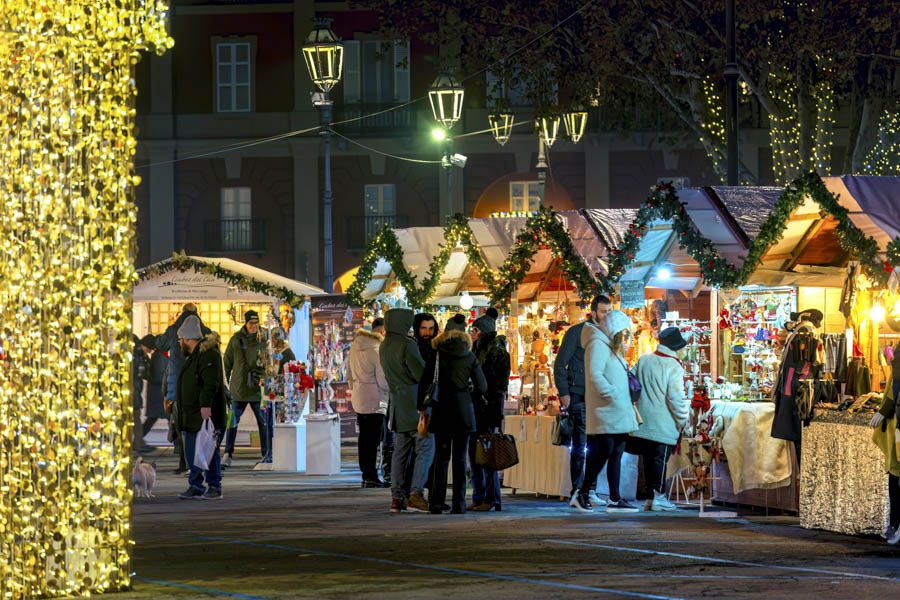
Through December, many towns and cities host Christmas markets, which means that Italy is an excellent place for a short break to stock up on presents and interesting food for your own festive celebration.
The winter months are, of course, the peak season for skiing in Italy’s alpine north. Prices are typically cheaper than in France, which tends to have more extensive, purpose-built ski domaines and a greater concentration of luxury resorts, so Italy is an attractive option for families without sacrificing atmosphere or quality. The villages of the Dolomites host a number of events to combine with the more usual activities, such as horse-drawn sleigh competitions and even polo. The most crowded times in Italian ski resorts are the Christmas and New Year periods, and the last two weeks in February.
Typical December Average Daytime Temperatures
- Rome: 12 to 14°C (54 to 57°F)
- Florence: 10 to 12°C (50 to 54°F)
- Venice: 7°C (45 °F)
- Naples: 13 to 15°C (55 to 59°F)
- Dolomites: –3 to 0°C (27 to 32°F)