


Embarking on a journey to the People's Republic of China (PRC) requires an understanding of the key regulations that apply to international visitors. Whether you are viewing major historical sites or exploring the modern urban centres of cities such as Shanghai, being familiar with Chinese travel laws is an essential part of ensuring that your trip proceeds in an orderly and compliant manner.
This guide is intended to help you navigate the fundamental legal requirements for foreign travellers by presenting essential rules and practical recommendations. By reviewing the information carefully and consulting additional official resources when necessary, you can approach your travel plans with clarity and confidence as you explore the cultural, historical, and contemporary aspects of the country.
Entering and Leaving: Chinese Customs and Regulations

A clear understanding of China’s customs regulations is essential for complying with national entry and exit procedures. These regulations are designed to safeguard national security, protect cultural heritage, and preserve the local environment. For this reason, travellers are required to follow specific rules intended to reduce import and export violations and ensure proper handling of goods.
All passengers entering or departing from the People’s Republic of China, except those exempted under relevant rules and individuals under sixteen years of age accompanied by adults, must follow the declaration requirements applicable at their port of entry or exit. This may involve completing the China Customs Baggage Declaration for Inward or Outward Passengers, either on paper or electronically, and making a truthful declaration to Customs. Passengers with no items to declare proceed through the Green Channel (“Nothing to Declare”), while those carrying articles subject to declaration must use the Red Channel (“Goods to Declare”).
Personal belongings that fall within the prescribed duty-free limits are exempt from taxation for arriving passengers, while items carried by departing passengers are released without duty when they meet the applicable requirements. Customs may request a declaration form for cash or foreign currency exceeding legal thresholds, as well as for high-value personal items. In such cases, Customs can endorse and return a copy of the declaration for use upon re-entry. Requirements and procedures vary by port, and in some locations all inbound passengers may be asked to complete an electronic declaration.
Travel with pets such as dogs and cats is generally permitted, subject to specific entry requirements. These include microchipping, up-to-date rabies vaccinations, and a valid health certificate issued within the required timeframe before arrival.
The Chinese Customs provides a Customs Clearance Guide for International Passengers on its official website, offering detailed information on compliance with entry and exit regulations. Travellers are encouraged to consult this resource to ensure that their customs procedures are completed correctly.
General Border Formalities and Customs Clearance
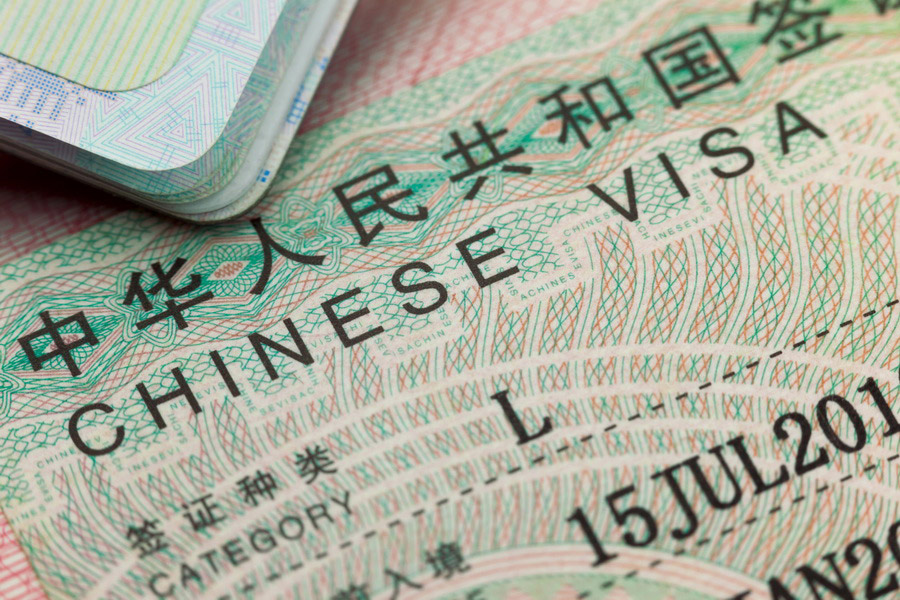
International visitors must enter and leave China through approved ports. Travellers are required to present a valid passport, visa (if applicable), and any supporting documentation relevant to their entry category to the immigration authorities in order to comply with China’s border and immigration requirements.
When entering or departing from the People’s Republic of China, certain items – including animals, plants, seeds and their by-products; human tissues; biological products; radio transmitters and other communication-related equipment; unaccompanied baggage; goods of commercial value; and other prohibited or restricted articles – are subject to the applicable laws and regulations governing their import or export.
Controlled Substances
China maintains a zero-tolerance policy toward illegal drugs, and the relevant laws are strictly enforced. Certain controlled psychotropic medications and stimulants are regulated and may require prior approval or prescription documentation, while others are prohibited. Travellers must not carry or use substances that are illegal in the country, including opium, morphine, heroin, cannabis, and other addictive drugs and psychotropic substances. Lists published by the UNODC may serve as general references, but only the Chinese authorities provide accurate and updated information.
According to the National Medical Products Administration, individuals may bring a limited quantity of medication for personal use when entering or exiting China. Prescription medicines must remain in their original packaging and be accompanied by an official prescription issued by a qualified medical professional or institution stating the required dosage.
When there is uncertainty regarding the legality of specific medications, travellers are advised to consult Chinese Customs in advance. The Customs Hotline 12360 provides 24-hour nationwide assistance for such inquiries.
Taking these steps helps ensure compliance with local regulations and avoids potential legal complications.
Wildlife and Wildlife Derivatives
China is a signatory to the Convention on International Trade in Endangered Species of Wild Fauna and Flora (CITES), and the import and export of endangered species and their derivatives are strictly regulated. Prohibited items include ivory, rhinoceros' horn, tiger bones, and certain traditional medicines containing parts of protected animals. Travellers should refer to official lists of protected species when in doubt, in order to avoid purchasing products derived from wildlife that are subject to import or export restrictions.
Culturally Significant Antiquities

China regulates the export of culturally significant antiquities under strict cultural-relic and customs laws. These regulations apply to a wide range of items, including ceramics, porcelain, jade, bronze, and other artefacts. For legal export, any cultural relic produced before 1949 must bear an official red wax seal issued by the Cultural Relics Appraisal Institute, confirming that it has been approved for export.
The regulations governing the export of cultural relics are detailed and subject to periodic revision. Items from earlier historical periods may fall under stricter controls or complete export prohibitions. If a merchant offers an item from around 1905, for example, this may indicate non-compliance with the applicable regulations. Travellers should therefore purchase only from reputable, licensed dealers and ensure that all required documentation and the official seal are provided, as uncertified items can be confiscated by Customs.
For the most current regulations on exporting antiques and cultural relics from China, travellers should consult Chinese Customs directly or review the official customs website before making any purchases intended for export.
Prohibited Publications
As outlined by Chinese Customs, certain international and domestic publications are prohibited from import into China. These restrictions apply to books, printed materials, films, and digital media, and travellers should ensure that any such items they carry comply with the applicable regulations.
There is no comprehensive public list of prohibited publications. However, materials considered detrimental to the political, economic, cultural, or moral interests of the People’s Republic of China are not permitted. This includes manuscripts, printed materials, films, videotapes, photographs, audio recordings, computer storage media, and other items that contain content deemed sensitive or involving state secrets.
Respecting Local Rules, Traditions, and Customs
At religious and traditional sites in China, travellers are expected to follow local norms by wearing modest attire, observing established etiquette practices – including appropriate forms of greeting, dining manners, and conduct in temples – and maintaining courteous behaviour in public spaces. Learning a few basic Mandarin phrases can facilitate everyday interactions with service providers and local residents.
Demonstrating respect for local customs contributes to a more orderly travel experience and supports positive interaction with the communities you encounter.
Declaring Cash and Valuables at the Customs

There are specific regulations governing the amount of currency and valuable items that individuals may bring into or take out of China. Travellers who comply with these requirements are not obliged to make a declaration for items that fall within the permitted limits.
Visitors may carry up to 20,000 Chinese Yuan (CNY), also referred to as renminbi (RMB). For foreign currencies, any amount exceeding the equivalent of 5,000 USD must be declared to Customs upon both arrival and departure.
Passengers entering or leaving China with cameras, video cameras, laptop computers, or other valuable items that may contain sensitive material and have a value exceeding 5,000 RMB are subject to the same declaration rules.
In addition, amounts above 20,000 RMB or foreign currencies exceeding the equivalent of 5,000 USD, as well as gold, silver, precious metals, cultural relics, endangered animals or plants and their by-products, radio transmitters, communication equipment, commercial goods, samples, advertisements, and other items prohibited or restricted from export are handled in accordance with the Customs Law of the People’s Republic of China.
Travellers who are uncertain whether an item falls within these categories should consult the official Customs website or contact Customs authorities directly for clarification. This helps ensure full compliance with the regulations governing the import and export of goods.
Always Carry Your Passport
As stipulated in Article 38 of the Exit and Entry Administration Law of the People’s Republic of China, foreigners aged 16 and above who stay or reside in China are required to carry their passports, other international travel documents, or residence permits at all times. This is a legal obligation, and travellers must cooperate with public security authorities if asked to present identification during an inspection.
In addition, you will need to present your original passport in order to:
- Check into a hotel or other form of accommodation.
- Purchase train tickets or board a domestic flight.
- Enter many major tourist attractions, where ticketing systems often require identity verification.
- Conduct banking transactions or exchange currency.
Register Your Place of Residence Within 24 Hours
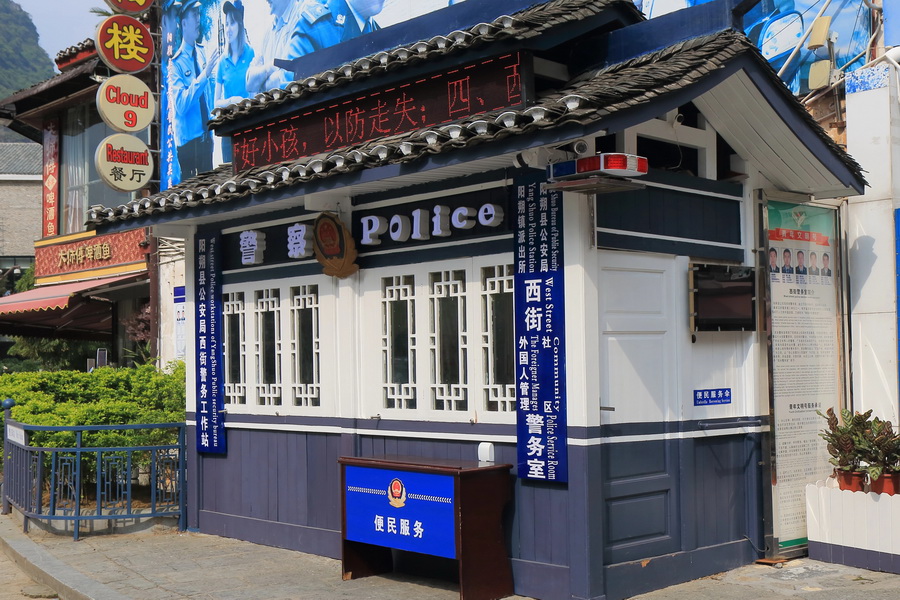
Under Chinese law, all foreign visitors are required to register their place of residence within 24 hours of arrival in the country. There are three primary methods to complete this registration:
Through hotel administration – when staying at a hotel, the staff will submit the required information to the Public Security Bureau (PSB) and complete the registration on your behalf.
At the local police station – when residing with friends, family, or in alternative accommodation, you or your host must visit the nearest police station to register your place of stay.
Online self-registration – in some cities, registration may be completed through an online self-service system, which typically involves scanning a QR code and submitting the necessary information electronically.
Here is the list of documents required when registering at the police station:
- A passport.
- One photograph meeting the specifications set by the public security authorities.
- A lease contract if you are not staying with friends or family.
- Additional documents, such as a travel visa.
For renewal of registration:
- A passport.
- Supporting documents for the renewal, such as a new lease contract if your residential address has changed.
Completing this registration is an essential requirement, as it is often necessary for extending your visa or completing other official procedures during your stay.
Make Sure Your Visa Is Valid
Your Chinese visa specifies its validity period and the permitted duration of stay for each entry. It is essential to understand and comply with these limits, as overstaying a visa may result in significant fines, administrative detention, or restrictions on future entry into China.
If your travel plans require an extended stay beyond the validity of your current visa, you must apply for a visa extension at the local Public Security Bureau Exit-Entry Administration office. Applications should be submitted well in advance of the expiration date, as processing times may vary. Timely preparation ensures that your stay remains fully compliant with immigration requirements.
Restricted Hotels

When booking accommodation in China, international travellers should be aware that not all hotels and guesthouses are licensed to host foreign guests. Major hotel chains and properties in popular tourist areas typically hold the required permits, while smaller inns or remote establishments may not.
Staying at an unlicensed venue can create practical difficulties, as such places cannot complete the mandatory residence registration with local authorities. This may require additional arrangements and extra steps during your stay.
In some locations, accommodation options may also be limited due to proximity to secure sites or other restricted areas, including military zones.
To minimise potential issues, it is advisable to book accommodation in advance through a reputable travel agency. This helps ensure that all selected properties meet the relevant requirements for hosting international guests.
Restricted Military and Official Areas
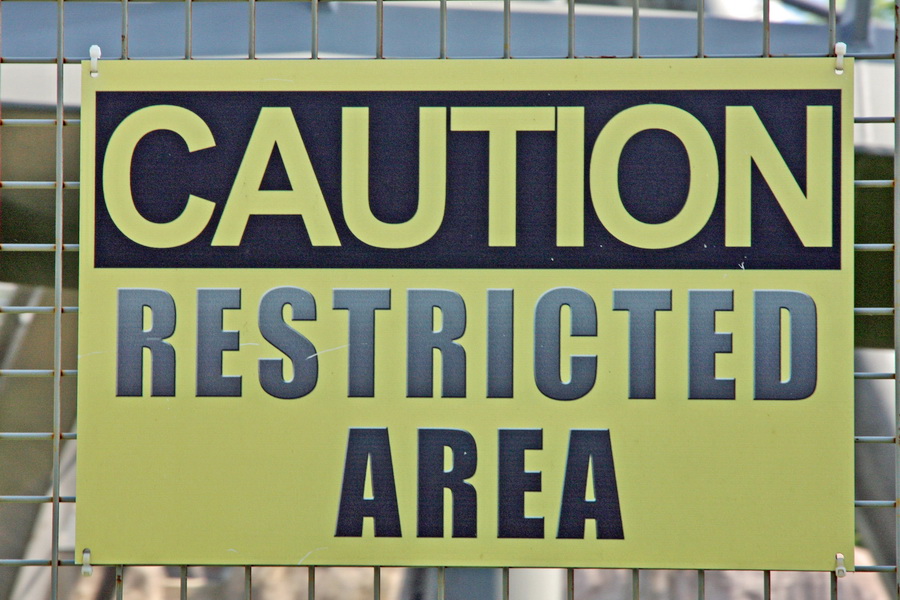
China maintains designated military, border, and other official areas where civilian access is restricted. These locations are monitored by authorised personnel, and signs indicating limited access may not always appear in English, particularly in remote regions.
Travellers should pay attention to posted notices and avoid entering any area marked as restricted. It is prohibited to access, photograph, or operate drones near military facilities, equipment, or related infrastructure.
Why Plan Your Trip to China with Advantour
Advantour provides a well-structured and convenient travel experience in China, handling itinerary planning, transportation and accommodation coordination, and support with visa and registration requirements, all complemented by professional, including multilingual, guides. The company offers both group tours and customised itineraries tailored to travellers’ interests, such as cultural, culinary, and nature-focused activities, museum visits, artisan workshops, wine tastings, and trips to lesser-visited regions. With comprehensive organisation and continuous assistance, Advantour allows travellers to focus on the substance of their journey, knowing that all logistical and administrative details are managed reliably.