

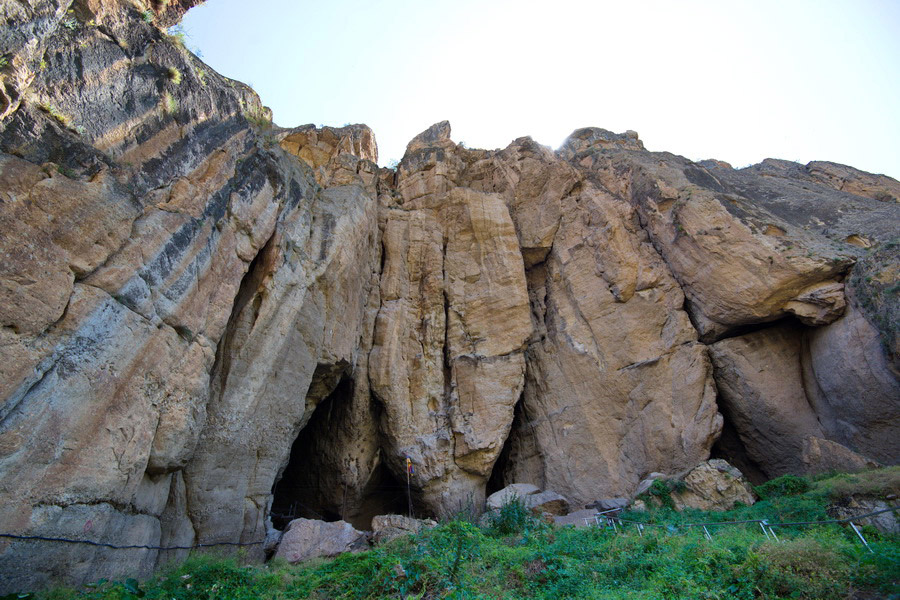
Areni-1 Cave lies in Armenia’s southern Vayots Dzor region, close to the village of Areni and the road leading to Noravank Monastery. Archaeologists working here uncovered the earliest known winery complex and a leather shoe dating back around 5,500 years. Other discoveries provide a detailed picture of the food, crafts and ritual practices of communities that lived in the Arpa River valley over several historical periods.
Known locally as Birds’ Cave, Areni-1 was formed in the limestone cliffs of the Arpa River gorge. It has three principal galleries, with smaller chambers and niches opening off them. Dry air and a stable microclimate preserved leather, wood, textiles, rope, plant remains and other organic materials that would normally have decayed.
Archaeological Research at Areni-1 Cave
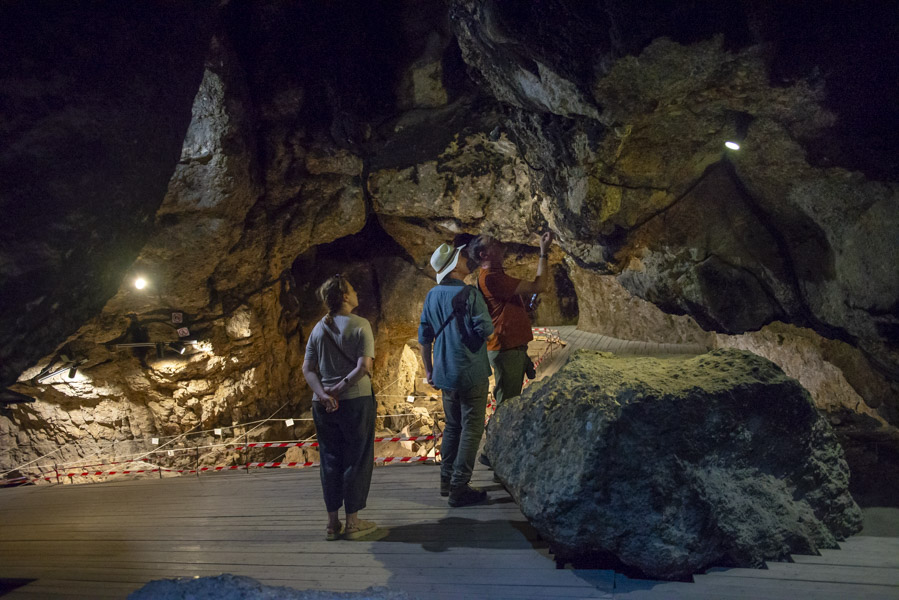
Systematic excavations at Areni-1 began in 2007. The international expedition brought together researchers from the Institute of Archaeology and Ethnography of Armenia’s National Academy of Sciences and several institutions abroad. The project was led by archaeologists Boris Gasparyan, Gregory Areshian and Ron Pinhasi.
The cave was used most intensively during the Late Chalcolithic, or Copper Age, between roughly 4500 and 3500 BCE. Archaeologists have also identified earlier Neolithic deposits, along with evidence from the Early Bronze Age, classical antiquity and the Middle Ages. The earliest dated traces of human presence inside the cave during the Holocene go back to about 6400–6200 BCE.
At different times, Areni-1 served as living space, a storage area, a place of work and a setting for rituals. Excavations have revealed hearths, pits, domestic floors and stone tools. Grains of wheat and barley, fruit, seeds and animal bones have helped researchers reconstruct the diet and economy of early communities in Vayots Dzor.
The Earliest Known Winery
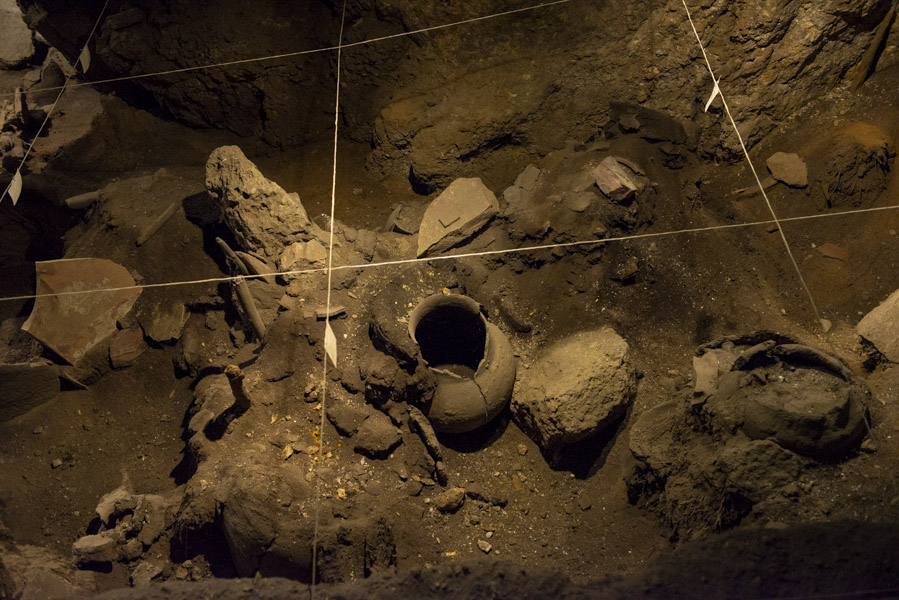
In the rear section of the first gallery, archaeologists uncovered a wine-production installation dating to around 4000 BCE. It consisted of a clay platform from which liquid drained into a vessel set into the floor. Large containers stood nearby, while grape pips, skins and stems were preserved in the surrounding deposits.
Chemical analysis detected malvidin, a plant pigment found in red grapes and red wine, as well as in some other fruits. Considered together, the platform, vessels and grape remains provide strong evidence that wine was made at the site.
Areni-1 is regarded as the earliest known archaeologically documented integrated winery. Earlier chemical traces of wine have been found elsewhere in the South Caucasus and the Near East, but Areni-1 preserves the production installation itself, together with containers and grape remains.
The winery stood in a part of the cave associated with burials and ritual activity. Researchers have suggested that wine may have played a part in ceremonies, although the precise purpose of the complex remains unknown.
The Leather Shoe from Areni-1
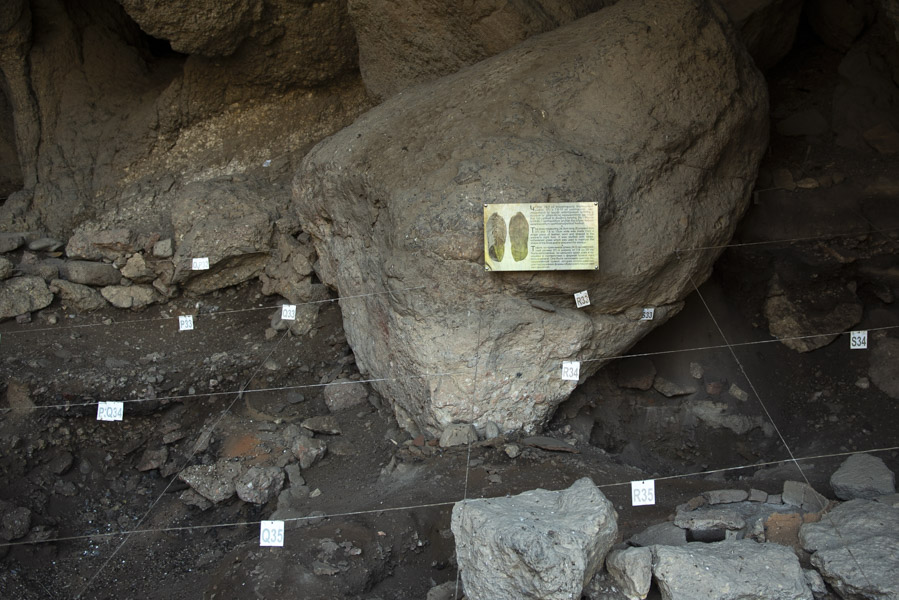
In 2008, archaeologist Diana Zardaryan discovered a remarkably well-preserved leather shoe in one of the pits. It lay upside down beneath a broken ceramic vessel. Nearby were a red deer shoulder blade with traces of dried meat, two wild goat horns, a fish vertebra, reeds and pottery fragments.
The shoe was cut from a single piece of leather and fastened with a leather thong threaded through small eyelets. It had been stuffed with loose grass, probably to help it keep its shape while in storage.
Radiocarbon analysis dated the find to between 3627 and 3377 BCE. The shoe measures 24.5 centimetres (9.6 inches), roughly equivalent to an EU size 37, UK size 4 or US women’s size 6. Its shape and wear patterns show that it was worn on the right foot.
It is the oldest known surviving leather shoe. Following conservation, the original was transferred to the History Museum of Armenia in Yerevan, where it forms part of the archaeological collection.
Other Archaeological Discoveries
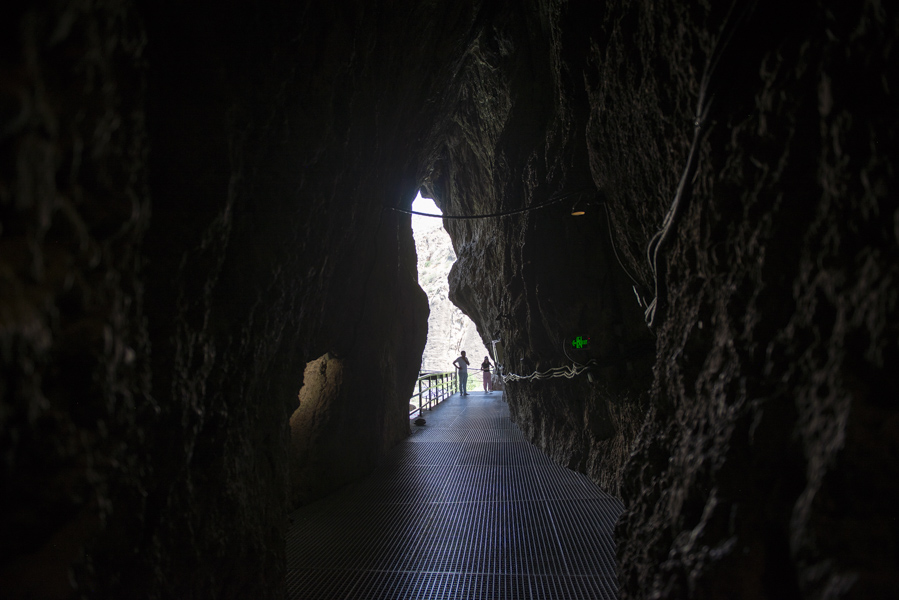
Areni-1 has yielded fragments of textiles, woven baskets and mats, lengths of rope and wooden objects. One piece of fabric was woven from spun flax and dates to the Late Chalcolithic. Most of the woven objects from this period came from burial contexts and were made from reeds that still grow locally.
A separate group of finds sheds light on burial customs. Three clay vessels contained the skulls of individuals aged approximately 8, 11 and 15–21. Radiocarbon dating placed them between 4330 and 3990 BCE. The burials point to complex ritual practices whose meaning has yet to be established.
The sequence of pottery deposits also helps archaeologists follow cultural changes around the transition from the Chalcolithic to the Bronze Age. Painted Late Chalcolithic vessels are followed by pottery associated with the early Kura-Araxes culture. Areni-1’s well-preserved stratigraphy has therefore made it an important source for the study of early societies in the South Caucasus.
Areni-1 and UNESCO
In March 2026, Armenia added Areni-1 to its UNESCO World Heritage Tentative List under the title “Areni-1 (Birds’) Cave: Prehistoric Life and Winemaking in the Arpa River Gorge”.
Armenia’s submission highlights the ancient winery, burial complexes, preservation of organic materials and cultural layers spanning the period from the Neolithic to the Middle Ages.
Visiting Areni-1 Cave
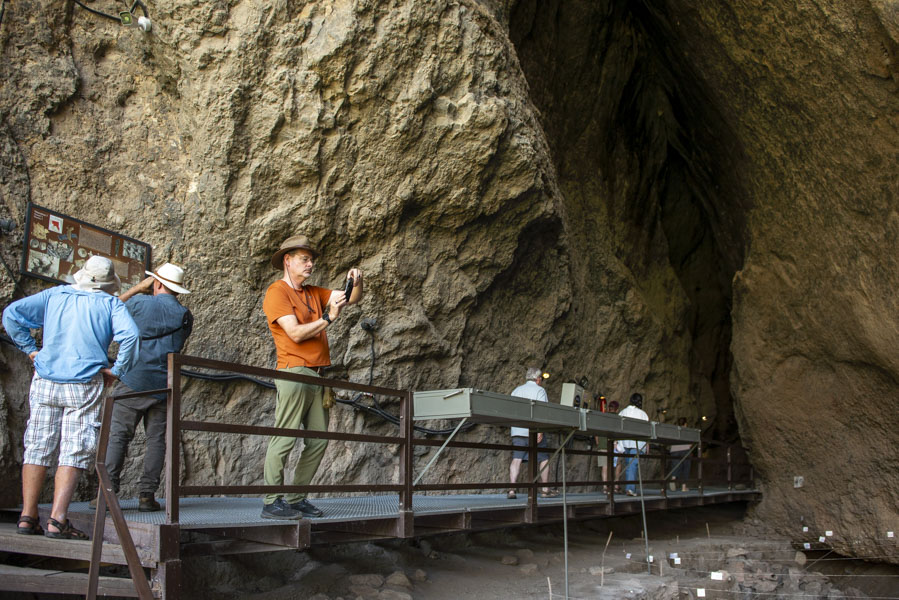
Areni-1 Cave is open to visitors. The official website lists tickets for independent visits, guided tours and programmes that include a virtual reconstruction of the complex. A guided visit usually takes around 40 minutes, although the exact duration depends on the programme and the pace of the group. Opening times, ticket prices and available options should be checked before travelling.
The original leather shoe is displayed at the History Museum of Armenia in Yerevan. Other fragile finds are likewise kept in museums and research institutions rather than inside the cave.
Closed shoes with a good grip are advisable, as some surfaces inside the cave are uneven or slippery.
Places to Visit Near Areni-1 Cave
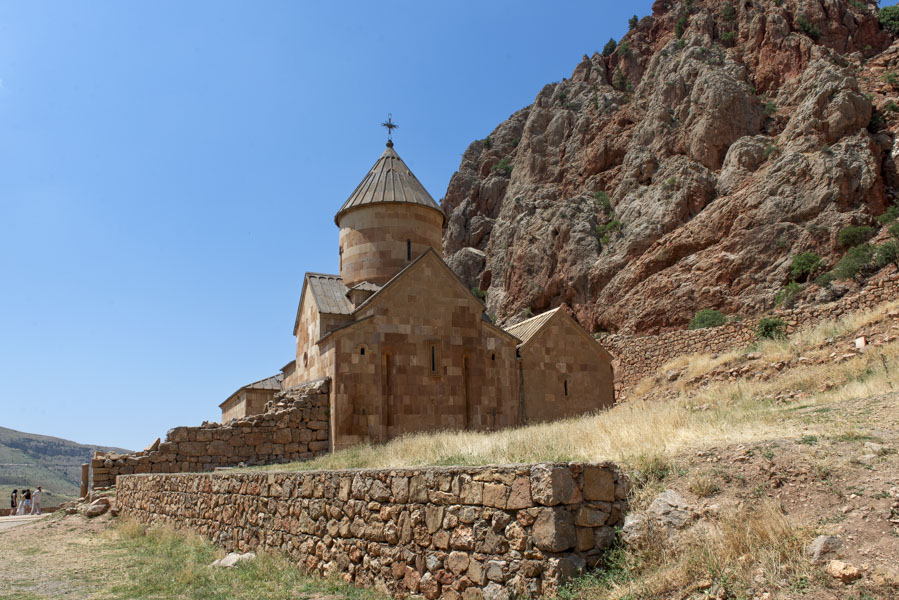
A visit to Areni-1 can easily be combined with Noravank Monastery. The road to the monastery begins close to the cave and runs through the narrow Amaghu Gorge.
The indigenous red grape variety Areni, also known as Sev Areni or Areni Noir, is grown around the village and elsewhere in Vayots Dzor. Local wineries produce dry red wines from the variety, making them a natural addition to a route centred on the region’s long winemaking history.
Khor Virap Monastery is another frequent stop on the journey from Yerevan. Travellers continuing south can follow the route into Syunik towards Tatev and Goris.