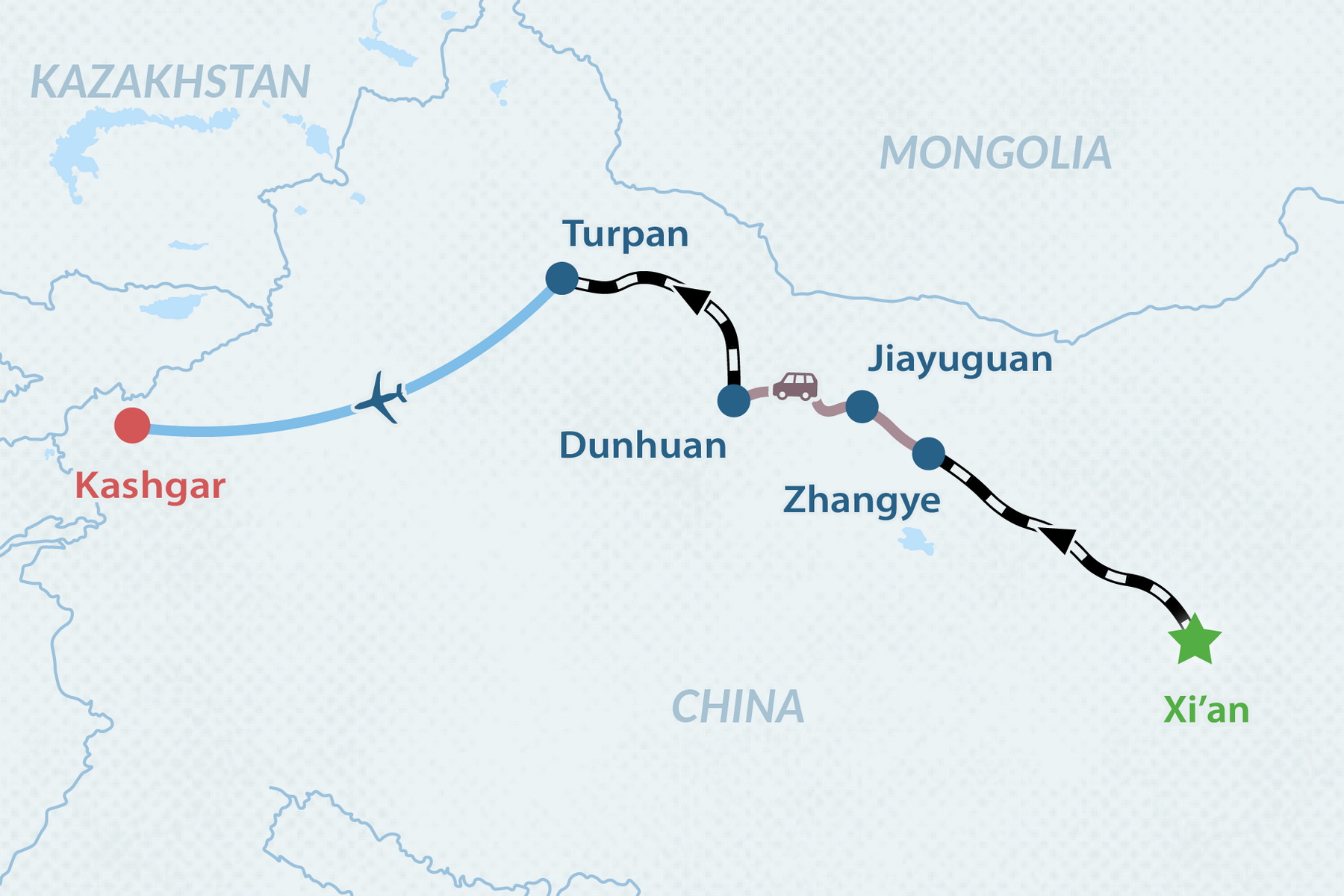
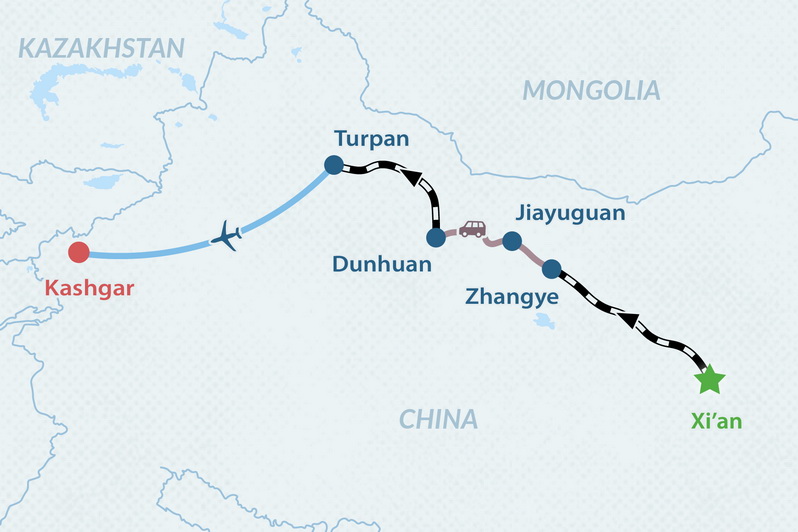

The 10-Day Silk Road Tour in Western China: Xi'an to Kashgar cuts through some of the country's most diverse and least-visited territory — historic landmarks, desert landscapes and living cultural traditions that few itineraries ever reach.
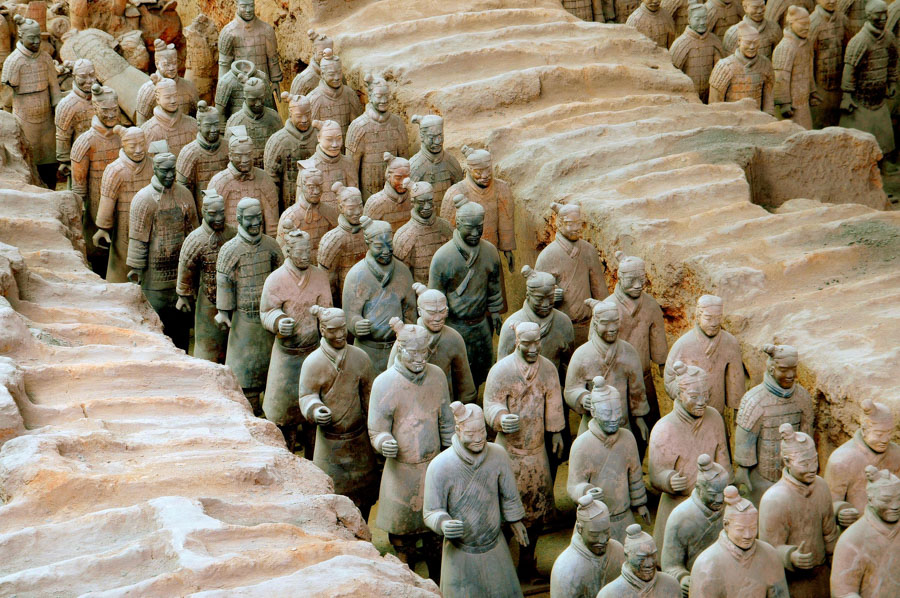
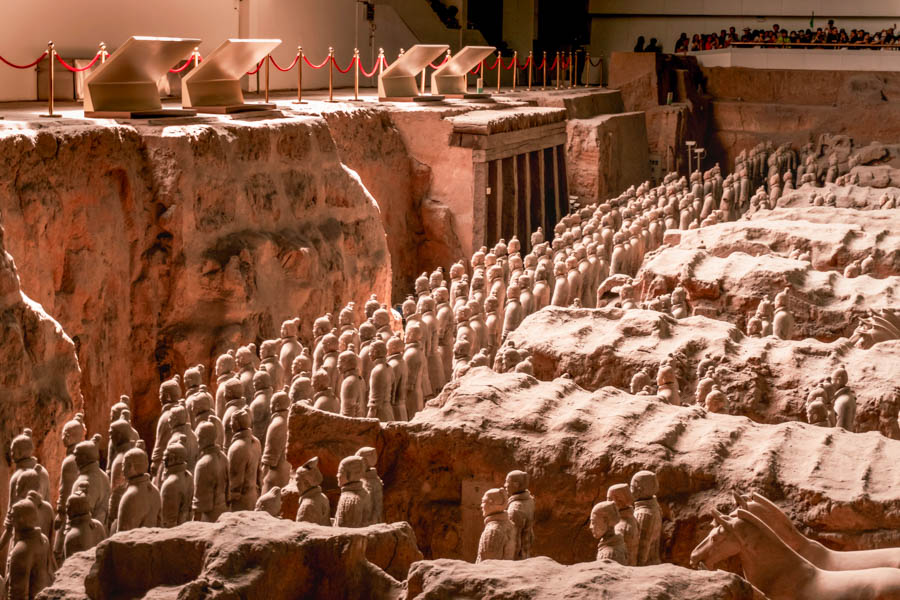
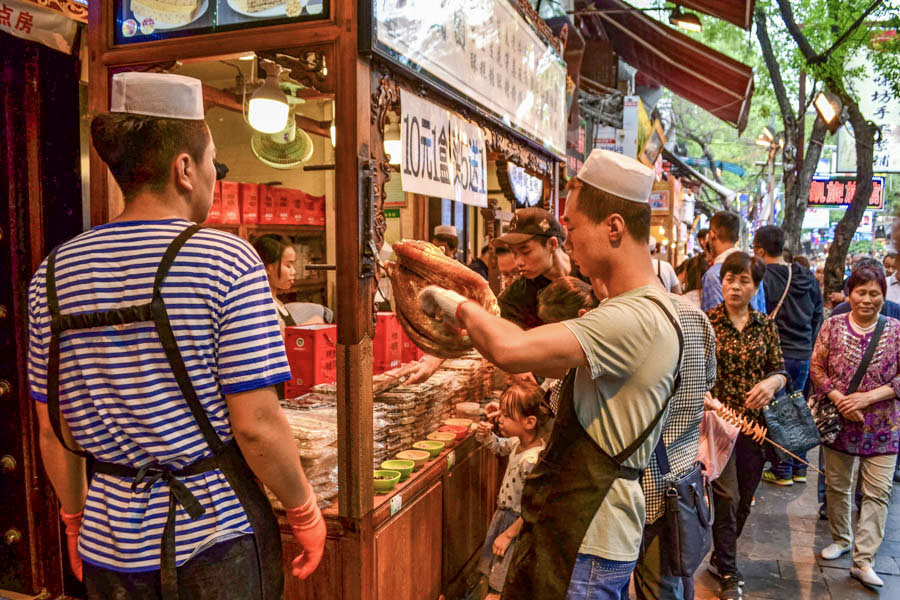
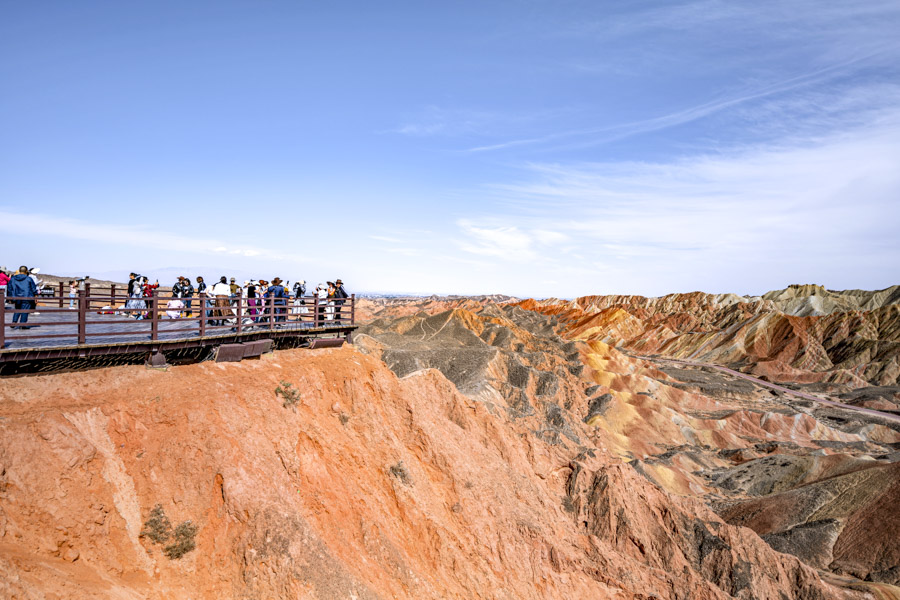
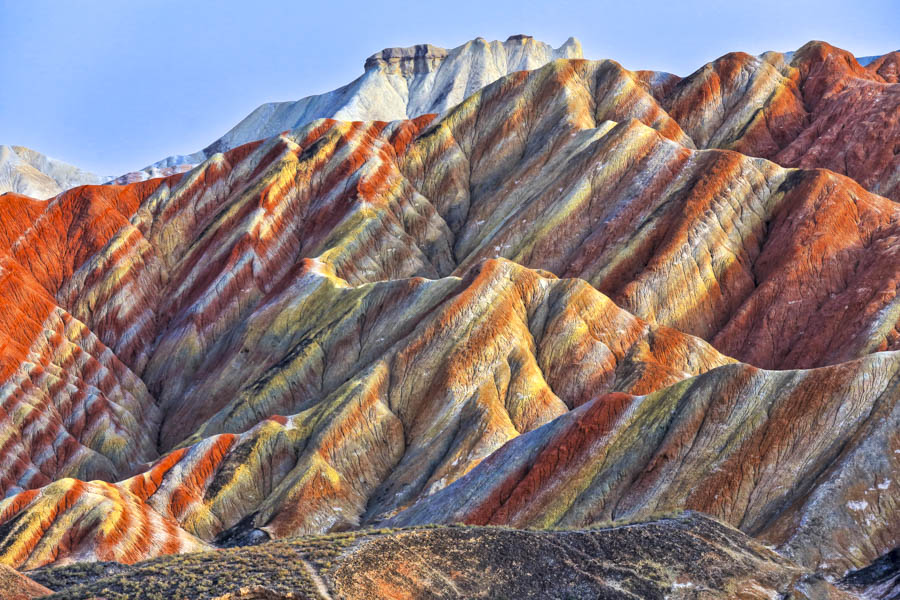
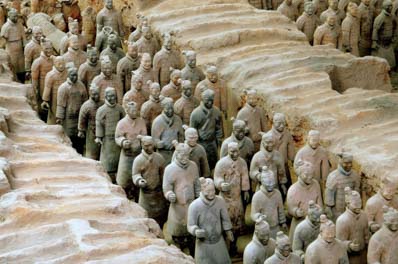
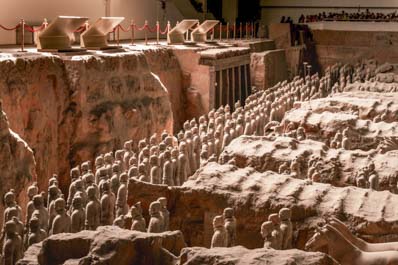
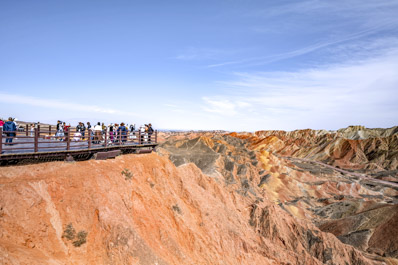
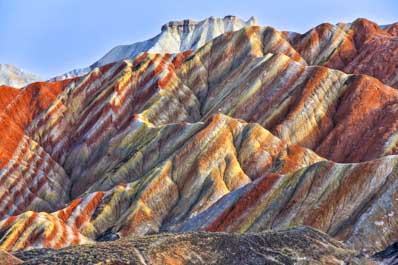
It starts in Xi'an, one of China's great ancient capitals. The Terracotta Army needs little introduction; the Muslim Quarter rather more time than most people give it. Heading west, Zhangye comes as a surprise to many — the coloured sandstone formations of the Danxia National Geopark look improbable even when you're standing in front of them.
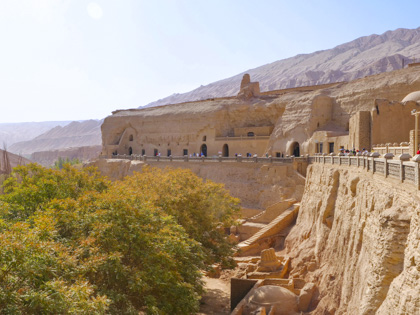
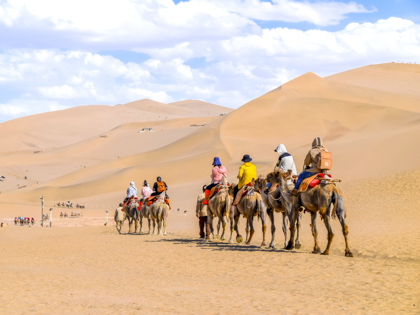
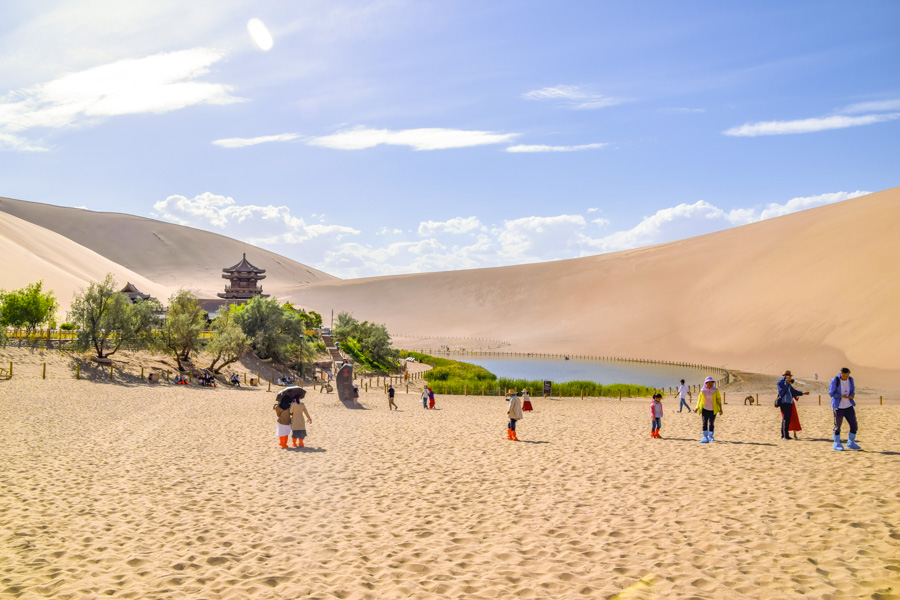
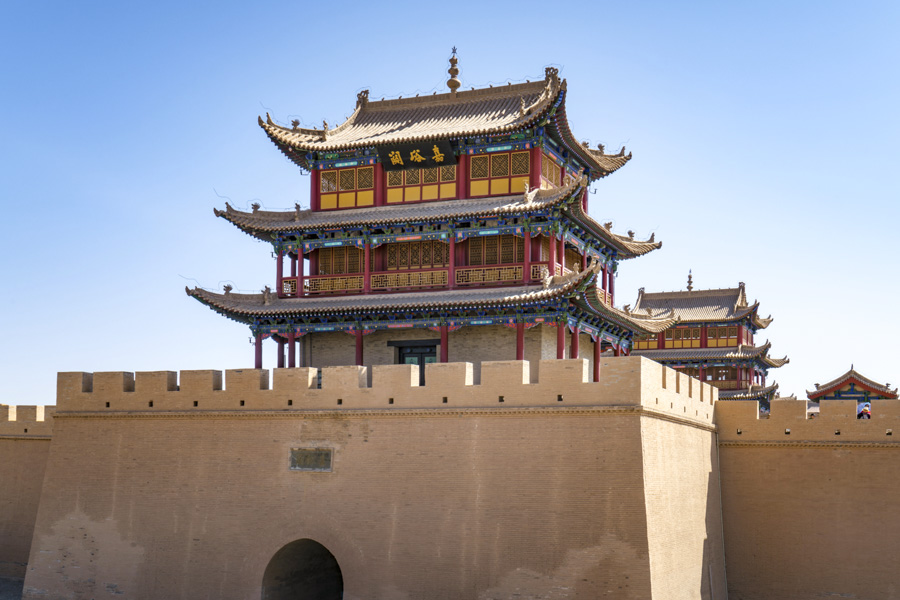
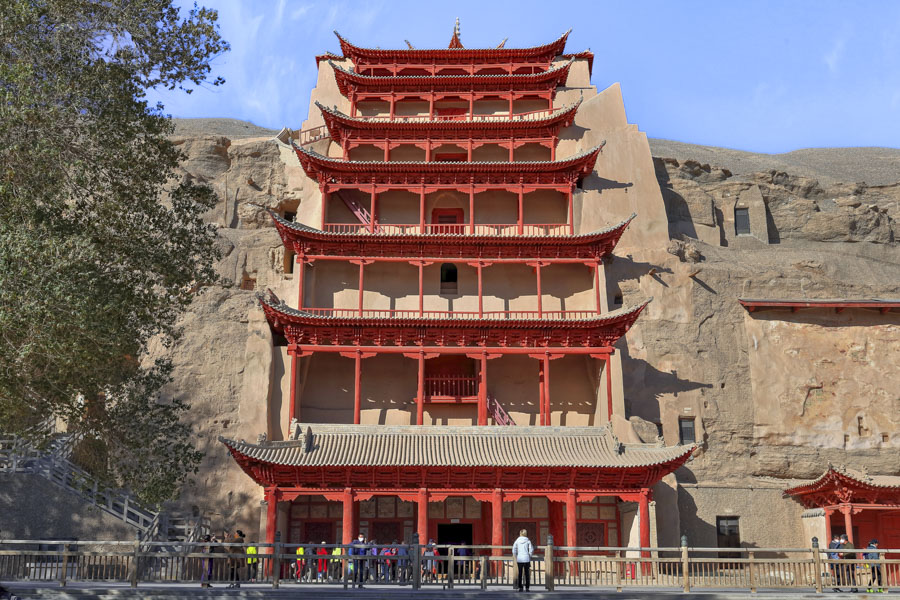
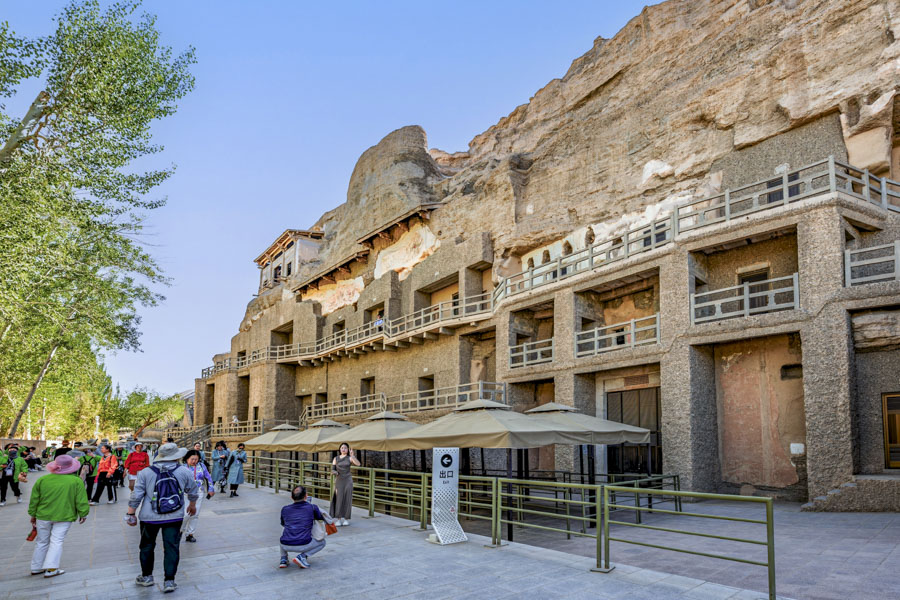
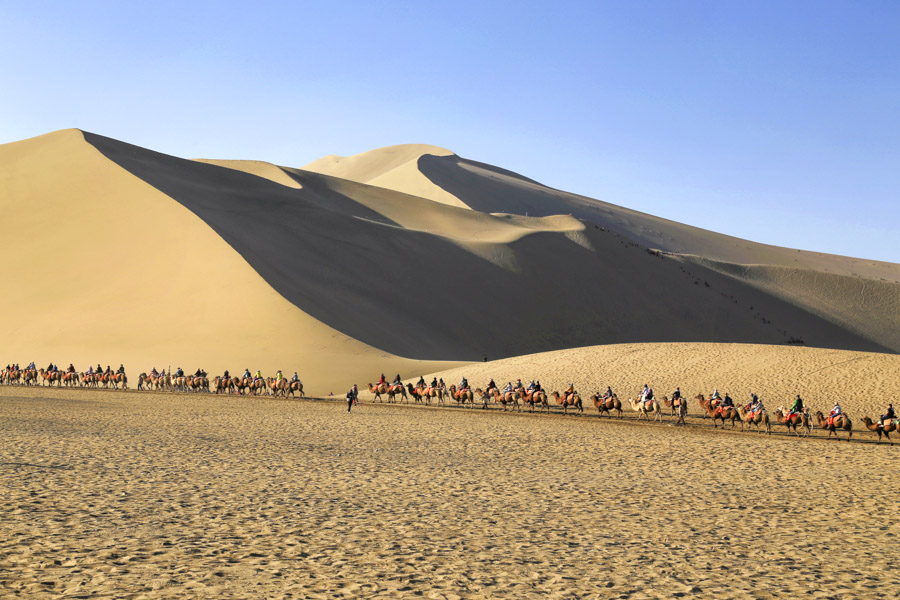
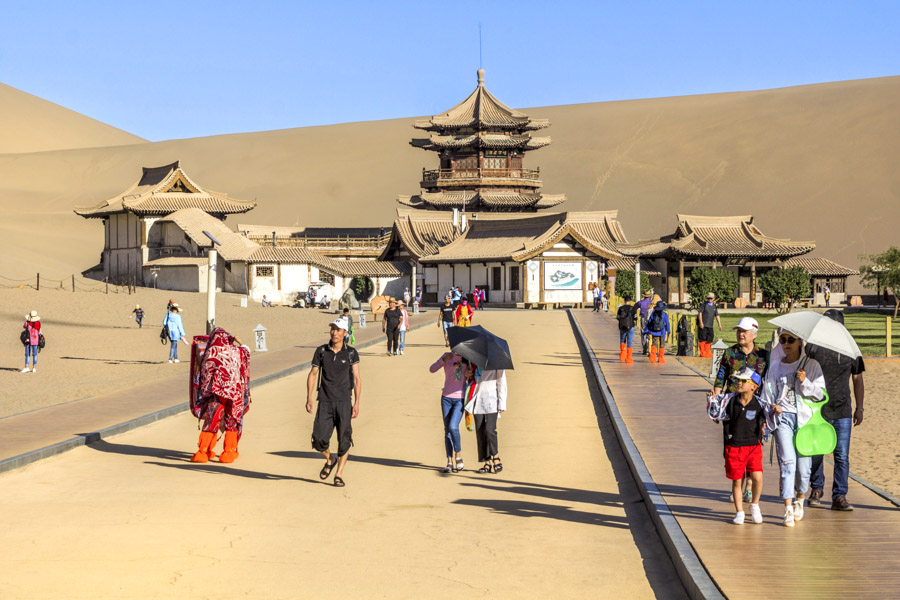
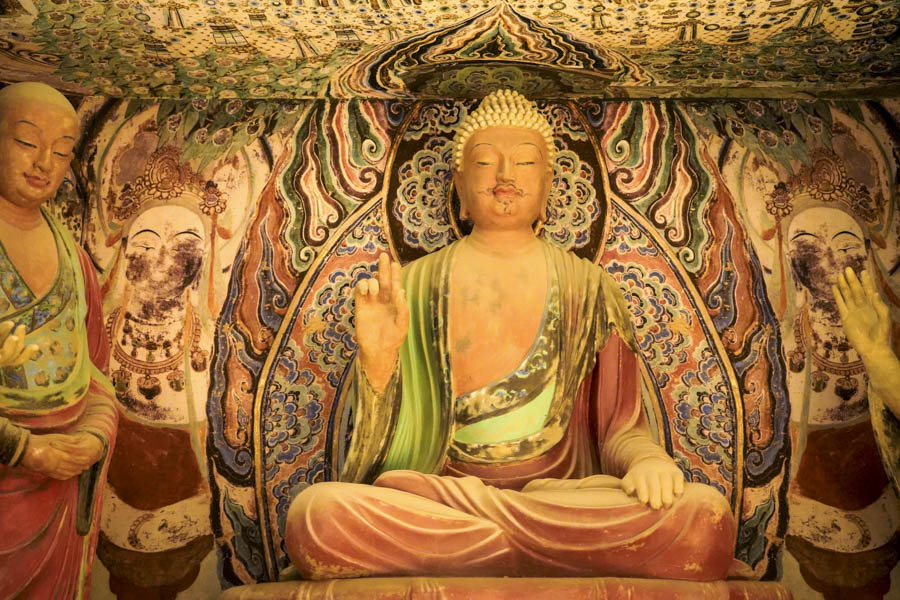
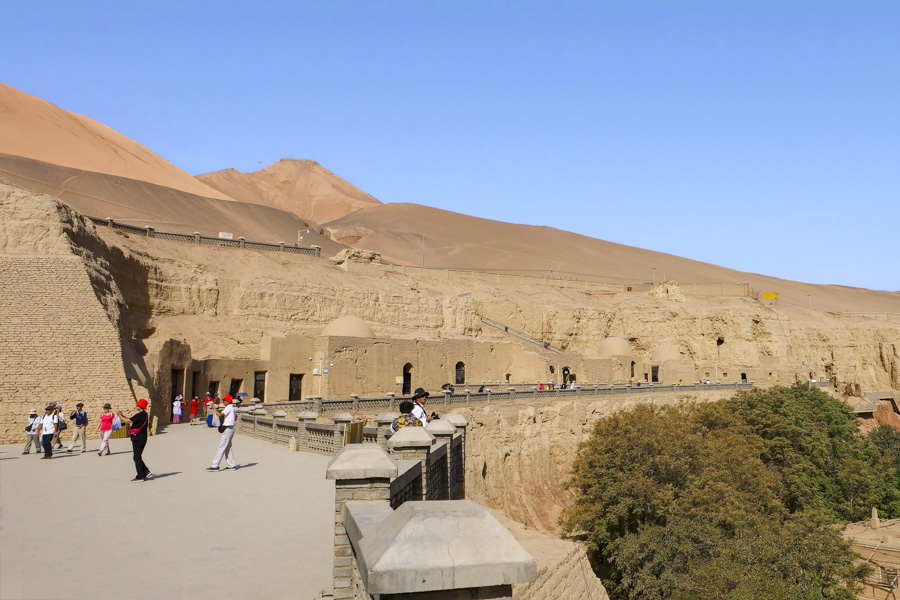
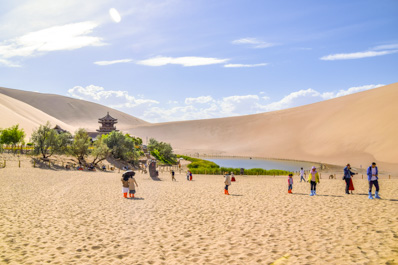
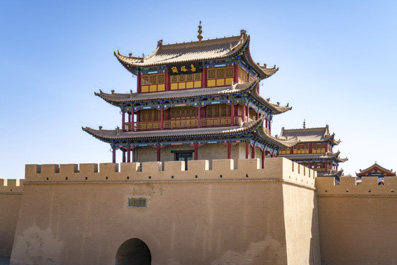
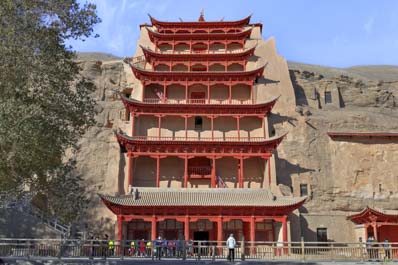
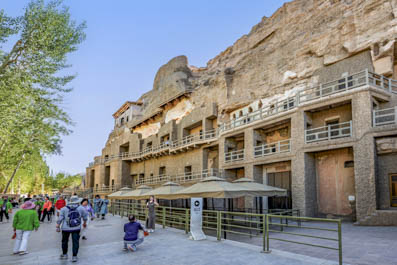
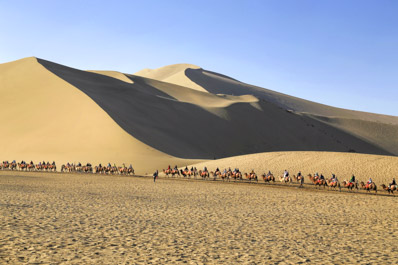
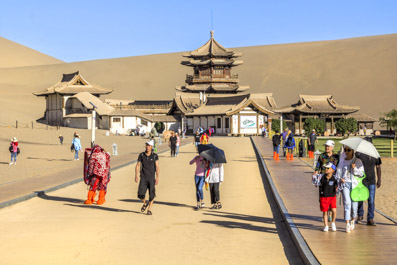
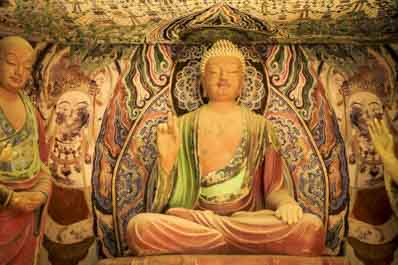
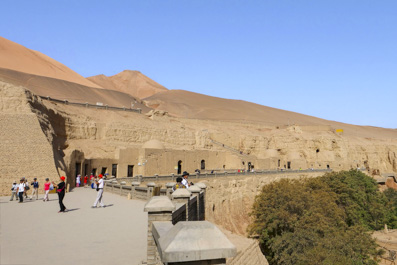
Jiayuguan marks the western end of the Great Wall, a far quieter and more contemplative spot than the sections most visitors see near Beijing. From there, the road leads to Dunhuang — an oasis town that once sat at the crossroads of the Silk Road and still feels like it. The Mogao Caves are the main draw, but the Singing Sand Dunes and Crescent Moon Spring are worth at least half a day of anyone's time.
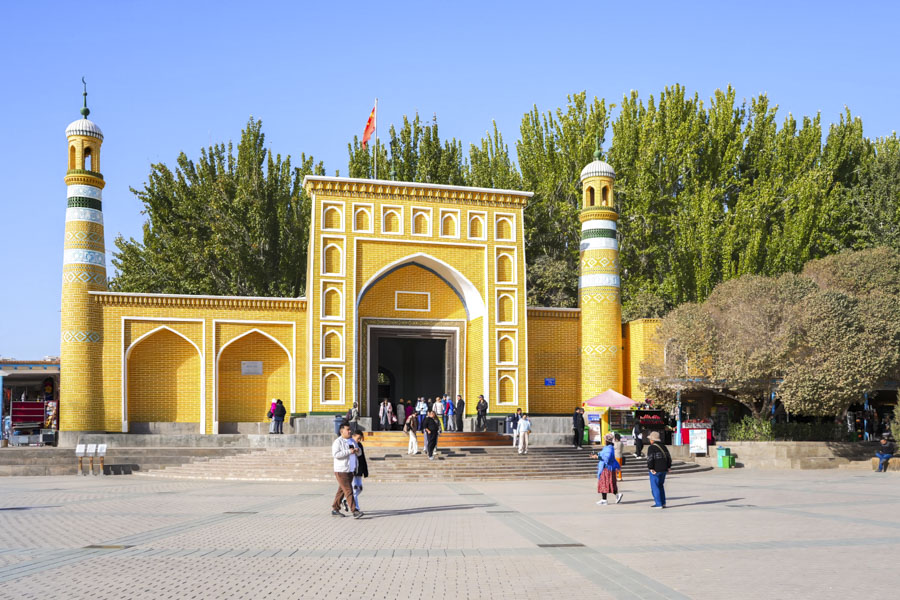
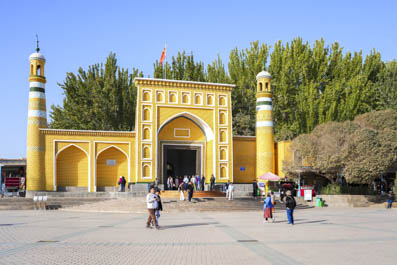
Turpan follows, a place shaped as much by its geography as its history — the Bezeklik Thousand Buddha Caves, ancient ruins and Uyghur villages all within reach of each other. The tour ends in Kashgar, which needs no embellishment. The Id Kah Mosque, the old town, the Sunday Bazaar — this is a city that has been doing things its own way for a very long time.
The 10-day Silk Road Tour in Western China: Xi’an to Kashgar offers a well-balanced combination of cultural heritage, natural scenery and comfortable travel, making it an excellent choice for travellers seeking a deeper understanding of this fascinating region.
Tour itinerary:
Overnight at the hotel.
Stop at a local terracotta workshop, where traditional techniques are demonstrated and handcrafted souvenirs are available.
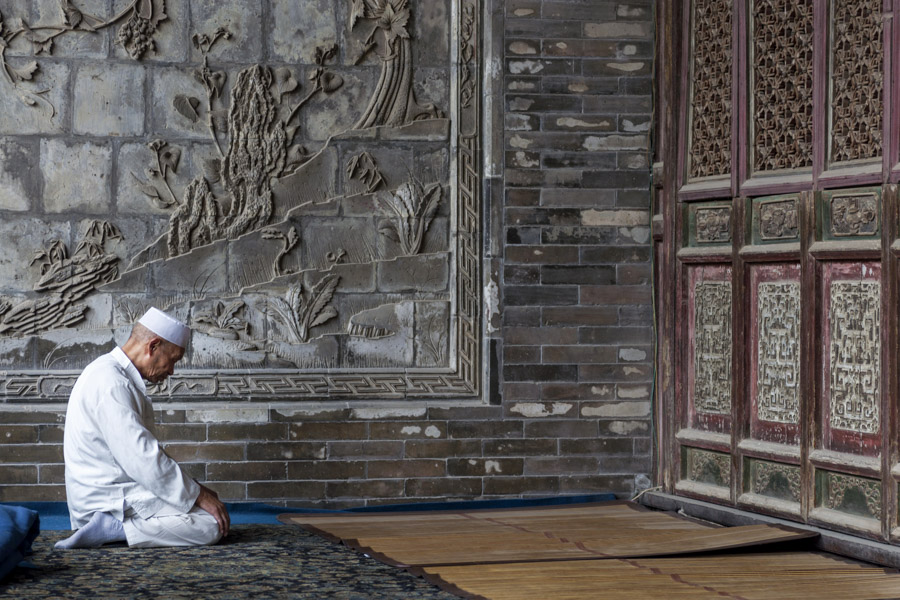
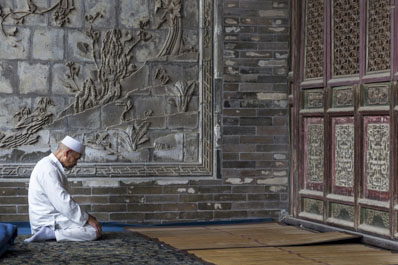
In the afternoon, drive back to Xi'an (40 km, 1 hour) and explore the Muslim Quarter, a lively and historically rich district filled with traditional food stalls, local markets, and centuries-old mosques. Here you will also visit the Great Mosque, a remarkable architectural complex that blends Chinese design with Islamic traditions, reflecting Xi'an's role as a key hub along the ancient Silk Road.
Overnight at the hotel.
Duration of sightseeing tour: 7–8 hours
Upon arrival, meet your driver and transfer to the hotel. Check-in and enjoy the rest of the day at leisure. Overnight at the hotel.
After the visit, drive to Jiayuguan (220 km, 3 hours) and transfer to your hotel upon arrival.
Overnight at the hotel.
Duration of sightseeing tour: 2–3 hours
Then drive to Dunhuang (380 km, 4,5-5 hours). Upon arrival, transfer to the hotel and check-in.
Overnight at the hotel.
Duration of sightseeing tour: 2–3 hours
Duration of sightseeing tour: 5–6 hours
Duration of sightseeing tour: 1–2 hours
Overnight at the hotel.
Duration of sightseeing tour: 5–6 hours
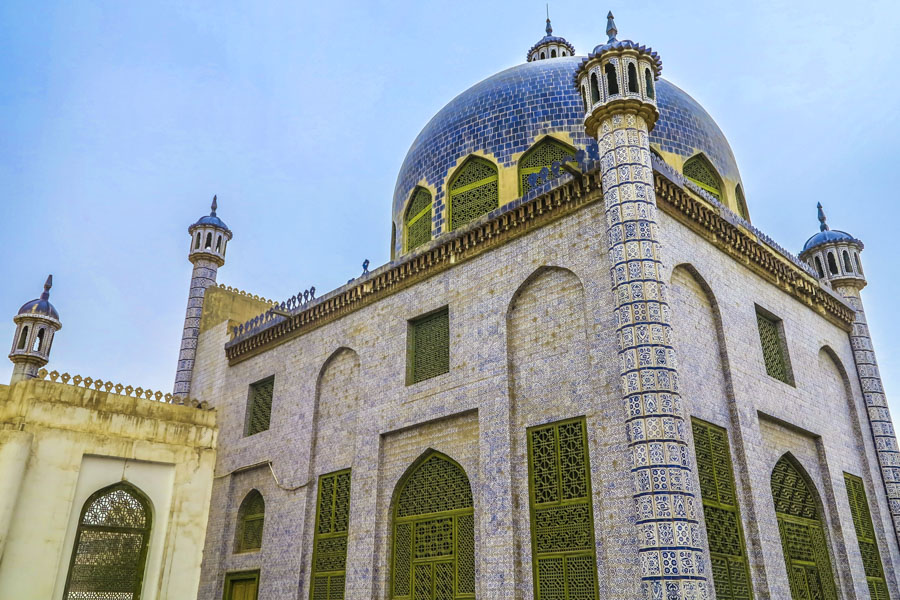
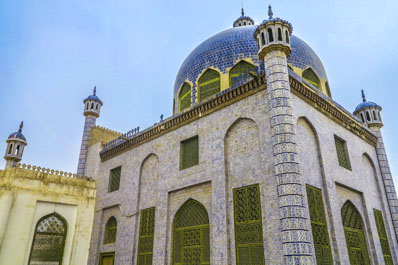
Visit the Id Kah Mosque, the largest mosque in China and a vital religious hub for the local Uyghur community. From there, head to the Tomb of Yusup Khass Hajib, honouring the celebrated scholar and author of Kutadgu Bilig — one of the cornerstone works of Turkic literature.
Overnight at the hotel.
Duration of sightseeing tour: 2–3 hours
In the afternoon, transfer to the airport for your departure flight.
Duration of sightseeing tour: 1–2 hours
Price includes:
- All transfers: 1-2 pax by Sedan type car, 3-7 pax on minivan/van, 8-16 pax by 20 seat bus;
- Accommodation based on double/twin room sharing, breakfasts included;
- English-speaking local guide;
- Entrance fees to sights as per itinerary;
- High-speed train Xian-Zhangye/Dunhuang-Turpan (second class);
- Economy class domestic flight Turpan-Kashgar;
- 1 bottle of water per person per day;
- Government taxes and fees.
Price doesn't include:
- International flight tickets before and after the tour;
- China visa fees;
- Overweight on domestic flights;
- Full board (lunches and dinners);
- Personal travel insurance;
- Tips to local guides and drivers.
Note: The rate is valid from March till December 2026 except for the holidays in China (Labor Day 1-5 May 2026, National Day 1-8 October 2026).