

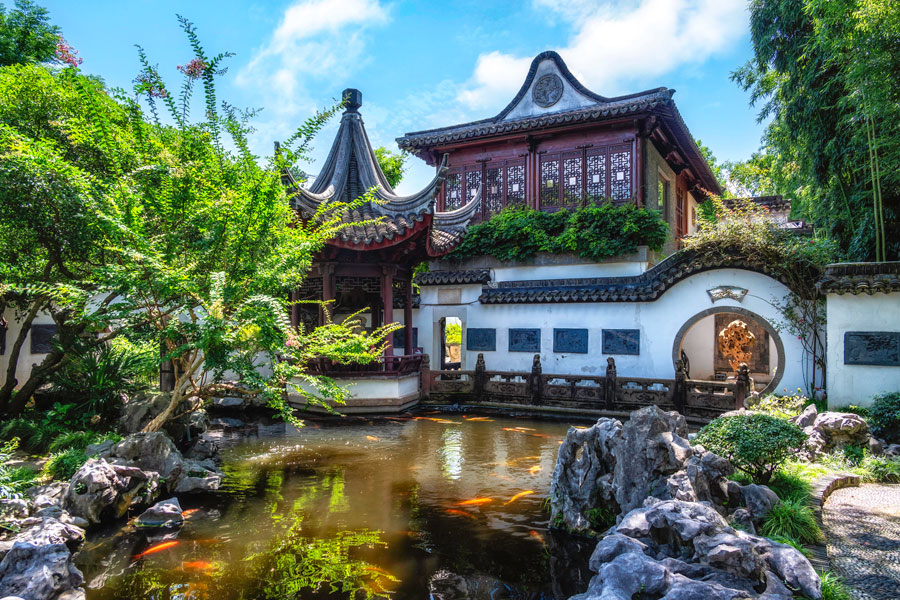
Kezhi Garden (课植园) is one of the finest classical gardens in the water town of Zhujiajiao (朱家角). Covering nearly 18,000 square metres, it is the largest private garden in the town and a striking example of early 20th-century garden design in the Jiangnan region.
The garden’s layout harmoniously combines the architecture of the buildings, water and greenery, creating an impression of tranquil balance. Pavilions, covered galleries, ponds and shaded courtyards unfold naturally along the walking route, and each turn reveals a carefully framed view, inviting a slower, more attentive way of exploring.
The name Kezhi refers to the balance between scholarship and cultivation of the land – an ideal long associated with China’s water towns, where intellectual life and practical work were closely connected. Today, the garden holds a distinctive place in Zhujiajiao’s cultural landscape. It allows visitors to step into the world of the local elite from a century ago – a setting shaped by learning, commerce and quiet retreat within thoughtfully arranged natural surroundings.
Kezhi Garden Tours
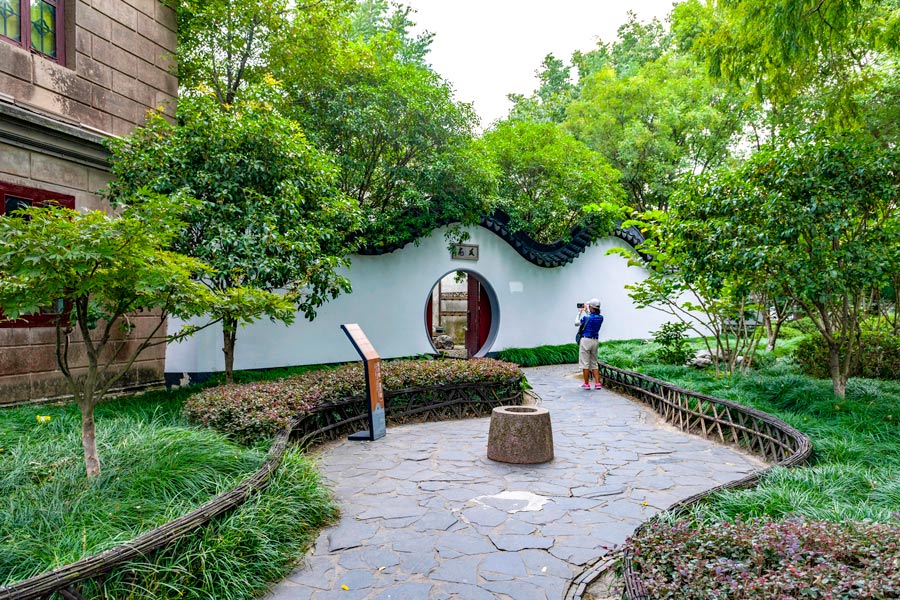
When planning your trip to China, consider setting aside time for the ancient water town of Zhujiajiao and its green jewel, Kezhi Garden. It forms part of the one-day Tour to Zhujiajiao from Shanghai, where a slow walk along narrow lanes, across arched bridges and past traditional houses gradually leads into the quiet spaces of the garden. Here, among pavilions, ponds and shaded galleries, you can sense the cultural depth of the town and the refined lifestyle it once embodied.
Zhujiajiao, the romantic Chinese water town, can also be woven naturally into broader journeys across China. In programmes such as the 7-day Beijing & Shanghai Highlights Tour or the 12-day Central China Classic Tour. The time spent along the canals and in peaceful gardens offers a tranquil escape from the hectic pace of big cities, allowing you to experience a different rhythm – that of everyday life along the waterways of eastern China.
Best Time to Visit Kezhi Garden
Kezhi Garden can be enjoyed all year round, with each season offering its own unique charm.
In spring the garden is particularly inviting, when Zhujiajiao enjoys mild weather and comfortable temperatures of around +15°C to +25°C (59 to 77°F). At this time of year, walks along the ponds, beneath the willows and through the bamboo groves feel especially pleasant. Fresh green leaves soften the outlines of pavilions and galleries.
Launched in 2025 and known as "China's first ancient town for inbound tourists", this summer festival allows visitors to explore the artistic and cultural heritage of the town. The temperatures during this season are around 24 °C to 30 °C (75 °F to 86 °F).
In autumn the foliage appears fuller and richer after the summer rains, and the temperatures are similar to spring. In early autumn, usually in September and October, the garden becomes one of the venues for the Qingpu Culture and Tourism Festival. Concerts and theatrical performances take place among its courtyards and halls, and visitors can watch staged excerpts from Chinese opera and live musical programmes in a refined historic setting.
The best time to visit Kezhi Garden can also be in winter during the Chinese New Year when temperatures are around 4 °C and 10 °C (39 °F and 50 °F). and other major national holidays, when the atmosphere becomes especially vibrant.
Kezhi Garden Opening Hours
Kezhi Garden is open daily from 8:30 to 16:30, with last admission usually 30 minutes before closing. For a more peaceful visit, plan to arrive in the morning or after 15:00, when the number of visitors decreases. At these times, the softer light also creates favourable conditions for photography.
Kezhi Garden Ticket Prices
You can visit Kezhi Garden with a Join ticket, which also includes the Garden of Harmonious Hearts and the Shanghai Helong Art Gallery.
The combined ticket costs RMB 60 (approximately $9, €8, or £7).
Note: Ticket prices are indicative and may change without prior notice.
Practical Additional Information
Address: No. 119 Xijing Street, Zhujiajiao Town, Qingpu District, Shanghai.
Duration of visit: A walk through Kezhi Garden usually takes 1–2 hours.
Access to the town: Zhujiajiao Ancient Town itself is open to visitors without an entrance ticket. Admission fees apply only to specific attractions.
History of the Kezhi Garden
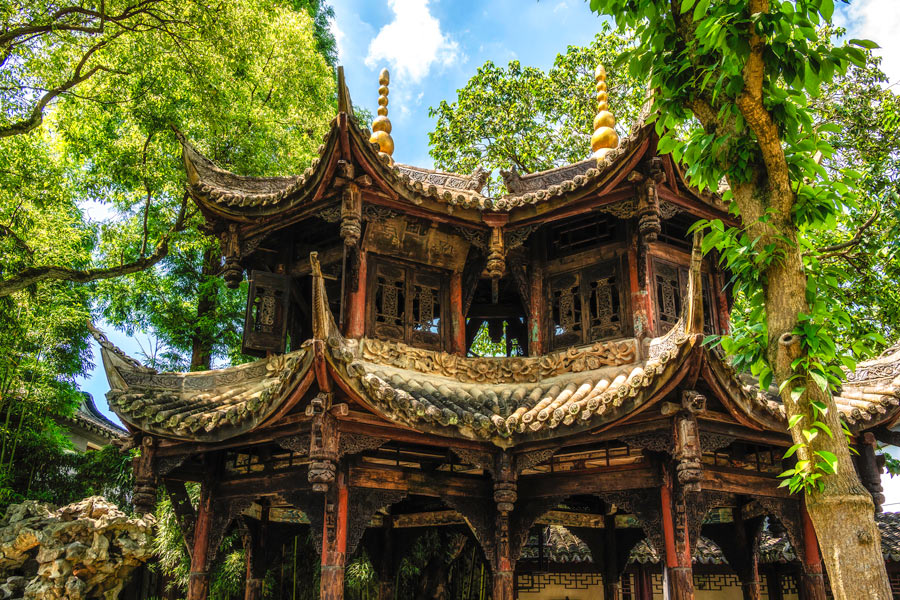
Kezhi Garden was established in 1912 in the northwestern part of Zhujiajiao as a private garden estate. It was founded by the wealthy merchant Ma Wenqing, who devoted considerable resources and personal attention to its creation. Its construction lasted around 15 years and is said to have cost more than 300,000 silver taels. A tael was a traditional Chinese unit of weight that, when it was applied to silver, was used as a unit of currency. One tael was equivalent to 1.3 ounces of silver. Given the cost invested by Ma Wenqing, this reflects his considerable wealth and commitment to creating a garden of exceptional beauty. The project drew inspiration from renowned classical gardens, including Yu Garden in Shanghai and the Lion Grove Garden in Suzhou.
The twentieth century was a challenging time for Kezhi Garden. Years of armed conflict and profound political change led to the estate’s decline, resulting in the loss of parts of the historic complex. In 1956, several traditional structures were removed to make way for new facilities for Zhujiajiao Middle School, which had been established on the garden’s grounds. The school remained there until its relocation in 2003.
A turning point occurred in 1986, when Kezhi Garden was placed under official heritage protection for the first time, marking the beginning of systematic conservation efforts. In May 2001, this status was further strengthened when the People’s Government of Qingpu District designated it as a County-Level Cultural Relics Protection Unit.
Explore the Layout and Culture of Kezhi Garden
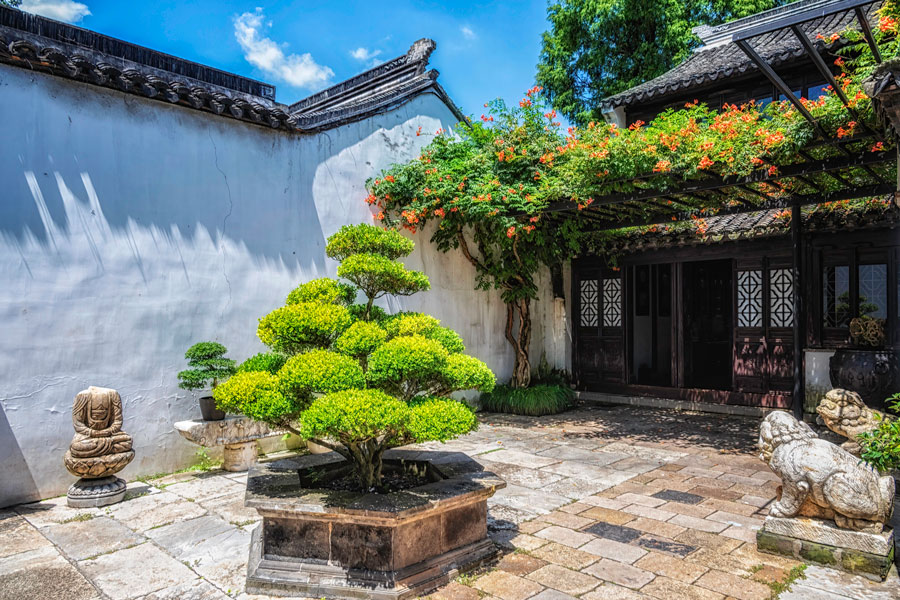
Kezhi Garden is divided into two main sections, each reflecting a different aspect of Chinese cultural life. Ke Garden, meaning “to study”, is arranged as a space for quiet walks, conversation, and reflection. In contrast, Zhi Garden, meaning “to cultivate”, was originally conceived with a practical use, including orchards and vegetable plots.
The layout adheres to the principles of classical southern garden design. Gentle lines of paths, water, stones, and greenery form a carefully crafted setting. Winding routes guide visitors through changing viewpoints, allowing the scenery to unfold gradually, a technique that deepens the sense of space.
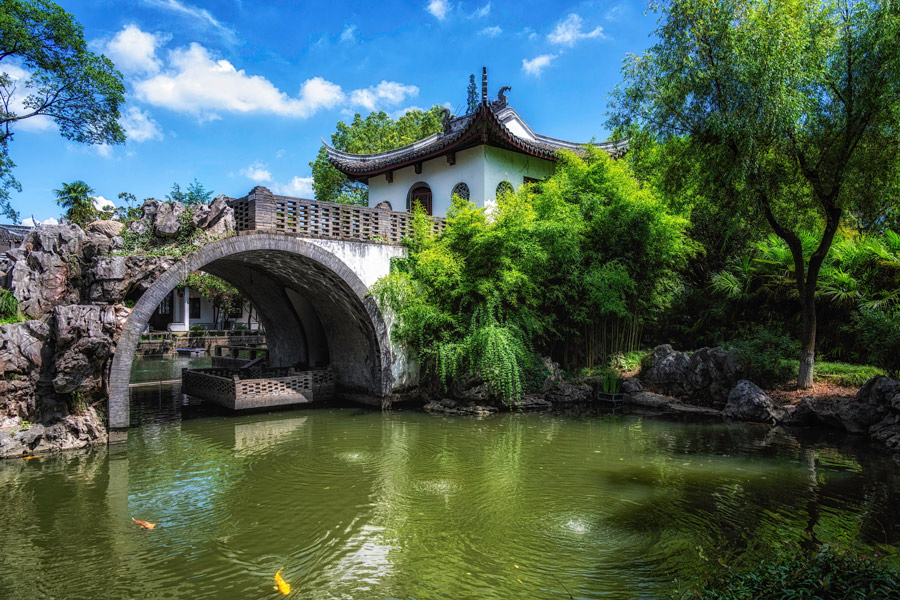
Water features, pavilions, and planting schemes play a central role in the composition. Ponds and small bridges introduce rhythm and movement, echoing long-standing Taoist ideas about the balance between people and nature, as well as Confucian principles and feng shui concepts that have influenced garden aesthetics in this region.
The architecture combines Chinese structures with terraces and covered galleries. At the same time, some buildings reveal subtle Western influences typical of private estates in the Shanghai area in the early 20th century. These elements are harmoniously integrated into the overall ensemble without compromising its historical character.
Work on the land was a fundamental aspect of the original concept. For this reason, the garden includes an agricultural section and a small open-air display showcasing farming tools and equipment once used in daily life.
The planting schemes feature a combination of aquatic vegetation and ornamental species, including bamboo, which has long been regarded as a symbol of resilience and integrity. A central pond is home to koi carp, which represent perseverance and the overcoming of obstacles.
Together, these elements shape a garden that embodies both aesthetic refinement and the practical values on which it was founded.
Major Landmarks at the Kezhi Garden not to Miss
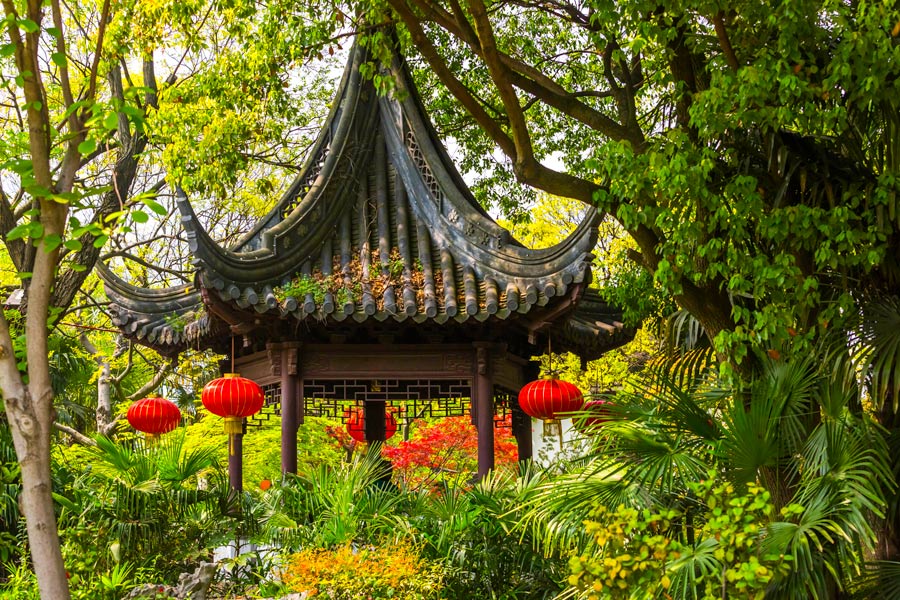
Every corner of Kezhi Garden showcases the refined language of Jiangnan garden art and reveals the tastes and cultural ambitions of its owner.
The central ensemble of Ke Garden consists of four halls – Sedan Hall (轿厅), Reception Hall (会客厅), Houhua Hall (后花厅), and Yinggui Hall (迎贵厅) – arranged around open courtyards. At the heart of the complex stands Zhonghua Pavilion, facing the water and serving as a vantage point for observing the surrounding scenery. The Library Tower (樓書藏), notable for its openwork staircase and wide balcony, once provided a secluded space for reading and study. Nearby, the Stele Corridor (碑廊) preserves carved panels inlaid with calligraphic poems and verses by prominent literati from the Ming and Qing dynasties.
The Wangyue Tower (望月楼), or Moon Gazing Tower, rises five storeys above the grounds, creating a striking vertical element amidst the greenery. The Inverted Lion Pavilion (倒狮亭), inspired by classical Suzhou garden design, adds a touch of decorative sophistication. Meanwhile the winding Nine-Zigzag Bridge (九曲桥) traces an angular path across the pond, gradually revealing new perspectives. The Embroidery Room (绣花间), where the founder’s daughter once practised needlework, now displays examples of traditional Chinese painting and embroidery.
The Yingxun Pavilion, paved with European imported patterned floor tiles, is another example of how Western materials were integrated into local style.
The magnificent Kezhi Bridge made of stone serves as the boundary between the study garden and the planting garden.
Originally, Zhi Garden was devoted to experimental cultivation, with the founding family growing medlars, peaches, persimmons, and the well-known Qingjiao Thin Rice variety. Today, this section combines rockeries, ponds, shaded corridors, and mature trees, preserving the agricultural spirit that shaped the estate’s identity. Its more open layout contrasts with the architectural density of Ke Garden, enhancing the spatial experience of the complex.
Together, these elements create a coherent composition that reflects the intellectual and practical ideals embedded in early 20th-century private garden design.
How to Get to the Kezhi Garden?
Kezhi Garden is located in Qingpu District, in the northern section of historic Xijing Street.
If you are travelling to Zhujiajiao by Shanghai Metro Line 17, get off at Zhujiajiao Station and exit through Exit 1. From there, it is about a 15-minute walk to the entrance of the historic town. Walk north along Zhuxi Road, turn right onto Xiangningbang Road, then left onto Caoping Road. Cross Caoping Road Bridge over the Caoping River and continue straight for about five minutes. On your right, you will see the Zhujiajiao Ancient Town Tourist Center (No. 555 Kezhiyuan Road), which serves as the main entrance to the historic area.
After entering the old town and purchasing your ticket, follow Xijing Street towards Kezhi Garden Pier, located near Zhonglong Bridge. A short distance further on, you will reach the entrance to Kezhi Garden.
If you are arriving by bus, you will be dropped off at the parking area near Zhuxi Garden. From there, walk along Xinxi Road and continue onto Xinfeng Road, where you will find another tourist centre (No. 172 Xinfeng Road) selling entrance tickets. Continue for about five minutes until you reach Fangsheng Bridge, the town’s main landmark. Cross the bridge, turn left onto Dongjing Street, then right and cross the canal via Yong’an Bridge. Turn right again onto Xijing Street and proceed until you reach the entrance to Kezhi Garden.
Tips for an Optimal Visitor Experience
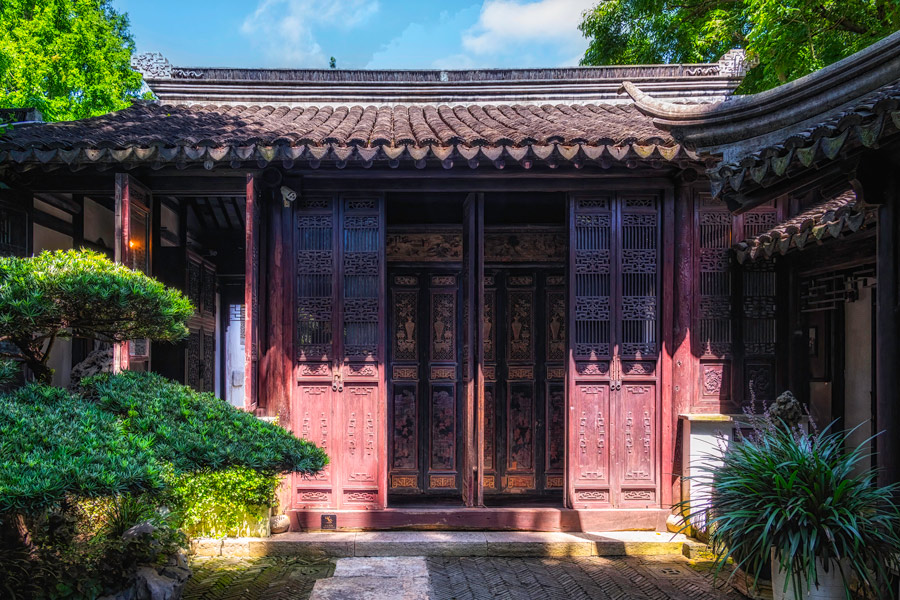
To ensure a comfortable and enjoyable visit to Kezhi Garden, it is helpful to keep a few practical tips in mind.
- Take your time: Allow yourself to appreciate the quieter corners and the refined beauty of the pavilions – the atmosphere naturally encourages slow observation and reflection. It is also worth wandering beyond the main paths, as the narrower routes often reveal unexpected views and more serene perspectives.
- Wear comfortable clothing: Suitable walking shoes are recommended, as the stone paths can be uneven and may become slippery in wet conditions. During warmer months, bringing water and sunscreen can make your visit more pleasant, especially in the more open areas of the garden.
- Help maintain a quiet atmosphere: Visitors are encouraged to respect the calm character of the site by keeping noise to a minimum.
Kezhi Garden remains a living expression of traditional Chinese garden culture, where pavilions, bridges, water features, and greenery create a carefully balanced composition. A stroll through this garden offers not only visual delight but also a deeper appreciation of the aesthetics and values that have shaped Jiangnan garden art over the past century.