

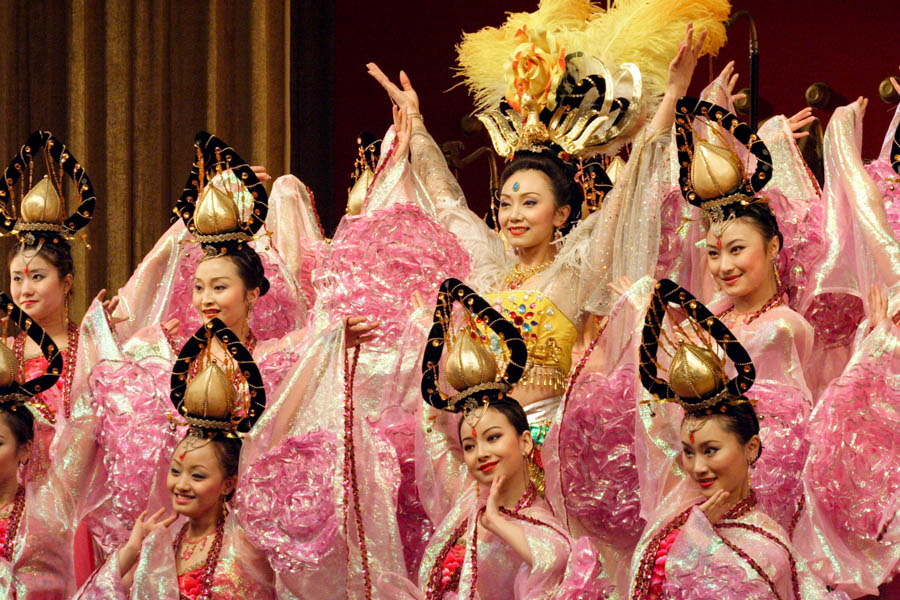
Chinese culture is one of the world's oldest and most enduring systems of belief and custom. Shaped by millennia of history, it remains an integral part of everyday life across China and in Chinese communities all around the world.
In Chinese thought, culture and tradition reinforce one another in ways that are hard to separate. This guide examines them together, exploring the elements that have sustained this civilisation across time.
Customs and Daily Life in China
Social Conduct and Etiquette in Chinese Culture
Social life in China is shaped by long-standing traditions, etiquette, and shared cultural habits that guide how people interact and relate to one another. Respect, communality, and ritual lie at its core, with many practices shaped significantly by Confucian values – values that have profoundly influenced Chinese society and culture over time – as well as by Buddhism, Daoism, local folk religions, ethnic minority customs and modern social change.
Those wishing to explore this more closely may consider the etiquette courses for foreign visitors offered by the YiLi International Etiquette School in Hong Kong.
Food and Tea Culture in China
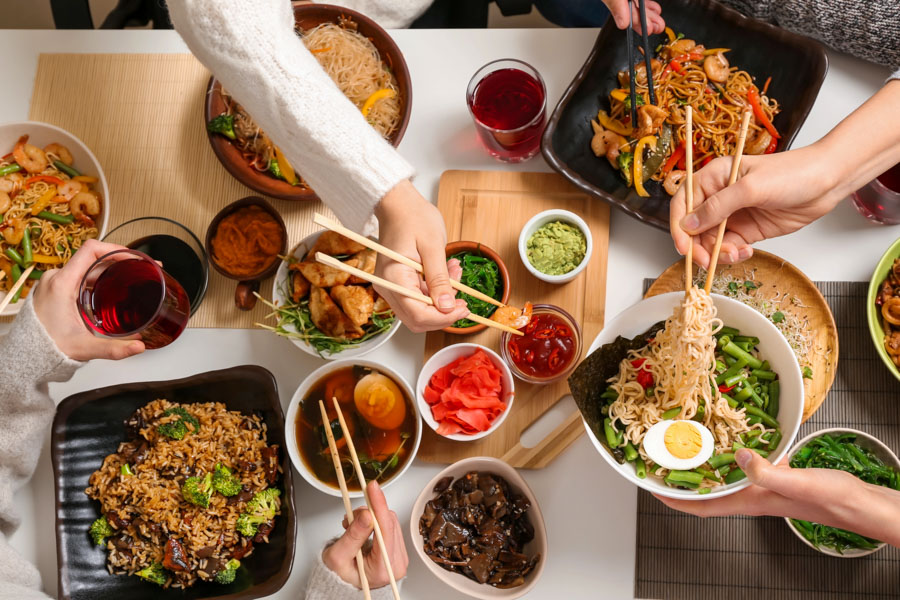
Perhaps nowhere are Chinese cultural values so easy to spot as at the table, where food plays a central role, deeply connected with tea culture, with this well-loved drink serving as a timeless symbol of hospitality and mindfulness. Meals are shared communally, and small gestures such as waiting for elders to begin remain meaningful expressions of respect in Chinese culture.
For those who wish to experience this culinary culture in its depth, our two-week food tour traces a remarkable path through the regional dishes and storied restaurants that make Chinese food culture an experience unlike any other. And for those drawn more particularly to tea, the Wuyi Mountains in the northern Fujian province host brewing workshops and offer rare tea varieties amid breathtaking scenery.
Health through Traditional Chinese Medicine
This attentiveness to nourishment extends naturally into how health itself is understood. Traditional Chinese medicine offers approaches to well-being refined over centuries, and practices such as acupuncture, cupping, and Tui Na massage continue to shape how people think about care for both self and others.
Visitors curious to experience this for themselves can access outpatient services at Dongzhimen Hospital in Beijing, a leading institution affiliated with the Beijing University of Chinese Medicine.
Everyday Traditional Activities in China
The Chinese calendar is marked by celebrations of all kinds that bring communities together in ways that feel as natural and necessary as the turning of the seasons. It’s a joy like no other to stroll beneath glowing wonders at the Lantern Festival (元宵节), where paths of light weave through the crowd, carrying good wishes skyward on the fifteenth night of the Lunar New Year.
Beyond these gatherings, cultural pursuits such as martial arts and the quiet, contemplative tradition of songbird keeping speak of how heritage continues to inhabit everyday life. To catch these living traditions in action, an early morning walk through the parks of many Chinese cities will often bring you alongside owners carrying ornamental cages, their bird companions filling the air with song, while nearby, locals move through the quiet, unhurried rhythms of Tai Chi Chuan.
Values and Beliefs in China
Mythological and Philosophical Aspects of Chinese Culture
Chinese beliefs may be best approached as a living conversation between the human world and something greater. Rather than existing as abstract ideas in Chinese culture, they tend to materialise in the way people understand harmony, luck, and the natural order.
Chinese myths and legends are the fundamentals on which Chinese culture is based, illustrating the values through stories passed down. The tale of the Cowherd and the Weaver Girl (牛郎织女), reunited once a year when magpies form a bridge across the Milky Way, is one such story – beloved not simply for its romance, but for what it says about devotion and the rhythms of the heavens. Mighty dragons, immortals, and celestial creatures populate this folklore too, each a carrier of meaning that time has done nothing to diminish.
Philosophies of life are three great teachings, which add another layer: Confucianism, Daoism, and Buddhism, each of which has left a lasting mark on how people think about morality, balance, compassion, and how to live well together. These traditions remain part of daily life at sacred places such as Mount Wudang, Mount Qingcheng, Lingyin Temple, and White Horse Temple.
Beliefs in Daily Life and Cultural Symbolism in China
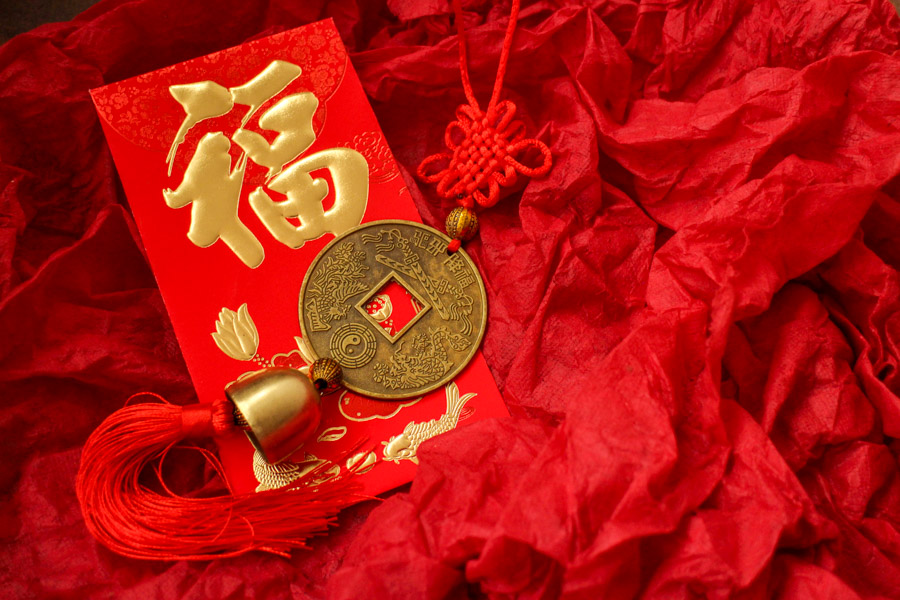
Ideas of good fortune and symbolism in Chinese culture run just as deep. Step into any lively market street, and the evidence is everywhere: the bold red Chinese character 福 (fú) above a doorway symbolising blessings or a stalk of lucky bamboo catching the light beneath lanterns painted with fish to represent abundance. Every colour, number, and arrangement carries meaning, quietly composing a world that wishes you well at every turn.
The Chinese zodiac, with its twelve-animal cycle, reflects a beautifully cyclical understanding of time and personality and remains a quiet but meaningful guide for some when navigating life choices.
Chengxian Street in Beijing (officially Guozijian Street) is known for its Confucius Temple, the Guozijian (Imperial College), and the timeless charm of old Beijing hutong alleyways. Affectionately nicknamed “Fortune Telling Street”, it invites visitors to explore traditional fortune-telling shops and experience first-hand one of the city’s most enduring cultural customs, a lively expression of Chinese culture.
Feng shui speaks to the conviction that the world around us is never neutral. Rooted in principles stretching back to the Zhou dynasty, it holds that our surroundings can influence harmony and well-being.
Chinese Language
Spoken Chinese Across China
The Chinese language family, or Sinitic branch, embraces an astonishing range of regional speech. Yet, what is the most common language in China? Mandarin, also known as Putonghua, is the most widely spoken and serves as the national standard; step onto a railway platform in the north and you will hear its smooth, rounded cadence carrying across the crowd.
The other kinds of Chinese language spoken across the country include Cantonese, which dominates daily life in Guangdong, Hong Kong, and Macao and shines in Cantonese opera and regional cinema; the softer, more lilting Wu dialects around Shanghai; and the many branches of Hakka and Min that enrich the linguistic landscape of the south and southeast.
A few Chinese language phrases go a long way: “nǐ hǎo” (你好) for “hello” and “shì” (是) for “yes” are warmly understood across the country. For those wishing to connect more deeply, Mandarin courses are widely available, with some schools pairing lessons with homestays for a fuller experience of daily conversation.
Classical Chinese Literature and Poetry
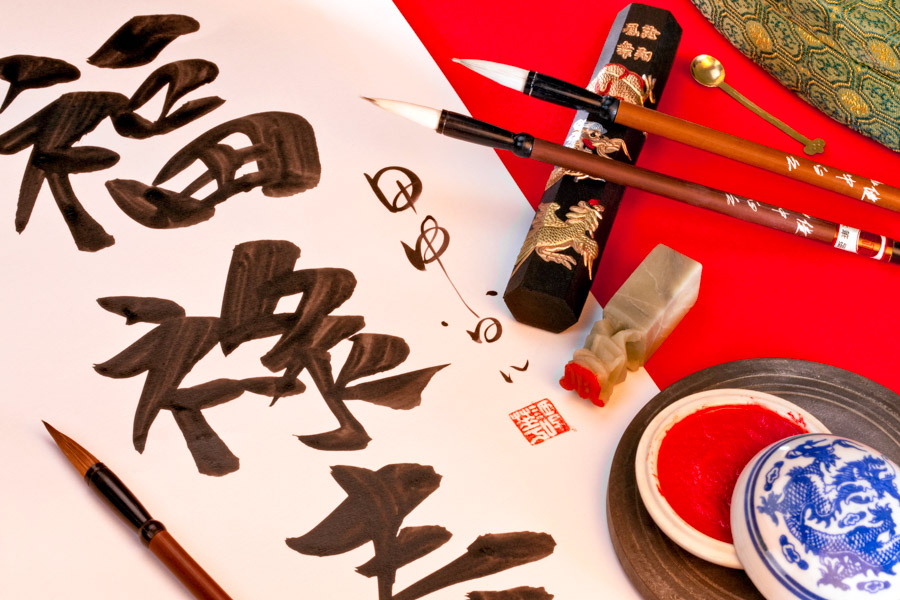
Language in China has always found its deep expression in literature. The poetic tradition stretches back to the Shijing, or Book of Songs, the oldest surviving anthology of Chinese verse, and reached a golden age during the Tang dynasty with poets such as Li Bai and Du Fu. Classical prose, dynastic drama, and the great Ming and Qing novels, among them Journey to the West and Dream of the Red Chamber, endure in part because they are so attentive to character. Mythology and dynastic intrigue form the backdrop; the real subject is self-deception, desire, and the gap between how people present themselves and what they truly want.
Visitors to Beijing's National Library of China (中国国家图书馆) can explore this heritage, where ancient manuscripts and calligraphy show how words have shaped a civilisation, while in Suzhou and Hangzhou poetry is carved into garden walls and stones, inviting visitors to walk quite literally through lines of verse.
The Musicality of Chinese Speech
Lyrics and singing complete this picture. Chinese is a tonal language, and the interplay between pitch and melody gives its songs a distinctive character found nowhere else. The lyrical Cí poetry of the Tang and Song dynasties, the hundred-plus regional styles of Chinese opera, and the joyful communal ritual of karaoke that threads through modern daily life all share the same truth: the human voice has always been both instrument and storyteller in Chinese culture.
Historical Milestones and Cultural Development in China
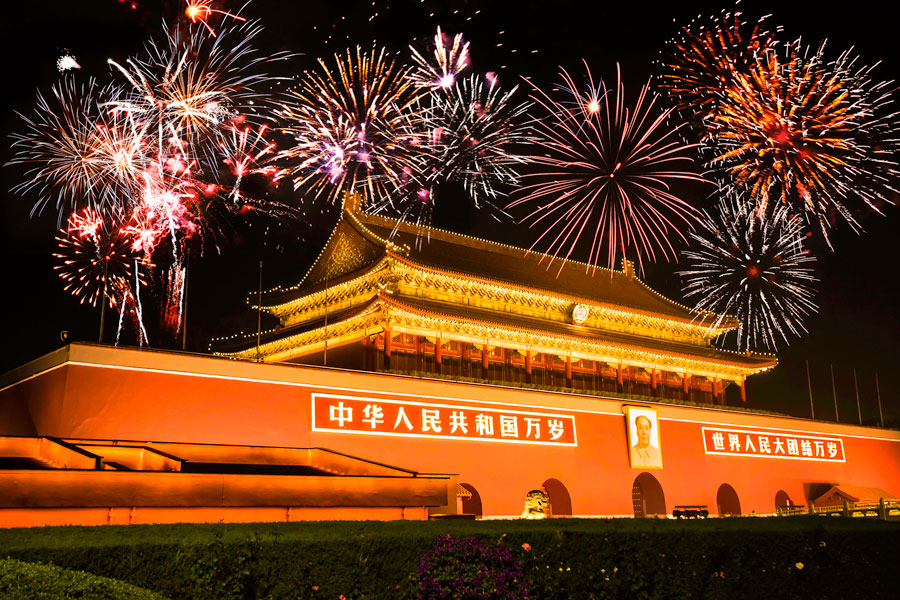
China's Four Great Inventions: paper, printing, the compass, and gunpowder stand among the most consequential discoveries in human history, each reshaping both Chinese civilisation and the wider world. Gunpowder's invention is perhaps a surprising story. In the workshops of the Tang dynasty, alchemists combined saltpetre, sulphur, and charcoal in search of the secret to longevity. What they discovered instead was huo yao, "fire medicine", a strange, burning powder that would go on to transform warfare and exploration. By the Song dynasty, gunpowder had moved from Chinese alchemical experimentation into military use, with formulas recorded in military treatises such as the Wujing Zongyao.
Today gunpowder's cultural legacy lives on. Fireworks and pyrotechnic displays remain central to festivals, temple rites, and commercial entertainment, linking the invention's alchemical origins to contemporary celebrations. In Beijing, the China Science and Technology Museum (中国科学技术馆) presents this history through exhibitions and science education programmes.
One more pivotal point came with the Cultural Revolution (1966–1976), initiated by Chairman Mao Zedong, during which China underwent profound societal transformation. The movement sought to address the Four Olds – old customs, culture, habits, and ideas – reshaping daily life and directing official culture toward art and cultural production emphasising socialist ideals and revolutionary imagery. Art forms such as classical painting, calligraphy, and regional opera were set aside in favour of bold, optimistic portrayals of workers and soldiers. Some artists continued to nurture their practices privately, and after 1976, as China re-engaged with the wider world, a notable revival of traditional arts took hold. The Military Museum of the Chinese People's Revolution (中国人民革命军事博物馆) in Beijing opens a window into this period and the processes that shaped modern China.
Arts and Cultural Heritage of China
Performing Arts in China
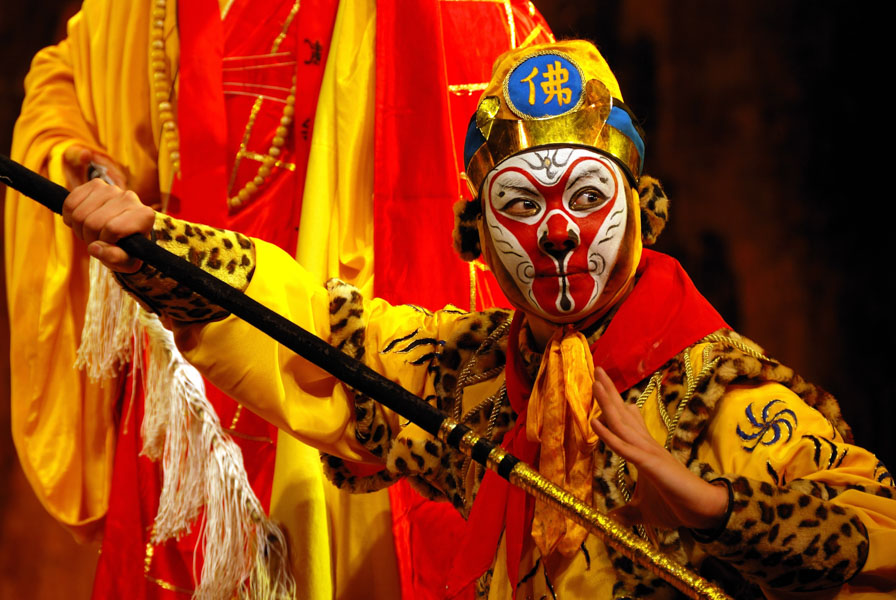
Chinese theatre and opera bring together music, movement, costume, and storytelling. Sichuan opera is known for its lightning-fast mask changes and acrobatics; Kunqu (or Kun Qu) for its graceful movement and poetic dialogue; and Peking opera for its combination of song and martial artistry. A rather different kind of theatre, Chinese shadow puppetry, recognised by UNESCO as China's Intangible Cultural Heritage, uses light and finely cut leather figures to striking effect with performers animating entire casts with remarkable precision.
A great first introduction for visitors is The Tang Dynasty Empress (大唐女皇) show in Xi'an, with music and dance drawn from the Tang dynasty's court.
Chinese music rewards curious ears. The erhu's expressive bowed voice and the pipa's plucked storytelling are central to classical tradition, alongside the guqin, guzheng, dizi, and sheng, accompanied by percussion that drives the drama of opera. In teahouses and theatres, regional folk melodies and silk-and-bamboo chamber ensembles create a convivial soundscape, while contemporary C-pop shows how the tradition continues to evolve.
Dance in China covers a wide range, from ancient imperial ritual forms and classical choreography drawing on Dunhuang murals to the lion (舞狮) and dragon (舞龙) dances that enliven festivals across the country. In public parks, square dance (广场舞) draws all age groups into music-led routines that combine exercise with community.
Chinese cinema has carried this performing heritage onto film and to international audiences. Films such as Crouching Tiger, Hidden Dragon (2000), Hero (2002), and House of Flying Daggers (2004) bring China’s classic hero genre, wuxia (武俠), to sumptuous life.
Those curious about the craft behind these productions will find Hengdian World Studios (横店影视城) in Zhejiang, often called “China's Hollywood”, worth a visit.
Chinese Visual Arts
Chinese applied arts and crafts have an uncanny power to turn humble materials into enduring expressions of beauty. Pottery and ceramics, perfected at centres such as Jingdezhen, gave the world what Europe came to call “true porcelain” — so prized were those wares that the word "china" became synonymous with it in English.
Alongside porcelain, paper cutting adorns homes with symbols of luck, silk weaving produces textiles of imperial splendour, and carving in jade and stone gives lasting form to protective amulets and monumental Buddhas.
The Yuyuan Bazaar in Shanghai is a good place to see these crafts up close and perhaps buy something hand-made and meaningful.
Chinese painting encourages slower viewing. Over more than two millennia, it has absorbed the legacy of Han dynasty murals, Tang dynasty Buddhist cave paintings, and Song dynasty scrolls whose brushwork still shapes artistic composition today. Landscapes, flowers, birds, and figures speak a shared visual language in which symbolism and beauty work together.
Among the most celebrated works is Zhang Zeduan's (1085–1145) Along the River During the Qingming Festival, featured in a 2025 exhibition at the Forbidden City (Palace Museum) in Beijing.
Clothing and fashion are also their own kind of visual art in China, with each dynasty developing its signature aesthetic. The Han wore wide-sleeved hanfu, the Tang preferred embroidered robes, and the Republican era popularised the iconic sleek qipao. The recent revival of these pieces shows how dress has remained a form of cultural identity.
For those wanting articles of traditional clothing made to measure, Shanghai's South Bund Fabric Market (南外滩轻纺面料市场) or the Silk Market (秀水街) in Beijing are the places to go.
Chinese Architecture and Garden Culture
Traditional Chinese architecture is built around a set of principles applied consistently from the humblest courtyard house to the grandest imperial hall: timber frames joined without nails, buildings raised on stone platforms to protect timber from moisture, and rooflines that curve upward at the eaves.
Contemporary architecture in China often pursues the same clarity of structure at a different scale. Glass and steel now define skylines, yet the emphasis on balance remains visible in landmarks such as the Shanghai Tower (2015) and Beijing’s National Stadium, the Bird’s Nest, built for the 2008 Beijing Olympics.
Classical Chinese gardens and flower culture distil nature into a carefully composed microcosm. Water, rock, and plants are arranged with deliberate intention. Taihu stones (太湖石) suggest distant mountains, while the lotus, orchid, and peony embody ideals of purity, nobility, prosperity, and honour long celebrated in Chinese culture. The classical gardens of Suzhou embody these principles beautifully. Rocks, water, and winding walkways are arranged to frame shifting views through reflection and perspective. Every scene feels carefully composed, yet entirely natural.
A walk through Tang Paradise (大唐芙蓉园) offers a graceful introduction to this tradition, with elegant gardens, classical architecture, and scenic waterways that echo the splendour of the Tang dynasty’s golden age.