

Ask most travellers what there is to do in Armenia, and the list arrives quickly and short: Yerevan for a day or two, a couple of monasteries photographed against the mountains, and a glimpse of Ararat from a safe distance across the border. However, this list would simply be incomplete.
Armenia surprises travellers who are ready to expand their travel boundaries – into a country where chess is taught in primary schools, where more than a six-thousand-year-old wine culture still exists, where bread is watched being made rather than merely eaten, and where a duduk can turn a car journey between ruins into something closer to a soundtrack.
This guide covers the sights the first-time visitors expect, and a good many they don't – helping you decide not just where to go, but what is worth your time once you are there.
The 15 best things to do in Armenia include:
- Tour Yerevan's main sites
- Visit Echmiadzin, Armenia’s spiritual centre
- Experience pagan Garni and Christian Geghard
- Explore Armenia's natural landmarks – Lake Sevan and Dilijan National Park
- Capture beautiful photos of Mount Ararat
- Follow the Areni wine route to Noravank
- Ride the wings of Tatev
- Appreciate Armenian folk music and dance
- See the dazzling Armenian manuscripts at Matenadaran
- Discover Armenian chess culture
- Watch lavash being made and browse local markets
- Taste Armenian wine
- Sample Armenian brandy
- Discover Armenian carpets, crafts and souvenirs
- Experience Armenia in winter
How to Prioritise the Best Things to Do in Armenia
You cannot see all of Armenia in one trip, but a few well-chosen experiences will show you what makes the country so compelling.
1. Tour Yerevan’s main sites
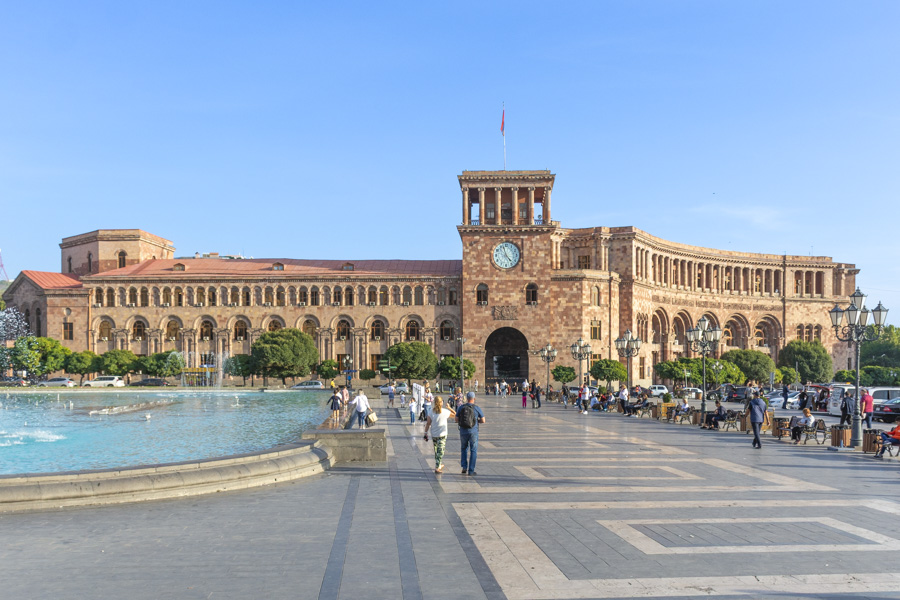
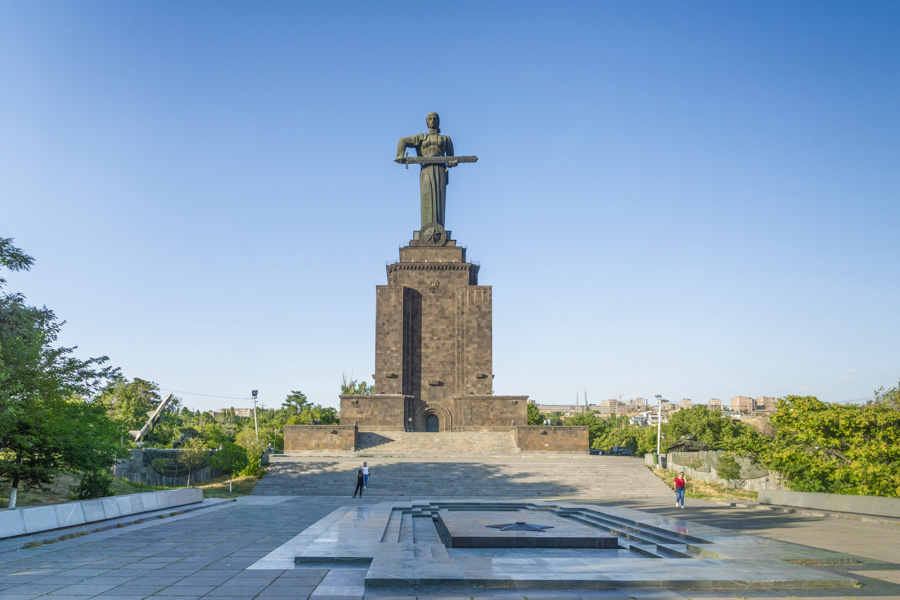
Yerevan sightseeing begins in pink tuff and heavy Soviet stone. Republic Square's fountains seem soft compared to brutalist architecture along the street. Northern Avenue climbs toward the Cascade, and cafés murmur in Armenian and foreign tongues. Ascend higher, into the old quarter of Kond, and layers of successive empires are so evident: a 17th-century Tebepashi Mosque, a 15th-century Surp Hovhannes Church, and the ruins of the Melik Aghamalyan house, which was once a princely villa above the narrow lanes built in the early 19th century. Yerevan is a resilient city, its skyline dominated by the statue of the Mother Armenia, a sword in hand, symbolising the country’s determination to defend itself. In contrast, in Tbilisi, the statue of the Mother of Georgia holds a sword in one hand and a bowl of wine in the other – an image traditionally interpreted as representing resistance against enemies and hospitality towards friends. These two statues offer contrasting symbols, but Armenian hospitality remains a fundamental value; it is simply part of life.
2. Visit the Etchmiadzin Cathedral, Armenia’s spiritual centre
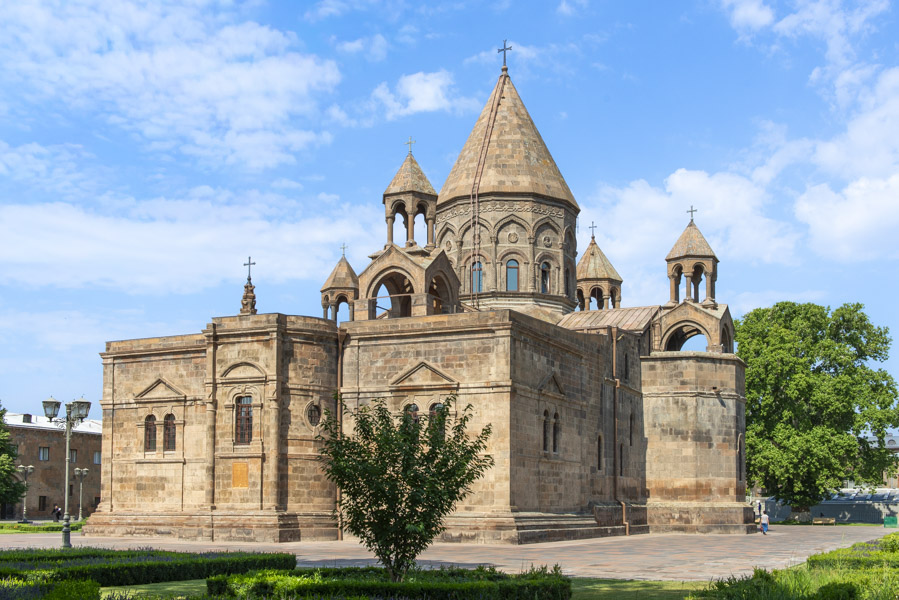
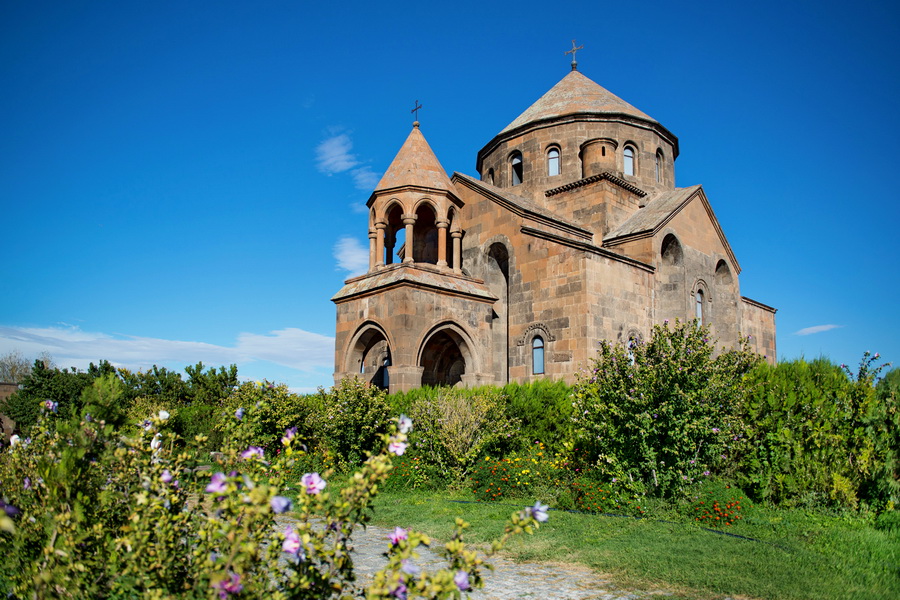
A short drive from Yerevan brings you to the UNESCO-listed Etchmiadzin, Armenia's spiritual heart and the seat of the Armenian Apostolic Church. Enter the cathedral grounds slowly: priests cross the courtyards, bells sound above the gardens, and families arrive to pray and light candles. If possible, time your visit for a service and listen to the choir. Continue to the nearby Saint Hripsime Church or the ruins of Zvartnots, where sacred architecture opens towards Mount Ararat.
3. Combine Garni and Christian Geghard
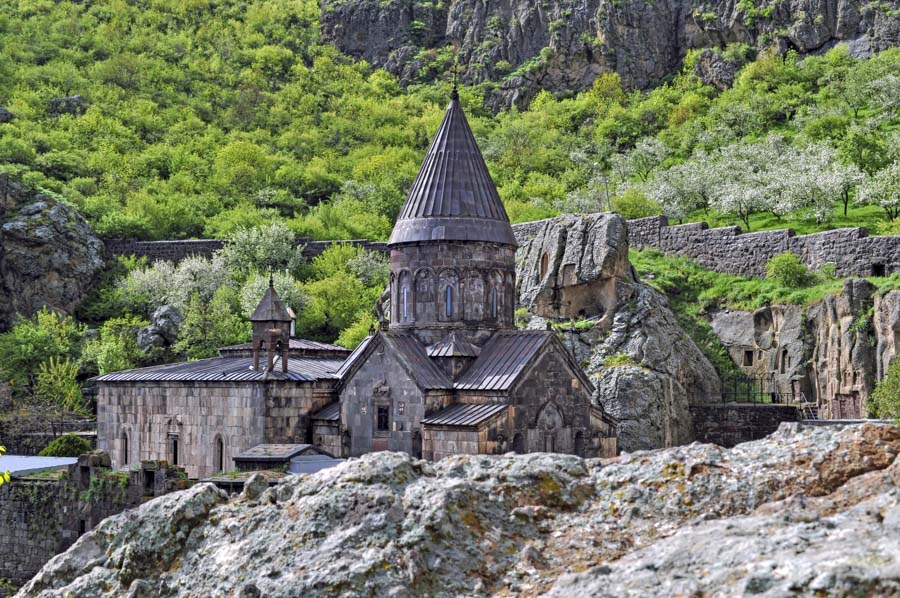
An easy day trip from Yerevan leads to the Garni Temple and the Geghard Monastery – two ancient monuments, each with a different history. One is a pagan temple of Hellenistic architecture; the other is a Christian monastery and a UNESCO World Heritage Site.
Garni Temple
You approach the temple of Garni rising above the gorge of the Azat River and wonder how such a fragment of the Greco-Roman world survived for nearly two thousand years in the South Caucasus. Its survival is even more remarkable when you remember that Armenia embraced Christianity in the early fourth century. Although the temple was severely damaged by the 1679 earthquake, it was reconstructed between 1969 and 1975 using the anastylosis method, which reassembles a monument from its original architectural fragments wherever possible. And today, despite the centuries of upheaval and the reconstruction, it invites you to imagine the ceremonies, rituals and royal figures its columns and walls must have witnessed.
Lit at dusk, the base appears almost wreathed in flame. Just as if Mihr, the sun god with whom the sanctuary is traditionally associated, is unwilling to relinquish his last stronghold to the night.
While here, follow the well-trodden path down into Garni Gorge to see the extraordinary natural formation – the Symphony of Stones. Its basalt columns resemble the pipes of a church organ. Had the gorge fashioned an instrument of its own from volcanic rock?
Geghard Monastery
A short drive farther into the mountains is a complete change of atmosphere. Travellers visit the Geghard Monastery because it is one of Armenia’s great historic monuments; locals come on feast days to pray inside the holy walls and wash their faces in its spring, a ritual said to bring good luck.
It was beside this very spring in the surrounding rock that Saint Gregory the Illuminator founded the monastery complex in the fourth century. Inside, the lofty chambers, intricate carvings and delicate details showcase the astonishing skill of mediaeval Armenian craftsmen. It might be difficult to tell where geology ends and architecture begins.
Then there is the sound. Geghard's acoustics are amazing. A single note rises into the stone vaults and returns as though an unseen choir were chanting from within the mountain.
Your visit may coincide with a duduk performance. And surprisingly, the locals, more often than not, love to sing, taking turns.
4. Explore Lake Sevan and Dilijan National Park
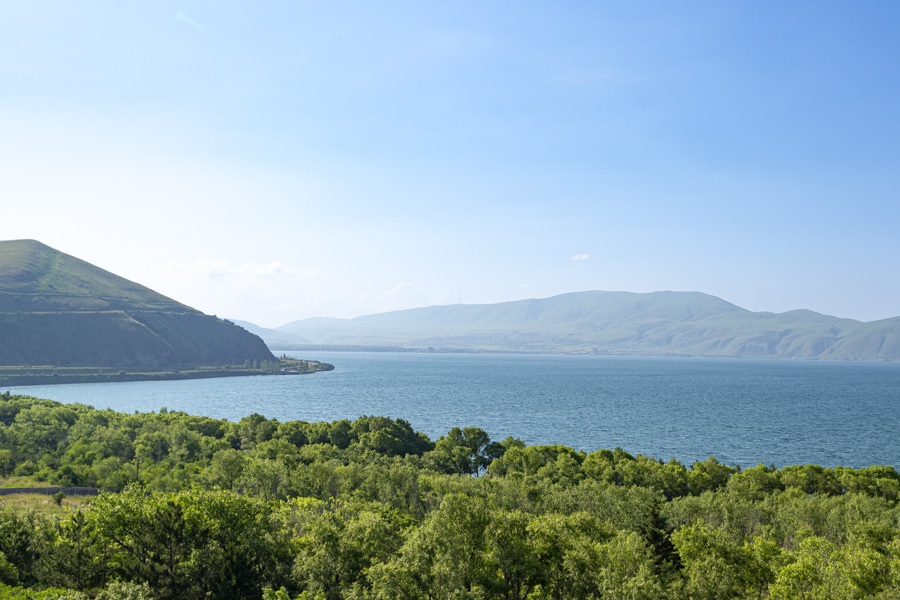
Lake Sevan
Perhaps the foremost among Armenia's natural landmarks is Lake Sevan, the country's true calling card in tourism. This high-altitude, ancient lake is so vast that crossing to its farthest shore by motorboat can take the better part of an hour. Mountain coolness, small lakeside resorts with modern comforts and activities, and freshly prepared fish draw travellers here. And monasteries on the heights around the lake breathe history.
Among the popular cultural things to do at Lake Sevan is to climb the Sevanavank Monastery set on its peninsula. It commands a striking view over the water and the surrounding mountains.
Dilijan National Park
No exploration of Armenia's nature is complete without a trip to Dilijan National Park in the Tavush region, a 40-minute drive from Lake Sevan. Here you can hike to the monasteries of Haghartsin, hidden away in the park's forests, and Goshavank, located in the village of Gosh. Or climb to Lake Parz and follow the trail around its shore. Then simply sit at the water's edge and admire the view. The lake is enchanting in autumn, when the surrounding forest turns gold and falling leaves float upon the water.
5. Capture beautiful photos of Mount Ararat
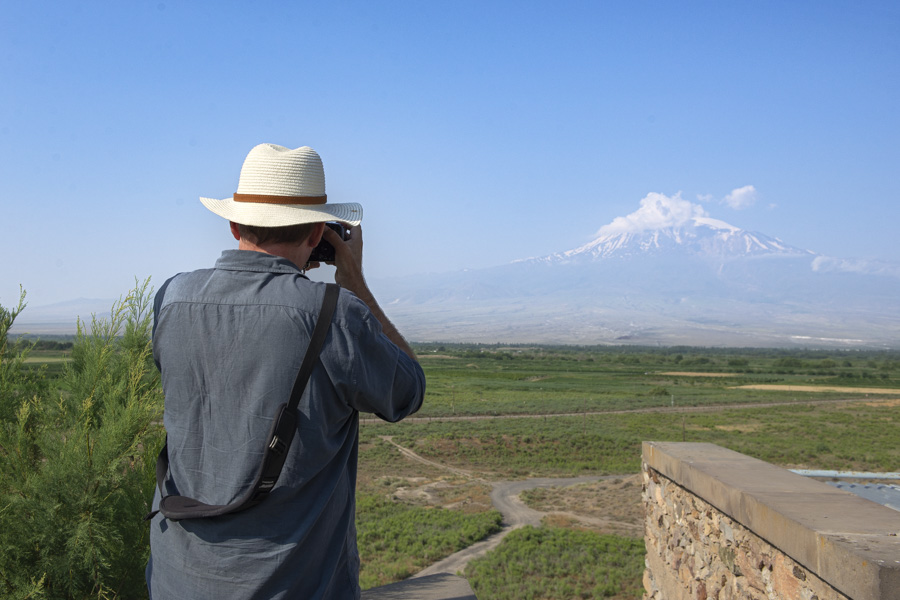
Choose the right time, and you can shoot lovely photos of Mount Ararat. The mountain is usually clear early in the morning, particularly in May and September. Although you cannot approach it from Armenia because it lies across the border in Turkey, several viewpoints are worthy of postcard scenes. The first place in Yerevan is the Cascade Complex. Outside the capital, stop at the Charents’ Arch near Garni or climb to the upper terraces of the Khor Virap Monastery, overlooking the Ararat Plain.
6. Follow the Areni wine route to Noravank
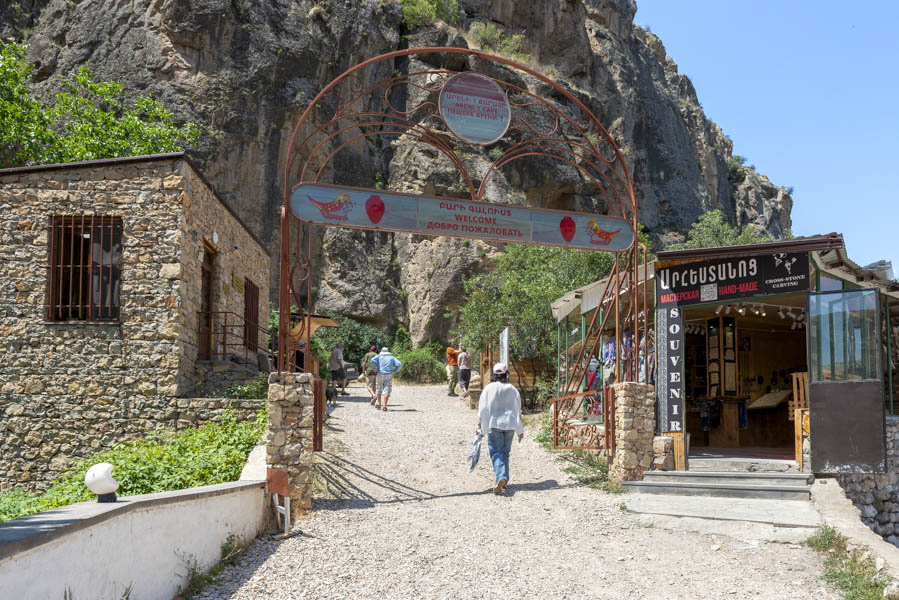
The road south from Yerevan passes Khor Virap before entering Vayots Dzor, Armenia’s celebrated wine region. There are tasting rooms around Areni village, and the nearby Areni-1 Cave preserves evidence of winemaking more than 6,000 years ago.
From Areni, the route narrows through a red-rock gorge before reaching the Noravank Monastery. Its warm stone walls almost merge with the cliffs around them. Take time for a tasting and lunch.
7. Ride the wings of Tatev
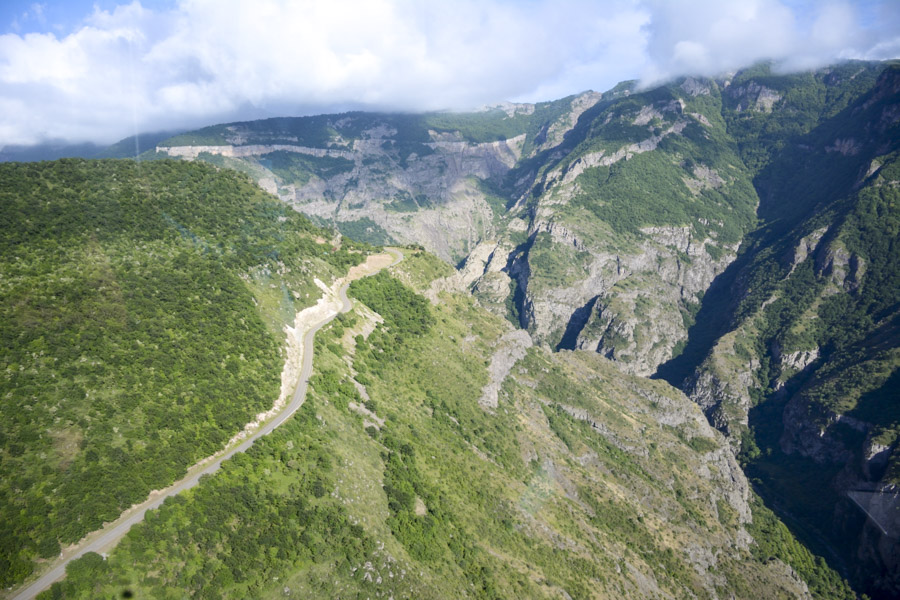
The Wings of Tatev carry visitors above the Vorotan Gorge, where forested slopes, sheer cliffs and winding roads unfold beneath the cabin. The 5.7-kilometre (3.54 miles) cableway whisks passengers from Halidzor to the Tatev station in around 12 minutes, arriving beside the Tatev Monastery in Syunik Province, southern Armenia.
Although the ropeway journey is short, reaching it from Yerevan requires about four and a half to five hours by road. A rushed same-day return means spending most of the day in the car. Our two-day private trip allows an overnight in Goris and time to enjoy the landscape without watching the clock.
Armenian Experiences That Go Beyond Sightseeing
Armenia feels more personal when you step away from the landmarks and devote time to its food, music, crafts, and everyday traditions.
8. Appreciate Armenian folk music and dance
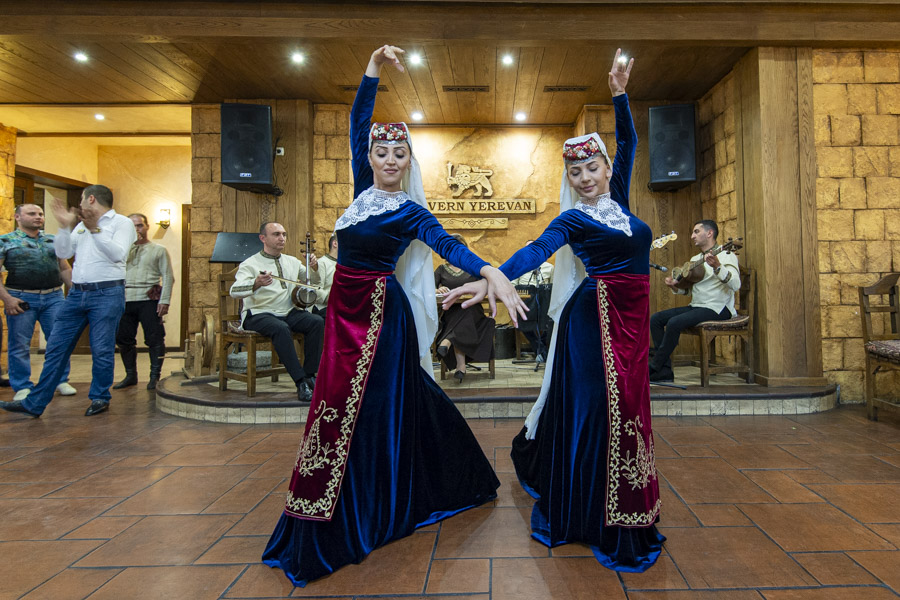
Few cultural experiences are as stirring as Armenian folk music and dance. The zurna has a wild, reedy cry that may remind European travellers of the Scottish bagpipe. The UNESCO-recognised duduk, on the other hand, speaks in a low, wistful voice, as though lamenting the forgotten story of the mountains.
Armenian folk dancing is no less captivating: men and women in brightly embroidered costumes form lines and circles that close, open and speed up the pace with the music.
9. See the dazzling Armenian manuscripts
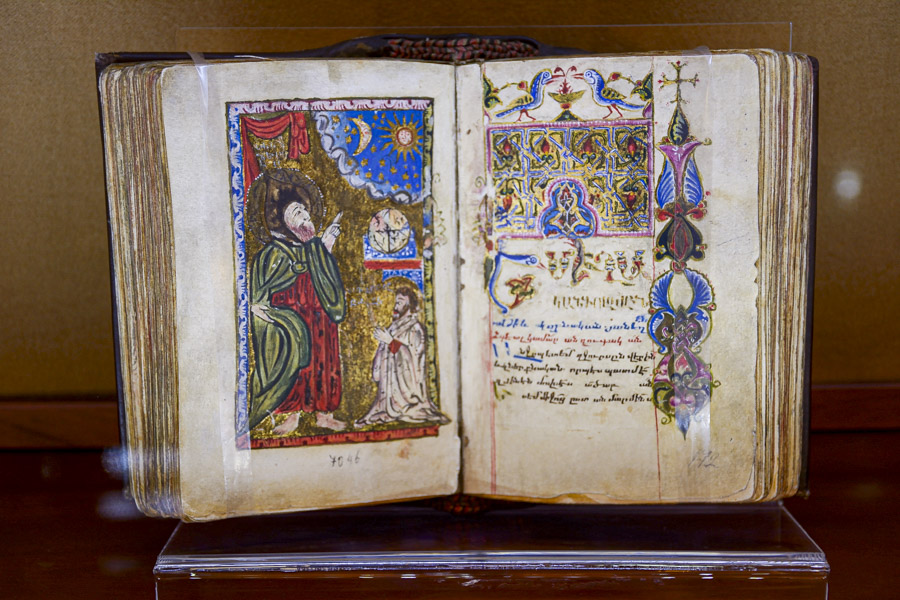
For centuries, monks and scholars in Armenia and across its diaspora copied and translated biblical, spiritual and scholarly works into Armenian. Their patient labour created a magnificent heritage of illuminated manuscripts, many now preserved at the Matenadaran – one of the fascinating cultural attractions in Yerevan.
A visit to the museum exhibits the graceful Armenian script, created by Mesrop Mashtots in the early fifth century, glowing among richly coloured mediaeval miniatures. Displays also explain how parchment and pigments were prepared. In June 2026, the collection gained another ancient treasure: an Akkadian clay tablet dating from 1750–1712 BC, donated by His Royal Highness Prince Dani Badawi. Armenia’s manuscript heritage is also available online through digitised collections of illustrated pages and miniatures on the Armenoid website.
10. Discover Armenian chess culture
Armenians have a deep affection for chess, so deep that it feels like the national sport. In 2011, Armenia became the first country in the world to make chess a compulsory school subject for primary students from second to fourth grade.
In Yerevan, you will often catch sight of locals locked in concentration over a board. Elders gather for matches on park benches near the Cascade Complex and in Lovers’ Park. Even the vendors at Vernissage occasionally play chess during a quiet moment. Travellers are welcome to pause, observe, or even ask to join a friendly game.
Chess enthusiasts should also stop by the Tigran Petrosian Chess House, named after the Armenian grandmaster who reigned as world champion from 1963 to 1969. It is the beating heart of the country's chess community.
11. Watch lavash being made and browse local produce
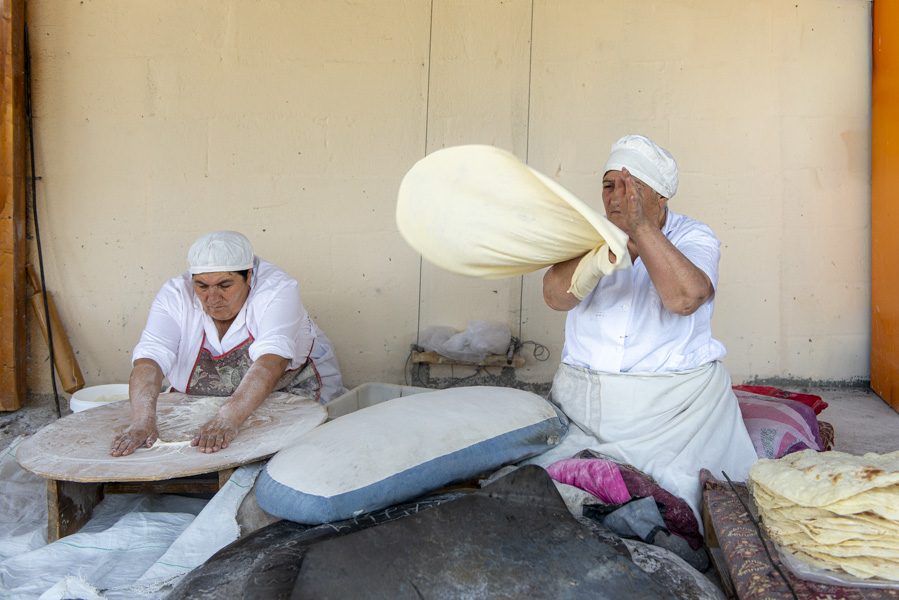
At a traditional meal in Armenia, a generous sheet of lavash is often served. For the authentic immersion, watch this emblem of Armenian food culture being made. Visitors don't need to book a formal masterclass to do that.
At GUM Market, you may find bakers preparing and selling fresh lavash on the spot. Watch as they divide the dough into balls, roll and stretch each one until it gets thin, then slap it against the scorching inner wall of the tonir, a traditional clay oven. Within moments, the bread is baked, blistered and ready to eat.
Visiting farmers' markets is truly a unique thing to do in Armenia. These local bazaars feature an abundance of sweet fruits and dried confections. A string of dried yellow fruits are peaches, called “alani” in Armenian. On the road from Yerevan to Garni, you may pass villagers selling seasonal fruit, vegetables and homemade cheese from roadside stalls. The laid-back way of rural life is so vivid when you stop here to pick up a few treats.
In Yerevan, GUM Market holds much of Armenia’s produce beneath one roof: pyramids of dried fruit, nuts, spices, herbal teas, cheeses and other local specialities.
But go to Gyumri to see a completely ordinary, less frequented by tourists market. That is where the real colour and real life are, where locals buy fresh products, moving back and forth with full bags. And be sure to haggle with the sellers.
12. Taste Armenian wine
For wine lovers, an Armenian wine tour can be a genuine revelation. Armenia’s Areni-1 Cave contains the world’s oldest known winemaking facility, dating to around 4000 BC. Today, winery visits highlight fragrant reds and crisp whites made from indigenous varieties such as Areni Noir and Voskehat, alongside unusual fruit wines.
Advantour’s 16-day Caucasus Food and Wine Tour places Armenian wine within the wider traditions of the region. After encountering Georgia’s ancient qvevri method, travellers visit Armenian wineries and unveil a neighbouring yet distinct wine culture, including the historical use of clay vessels called karases. In the capital, browse the famous wine bars on Saryan Street.
13. Sample Armenian brandy
Armenian brandy is one of the country’s signature drinks, with a distinguished legacy of local grapes, skilled blending, and long maturation in Caucasian oak barrels. The most “delicious” way to appreciate brandy is through a guided tasting, where various ages and styles reveal notes ranging from dried fruit and vanilla to warm spice and chocolate. Yerevan offers the principal brandy sampling. At the same time, a carefully chosen bottle makes a rare Armenian gift to take home.
14. Discover Armenian carpets, crafts and gifts
Carpet weaving is one of the oldest crafts in Armenia, and the Megerian Carpet Museum and Factory in Yerevan displays this living tradition. Watch skilled weavers build intricate patterns knot by knot, learn how wool is coloured with natural dyes, and discover the meaning and history behind traditional Armenian designs.
You can buy Armenian carpets at the factory. Another good place is the Tufenkian Artisan Carpets in Yerevan. Keep your receipt and ask the seller about current export documentation. Antique carpets or pieces of possible cultural value may require an official certificate before they can leave Armenia.
An Armenian carpet or brandy makes a good souvenir from Armenia. But what else deserves a place in your suitcase – and where do you find it?
A duduk, Armenia's soulful woodwind instrument, will beautifully echo your trip home. So will a piece of silver jewellery or ceramic work engraved with a khachkar, the Armenian cross-stone.
In Yerevan, Vernissage is the favourite hunting ground for handicrafts, jewellery, woodwork and musical instruments. For conventional shopping and mainstream retail shopping, visit the Tashir Street Shopping Gallery.
As you travel through the regions, look for locally crafted treasures tied to each town's distinct legacy. In Dilijan, these are ceramics inspired by Armenian culture. The town has long been known for its pottery. Gyumri is renowned for its blacksmithing tradition, recognised by UNESCO as Intangible Cultural Heritage. A small wrought-iron item, such as a horseshoe, candlestick, decorative key or miniature grille, may bring home a little of the fire, metal and patient craftsmanship of Armenia’s second city.
15. Experience Armenia in winter
There are plenty of winter activities in Armenia that are definitely not to be missed. Yerevan is full of charm under the New Year lights and decorations. As visitors browse the stalls at the city’s Christmas markets from early December to mid-January, they warm up with a glass of pomegranate mulled wine. For skiing, there are white slopes in Tsaghkadzor, cross-country skiing and snow kiting opportunities in Ashotsk, and hot springs in Jermuk.
The Garni Temple and the basaltic cliffs of the Symphony of Stones are magnificent beneath a blanket of snow. And on the road to Garni, pause at the Charents’ Arch, known, not without reason, as the Arch of Ararat, since it frames the finest view of that legendary mountain.
How to Choose the Right Experience for Your Trip
History, food, landscapes, people or merely the freedom to travel at your own pace –
what exactly is the right experience for you?
If this is your first trip to Armenia
Begin with Yerevan and the Etchmiadzin Cathedral, followed by Garni and Geghard. Continue south to Khor Virap and the Areni–Noravank route. Then add Lake Sevan and Dilijan if time allows. Together, these experiences provide a balanced introduction to Armenia’s history, landscapes and living culture.
If you are interested in history and architecture
Prioritise Garni, Geghard, Khor Virap, Noravank and Etchmiadzin. Matenadaran tells the story of Armenian manuscripts, and Tatev shows how religious architecture, education, and mountain geography came together in southern Armenia. And there are also the mediaeval monasteries of Haghpat and Sanahin, UNESCO World Heritage Sites.
If you prefer food, wine and cultural encounters
Visit a market, watch lavash being baked and sample Armenian wine or brandy. Folk music, traditional dance, craft workshops and family-run restaurants reveal a more personal Armenia and not just its monuments.
If you want nature without challenging hiking
Choose Lake Sevan, Dilijan and the Vorotan Gorge, all of which can be enjoyed through scenic drives and short walks. Private transport makes it easier to adjust the route, avoid difficult trails and pause whenever a viewpoint catches your eye.
If you prefer a slower pace
Stay longer in Yerevan and choose one well-planned excursion at a time. A private driver reduces logistical strain, and an overnight in Dilijan or Goris avoids exhausting return journeys and leaves more time for meals, museums and unhurried sightseeing.
If you have already visited the principal sights
Look beyond the classic monastery circuit. Explore Gyumri, visit working craft studios, follow Soviet architecture in Yerevan, discover Armenia’s chess culture, or spend time in smaller markets and villages where daily routines become part of the journey.
How to Explore Armenia from Yerevan
Yerevan makes a convenient base for seeing much of Armenia. Several of the country’s famed sites lie within a few hours of the capital.
When a day trip works well
A day trip is a good choice when several sights fall naturally along the same route. Garni Temple, Geghard Monastery and the Symphony of Stones make one journey east of Yerevan. To the south, Khor Virap can be combined with the winery heart of Areni and the mountain scene of Noravank.
Most organised day tours last around eight hours, leaving Yerevan in the morning and returning that evening. You can also visit Lake Sevan and Dilijan in a day.
When an overnight stay is more comfortable
Not every part of Armenia should be treated as a return excursion. Dilijan deserves an overnight if you want time for a gentle forest walk, the Haghartsin Monastery and a relaxed dinner. And the true allure of Gyumri emerges after day visitors leave and the cafés and black-tuff streets settle into their evening rhythm.
An overnight matters even more in southern Armenia. Staying in Goris breaks up the long drive, leaves time for Khndzoresk or a regional meal, and lets you approach Tatev the following morning.
When private transport makes a difference
Private transport is useful on days involving several rural sites. It removes the need to coordinate infrequent buses, makes it easier to stop at viewpoints and gives you control over how long you stay at each place. If the steps at a monastery prove tiring, lunch runs late, or Mount Ararat suddenly emerges from the clouds, the schedule can change with you.
That flexibility is particularly valuable for travellers who prefer a measured pace.
When Armenia’s Experiences Are Most Rewarding
Armenia changes noticeably with the seasons. The best time for your journey depends less on finding one perfect month than on deciding what you want to do once you arrive.
Spring and autumn for monasteries, cities and walking
Late spring and early autumn are Armenia's comfortable seasons – mild enough for walking, climbing steps and resting in open courtyards without summer's heat. Valleys and wildflowers turn green in May; September often clears the air for the top views of Mount Ararat. Both suit Garni, Geghard, Khor Virap, Noravank and the forest paths around Dilijan particularly well.
Summer for Lake Sevan and the mountain regions
Summer is the right time to swim in Lake Sevan, take a boat trip or linger over lunch beside the water. It is also the most practical season for mountain roads, longer walks and remote destinations that may be difficult to reach during winter. Dilijan, Mount Aragats and the southern highlands are particularly attractive at this time.
Autumn for wine and harvest experiences
Autumn gives Vayots Dzor a different energy. Vineyards are busy with the harvest, markets fill with grapes, pomegranates and walnuts, and tasting rooms pour the season’s new wines alongside established vintages.
This is the right time to follow the route from Khor Virap to Areni and Noravank, allowing space for a winery visit and lunch. Early October may also coincide with the Areni Wine Festival, though you should confirm dates before arranging the journey.
Winter for Yerevan, Tsaghkadzor, and snow-mantled landmarks
Yerevan looks especially charming under its New Year lights and decorations. Christmas markets, museums, concerts and cafés keep the capital alive even when the days are short.
For snow and winter sports, head to Tsaghkadzor. Garni Temple, the Symphony of Stones, and the road to the Charents Arch can also look extraordinary after snowfall.
Frequently Asked Questions
Which things to do in Armenia involve a lot of walking or steps?
Armenia is a mountainous country, so visiting some attractions entails a fair amount of walking. Although central Yerevan is pleasant to explore on foot, be prepared to climb 572 steps to reach the top of the Cascade or take the indoor escalator in service during the daytime.
The approach to the Geghard Monastery follows an uneven, rocky path. Watch out for the steps inside and outside the chambers carved into the rock.
Reaching the Symphony of Stones from the Garni Temple involves travelling approximately 2 kilometres (1.24 miles) to the gorge. Visitors can walk along a steep, cobbled path which takes roughly 35 to 50 minutes – and you will need to climb the same route on the way back, which takes about 70 minutes. This paved road can be accessed with a vehicle, often a 4x4.
Visiting the abandoned Khndzoresk cave settlement near Goris involves descending around 400 steps, crossing a steel suspension bridge and navigating uneven cave ground.
Is Armenia only about churches and monasteries?
Armenia’s attractions are not limited to churches and monasteries. Armenia also offers bewitching mountains, forested regions with amazing hiking opportunities, and gastronomic adventures in its modern, dynamic cities.
Where to see Armenian folk performances?
Traditional restaurants are often the best places to see Armenian folk shows. Yerevan Tavern is a popular choice. Performances and cultural events are also occasionally held at the Armenian National Opera and Ballet Theatre and the Cafesjian Centre for the Arts. At the Geghard Monastery, you may hear spiritual or liturgical singing. And while travelling between Armenia’s historical sites, try playing the Armenian Song and Dance Ensemble on Spotify – the landscape may suddenly acquire a different ambience.