

Travellers researching the best things to do in Uzbekistan usually begin with the familiar names – Samarkand, Bukhara, Khiva, Tashkent. That instinct is sound, but it captures only part of the picture. A rewarding trip is rarely defined by monuments alone. What shapes it is the route itself: the contrast between cities, the ease of train travel, and the way the major sights sit alongside bazaars, workshops and the rhythms of ordinary urban life.
This guide draws on Advantour's itineraries across the country. It is designed to help you identify the best places to visit in Uzbekistan, see what matters most on a first trip, and decide which experiences are worth prioritising.
The 15 best things to do in Uzbekistan include:
- Travel through Uzbekistan’s classic Silk Road cities as one connected journey
- See Registan and Shah-i-Zinda in Samarkand
- Explore Bukhara’s old city, trading domes and Poi-Kalyan
- Stay in or near Khiva’s walled old town and see it after dark
- Ride the Afrosiyob high-speed train between the main cities
- Visit Chorsu Bazaar and Tashkent’s old city
- Taste Uzbek food beyond plov, from market bread and samsa to regional specialities
- Watch Samarkand paper being made by hand in Konigil
- Visit the Hudjum silk carpet workshop in Samarkand
- Visit the Ustoz-Shogird miniature workshop near Lyabi-Hauz in Bukhara
- Add the Fergana Valley for silk, ceramics and a more regional side of Uzbekistan
- Visit the Savitsky Museum in Nukus
- Consider the Aral Sea region for a more demanding extension
- Add a desert or village stay near Nuratau and Aydarkul
- Take a mountain escape from Tashkent to Chimgan or Charvak
Start with the sections below to navigate the guide more easily.
How to Prioritise the Best Things to Do in Uzbekistan
For most first-time travellers, the key is not trying to do everything, but knowing what deserves priority.
Explore the Silk Road cities in one trip
A first trip is usually best built around Tashkent, Samarkand and Bukhara, with Khiva added if time allows.
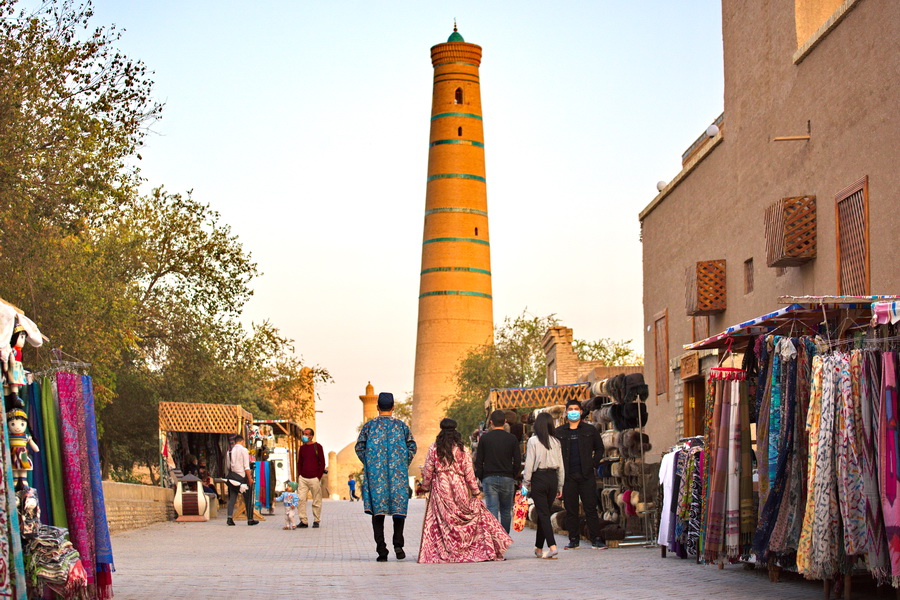
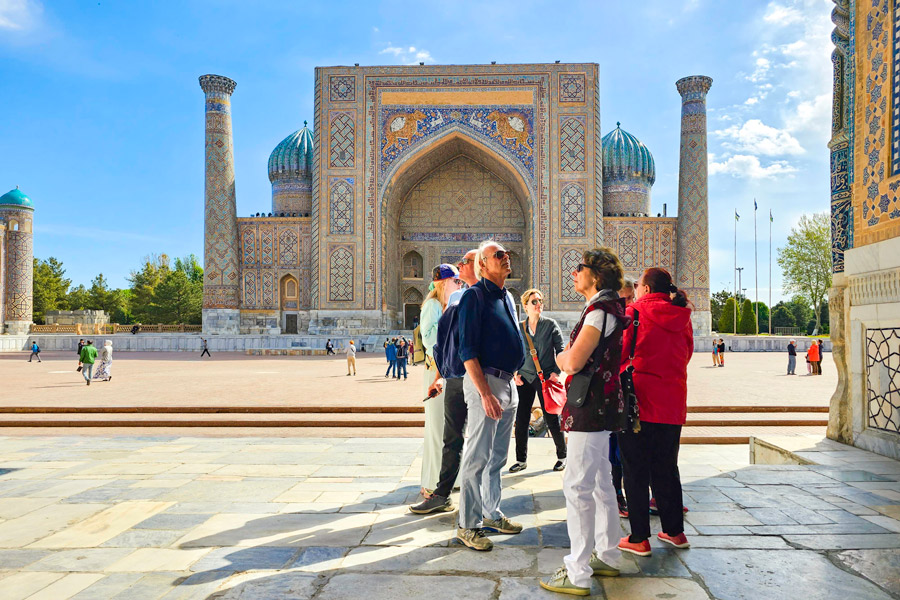
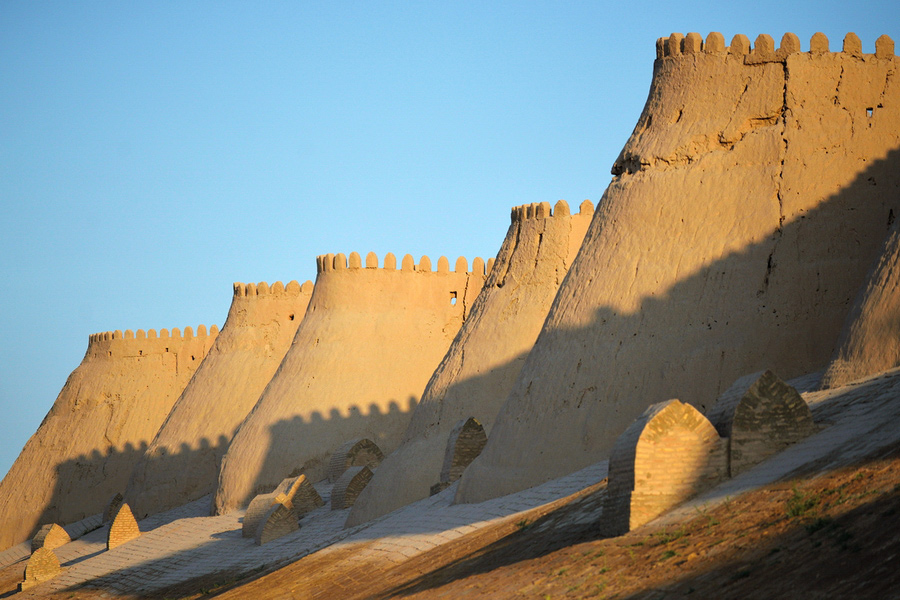
Each city has its own character. Tashkent feels like a working capital, with metro announcements, market traffic and street food counters, while Samarkand is shaped by scale, colour and the commanding presence of its major monuments. Bukhara unfolds more slowly, through narrow lanes, inner courtyards and trading domes, with a hush that settles around the old city towards evening. Khiva reduces the experience further still into mud-brick walls, minarets and the soft light that settles over the old town by late afternoon. More than any other stop on the route, it works best when treated as the final city rather than one more place to pass through quickly.
See Uzbekistan’s most important Islamic architecture
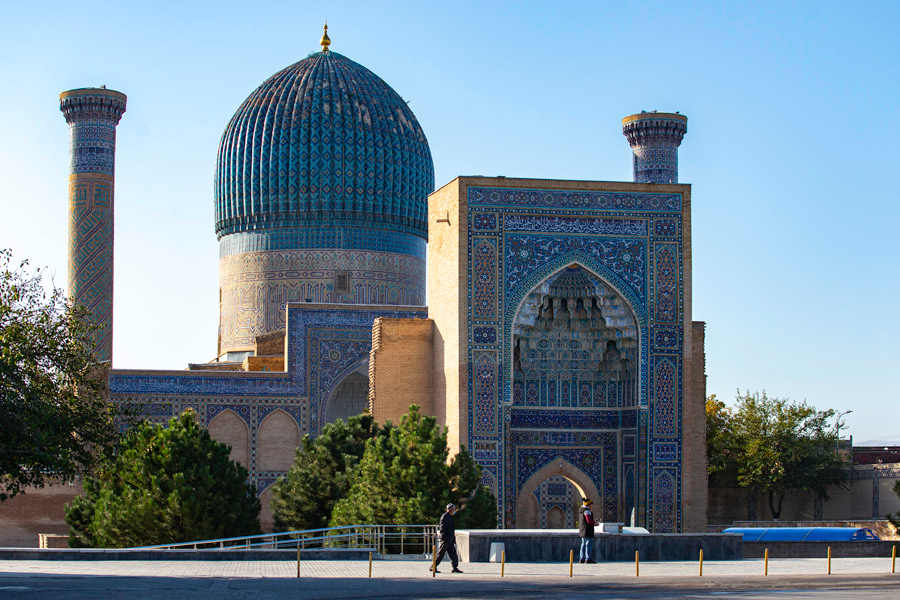
Uzbekistan’s most remarkable sights are often architectural. Registan, Shah-i-Zinda, Gur-e-Amir, Poi-Kalyan and Itchan Kala are not simply famous landmarks; together, they give a clear sense of the country’s Islamic architecture. Across these sites, the focus shifts from ceremonial squares and royal mausoleums to minarets, madrasas and walled historic quarters that still shape the old cities around them.
What remains striking is the care of the architecture as much as its scale. In Samarkand, high entrance portals, fluted domes and glazed tile surfaces create buildings that are monumental from a distance and finely worked up close. Shah-i-Zinda is narrower and more enclosed, with tomb façades covered in patterned ceramic decoration and passages so dense with blue that the whole ensemble seems almost luminous, especially when the sound drops and the space begins to echo. Bukhara is warmer and more restrained – a city of baked brick, carved wood and low domes, where much of the effect comes from texture, proportion and the play of light across the surface rather than from colour alone. Khiva, by contrast, is shaped by the unity of its inner city: mud-brick walls, watchtowers, tiled minarets and narrow streets remain enclosed within a historic core that still feels whole.
Visit bazaars, old quarters and artisan workshops
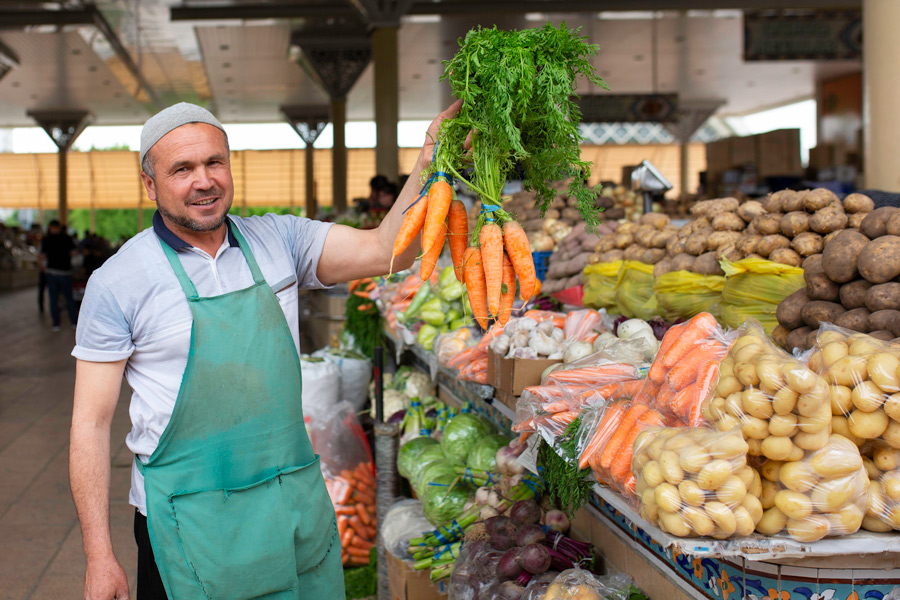
The best places to visit in Uzbekistan are not confined to formal landmarks. To understand the country more fully, it helps to spend time in bazaars, older neighbourhoods and working craft spaces. Chorsu Bazaar in Tashkent is the clearest example, not because it is especially picturesque, but because it remains a functioning city market first and a visitor stop second. Here, you find hot bread, samsa, spices, kebab smoke, metal trays striking counters, quick exchanges between vendors and shoppers, and the constant movement of a market that still belongs to the city. The nearby old town and craft venues make this part of Tashkent a natural place to slow down and see a more everyday side of urban life. Samarkand’s Siab Bazaar offers a similar sense of immediacy, with daily market life continuing in the shadow of the city’s best-known monuments.
Taken together, these places begin to shift the journey away from monuments alone and towards the textures of daily life. In Samarkand, that might mean watching mulberry-bark paper being made by hand at Konigil Meros, where visitors can follow the process from paper pulp to finished sheet, or stepping into Hudjum, where carpet weaving is explained through silk, natural dyes, loom rhythm and the final pattern. In Bukhara, a walk through the old city can lead beyond domes and courtyards to Ustoz-Shogird near Lyabi-Hauz, where miniature painting is still taught through the traditional teacher-student model rather than simply displayed as a finished object.
Travel between major cities by train
One of the best things to do in Uzbekistan is also one of the most practical: travelling between the main cities by train. Uzbekistan train travel makes the classic route easier to manage and helps the journey flow more smoothly by reducing the need for repeated road transfers.
For first-time visitors, that is a major advantage. The rail-connected core of Tashkent, Samarkand and Bukhara makes the country easier to navigate than many people expect. On a first trip, Afrosiyob is usually less an optional extra than the link that keeps the classic route coherent.
Try Uzbek food beyond the obvious classics

Any serious guide to what to do in Uzbekistan should treat food as one of the country’s main experiences rather than as an afterthought. Plov is the best-known dish, but Uzbek food goes much further: regional breads, somsa, shurpa, lagman, grilled dishes, tea culture and market eating all shape the experience of travelling here, alongside more distinctive regional dishes such as shivit oshi from Khorezm.
Food in Uzbekistan is most memorable when it is tied to texture and setting, not just to a list of dish names. Fresh bread piled high at market stalls, samsa pulled hot from the oven, the smell of onions and meat from a tandoor, tea poured between stops, and plov discussed almost as seriously as architecture – all of this gives the journey a more distinct local flavour than a generic note to “try the national cuisine”. In Samarkand, venues such as Konigil and Traditions Square can also turn a cultural stop into something more participatory, through pilaf demonstrations or classes built around bread, samsa or manti.
Add one experience beyond the standard route
Once the core route is in place, one well-chosen addition can change the feel of the whole journey. That might mean the Savitsky Museum in Nukus for a sharp visual and historical break from the monument route, the Aral Sea region for remoteness and environmental history, the Fergana Valley for living craft traditions, a slower guesthouse-based stay near Nuratau and Aydarkul, or a mountain escape from Tashkent for relief from a city-heavy itinerary. That is often what gives a trip through Uzbekistan its real depth: movement between different settings, not the effort to make the itinerary look unusual.
Beyond the Main Route: More Places to Visit in Uzbekistan
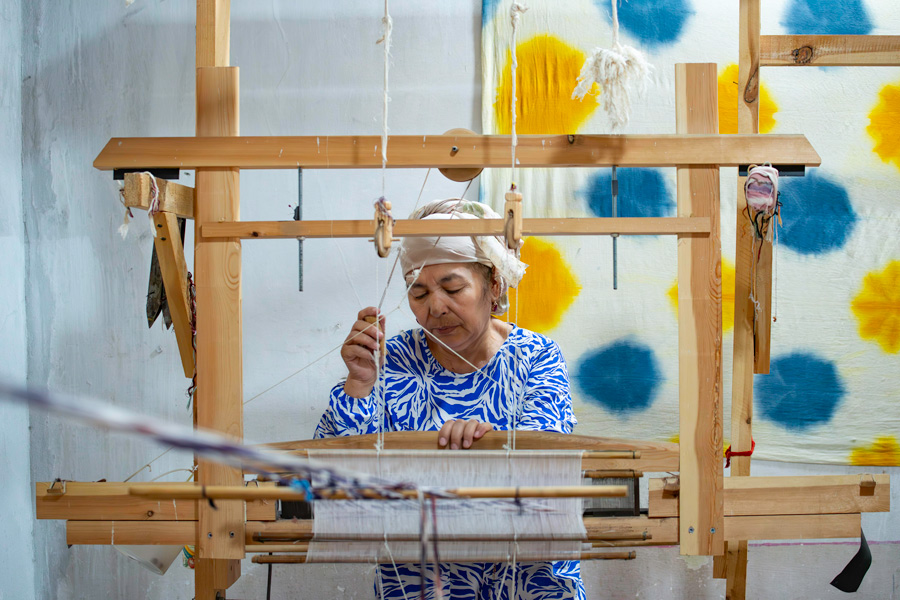
Once the core route is in place, the most rewarding additions are the ones that show a different side of Uzbekistan rather than simply more of the same.
Fergana Valley for silk, ceramics and regional culture
The Fergana Valley is one of the strongest additions for travellers interested in living craft traditions, regional identity and a more grounded cultural experience. Few parts of Uzbekistan show regional life more clearly.
This is the right choice for travellers who care more about making, trade and local life than about another set of grand façades. In the Fergana Valley, silk and ceramics stop being decorative labels and become something more tangible: traditions associated with places such as Rishtan and Margilan are easier to understand here as part of a living regional culture, not simply as objects for sale.
Nukus and the Savitsky Museum for art and a different perspective
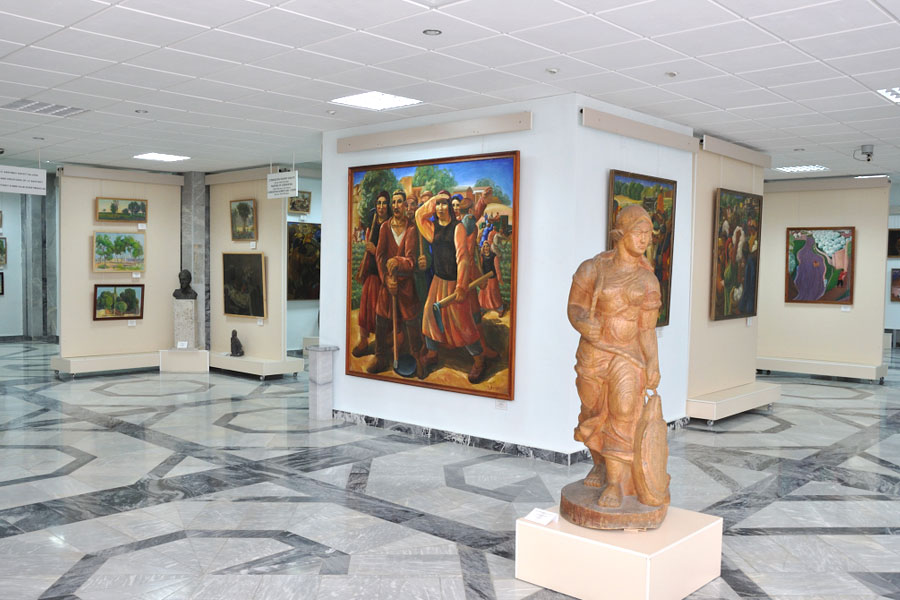
Nukus changes the register of the trip completely. The Savitsky Museum stands out because it shifts the focus away from Islamic architecture and towards Russian and Central Asian avant-garde art. For travellers interested in art, Soviet-era history or simply a less predictable route, it is one of the most distinctive cultural experiences in Uzbekistan.
After days of tilework, courtyards and domes, that change matters. Savitsky works not simply because it is important, but because it breaks the visual rhythm of the trip at exactly the right moment.
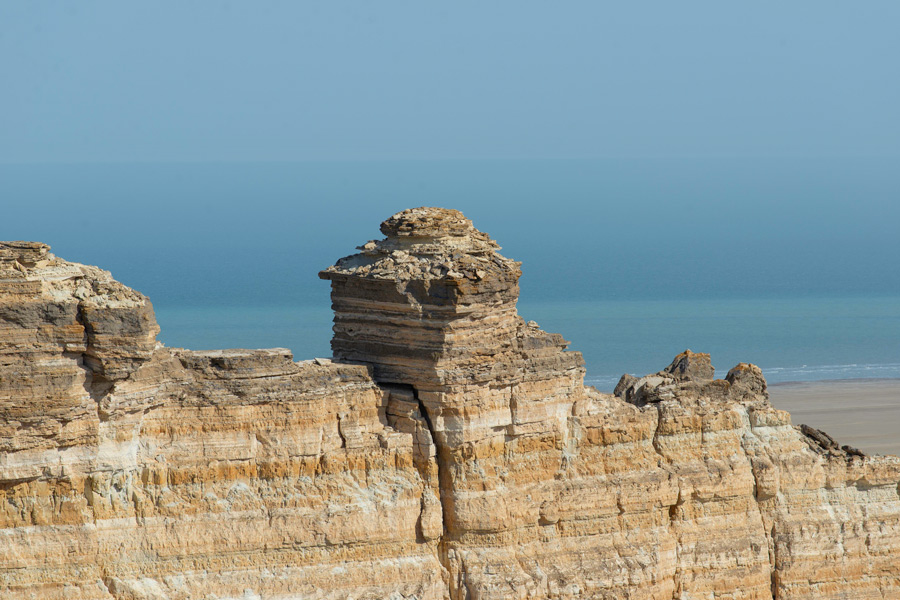
The Aral Sea region for stark landscapes and Soviet-era history
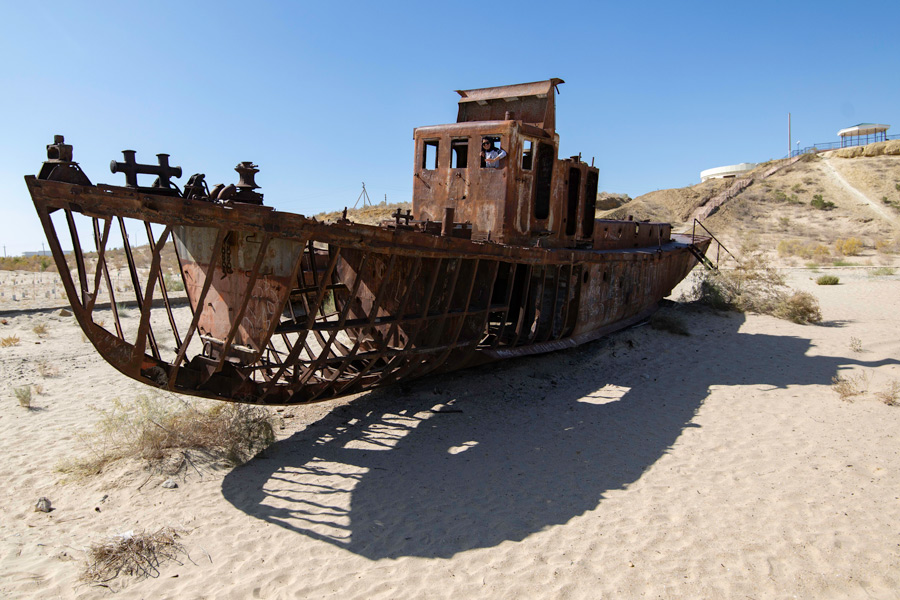
The Aral Sea region is not an easy add-on. It requires more distance, more planning and a much harsher landscape than the core route. For some travellers, however, it becomes one of the most memorable parts of the trip because it adds environmental history, remoteness and a landscape unlike anything else in the country.
Nuratau and Aydarkul for village life, desert stays and a slower pace

If the trip needs breathing space, Nuratau and Aydarkul are among the best places to visit in Uzbekistan beyond the main cities. Head for Sentyab and Asraf if you want home cooking, domestic rhythm and the slower pace of life in the Nuratau foothills. Make for Aydarkul if you are after open space, lakeside quiet and a greater feeling of distance from the historic city route.
Mountain escapes near Tashkent
The mountain areas near Tashkent, including Chimgan and Charvak, are useful for travellers who want one scenic break without changing the structure of the whole trip. Even a short mountain detour can make a city-heavy itinerary feel more varied and less enclosed.
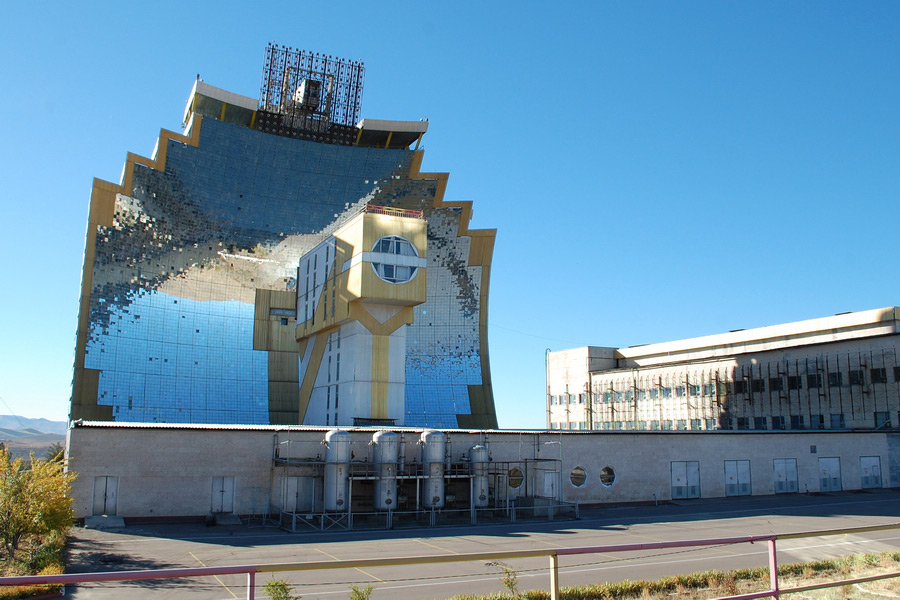
Not every worthwhile escape from Tashkent has to be mountain-focused. If you want something less predictable than a standard mountain day trip, the Solar Furnace near Parkent makes a striking alternative from Tashkent. It appeals for different reasons: not as a nature stop, but as one of the most unusual excursions near the capital, combining a foothill setting with a distinctly scientific and Soviet-era layer.
Termez for Buddhist heritage and the far south
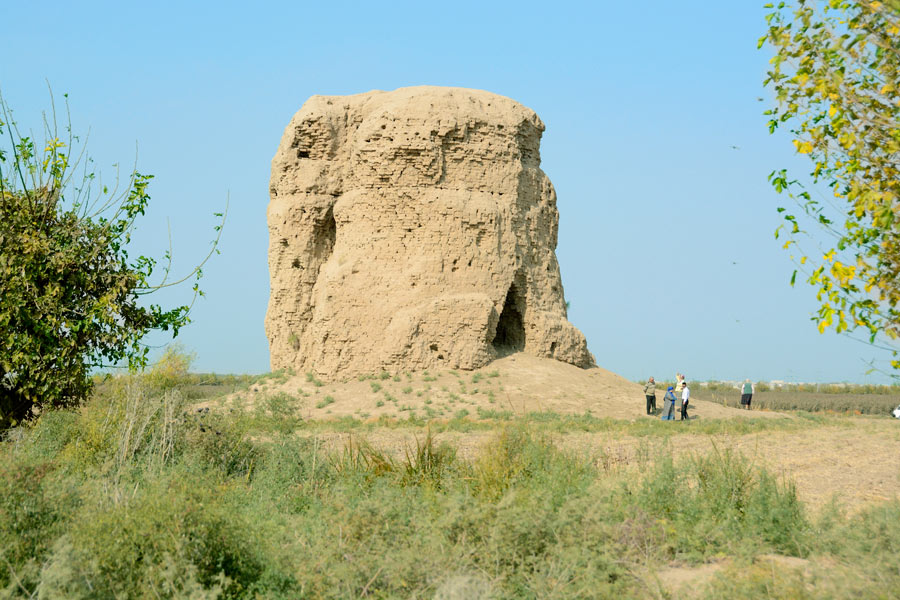
Termez is a more specialised destination, but an important one. For travellers interested in Buddhist heritage, archaeology and the far south of the country, it offers a wider historical frame than the standard Silk Road route. It makes most sense for travellers who already know they want more than the standard first-time route.
Uzbek Experiences That Feel Distinctly Local

Some of the most memorable parts of a trip to Uzbekistan happen outside the headline monuments. They happen in markets that still serve the city around them, in workshops where technique is explained rather than simply displayed, and in smaller settlements where the pace of the trip changes for reasons that have nothing to do with sightseeing. Without them, the journey risks becoming a sequence of famous stops; with them, it begins to feel like travel through a lived country.
Markets that still feel part of daily life
If you want to understand how a city functions beyond its formal landmarks, start with its markets. Chorsu is the strongest choice for travellers who want the full scale and pressure of an urban bazaar still embedded in the life of the capital. It works because it remains active rather than staged. Siab is more rewarding for those drawn to food trade and everyday rhythm in the orbit of Samarkand’s major sights. Bukhara’s smaller bazaars suit travellers looking for a quieter, more habitual form of exchange, where trade feels woven into the old city rather than concentrated in one dramatic stop.
Village stays for a slower rhythm
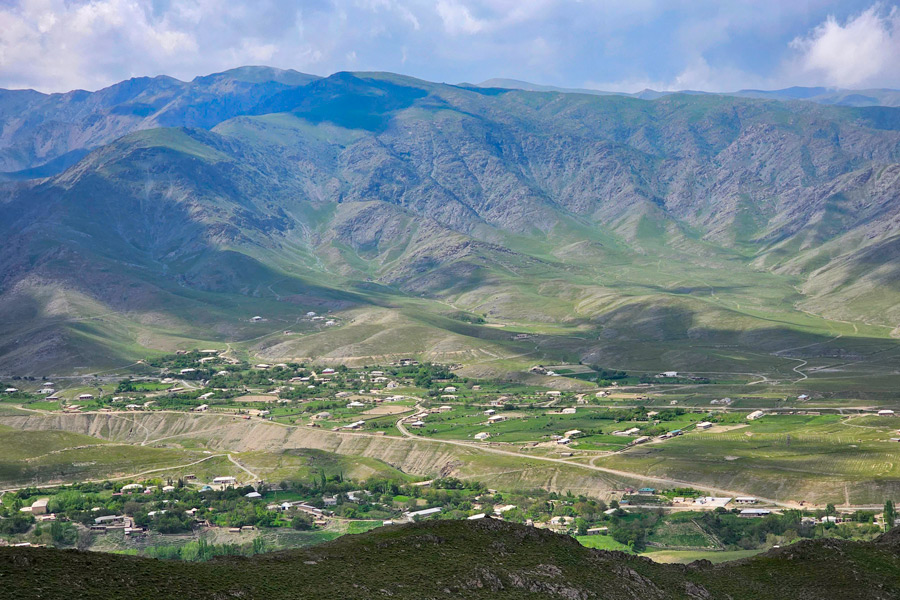
Uzbekistan can feel surprisingly different once you step away from the main city sequence. Sentyab and Asraf make the most sense for travellers seeking home cooking, domestic rhythm and the slower pace of life in the Nuratau foothills. Aydarkul is better suited to those who want open space, lakeside quiet and a stronger sense of remoteness. These are not places you add for spectacle. You add them when you want the trip to breathe.
Craft traditions best understood through process
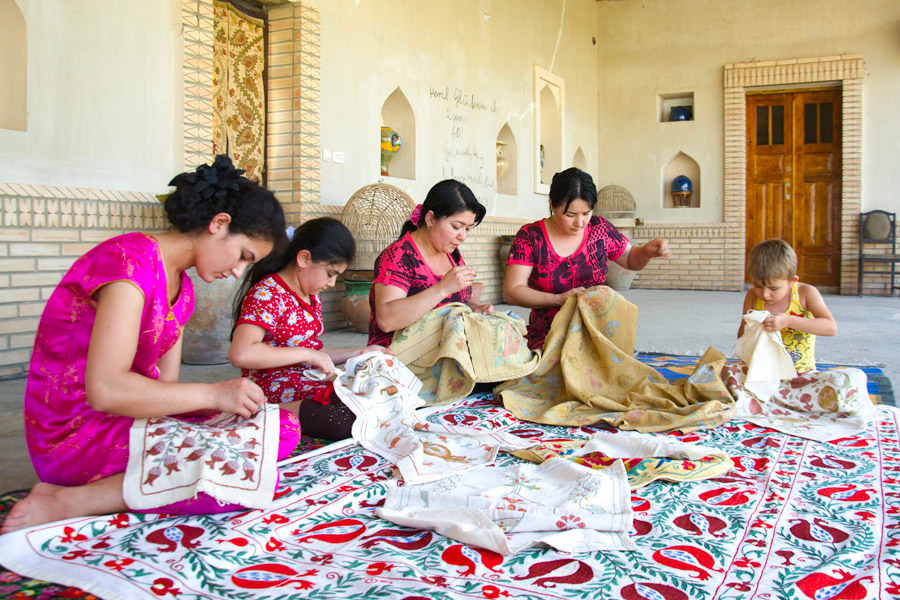
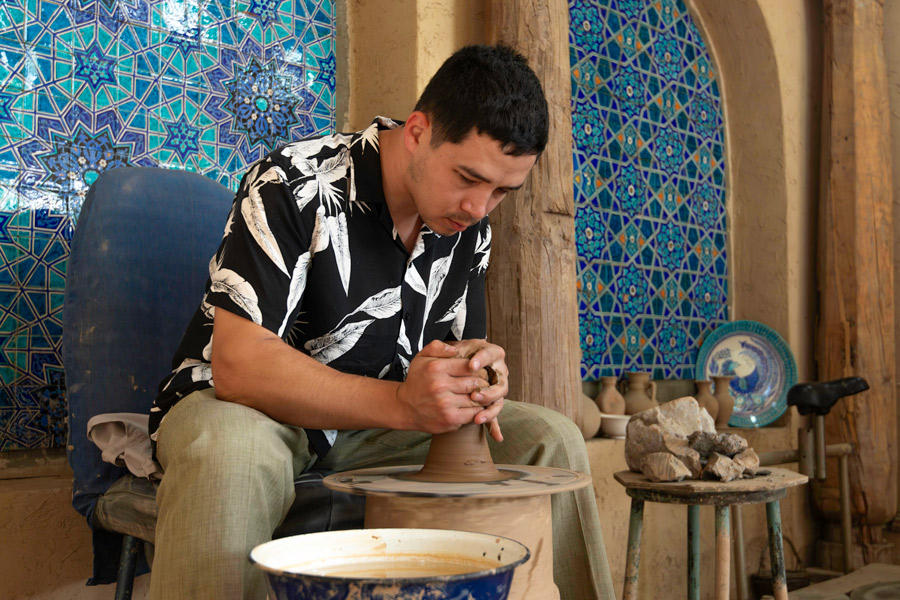
Craft in Uzbekistan is most convincing when you see how it is made, not only how it looks once finished. Konigil is the clearest example for revived Samarkand papermaking, while Hudjum is valuable precisely because silk carpet production is explained through the workshop itself rather than reduced to a showroom result. Gijduvan plays a similar role for ceramics, where studio practice, master lineage and inherited technique matter as much as the finished object. For travellers who want culture to feel participatory rather than purely observational, these are some of the most rewarding stops in the country.
Taken together, these experiences are what keep the trip from feeling purely monumental. They do not compete with Uzbekistan’s best-known sights; they make the wider journey feel more grounded, more varied and more alive.
How to Choose the Right Experiences for Your Trip
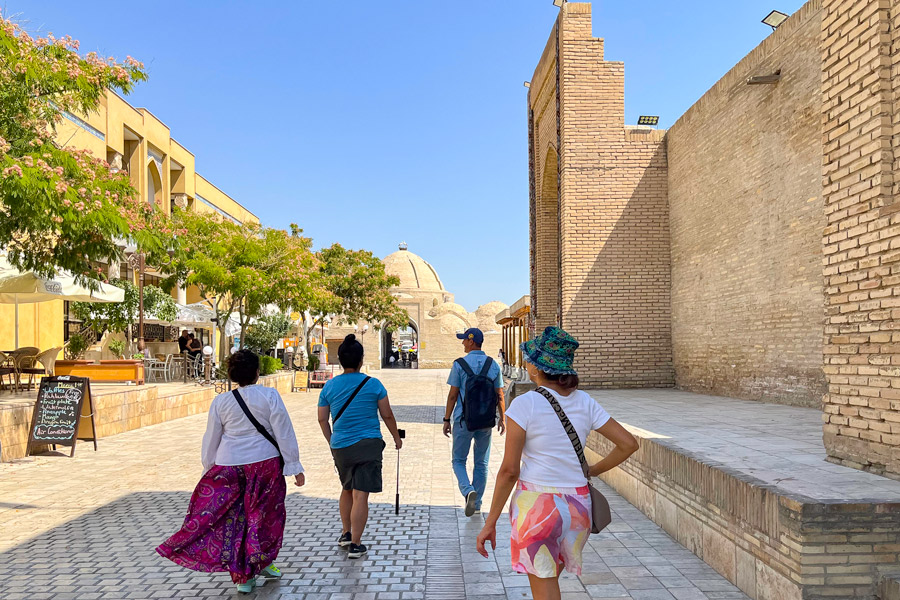
The right version of Uzbekistan depends less on how much you can fit in than on what kind of trip you want to have.
If you have 5 to 7 days in Uzbekistan
Travellers often ask how many days in Uzbekistan are enough for a first trip. In practical terms, 5 to 7 days is enough for a selective introduction, but not for everything. In that timeframe, the strongest choice is a disciplined version of the core route. Prioritise Samarkand and Bukhara, keep Tashkent as your gateway, and add Khiva only if you are comfortable with a faster pace. This is not the right timeframe for trying to combine the classic route with the Aral Sea, the Fergana Valley and mountain detours all at once.
If you have around 10 days
With around 10 days, the country opens up more comfortably. This is usually enough time to follow the main route at a better pace and include one meaningful extension. Khiva is the most natural addition if you want the classic first-time circuit to feel complete. Choose the Fergana Valley if you care more about silk, ceramics and regional life than about another major monument city. Choose Nuratau and Aydarkul if what you need is space, guesthouse rhythm and a break from the urban-historic route.
If you want a classic Silk Road trip
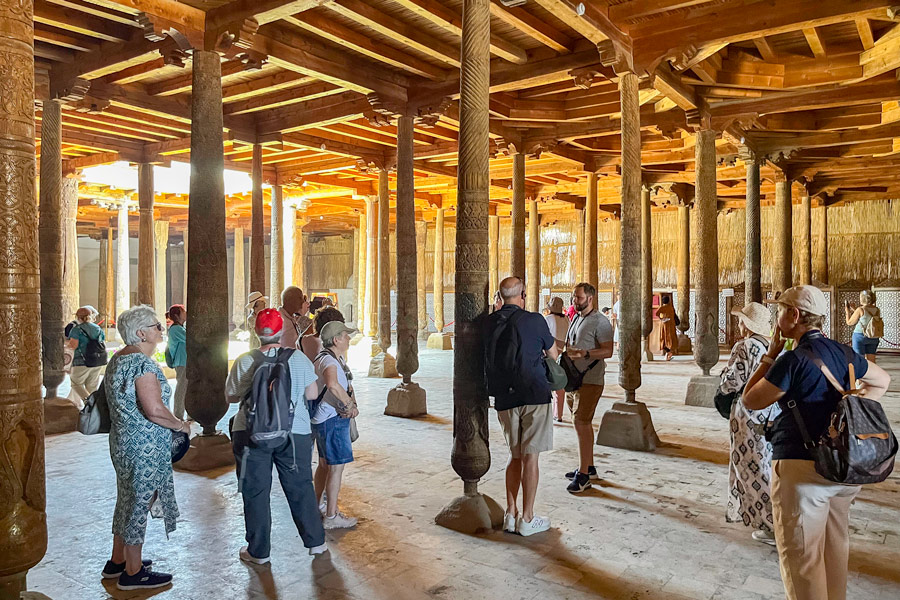
For a classic Silk Road journey, keep the structure simple. Tashkent, Samarkand, Bukhara and Khiva provide the clearest framework. The success of this route lies in how well the cities fit together rather than in the number of additions. If your priority is architecture, history and the first-time essentials, do not weaken the trip by overloading it with side routes.
If you want to go beyond monuments
If your main question is what to include beyond architecture, think in terms of contrast rather than quantity. Keep Samarkand or Bukhara for scale and historical depth, then add one place that genuinely shifts the journey: the Fergana Valley for silk, ceramics and regional life, Nukus for the Savitsky Museum and a different visual language, Nuratau or Aydarkul for a slower rural rhythm, or the Aral Sea region if you want the trip to move towards remoteness and environmental history. One strong counterpoint is usually more effective than several weaker add-ons.
If you prefer a slower, more cultural pace
Stay longer in fewer places. Give Bukhara more time, build in markets and workshops, and favour smaller-scale stays where possible. If you know in advance that you are less interested in coverage than in atmosphere, you may get more from Bukhara plus one carefully chosen extension than from trying to tick off every major city in one trip.
How to Travel Around Uzbekistan Without Wasting Time

For most first-time travellers, the core route is easiest to manage by rail, especially between Tashkent, Samarkand and Bukhara.
When trains are the best option
If you are planning how to travel around Uzbekistan, trains are usually the most efficient choice for the core route. They are reliable, relatively straightforward to use and one of the reasons a first trip can feel manageable rather than tiring.
When to use drivers, flights or organised day trips
Drivers become more useful once you move beyond the rail-connected backbone of the country, especially for rural areas, desert regions or remoter destinations. Flights can save time on longer jumps, though they are less central to the standard first-time route than trains. Organised day trips make the most sense when they solve a genuine logistical problem.
How to balance major cities with longer detours
The most common planning mistake is trying to fit too many different categories of travel into one itinerary. If you want the classic route, the Aral Sea, mountain scenery, food-focused travel and several offbeat cultural additions all in one trip, something usually becomes rushed. The best itinerary for Uzbekistan is often the one that makes a few clear choices and lets them breathe.
When These Experiences Are Most Rewarding
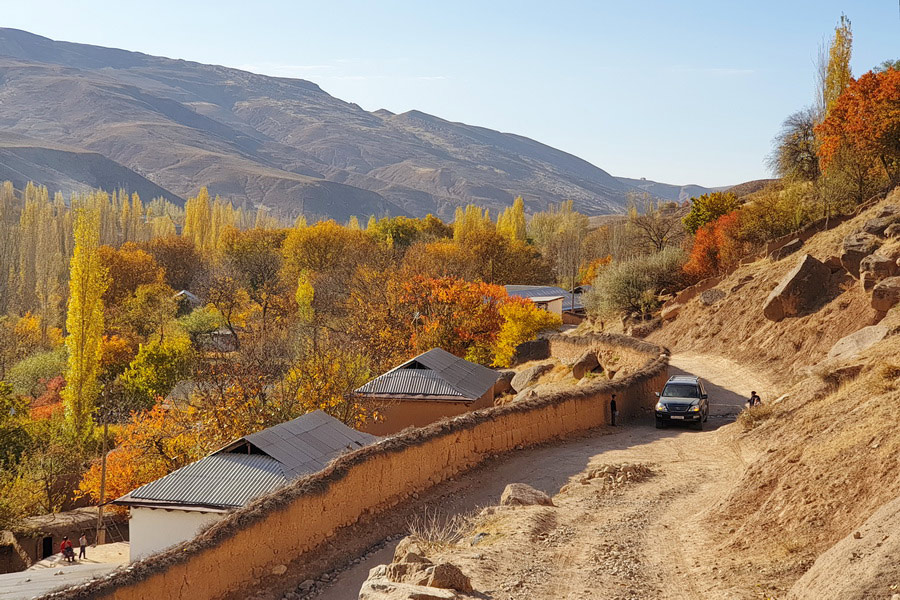
Spring and autumn for the classic route
Spring and autumn are usually the easiest seasons for the classic city route, especially if your trip is built around long walking days in Samarkand, Bukhara and Khiva. These are generally the most comfortable months for moving between cities, spending time outdoors and combining major sights with bazaars, workshops and slower old-city exploration.
Summer trade-offs and where the heat matters most
Summer can still work well, but the day has to be structured more carefully. Historic city sightseeing becomes more tiring in the middle of the day, so earlier starts, longer breaks and a less ambitious pace often make the trip more enjoyable. In hot weather, it also helps to be realistic about how much urban sightseeing can fit into one day.
When mountain, desert and Aral Sea trips work best
Different experiences respond differently to the season. Mountains near Tashkent can be especially attractive when city heat becomes a factor, while desert and Aral Sea trips require more judgement because comfort and practicality are affected more directly by conditions. For a fuller seasonal breakdown, travellers should use a dedicated guide.
FAQ About Things to Do in Uzbekistan
What is the best itinerary for Uzbekistan?
The best first-time itinerary is usually Tashkent – Samarkand – Bukhara, with Khiva added if time allows and one extra region only if you have enough time to avoid rushing the route.
What are the best places to visit in Uzbekistan?
The strongest core destinations are Samarkand, Bukhara, Tashkent and Khiva. Beyond those, the best places to visit in Uzbekistan depend on interest: the Fergana Valley for silk and ceramics within a living regional culture, Nukus for the Savitsky Museum and a different visual perspective, the Aral Sea for remoteness and environmental history, and Nuratau or Aydarkul for a guesthouse-based rural extension.
How many days do you need in Uzbekistan?
Most first-time visitors need at least 5 to 7 days for Uzbekistan, while 10 days allows a more balanced trip with one additional region.
How do you travel between cities in Uzbekistan?
For the main route, Uzbekistan train travel is often the most efficient and least stressful option. Once you move beyond the core cities, drivers, flights or organised support can become more useful depending on the region.
Is the Aral Sea worth the detour?
Yes, but only if you are comfortable with a more demanding route. The Aral Sea is worth the detour for travellers interested in remoteness, environmental history and a very different side of Uzbekistan, but it is not the best use of time on every first trip.
Can I combine culture, food and nature in one trip?
Yes, but only if the trip stays selective. The best way to do it is to build around the classic city route, then add one carefully chosen contrast such as the mountains near Tashkent, the Aral Sea region, a craft-focused extension in the Fergana Valley, or a food- and guesthouse-based stay in Nuratau.
Is Khiva worth visiting if I have limited time?
Yes, but only if you can give the route enough time. Khiva is highly rewarding, especially as a final stop, but on a shorter trip Samarkand and Bukhara remain the stronger priorities.