

Category: UNESCO World Heritage Sites in Uzbekistan, Tashkent
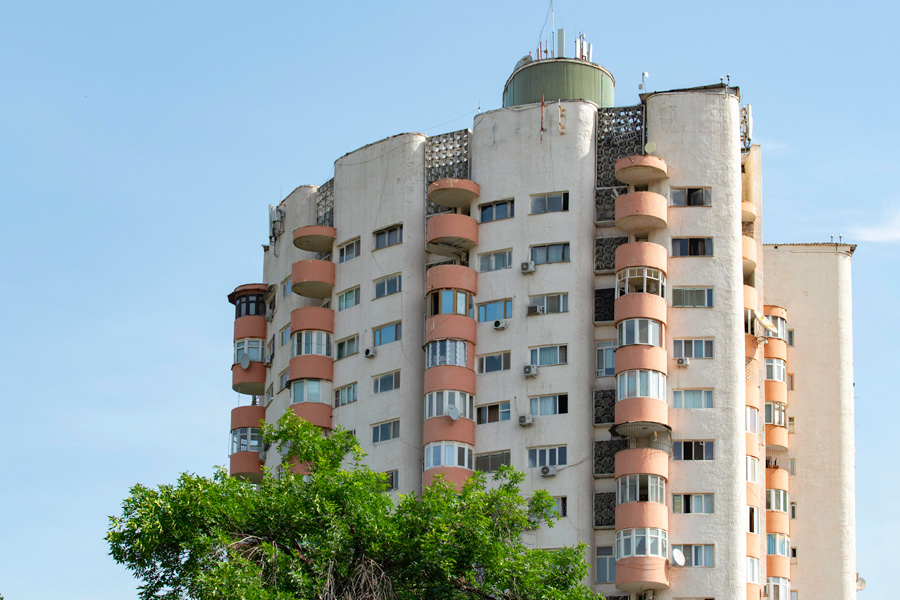
On 26 July 2026, the UNESCO World Heritage Committee inscribed “Tashkent Modernist Architecture. Modernity and Tradition in Central Asia” on the World Heritage List. This historic decision was made during the Committee’s 48th session in Busan, Republic of Korea.
Built between the 1960s and the early 1990s, these buildings and complexes helped shape Tashkent’s modern cityscape during its large-scale reconstruction after the 1966 earthquake. Their architecture combines the monumentality of Soviet modernism with Uzbek decorative art. The designs also incorporate earthquake-resistant structures and solutions adapted to the region’s hot climate.
The ten properties inscribed on the UNESCO World Heritage List are the Zhemchug residential building, the State Museum of History of Uzbekistan, the Palace of Peoples’ Friendship, the State Museum of Arts of Uzbekistan, Tashkent State Circus, the Central Exhibition Hall of the Academy of Arts of Uzbekistan, the National Palace of Cinematic Arts of Uzbekistan, Chorsu Bazaar, Kosmonavtlar Metro Station and the Sun Heliocomplex.
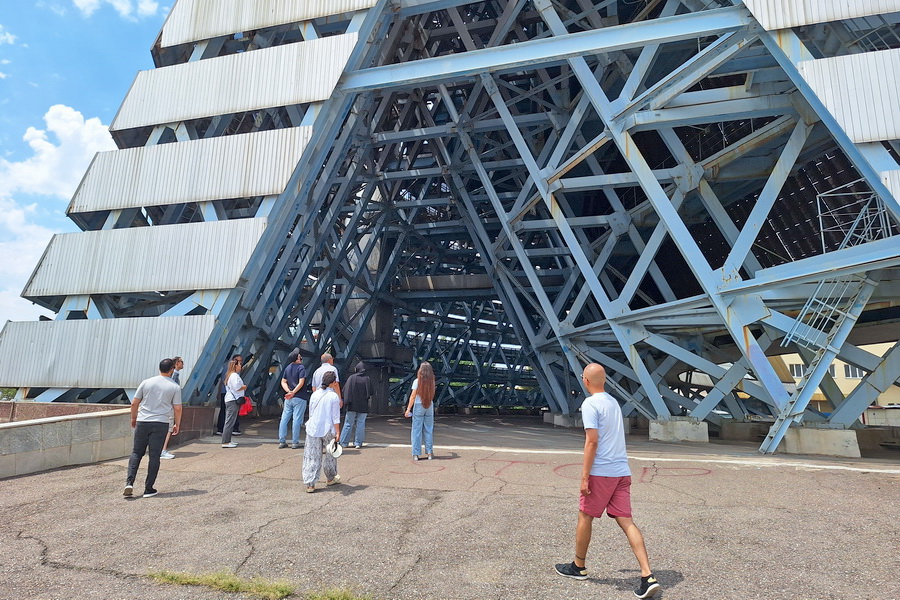
Nine of the ten buildings and complexes are located in Tashkent and help define the city’s principal public spaces. The remaining property, the unique Sun Heliocomplex, is located approximately 45 kilometres from the capital, in Parkent District of Tashkent Region.
Tashkent Modernist Architecture is Uzbekistan’s first national nomination to be inscribed on the UNESCO World Heritage List in 25 years. The country’s other new properties added since 2001 were submitted jointly with several other states. The inscription has also placed Tashkent on the UNESCO World Heritage map for the first time.