

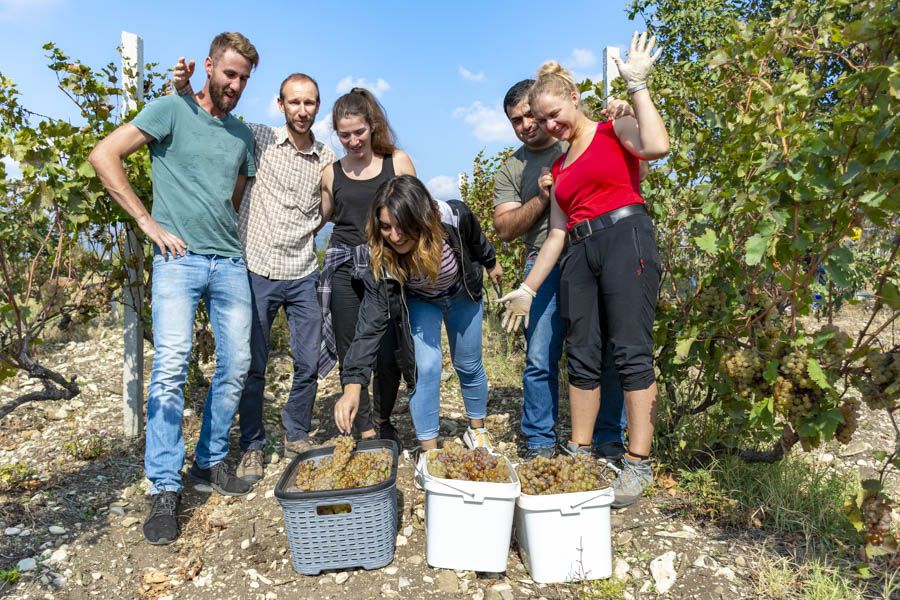
From tasting wine to walking mediaeval streets and trekking mountain villages, the best things to do in Kakheti are remarkably varied. In Kakheti, Georgia, you’ll meet craftspeople who make qvevri or help local winemakers pick grapes during the harvest. A family visit usually involves baking shoti (traditional bread) in a clay oven or making churchkhela, a local sweet.
Here, fortress walls overlook red rooftops and wide valleys, while palaces, monasteries and museums preserve centuries of local history. Telavi, Kakheti’s main town east of Tbilisi, makes a convenient base for exploring the region. Farther away, forest paths lead to waterfalls, and rough roads cross dry hills, rocky gorges and remote mountain villages.
A longer journey through the Caucasus passes through Kakheti’s towns and vineyards before continuing to neighbouring Azerbaijan. Some experiences fit into a few hours, while others require advance booking, suitable transport or several days. We bring together top Kakheti experiences, helping you choose what to do according to your interests and available time.
- 1. Telavi and Batonis Tsikhe
- 2. Sighnaghi and its city walls
- 3. Discover Bodbe Monastery
- 4. Visit Tsinandali Estate
- 5. See Alaverdi Monastery
- 6. Explore Gremi Fortress
- 7. Visit Nekresi Monastery
- 8. Taste wine at Family Winery
- 9. Visit the Qvevri Museum in Napareuli
- 10. Meet qvevri makers
- 11. Take part in grape harvest
- 12. Explore wine tunnel
- 13. Taste shoti and cheese in Badiauri
- 14. Try traditional Kakhetian dishes
- 15. Make churchkhela and bake bread
- 16. Shop at Telavi Bazaar
- 17. Go horse riding
- 18. Skydiving and paragliding
- 19. Trek in Lagodekhi
- 20. Hike through Tusheti
- 21. David Gareja Monastery
- 22. Eagle Gorge & Khornabuji Fortress
- 23. Mount Elia & Kochebi Lake
- 24. Vashlovani National Park
- 25. Experience Kist culture in Pankisi
Best Places to Visit in Kakheti
The best places to visit in Kakheti reveal different layers of the region’s history and culture. You’ll explore a former royal residence and archaeological finds or step inside ancient churches still used for worship.
1. Telavi and Batonis Tsikhe
In Telavi, Kakheti’s administrative centre, start with a visit to Batonis Tsikhe, the town’s fortified royal complex. Its defensive walls surround King Erekle II’s former palace, historic churches and a museum displaying royal possessions.
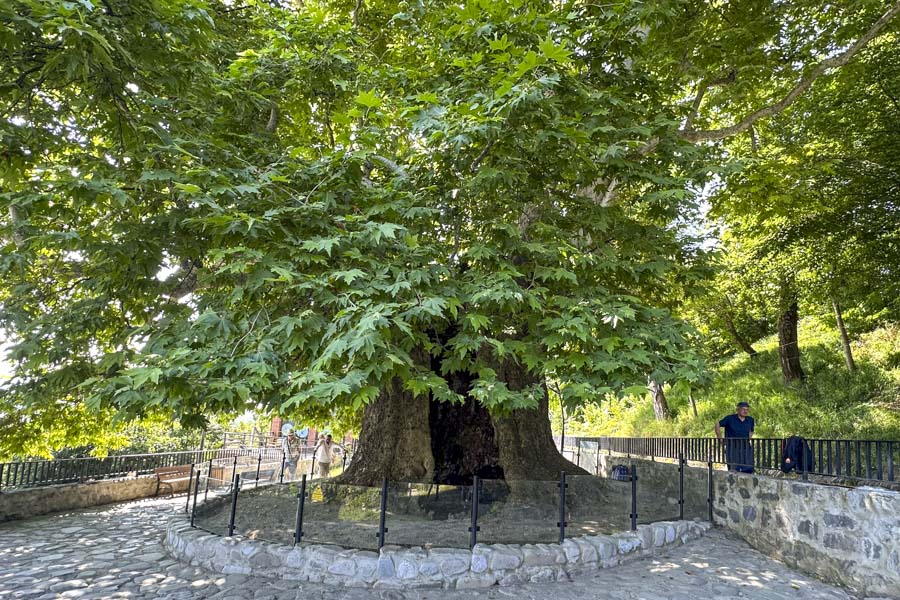
Just outside the complex, Telavi’s giant plane tree is traditionally believed to be around 900 years old. Nearby Cholokashvili Street is lined with brick houses, carved wooden balconies and narrow residential lanes. If you have more time, continue towards Nadikvari Park for views across the town.
2. Sighnaghi and Its City Walls
Walk through Sighnaghi’s cobbled streets, lined with red-tiled houses, wooden balconies and small shops. The town’s 18th-century defensive walls extend for around 4 kilometres (2.5 miles), although only certain sections are accessible for walking.
Follow the open sections for views over Sighnaghi’s rooftops with the Caucasus Mountains visible on clear days. You can also visit Sighnaghi Museum, whose collections include paintings by the Georgian artist Niko Pirosmani.
3. Discover Bodbe Monastery
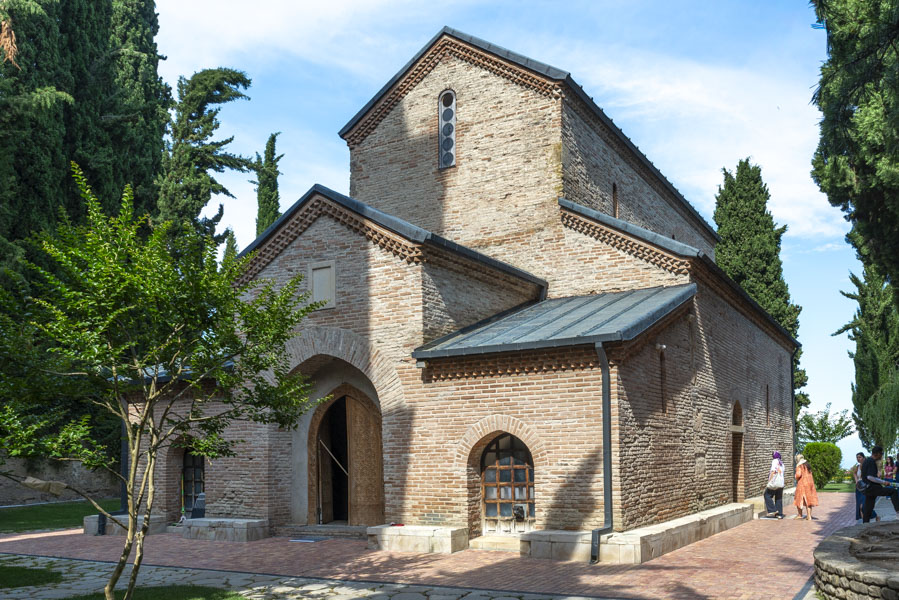
Located just outside Sighnaghi, Bodbe Monastery is one of Georgia’s most important Christian pilgrimage sites. The nunnery stands at the burial place of Saint Nino, who spread Christianity in fourth-century Georgia. Down the hillside lies Saint Nino’s Spring, which pilgrims visit for its traditionally believed healing properties. As Bodbe remains an active nunnery, dress modestly and avoid photography inside the churches.
4. Visit Tsinandali Estate
10 kilometres (6.21 miles) from Telavi, Tsinandali Estate was the home of Prince Alexander Chavchavadze, a Georgian poet and public figure. Today, the house museum displays period furniture, family belongings, manuscripts and a grand piano.
The surrounding Tsinandali Park covers 18 hectares, with shaded paths passing old trees, cypresses, bamboo and other plants. You can walk through the landscaped gardens after touring the museum or visit the estate’s historic wine cellar.
5. See Alaverdi Monastery
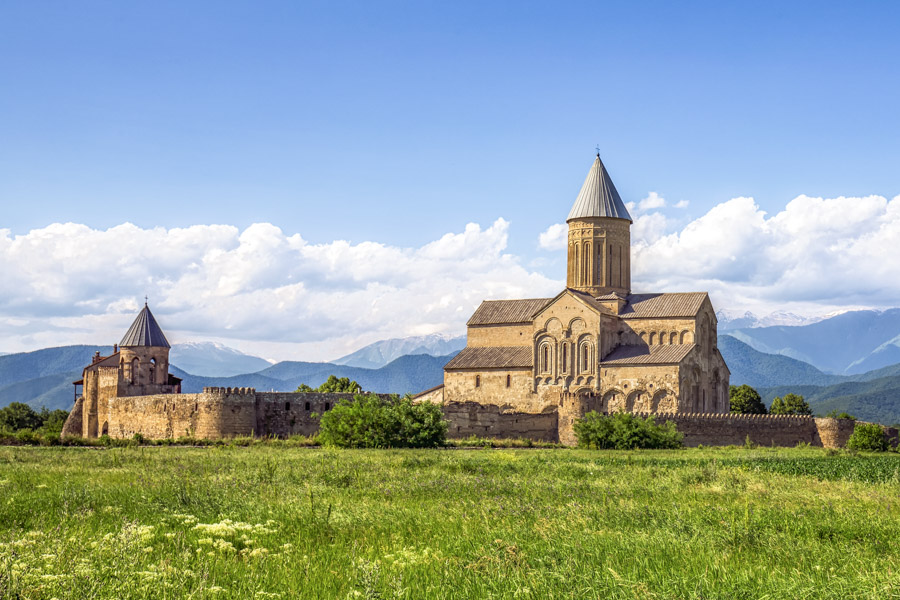
In the famous Georgian short story Alaverdoba, the writer, Guram Rcheulishvili, describes “Alaverdi rising from the Alazani floodplain”. The 11th-century Alaverdi Monastic Complex stands about 20 kilometres (12.4 miles) from Telavi, its tall dome visible from nearby roads. Step inside to see fragments of mediaeval frescoes, including painted grape clusters associated with Kakheti’s winemaking traditions. The monastery complex also includes a bell tower, historic buildings and a wine cellar.
6. Explore Gremi Fortress
Standing on a rocky hill, Gremi Fortress overlooks the ruins of Kakheti’s former royal capital. The 16th-century citadel includes the Church of the Archangels, where frescoes depict biblical scenes and King Levan of Kakheti. The bell tower houses archaeological exhibits, while ruins of baths and shops recall its role in Silk Road trade.
7. Visit Nekresi Monastery
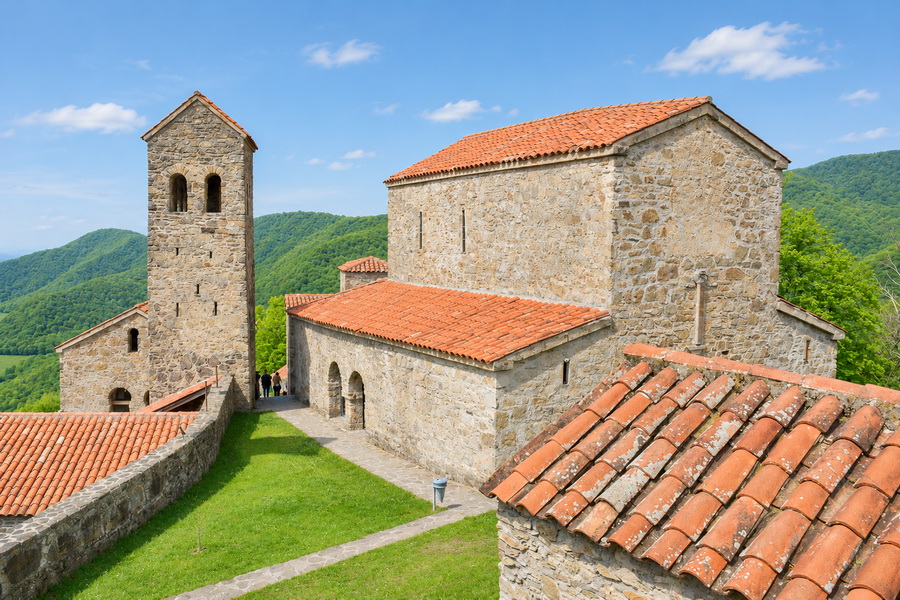
On a wooded hillside, Nekresi Monastery includes mediaeval churches, a bishop’s palace, a tower and a wine cellar. Walk between the buildings to see surviving frescoes, particularly inside the main basilica. The mortuary chapel was long believed to date to the 4th century, although its actual age remains disputed. From the lower car park, visitors reach the monastery on foot or by shuttle minibus.
Experience Winemaking Traditions
In Kakheti, winemaking remains closely connected to family life, seasonal work and skills passed between generations. Traditional clay vessels are central to the region’s wine production, even as larger wineries adopt modern methods.
8. Taste Wine at a Family Winery
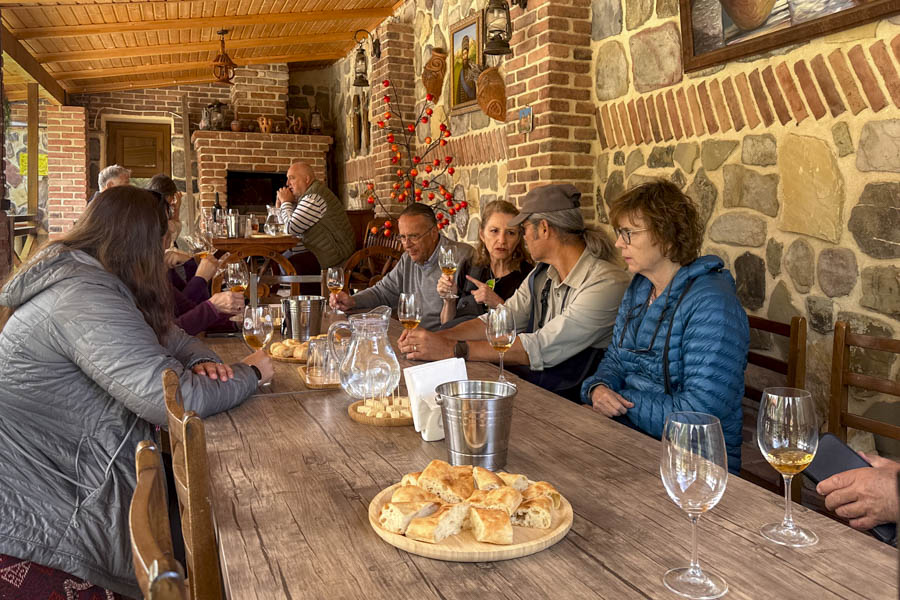
Traditional wine tasting in Kakheti often takes place in a “marani”, a traditional Georgian wine cellar. Here, families produce and store wine using qvevri, large clay vessels buried in a cellar floor and used for fermentation and ageing. UNESCO inscribed the traditional Georgian qvevri winemaking method on its Intangible Cultural Heritage list in 2013.
Visitors can sample amber wines made from Rkatsiteli grapes and red Saperavi grapes, often accompanied by local bread and cheese. Chona’s Marani, a family winery in Telavi, offers a home-based wine-tasting experience. Kakhetian House Vakirelebi in Vakiri, near Sighnaghi combines local wine with traditional Kakhetian food.
9. Visit the Qvevri Museum in Napareuli
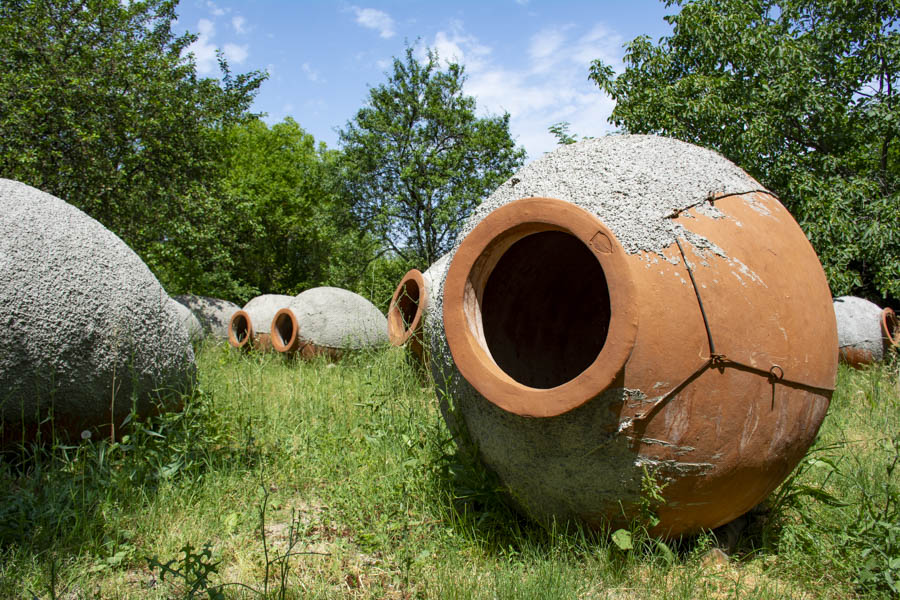
The Qvevri and Qvevri Wine Museum in Napareuli, established by twin brothers Gia and Gela Gamtkitsulashvili, introduces Georgia’s traditional winemaking methods. Life-size exhibits show how clay vessels are shaped, fired, cleaned and used to ferment wine.
A glass-covered qvevri display reveals the stages of fermentation and wine production, usually hidden beneath the cellar floor. The museum is part of the working winery Twins Wine House, where visitors can also enquire about qvevri wine tastings.
10. Meet Qvevri Makers
In Vardisubani, about 3 kilometres (1.86 miles) from Telavi, Remi and Zaza Kbilashvili are famous qvevri makers in Kakheti. Their winery and family workshop introduces the traditional craft behind the vessels used to ferment and age Georgian wine. During a visit, you can learn how clay is prepared and built into circular layers before drying and firing. The family also produces Rkatsiteli and Saperavi wines, with tastings available by arrangement.
11. Take Part in Rtveli Grape Harvest
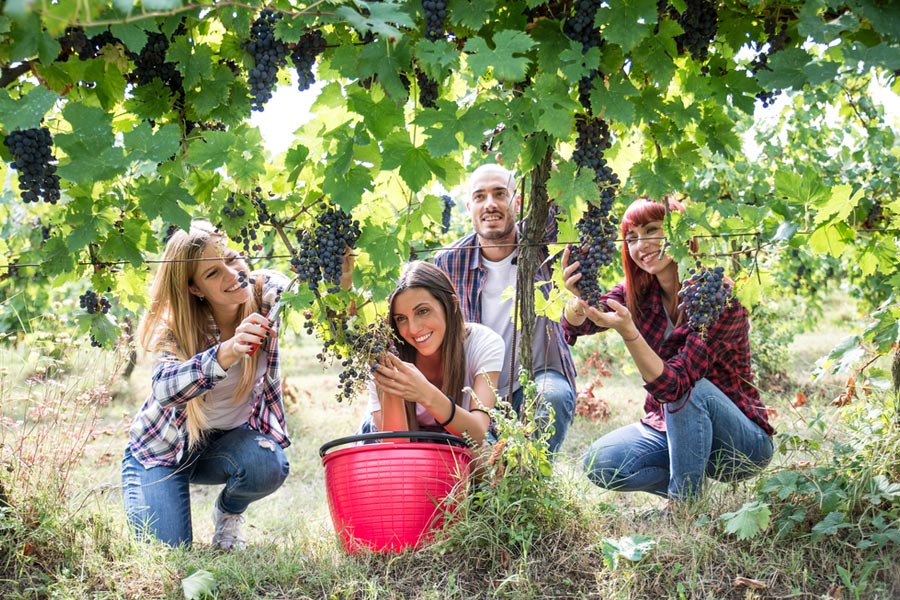
Rtveli is Kakheti’s annual grape harvest, when families pick grapes and prepare wine, usually in September and October. On a winery visit, you can pick grapes and watch them pressed in a satsnakheli – a traditional wooden trough. Some visits end with a supra, a Georgian feast featuring local food, wine and traditional toasts.
13. Explore Wine Tunnel in Kvareli
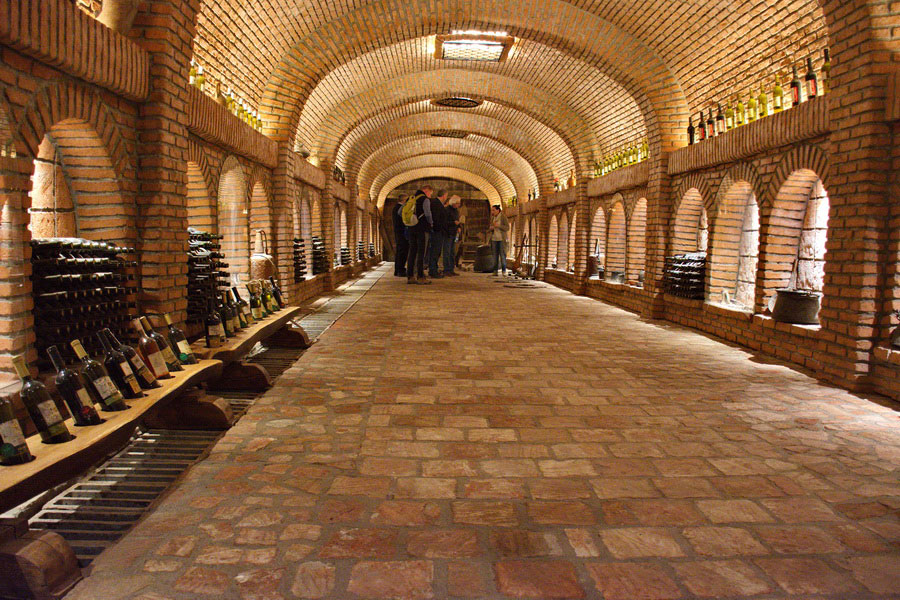
In Kvareli, Khareba Winery has a 7.7-kilometre (4.8-miles) network of underground tunnels used for storing and ageing wine. Guided tours take visitors through sections of the tunnels, past oak barrels and rows of bottles, at temperatures of 12°C to 16°C (54°F to 61°F). The visit may include wine tastings, with traditional Georgian bread baking and other activities available at the complex.
Discover Kakhetian Food
Mostly prepared in clay ovens and over open fires, Kakhetian food makes for a memorable gastronomic experience. Roadside bakeries, traditional restaurants, and cooking classes in Kakheti give visitors extensive opportunities to taste regional specialities.
13. Taste Shoti and Cheese in Badiauri
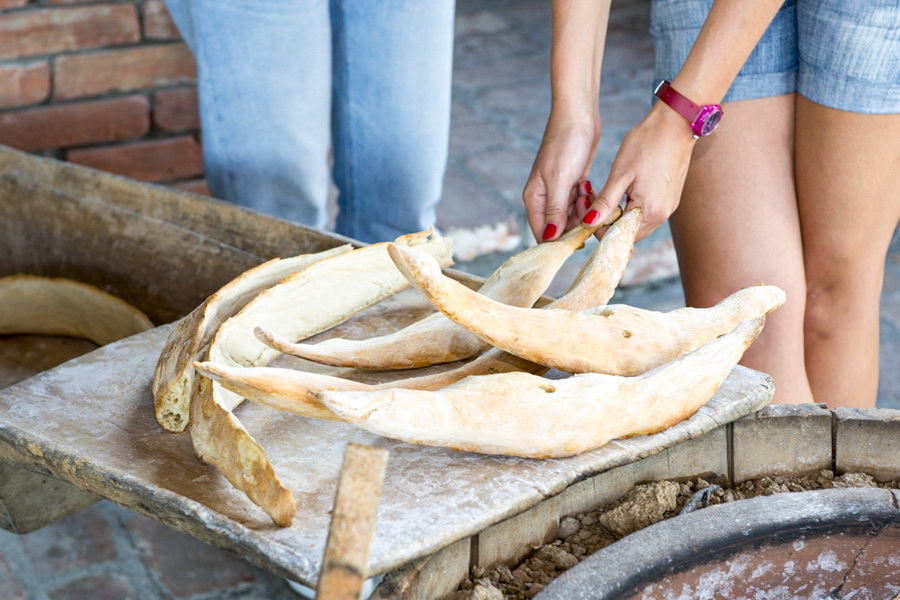
On the Tbilisi-Bakurtsikhe road, Badiauri is a small village known for its traditional bread and goat cheese. For generations, shepherds passing through the village sold cheese from their mountain herds to travellers heading east.
This roadside tradition continues today, with small bakeries preparing fresh shoti in a tone, a deep clay oven. The long loaves are baked against the oven walls, producing a crisp crust and soft centre. Served warm with salty goat cheese, they make a popular roadside snack.
14. Try Traditional Kakhetian Dishes
At a Kakhetian restaurant, try mtsvadi, meat grilled on skewers, or khashlama, beef or lamb boiled until tender. Traditional Kakhetian mtsvadi is often cooked over grapevine branches, which give the meat a slightly smoky flavour. In spring, look for chakapuli, a lamb or veal stew prepared with tarragon and sour plums. Khinkali has roots in the mountainous Tusheti, where its traditional filling uses hand-chopped meat and mountain savoury.
15. Make Churchkhela and Bake Bread
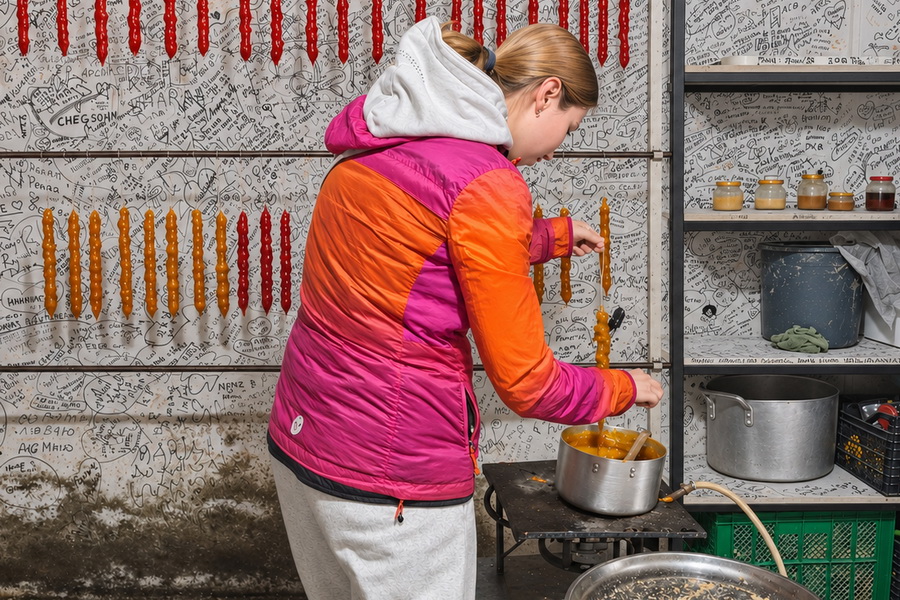
Churchkhela making involves threading walnuts onto strings and dipping them into tatara, a thick mixture of grape juice and flour. The finished churchkhela is then hung to dry. Bread-making workshops also teach visitors to shape dough and bake it inside a heated tone oven. Giuaani Winery in Manavi and Twins Wine House in Napareuli both organise these activities.
16. Shop at Telavi Bazaar
The main food market of the region, Telavi Bazaar brings together farmers and traders selling seasonal and homemade produce. Browse the dairy stalls for Akhmeta cheese, nadughi (soft curd cheese) and matsoni (Georgian yoghurt).
At other stalls, look for tklapi (dried fruit leather), nuts, honey and homemade preserves. The selection changes with the season, particularly during the autumn harvest. Around a 15-minute walk from Batonis Tsikhe, the market is easy to include in a visit to central Telavi.
Outdoor Adventures in Kakheti
Dominating Kakheti’s northern skyline, the Greater Caucasus rises above forested slopes and river valleys extending towards the plains. Across the region, changes in elevation create strikingly different landscapes, each offering unique possibilities for outdoor adventure.
17. Go Horse Riding
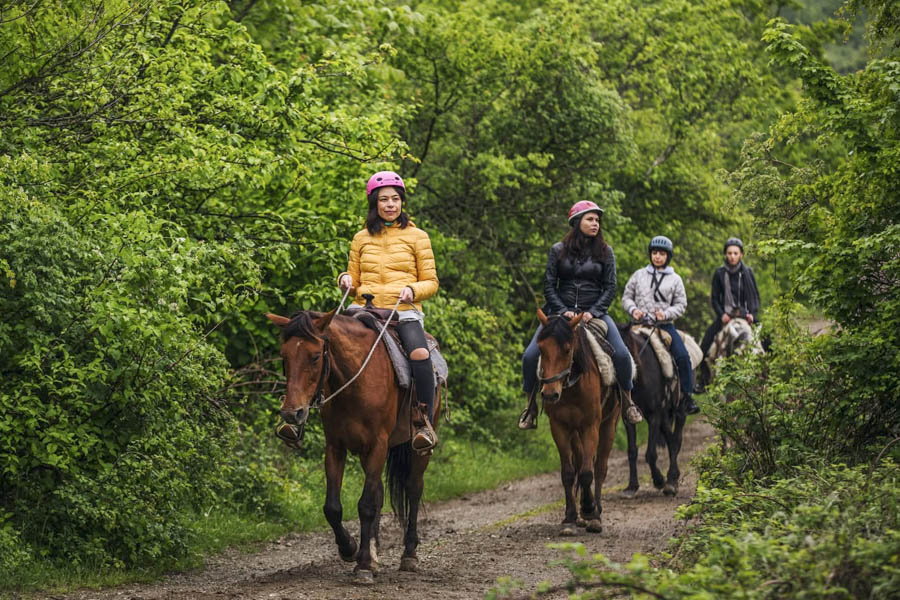
Photo source: www.facebook.com
Horseback riding in Kakheti covers short countryside trips, forest trails and longer expeditions through remote mountain areas. Near Sighnaghi, Lost Ridge, a Horse Ranch in Kedeli organises guided rides through the surrounding hills, with several routes available.
Around Telavi, riders can follow forest paths from Zemo Khodasheni towards Udziro Lake. Lagodekhi has horseback routes to Machi Fortress, and Pankisi provides guided rides through local villages and mountain trails.
Experienced riders can join longer expeditions through Vashlovani. Another option is to follow the seasonal migration of Tushetian horses between mountain pastures and lowlands.
18. Skydiving and Paragliding
Tandem skydiving in Telavi begins with a safety briefing before passengers ascend and jump attached to a qualified instructor. The descent includes freefall followed by a parachute flight back to the ground.
Paragliding provides a different flying experience, with tandem flights taking off from hillsides near Sighnaghi and Sagarejo. From Kazaniani Mountain near Sagarejo, flights usually last 15 to 30 minutes, depending on weather conditions.
Neither activity requires previous flying experience for tandem passengers, although age, weight and health restrictions apply. Skydiving is seasonal, and both activities depend on suitable weather and operator availability.
19. Trek in Lagodekhi National Park
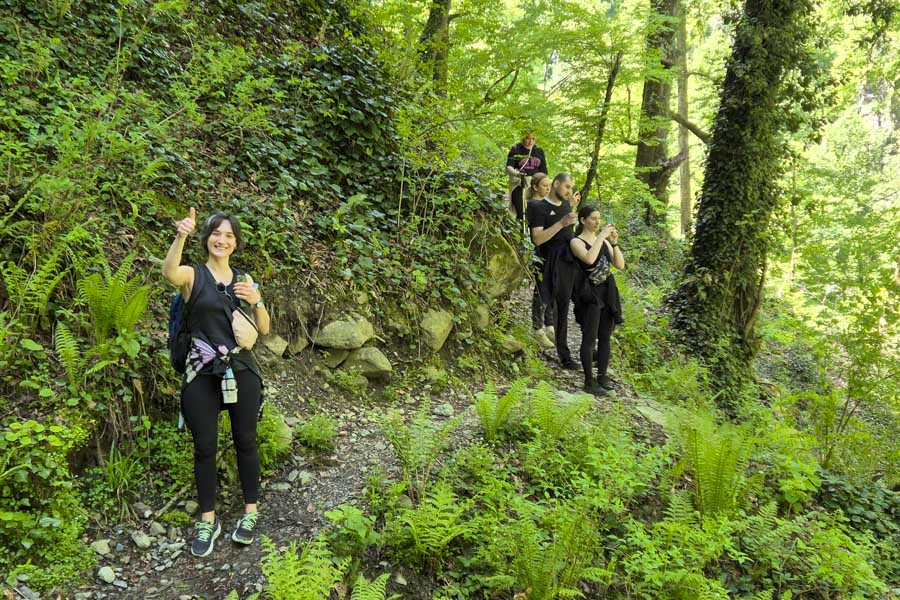
Georgia’s first nature reserve, established in 1912, Lagodekhi Protected Areas, is among the country’s major hiking destinations. Here, hiking in Kakheti follows marked forest trails leading to waterfalls, mediaeval ruins and high mountain landscapes.
The Ninoskhevi Waterfall trail begins near Gurgeniani, following a river through broadleaf forest towards a cascade. Another route leads through dense hornbeam forest to the smaller Black Grouse Waterfall, also known as Rocho. Both waterfalls can be visited on a two-day hiking tour, which includes an overnight stay at a family guesthouse.
The three-day Black Rock Lake hike crosses forests and subalpine meadows to around 2,800 metres (9,186 feet), requiring overnight stays.
20. Hike through Tusheti’s Mountain Villages
Nestled high in the Greater Caucasus, Tusheti preserves stone villages, mediaeval defensive towers, and mountain farming and shepherding traditions. The region is reached by a steep road across Abano Pass, generally accessible from June to early autumn. Above Upper Omalo’s traditional stone houses rise the Keselo Towers, one of which contains a small ethnographic museum.
Nearby Dartlo preserves slate-roofed buildings and old judgement stones, once used to settle disputes between villagers. Other settlements include Shenako, known for its 19th-century church, and Diklo, with its historic fortress.
Sheep farming, traditional crafts and distinctive religious customs have shaped life in Tusheti’s mountain communities for generations. Family guesthouses serve regional specialities such as guda cheese and kotori, a thin bread filled with cheese or curd. The summer festival of Atnigenoba preserves ancient rituals, communal feasts and traditional horse races.
Travelling between villages usually involves local 4WD transport or hiking. The longer visits allow more time in the mountain settlements.
Off the Beaten Path in Kakheti
On some roads through Kakheti, villages become scarce, and the landscape takes on an unfamiliar character. Bare hills and secluded valleys hold traces of religious life, migration and settlement stretching back centuries.
21. Visit David Gareja Monastery
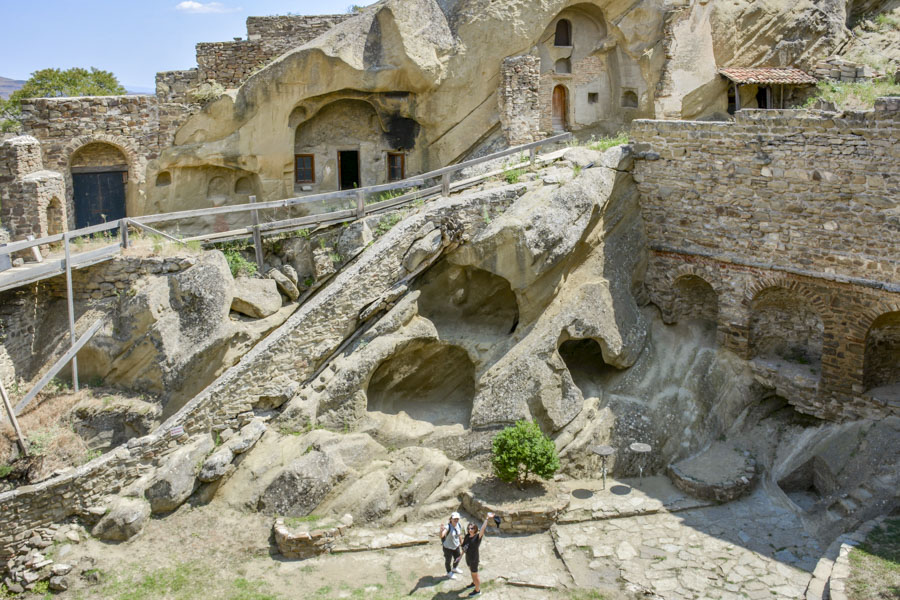
On the Iori Plateau’s semi-desert slopes, David Gareja comprises monasteries cut into the rock since the 6th century. Founded by Saint David Garejeli, the complex includes cave churches, monks’ cells and living quarters carved into bare hillsides. A day trip to David Gareja features the sixth-century Lavra Monastery, whose rock-hewn buildings surround a courtyard. Some sites, particularly Udabno, lie near the Georgia–Azerbaijan border, where access may be restricted.
22. Explore Eagle Gorge & Khornabuji Fortress
Eagle Gorge, Georgia (Artsivi Gorge), cuts through limestone cliffs where eagles, griffon vultures and other birds of prey nest. A 1-kilometre (0.62 mile) trail follows the canyon beneath rocky ledges, where the rare Kakhetian bellflower grows in narrow crevices. About 7 kilometres (4.35 miles) away, Khornabuji Fortress stands on a steep rocky summit above a forested slope. The fortress dates to the 5th century, and a short but demanding path leads to the surviving walls.
23. Discover Mount Elia & Kochebi Lake
South of Dedoplistskaro, the twin limestone peaks of Mount Elia rise above the surrounding countryside. Restored in 2006, the chapel of the Prophet Elijah stands on a rocky summit above the remains of a sixth-century church. Each August, pilgrims gather here for the saint’s feast day.
Nearby Kochebi Lake lies beneath Mount Elia, a landscape Alexandre Dumas described during his 1858 journey. The lake and pale limestone cliffs create a striking contrast with the open fields of the Shiraki Plain.
24. Venture into Vashlovani National Park
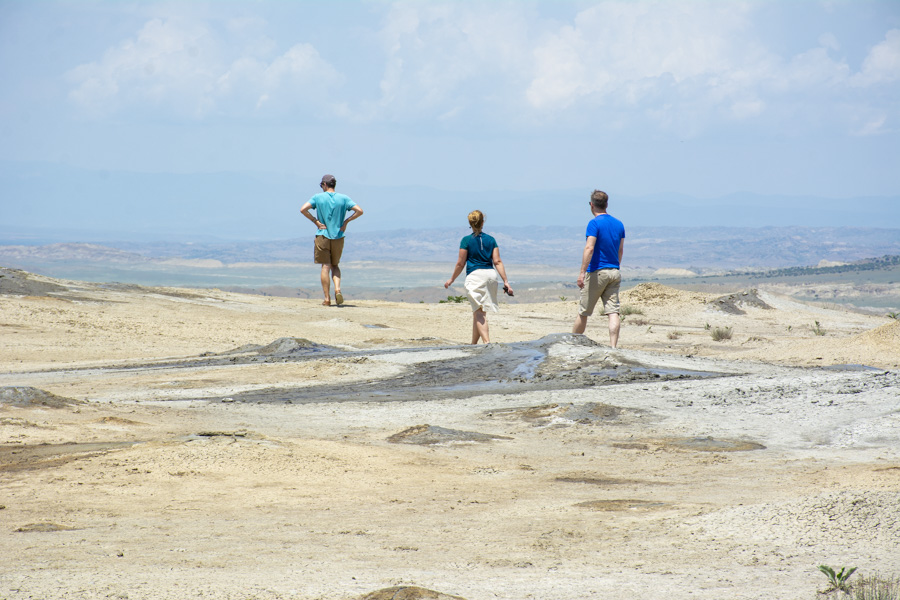
In southeastern Kakheti, Vashlovani National Park occupies land once covered by the ancient Sarmatian Sea. Its eroded hills, exposed cliffs and dry plains look different from Kakheti’s forests and cultivated valleys. Wild pistachio trees grow in widely spaced clusters resembling orchards, a feature reflected in the park’s name. Pantishara Canyon reveals unusual rock formations, and Samukhi Valley is home to gazelles and numerous bird species.
Wildlife sightings are unpredictable, but the area attracts birdwatchers and photographers throughout the year. In spring, wildflowers bring colour to the plains; autumn turns smoke bush foliage red along the riverbeds.
25. Experience Kist Culture in Pankisi
In northern Kakheti, Pankisi Valley is home to the Kists, a community whose ancestors migrated from Chechnya mainly in the 18th century. Their language, food and Muslim traditions remain an important part of everyday life.
In Duisi, the Old Mosque and ethnographic museum introduce local religious history, crafts and domestic life. On Fridays, women gather for zikr, a Sufi ceremony of rhythmic movement and chanting, sometimes open to visitors.
Family workshops preserve Kist feltmaking traditions, turning sheep’s wool into hats, carpets and decorative pieces featuring local patterns. Home kitchens serve Chechen specialities such as zhizhig-galnash, tender boiled meat accompanied by handmade dumplings.
A two-day visit to Pankisi includes cultural experiences and a guided hike through Batsara’s ancient yew forest.