

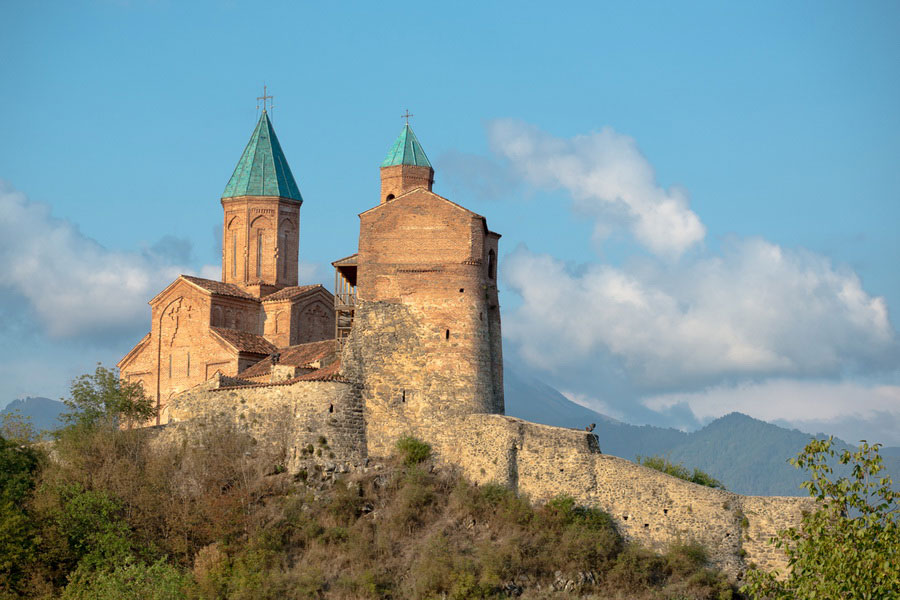
Georgia’s wine region, Kakheti stretches from the Alazani Valley towards the Caucasus Mountains and the semi-desert landscapes. Kakheti is Georgia’s largest region by area, covering 11,375 square kilometres in the east of the country. Its territory covers the vineyards of the Alazani valley, the mountains of Tusheti and semi-desert of David Gareja.
Viticulture has shaped Kakheti’s identity for centuries. Around Telavi, Tsinandali, Kvareli and Napareuli, rows of vines spread across the valleys below the Greater Caucasus.
Rkatsiteli, Saperavi, Kakhuri Mtsvane and other local grapes grow here, while traditional qvevri continue to play a central role in local winemaking. Wine remains deeply rooted in Kakhetian life, especially during Rtveli – the traditional autumn grape harvest.
Yet the Kakheti region of Georgia reaches far beyond its viticulture. Sighnaghi stands on a ridge above the Alazani Valley, while Gremi and Alaverdi trace centuries of Georgian history. Farther east, Lagodekhi brings dense forests and mountain trails, while Vashlovani shifts into dry hills, canyons and mud volcanoes.
You can visit Kakheti on a day trip from Tbilisi, spend a wine weekend or explore historic towns and mountain villages. Our Kakheti travel guide brings together everything you need to know before your visit.
Kakheti Tours
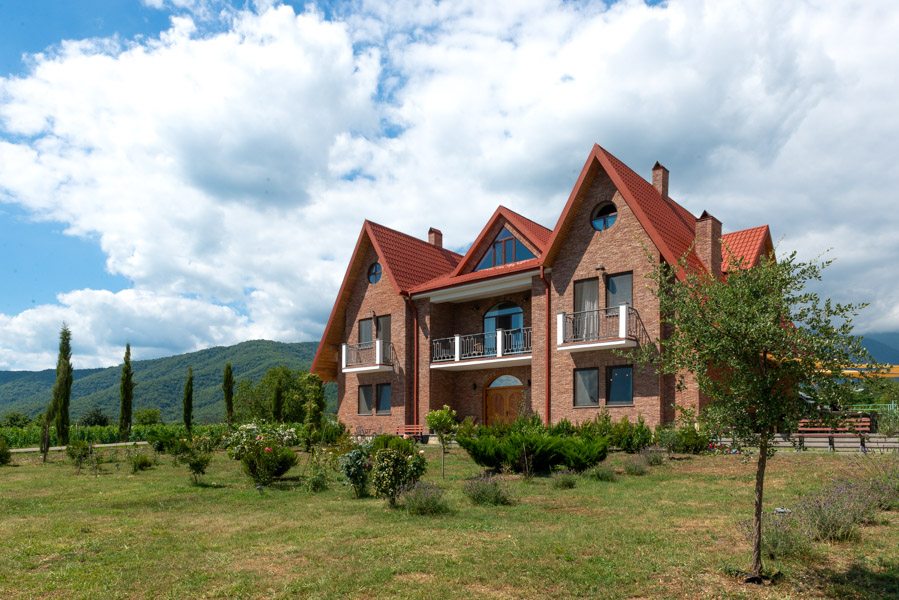
Tours to Kakheti cross vineyards, medieval monasteries, old royal towns and villages spread across Georgia’s main wine region. Most trips begin in Tbilisi and combine Kakheti sightseeing with wine tasting, local food and scenic stops.
For a first visit, a one-day route through Sighnaghi, Tsinandali and Telavi covers Kakheti’s best-known destinations. Travellers see the fortified streets of Sighnaghi, visit Bodbe Monastery and continue across Kakheti’s regional capital, Telavi.
A Kakheti highlights tour through Telavi and Alaverdi follows a different route through Ikalto, Alaverdi, Tsinandali and Telavi. Medieval churches and religious history take centre stage, alongside a family winery and traditional wine tasting.
For travellers interested primarily in wine, a traditional Kakheti wine-making tour goes deeper into the process. The route visits qvevri makers in Vardisubani, the Tsinandali Estate and a winery in Napareuli, where visitors can see traditional winemaking at closer range.
Another option, a Kakheti wine tour from Tbilisi, combines Vardisubani and Telavi with Shumi Winery and Alaverdi Cathedral. It brings together qvevri traditions, wine tasting, Kakhetian food and medieval architecture in a single day.
Kakheti at a Glance
Kakheti covers a wide area, and distances between its vineyards, historic towns and mountain regions can be considerable. For a first visit, Telavi and Sighnaghi are the easiest bases, while Tusheti, Lagodekhi and Vashlovani require more time and advance planning.
| Area | Best for | Suggested stay | Best way to Travel |
| Telavi | Royal history, wineries, regional town | 1-2 nights | Car, driver, guided tour, minibus (marshrutka) |
| Sighnaghi/Bodbe | Fortified town, pilgrimage, River Alazani views | 1 night | Car, driver, guided tour, minibus (marshrutka) |
| Kvareli | Historic estates, vineyards, wine stays | 1-2 nights | Car or wine tour |
| Lagodekhi | Forests, waterfalls, hiking | 1-2 nights | Car recommended |
| Tusheti | Mountain villages, trekking, local culture | 2-4 nights | Seasonal 4WD and helicopter access |
| Vashlovani | Semi-desert, canyons, wildlife | 1-2 nights | 4WD recommended |
Best Time to Visit Kakheti
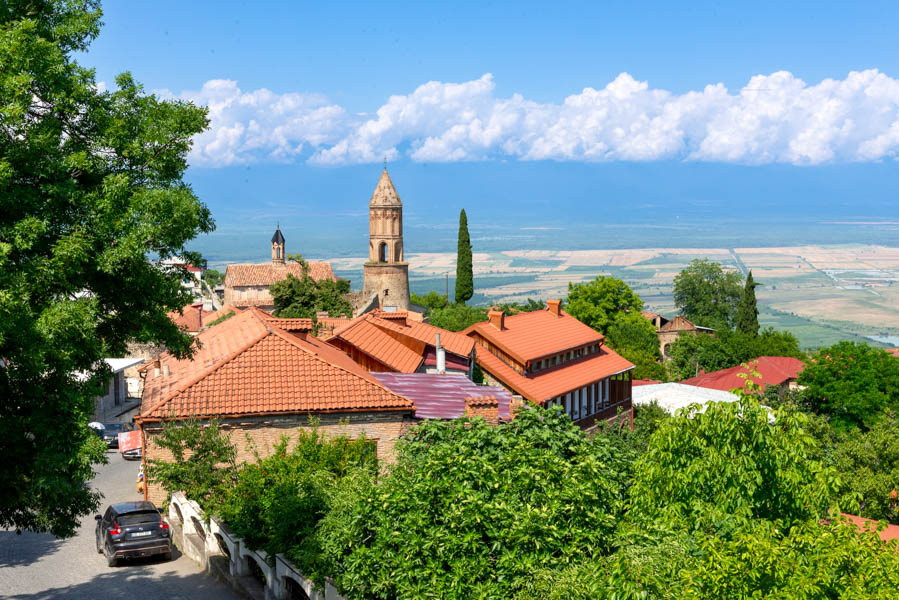
Autumn is the best time to visit Kakheti, especially in September and October during the Rtveli harvest season. September usually remains warm, while October brings cooler days and changing colours across the valleys. Rtveli dates vary each year, with harvesting sometimes starting in August and continuing well into October.
| Season | Months | Average Daytime Highs | Average Night-time Lows |
| Spring | March-May | 13 to 23°C (55 to 73°F) | 3 to 12°C (37 to 54°F) |
| Summer | June-August | 27 to 30°C (81 to 87°F) | 16 to 19°C (61 to 66°F) |
| Autumn | September-November | 12 to 25°C (54 to 78°F) | 4 to 15°C (39 to 59°F) |
| Winter | December-February | 6 to 8°C (43 to 46°F) | -2 to 0°C (29 to 32°F) |
Temperatures represent Telavi and central lowland Kakheti. Tusheti and other high-altitude areas are considerably colder.
Spring, especially late April and May, brings green valleys, flowering orchards and budding vines. Mild weather suits monastery visits, walks and lower-altitude hiking trails before the summer heat arrives. Lagodekhi has year-round trails, although the high Black Rock Lake route normally opens in June. Tusheti usually remains inaccessible by road until the Abano Pass opens around late May or early June.
Summer brings long, hot days in the valleys, with average temperatures around 23-25°C and hotter spells above 30°C. Wine estates, monasteries and historic towns are fully accessible, although midday heat can make Kakheti sightseeing tiring. Mountain areas stay cooler, making summer the main season for Tusheti and higher Kakheti hiking trails. The Abano Pass normally remains open until September, although weather conditions determine the exact dates.
Winter is the quietest season, with daytime highs around 6-8°C and night-time lows between -2 and 0°C in lowland Kakheti. Wine cellars and Kakheti historical landmarks remain the main attractions, while hiking and mountain travel become more limited. Tusheti is inaccessible by road, and high-altitude hiking requires winter experience and proper equipment.
History of Kakheti
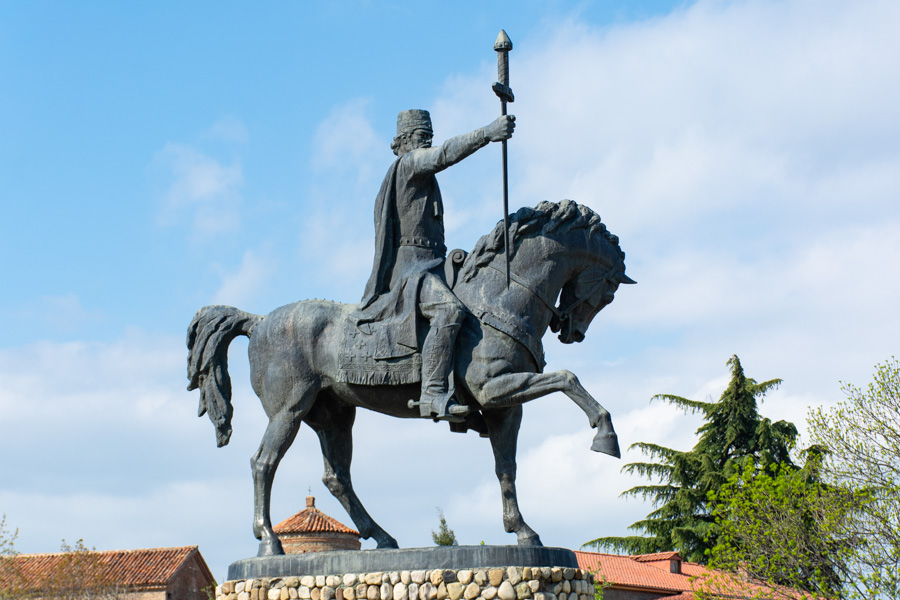
Kakheti history begins within the ancient Kingdom of Iberia, one of the main political states of eastern Georgia. By the late 8th century, Arab sources already referred to Kakheti as a region separate from Iberia. Local rulers gradually established an independent principality, with Telavi emerging as an important political and religious centre.
Kakheti was briefly incorporated into the unified Georgian kingdom during the 11th century. King David IV, known as David the Builder, finally brought the region under Georgian rule in the early 12th century. After the Kingdom of Georgia fragmented in the 15th century, Kakheti re-emerged as an independent kingdom.
The Kingdom of Kakheti prospered during the 16th century with Gremi serving as its capital. Agriculture expanded, architecture developed, and Silk Road trade helped Gremi grow into one of Kakheti’s main commercial centres. This stability ended as Ottoman and Safavid influence intensified.
The 17th century brought Kakheti some of its most destructive conflicts. Shah Abbas I invaded repeatedly between 1614 and 1616, killing and deporting tens of thousands of residents. Gremi and other settlements were devastated, while many Kakhetians were forcibly resettled in Iran. Revolts against Safavid rule continued throughout the century.
Kakheti recovered gradually during the 18th century. Telavi replaced ruined Gremi as the main political centre, while Teimuraz II and Erekle II strengthened eastern Georgia. In 1762, Erekle II united Kakheti with neighbouring Kartli, creating the Kingdom of Kartli-Kakheti. The Russian Empire annexed the kingdom in 1801.
Kakheti later became part of the Democratic Republic of Georgia from 1918 to 1921, followed by the Soviet invasion. Since Georgia regained independence in 1991, Kakheti has remained an administrative region, with Telavi as its administrative centre.
Places to Visit and Where to Stay in Kakheti
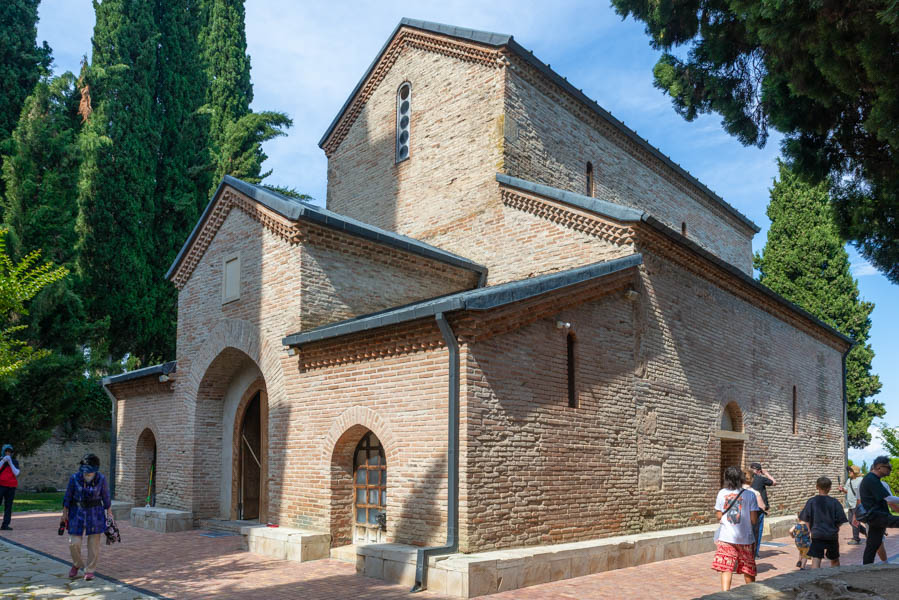
Kakheti’s attractions are spread across valleys, forested foothills, mountain areas and semi-desert landscapes. The areas below cover the main bases for Kakheti sightseeing and overnight stays.
Telavi
The administrative centre of the region, Telavi is one of the most practical bases for exploring Kakheti, with broad views across the Alazani Valley. The town once served as the capital of the Kingdom of Kakheti. Batonis Tsikhe contains Georgia’s only surviving royal palace, alongside court churches, gates and defensive walls. Its museum covers the region’s royal history, while an ancient plane tree stands across the road.
Telavi’s bazaar, compact centre and traditional restaurants make the town practical after a day of Kakheti sightseeing. Old and New Shuamta, Bochorma fortress, Alaverdi and many wineries are within driving distance.
Where to stay: Choose central Telavi for walkable sights and restaurants. Agarani Estate near Ruispiri provides a quieter vineyard base outside town.
Sighnaghi and Bodbe
Often called the City of Love, Sighnaghi is a small fortified town of cobbled streets, carved balconies and 18th-century walls. The fortifications follow the hillside for around 4 kilometres and retain 23 towers, while the old streets descend between balconies, small squares and wine cellars. The Sighnaghi Museum displays regional archaeology, ethnography and paintings by Niko Pirosmani. The Niko Pirosmani Museum gives a closer look at the work of Georgia’s best-known self-taught painter.
Bodbe Monastery lies a short drive from town. The convent developed around the burial place of Saint Nino, who helped establish Christianity in 4th-century Georgia.
Where to stay: One night in Sighnaghi allows time for the walls, museum and evening streets. Central accommodation works best for travellers without a car.
Tsinandali and Kondoli
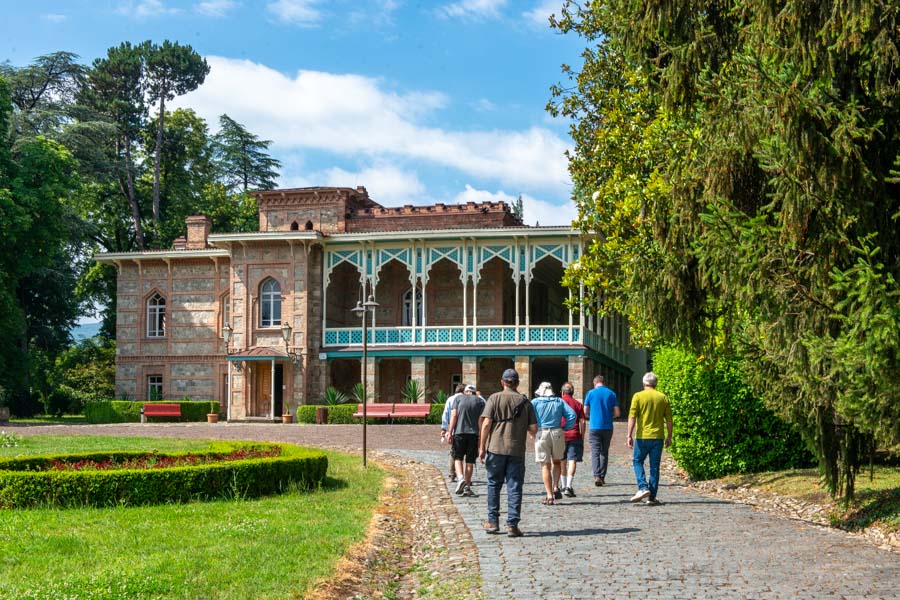
The main attraction of Tsinandali is the former estate of Prince Aleksandre Chavchavadze, a leading figure of Georgian Romanticism. Its palace museum preserves family rooms, manuscripts and period furnishings. A landscaped garden surrounds the residence, while the historic cellar reflects the estate’s role in Georgian winemaking.
Nearby Kondoli is quieter and mostly agricultural. Its vineyards have been cultivated for generations and now support established producers and family wineries. The two villages combine easily with Telavi during a day of Kakheti sightseeing.
Where to stay: Tsinandali Estate, A Radisson Collection Hotel places the museum and gardens nearby. Park Hotel Tsinandali Estate provides a simpler base within the same estate.
Kvareli and Napareuli
Kvareli stands at the northern edge of the Alazani Valley, close to vineyards within the Kindzmarauli wine zone. The Ilia Chavchavadze State Museum presents the writer’s manuscripts, personal objects and public work. Visitors can also walk around Kvareli Lake or enter the long tunnel galleries used by Winery Khareba.
West of Kvareli, Napareuli gives its name to a protected wine appellation. Its Qvevri and Qvevri Wine Museum explains vessel-making, fermentation and traditional cellar work. Family producers make this a strong area for Kakheti wine tours and vineyard stays.
Where to stay: Kvareli Lake Resort suits a quiet lakeside break. Lopota Lake Resort and Spa, near Napareuli, works well for a longer resort stay.
Gremi and Nekresi
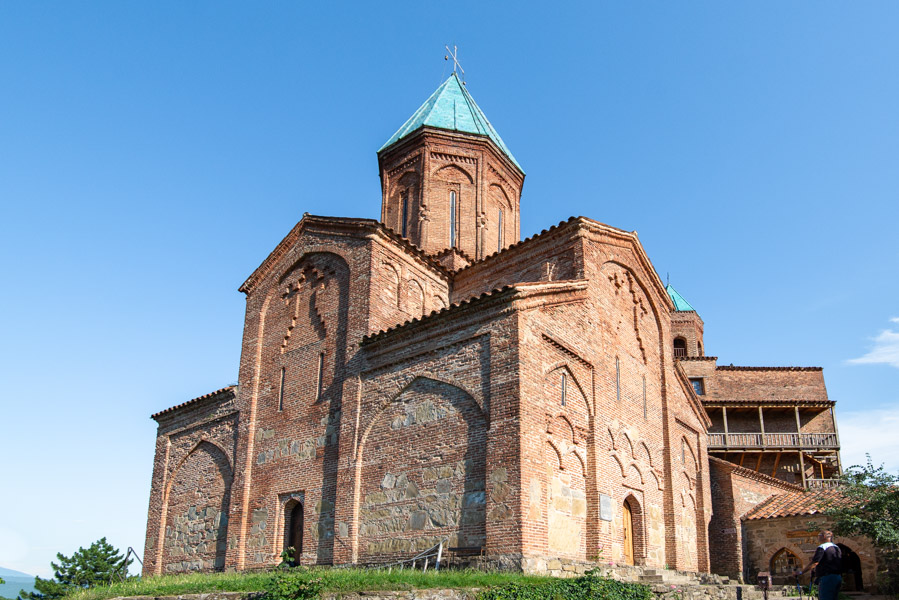
Gremi served as the capital of the Kingdom of Kakheti before the Safavid invasion devastated the city in 1616. The Church of the Archangels and palace-bell tower rise above the former commercial quarter. Archaeological remains below include baths, merchant buildings, a caravanserai and sections of an old water system.
Nekresi stands on a wooded slope near Shilda village. Its buildings span several periods and include churches, a basilica, a bishop’s palace and a 16th-century wine cellar. The hillside also opens broad views across the valley.
Where to stay: Visit both Kakheti historical landmarks from Kvareli or Telavi. Nekresi Estate lies near the monastery road, while In Gremi Hotel provides stunning views of the Archangels church.
Akhmeta and Tusheti
Akhmeta works mainly as the gateway to northern Kakheti and the road towards Tusheti. Its municipality includes Alaverdi Cathedral and Kvetera Fortress. Lower Alvani is a common starting point for mountain transfers, so arrange transport and supplies before heading higher.
Tusheti requires a separate four-wheel-drive journey across the Abano Pass. Road access normally runs from early summer into autumn, depending on snow and weather. Omalo is the main base, with routes continuing towards Dartlo, Shenako and other stone villages. Defensive towers, alpine valleys and long trails make several days necessary.
Where to stay: Babaneuris Marani is a vineyard base in the Akhmeta lowlands. In Tusheti, family guesthouses around Omalo provide the widest choice.
Sagarejo and David Gareja
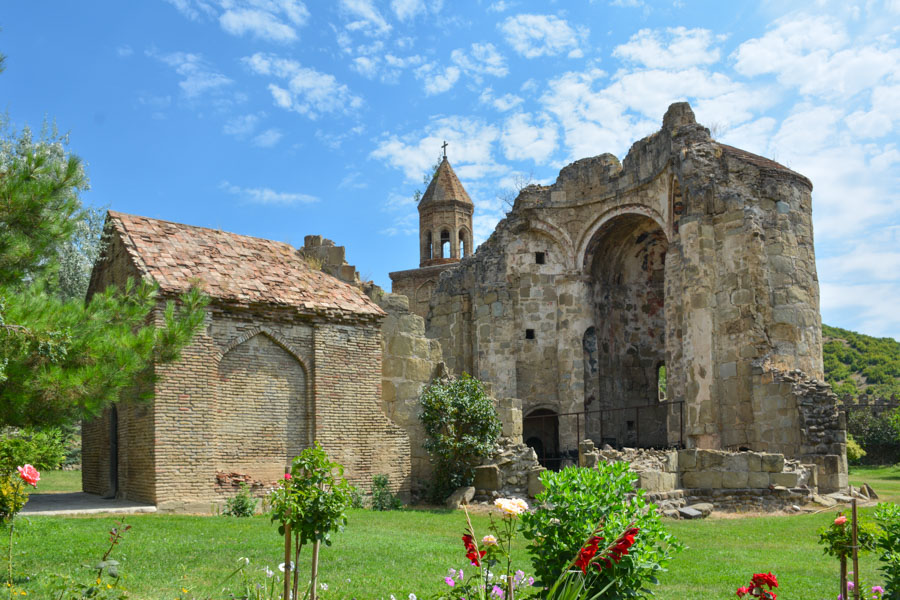
Sagarejo introduces outer Kakheti, the drier western part of the region. Ninotsminda Monastery sits near the town, while vineyards extend through nearby Manavi and the Iori Valley. Most travellers continue south towards David Gareja rather than remain in Sagarejo.
Founded in the 6th century, David Gareja spreads across bare hills near the Azerbaijani border. The lower Lavra monastery remains accessible. Entry to the upper Udabno caves and ridge has remained restricted or changeable because the border is unresolved. Check current access before travelling.
Where to stay: David Gareja is usually visited as a day trip from Tbilisi. A night in Udabno suits travellers combining the monastery with the surrounding semi-desert.
Lagodekhi and Vashlovani
Lagodekhi and Vashlovani show opposite sides of Kakheti’s landscape and require separate routes. Lagodekhi Protected Areas rise from forested foothills towards the Caucasus. Shorter trails lead to waterfalls and Machi Fortress, while Black Rock Lake requires a demanding multi-day trek.
Vashlovani lies far to the southeast beyond Dedoplistskaro. Its canyons, eroded hills, sparse forests and mud volcanoes are usually reached by off-road vehicle. Visitors must register at the protected areas centre before entering the park and carry identification.
Where to stay: Galileo Lagodekhi is convenient for the forest trails. For Vashlovani, stay in Dedoplistskaro or reserve an official bungalow or campsite inside the protected area.
Things to Do in Kakheti
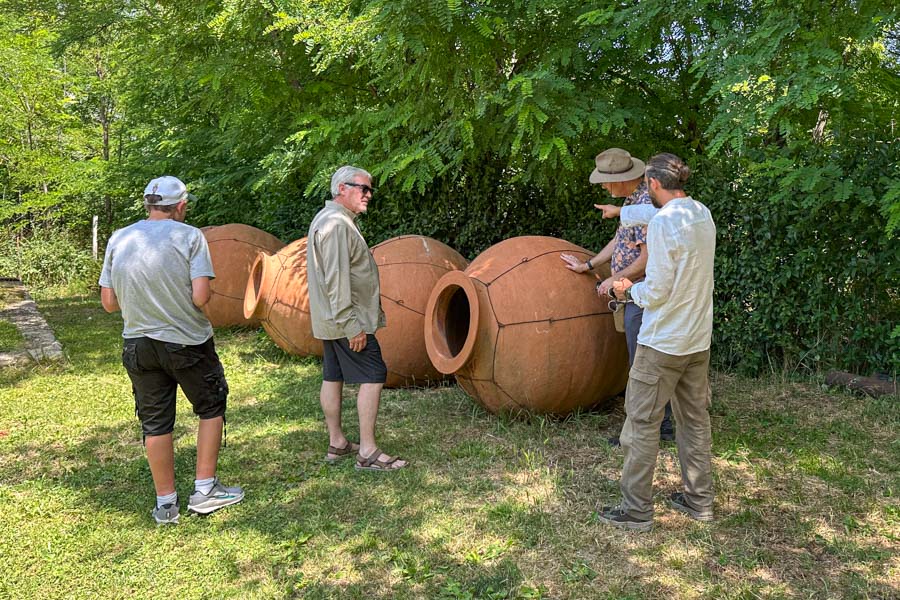
Some of the best things to do in Kakheti happen away from formal sightseeing. Wine ferments in clay vessels set into cellar floors, while shoti bakes against hot oven walls. Footpaths climb through forests towards waterfalls, alpine lakes and remote mountain villages. Several experiences require advance booking, seasonal access or local guides.
Taste Wine from a Qvevri in a Family Marani
At a family marani, or wine cellar, visitors taste Kakheti wine beside the buried vessels where it fermented. In the Kakhetian method, grape juice ferments with skins, pips and often stems. The wine may remain in the qvevri for several months before being transferred or bottled. Family tastings usually include local grape varieties and an explanation from the producer.
Join Rtveli, the Autumn Grape Harvest
Rtveli usually begins in Kakheti in September, although some harvests continue into October. A prearranged visit may involve cutting bunches, carrying baskets and watching grapes enter the satsnakheli, the traditional press. Some hosts also let visitors help press grapes before serving lunch and fresh grape juice. Timing depends on the weather and grape maturity, so confirm the date before travelling.
Meet a Qvevri Maker
In Vardisubani, visitors can meet members of the Kbilashvili family, who still make qvevri by hand. A workshop shows how each clay vessel is shaped, dried and fired before being buried in a cellar. Some Kakhetian qvevri hold several thousand litres, making their construction a demanding craft. This stop adds useful context to Kakheti wine tours and the traditional method used by local wineries.
Make Churchkhela with a Local Family
Churchkhela making turns grape must into one of Kakheti’s most recognisable foods. Walnuts are threaded and dipped several times into tatara, a thick mixture of grape juice and flour. The finished churchkhela is then hung to dry. The activity is closely connected with Rtveli tradition, when fresh grape juice is available for the process.
Bake Georgian Bread in a Tone
Kakhetian shoti is baked against the heated inner wall of a tone, a deep clay oven. During a workshop, visitors shape the long dough and watch the baker press it against the hot surface. The bread is removed with metal tools and eaten warm, often with cheese or wine. Many family cellars combine bread baking with churchkhela making and a local meal.
Hike to a Waterfall in Lagodekhi
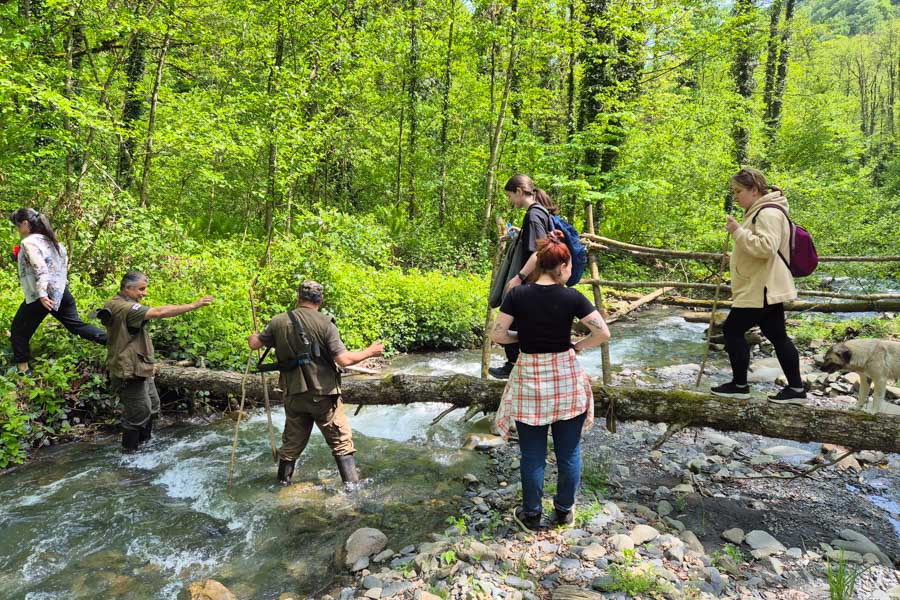
The Ninoskhevi Waterfall trail begins at the Gurgeniani Information Centre in Lagodekhi Protected Areas. It follows the river through broadleaf forest before reaching a waterfall measuring around 40 metres. The return walk covers 8.5 kilometres and usually takes four to six hours. The route is moderately difficult, with wet stones and uneven riverside sections.
Ride a Horse through Lagodekhi
Several Lagodekhi routes can be followed on horseback, including the long journey towards Black Rock Lake. Horse services are available through the protected areas administration, with separate arrangements for mountain routes. Riding reduces some physical strain but does not remove the altitude, distance or changing weather. Arrange the horse and guide before arriving in Lagodekhi.
Trek to Black Rock Lake
Black Rock Lake requires a three-day trek through forest, subalpine meadows and exposed mountain terrain. The official route covers 48 kilometres and reaches the lake on Georgia’s border with Dagestan. Hikers spend two nights at the Meteo shelter and visit the lake on the second day. The trail is open from June to October and requires registration before departure.
Trek between Tushetian Villages
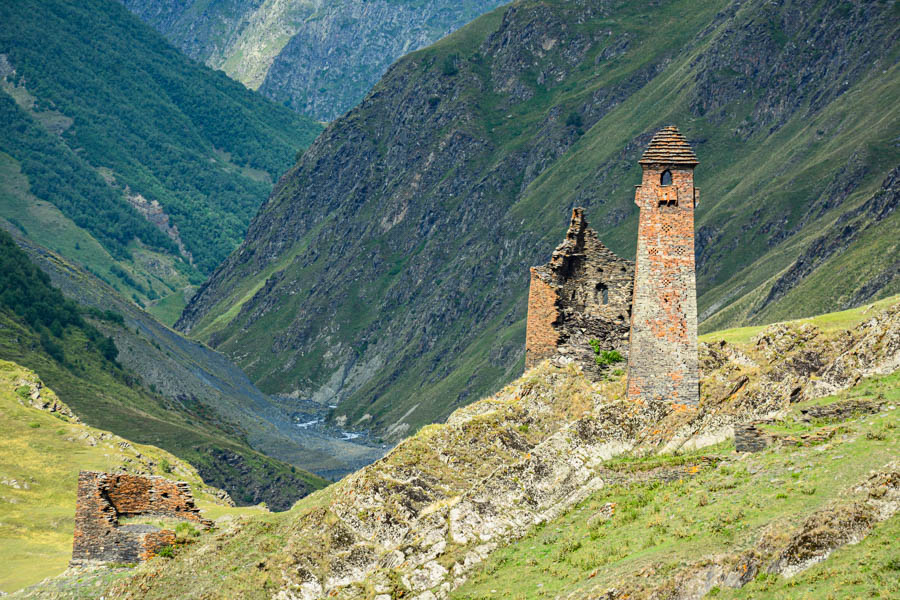
Tusheti’s village trails cross high passes, river valleys and settlements built from local stone. A two-day route of 25 kilometres links Omalo with Dartlo and Kvavlo. Longer walks continue towards Girevi, Atsunta Pass and neighbouring Khevsureti. Some routes have guesthouses, while others require camping, with the walking season generally running from June to October.
Take a 4WD Journey through Vashlovani
A 4WD journey through Vashlovani crosses eroded hills, canyons, floodplain forest and dry steppe. Seven official routes support one- or two-day driving trips, cycling and off-road exploration. Border areas such as Takhti Tepa and Mijniskure require registration at the visitor centre in Dedoplistskaro. Visitors must carry identification, and entry to these areas requires a 4WD vehicle.
Go Skydiving over Kakheti
Skydiving operates from Telavi’s Mimino Airport, with jumps from around 3,000 to 4,200 metres above the Alazani Valley. Weather conditions determine whether jumps can go ahead, while higher-altitude options include around 60 seconds of freefall. The activity is seasonal, so book ahead and confirm operating dates before travelling.
Kakheti Wine Region
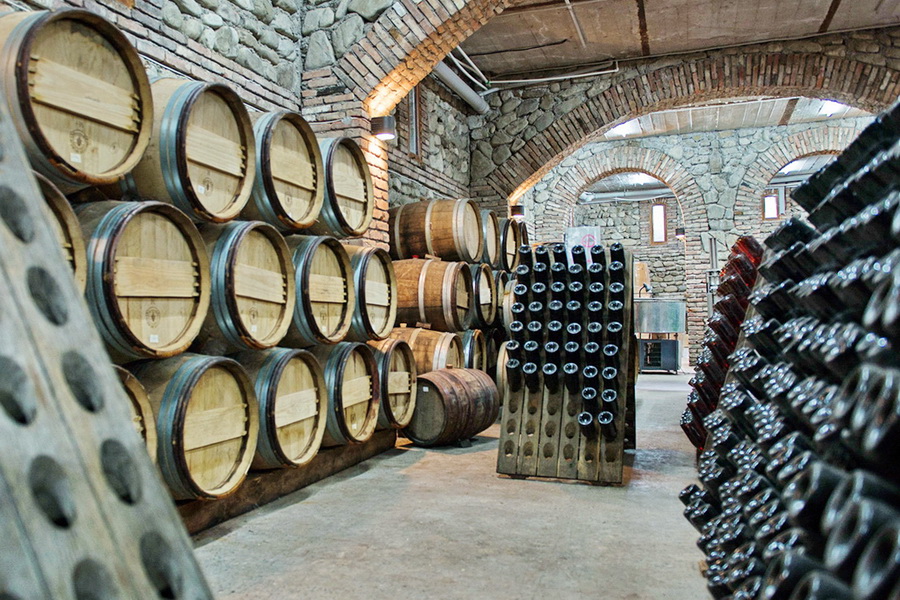
Kakheti is Georgia’s principal winemaking region, with vineyards concentrated in the Alazani and Iori river basins. Wine tourism is central to the visitor experience in Kakheti, with family qvevri cellars standing alongside modern wineries. Kakheti wine ranges from fresh dry whites and amber wines to deeply coloured Saperavi reds.
Kakheti Wine and Qvevri
Traditional Kakhetian winemaking begins by pressing grapes in a satsnakheli, or winepress. The juice then enters a buried qvevri with skins, pips and often stems. It ferments and matures underground, sometimes for several months. Extended contact with the grape solids gives many white wines an amber colour, firm tannins and a fuller texture.
Qvevri remains central to Kakheti, but it is not the region’s only method. Many producers also make European-style wines with modern cellar equipment. UNESCO added the ancient Georgian traditional qvevri wine-making method to its Intangible Cultural Heritage list in 2013.
Kakheti Grape Varieties
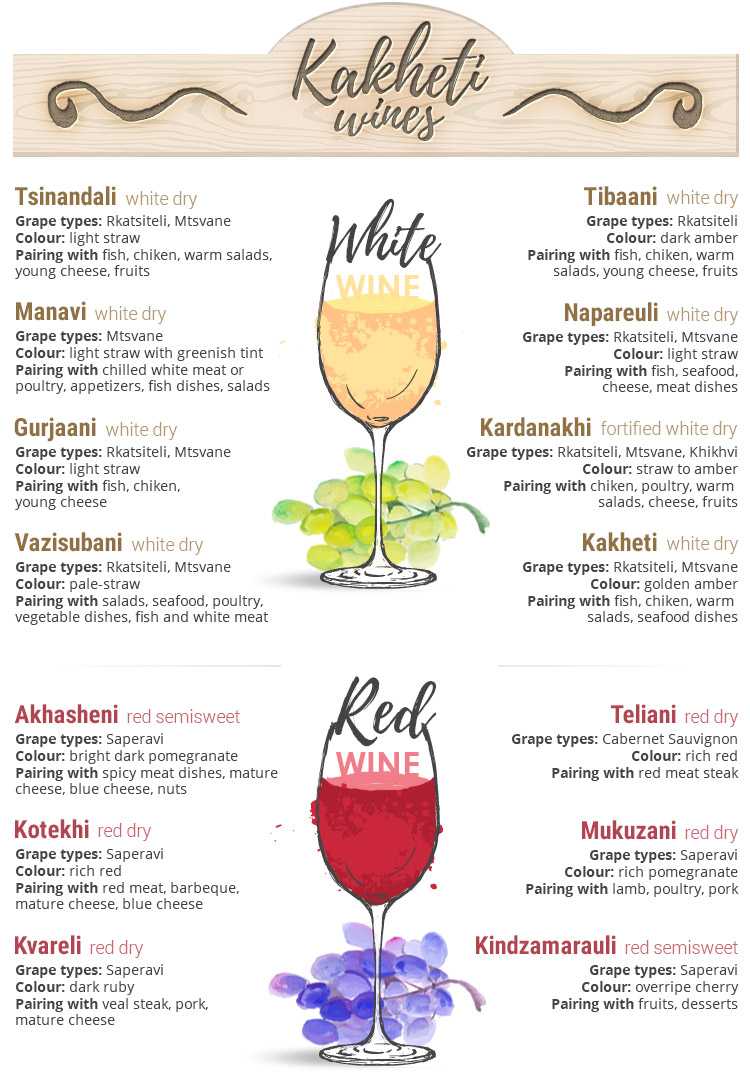
Rkatsiteli and Saperavi dominate Kakheti’s vineyards. Rkatsiteli is the main white grape, producing both crisp dry wines and structured amber wines. Saperavi is the leading red variety and has dark pigment in both its skin and flesh. It produces deeply coloured wines in dry, semi-sweet, rosé and sparkling styles.
Kakhuri Mtsvane is an aromatic white grape used alone or blended with Rkatsiteli. It plays an important role in Tsinandali and Manavi wines. Kisi and Khikhvi are older local varieties now returning to wider production. Both produce dry white and amber wines, while Khikhvi can also be used for dessert styles.
Main Wine Areas
The Kakheti wine region is traditionally divided into Shida Kakheti and outer Kakheti. The best-known zones follow the Alazani Valley around Telavi, Tsinandali, Gurjaani, Mukuzani, Vazisubani, Kvareli, Kindzmarauli and Napareuli. Gare (outer) Kakheti lies farther west around the Iori basin, including Sagarejo, Manavi and Khashmi.
Many familiar wine names are protected designations of origin, or PDOs, tied to defined areas and production rules. Tsinandali covers dry white wine, Mukuzani dry Saperavi and Kindzmarauli naturally semi-sweet Saperavi. Napareuli produces both red and white wines, while Manavi centres on Kakhuri Mtsvane.
Wineries and Family Cellars
The best wineries in Kakheti depend on the type of visit you prefer. Historic estates combine wine with architecture and gardens, while larger producers show modern production on a broader scale. A family marani, or cellar, usually provides closer contact with the winemaker and the household’s own methods.
Kakheti wine tours work best with two or three carefully chosen stops. Include a family cellar and one historic estate or larger winery. Reserve smaller cellars in advance and travel with a driver. Good Kakheti vineyard tours follow the wine from vines to cellar, rather than stopping only in tasting rooms.
Kakhetian Cuisine
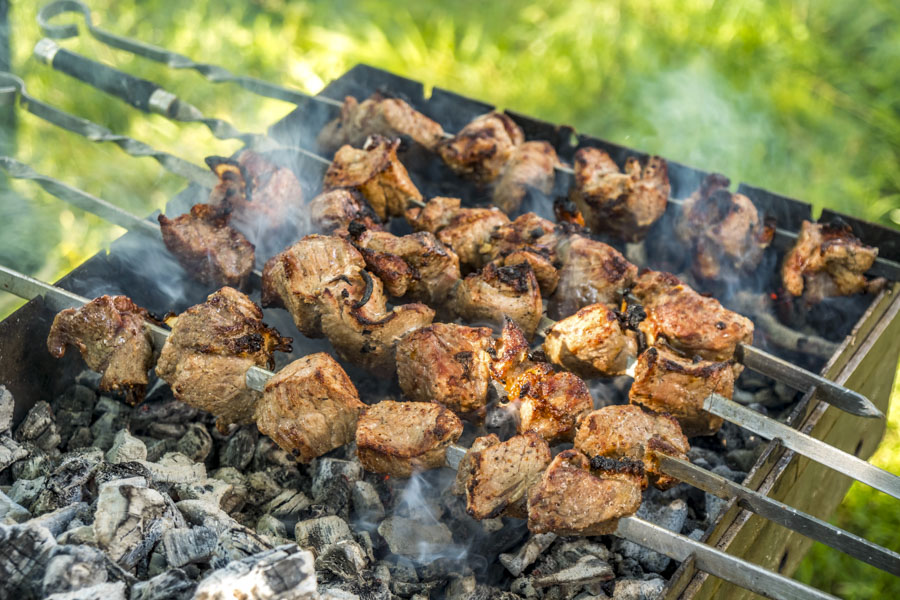
Kakhetian cuisine developed around vineyards, livestock farming and seasonal produce. Its best-known dishes place grilled or slowly cooked meat beside fresh herbs and warm shoti. Wine accompanies the table rather than appearing only at tastings. The link between Kakheti food and wine appears most clearly at the supra, where a tamada leads the toasts.
Kakhetian mtsvadi is one of the region’s defining dishes. Pork is the usual choice, although lamb and veal are also used. The skewers cook over hot embers, often fuelled by dried vine clippings. Some cooks sprinkle the meat with qvevri wine, while others finish it with pomegranate juice and sliced onions.
Khashlama consists of large pieces of beef or lamb, slowly boiled until tender and served with light seasoning. Chakapuli is a spring stew of lamb or veal, tarragon, sour plums, fresh herbs and white wine. Chikhirtma is a thick chicken broth made with egg, flour, vinegar and coriander.
Shoti bakes against the hot inner wall of a deep clay oven called a tone. The loaf comes out long and curved, with crisp edges and a soft centre. In Tusheti, salty guda cheese is traditionally made from sheep’s milk or mixed sheep and cow’s milk. It matures inside a prepared sheepskin bag.
The grape harvest also shapes Kakheti’s sweets. Tatara is made by thickening grape juice with wheat flour. Walnuts strung on thread are repeatedly dipped into the mixture to make churchkhela, then hung to dry. Their ingredients connect Kakhetian cuisine directly with the autumn grape harvest.
Kakheti Festivals and Events
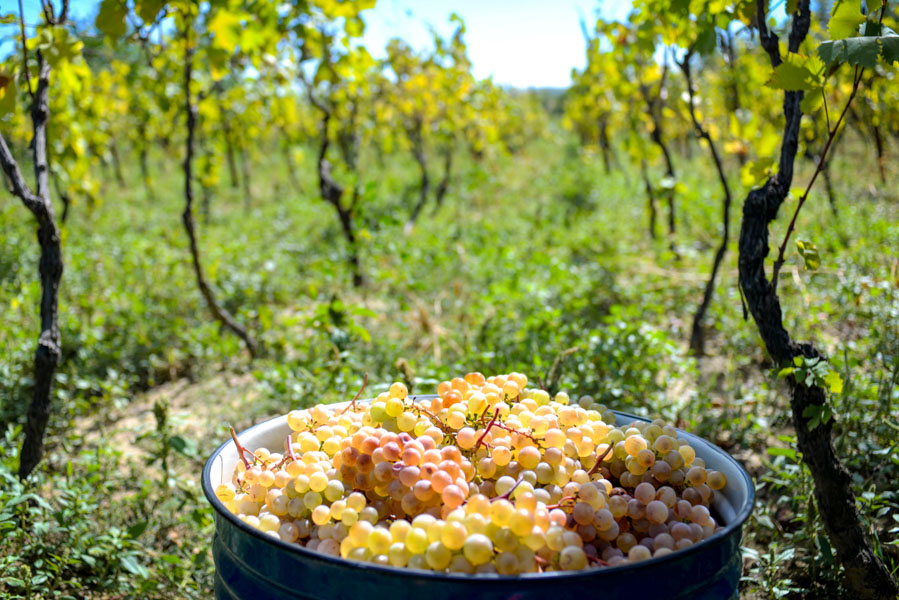
Kakheti’s festival calendar is busiest from late summer to autumn, when harvests, religious events and music programmes overlap. Several events take place at major Kakheti cultural sites. Dates can change each year, so check the programme before booking accommodation in Kakheti.
Rtveli Grape Harvest
Rtveli is an annual grape harvest across Kakheti’s villages and vineyards with no fixed dates. It generally begins in September, with timing determined by grape variety and weather. Families pick and press grapes, prepare qvevri and finish the working day with a supra, songs and toasts. Visitors should arrange participation with a family cellar or winery beforehand.
TelaVino
TelaVino gathers large producers and small family cellars in the courtyard of King Erekle II’s palace each autumn. Tastings are accompanied by Kakhetian food, crafts, polyphonic singing and dance. Visitors can compare wines from different producers in one place.
Tsinandali Festival
The Tsinandali Festival brings orchestral, chamber and vocal music to the historic Tsinandali Estate each autumn. Concerts take place within the palace grounds, connecting classical performance with one of Kakheti’s best-known cultural estates. The programme and dates change annually, and popular concerts may require advance booking.
Alaverdoba
Alaverdoba is held at Alaverdi Cathedral in late September. The religious and folk holiday combines church services with traditions linked to harvest and local community life. The festival also inspired Guram Rcheulishvili’s short story Alaverdoba and Giorgi Shengelaia’s 1962 film adaptation. Visitors can attend, but the cathedral remains an active place of worship and should be approached accordingly.
Tushetoba and Heretoba
Summer Tushetoba in Omalo presents Tushetian cuisine, crafts, music and mountain traditions. Heretoba, held in Lagodekhi in autumn, brings together the municipality’s communities through food, folklore, handicrafts and competitions. Dates are normally announced closer to each event.
Suggested Kakheti Itineraries
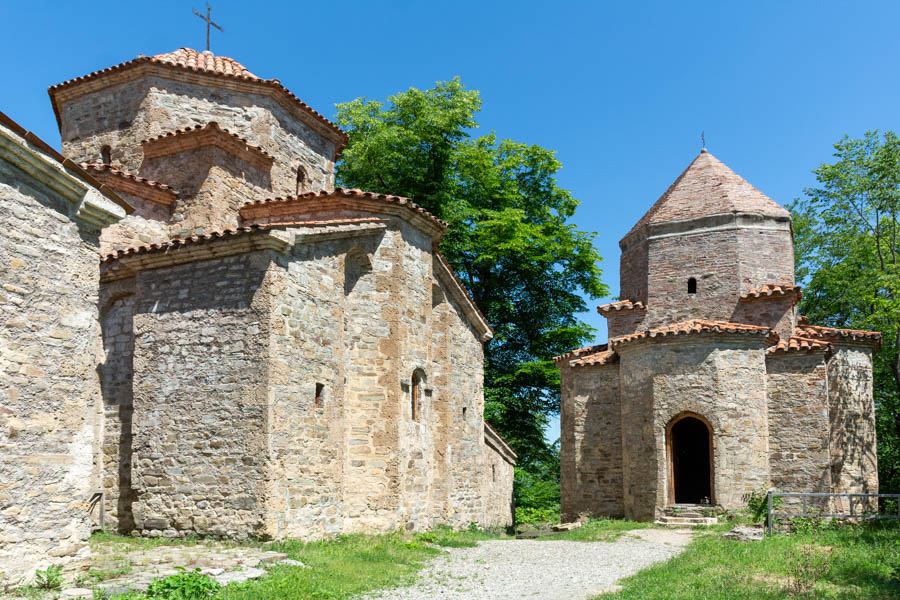
A car or private driver gives the most flexibility, while wine trips work better with a driver or guided tour.
A First Visit in One Day
A first trip to Kakheti from Tbilisi can combine Sighnaghi and Bodbe with Tsinandali and Telavi. Begin with Sighnaghi’s fortified streets and Alazani Valley views, then visit Bodbe Monastery. Continue towards Tsinandali Estate before ending in Telavi. This route gives a compact introduction to Kakheti sightseeing, royal history and wine culture.
Two Days for the Main Highlights
Travel through the Gombori Pass to Alaverdi, Tsinandali and Telavi on the first day. Stay overnight in Telavi, leaving time for its old streets, market and Batonis Tsikhe. On day two, continue through Gremi and Kvareli before visiting Sighnaghi and Bodbe on the return to Tbilisi. This is the most balanced short itinerary for historical sites, wineries and valley landscapes.
Three Days for Wine and Culture
Begin in Vardisubani, where qvevri makers preserve the craft behind traditional Kakheti wine. Continue to a family cellar for lunch and tasting, then stay in Telavi. Use the second day for Nekresi, Khareba’s tunnel cellar and a family winery near Kvareli.
On the final day, visit Tsinandali and Sighnaghi before returning to Tbilisi. Three days suit travellers who want Kakheti wine tours without rushing between tastings and cultural sites.
Getting Around Kakheti
Kakheti has no passenger railway, so almost all travel within the region is by road. Public transport links the main towns, but wineries, monasteries and protected areas are often easier to reach by car.
By Minibus and Local Bus
Marshrutkas connect Telavi with Sighnaghi, Gurjaani, Kvareli, Lagodekhi, Akhmeta, Tsnori and Dedoplistskaro. Services are useful for travelling between towns, although departures can be limited and schedules may change. Sighnaghi also has direct minibuses to Telavi, while Tsnori serves as a useful connection for Dedoplistskaro.
Public transport works less well for Kakheti attractions outside town centres. A monastery, winery or trailhead may still require a taxi for the final part of the journey.
By Taxi or Private Driver
Local taxis are widely used for short journeys between towns, wineries and nearby historical sites. For a full day of Kakheti sightseeing, hiring a driver is usually more practical than arranging several separate taxis. A private driver is useful for Kakheti wine tours, as vineyards and cellars are spread across the Alazani Valley. It also makes wine tasting easier to plan without having to drive afterwards.
By Car
A car gives the most freedom for Kakheti travel, especially around Telavi, Tsinandali, Kvareli, Lagodekhi and smaller wine villages. Main roads are generally straightforward, but journeys into remote areas require more preparation.
Tusheti is the major exception. Transport from Alvani to Omalo requires a 4WD, with the Abano Pass usually open from summer to autumn.
Vashlovani also requires an off-road vehicle for boundary areas including Mijniskure, Takhti Tepa and Kaklis Kure. Visitors must register at the Vashlovani Visitor Centre in Dedoplistskaro before entering these zones.
How to Get to Kakheti
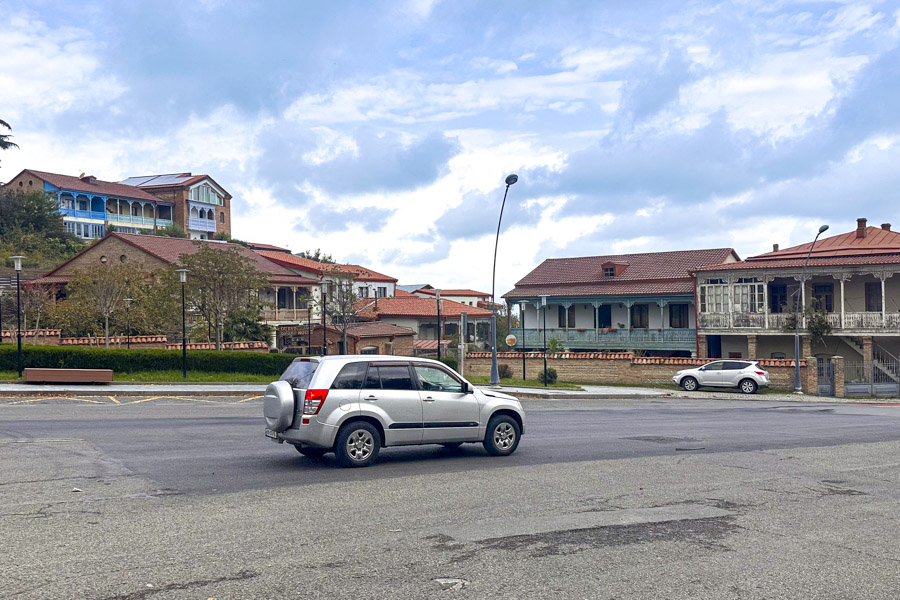
Most travellers reach Kakheti from Tbilisi by road. Telavi is around two hours away via Gombori Pass, while Sighnaghi, Kvareli and Lagodekhi follow different routes.
By Minibus or Shared Taxi
Shared taxis to Telavi commonly gather near Isani Metro Station in Tbilisi. They usually leave once four passengers fill the car, making them quicker and more comfortable than many marshrutkas.
Minibuses to Telavi depart from Ortachala, while other Kakheti routes use terminals around Samgori and Navtlughi. Sighnaghi minibuses currently leave from Navtlughi Bus Station near Samgori Metro Station several times daily.
Departure points and fares can change, so confirm them locally before travelling.
By Car
The Gombori Pass provides the shortest route from Tbilisi to Telavi, taking around two hours in normal conditions. An alternative road runs through Sagarejo and Gurjaani and takes longer, but avoids the mountain pass. A car is particularly useful if the journey includes several wineries or smaller villages rather than one destination.
From Azerbaijan
Travellers can enter Kakheti from Azerbaijan through the Balakan–Lagodekhi border crossing. The Mazimgara checkpoint on the Azerbaijani side operates 24 hours and connects directly with eastern Kakheti.
Foreign travellers may currently leave Azerbaijan by land without special permission, making this route practical from Sheki or Zaqatala. Some restrictions still apply to entering Azerbaijan through land borders, so check current rules before travelling.
Practical Tips for Visiting Kakheti
Carry some Georgian lari outside the main towns. Cards are widely accepted in Georgia, but cash remains important in rural areas. Keep GEL for family cellars, small guesthouses, local taxis and village shops rather than relying entirely on card payments.
Book family wineries before arriving. Many small marani are working family properties rather than walk-in tasting rooms. Wine tastings, meals, qvevri demonstrations and cooking classes often require advance arrangements, particularly for small groups.
Carry identification on hikes near the border. The Black Rock Lake and Machi Fortress routes in Lagodekhi enter border-controlled areas. Visitors need identification and must obtain the required movement permit before travelling.
Prepare properly before entering Vashlovani. Register at the visitor centre in Dedoplistskaro and take identification. The last petrol station is in Dedoplistskaro, while mobile and internet coverage disappear inside the park. Download offline maps and carry enough drinking water and food.
Use the correct vehicle for remote Kakheti. Mijniskure, Takhti Tepa and Kaklis Kure in Vashlovani can only be reached by off-road vehicle. Rain can make its dirt roads difficult, so check conditions before entering the protected area.
Check the Abano Pass before travelling to Tusheti. The mountain road to Omalo is seasonal and weather can affect opening dates and road conditions. Arrange a suitable 4WD and confirm access shortly before departure rather than planning solely around the month.