


Planning a trip to Georgia, the country? Before your trip, sort out the practical basics: entry rules, travel insurance, money, transport and mobile access. Our Georgia trip planner brings together the crucial information on what a traveller should know before visiting the country. Our Georgia travel planner covers essentials before your visit, during your first days and at your departure from the country.
What Do You Need to Know Before Your Trip to Georgia?
Georgia entry conditions depend on your nationality, travel document and purpose of visit, while some rules keep changing. The most important information for tourists includes checking visa status, insurance and anything restricted you plan to carry.
Entry and Visa Requirements
Georgia has a broad visa-free system, but the rules vary depending on a diverse range of reasons. Citizens of countries on Georgia’s official visa-free list can enter and stay for one full year (365 continuous days) without a visa. EU citizens can enter with a qualifying national identity card. US citizens travelling to Georgia may also enter the country without a visa and stay for up to one full year. Travellers in these categories will have their passports stamped by a Georgian border-control officer upon arrival.
Travellers who need a visa should first use the Ministry of Foreign Affairs “Do I Need Visa?” checker. Applications can be made through the Georgia e-Visa Portal or a Georgian diplomatic mission abroad, depending on the visa category.
Georgia issues diplomatic, special, ordinary, immigration and transit visas. Most tourists who require a visa will generally use the ordinary short stay category. Work rules changed in 2026, so visitors planning employment should check the separate labour migration requirements.
Always check your individual entry status shortly before your trip to Georgia, as visa conditions differ by citizenship and law may change.
Insurance Policy
Tourists entering Georgia must hold valid health and accident insurance for their entire visit. The policy must provide at least GEL 30,000 in coverage and include both your arrival and departure dates. Georgian and foreign companies can issue insurance which must be available in Georgian or English - electronically or on paper. The policy should clearly state its validity period, covered territory, insured risks and coverage limits.
Customs Regulations
Rules for customs in Georgia are simple for ordinary personal luggage, but some goods and larger quantities need declaration. Cash, cheques and securities exceeding GEL 30,000, or the equivalent in another currency, require a customs declaration.
Separate limits apply to spirits and other alcoholic drinks. Goods requiring licences or permits should always be declared at the border. Check the Revenue Service rules before travelling with valuable objects, animals, plants, weapons or other restricted items.
Personal Medication
Take particular care when bringing medication into Georgia. Some medicines commonly available abroad are controlled under Georgian law.
Controlled substances include medicines containing codeine, pseudoephedrine, ephedrine and several other narcotic or psychotropic ingredients.
Travellers may bring up to ten standard packs of ordinary personal medication without medical documents. Specially controlled medicines follow stricter rules.
A personal supply of narcotic drugs or psychotropic substances for up to 31 days may be allowed only with the required medical documents. These are a prescription and supporting medical certificate translated into English and approved by the authorised agency in the traveller’s country of departure, plus a signed and sealed document confirming their validity.
Keep medicines in their original packaging. Check the Georgian Revenue Service list before travelling if you are unsure about any ingredient.
How to Get to Georgia
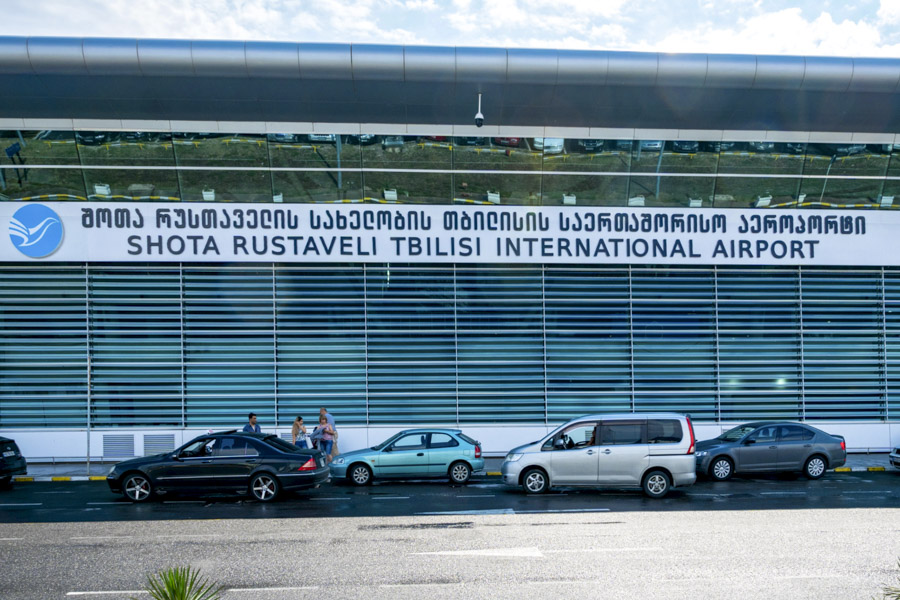
For most international travellers, flying is the simplest answer to how to travel to Georgia. Three international airports serve different parts of the country.
Travellers coming from Armenia and Azerbaijan can also arrive by train. The Black Sea ferry provides another option from Bulgaria. The best route for your trip to Georgia depends on where you are starting and which region you plan to visit first.
Travel to Georgia by Plane
Flights to Georgia arrive at Tbilisi, Kutaisi and Batumi international airports.
Tbilisi International Airport (TBS) is the country's main air gateway and has the widest range of international connections. Current routes include London, Paris, Amsterdam, Vienna, Munich, Istanbul, Dubai, Doha, Baku, Almaty and several other cities.
Kutaisi International Airport (KUT) is particularly useful for travellers arriving from Europe on low-cost services. Its current network includes Rome, Budapest, Cologne, Vilnius, Katowice and several other European cities, alongside routes to Kazakhstan.
Batumi International Airport (BUS) is the most practical arrival point for the Black Sea coast and Adjara. Current services connect Batumi with Istanbul, Dubai, Tel Aviv, Baku, Astana, Tashkent and other regional destinations.
Travelling by Train
Georgia has international passenger rail connections with Armenia and Azerbaijan, with Tbilisi serving as the revolving centre.
The overnight Tbilisi-Yerevan train connects Georgia with Armenia every other day. During summer, the route extends to Batumi, linking Yerevan with Tbilisi and Batumi.
The Georgian Railway also connects to Azerbaijan by the daily Tbilisi-Baku sleeper train. The journey between Tbilisi and Baku takes about nine and a half hours and uses modern sleeper carriages.
The Tbilisi–Baku train is open to Azerbaijani and Georgian citizens. Additionally, foreign travellers who can enter Azerbaijan without a visa are admitted. Travellers who have an Azerbaijani visa or e-Visa cannot currently use the train to enter the country.
Travelling by Ferry
Georgia can also be reached across the Black Sea, although ferry travel is far less common than flying.
A passenger and vehicle ferry currently operates between Burgas in Bulgaria and Batumi. Published schedules for August and September 2026 show regular sailings, with the crossing taking roughly three days.
Ferry schedules can change because of weather, port conditions and operational requirements. Travellers should therefore confirm the sailing date directly with the carrier before building it into their itinerary.
Money and Staying Connected

Money and mobile access are easy to arrange in Georgia, but both deserve attention before you leave the main cities.
For practical trip planning in Georgia, carry some lari and choose how you will get online before visiting smaller towns.
Money, Cards and Currency Exchange
Georgia uses the Georgian lari (GEL, ₾) as its only legal currency, with one lari divided into 100 tetri. Cards and contactless payments are widely acceptable in Georgia’s major cities. Visa and Mastercard are the most practical choices, while American Express is less common.
Cash remains important at markets, small shops, rural guesthouses and businesses without card terminals. Carry smaller notes when travelling outside major centres.
ATMs are easy to find in cities, but withdrawal and currency-conversion charges vary. Review the displayed amount, exchange rate and possible fees before confirming.
Banks and registered exchange offices convert foreign currency into lari. US dollars and euros are usually the easiest foreign currencies to exchange. The National Bank publishes a daily official rate, but this is only an indicative rate. Banks and exchange offices set their own customer rates.
Check both the buying rate and any commission before handing over money. Always request and keep the printed receipt. An exchange transaction not exceeding 5,000 GEL or its equivalent in foreign currency can be cancelled within 30 minutes when you present the receipt.
SIM Cards, e-SIMs and Internet
Georgia has three major mobile operators: Magti, Silknet and Cellfie. All three provide 5G services to their customers.
- Magti sells tourist SIM cards at Tbilisi and Kutaisi airports. Its current welcome packages last 15 days and combine mobile data, calls or messages.
- Silknet also has tourist packages, letting customers buy a physical SIM or e-SIM online.
- Cellfie sells compatible e-SIMs online 24/7.
Purchasing all three e-SIMs and physical cards is available both online and at a service centre. Choose a physical SIM when you prefer help with installation. An e-SIM keeps your existing card in place and avoids changing SIMs. All three networks serve Georgia’s main populated areas with modern mobile services.
Practical Information on Arrival

Once you have cleared border control, the next steps are organising transport to reach your place of stay. This section of the Georgia holiday planner covers airport connections, car rental and essential information for your first days.
Getting from the Airport
Tbilisi International Airport has public buses, taxis, ride-hailing services and rental-car desks.
Municipal bus 337 stops outside the arrivals hall. It runs through central Tbilisi to Station Square between approximately 07:00 and 23:00. The fare for the bus is GEL 1, paid with a Metromoney card or supported bank card. The same payment allows unlimited transfers on Tbilisi municipal transport for 90 minutes.
Official airport taxis operate throughout the day and night. The journey to central Tbilisi usually takes 20 to 30 minutes. The metered airport taxi fare generally ranges between 40 and 60 GEL, while ride-hailing apps show an estimated price.
Kutaisi International Airport has regular shuttle buses to Kutaisi city centre. The airport also has 24-hour coaches running to Tbilisi and Batumi. A railway station stands 1.8 kilometres (1.1 miles) from the terminal. Free airport shuttles connect passengers with the station.
Batumi International Airport is close to the city. Municipal bus 10 reaches central Batumi in about 20 minutes. Taxis wait outside the terminal, and the drive to the centre usually takes between 10 and 15 minutes.
Driving and Car Rental
Car rental is a sensible decision for Kakheti, Kazbegi and routes with limited public transport. Rental services are available at the international airports and in Tbilisi, Kutaisi and Batumi. Some companies allow collection and return in different cities.
Travellers normally need a passport, valid driving licence and payment card. Minimum ages, deposits and licence requirements vary between companies. Ask whether your licence requires an International Driving Permit (IDP), particularly when it does not use Latin characters.
Cross-border travel usually requires written permission from the rental company. It may also require additional insurance and vehicle documents. Drivers entering with a foreign-registered vehicle must hold Georgian compulsory third-party motor liability insurance. It can be purchased from the Compulsory Insurance Centre (TPL).
Short Essentials
A few final traveller’s tips to Georgia can make your first day easier.
Electricity:
Georgia uses a 220 to 240V supply at 50Hz. Travellers using another system may need a plug adaptor or voltage converter.
Emergency number:
Call 112 for police, ambulance or fire and rescue services. The service operates nationwide throughout the day and night. The free 112 Georgia app can share your location with emergency operators, available in English and several regional languages.
Drinking water:
In Tbilisi, you can drink tap water, while in remote areas, ask your host about the quality of local water first.
Departure from Georgia
Most personal belongings and souvenirs can leave Georgia without special paperwork. Extra checks may apply to large cash amounts, controlled medicines, antiques and original artworks. Review unusual purchases before travelling to the airport.
Customs When Leaving Georgia
Cash, cheques and securities exceeding GEL 30,000, or the equivalent in another currency, must be declared when leaving Georgia. Moving currency across the border is not itself taxed. However, failing to declare an amount above the threshold can result in fines or confiscation.
Controlled narcotic or psychotropic medicines cannot be exported without the required medical documents. Keep prescriptions and supporting certificates accessible until you have crossed the border.
Up to ten standard packs of ordinary personal medicine can generally leave Georgia without medical documents. Larger quantities require supporting medical papers.
Gifts, Art and Cultural Objects
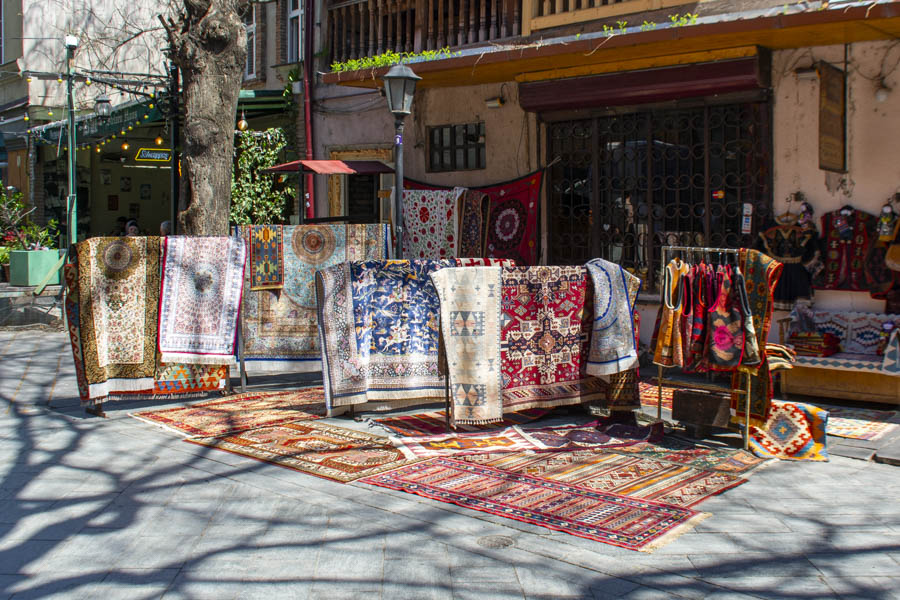
Modern crafts, souvenirs and mass-produced cultural designs do not fall under Georgia’s cultural valuables export law.
Different rules can apply to original paintings, sculpture, engravings, rare manuscripts and archaeological objects. Furniture, writings, coins and seals at least 100 years old and antique musical instruments may also require assessment.
Cultural valuables require an export permit before crossing the border. The permit is issued for one export and remains valid for three months.
Georgia’s National Agency for Cultural Heritage Preservation manages cultural-object export permit applications. Keep receipts and seller certificates, and check the requirements before buying an older or original item.