

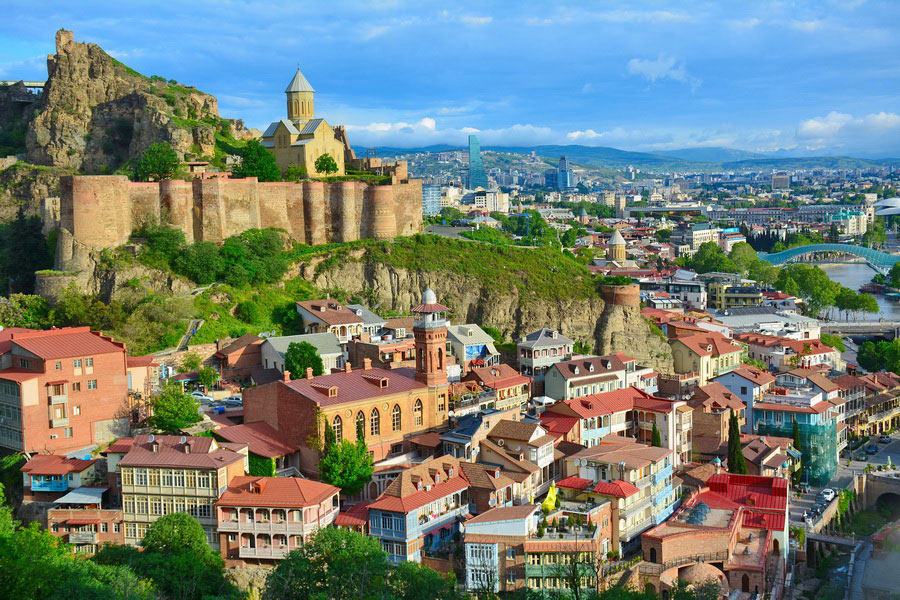
The capital of Georgia, Tbilisi, is built along the Mtkvari River (also known as the Kura River), where houses rise from both banks, and church domes catch the sun. Georgians call Tbilisi the mother city, a name tied to the country’s role as a political and cultural centre. Above the city stands the monumental statue, Kartlis Deda, the Mother of Georgia, holding a Georgian wine bowl for guests and a sword for enemies.
One Georgian song, “Wine Ascent”, gives the city one of its finest images: “balconies reaching towards each other like lovers”. The song describes a real place in Avlabari, where the road drops towards Rike Park and old town Tbilisi. Wooden balconies lean close across narrow streets, and plane trees stand almost in the Mtkvari River.
Stone alleys pull travellers towards sulphur baths, ancient churches, caravanserai courtyards and layers of history that have survived. Our Tbilisi travel guide introduces the city through the local tour operator tips with practical Tbilisi tourism insights, covering Tbilisi essentials. Tbilisi for tourists begins in the old town and goes far beyond.
Tbilisi Tours
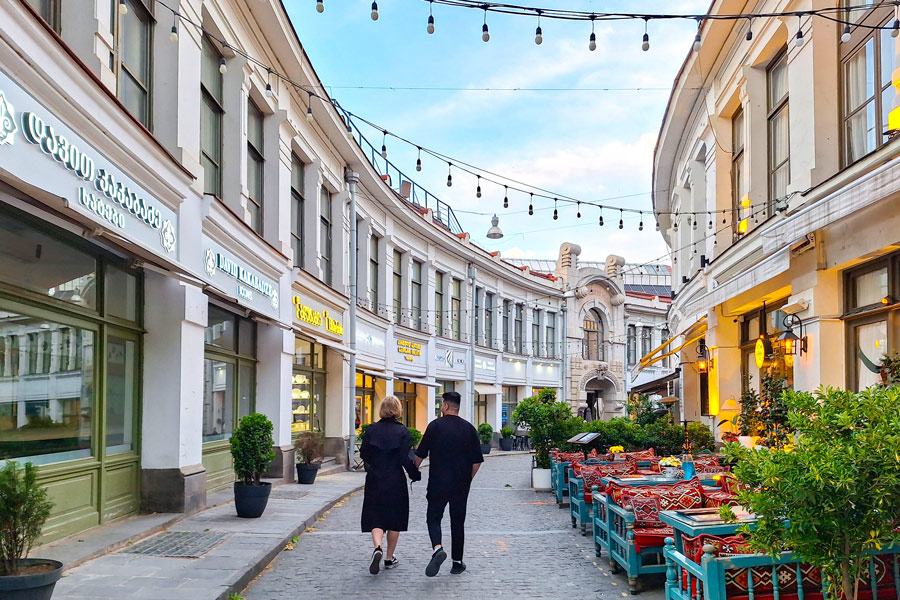
A day tour in Tbilisi features hilltop churches, river crossings, bathhouse streets, cliffside views, old courtyards and evening viewpoints. The best Tbilisi tours follow the way the city is built.
The perfect Tbilisi city tour begins at Sameba Cathedral, then continues on foot to Ejmiatsin Church in Avlabari. From there, the route drops towards Rike Park, with the Bridge of Peace crossing the Mtkvari below.
The Narikala cable car is nearby, giving quick access to the fortress ridge. It also offers wide views over Metekhi Church, the King Vakhtang Gorgasali statue, Abanotubani, and Old Town Tbilisi. Below, Juma Mosque, Sioni Cathedral and Shardeni Street sit within a natural walking distance of the historic centre.
The second part of the day can move towards Orbeliani Bazaar and Kashveti Church. In the Writers’ House of Georgia, the courtyard is a good place for lunch. From Rustaveli Avenue, the new cable car to Mtatsminda gives the tour a clean final point. The TV Tower and Mtatsminda Park provide one of the best sunset views in Tbilisi.
In the evening, Tbilisi tours shift indoors with a Georgian dinner and qalaquri music, old Tbilisi urban songs. Our Tbilisi tour programmes follow different travel needs. The Tbilisi-Mtskheta tour connects the capital with Georgia’s ancient religious centre, including Jvari Monastery and Svetitskhoveli Cathedral.
The Tbilisi layover tour is for travellers with a few hours between flights, combining airport transfers with city sightseeing. The Tbilisi children’s tour keeps the route lighter, with museums, open spaces and family-friendly stops.
For most city tours, the best time to travel to Tbilisi is spring or autumn, when walking is easier and viewpoints are clearer. Summer needs early starts and evening finishes. Winter works well for museums, sulphur baths in Tbilisi, wine bars and shorter routes through the historic centre.
Best Day Trips from Tbilisi
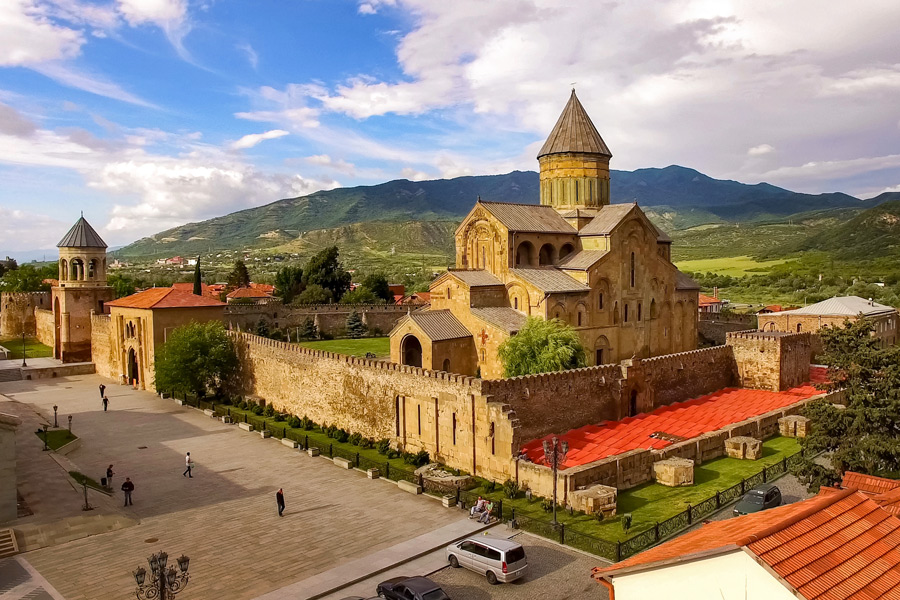
The best short day trips from Tbilisi provide a wider view of Georgian history without going far from the city. These places to visit near Tbilisi include cultural itineraries and compact Tbilisi day tours, depending on time and season.
Historical Monuments of Mtskheta
Mtskheta is the most important cultural detour from Tbilisi, located about 20 kilometres from the capital. The Historical Monuments of Mtskheta are a UNESCO World Heritage Site and include the Holy Cross Monastery of Jvari, Svetitskhoveli Cathedral and Samtavro Monastery. The town was the ancient capital of Kartli (3rd century BC-5th century AD) and the place where Christianity was proclaimed Georgia’s state religion in 337.
Gori and Uplistsikhe
Gori, best known as the birthplace of Joseph Stalin, whose parents were Georgian and who served as General Secretary of the Communist Party of the Soviet Union, is home to the main tourist attraction, the Stalin Museum. Nearby, an ancient rock-cut town on the Mtkvari River, Uplistsikhe, is much older. The ancient town allures with cave halls, wine-storage spaces and traces of pre-Christian worship. Together, Gori and Uplistsikhe make one of the best historical attractions near Tbilisi for ancient Georgia and Soviet history.
Asureti, Formerly Elisabethtal
Formerly known as Elisabethal, German settlers established Asureti in 1818 in the south-west of Tbilisi. The village still has 19th-century German-style houses, a Lutheran church from 1871 in a Gothic style and a German cemetery. The rare grape variety Asuretuli Shala, named after the German farmer Otto Schall who first planted it, produced the Asureti Shala red qvevri wine, now made by Levan Bandzeladze from grapes grown in his vineyard. Travellers interested in lesser-known places to visit near Tbilisi will find it to be a more peaceful alternative.
Best Time to Visit Tbilisi
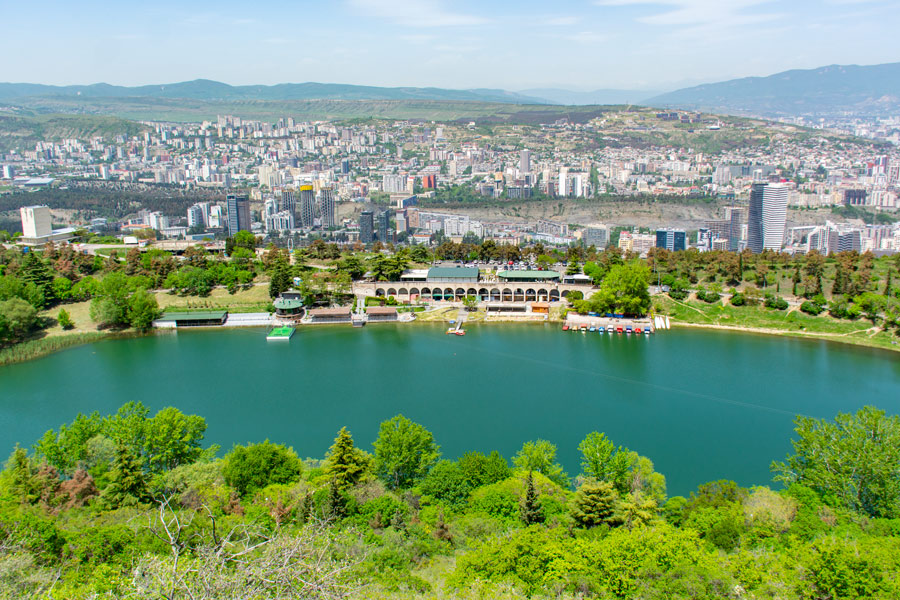
The best time to visit Tbilisi is in late spring and early autumn. Especially, the best times to explore Tbilisi are from May to early June and from September to October. These months deliver warm days, cool evenings, and better light over the Mtkvari River and the old districts. These seasons are the most comfortable for Tbilisi sightseeing, city walks and Tbilisi cultural tours.
| Season | Months | Average Day Temperatures | Average Night Temperatures |
| Spring | March - May | 11 to 23°C (51.8 to 73.4°F) | 2 to 11°C (35.6 to 51.8°F) |
| Summer | June - August | 27 to 30°C (80.6 to 86.0°F) | 15 to 18°C (59.0 to 64.4°F) |
| Autumn | September - October | 12 to 25°C (53.6 to 77.0°F) | 3 to 14°C (37.4 to 57.2°F) |
| Winter | December - February | 5 to 7°C (41.0 to 44.6°F) | -3 to -1°C (26.6 to 30.2°F) |
Spring brings the streets to life; it’s one of the best times to visit Tbilisi. Blossoms appear in courtyards, cafés reopen their terraces, and the weather is usually mild enough for long walks. April can still change quickly, with rain and wind, but May is one of the best months for Tbilisi day trips. Georgian Orthodox Easter often falls in spring, and services, especially at monasteries and historic churches, feature traditional Georgian polyphonic chant and hymns, creating a distinctive, atmospheric experience for visitors.
Summer in Tbilisi is hot, especially in July and August. The city can still be pleasant, but take early walks and visit shaded churches and museums during the hottest hours. Mtatsminda, Turtle Lake and the Botanical Garden are the best short hikes through stone streets at midday.
Autumn is maybe better, and for many, it is the best time to travel to Tbilisi. September keeps some of summer’s warmth, while October brings cooler air, autumn colours and a stronger cultural rhythm. Tbilisoba, the city’s celebration, is in October and fills the centre with food, wine, music and regional produce. Autumn is the harvest season in nearby Kakheti in Eastern Georgia, making Tbilisi a practical base for wine tours.
Winter gives Tbilisi a quieter shape. Snow is not common in the city centre, but cold days make museums, wine bars, sulphur baths and theatre visits more appealing. If you travel to Tbilisi, Georgia, in winter, the city also has New Year lights and amazing ski tours nearby.
History of Tbilisi
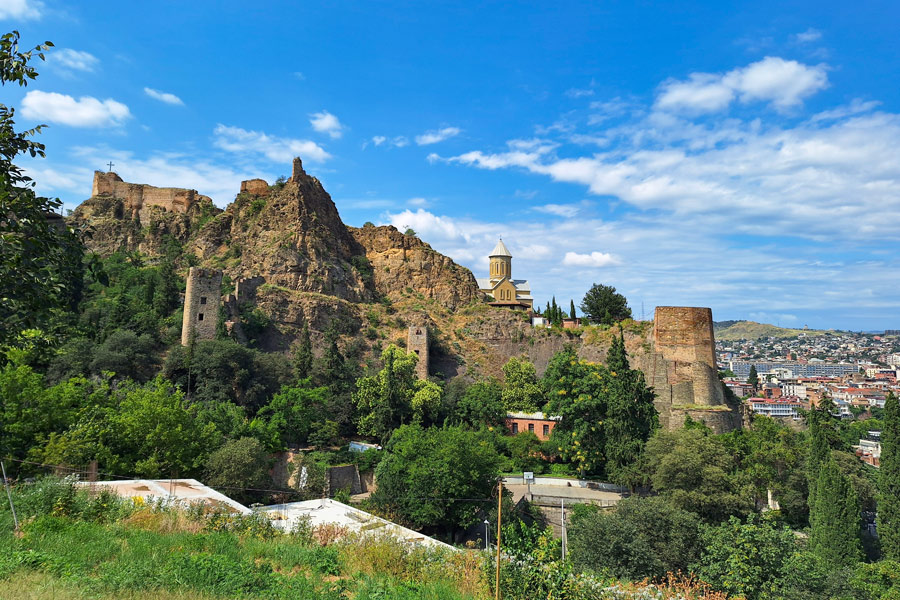
Covering more than 1,500 years, Tbilisi’s history reveals that the area was settled long before it became the capital. Its position on the old Silk Road, between the Black Sea, Persia and the wider Caucasus, brought merchants, faiths and crafts into the city. In Old Town, Tbilisi historical sites such as fortress walls and 19th-century houses stand within a short walk.
According to the city’s foundation legend, King Vakhtang I Gorgasali was hunting near the Mtkvari River in the 5th century. He wounded a pheasant, which ran into a hot sulphur spring and was healed by the warm water. The king ordered a city to be built around the springs, and the name “Tbilisi” came from the Georgian word tbili, meaning “warm”.
For centuries, the city was also known abroad as Tiflis. This Persian-derived form passed into Arabic, Ottoman Turkish, Russian and several European languages, while the modern official form Tbilisi was standardised in 1936.
The legend remains central to the history of Tbilisi, but the site itself is older. Written sources mention a fortress here by the 4th century, while archaeological findings point to much earlier settlements. Narikala Fortress, Anchiskhati Basilica and the sulphur bath district are among the main ancient Tbilisi sites.
From the 6th to the 11th centuries, Persian, Byzantine, Khazar, Arab and Seljuk interests shaped the history of Tbilisi. Arab rule turned the city into the Emirate of Tbilisi, while its Christian population and churches continued to survive. This mix of cultures helped form the city’s layered identity, still visible in Tbilisi’s historical landmarks.
In 1122, King David IV, the Builder, recaptured Tbilisi and made it the capital of a united Georgian kingdom. The city entered its Golden Age, becoming a major socio-cultural centre under David and later Queen Tamar. Many historical places in Tbilisi are closely tied to this mediaeval period and are usually included in Tbilisi historical tours.
Tbilisi was attacked by Khorezmshakh forces, Mongols, Timur the Lame (Tamerlane), Persians and Ottomans. In 1795, the Persian ruler Agha Mohammad Khan devastated Tbilisi. In 1801, after the annexation of Kartli-Kakheti, the city became part of the Russian Empire.
Under Russian rule, Tbilisi developed into the administrative and cultural centre of the Caucasus. Rustaveli Avenue, European-style public buildings, theatres, schools, printing houses and rail connections to Poti on the Black Sea and Baku on the Caspian Sea changed the city’s appearance. Much of the architecture visitors see in Old Tbilisi today belongs to this 19th-century layer of Tbilisi cultural heritage.
In 1918, Tbilisi became the capital of the newly declared Democratic Republic of Georgia, but Soviet rule began in 1921, when the Bolsheviks invaded Georgia and established Soviet power. The Soviet period brought industry, new districts, the metro and large public buildings, alongside major political and social changes. Georgia restored independence from the USSR on 9 April 1991. The following years brought civil unrest, economic hardship and difficult state-building. In November 2003, the non-violent Rose Revolution ended Eduard Shevardnadze’s post-Soviet presidency and opened a new period of reform, reconstruction and rapid redevelopment. Today, Tbilisi’s history museums, restored streets and surviving old quarters help visitors read the capital through buildings and public spaces.
Things to Do in Tbilisi
The best things to do in Tbilisi follow its geography, from bathhouse streets to central avenues and Soviet suburbs. These are the ultimate Tbilisi experiences, giving travellers a clearer sense of the city within the list of Tbilisi attractions.
Walk through Old Tbilisi & Book a Private Sulphur Bath
Start in Abanotubani, the sulphur bath district linked to Tbilisi’s story of foundation. The route passes brick bath domes, waterfalls, and narrow streets climbing towards old houses with wooden balconies. Allow 3 to 4 hours for this part of Tbilisi sightseeing, including a slow walk through Old Town Tbilisi.
A private sulphur bath is one of the leading local rituals in Tbilisi. You can get a private tiled room, hot mineral water, a shower area and a scrub and spa treatment from a bath attendant. It is better to reserve ahead and to treat the bath as a rest stop after walking the steep streets of the old city.
Attend a Free Show at Rezo Gabriadze Clock Tower
The Rezo Gabriadze Clock Tower stands beside the Rezo Gabriadze Marionette Theatre in Old Town. Every hour, an angel comes out to ring the bell, while the short puppet play “The Circle of Life” is shown at noon and 19:00. One of the ultimate Tbilisi tourist spots, it's between Shardeni Street and Orbeliani Bazaar.
Spend an Evening with Georgian Food and City Songs
Tbilisi evenings often move inside, towards long dinners, wine, folk dance, and traditional polyphonic singing. Some restaurants stage full dinner-and-show programmes, while others keep the music smaller and more informal. Book ahead in the high season, especially for venues with dance performances.
Go to the Tbilisi Suburbs
Tbilisi does not end in Sololaki, Avlabari, Vera or Vake. Districts such as Saburtalo, Gldani, Nadzaladevi, Didube and Dighomi show another side of the city. Tbilisi suburbs feature Soviet apartment blocks, markets, wide roads and concrete architecture. The Nutsubidze Skybridge, for instance, was built in the 1970s with residential towers linked by high metal walkways.
Ride up to Mtatsminda Park at Sunset
Finish the day above the city with the Rustaveli to Mtatsminda cable car or the older funicular. Mtatsminda Park sits high above central Tbilisi, with restaurants, amusement rides and wide views over the Mtkvari valley. Sunset is the best time to come, when the old districts, river bends and modern skyline become easier to read from above.
Places to Visit in Tbilisi
The best places to visit in Tbilisi incorporate fortress walls, early Christian churches and Soviet-era monuments. These Tbilisi tourist attractions are practical for anyone deciding what to see in Tbilisi.
Christian Landmarks in Tbilisi
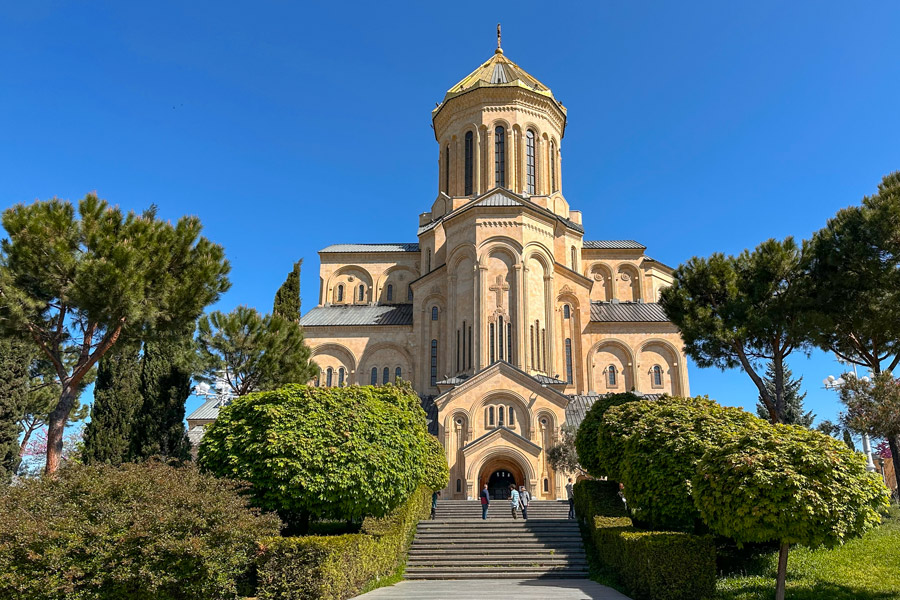
The Sioni Cathedral of the Dormition and Anchiskhati Basilica are two of the most important historic sites in Tbilisi. Sioni served as the main Georgian Orthodox cathedral until the Holy Trinity Cathedral of Tbilisi, known as Sameba, was consecrated in 2004. Anchiskhati dates to the 6th century and is the oldest surviving church in the city.
Sameba Cathedral is the main cathedral of the Georgian Orthodox Church and one of the largest Orthodox churches in the world by area. Its golden dome is visible from many parts of the city, making it one of the must-visit places in Tbilisi.
Soviet-Era Monuments and Modernist Architecture
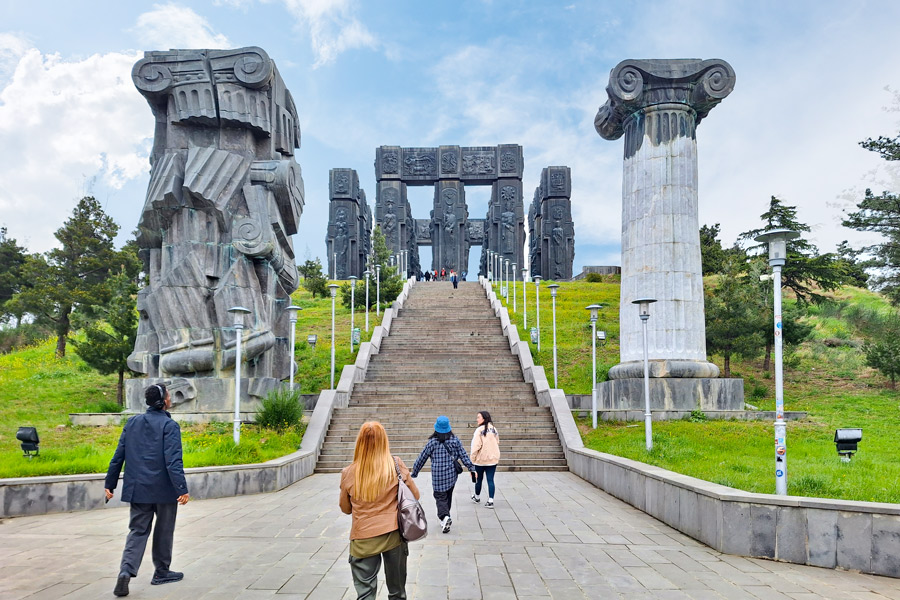
The Chronicles of Georgia was created by famous Georgian sculptor Zurab Tsereteli in 1985. The monument has 16 massive pillars depicting Georgian kings, queens, heroes, and Christian scenes. One of the best Tbilisi travel tips is to visit near sunset, but bring a jacket, as the hill is often windy.
The Bank of Georgia headquarters is another example of Soviet modernist architecture in Tbilisi. Its layered concrete forms above the slope make it one of the most distinctive architectural landmarks in Tbilisi.
Fortress Ridge and Juma Mosque
Narikala Fortress stands on the ridge between Abanotubani and the Botanical Garden, overlooking the Old Town. Its origins date back to the 4th century, while later expansions came under Arab, Mongol and Georgian rule. The 1827 earthquake damaged the fortress, but its walls remain one of the famous landmarks in Tbilisi.
Standing below Narikala Fortress on Botanical Garden Street, Juma Mosque is the only surviving mosque in Old Tbilisi. The present red-brick building was rebuilt in the 19th century and combines Islamic and neo-Gothic details. The mosque is one of the most unique cultural attractions in Tbilisi, as Sunni and Shia Muslims pray in the same space.
Museums in Tbilisi
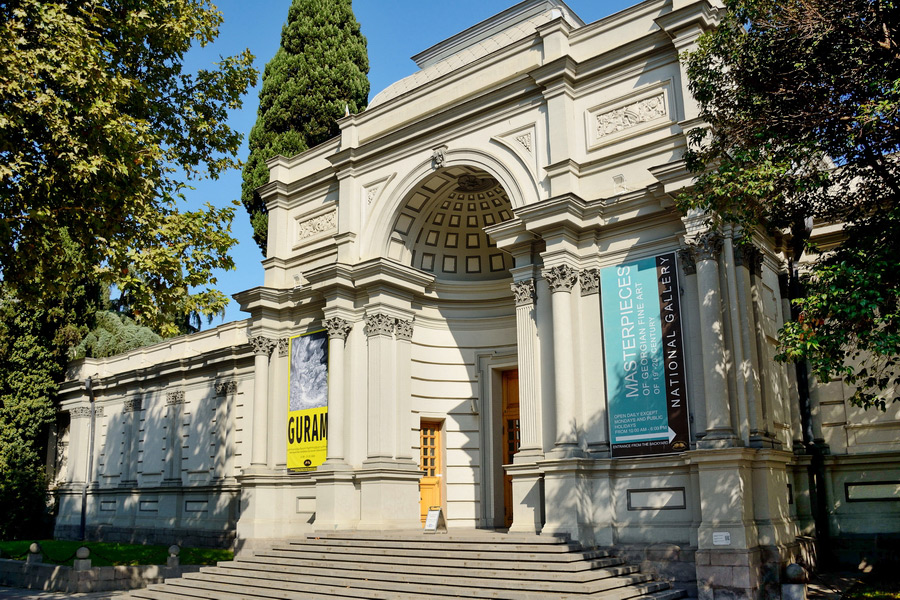
Museums in Tbilisi move from Bronze Age gold and mediaeval icons and Soviet heritage to digital art. The best Tbilisi museums start from the national history of Georgia.
The Georgian National Museum is the main starting point, with archaeological finds and ancient human fossils. The Art Museum of Georgia holds mediaeval icons, cloisonné enamel, and major works from Georgian and European art history.
The Georgian National Gallery focuses on Georgian painting, including Niko Pirosmani, Lado Gudiashvili, and Davit Kakabadze.
The Art Palace of Georgia presents theatre, cinema, music, choreography and stage design inside a 19th-century palace with a blend of Islamic and Gothic architectural styles. The Giorgi Chitaia Open Air Museum of Ethnography recreates regional Georgian life through wine cellars and household objects. The State Silk Museum, founded in 1887, documents silk production through cocoons, silkworms, dyes, and textiles.
The David Baazov Museum of History of Jews of Georgia tells the long history of Georgian Jews through the records of Georgian-Jewish relations. The Underground Printing House Museum preserves the secret tunnels and printing press used between 1903 and 1906 by the Mensheviks and Bolsheviks for the production of revolutionary anti-tsarist materials. The Tbilisi Automuseum shows Soviet-era motorcycles and state vehicles, including rare models linked to Georgian political and religious figures.
The Museum of Illusions in Old Tbilisi uses interactive puzzles for a lighter family stop. Holoseum turns Georgian art into a digital installation with works by artists such as Niko Pirosmani (Pirosmanashvili) and Lado Gudiashvili.
Tbilisi Theatres
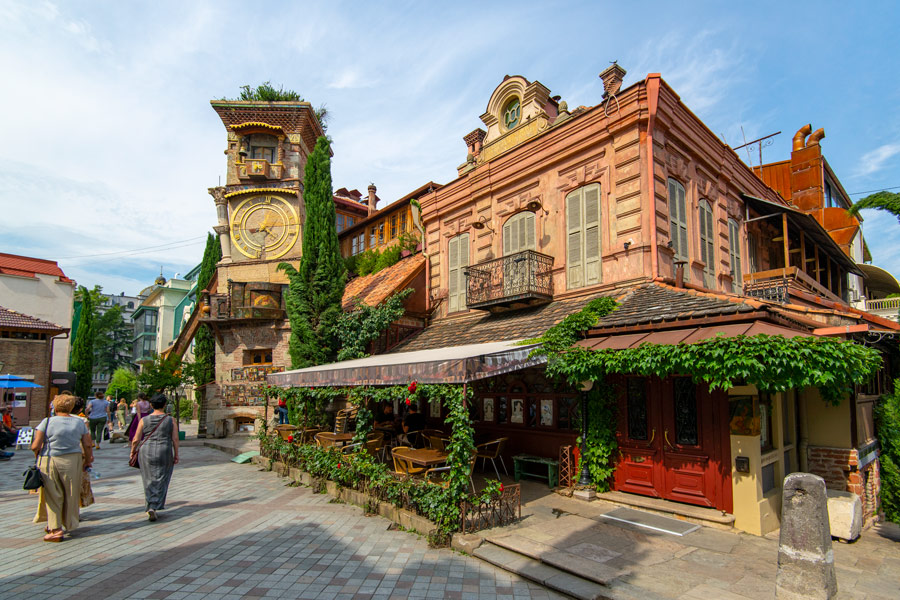
From the historic performance tradition at Uplistsikhe, playwright Giorgi Eristavi started the professional Georgian Theatre in 1850. Today, Tbilisi theatres show how Georgian culture moved through imperial, Soviet and independent periods.
The Rustaveli National Theatre, named after the famous 12th-century Georgian poet Shota Rustaveli, is one of the main national stages, known for Georgian drama and world classics. Founded in 1928 in Kutaisi and moved to Tbilisi in 1930, the Kote Marjanishvili State Academic Drama Theatre represents modern Georgian theatre reform. The Georgian National Opera and Ballet Theatre of Tbilisi, founded in 1851, is the city’s main opera house and one of the oldest opera institutions in Eastern Europe.
The Rezo Gabriadze Marionette Theatre is an intimate marionette theatre in Old Tbilisi, created by Rezo Gabriadze, a celebrated playwright, screenwriter, painter and film director. The Griboedov Russian Drama Theatre provides affordable performances and a long 19th-century history. The Movement Theatre works through physical theatre, music, pantomime, acrobatics, ballet and circus elements.
The Royal District Theatre occupies a former synagogue and stages contemporary drama in Old Tbilisi’s historic building. Open Space is one of the most experimental theatres in Tbilisi, using non-traditional venues and site-specific productions. Haraki operates as an independent theatre company, combining workshops, cutting-edge performances, music events and even film screenings.
Entertainment, Parks and Shopping in Tbilisi
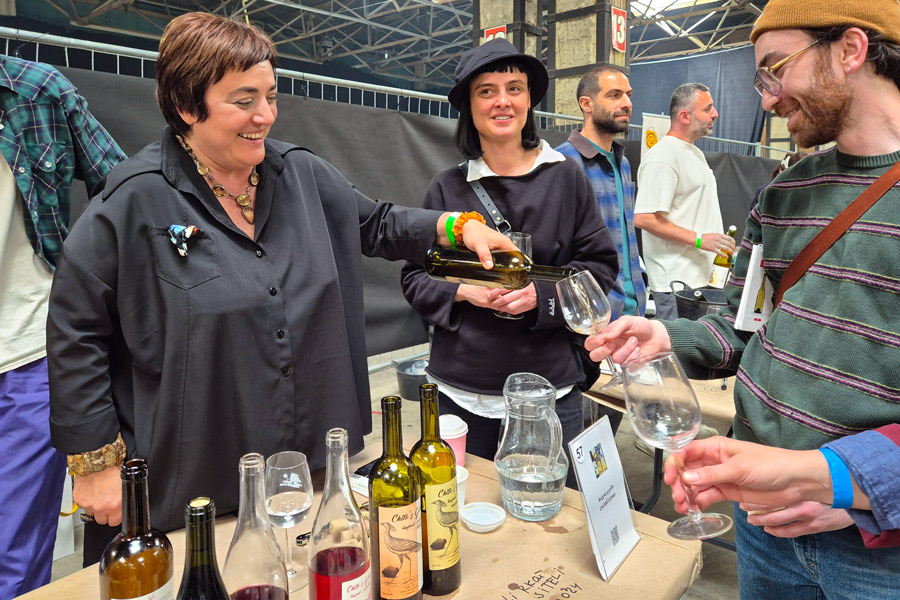
Entertainment in Tbilisi moves between old rituals, reused industrial spaces, river views and state-of-the-art festivals. A short boat ride on the Mtkvari gives the city from water level, passing the Old Town cliffs and modern riverfront buildings. For a sharper view, the National Botanical Garden zipline starts at the ancient fortress of Narikala and runs above the old city.
Entertainment in Tbilisi
The city’s newer entertainment scene often grows inside restored or repurposed buildings. Fabrika, once a Soviet sewing factory, is now a multi-functional space with cafés, bars, studios, and events. Following the same logic as the reconstructed Soviet canteen, Zeche caters to Georgian food and local evening rhythms.
Usually held in early October, Tbilisoba Festival brings food, wine, music and regional produce into the streets. Tbilisi Open Air is the city’s major annual international music festival, focused on rock and electronic music. The Tbilisi Jazz Festival connects the capital with jazz and soul traditions; the eZo Festival returns every year at Tbilisi Sea. The Art-Gene Festival brings folk music, dance, crafts and regional culture to the Open Air Museum of Ethnography.
Wine tasting is, of course, a major part of Tbilisi entertainment. The New Wine Festival takes place at Mtatsminda Park on the second Saturday of May. The Zero Compromise Natural Wine Festival gives travellers a direct route into Georgia’s qvevri and natural wine culture.
Enjoy an evening with a breathtaking performance by the Sukhishvili National Ballet of Georgia. The company has been a source of national pride for more than eight decades, touring the world with traditional Georgian dance.
Tbilisi Parks
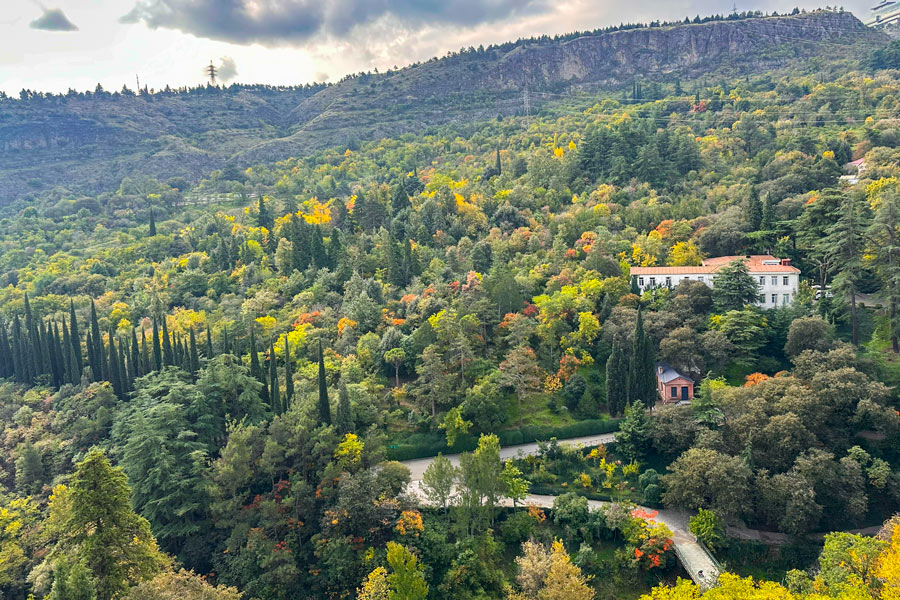
If one song describes Tbilisi as leaning balconies, another admires the city as a “rose-and-sun”-trimmed piece of land. This idea appears in the city’s green spaces, as the name of Mziuri directly translates to “a place of sun”. Most of the Tbilisi parks sit beside the river, some climb into the hills, and others hide between residential streets.
The central riverfront park, Rike, is best for families, evening walks, the Bridge of Peace and the cable car to Narikala. A young Tbilisi meeting spot with bars, open lawns and events, Dedaena Park is additionally the city's main skatepark. Just near, 9 Of April Park is one of the city’s oldest public gardens with the memory of the 1989 independence protests.
Opened in 1982 as a children's park, Mziuri Park has a skatepark and parkour ground, playgrounds, a tiny lake and a charity café. Vake Park is among the main family and upscale parks in Tbilisi, with broad paths, esplanades and access to Turtle Lake. Turtle Lake represents a short green escape above Vake, reached by cable car or on foot. Vera Park is a neighbourhood garden with sports facilities, cafés, old trees and the Philharmonia nearby.
One of the best recreational areas in Tbilisi, Lisi Lake features cycling, picnics, water activities and open-air cafés. These are useful picnic spots Tbilisi residents use as much as visitors. Mtatsminda Park is the hilltop recreation zone with the funicular, amusement rides, and wide views over Tbilisi.
The National Botanical Garden of Georgia is the main name among Tbilisi botanical gardens. Set in the Tsavkisis-Tskali Gorge below the Narikala fortress, it covers 161 hectares with more than 4,500 plant groups. Tbilisi Dendrological Park, near the Tbilisi Sea, contains rare trees, medicinal plants, walnut groves and old Caucasian species.
Shopping in Tbilisi
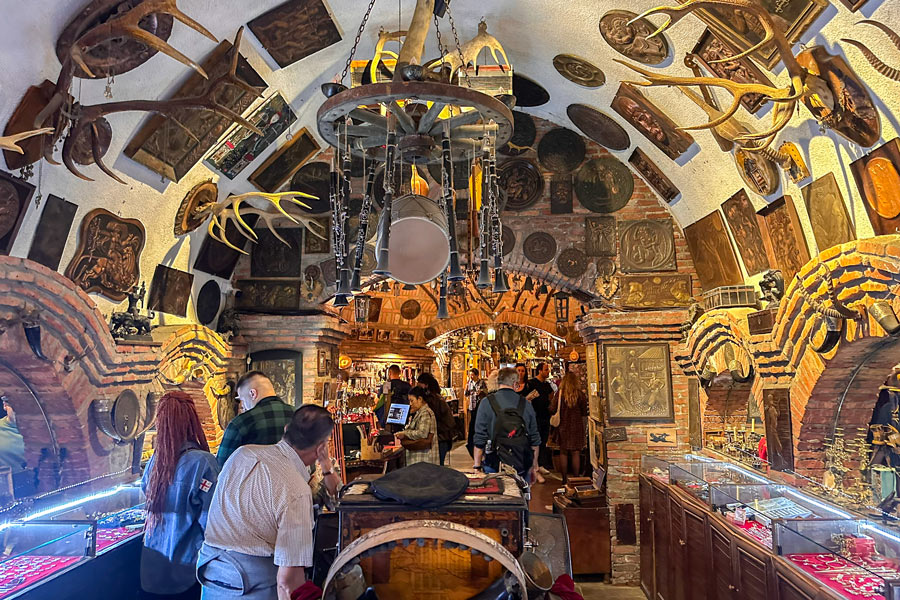
Travellers in Tbilisi can buy Caucasian carpets, Georgian enamel jewellery, handmade ceramics, vintage Soviet objects, or even designer clothes. Shopping in Tbilisi can be a souvenir hunt, a food walk, a flea-market dig or a full shopping day.
What to Buy in Tbilisi
Traditional Crafts and Souvenirs
For Georgian-made gifts, start with Meidan Bazaar, Gallery 27 and small shops around Abanotubani and Mtatsminda. These are good places for tablecloths, ceramics, handmade bags, dolls, scarves, carpets and wine accessories. Decorative daggers are also there, but travellers should check airline and customs rules before buying them.
Flea Markets and Antiques
Dry Bridge Market is the main stop for antiques, Soviet objects, paintings, cameras, coins, carpets and vintage jewellery. Station Square has second-hand clothing and the Tbilisi Gold Market, where visitors can find gold and enamel pieces. Navtlugi’s Barakholka is less polished and more local, with old signs, ceramics, household items and Soviet-era finds.
Food Markets and Bazaars
Dezerter Bazaar is Tbilisi’s main produce market, with fruit, vegetables, cheese, herbs and churchkhela from different Georgian regions. Orbeliani Bazaar is organised and more central, with food stalls, cafés, wine, honey, tea, dried fruit and edible souvenirs.
Tbilisi Malls
For international brands, Tbilisi malls are the perfect choice. Galleria Tbilisi sits on Freedom Square and connects directly with the metro. East Point is useful on the airport side of the city. Tbilisi Mall and City Mall Saburtalo serve the same level of shopping, from clothes and electronics to supermarkets and food courts. On arrival by train in Tbilisi, you'll find shops for electronics and clothes at Station Square.
For travellers wondering where to shop in Tbilisi, the ultimate answer is mixed. Old Town is for crafts, Dry Bridge for antiques and Orbeliani for food gifts, and the city's modern shopping centres offer international brands.
Food in Tbilisi
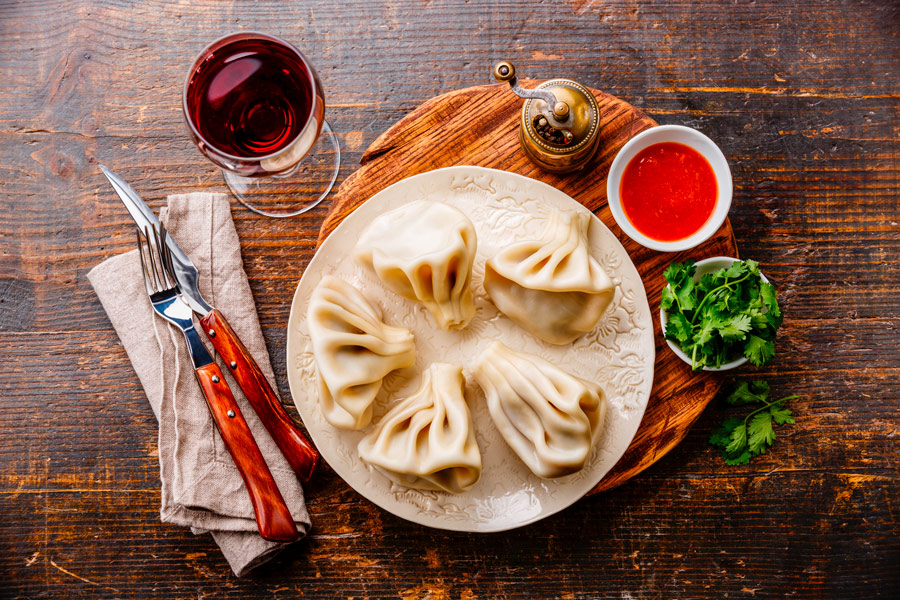
Tbilisi brings Georgia’s regional food into one city, from khinkali and khachapuri to elarji, shkmeruli and Gurian tea. The best food in Tbilisi is a capital-city version of Georgian appetites.
Do you wonder where to eat in Tbilisi? Old Town and Sololaki are best for traditional restaurants with Tbilisi local cuisine. Chugureti and Vera suit cafés, bakeries and newer kitchens with Tbilisi cuisine. Rustaveli and Freedom Square are for lunches and late meals.
Georgian Cuisine
Georgian cuisine in Tbilisi starts with khinkali, khachapuri, shkmeruli, mtsvadi, chakapuli, kubdari, cheese and fresh tone (pronunced “tonay”) bread, baked in a circular brick-lined oven called a “tone”. Mountain khinkali becomes city khinkali with herbs, and khachapuri, Georgia’s cheese-filled bread, comes in several regional styles.
Cafe Daphna (also located in Batumi), the Pasanauri chain, and Zodiaqo are among the best places to eat khinkali in Tbilisi - juicy meat dumplings. For lobio - a spiced bean stew - Salobie Bia is one of Tbilisi’s leading choices, with a modern Georgian setting. For regional dishes, Pictograma is the best, as it brings Khevsureti food into the city.
For a more polished Georgian meal, Barbarestan is an important spot based on Georgian Princess Barbare Jorjadze’s 19th-century Georgian dishes. Shavi Lomi is renowned for creative Georgian dishes in an old-house setting. Keto & Kote gives travellers a classic courtyard-style dinner, while Bread & Wine caters for a wider regional table.
For broader local food in Tbilisi, include Dezerter Bazaar as part of the eating culture, not only for shopping. Here, you’ll find cheese, herbs, spices, churchkhela, tkemali, and seasonal produce before those flavours appear on restaurant tables.
For an entire food route, Tbilisi markets pair with dishes and Georgian wine on a culinary tour in Georgia.
Vegetarian Restaurants
Georgian food can look meat-heavy at first because khinkali, mtsvadi and kebab dominate many restaurant menus. But the vegetarian base is strong, especially through Western Georgian food, fasting dishes and walnut-based plates. Georgian cuisine in Tbilisi is surprisingly easy for non-meat-eaters.
Kartopili (fried or roasted potatoes often spiced with ajika or herbs), mushrooms, cheese khinkalis and badrijani nigvzit (aubergine rolls filled with walnut paste and sprinkled with pomegranate seeds) are common enough to be part of the standard Tbilisi food scene. Mushroom khinkali is the closest in richness to meat khinkali, while the cheese one is often served with sour cream.
Cafe Leila is one of the most central and recognisable choices with Georgian vegetarian dishes in Old Tbilisi. Hummusbar and Muhudo fast food add Middle Eastern and falafel options. Kiwi Vegan Café and plant-based cafés give stricter vegan travellers more control. Vegetarian travellers can confidently enjoy authentic Georgian restaurants that make Tbilisi famous.
Coffee Houses, Bakeries, and Patisseries
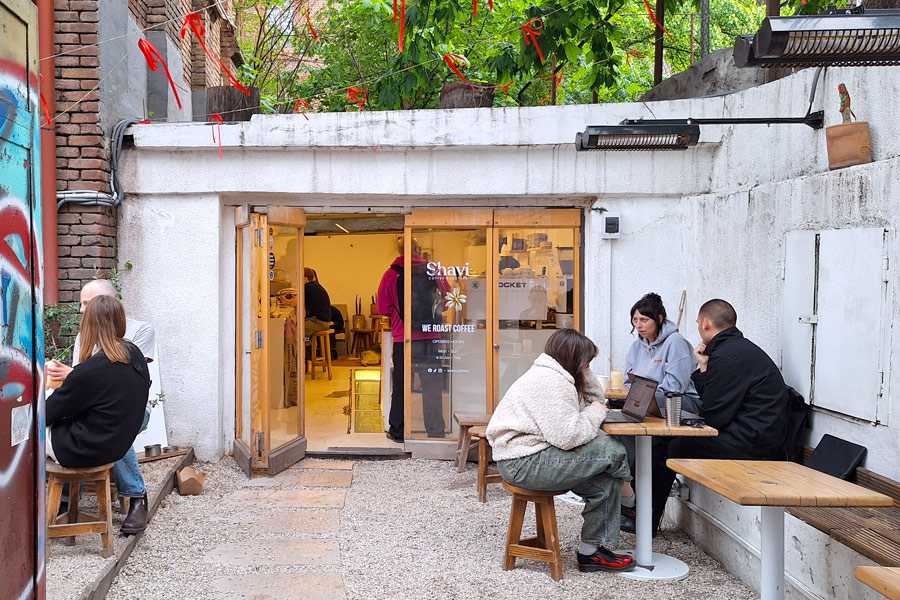
Tbilisi is additionally the city of bread. Tone bakeries still work through small street windows, selling shoti, lavash, lobiani, khachapuri and sweet nazuki. The smell of fresh, hot bread is one of the first things Tbilisi visitors notice.
For a modern bakery stop, Puri Guliani combines Georgian bread, pastries, breakfast, lunch and an open kitchen. Stamba Bakery, part of Stamba Hotel, gives a newer version of the same idea inside a former Soviet printing house. Graminea is more specific, working with Georgian wheat and sourdough.
Coffee has also become part of Tbilisi dining experiences with Shavi Coffee Roasters as one of the strongest names. Coffee LAB is another important café-roaster, with branches in Saburtalo, Vera, Vake and Lisi Lake.
Western Georgia, especially Guria, has a long tea-growing history, and Georgian tea appears in markets and cafés.
City Transport in Tbilisi
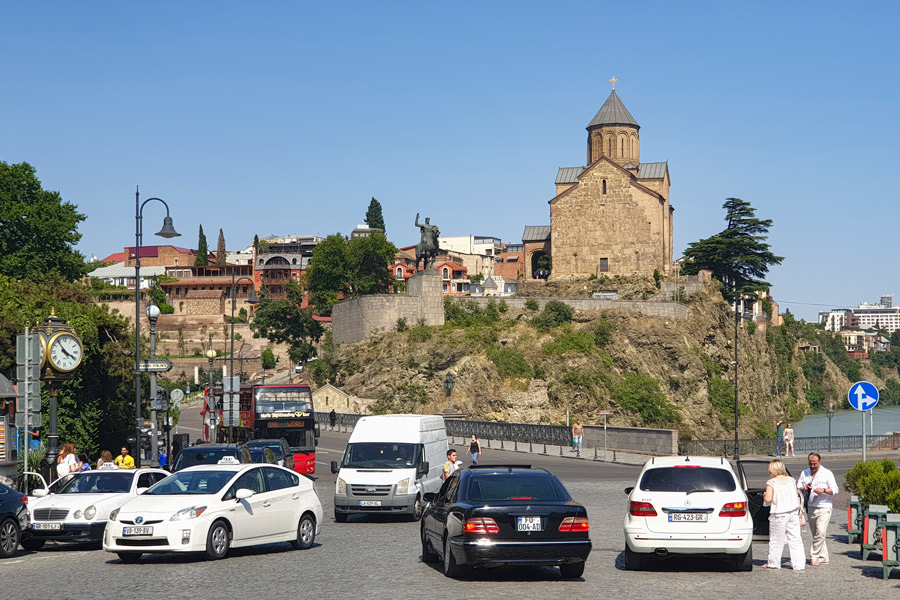
City transport in Tbilisi is simple to use. The city has two metro lines, organised buses, minibuses, app taxis, cable cars and a funicular. Public transport is inexpensive, and buses, the metro and minibuses cost 1 GEL with local transport cards. International bank cards also work on many services, usually with a slightly higher fare on Tbilisi public transport.
Public Transport
Buses
Tbilisi buses cover the areas where the metro does not reach, including Vake, Vera, Saburtalo and outer districts. Large buses usually have three-digit numbers starting with 2 or 3. City minibuses (Marshutka, მარშრუტკა), which are blue, usually start with the numbers 4 or 5. Buses stop at marked stations, and routes can be checked through Google Maps or the TTC app.
Minibuses are more useful for local routes and residential areas than for classic tourist sightseeing. Yellow marshrutkas travel between Tbilisi and other cities. The blue ones cost the same as buses, and the ride price is indicated inside the yellow ones, but they do not always stop automatically. Wave to board in, and don’t be shy to say loudly “ga-a-che-ret” (meaning 'stop' in Georgian) when you want the driver to stop and to thank him very much with a “Didi Madloba” (დიდი მადლობა) when you get out.
Metro
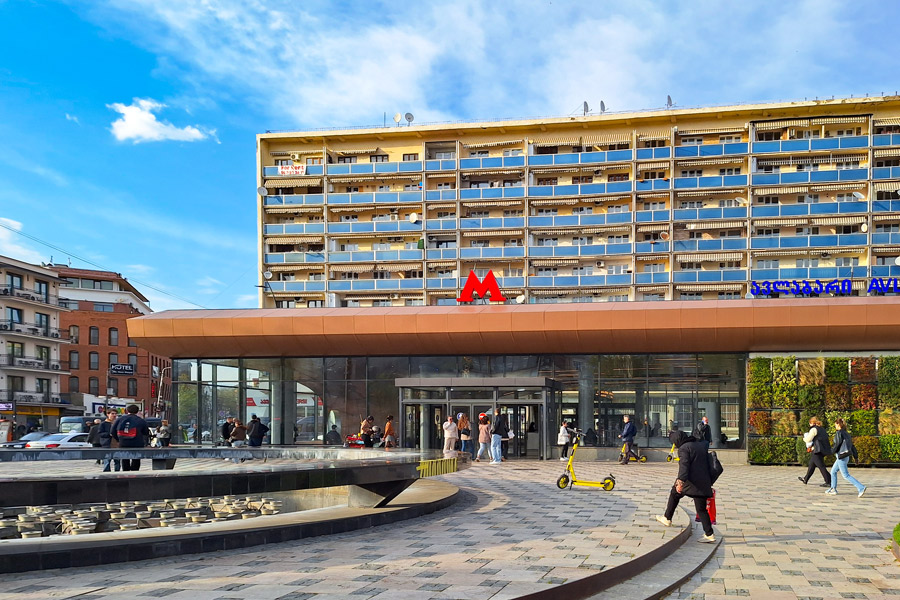
The Tbilisi Metro has two lines with 23 stations: the First Line and the Saburtalo Line. The metro runs daily from 6:00 to 00:00 and is usually the fastest way to cross the city centre. Signs and announcements are available in Georgian and English.
Other Transport Options
Taxis
Taxis in Tbilisi are available 24 hours and are often the easiest choice for late evenings and neighbourhood routes. Bolt and Yandex Go and are the main ride-hailing apps, with fares shown before the ride. For comfort, choose a higher taxi category when travelling late, with luggage or across the city. You may negotiate the price of the course before boarding.
Car Rental
Car rental in Tbilisi is not necessary for travellers staying inside the city. Traffic, narrow streets, hills and parking make driving less useful around Old Town, Rustaveli or Sololaki. A rental car makes more sense for regional trips, villages, monasteries and routes with limited public transport. Rent a car only if the trip continues beyond Tbilisi or if flexibility matters more than simplicity.
Cable cars
Tbilisi also celebrates short-distance transport for scenic views and quick city movement. Cable cars connect Rike Park with Narikala Fortress, Vake Park with Turtle Lake, and Rustaveli Avenue with Mtatsminda. The Mtatsminda funicular links Chonkadze Street with the Pantheon and Mtatsminda Park.
Electric scooters are available through services such as Scroll, Bolt and Jet, and they work best on flatter streets.
How to Get to Tbilisi
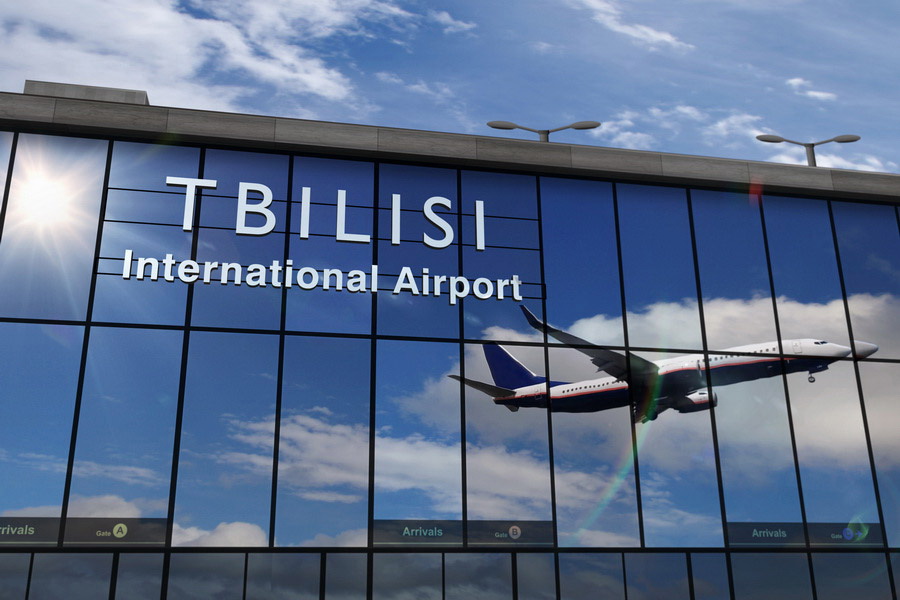
As Georgia’s transport getaway, Tbilisi has international flights, domestic trains, intercity buses and road links from neighbouring countries. The easiest arrival is by air, but trains work well from Batumi, Poti, Zugdidi, Borjomi and Yerevan. Road travel is practical from Armenia and Turkey, while routes through Azerbaijan and Russia need current border checks.
By Air
Most travellers arrive through Tbilisi International Airport (TBS), the main airport of Georgia. Its official route map lists direct flights from the tens of international cities with seasonal changes throughout the year.
From the airport, municipal bus 337 runs between the arrivals hall and Tbilisi city centre. The airport lists the fare as 1 GEL, with payment by MetroMoney card or bank card. Taxis and private transfers are better for late arrivals, families, heavy luggage or travellers staying outside the centre.
By Train
Tbilisi Central Station connects the capital with western Georgia and several domestic routes. Georgian Railway’s current general schedule features trains from Tbilisi to Batumi, Poti, Zugdidi, Ozurgeti, Borjomi and Gardabani.
The Tbilisi-Yerevan service runs every second day, one of the best ways to travel from Tbilisi to Yerevan.
By Bus
Buses and minibuses connect Tbilisi with Georgian towns and regional cities.
Ortachala Central Bus Terminal, in southeastern Tbilisi, is one of the main hubs and operates 24/7. For longer routes, companies such as CityBus and Georgian Bus serve further domestic destinations. International bus routes also link Tbilisi with Armenia and Turkey.
Note: Schedules and border conditions should be checked close to travel.
By Road
Private transfers are useful for arriving from Yerevan, northern Armenia, eastern Turkey or other parts of Georgia. Georgia has 20 border checkpoints, and depending on nationality, travellers need a passport or ID to pass through.
Road arrivals give flexibility, but border rules, insurance, weather and mountain routes matter. Check conditions before using the Kazbegi route from Russia, the Armenia crossings or the Turkey crossings.
Languages Spoken in Tbilisi
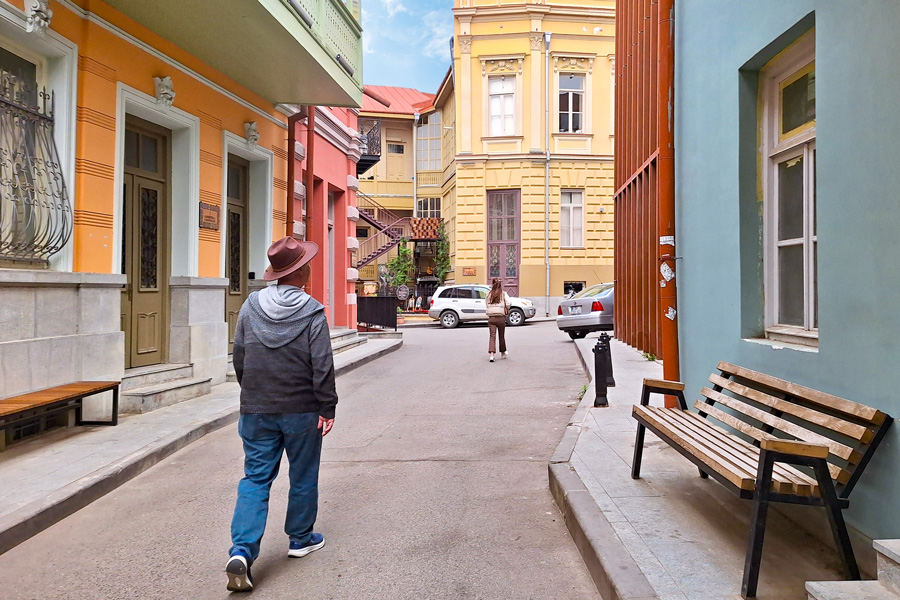
Georgian, or Kartuli, is the main language spoken in Tbilisi and the official language of Georgia. It belongs to the Kartvelian language family, together with Svan, Mingrelian and Laz, and uses its own alphabet. Modern Georgian is written in the Mkhedruli script. The older Asomtavruli and Nuskhuri scripts remain important in ecclesiastical and heritage contexts.
For travellers, Tbilisi is easy to manage linguistically. English is widely spoken by younger Georgians. In hotels, restaurants, cafés, museums, tour offices and central districts, even the older generation gets by with English. Public transport signs, metro announcements and many menus are also available in English.
English-speaking travellers can feel comfortable using English in Tbilisi, especially in central districts, hotels, restaurants, museums and tour offices. Russian is still understood by many older residents, while a translation app can help in markets, small shops and places outside the centre. In some areas, markets and community spaces, travellers may also hear Armenian, Turkish and Azerbaijani, reflecting Tbilisi’ long, multicultural history.
The Georgian language may look difficult at first. It has no articles, several grammatical cases and words with long consonant clusters. Still, a few words are worth learning: “gamarjoba” means “hello”, “madloba” means “thank you”, and “nakhvamdis” means “goodbye”. Even simple Georgian is usually received warmly.
Security in Tbilisi
Tbilisi is generally a safe and comfortable city for visitors, with a visible police presence and no tourist-targeted scams. The US State Department currently lists Georgia as Level 1: Exercise Normal Precautions.
Is it safe to travel to Tbilisi now?
Yes. Georgia is a peaceful destination, and Tbilisi is not in any active conflict zone.
For everyday visitors, normal capital precautions are sufficient: Use reputable app-based taxis at night, check bills in bars and restaurants, and take care when crossing busy roads. Canada’s country page also summarises Georgia as a destination where travellers should exercise normal security precautions.