

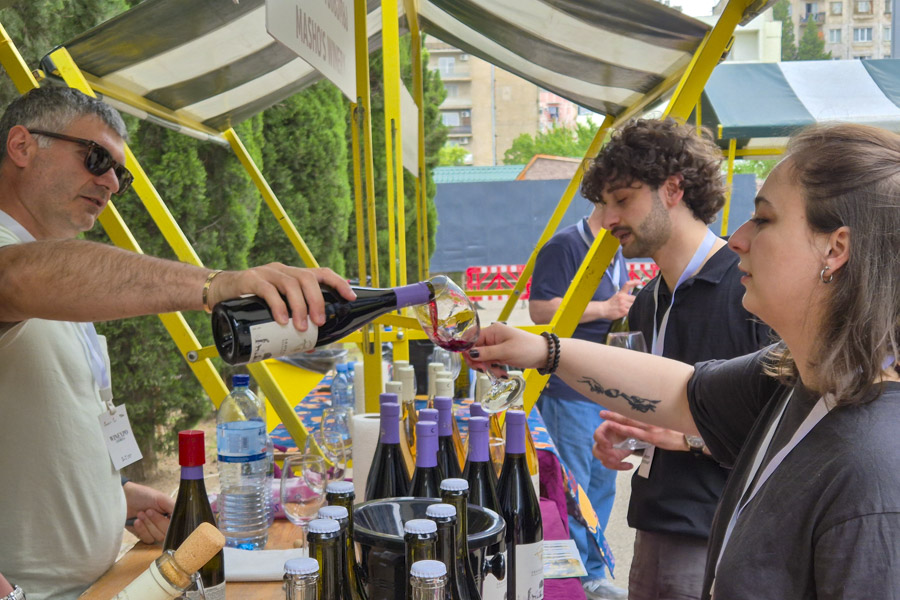
In Georgia, drinks often set the tone even before the meal. Indeed, Georgian drinks dictate the pace: wine poured between toasts, mineral water opened beside warm cheese bread and grilled meat, green tarragon lemonade brightening a simple lunch, and chacha poured into shot glasses as the gathering slows. Knowing these cues helps travellers confidently read a menu and select drinks that pair with khachapuri, khinkali, phkhali, and supra spreads.
What Do People Drink In Georgia?
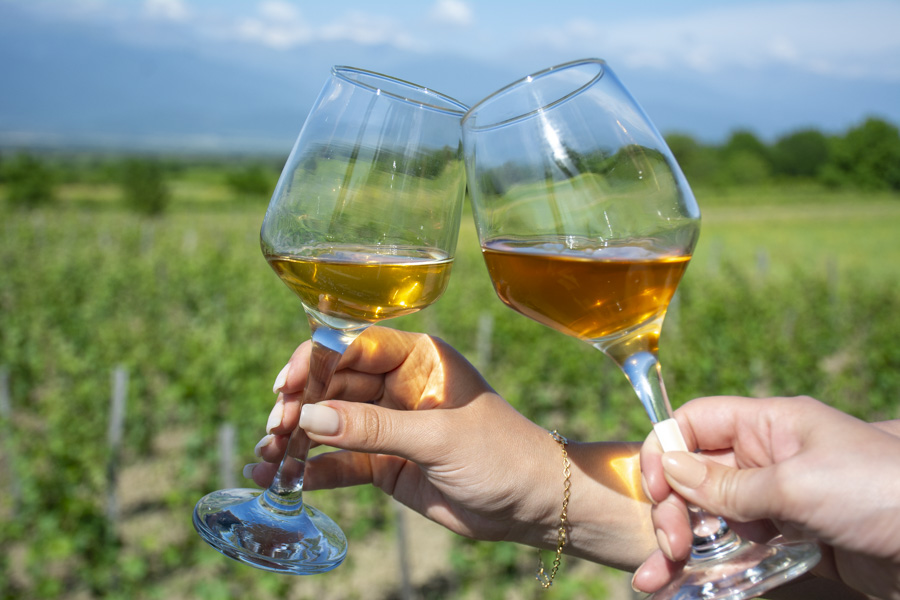
The answer to “What to drink in Georgia?” depends on the season and the style of occasion. Wine is the most visible Georgian drink, used in both everyday hospitality and formal celebrations. Amber qvevri wines, dark Saperavi, lighter whites and homemade pours all have their own place.
Georgian chacha comes from the same grape culture, but it serves a different purpose. Distilled from winemaking byproducts, it is stronger, punchier, and usually saved for later. Beer has a simpler role: served cold, it’s easy to order when the mood feels relaxed and informal.
Non-alcoholic Georgian drinks are taken just as seriously. Lemonade brings sweetness, colour and familiar flavours to casual meals, while mineral water is valued for refreshment and balance. Visitors will find these drinks across ordinary restaurants, family-style meals, wine tastings, roadside stops and hosted dinners, though they won’t always appear in the same order or setting.
Georgian Wine at the Table
How to Choose Wine with Georgian Food?
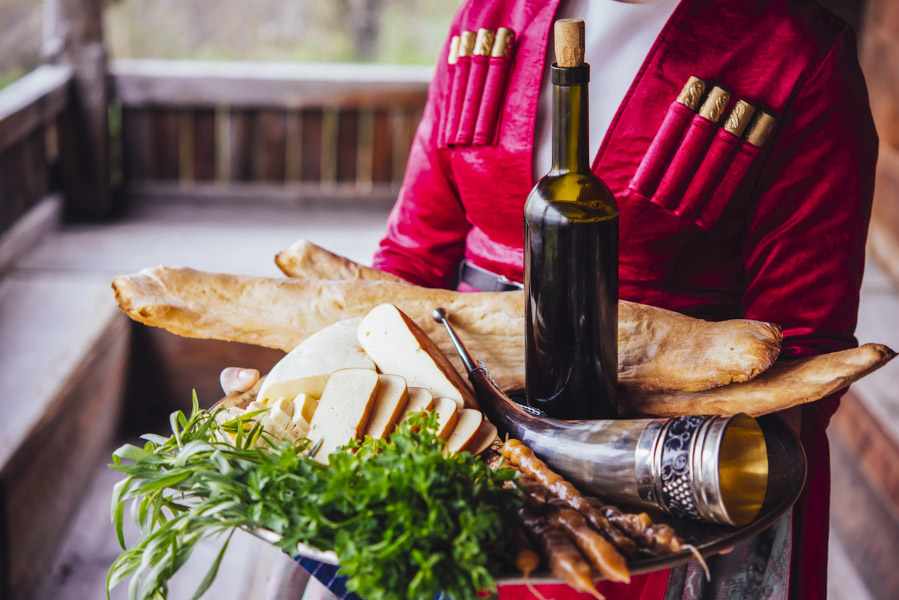
A light lunch, a platter of vegetable starters, and a meat-heavy, multi-course dinner do not call for the same glass of Georgian wine. The right one can sharpen herbs, soften salt, carry smoky flavours, or give firmer structure to flavours that might otherwise overwhelm. If you haven't yet had the chance to participate in a Georgian Grand Wine Tour, here are a few tips to get acquainted.
Georgian Amber Wines, White Wines, Red Wines and Rosés
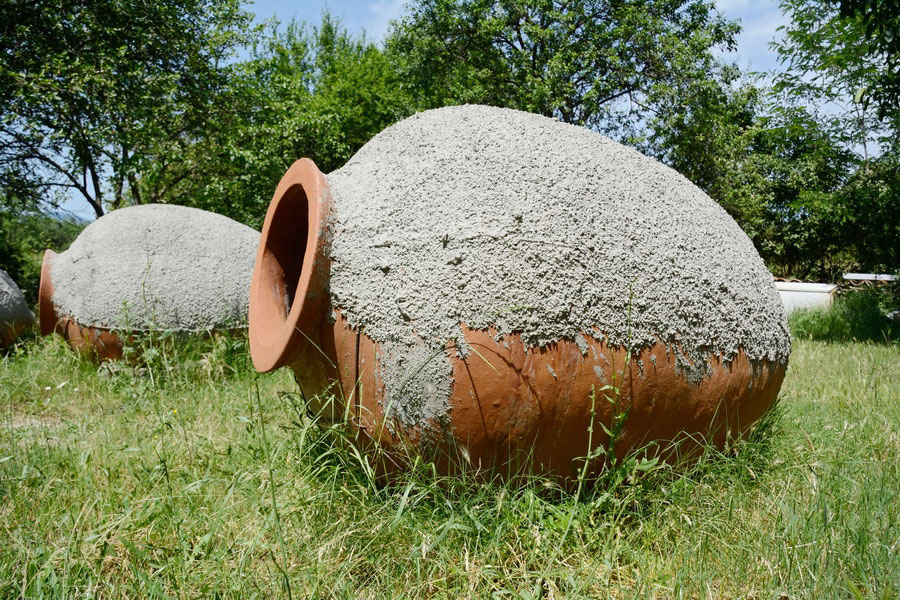
Georgian amber wine, such as Rkatsiteli, Mtsvane, Khikhvi and Kisi, often made in qvevri, the UNESCO-recognised clay vessel method, is a typical choice at the table as it pairs with almost everything. Although it is made from white grapes, skin contact in a qvevri gives a tannic grip, deep colour, and savoury notes reminiscent of tea, dried fruit, or toasted nuts. By contrast, European-style whites made of Kisi, Mtsvane and Tsinandali blend grapes are pressed and fermented without extended skin contact, yielding crisper, citrus flavours and lighter wines.
Red wines made of Saperavi grapes move in a deeper register. Its dark fruit, acidity, and tannin, sometimes smoky, give it the weight to pair well with grilled meat and heavily seasoned dishes such as stews and beans. On its own, this variety can feel intense, but with richer food, that structure becomes more pronounced.
Semi-sweet red wines made with grapes such as Khvanchkara and Kindzmarauli have a sweet and fruity aromatic profile that combines wonderfully with spicy dishes, blue cheeses and desserts.
Georgian rosé, made from grape varieties as diverse as Saperavi, Khidistauri, and Chkhaveri, often offers a delicate, dry profile with crisp notes of red fruits such as strawberry, raspberry, and citrus. They are enhanced by a lively, mineral finish and a subtle floral aroma. Its refreshing light acidity lends it elegance and gastronomic versatility; it pairs perfectly with salads, chicken, and lightly spiced dishes.
Georgian sparkling wines range from traditional, dry, and crisp styles to lighter, frizzante-type cuvées; they are increasingly made from local grape varieties such as Chinuri and Rkatsiteli. Their refreshing acidity and fine bubbles make them perfect as an aperitif, with seafood, or with festive dishes. Bagratoni is Georgia’s oldest sparkling wine producer.
Lighter wines serve a different purpose. Chilled whites and rosés are easier with midday meals, when a firm amber or dark red may feel too heavy.
Renowned Georgian Wine Producers
Renowned Georgian wine producers include Tbilvino, Teliani Valley, Shumi, Khareba, Badagoni, Askaneli, Kindzmarauli Corporation and Chateau Mukhrani. These names are useful to recognise as well-established bottles before you move on to smaller family producers or natural-wine labels.
On wine lists, descriptions do not always clearly distinguish between grape variety, colour and winemaking method. It is therefore advisable to ask for a recommendation tailored to your menu choices.
For deeper detail on grape varieties, qvevri production, wine regions, Rtveli and tasting routes, see the main Georgian Wine Guide.
Chacha – Georgian Grape Spirit
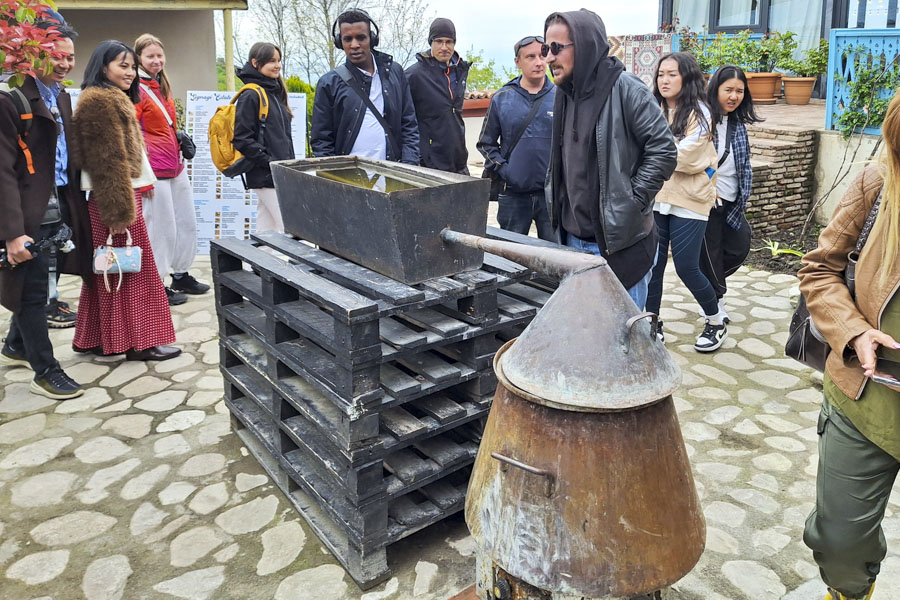
What Is Chacha?
Chacha is a Georgian grape spirit, essentially a brandy, distilled from the skins, stalks and pips left after pressing the grapes (pomace). It began as a practical way to avoid waste: the leftovers from winemaking are turned into a clear, potent spirit with a very different purpose.
Bottled Chacha vs Homemade Chacha
Chacha can be sharp, warming and straightforward, its strength not always obvious from the way it is served. Commercial bottled chacha is usually the gentler introduction, typically bottled at 40% alcohol by volume. Homemade versions can be rougher and full of character, depending on production and storage methods, sometimes reaching up to 85% alcohol.
Several wine producers have it in their selection, including Askaneli, Badagoni, Teliani Valley, Telavi Wine Cellar, Chateau Mukhrani, Kindzmarauli Corporation and Tbilvino.
Aged and Infused Chacha
Plain grape chacha is the standard version, but aged and infused styles are also worth knowing about. An oak-aged variant may feel rounder, while fruit, honey, or herb infusions soften the edges without turning it into a light drink. Even the smoother versions should be treated as spirits.
When is Georgian Chacha Served?
The most useful thing to know about Georgian chacha is the timing. It is rarely the first drink offered at wine tastings and supras. It usually appears when a host wants to serve something stronger and more personal. Guests can taste it without matching every pour. A small sip is enough, and it is better to refuse more than to drink out of politeness.
Georgian Beer
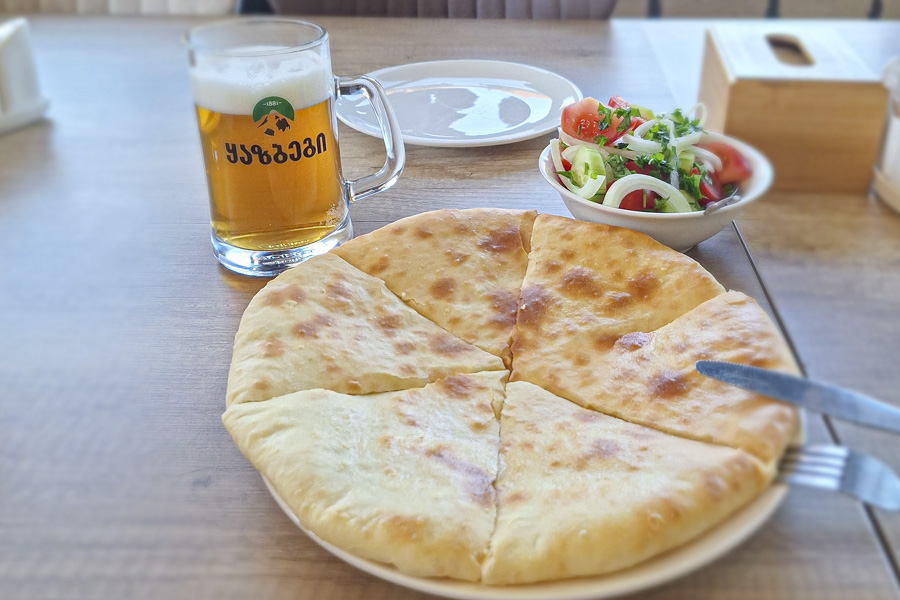
Beer tends to suit the natural rhythm of travel in Georgia — the noisy gathering, the quick meetup that stretches into a long evening, or the moment when something cold and straightforward suits the weather better than a bottle of wine.
Mainstream Georgian beers are pale lagers. Their clean, light profile works well with salty, hot or heavy dishes without adding extra weight.
Beer has a long local history. But the past two centuries were pivotal. German settlers and entrepreneurs helped shape commercial brewing in 19th-century Tbilisi, adding a European layer to brewing in a country better known internationally for its 8,000-year winemaking tradition.
Brands such as Natakhtari, Kazbegi and Zedazeni are widely recognised. Craft brewing has also grown recently, with unfiltered beer, darker styles, IPAs and seasonal brews giving beer a prominent place in urban dining.
Mountain Beer and Aludi
Beyond the commercial spectrum, beer carries an older mountain identity that differs from bottled styles. In highland regions such as Khevsureti and Tusheti, traditional beer known as aludi was historically brewed from barley malt for religious holidays, shrine rituals and communal gatherings. It was not merely a casual drink but part of the social and spiritual order of mountain life and regarded as a sacred beer.
Aludi might not appear on a typical menu, but the tradition adds valuable context to the experience.
Georgian Lemonade and Lagidze Waters
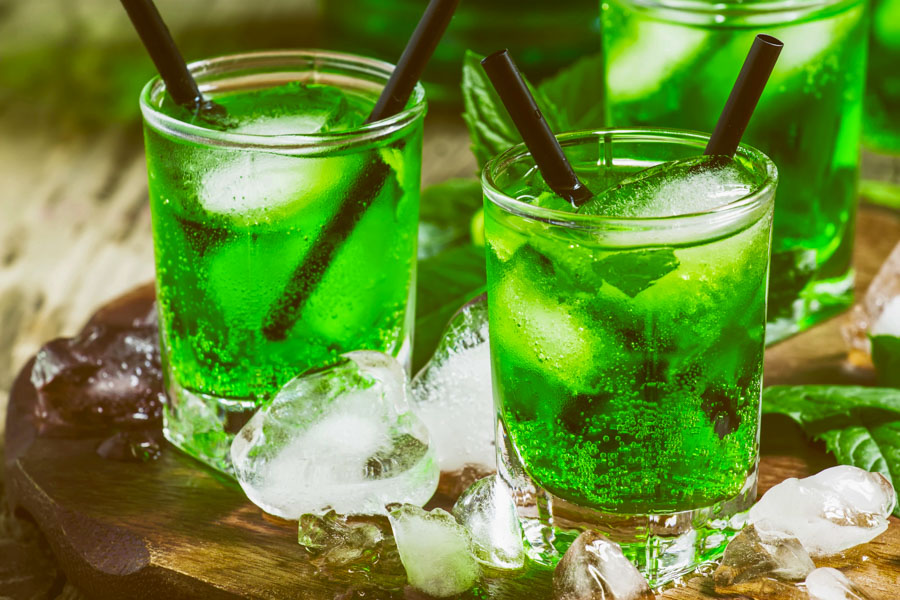
Georgian lemonade is a familiar non-alcoholic drink in the country. It has little to do with a Western-style lemon-based drink, and its flavours can feel unfamiliar to first-time visitors. Part of its appeal is that it suits all ages and occasions.
Flavours and Brands to Look Out For
Georgian lemonade flavours are more memorable than you might expect. Tarragon lemonade is vivid green, with a sharp herbal tang that feels unusual at first taste. Pear is softer and fruitier; cream soda is smooth and nostalgic. Lemon, grape and feijoa are also popular.
Those Georgian beverages are produced by Natakhtari, Zedazeni and Kazbegi, among the most recognisable Georgian lemonade brands, while Lagidze Waters offers both bottled lemonade and soda-fountain-style carbonated drinks.
What Are Lagidze Waters?
Lagidze waters are mixed from carbonated water and flavoured syrups at the counter, giving the drink an old-fashioned, freshly made character compared to a standard bottled lemonade. The name is linked to Mitrofan Lagidze, a pharmacist's apprentice in Kutaisi, whose invention became part of Georgia’s urban culinary culture in the late 19th and early 20th centuries.
Georgian Mineral Water
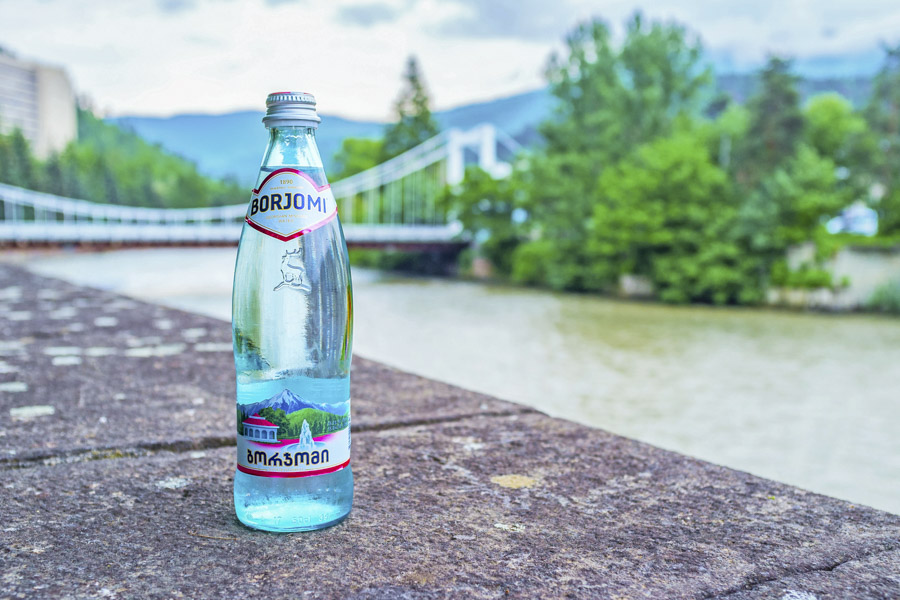
Water is always present during meals. Borjomi has a strong, slightly salty mineral taste and natural carbonation. Nabeglavi is softer on the palate, while Likani and Sairme are common alternatives, each with its own mineral profile.
Still and spring waters play a quieter role but are handy for everyday drinking, road trips, hotel rooms and summer walks. Bakuriani, Bakhmaro, Sno and Mtis Tskali are widely available still-water brands. Sairme also produces non-carbonated spring water for a gentler option.
Other Georgian Drinks and Regional Traditions
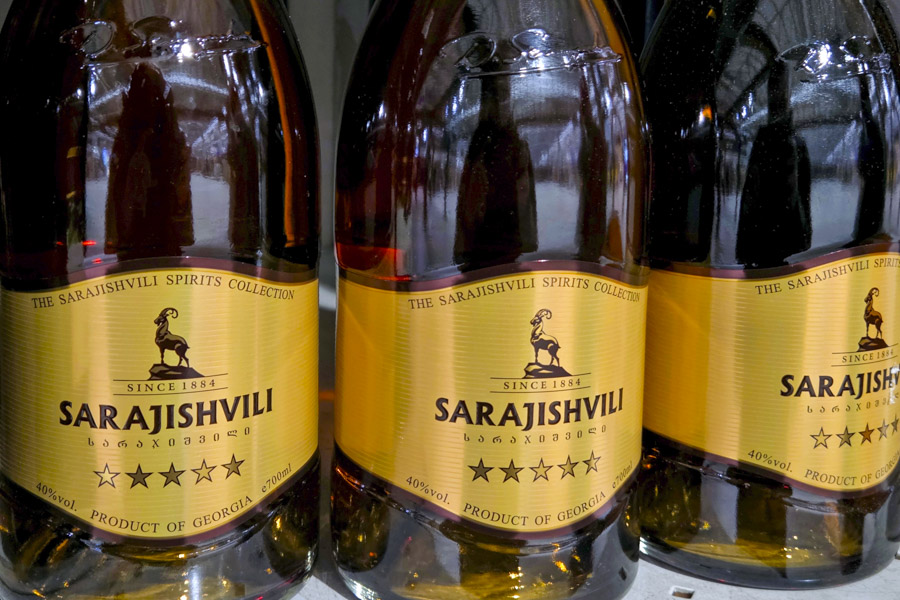
Sarajishvili — Georgian Brandy
Sarajishvili is a Georgian brandy company that represents a more sophisticated side of local spirits. Its wine brandy, called “cognac”, is oak-aged and associated with Tbilisi’s 19th-century brandy-making tradition. Its smoother, darker style makes it more likely to appear as an after-dinner drink, a gift bottle, or a tasting item. The brand traces its origins to David Sarajishvili, who established Georgian brandy production in 1884.
Zhipitauri
Zhipitauri is a homemade mountain spirit. It is associated with household distilling rather than commercial production, and its ingredients, strength and overall style can vary from place to place and from family to family.
Its value among Georgian drinks is cultural: it shows how regional names preserve smaller, local drinking traditions that largely stay within their communities.
Across Georgia, there are also other regional fruit spirits, along with homemade infusions. In areas where fruit is abundant, households may distil spirits from plums, pears, mulberries, figs, or other seasonal fruit, sometimes adding ingredients to soften the alcohol. These drinks are typically made in limited quantities and are best enjoyed as occasional tastes rather than as something you would expect as standard choices on a restaurant menu.
Tea and Coffee
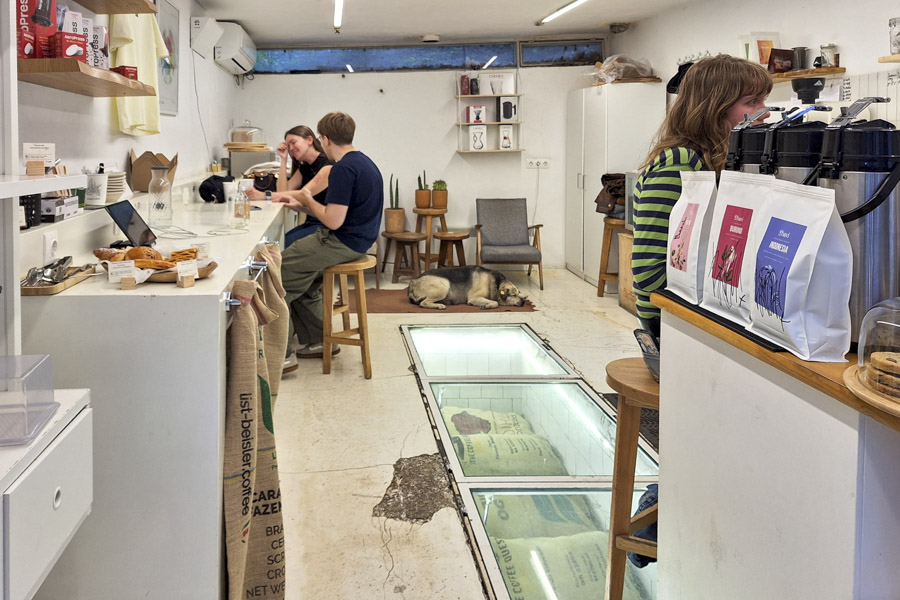
On the non-alcoholic side, herbal teas are typical in mountain and rural settings. Thyme, mint, rosehip and other herbs may be brewed for warmth, digestion or simple comfort, especially in guesthouses and colder regions. Western Georgia has a tradition of tea-growing in humid areas near the Black Sea. Gurieli is one of the best-known Georgian tea producers.
Coffee is also popular, especially in places with a strong café culture, and it is often part of business meetings as well as casual socialising. Georgian coffee brands include Meama and Cherie. Meama produces compact capsule coffee machines and sells quality coffee in both ground and whole-bean form. It also has “Meama Collect” tasting spots where you can sample its range in person. Cherie has a more limited range focused mainly on ground coffee, which is available in convenience shops across the country.
Cider
Georgian cider adds a lighter note to Georgia’s drinks scene. This fruity drink, made from locally grown apples and sometimes a mix of orchard fruits, comes in varieties from slightly sparkling to still and favours a lively and refreshing acidity rather than sweetness. Often produced by small regional producers, it pairs well with fried foods, pork dishes and savoury snacks and is best enjoyed very fresh.
Georgian Gin
Georgian gin is a small but growing part of the country’s spirits scene. Local distillers increasingly use Georgian botanicals and fruit to give their gins a distinctive Georgian character. Travellers are most likely to find them in specialist shops such as Alcorium, cocktail bars and private tastings.
Juices and Kompots
Packaged juices and kompots are common. Georgian brands such as Kula and Chero produce fruit juices, nectars and kompot-style drinks in a range of flavours, including apple, peach, cherry, plum and mixed berries. They offer visitors a gentler, fruit-based non-alcoholic option of Georgian beverages.
Georgian Energy Drinks
Georgian-produced energy drinks are a relatively new addition to the local market. Brands such as Buga and Energia by Borjomi can be found in shops alongside imported energy drinks.
Drinks at a Georgian Supra
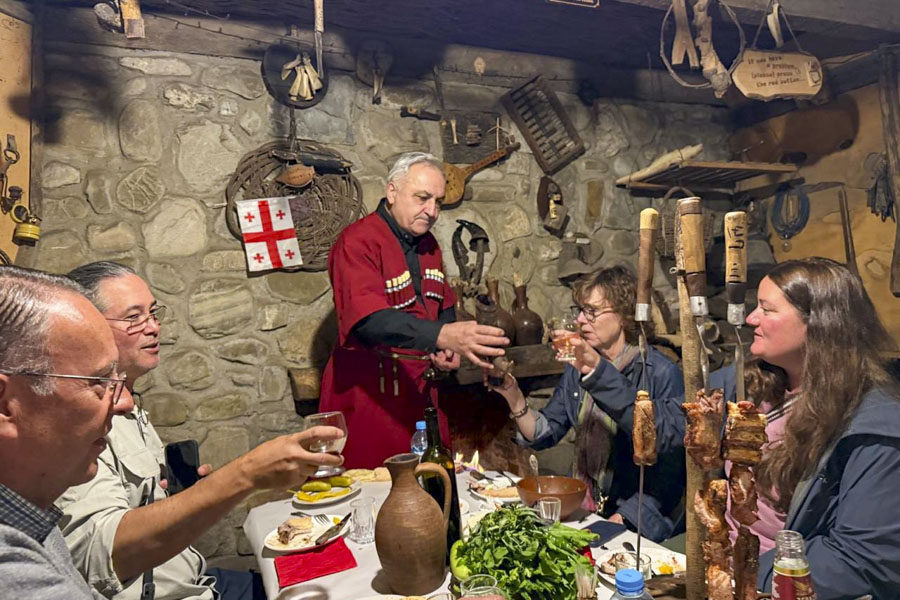
At a Georgian supra, beverages are part of both hospitality and pacing. Wine typically leads the toasts at the table, while sparkling water and lemonade help balance a long spread of shared dishes. But visitors should feel free to order something else from the menu.
The main question is not what will be served, but how to keep pace. Wine is usually poured for toasts, yet your glass need not be emptied each time; watch how others behave. Some drink more fully, others pause, switch to eating or merely touch the glass to their lips.
If you avoid alcohol, mention this in advance for reserved or guided dinners so arrangements can be made rather than improvised. Refusing alcohol does not mean you cannot enjoy a feast. Stay present for the toast, sip slowly and make your limits clear before the next pour.
Where to Try Georgian Drinks?
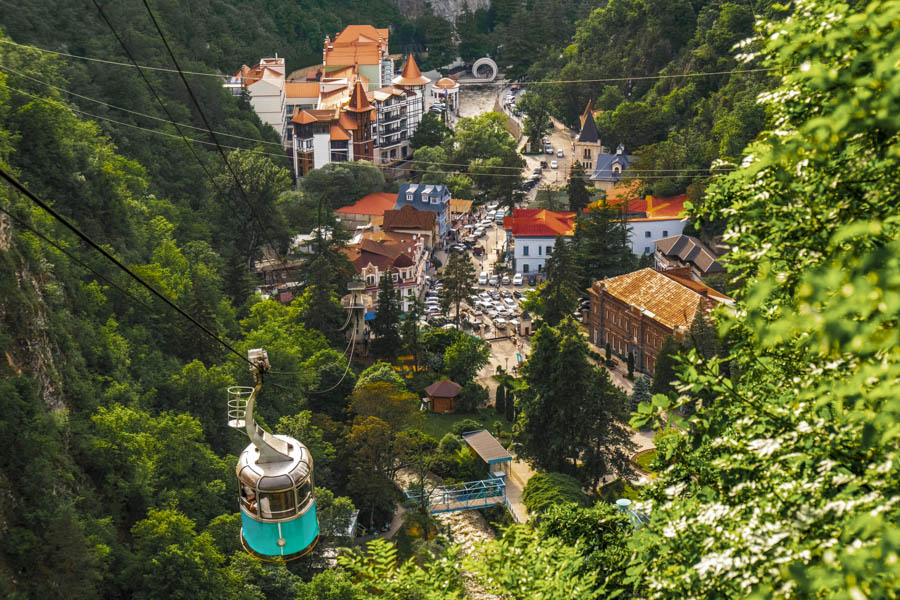
Restaurants introduce the basics, but neighbourhood shops, wine bars, mineral-water resorts and roadside stops give a clearer picture of how these drinks fit into everyday life.
Restaurants, Cafés and Local Shops
For casual options, supermarkets and small shops are a good starting point. Their aisles usually feature the staples: Borjomi, Nabeglavi, bottled lemonade, Georgian beer, and easy-to-recognise Georgian wine or chacha labels. Bakeries, cafés, and lunch counters add context, with non-alcoholic drinks served alongside classics like lobiani, khachapuri, and street food.
In Tbilisi, the Kazbegi beer site near the Mtkvari River adds a brewing story: the area is linked to Friedrich Wetzel, a German entrepreneur whose 19th-century brewery on what is now Uznadze Street became one of the city’s notable brewing enterprises. It works as a local beer stop with a historical backdrop.
Lagidze waters are best tried where syrups are mixed to order, especially in Tbilisi. Places such as Bazari Orbeliani (3a Vekua Street), Restaurant Funicular (Mtatsminda Plateau), and the Lagidze Waters restaurant (7/30 Zakaria Paliashvili Street) offer this vintage-style experience.
Wine Bars, Cellars and Specialist Shops
Wine is best approached with a bit of guidance. In Tbilisi, wine bars and specialist shops such as 8000 Vintages can walk you through qvevri wines, amber styles, Saperavi and lighter options by the glass. Outside the capital, cellar visits in Kakheti, Imereti, Kartli or Racha-Lechkhumi give a stronger sense of place than relying only on restaurant menus.
Georgian Mineral Water Resorts
Mineral waters are sold across Georgia, but visiting the source areas helps you understand the landscape they come from. Borjomi and Likani are tied to the Borjomi region, Nabeglavi to Guria, Sairme to Imereti and Bakuriani to one of Georgia’s best-known highland resort towns. Seeing these places behind the bottle names connects the drink to the springs, mountain resorts and spa traditions.