The one-day Soviet Modernist Architecture Tour is one of the most fascinating Tashkent tours for travellers who want to see the city from a different angle. With a history spanning more than 2,000 years, Uzbekistan’s capital brings together landmarks from many different eras, from ancient settlements to modern skyscrapers.
Among this diverse architectural landscape, Soviet modernism holds a special place. After the devastating earthquake of 1966, much of the city had to be rebuilt, giving architects a rare opportunity to redesign large urban areas. The result was one of the Soviet Union’s most ambitious reconstruction projects, in which bold modernist forms were combined with traditional Uzbek decorative elements. Today, this legacy has received international recognition: in 2026, an ensemble of ten modernist buildings and urban complexes in Tashkent was inscribed on the UNESCO World Heritage List.
Throughout the tour, you’ll discover some of the city’s finest examples of Soviet modernist architecture, from monumental public buildings to beautifully designed metro stations. You’ll learn how Tashkent’s modern cityscape took shape during the second half of the 20th century and why the city is considered one of Central Asia’s most remarkable centres of Soviet modernism.
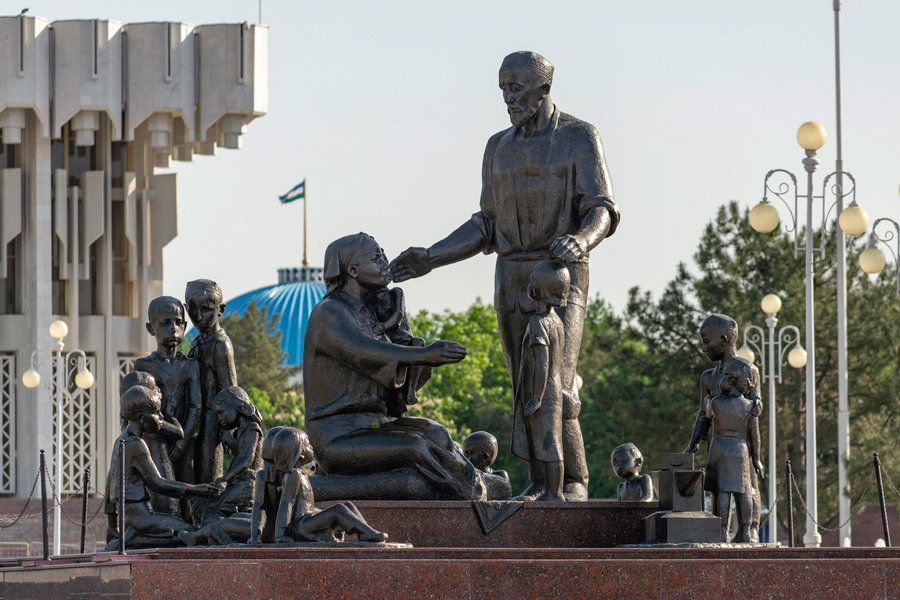
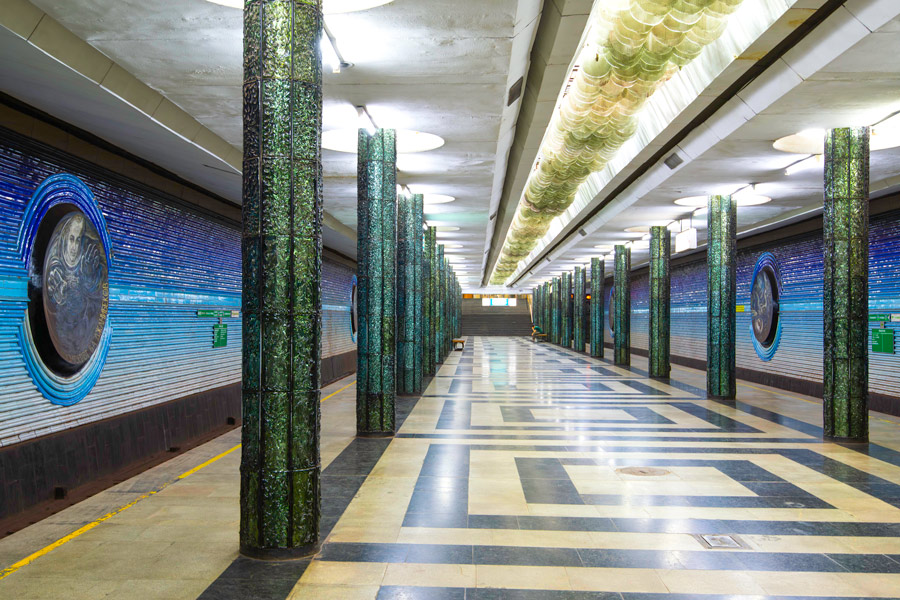
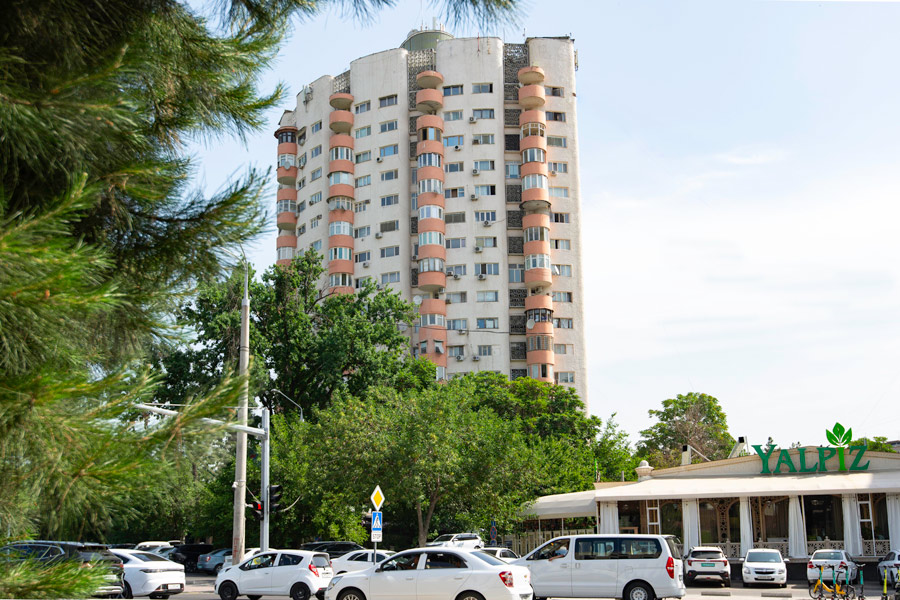
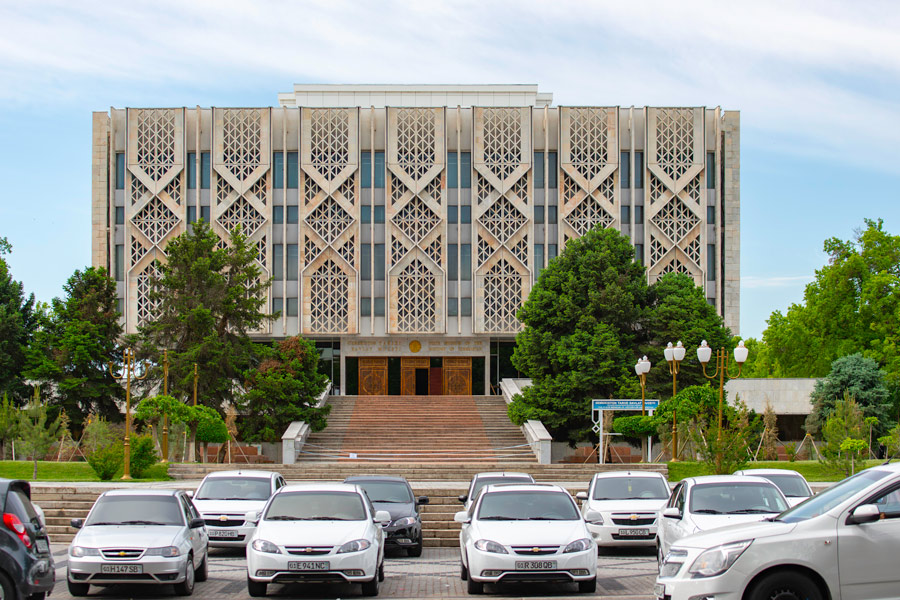
The itinerary includes the Courage Monument, dedicated to the devastating 1966 earthquake, together with many architectural highlights of the Soviet era, including the Tashkent TV Tower, Alisher Navoi Cinema Palace, Tashkent Circus, the Palace of Peoples’ Friendship, Kosmonavtlar Metro Station, the Zhemchug residential building, the State Museum of History of Uzbekistan and Hotel Uzbekistan. This tour is an excellent choice for anyone interested in architecture, urban planning and the history of the 20th century.
The tour includes exterior visits only.
Tour itinerary:
Your guide and driver will meet you at the hotel to begin this fascinating one-day tour dedicated to Soviet architectural modernism in Tashkent.
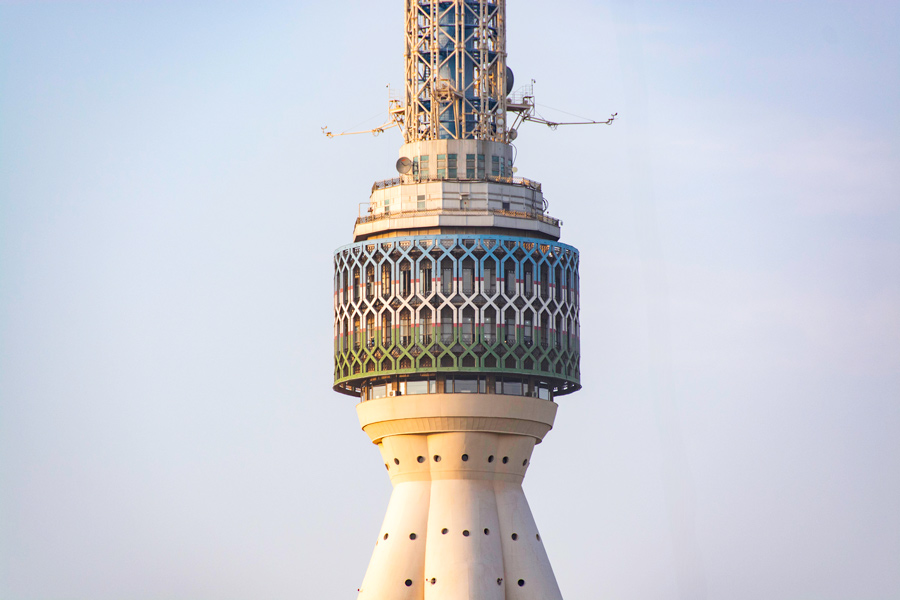
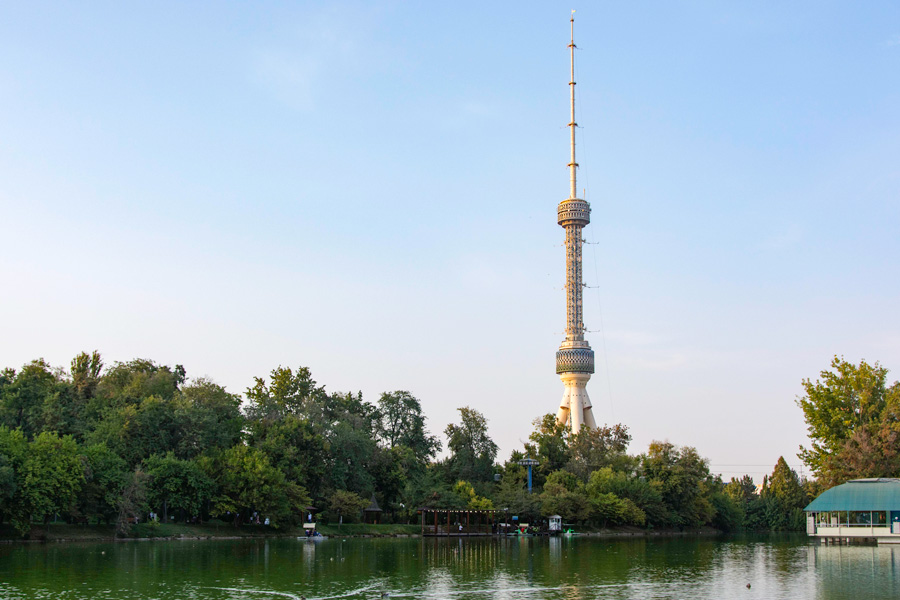
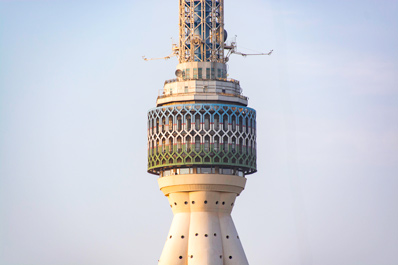
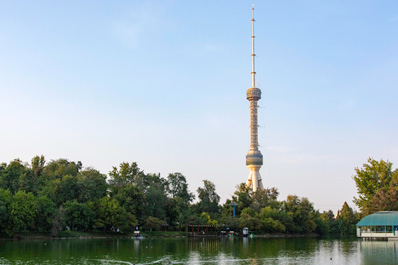
The first stop is the Tashkent Television Tower (1985), the tallest structure in Central Asia at 375 meters. Built between 1979 and 1985, it remains an iconic symbol of the city and an impressive example of late Soviet engineering.
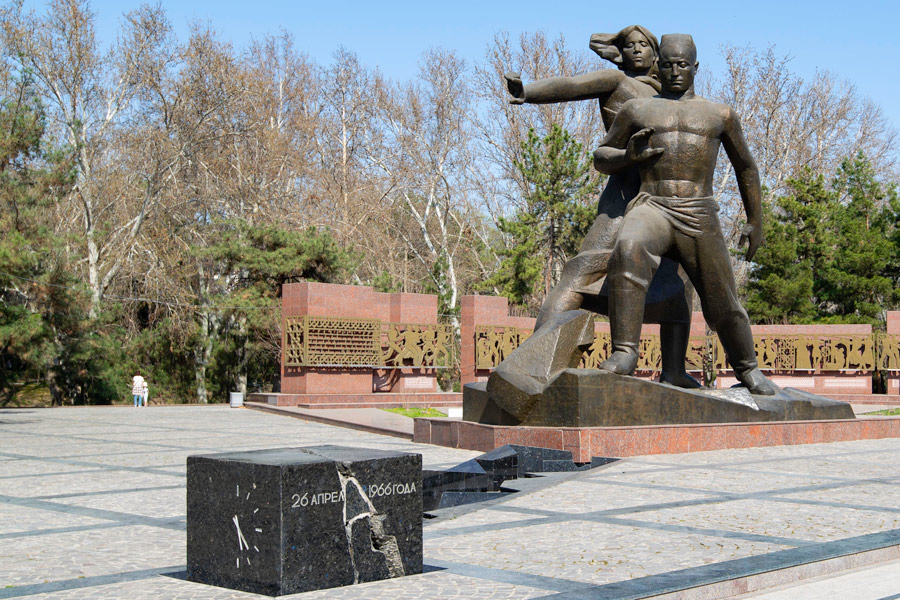
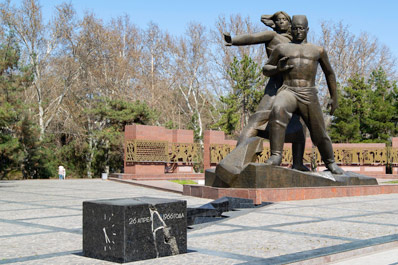
Next, you will visit the Courage Monument (1976), commemorating the 1966 earthquake and the large-scale reconstruction that followed. Nearby, you will also see the exterior of the Olympic and Paralympic Glory Museum (1976), another notable landmark of the Soviet era.
Afterwards, continue to the Alisher Navoi Cinema Palace (Panorama Cinema, 1964), one of the city's most distinctive examples of Soviet modernist architecture. This unusual circular building was designed using innovative earthquake-resistant concrete panels and reflects the experimental architectural approach of the period.
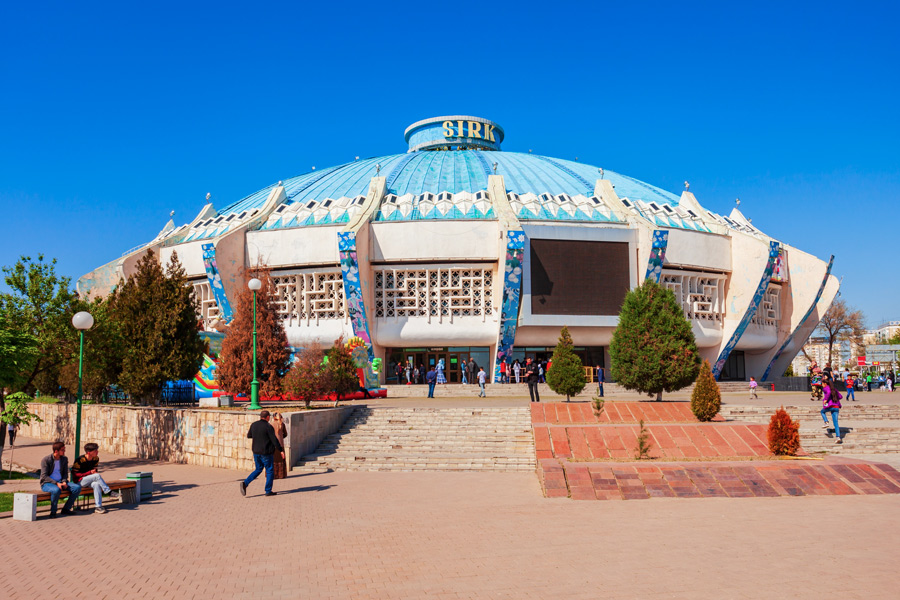
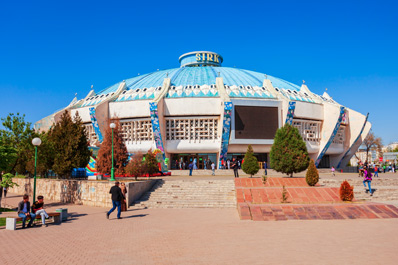
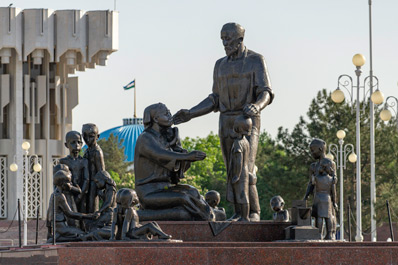
The route then continues to the Tashkent Circus (1976), a distinctive circular structure and another remarkable example of Soviet modernist architecture. Afterwards, visit the Peoples' Friendship Palace (1980), one of the city's most important Soviet-era landmarks, together with the surrounding square and memorial complex.
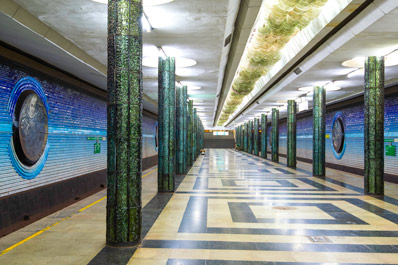
The tour then includes a ride on the famous Tashkent Metro (1977). Starting from Xalqlar Do'stligi (Friendship of Peoples) Metro Station, travel to Kosmonavtlar Metro Station, renowned for its remarkable design dedicated to space exploration and considered one of the most beautiful metro stations in the city.
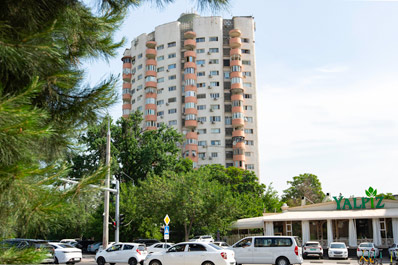
After exploring Kosmonavtlar Metro Station, walk to the famous residential towers known locally as the "Zhemchug" ("Pearl") (1985), a notable example of late Soviet urban planning and residential architecture.
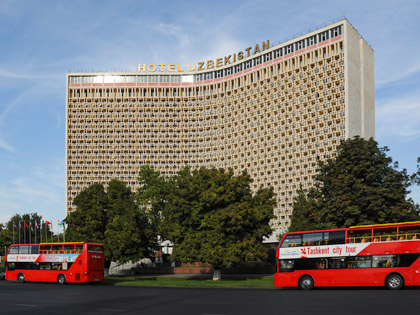
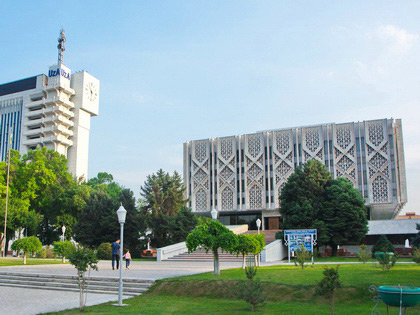
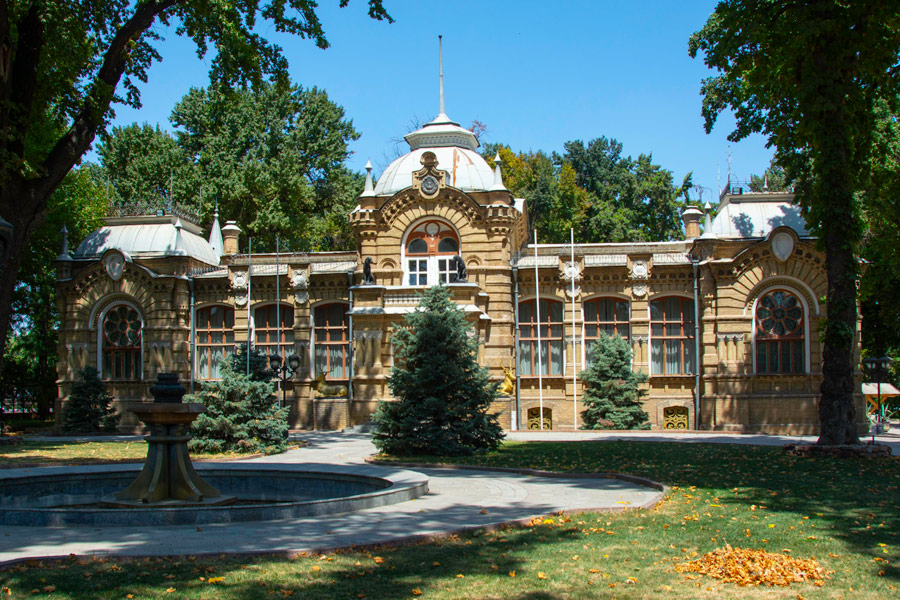
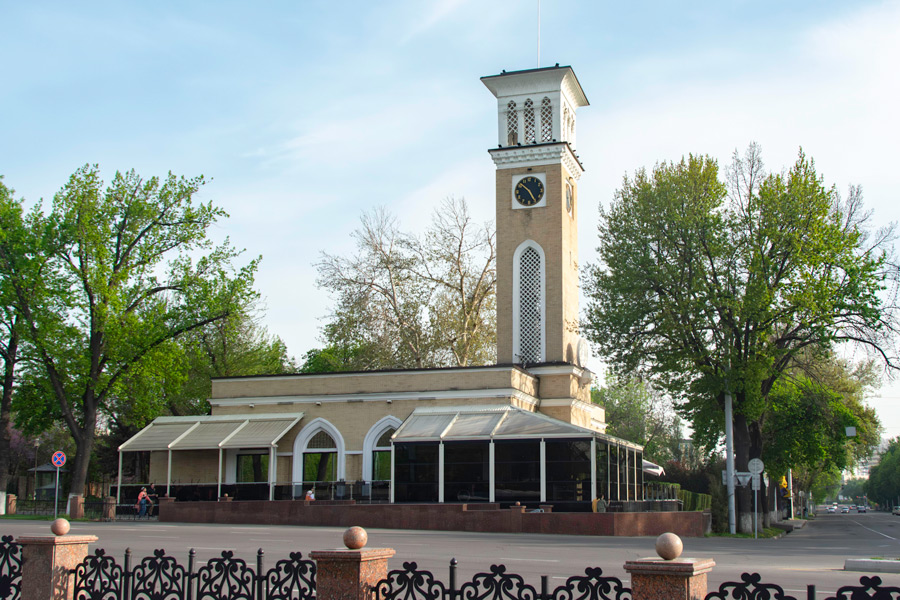
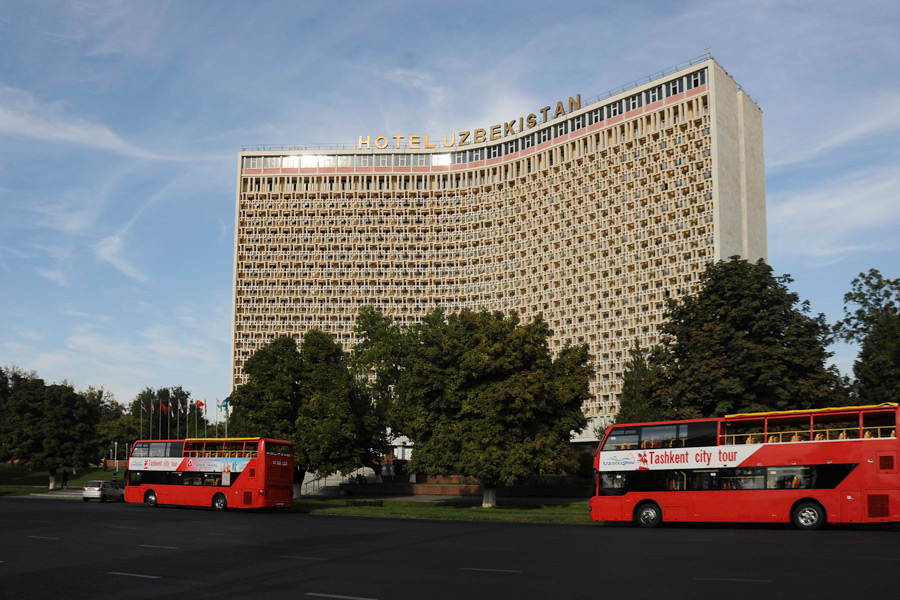
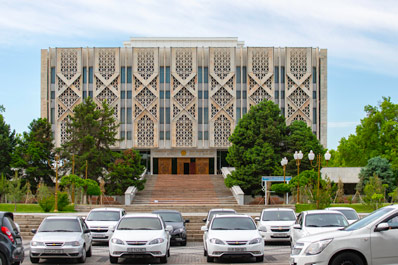
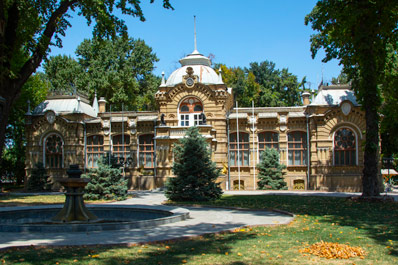
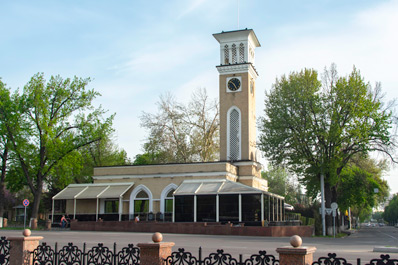
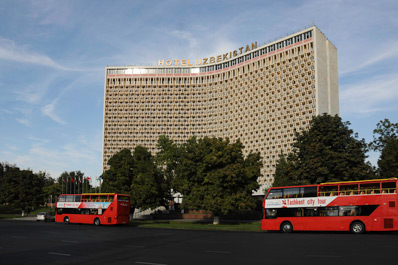
From here, continue walking through the city centre, passing the TSUM Department Store (1964) and strolling along Afrosiyob Street toward the State Museum of History of Uzbekistan (1970), whose geometric façade combines modernist design with traditional Uzbek decorative elements. Continue past the Palace of Grand Duke Nikolai Romanov (1891), an elegant late-19th-century residence that contrasts with the surrounding Soviet architecture, and then to the Tashkent Chimes (1947), a beloved symbol of the city centre. The walking tour concludes at the iconic Hotel Uzbekistan (1974), one of the most recognizable examples of Soviet modernist architecture in the city. You may also enjoy panoramic views of Tashkent from the upper floors of the hotel.
After a full day of exploration, you will return to your hotel, ending your Soviet Modernist Architecture tour in Tashkent.
Duration of the tour: 6–7 hours
Price includes:
- Guided excursion service;
- Transport during the excursion.
Prices, per person
Tour Enquiry
The tour is private with your personal guide. There will be no other people joining the tour.
Our guides will follow your own pace.
The starting time of the tour is up to you and may vary from 09.00 am to 16.00 pm.
We are happy to offer this tour for air/train passengers too. Our guide will meet you at the arrival station.