

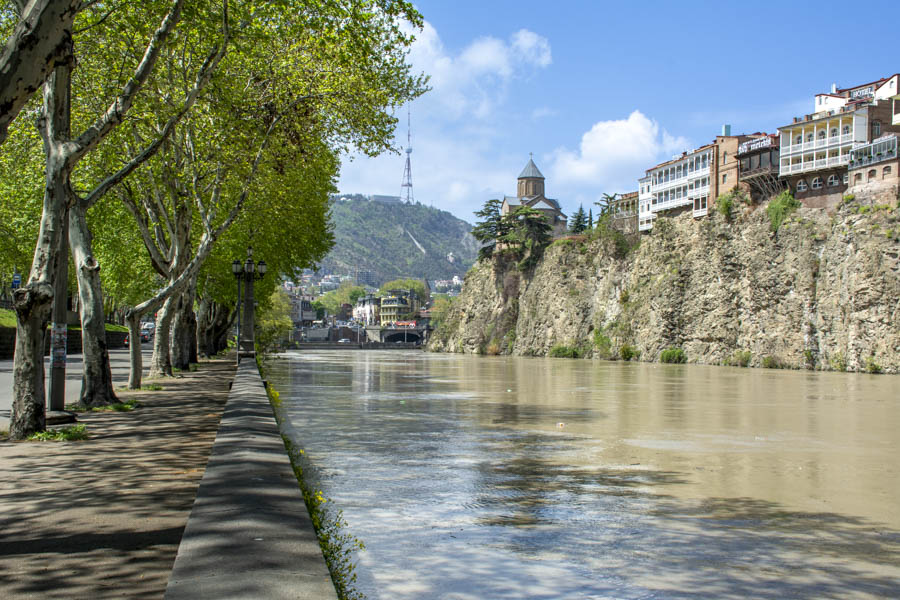
The Mtkvari River, known outside Georgia as the Kura River, begins in northeastern Turkey and flows to the Caspian Sea. From Turkey, it enters Georgia, then continues into Azerbaijan, linking mountain valleys, old cities, and wide eastern plains. With a length of about 1,515 kilometres, it is the longest river in the South Caucasus and the main river of Georgia. Around 174 kilometres lie in Turkey, 435 in Georgia, and 906 in Azerbaijan.
In Georgia, the river passes Akhaltsikhe and Khashuri, then continues by Gori and Mtskheta before reaching Tbilisi and Rustavi. It moves through the country’s historic centre and its busiest urban spaces. In Tbilisi, Mtkvari River frames bridges, embankments, cliffs, churches, baths, and old streets. In Mtskheta, it meets the Aragvi River below Jvari Monastery, one of Georgia’s oldest religious centres.
At the same time, the Mtkvari shaped the ground on which Tbilisi grew and stayed present in everyday life and urban folklore. The wider Kura basin has been settled for thousands of years. Early agriculture appeared there more than 4,500 years ago, and later settlements grew along the river corridor.
In our Mtkvari River guide, we describe the river as a travel route through Georgia. We present Mtkvari River attractions and how the longest river in Georgia connects the country’s urban and historic landscapes.
Mtkvari River Tours
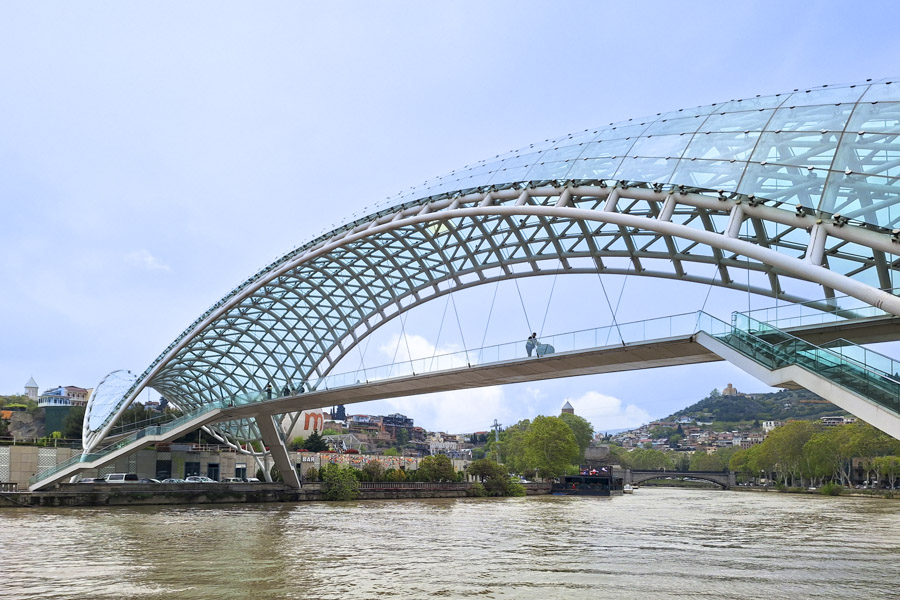
Mtkvari River tours usually revolve around short boat rides in Tbilisi and historic routes following the river through Georgia. These tours mostly focus on Mtkvari River sightseeing, city views, and nearby cultural sites. The river connects old districts, hilltop churches, fortresses, and day-trip towns, which is what gives these tours their shape.
In Tbilisi tours, the clearest river experience is a short sightseeing boat trip. These Mtkvari River cruises usually last about 30 minutes and pass the central stretch of the old city. From the water, you see Metekhi, the sulphur bath district, Rike Park, the Bridge of Peace, and the House of Justice. It is one of the best ways to understand the city’s layout and one of the best short options for Mtkvari River photography.
Away from the boat route, many of the Mtkvari River activities stay close to the river without being on it. Day trips pair Tbilisi with Mtskheta and Jvari, where the river runs through one of the most important historic landscapes. Wider routes continue along, turning the river into a practical travel line through the country.
The upper and middle valley opens space for rafting, and selected stretches are suited to Mtkvari River kayaking. In other areas, the river works better for walks, viewpoints, and historical stops than for water sports. Generally, the Mtkvari River travel guide presents the river route that ties together many of Georgia’s alluring places.
Mtkvari River History
The history of the Mtkvari River begins with its name. In Georgian, Mtkvari is often linked to “good water”, while another reading connects it to a Megrelian root. In the Megrelian language, it suggests a river cutting or gnawing through mountains.
Mtkvari is widely known as the Kura internationally, a name that entered wider European use through earlier cartographic traditions. In older Greek and Latin sources, it appeared as the Cyrus River. Archaeologists trace early farming in the wider Kura valley back more than 4,500 years. Later, settlements and strongholds rose along the river and above its banks.
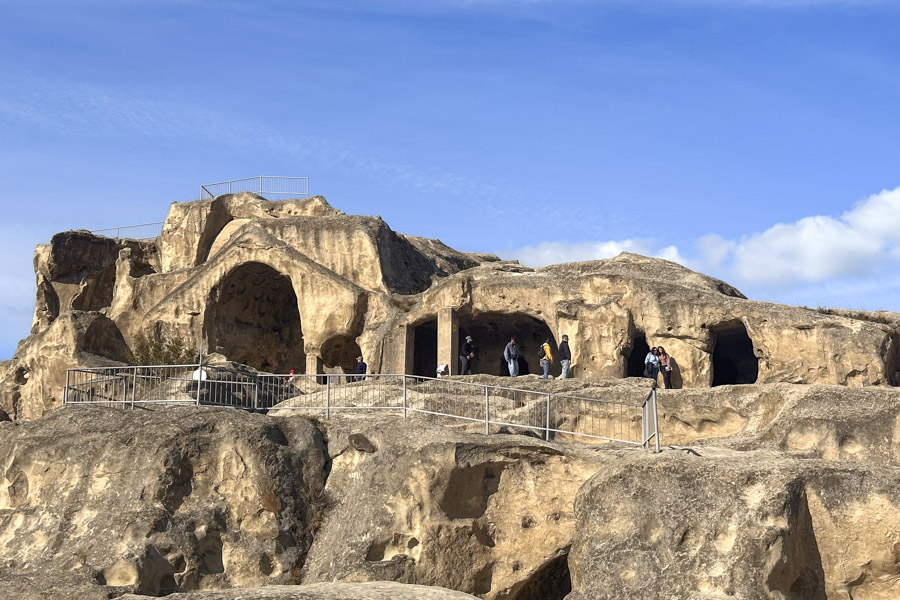
The cave town of Uplistsikhe, carved into rock above the Mtkvari, grew into one of the best-known early urban sites in Georgia. It kept a direct link to the river through its tunnel system.
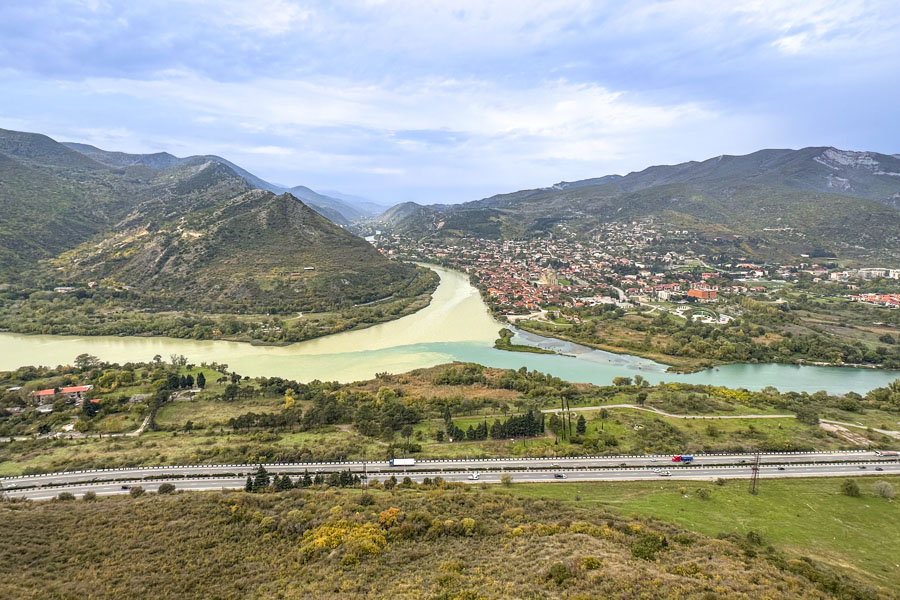
At Mtskheta, the river meets the Aragvi beneath Jvari Monastery, now protected by UNESCO.
The river cut gorges, marked routes, and protected settlements. The river holds layers of statehood, belief, labour, and movement. This is why Mtkvari River history remains central to any Mtkvari River travel guide.
Best Places to See the Mtkvari River
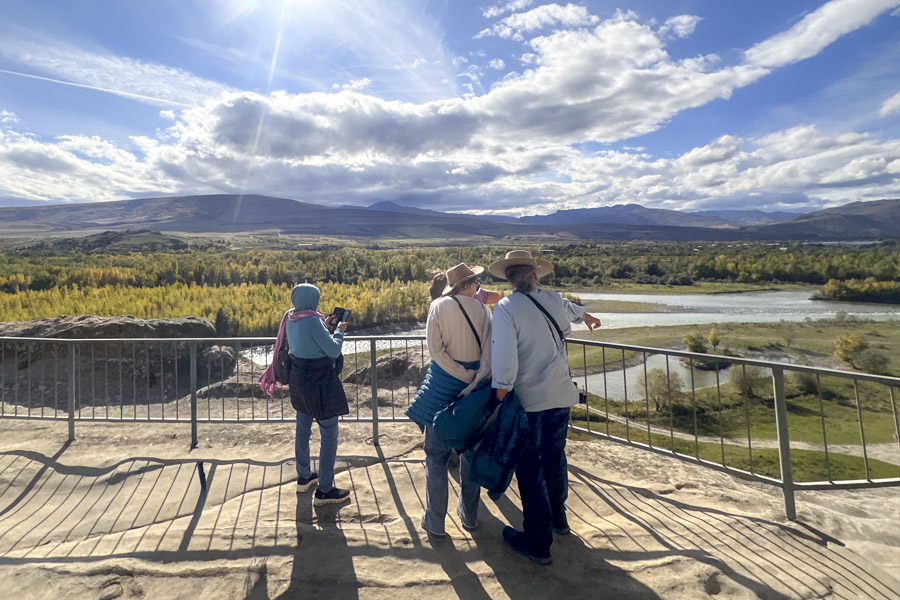
In Mtskheta, the Mtkvari shapes Georgia’s most famous river view, while in Tbilisi, it runs through the centre of city life. Farther west, it cuts through quieter valleys, old settlements, and broader landscapes. For Mtkvari River hiking and sightseeing, these are the essential stops.
Mtskheta and Confluence
The best place to see the Mtkvari is Mtskheta, where it meets the Aragvi beneath Jvari Monastery. This is probably the most famous and culturally significant river view in the whole of Georgia. UNESCO describes Mtskheta’s main monuments as a cultural landscape at the confluence of the two rivers. From Jvari, you see the meeting point, the old capital below, and the wider valley opening out around it.
Mtkvari in Tbilisi
The second key place is Tbilisi, where the river becomes urban and architectural. Here the Mtkvari runs below old churches, bathhouses, bridges, and embankments defining the capital’s shape. The strongest river views are around Metekhi, the Bridge of Peace, Rike Park, and the old town side of the river. The Metekhi Bridge is a must-see point for city views, while Metekhi Church stands on the rocky bank above the water.
This is the best for Mtkvari River photography, especially in the evening when the bridges and facades light up.
Upper and Middle Mtkvari Landscapes
Around Gori and Uplistsikhe, the Mtkvari runs through a landscape tied to early settlement and rock-cut urban history. Farther west, near Borjomi and Atskuri, it cuts through a narrower valley with mountain edges and less urban build-up.
These are better choices if your preferences lean more towards Mtkvari River nature tours and Mtkvari River wildlife.
Things to Do on the Mtkvari River
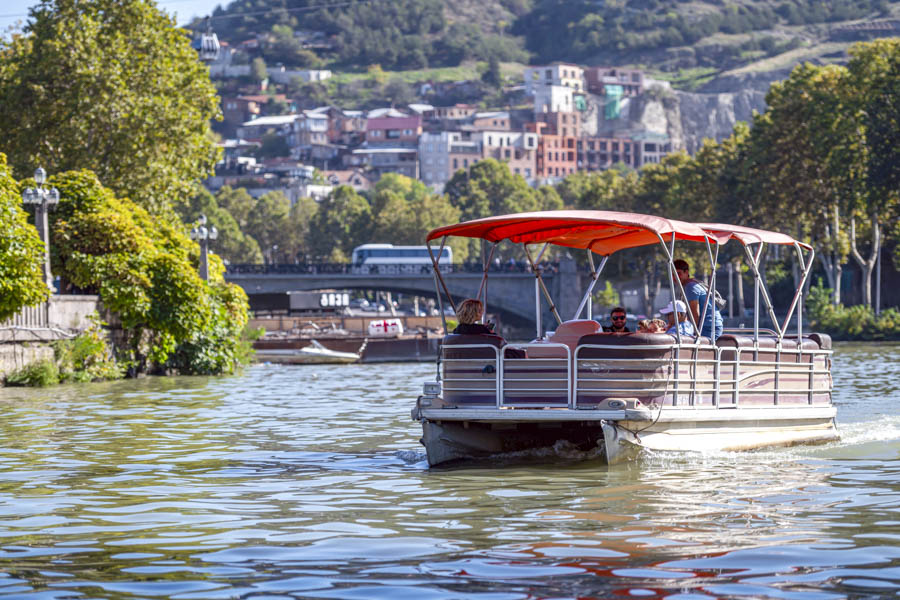
The river gives you options at almost every stop along its Georgian stretch. So, things to do on Georgia's Mtkvari River are as varied as its major city of Tbilisi itself and depend on where you are.
In Tbilisi, the tivi (flat wooden raft) is worth trying at least once. Tivi has been part of the city's river culture for centuries, originally hauling goods before becoming a social pastime. Today, it’s a Tbilisi tourist attraction from which the city looks completely different. Book ahead, and if you want the boat to yourselves, private departures are available.
Further west, the gorge section running from Chitakhevi down toward Borjomi is where most guided rafting takes place. Groups of up to six share a boat with a certified guide. Kayaking runs almost the same upper sections, though water levels in drier months can make certain stretches impossible.
The valley between Aspindza and Borjomi has riverside paths that pass fortress ruins and open farmland. You move at your own pace, the scenery changes gradually, and the river stays close.
Fishing in the Mtkvari River is steady throughout the middle sections. The stretches near Khertvisi-Aspindza attract regulars, and the pace suits anyone who prefers slow mornings over organised tours. Check permit requirements before you set up, as rules vary by section.
Camping near the river is straightforward in the middle valley. The banks between Aspindza and Borjomi have flat, open ground near the water. Additionally, the area sees little foot traffic compared to the city stretches, with genuinely quiet nights.
For Mtkvari River photography, the gorge near Borjomi and the ruined fortresses at Atskuri give you the best compositions. These types of formations are hard to find anywhere else along Georgia's longest river. Come in the morning or late afternoon when the light sits low against the canyon walls.
Best Mtkvari Views in Tbilisi
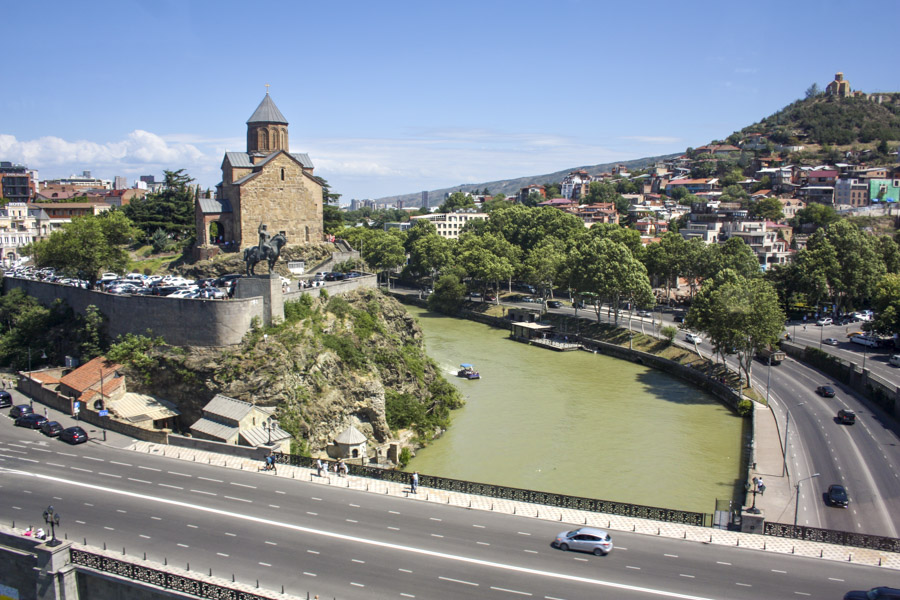
The best views of the Mtkvari in Tbilisi show the river in varied settings. From the old city cliffs to the greener parts of the capital, the views come from above and from a few quieter river edges.
The Narikala Fortress remains the top-notch Mtkvari River viewpoint. From here, the river cuts through the centre of old Tbilisi below the fortress walls. You see Metekhi, Rike Park, the bath district, and the older riverside streets in one wide frame.
The Rike Park to Narikala Fortress cable car gives a shorter but more dynamic view. The ride is brief, but it opens the river corridor from above, with the roofs of old Tbilisi. It's perfect, especially for first-time visitors, because it reveals the entire geography of the city.
Among the bridges, Metekhi Bridge gives the best classic view. From here, the river sits between Metekhi cliff, Abanotubani, and Narikala. The Bridge of Peace gives a more central angle, especially towards Rike Park and the old city.
The Baratashvili Bridge is for a broader urban level of the river, while the Saarbrücken Bridge gives a pedestrian view. The Queen Tamar Bridge shows a different side of the Mtkvari: wider, busier, and more infrastructural. The Galaktion Tabidze Bridge works best as part of the central river sequence, rather than as a stand-alone lookout.
Ortachala riverfront sections show a calmer southern stretch of the Mtkvari. The river looks broader here, with walking areas and a slower atmosphere. The Mushtaidi Garden area delivers another unique contrast. It places the Mtkvari beside one of Tbilisi’s oldest public gardens with a greener view of the river.
Restaurants with Mtkvari River Views
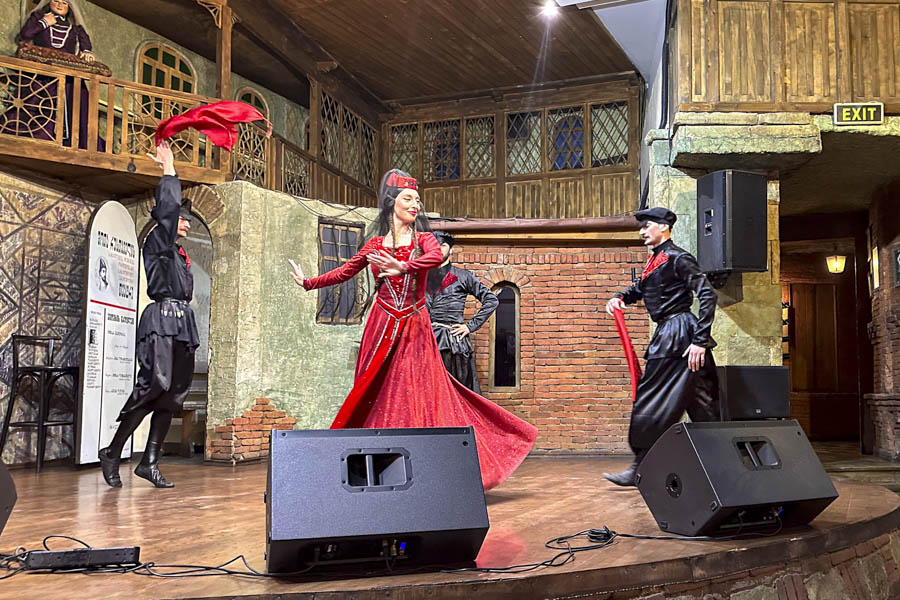
Dining by the Mtkvari works best in a few specific parts of Tbilisi. The prime cluster sits between Metekhi and Abanotubani, where the river, cliffs, and old city still hold together visually. In that stretch, riverfront restaurants place dinner inside one of the best city scenes on the Mtkvari.
TIVI stands closest to that idea, as it sits directly on the river between the Metekhi Bridge and the Bridge of Peace. Here, instead of dining beside the water, you dine on it, with the old city opening from the river itself. It is one of the leading places to combine Mtkvari River sightseeing with traditional Georgian dishes.
Old Metekhi Restaurant has one of the strongest enclosed views. It stands by Metekhi Church, with large windows facing the Mtkvari and the historic riverbank. This is a practical choice in colder months, when the view matters more than outdoor seating.
In the Shadow of Metekhi leans more heavily into the old Tbilisi atmosphere. Its terrace looks towards Metekhi and the river, while the interior feels like the museum of the city's past. If the draw is a view with stronger cultural framing, this is one of the top picks.
Maspindzelo, on Gorgasali Street, provides a less formal and more integrated setting into the daily life of the old district. The outdoor seating faces the Mtkvari, and the location fits a slower evening after walking through Abanotubani. It suits travellers who want Georgian food with a clear river setting, not a staged dining room.
Further south, River Hall in Ortachala gives a broader and less touristic stretch of the river. Tsiskvili spreads across the riverbank in terraces and dining rooms, so the Mtkvari feels built into the whole place. Both are useful if you want to see a different side of the city.
Best Time to Visit the Mtkvari
For city walks, viewpoints, and short trips between Tbilisi and Mtskheta, spring and autumn are the perfect seasons. April to early June and September to late November are the ideal periods for cultural and historic travel. The weather is usually milder, and the light works well for river views, bridges, and old stone facades.
If your focus is the river inside Tbilisi, the hottest part of summer can be less convenient. July and August are the hottest months, while winter is much colder and less comfortable for spending time outdoors. Spring is better for walking the riverfront, using the cable car, and stopping at viewpoints without the hard heat of mid-summer. Early autumn is just as good, especially for evening light over Mtkvari.
As the Mtkvari-Aragvi confluence is a major place for views and photography, mild weather matters more than anything else. Spring and autumn suit both Mtkvari River sightseeing and Mtkvari River photography better than winter or peak heat.
For rafting, water levels are usually strongest from late spring into early summer, then lower in the hotter months. In simple terms, May to July is the best window for rafting on the Mtkvari River. Spring and autumn remain the best overall period for more general Mtkvari River travel guides.
Practical Tips
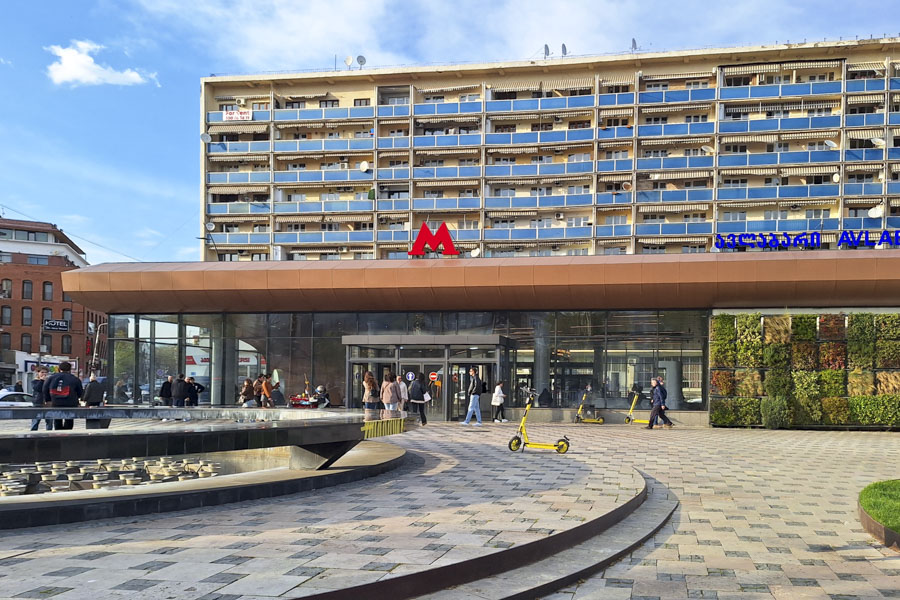
Getting to the Mtkvari River in Tbilisi is easy and straightforward. The closest metro stations to the central embankment are Liberty Square and Avlabari. Buses serve Baratashvili Street along the riverside, and all public transport accepts contactless bank cards.
The cable car from Rike Park crosses directly over the river on its way up to Narikala. A single ride costs 2.50 lari and uses the same Metromoney card as the metro. It runs year-round.
For tivi rides and boat tours in Tbilisi, book in advance. Private departures fill up quickly in summer and on weekends. The operator checks safety equipment before every trip, and life jackets are standard issue.
For rafting near Borjomi, arrange transport to Chitakhevi beforehand. The village sits about 20 minutes by car from Borjomi town. Confirm water levels before you travel, especially between July and September, when the upper sections can run too low.
The river is not safe for swimming in Tbilisi. Water quality in the urban stretch is poor, and currents near the dam at Ortachala are unpredictable. Stick to designated water activity zones.
Riverside restaurants along the old town embankment get busy by 20:00. For outdoor tables facing the water, arriving earlier or booking ahead avoids a wait.
The Mtkvari River fishing permit requirement varies by section and season. Check with the National Environmental Agency of Georgia before fishing anywhere outside designated recreational zones.
Most riverfront spots in the old town are walkable from each other. The stretch from Ortachala to the Bridge of Peace covers the main riverside landmarks on foot at a relaxed pace.