

Chinese festivals are part of a living calendar rooted in rural seasons, local customs, and regional tradition – each month bringing its own rhythms, sounds, and images. In the icy glow of northern cities, whole worlds seem to rise from snow and light; in the south, water takes its place in rituals of cleansing and renewal; in the mountainous regions, fire draws communities together.
In China, a festival is never just a spectacle. It lives in folk songs, unfolds through dance, appears in the patterns of traditional costumes, and lingers in the aromas of street food. Behind every celebration lies a living tradition: myths, symbols, crafts, and family stories that reflect the culture and character of each region. In some places, these festivals take the form of large-scale city events in a contemporary style; in others, they are quiet local gatherings in a close circle; elsewhere, they are sweeping ethnocultural celebrations that have preserved ancient rituals and customs largely intact.
Come and write your own story of China through its festivals. This guide brings together some of the most remarkable celebrations – with details that reveal what each one is really about.
Advantour does not manage the events that are listed on this page and is not responsible for any changes in announcements. While we aim to provide the most up-to-date and accurate information possible, plans can change at any time without notice.
Festivals in China in 2026
| Name of the event | Season / Date (Gregorian & Lunar Calendar) | Venue |
|---|---|---|
| Harbin International Ice and Snow Sculpture Festival | January 5 | Harbin |
| Jilin Rime Ice and Snow Festival | January and February | Harbin, Jilin |
| Lantern Festival | 15th day of the 1st lunar month (usually in February) | Beijing, Shanghai, Xi’an, Nanjing |
| Luoyang Peony Culture Festival | April–May | Luoyang |
| Weifang International Kite Festival | April 20 to 25 | Weifang |
| Qingdao International Beer Festival | August | Qingdao |
| Liuyang International Fireworks Festival | Autumn | Liuyang |
| Hong Kong Events | Multiple festivals throughout the year | Hong Kong |
Harbin International Ice and Snow Sculpture Festival (中国·哈尔滨国际冰雪节)
Dates: It officially opens on January 5. The main festival events run for around a month, while the ice and snow exhibitions are typically open from mid-December through February, weather permitting.
Harbin’s Ice Festival features four themed parks:
Harbin Ice and Snow World – Location: on the west side of Sun Island, Songbei District, Harbin.
Ice Lantern Art Fair – Location: No. 74 Friendship Road (Youyi Lu), Zaoling Park, Daoli District, Harbin
The Sun Island International Snow Sculpture Art Expo – Location: No. 3 Jingbei Road, Sun Island Scenic Area, Songbei District, Harbin
The Songhua River Ice & Snow Carnival – Location: On Songhua River, near Tongjiang Street).
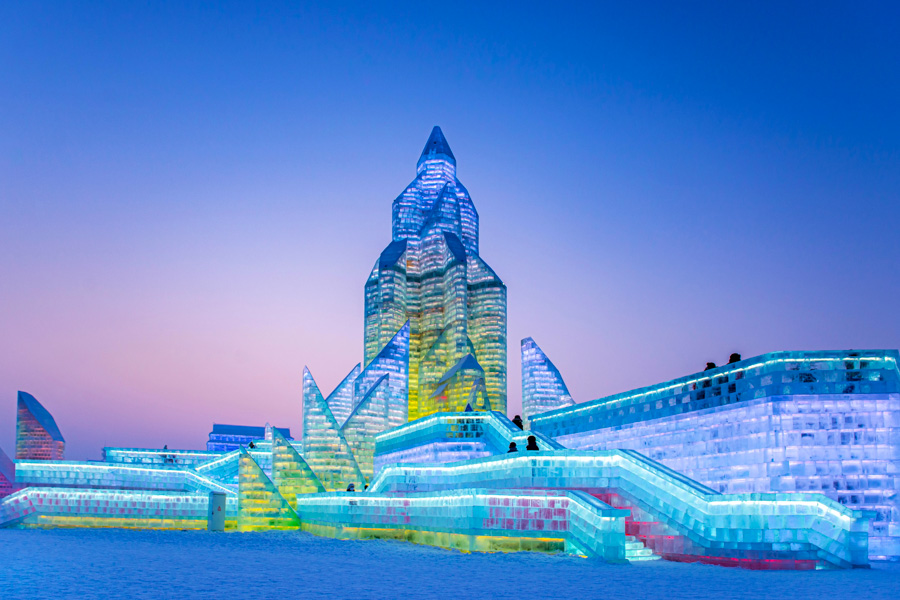
When temperatures drop, the banks of the Songhua River become a construction site: blocks of ice are cut directly from the river, then stacked and carved into palaces, towers, bridges, and even entire city quarters. After dark the sculptures come to life under shifting colours, and between them a full range of winter activities gets under way: ice karting, tyre sliding, snow football, curling, and more.
The Harbin Ice and Snow World features massive, walk-through ice-and-snow installations and illuminated showpieces.
The Ice Lantern Art Fair showcases intricately carved lanterns lit up at night, creating a glowing setting for a winter stroll.
The Harbin Sun Island International Snow Sculpture Art Expo brings master sculptors from around the world, who spend days carving intricate figures on a scale that leaves people speechless. Ice art exhibitions, competitions, and local winter carnivals complete the programme.
The Songhua River Ice & Snow Carnival combines a riverfront ice-carving spectacle with action-packed winter events, such as ice karting, snow sports, and more.
Jilin Rime Ice and Snow Festival
Dates: January and February.
Locations: the Songhua River waterfront, Jilin.
Across northern China, winter seems to run in procession, festival after festival. At the Jilin Rime Ice and Snow Festival, the riverbanks vanish under frost, with trees coated in ice crystals and the whole landscape turned white. In addition to traditional winter games, visitors can enjoy a carnival, fireworks, participants bathing in the frozen river, speed skating, amateur hockey, and photography competitions, among other activities.
Lantern Festival (元宵节)
Dates: 15th day of the 1st lunar month.
Locations: Across China nationwide – Major displays: Beijing Expo Park, Beijing; Yuyuan Garden, Shanghai; Xi'an City Wall, Xi'an; Bailuzhou Park, Nanjing.
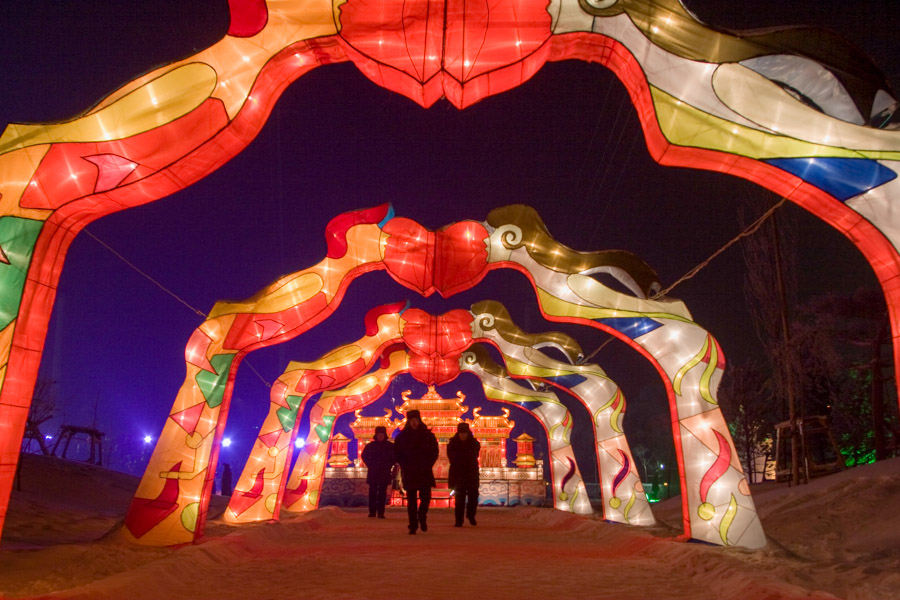
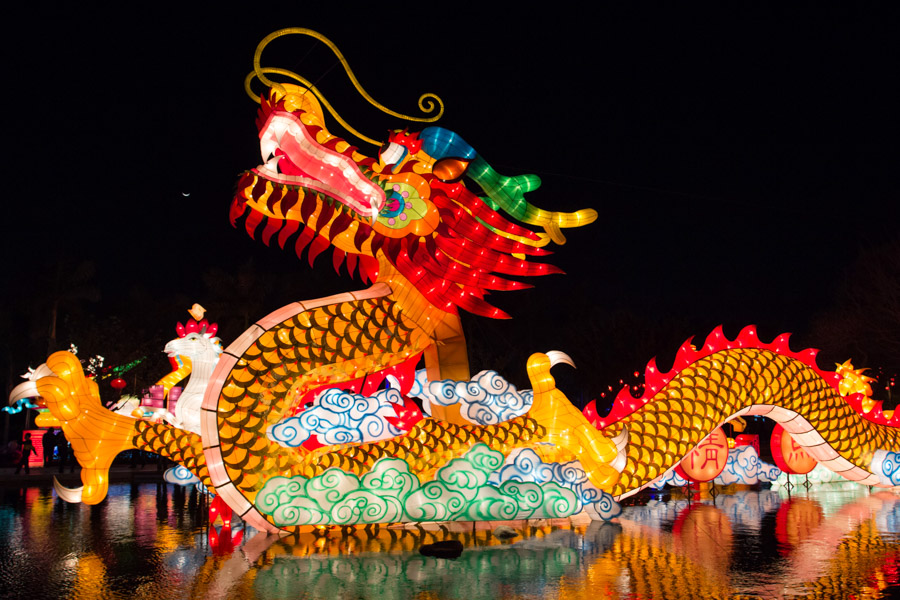
The Lantern Festival marks the end of Chinese New Year, and on that night the streets and squares glow with light. Thousands of traditional lanterns hang alongside large-scale installations and shifting illuminations that make familiar city landmarks look almost unrecognisable. Dragon and lion dance processions wind through the crowds, keeping people on the streets long after dark.
Luoyang Peony Culture Festival (洛阳牡丹文化节)
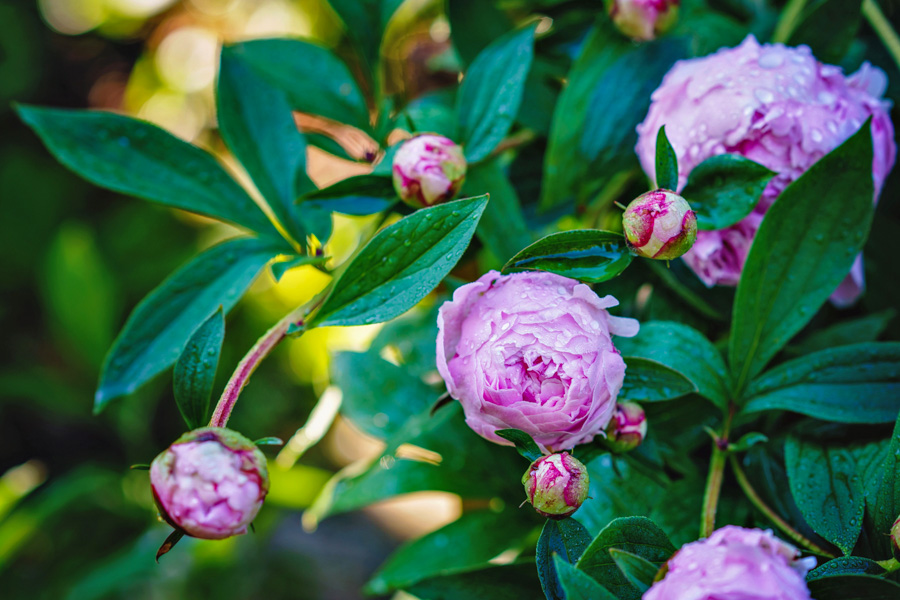
Dates: Usually from early April to early May. Peak bloom typically falls in mid-April, although exact dates vary depending on the weather.
Locations: China National Flower Garden (中国国花园), Wangcheng Park (王城公园), the Luoyang International Peony Garden (国家牡丹园), and the Sui and Tang Dynasties City Ruins Botanical Garden (隋唐城遗址植物园), all in Luoyang.
In spring, Luoyang's parks and gardens turn into a sea of peonies – a flower the Chinese have prized for centuries as a symbol of wealth and honour. The Luoyang Peony Festival showcases rare varieties, alongside floral installations, evening illuminations, and performances that spill out across the city. Few other times of year suit Luoyang better than this.
Weifang International Kite Festival
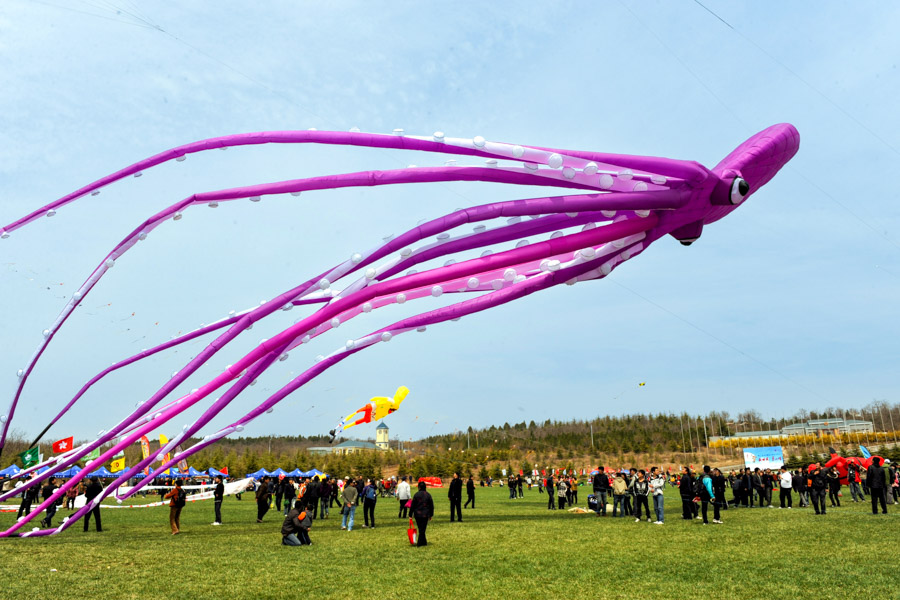
Dates: Usually held in the second half of April. The main competition lasts only a few days, but the kite-flying grounds typically stay open to visitors until early May.
Locations: Binhai Yunmen International Kite Flying Field (滨海国际风筝放飞场), Fuyanshan International Kite Flying Field (浮烟山国际风筝放飞场), and World Kite Park (世界风筝公园).
Each spring, thousands of kites rise above Weifang, known as the kite capital of the world, at once – golden dragons unrolling across the sky, phoenixes catching the wind, and long strings of octopuses trailing overhead. The festival hosts international competitions and draws crowds for open kite-flying, with workshops for anyone who wants to try their hand at the craft that has made Weifang famous.
Qingdao International Beer Festival (青岛国际啤酒节 )
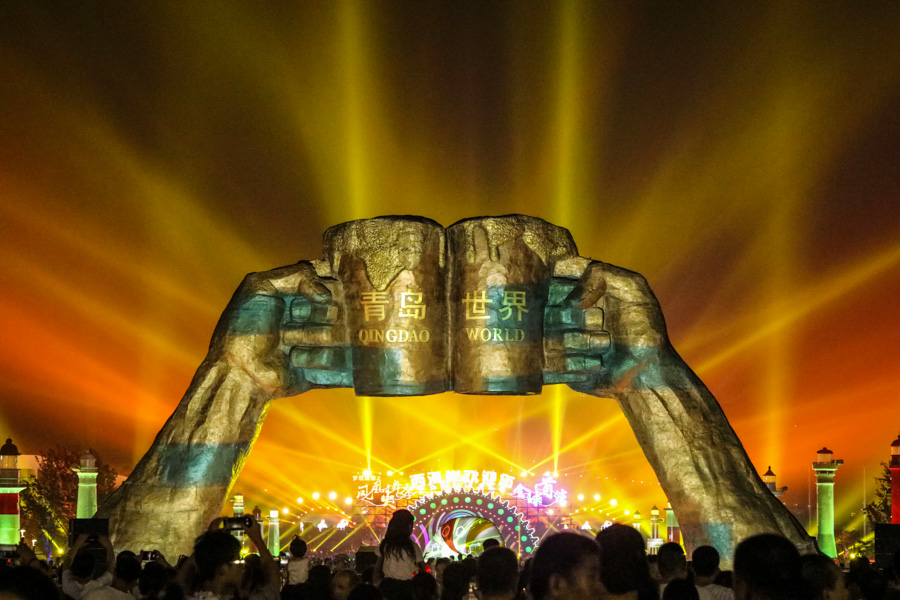
Dates: From the second weekend of August for 16 days
Locations: Xihai’an Golden Beach WanRen Square (West Coast Main Venue); Laoshan Beer City Century Square (East Coast Venue); and Shangjieli and Dabaodao Historic Districts (Old Town Venue).
Every summer, Qingdao's waterfront becomes the setting for one of China's best-known beer festivals. Dozens of pavilions bring together Chinese and international breweries, and tastings run late into the night alongside open-air concerts, with the coast lit up for the occasion. By nightfall, the whole waterfront feels like one long party.
Liuyang International Fireworks Festival (中国浏阳国际花炮节)
Dates: Usually in autumn (exact dates vary from year to year)
Locations: Sky Theatre (Liuyang Sky Theatre) and the Liuyang River waterfront, both located in Liuyang, Hunan Province.
At the Liuyang Fireworks Festival, the night sky fills with thousands of lights as leading pyrotechnic teams from China and abroad compete, each staging a large-scale show – sparks bursting into colour, shapes shifting and reforming overhead. Drone shows follow the fireworks, tracing out patterns and scenes that push the art of pyrotechnics into new territory.
Hong Kong Arts Festival / Clockenflap / Other Hong Kong Events
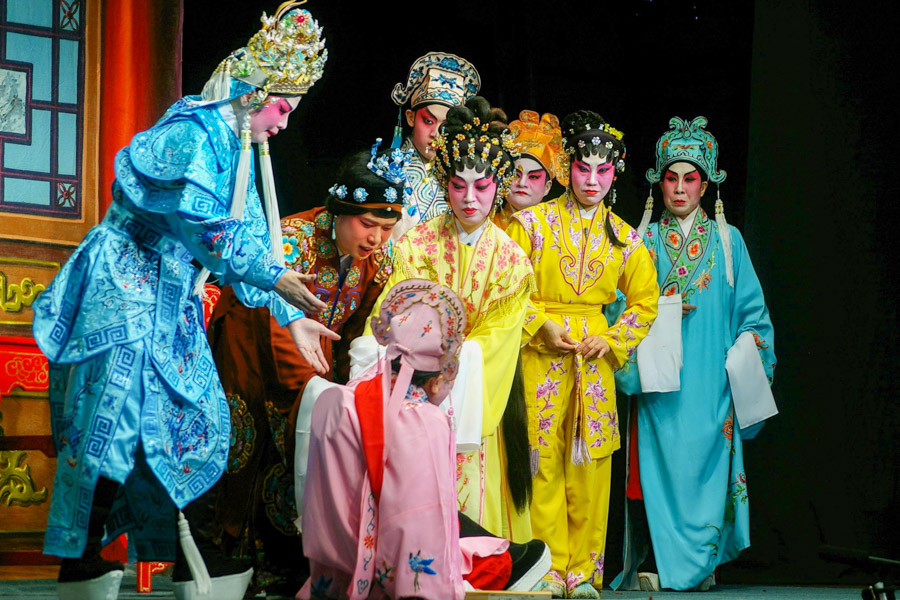
Dates: Throughout the year (event schedules are published annually by the organisers).
Locations: West Kowloon Cultural District, Hong Kong Cultural Centre, Hong Kong City Hall, and Central Harbourfront Event Space.
Hong Kong's cultural scene runs on contrast – classical and experimental, local and international, often sharing the same week on the calendar. In February and March each year, the Hong Kong Arts Festival fills the city's main stages with opera and ballet alongside contemporary performance, while Clockenflap takes over open-air spaces with music and installation art, usually from 3 to 5 March. Smaller film festivals and design fairs fill the gaps between them, so there's rarely a quiet month.
Major Festivals of Ethnic Minority Peoples in 2026
| Name of the event | Season / Date (Gregorian & Lunar Calendar) | Venue |
|---|---|---|
| San Yue San Festival | 3rd day of the 3rd lunar month s (March or April) | Guilin, Zhuang villages in the Longsheng Rice Terraces |
| Miao Sisters’' Meal Festival | 15th–17th days of the 3rd lunar month (usually in April) | Miao villages in Guizhou Province |
| Water-Sprinkling Festival | Mid-April | Jinghong City, Xishuangbanna |
| Uyghur Doppa Cultural Festival | 5 May each year | Kashgar, Urumqi, Turpan |
| Eid al-Fitr / Eid al-Adha | March / May | Xi’an, Yinchuan, Shadian |
| Sheba Festival | Spring or early summer | Furong Ancient Town, Xichehe Township, Miao'ertan Town in Hunan Province |
| Naadam Festival | 18–20 July 2026 ( usually held in July–August; the festival typically lasts 3–7 days) | Hohhot City, Ordos City, and Hulunbuir Grasslands in Inner Mongolia |
| Torch Festival | 7 August 2026 (24th day of the 6th lunar month) | Chuxiong, Dali, Yunnan Province |
| Litang Horse Festival | From 1 to 10 August 2026 (usually late July to early August) | Litang, Sichuan Province |
| Banjin Festival | 21 November 2026 (13th day of the 10th lunar month) | Harbin, Shenyang, Jilin |
| Panwang Festival | 24 November 2026 (the 16th day of the 10th lunar month) | Yao villages in the Longsheng Rice Terraces, Guangxi Province |
| Dong Grand Song Festival | November–December | Congjiang County, Guizhou Province |
Zhuang – San Yue San Festival / Zhuang Song Festival ( 三月三 )
Dates: The 3rd day of the 3rd lunar month (usually in March or April).
Locations: Guilin city; Longji Ancient Zhuang Village and Ping’an Village in the Longsheng Rice Terraces, all located in Guangxi Province.
When spring reaches the mountains of Guangxi, bronze drums (tonggu) (铜鼓) – a symbol of Zhuang culture – set the rhythm for village ceremonies and processions. Mountain songs (shange, 山歌) rise over the drumbeat, bamboo poles clack as people dance, and ancestral rites are performed alongside. On the terraced slopes of Longsheng, villagers mark the occasion with five-coloured sticky rice made from natural ingredients.
Miao – Miao Sisters’ Meal Festival ( 苗族姊妹节 )
Dates: Annually from the 15th to the 17th day of the 3rd lunar month, usually in April.
Destinations: Shidong and Laotung villages in Taijiang County and Xijiang Qianhu Miao Village in Leishan County, all in Guizhou Province.
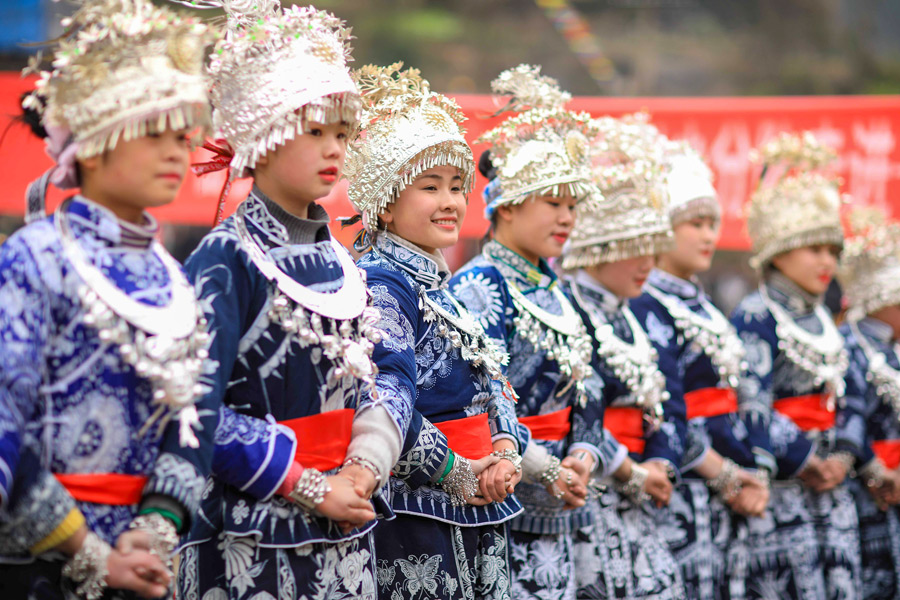
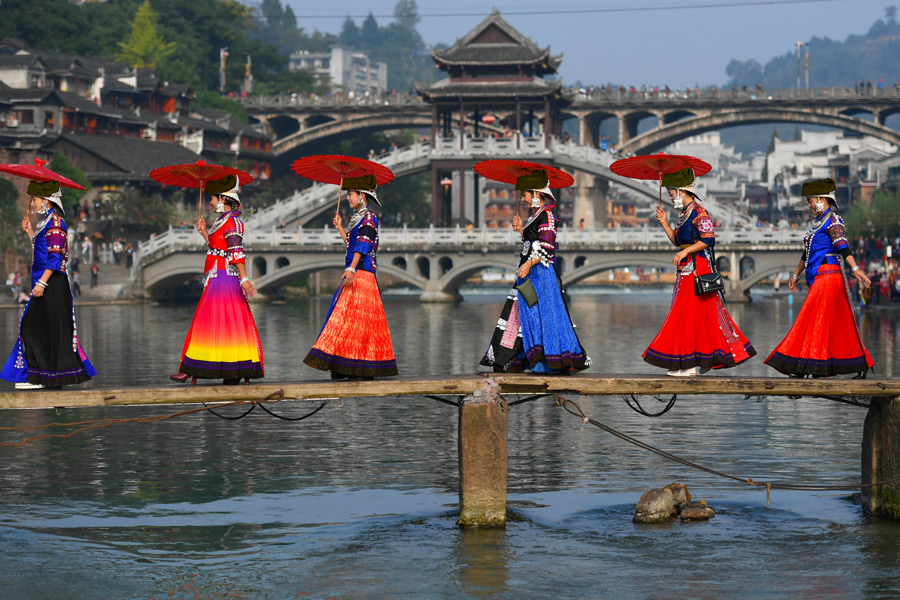
At the height of the spring festival season, Miao women appear in traditional costumes embroidered with silver, headdresses and jewellery sparkling as they move. Glutinous rice is dyed in bright colours for the occasion, folk songs rise to the sound of the lusheng, and dancers fill Guizhou’s mountain villages with processions that have barely changed over generations.
Dai – Water-Sprinkling Festival ( 泼水节 )
Dates: Mid-April, during the Dai New Year celebrations (dates vary annually).
Locations: Dai Minority Park at Ganlanba (Olives Dam) and Manting Park in Jinghong City, Xishuangbanna.
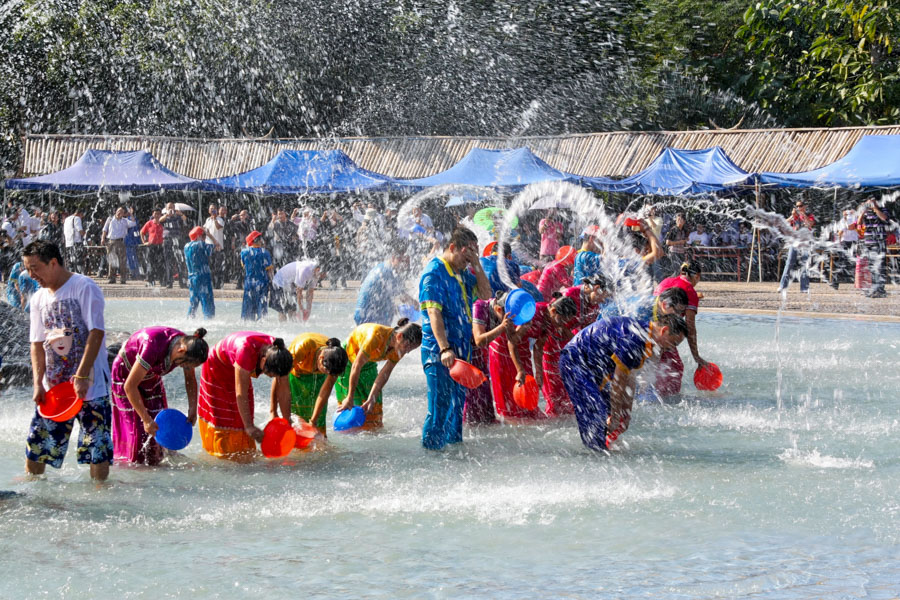
For the Dai people, the New Year begins with water, symbolising purification, renewal, and good fortune. People splash and throw water as a blessing for happiness, health, and prosperity. In Xishuangbanna, entire streets become arenas for water fights, with strangers soaking one another in the streets. Processions move through the region, flower markets open, and decorated temples form the focus of the celebrations, while boat races draw crowds to the rivers and canals.
Uyghur – Uyghur Doppa Cultural Festival (维吾尔花帽文化节)
Dates: 5 May each year.
Locations: Kashgar Old City in Kashgar, the Xinjiang International Grand Bazaar in Urumqi, and Turpan Museum Square in Turpan, the Xinjiang Uyghur Autonomous Region.
Every spring, people across Xinjiang mark the Doppa Festival by wearing brightly embroidered doppa skullcaps – one of the most recognisable symbols of Uyghur identity. Folk music fills the streets, while artisans set out hundreds of handcrafted caps, each one worked with its own distinctive geometric patterns and floral embroidery.
Hui and Uyghur – Eid al-Fitr (开斋节) / Eid al-Adha (古尔邦节)
Dates: Eid al-Fitr marks the end of Ramadan, while Eid al-Adha takes place about 70 days later. Both follow the Islamic lunar calendar, so their dates change each year.
Locations: The Muslim Quarter in Xi’an; Yinchuan and other cities in the Ningxia Hui Autonomous Region; and Shadian in Yunnan, and the Xinjiang Uyghur Autonomous Region.
The main Hui and Uyghur festivals bring families together around the table. Muslim neighbourhoods fill with the smell of fresh-baked treats and handmade noodles, while halal dishes simmer in every kitchen. Mosques host special services, markets stay lively well into the day, and relatives visit one another's homes – a festival that feels communal rather than an event kept behind closed doors.
Tujia – Sheba Festival (舍巴节)
Dates: Usually held in spring or early summer, before the Dragon Boat Festival, although some communities celebrate it in November. Dates vary each year.
Locations: Furong Ancient Town, Xichehe Township, and Rebala Scenic Area in Miao'ertan Town, all in Longshan County, Zhangjiajie, Hunan Province.
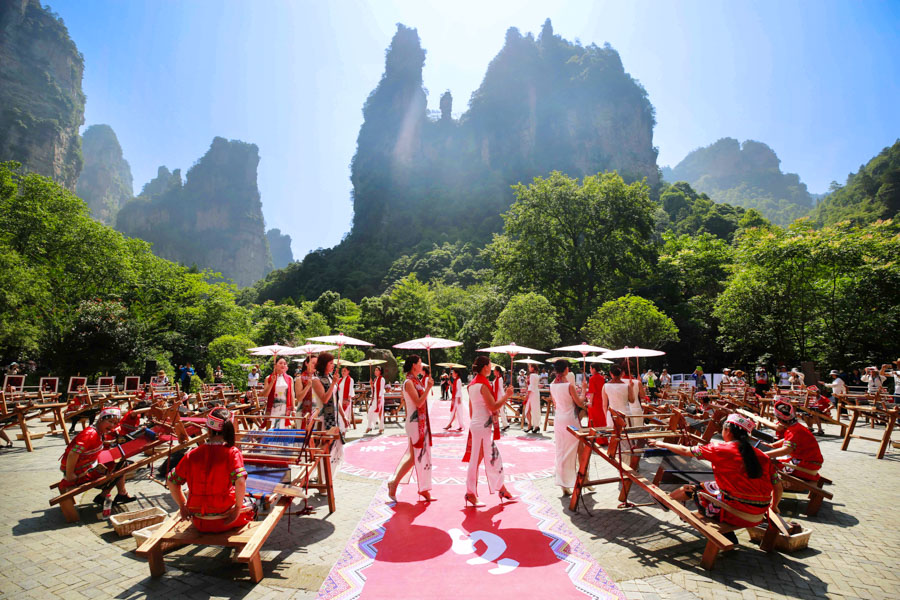
Each spring, Tujia communities gather to honour their ancestors and pray for a good harvest. To the sound of gongs and drums, large Baishou (Hand-Waving Dance) performances are followed by Maogusi performances, which recreate older scenes of hunting and farming and everyday village life as it used to be. Once the ceremonies are over, villagers gather around the fire to cook together and share traditional rice cakes known as ciba (糍粑) with their guests.
Mongol – Naadam Festival (那达慕 )
Dates: The festival is usually held in July or August and typically lasts from three to seven days.
Locations: Xilingol Tourism Naadam Cultural Park in Xilinhot, Hohhot, Ordos, and the Hulunbuir Grasslands, all in Inner Mongolia.
In midsummer, the open steppes of Inner Mongolia come alive with riders, wrestlers, and archers for Naadam, the nomads' "three manly games". Riders race bareback across the grassland, wrestlers grapple in Bökh bouts, and archers take aim at targets set far across the field – while fairs and performances fill out the festival. In 2010, Naadam was inscribed on UNESCO’s Representative List of the Intangible Cultural Heritage of Humanity.
Yi, Bai, Naxi – Torch Festival ( 火把节 )
Dates: The 24th day of the 6th lunar month.
Locations: Liangshan Yi Autonomous Prefecture in Sichuan, and Chuxiong and Dali in Yunnan.
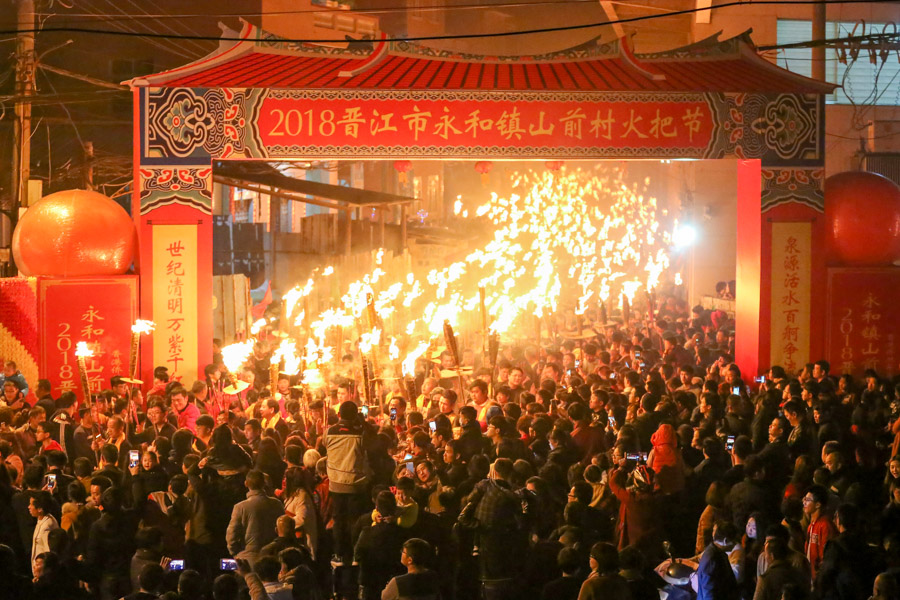
As dusk falls over the mountain villages of south-western China, hundreds of torches are lit and carried through the streets before people gather around large bonfires to dance and sing traditional folk songs. For the Yi, Bai, Naxi, and other ethnic groups, the Torch Festival, known as the Oriental Carnival, is a time to honour ancestors and ask for protection and a good harvest. Bullfights, horse races, and communal feasts round out the night.
Tibetan – Litang Horse Festival (理塘赛马节)
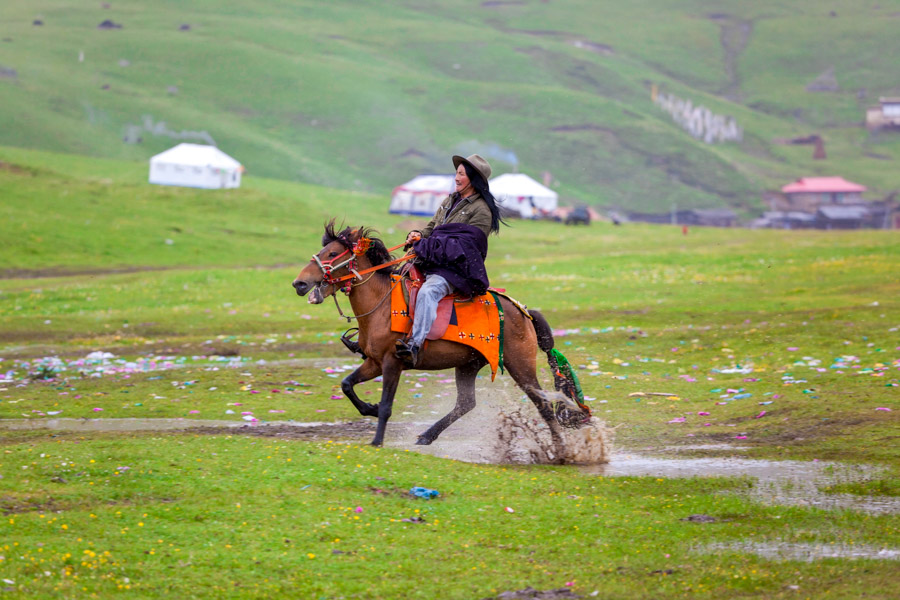
Dates: The festival is usually held from late July to early August and typically lasts four to ten days.
Locations: Bayi Racecourse (八一赛马场).
The high-altitude meadows of Litang County in Sichuan host traditional horse races each year, with riders in colourful Tibetan dress demonstrating their skill through racing and acrobatic displays. Buddhist ceremonies and folk performances run through the festival, while fairs line the edges of the meadow – together giving visitors a real sense of nomadic life in eastern Tibet.
Manchu – Banjin Festival ( 颁金节 )
Dates: Held annually on the 13th day of the 10th lunar month.
Locations: Harbin in Heilongjiang Province, Shenyang Imperial Palace (Mukden Palace) in Shenyang, Liaoning Province, and Jilin City in Jilin Province.
Manchu communities mark their main festival, the anniversary of the founding of their nation, with costumed processions and shamanic rituals, archery competitions and folk music. Traditional dress is central to the celebrations and is often linked to the later development of the qipao, the fitted, high-collared dress that became a symbol of modern Chinese fashion. Festive tables are filled with roast porc (烤猪), rice cakes (打糕), saqima sweets (萨其玛), and milk tea, while workshops teach Manchu calligraphy, painting, and paper cutting.
Wang
Yao – Panwang Festival ( 盘王节 )
Dates: The 16th day of the 10th lunar month.
Locations: Huangluo Yao Village and Dazhai Village in the Longsheng Rice Terraces, Guangxi Province.
The Yao people honour the legendary Panwang or King Pan as their ancestral figure, and his story lies at the heart of this festival in southern China’s mountain villages. To the sound of long drums, communities sing the ancient Song of King Pan, take part in processions and dances, and make traditional offerings, praying for peace and a good harvest.
Dong – Dong Grand Song Festival (侗族大歌节) / Kam Grand Choir Festival
Dates: from the 1st to the 11th day of the 11th lunar month.
Locations: Luanli Bandao Ethnic Square in Congjiang County, Guizhou Province.
Towards the end of the year, Dong communities come together to perform the Grand Songs of the Dong (侗族大歌), polyphonic songs traditionally sung a cappella. Inscribed on UNESCO’s Representative List of the Intangible Cultural Heritage of Humanity, the tradition brings choirs from different villages to sing ancient songs of nature, work, friendship, and love.