

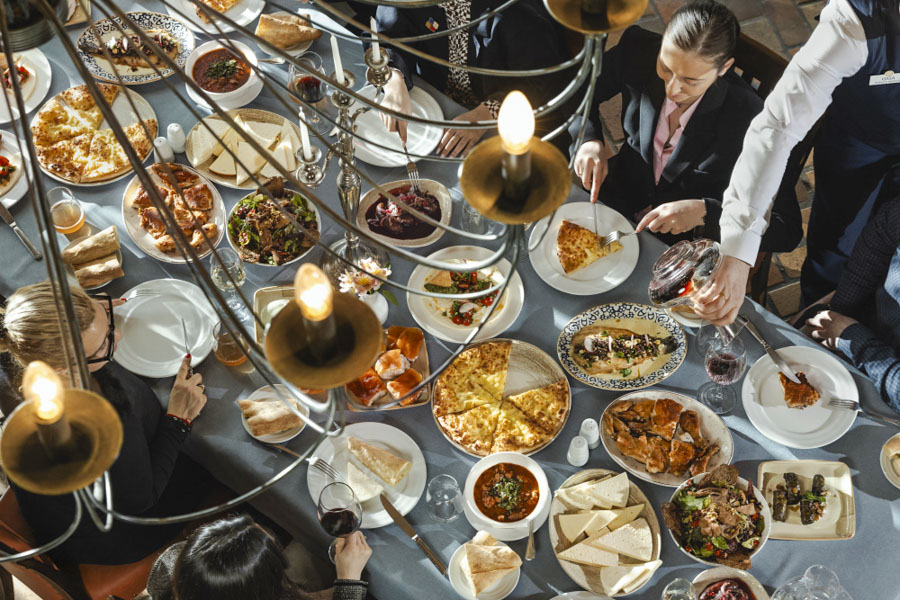
Photo source: www.tsiskvili.ge
Georgian cuisine took decades to reach the world's attention, and in top Tbilisi restaurants, that recognition finally landed. The city of Tbilisi has always been a crossing point of the Caucasus, the Middle East, and Eastern Europe. Restaurants in Tbilisi carry this history through their menus, from city recipes to regional dishes brought from across Georgia.
Choices for where to eat in Tbilisi range from old courtyards and cellar rooms to modern Georgian restaurants. A single afternoon in the city can start in a basement spot in Old Tbilisi, where khinkali are folded by hand. The evenings should include amber wine from buried clay vessels or a chef-led room working from 19th-century Georgian recipes.
Georgian cuisine is now on the global radar, yet its centre of gravity sits firmly in the Tbilisi food scene. Regional recipes from Kakheti, Adjara, Samegrelo and the higher Caucasus share the same streets.
You will also find Central Asian kitchens, European cafés and a vegetarian scene, which has quickly grown in recent years. Georgian food employs vegetables, herbs and dairy in ways that make vegetarian restaurants in Tbilisi work seamlessly.
Georgian restaurants in Tbilisi range from supra-style eateries to regional kitchens and modern restaurants working with old recipes. In our Tbilisi restaurant guide, you will find the best restaurants in Tbilisi across every category.
Where to Eat in Tbilisi by Area
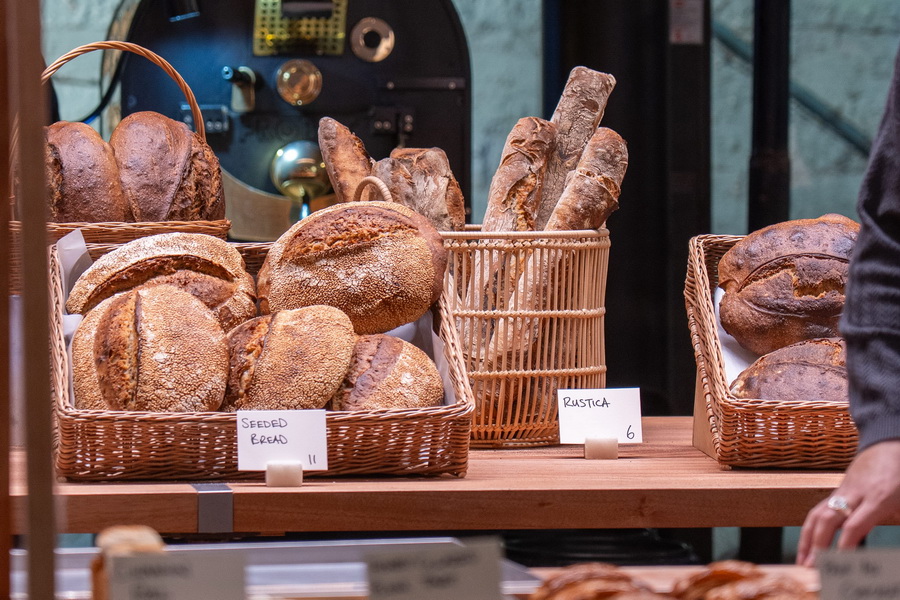
Photo source: www.stambahotel.com
Tbilisi is a compact city, so its dining districts sit close enough for visitors to choose based on preferences. Where you sit down for dinner depends as much on the mood you want as the food. The oldest parts of the city sit around Old Tbilisi and Sololaki. These areas provide traditional Georgian cooking in old houses with wooden staircases, courtyards and carved balconies.
Old Tbilisi and Sololaki lean into cellar rooms, hidden courtyards, stone lanes and wine bars tucked into brick cellars. Rustaveli and Freedom Square are better for more formal dining and a wider mix of cuisines with a louder pace. Chughureti provides bakeries, casual Georgian kitchens, wine bars and later evenings around Marjanishvili. Vera gives a more local version of Tbilisi dining, with cafés, bars and chef-led restaurants on quieter streets.
Old Tbilisi and Sololaki
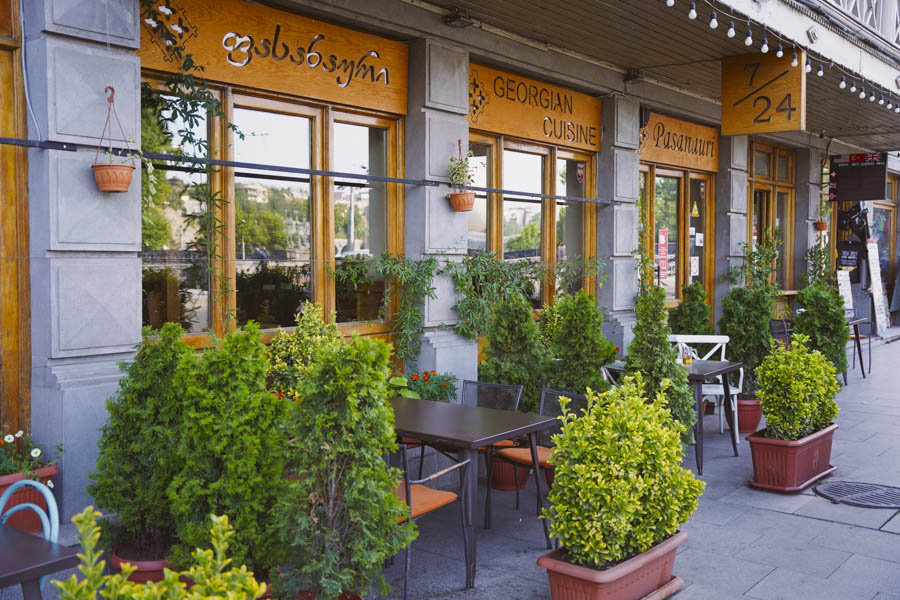
Photo source: www.facebook.com
These districts are the usual starting point for traditional Georgian food in Tbilisi, especially around courtyards and cellar rooms. These neighbourhoods have one of the city’s densest restaurant clusters. Meidan Square has the loudest tourist-facing places, while courtyards and side streets hold quieter dining rooms.
Start in Old Town to follow the sulphur baths, the fortress of Narikala, the Bridge of Peace or a Sololaki walk. Pasanauri on Vakhtang Gorgasali Street sits close to the river and is one of the most established names here. The chain is popular across Georgia, but its Old Tbilisi location sits well within the neighbourhood.
Sololaki is perfect after the first Old Town meal, offering smaller rooms, courtyards and more curated menus. Poliphonia brings natural wine into a brick-vaulted room on Chonkadze Street. Currently closed, Ezo, on Geronti Kikodze Street, still hosts events and special gatherings with Georgian menus from time to time.
Iasamani on Lado Asatiani Street caters to more polished dinners, with a short seasonal menu and careful cocktails. Café Leila remains useful for vegetarian Georgian food before or after sightseeing. Choose Sololaki for authentic Georgian food in Tbilisi with a quiet atmosphere, old houses and narrow streets.
Rustaveli and Freedom Square
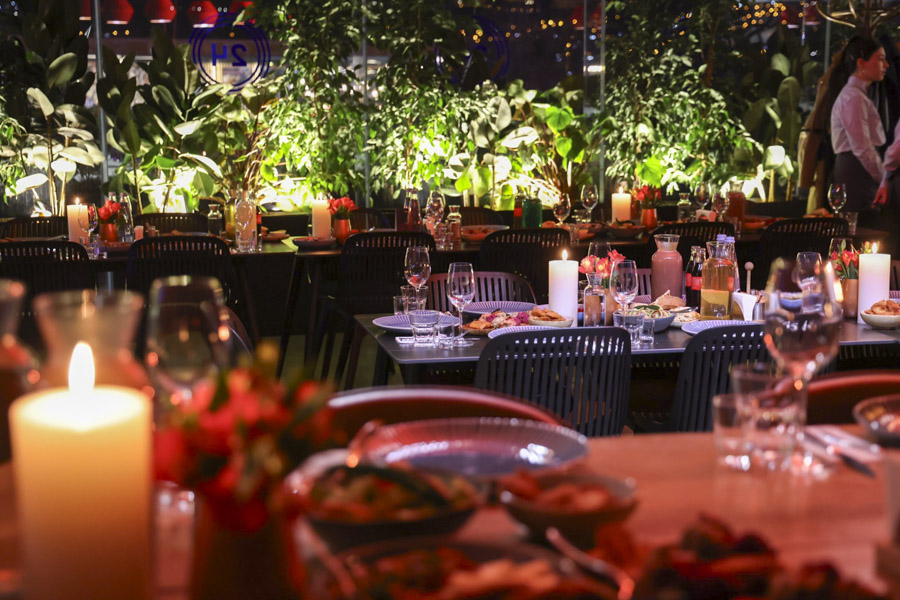
Photo source: www.facebook.com
Restaurants in Tbilisi’s city centre are deployed around Rustaveli and Freedom Square with theatres, hotels and museums. Choose this area when dinner comes before a show, museum visit or late return to a city centre hotel. It is less intimate than Old Tbilisi, but taxis, metro access and group planning are easier here.
Restaurant Republic 24 on Rose Revolution Square has an open kitchen, an in-house bakery and a terrace with a view. On weekends, its longer hours also help after late arrivals or evening events. Restaurant Zodiaqo keeps things more casual, with khinkali, khachapuri, kebab, fried potatoes and draft beer. Salobie Bia on Shota Rustaveli Avenue keeps its menu tight, with lobio, stews and seasonal Georgian plates, and it is among the favourites of the Gault&Millau guide.
Dinehall is another known address for a polished lunch or dinner near the Opera. Khinkali House on Rustaveli Avenue remains busy in the evenings, especially with groups. Choose this area if you want to know where to eat in Tbilisi between sightseeing, shopping and evening plans. For traditional Georgian food in Tbilisi, Freedom Square and Rustaveli Avenue represent perfect spots.
Chughureti
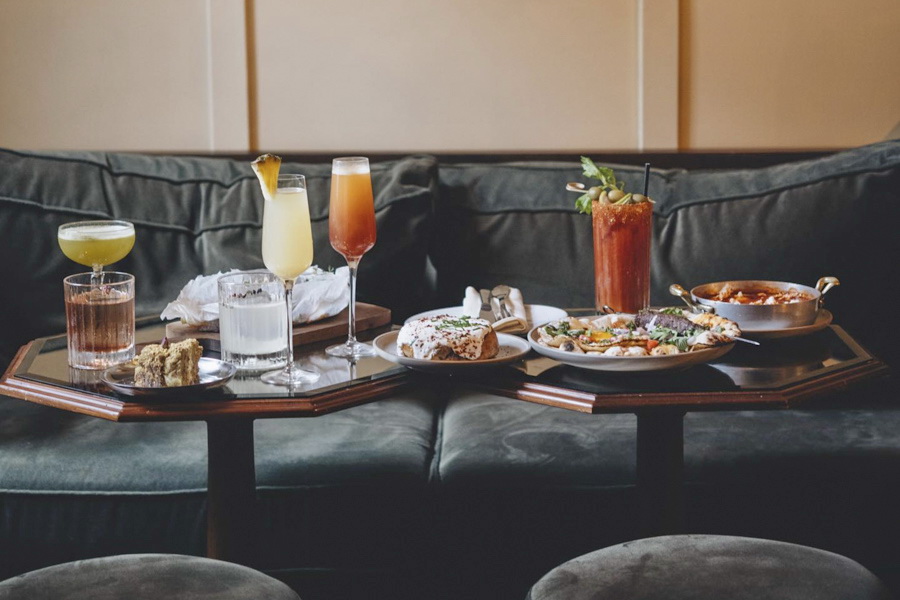
Photo source: www.facebook.com
In Chughureti, the restaurant scene turns to lived-in streets, courtyards and old shopfronts. The area around Aghmashenebeli Avenue, Marjanishvili and Ninoshvili Street is for Tbilisi restaurants beyond the usual sightseeing route.
The kitchen of Barbarestan restaurant works from Princess Barbare Jorjadze’s 19th-century cookbook. Dishes such as asparagus soup, chakapuli, pkhali and salmon roll come together here. In an old house with courtyard tables and painted walls, Shavi Lomi caters to a menu of varied Tbilisi cuisine. Restaurant Weller delivers Middle Eastern and Israeli food, including hummus, falafel, pita and grilled dishes.
Chughureti also presents Ninia’s Garden, Mapshalia and Amo Rame Bani. Choose this area when the question is where to eat in Tbilisi for longer evenings and mixed budgets.
Vera
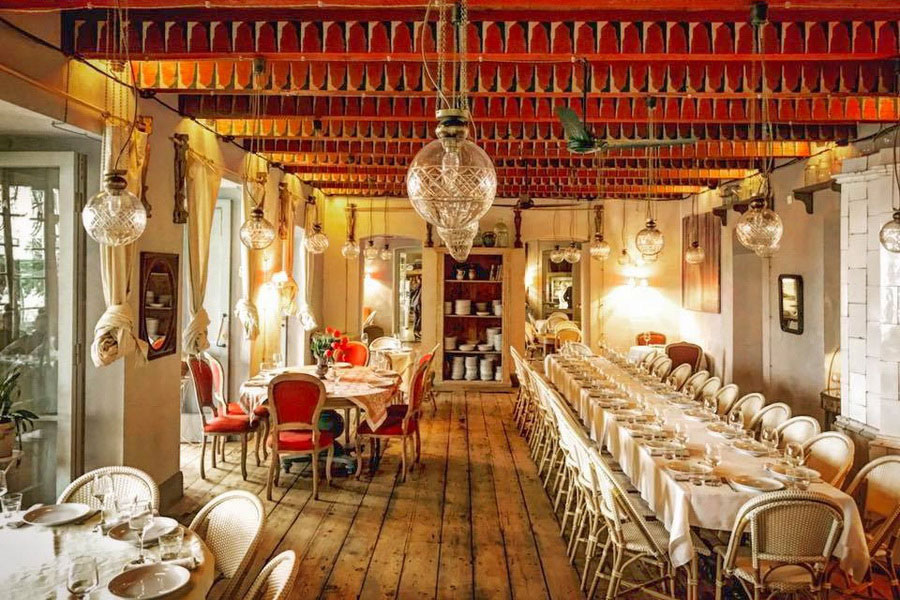
Photo source: www.facebook.com
Streets around Zandukeli, Melikishvili and Kostava have old houses, wine rooms, cafés and restaurants with a less exposed atmosphere. Keto & Kote is the main Georgian restaurant here, tucked away in a cul-de-sac off Mikheil Zandukeli Street. It sits inside an old house with carved balconies, a courtyard and a menu built around kebab, dolma, khinkali and wine.
Van Goghi’s menu is European, with dishes such as yam soup, potato waffles with salmon and seafood bruschetta. The room employs Vincent Van Gogh references with Georgian details and a designed dinner rather than a traditional Georgian table.
Café Stamba, Lolita and the Wine Factory also sit in the Vera area. Go here for brunch, cocktails, wine and casual dinners before or after Rustaveli plans. Vera feels local but still sits close to the central hotels.
Vake and Saburtalo
Vake and Saburtalo spread out to the north and west, with busy roads, parks and a dense dining scene. Menu of Bread&Wine gathers regional Georgian dishes, including khinkali, khachapuri, mtsvadi, satsivi, chikhirtma and Megrelian khachapuri.
Shemomechama has branches in Vake, Saburtalo and Old Tbilisi, making it easy to fit into different routes. Dadiani on Bakhtrioni Street is a perfect Saburtalo choice for Megrelian cooking. Otium near Turtle Lake suits longer meals, especially in warmer months. It is better for families, outdoor tables and a slower evening than a quick dinner after sightseeing.
Best Georgian Restaurants in Tbilisi
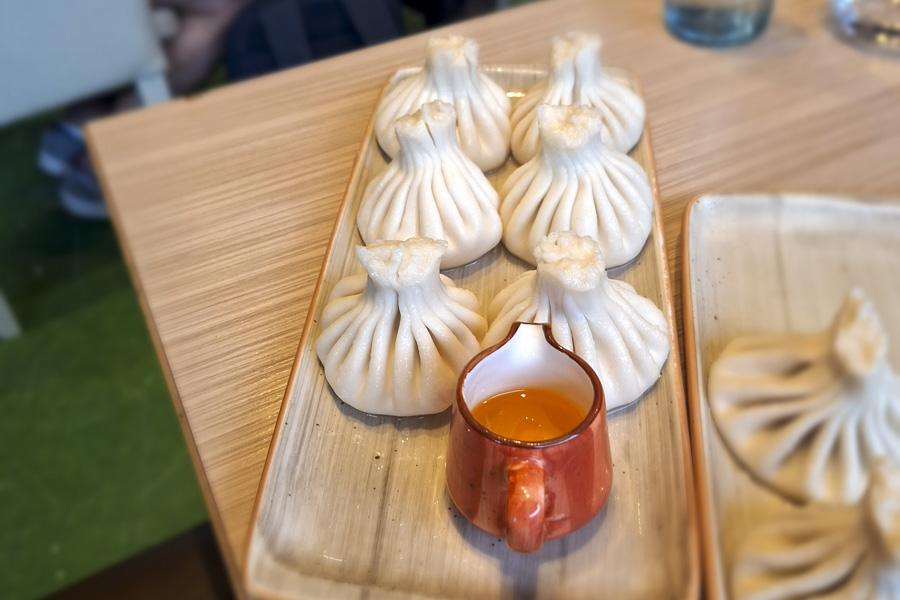
The best Georgian restaurants in Tbilisi mix classic venues with the focus on specific details. Where to eat traditional Georgian food in Tbilisi is also about your dietary preferences. Khinkali, khachapuri and mtsvadi each have their own dedicated places. Traditional Georgian restaurants are better for shared plates, regional dishes and longer meals.
Georgian food in Tbilisi covers a wide range of quality, intention and innovation, with easily recognisable levels of characteristics. The restaurants listed here are ones where that care is consistently present.
Khinkali Restaurants in Tbilisi
Restaurants of khinkali in Tbilisi cover almost every mood, from hidden basements to big beer halls. Lots of restaurants in Tbilisi put khinkali on the menu. The dough is made daily, and the fillings are prepared in small batches. For a breakdown of khinkali varieties, regional differences, eating etiquette, and the history, see our Georgian Khinkali Guide.
Tucked into a brick basement on the Mtatsminda slope, Klike’s Khinkali treats the dish almost like a tasting menu. Options range from sulguni to apokhti dried meat and dough so smooth it feels hand-polished on the plate.
In David Aghmashenebeli Avenue, Amo Rame runs a short menu with the fillings of meat, cheese and potato in a compact setting. The portions are smaller than the average, and tables fill quickly in the evenings. Amo Rame Bani, its Chughureti branch, gives the same idea on the left bank.
Shemomechama keeps khinkali casual, with correctly sized portions and a room often busy with locals. The name roughly means eating by accident after already being full, which says enough about the place. Cafe Daphna, with a few branches, is good for unique meat fillings, including mtiuluri, cheese and potato versions. Around Rustaveli and Freedom Square, Hinkali Factory pulls in larger groups with a long list of fillings.
Tbilisi Khachapuri Restaurants
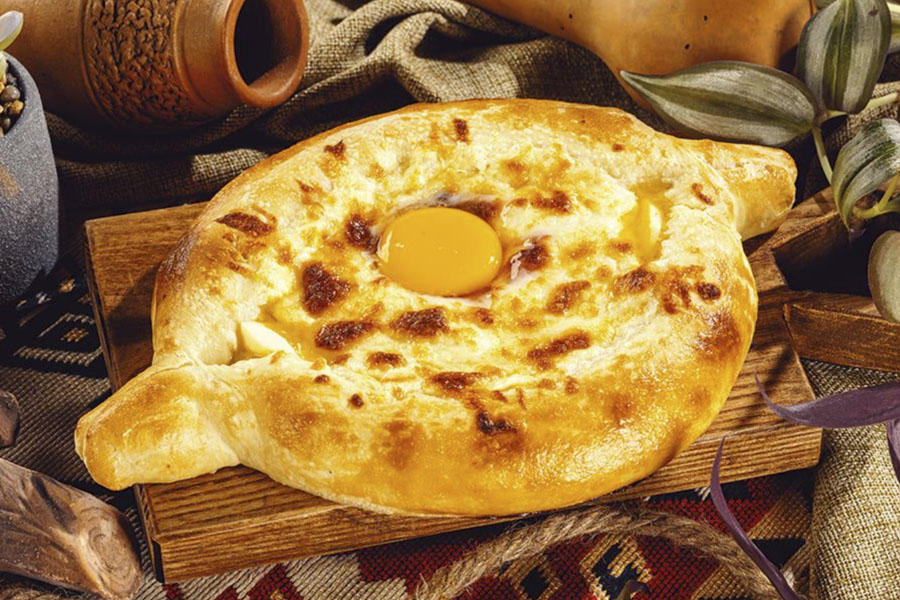
Photo source: www.breadandwine.ge
You can find the best khachapuri in Tbilisi even at a random bakery, though mapping this is almost impossible. By bakery per capita, Tbilisi might have as many khachapuri places as Rome has pizzerias. Regional variations of the dish generate almost entirely different plates, with the most popular being Imeruli. Other variations are Megruli with cheese on the top, Adjaruli with an egg yolk, and Gurian with boiled eggs.
Puri Guliani has become the benchmark for Adjarian khachapuri in Tbilisi, with an open kitchen showing the process. The menu also covers Megruli, pkhlovana, lobiani and sweets and is one of the best breakfast places in Tbilisi. Retro in Saburtalo is another spot for Adjarian khachapuri with thinner edges and a heavier cheese focus.
The menu of Sakhachapure No. 1 covers the main regional styles, including pkhlovani with beetroot leaves and spinach. This restaurant is affordable, and offers a reliable selection of khachapuri in Tbilisi.
The already-mentioned Cafe Daphna is still better known for khinkali, but its Megruli deserves a place here. Bread&Wine on Merab Kostava Street goes more specifically with Megruli, using Sulguni directly from the region. Khachapuri in Georgian House is baked to order and carried out hot in a family-like setting.
For a shorter Old Town route, Caravanserai Bakery near the Wine Museum beats a full restaurant meal. It is the stop for hot bread between sights. Azarphesha has the opposite mood to pkhlovana and wine, changing khachapuri by filling and region.
Where to Eat Mtsvadi in Tbilisi?
Mtsvadi is Georgian grilled meat on a skewer, most often pork neck fuelled by pomenagrate juice and grapevines. Both leave a smokiness that gas cannot replicate. The marinating process only includes the right amount of salt and onions after it’s cooked.
Honoré on Constitution Street is the most discussed address right now. The pork mtsvadi is the classic, and the chicken liver with plum is another great version in Tbilisi. The setting, a restored heritage building with a courtyard, adds to the experience. Reservations are essential in the evening.
Bread and Wine offers a chicken version that with an older Tbilisi style. Babus Mtsvadi Grill and Bar in the Old Town stays open late, pairing meat with beer and loud conversation rather than a formal supra.
Kakhelebi on the western edge rewards the detour with pork that central restaurants rarely match. Its Kakheti Highway location makes it a perfect stop before or after an airport run.
For larger groups, the Ethno Tsiskvili branch on Akaki Beliashvili Street is reliable for mixed skewers, khinkali and khachapuri. Deda Tbilisi offers a more atmospheric setting, with outdoor tables spread between old brick walls. In the city centre, Republic 24 and Zodiaqo additionally deliver convenient kebabs near the main squares.
Regional Georgian Cuisine in Tbilisi
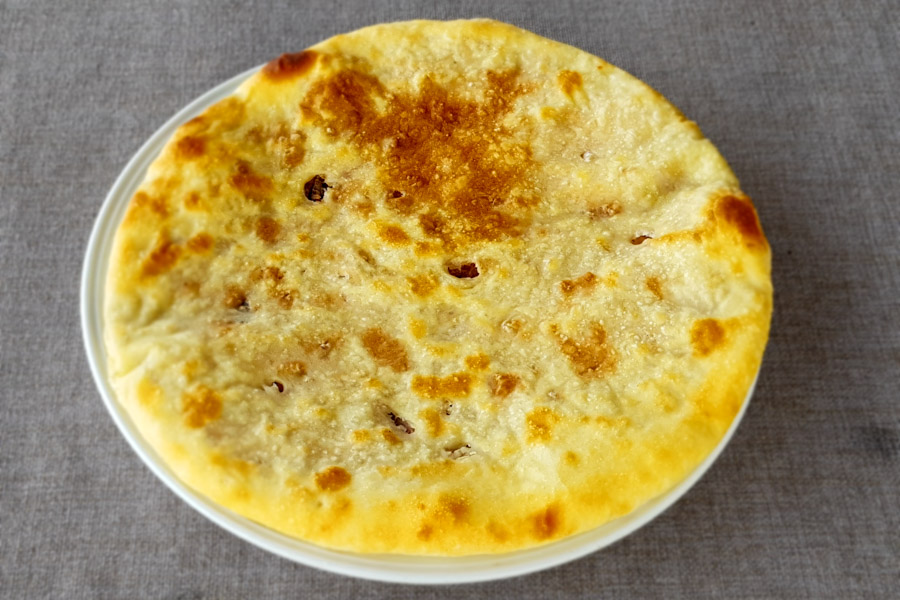
Georgian cuisine is a collection of distinct regional cultures sharing different ingredients, techniques, and flavours. The capital gathers western cheese, mountain meat, bean pots, walnut sauces, Kakhetian grills and Svan spices. Tbilisi is the city where most of those traditions are represented simultaneously.
Megrelian Cuisine in Tbilisi
Samegrelo produces some of the most intensely flavoured food in the country. The spice paste called adjika, their khachapuri, and elarji, a cornmeal and cheese dish stretching like taffy, are the benchmarks.
Mapshalia, often written “Mafshalia”, is the best Megrelian stop. It is a basement canteen on Aghmashenebeli Avenue for elarji, ghomi, kharcho and kupati. Keeping the same western Georgian focus in a more peaceful atmosphere, Megruli Sakhli promises heavier family-style plates.
Racha Restaurants
Racha cooking is another local wonder, with the smoked, salted ham being unlike anything else in the world.
Ghebi is a cellar-style room with notoriously heavy-handed garlic in the shkmeruli. The menu also includes smoked pork, lobio in clay pots and other mountain staples. Racha Dukhan covers the same territory with lobio and chvishtari, a cornbread with cheese. The mood is an old canteen with house wine served in clay jugs.
Kakhetian Restaurants in Tbilisi
For Kakhetian cooking, the original Kakhelebi, located on the highway toward the airport, remains the major point. Its kitchen brings the region into the capital with mtsvadi grilled over vine cuttings. Simple salads and plates are clearly designed to sit beside wine jugs. Another culinary stop for Kakhetian cuisine is Rtveli, near Vake Park, with the regional atmosphere in a refined setting.
Imereti Food in Tbilisi
Imereti food runs through Imeruli khachapuri, lobio, pkhali, mushrooms, mchadi, fresh cheese, and walnut sauces. Imerlebi on Marjanishvili is the clearest regional anchor for hot Imeruli and bakery-style dishes. Restaurant Imereti and old khachapuri rooms cover the same everyday lane. Order mushrooms, beans and pkhali with the cheese bread.
Svanetian Cuisine in Tbilisi
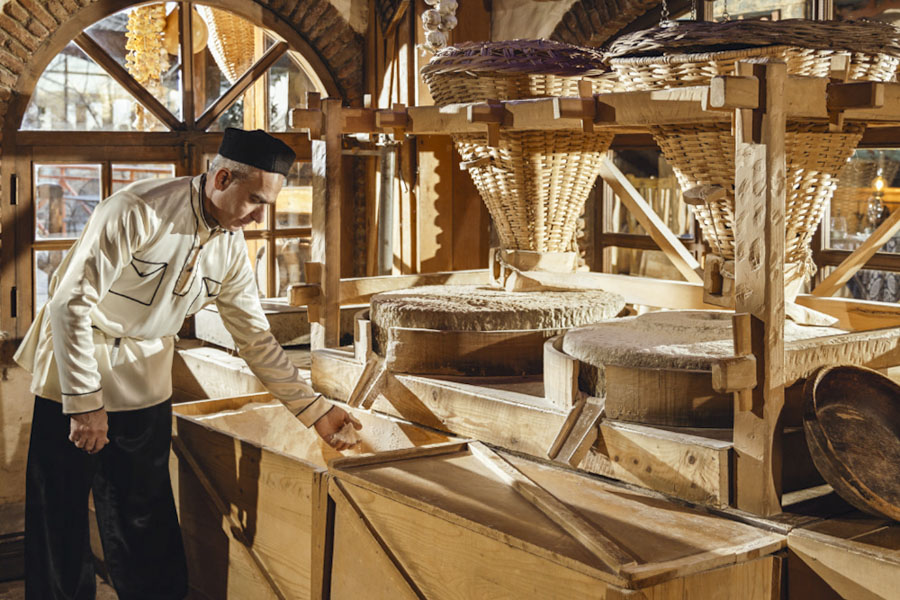
Photo source: www.tsiskvili.ge
As the most isolated region of Georgia, Svaneti food reflects the remoteness and details for altitude and cold. Svanuri Samzareulo is among the major regional stops, though it sits away from the central tourist route. Tsiskvili also serves kubdari if the group wants a larger Georgian restaurant setting.
Adjarian Food in Tbilisi
Sitting on the Black Sea coast, Adjarian food is more butter-forward than anything else in Georgia. The Adjaruli khachapuri, boat-shaped with a raw egg cracked into the cheese, originates from here. Retro in Saburtalo is the most notable address in the city for this version specifically.
The chef is from the Black Sea coast and has been making acharuli his entire life, which is detectable in the dough. Acharulebi Laghidzeze and Adjarian Khachapuri cover the same ground with slightly broader menus and more central locations.
Courtyard Restaurants
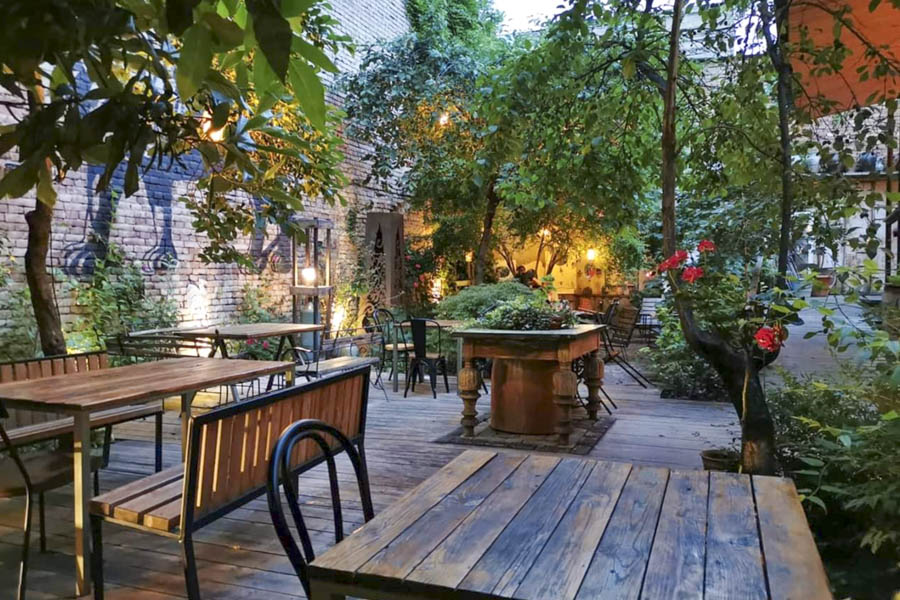
Photo source: www.facebook.com
Tbilisi’s residential architecture was set around interior yards, and the best restaurants have grown inside them. In bricked lobbies and under vine-covered gazebos, you’ll find old stone walls with trees at the centre. Finding them sometimes requires walking through an unmarked gate and trusting that something good is on the other side.
In Sololaki, Café Littera sits in the Writers’ House, with famous Georgian chef Tekuna Gachechiladze taking the lead. The setting is one of the best in the city, with a courtyard of quality reputation. Nearby, Iasamni maintains the same old-house setting, quieter and more suited to dinner and a fine bottle of wine.
Built around a brick atrium wrapped in vine, Ninia’s Garden in Chughureti also features a backyard fountain. The food is modern Georgian and is one of the best choices for lunch when the light comes through the vines correctly. Also in Chughureti, Shavi Lomi opens its garden courtyard for dinner in warmer months. Craft Wine Restaurant features a private garden as a backdrop for a natural wine list.
Sulico Wine Restaurant in Vera has a sunken courtyard with mural walls and a large tree overhead, with small plates and Georgian wine. Keto & Kote, also in Vera, have a garden terrace with city views if you want the courtyard experience with a more composed setting.
Sofia Melnikova's Fantastic Douqan is tucked into the patio near the Literature Museum of Georgia. It features a garden courtyard and a menu mixing Georgian and Eastern European dishes under the set of trees.
Wine Bars in Tbilisi
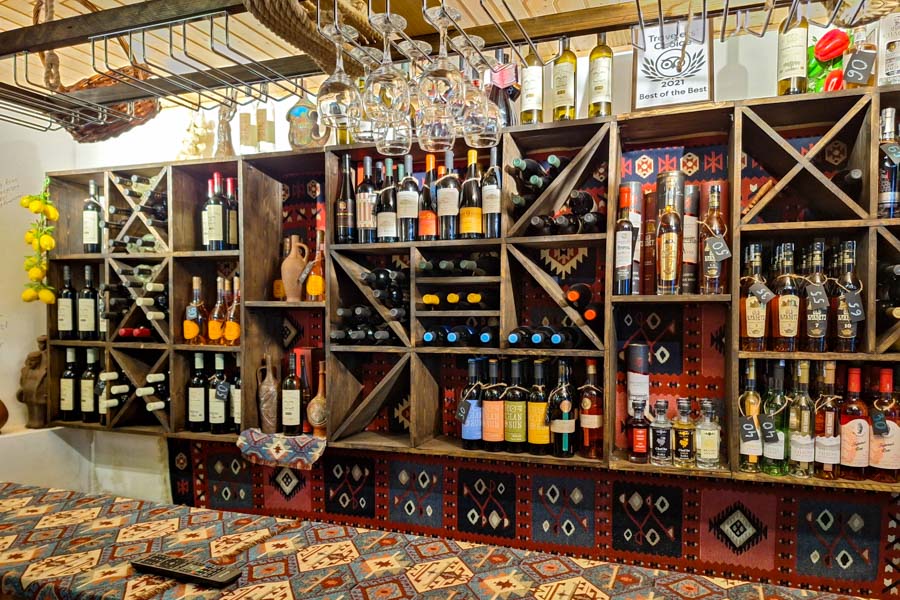
Georgia invented wine 8000 years ago, and today Tbilisi is reshaping how the country perceives this culture. In Georgian wine fermentation, wine ages in buried clay vessels, often with skins, pips and stalks shaping the colour and texture. Tbilisi wine bars and restaurants let visitors taste those layers, from qvevri methods to newer natural wines.
Opened in 2012 by Georgian artisan winemakers, ღvino Underground feels like a working cellar rather than a bar. With a low brick cellar, the list leans hard into qvevri wines, microbatches and low-intervention bottles.
Craft Wine Restaurant moves through Georgian natural wines from different regions in its private garden. Poliphonia, in a brick-vaulted room, also includes wild herbs, fermented products and Georgian flavours handled less conventionally.
For a comprehensive view of Georgian wine, 8000 Vintages runs as both a bar and a bottle shop. An independent tasting panel curates a variety of Georgian wines, covering classic and natural producers. In a historic wine factory, Sadzvele functions as an educational hub, with guided tastings and wine talks. DADI Wine Bar and Shop has a map marking the villages each bottle comes from and focuses on family-run vineyards.
Kancellaria Natural Wine Bar leans toward European selection alongside small independent producers from Bolnisi, Racha, Imereti and Kartli. With a sunken courtyard, mural walls and a large overhead tree, Sulico offers small Georgian plates and glasses of wine. Inside Fabrika, Saamuri Natural Wine Bar & Shop pulls the same winemaker crowd into a younger, looser space. Tap natural wine, events and a mixed Georgian and international bottle list works well for casual evenings.
Vegetarian and Vegan Restaurants in Tbilisi
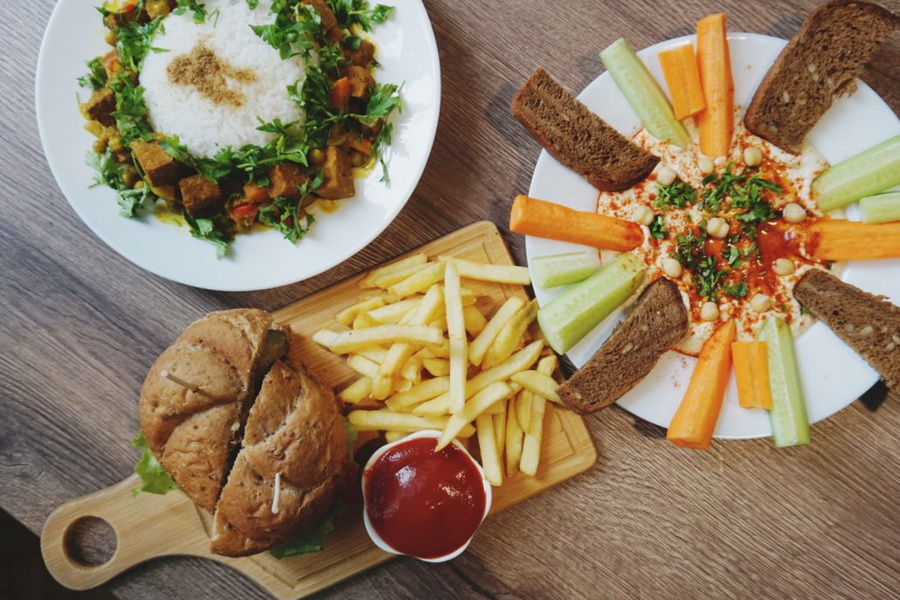
Photo source: www.kiwivegancafe.com
Georgian cuisine was vegetarian-friendly long before the word existed in the way it is used today. Orthodox Christian traditions shaped a Georgian cuisine built around beans, walnuts, mushrooms, herbs and vegetables instead of meat or dairy. This tradition made plant-based Georgian food feel familiar, with contemporary versions of Georgian dishes in the city.
Open since 2015, Kiwi Vegan Cafe remains part cafe, part community space, with burgers, burrito bowls, soups and sandwiches. Covering similar ground with more volume, SHPANA mixes ramen, curry, and pizza into a fully vegan bar. Opened in 2023, Plantastic Kitchen has built vegan khinkali and khachapuri alongside fish and chips and market-style produce.
Stricha is the bakery option, with all-day vegan pastries, savoury buns and cakes for an afternoon stop. Daner Pizza and Secret Place serve sourdough vegan pizza with toppings like seitan pastrami and smoked aubergine.
Serving Mexican-leaning vegan food, Lutra Lutra Bar includes nachos with soy meat and tofu quesadillas. With the best falafel in the city, Muhudo is a strictly vegan bar with an old Tbilisi courtyard atmosphere.
Sitting near Holy Trinity Cathedral, Livin’ Café curates Indian and international vegan and vegetarian dishes with a rooftop terrace. In Old Tbilisi, Café Leila is more vegetarian-leaning near the Anchiskhati Basilica, the Clock Tower and a beautiful setting. Tbili Sio is the larger garden option, with Georgian and Asian vegetarian dishes, outdoor seating and vegan choices.
Cafés and Quick-Service Restaurants
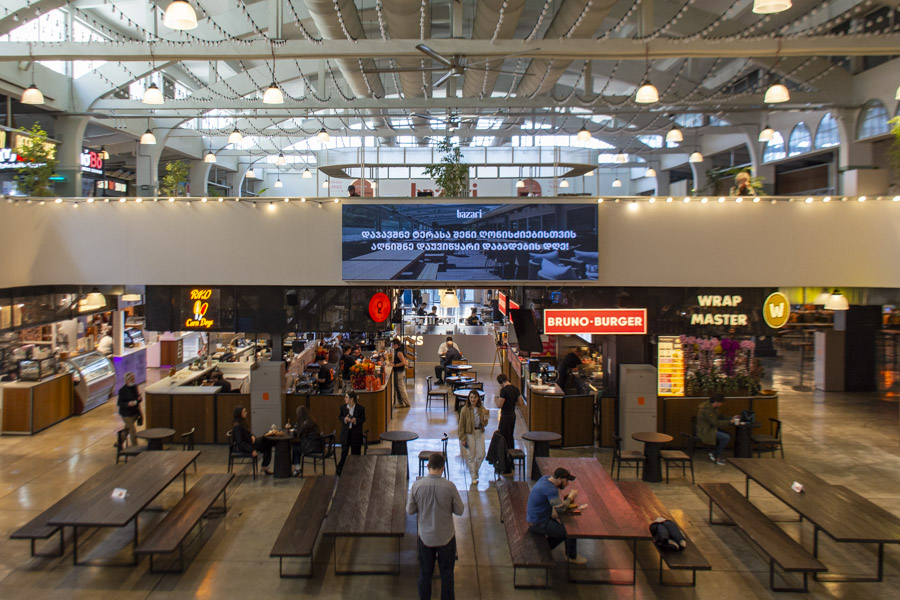
Cafes in Tbilisi cover speciality roasters, bakeries with proper breakfast, market food and modern Georgian street food.
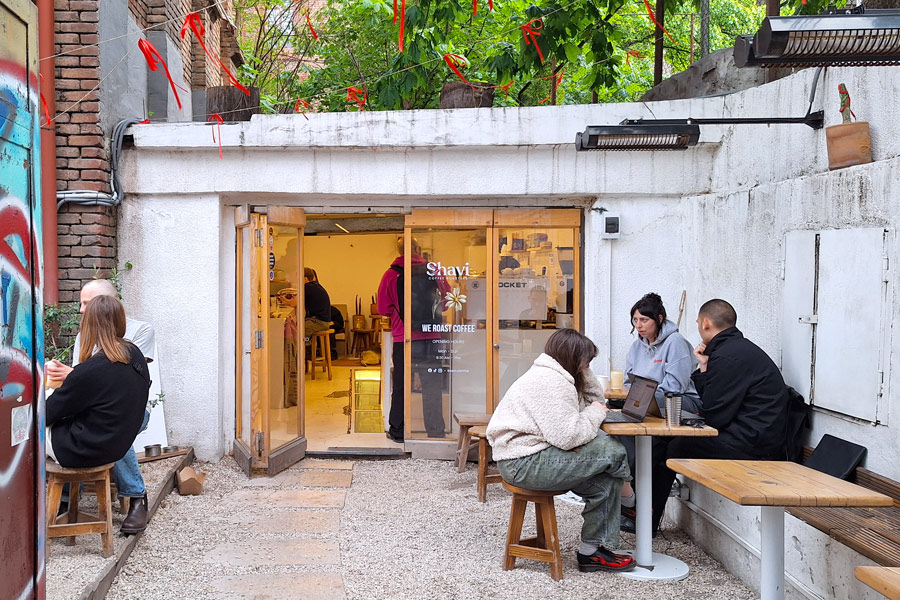
With multiple branches across Chugureti, Vera and Sololaki, Shavi Coffee has the best atmosphere on Ninoshvili Street. Coffee LAB was one of the earlier roasters to establish in the city and now has locations spread around the city. A solid breakfast and sandwich menu comes with its espresso and filter coffee.
Pulp represents a morning café for laminated pastries and cardamom buns, a lunch stop, and a natural wine bar. The already mentioned, Puri Guliani, connects Georgian baking with contemporary café service, employing khachapuri, bread and pastries.
Baba Bakery in Sololaki exercises French techniques properly, with croissants, cruffins, pain suisse and kouign-amann. Made on house-baked bread, it is the best option in the old centre for that style specifically. Newly opened inside the Stamba Hotel, Stamba Bakery bakes with Georgian wheat from a Georgian local farm.
Bazari Orbeliani gives the food-hall version on Orbeliani Square. In Vera, Tamtaki presents supra-style fillings such as lobio, chicken and gebzhalia in flatbread.
Practical Tips for Eating Out in Tbilisi
Many restaurants serve through the afternoon in Tbilisi, but rooms usually pack after 8pm. Wine bars, courtyard restaurants and khinkali houses fill in the evenings, while cafés and bakeries belong to early days.
Book ahead for small rooms, garden restaurants and Friday or Saturday evenings. Café Littera, Ninia’s Garden, Keto & Kote, Poliphonia and natural wine restaurants can fill quickly in warm months. Khinkali houses, bakeries and casual cafés are easier, unless the group is large.
Start with salad, pkhali, bread, beans or mushrooms, then add khachapuri, grilled meat, stews or wine.
A service charge is common in Tbilisi restaurants, so check the bill before paying. Cards are normal in central restaurants, cafés and wine bars, but cash still helps at smaller neighbourhood places.
Vegetarians usually eat well because Georgian cuisine already has beans, herbs, walnuts, mushrooms, cheese and vegetable dishes. Vegans need clearer questions, as butter, eggs, cheese, meat stock and mayonnaise can appear in lots of dishes.
Leave extra time before reservations, especially around Heroes Square, Rustaveli, river crossings and evening rush hour.