

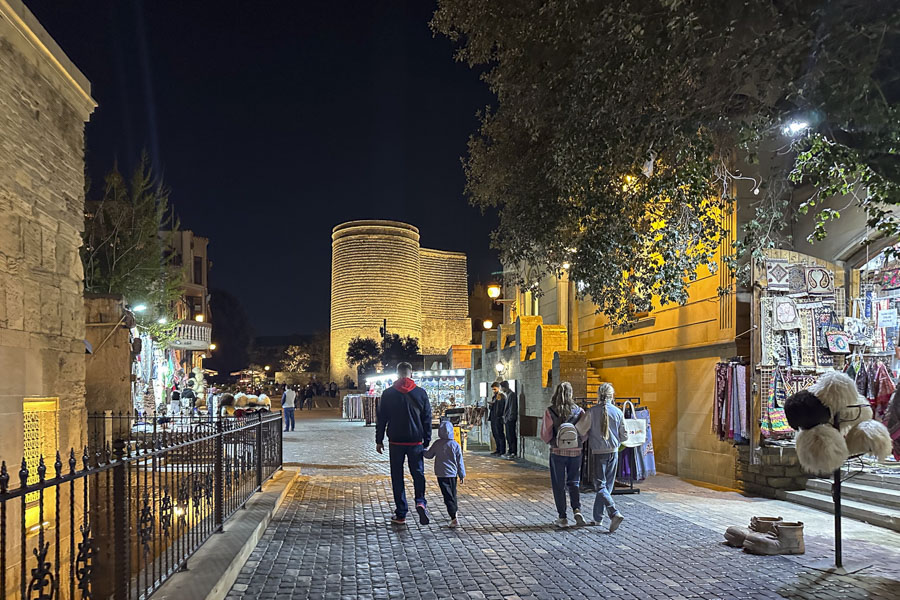
Azerbaijan has a habit of surprising people. Most visitors picture Baku’s glass towers and signs of the country’s oil wealth, and they certainly find both. What they may not expect is how quickly the country’s slower, more welcoming rhythm takes hold. Asking for directions may become an invitation to lunch. Or a conversation in the market may end with a handful of walnuts pressed into your palm. And somewhere between the Caspian shore and the high villages of the Caucasus, the best things to do in Azerbaijan are often the ones you can’t plan.
That, really, is the spirit of this guide. It focuses on what to do rather than what to see in Azerbaijan, with links to our destination pages for the history and details of individual attractions. In short, the best things to do in Azerbaijan include exploring Baku’s Old City, watching the flames at Yanar Dag, seeing Gobustan’s rock art and mud volcanoes, visiting Sheki and Lagich, and joining the country’s tea, food and music traditions.
The Best 15 Things to Do in Azerbaijan at a Glance
Explore Azerbaijan By Topic
Beyond the 15 experiences listed above, explore Azerbaijan by topic for advice on choosing activities, getting around, the best time to visit and answers to frequently asked questions.
1. Walk from the old Baku to the new
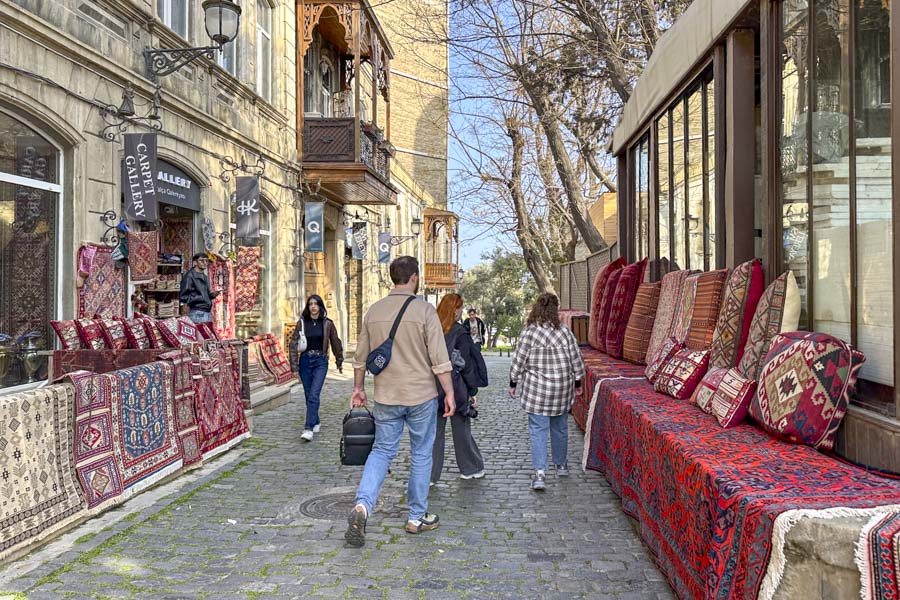
A good place to begin experiencing Baku is inside the walls of Icheri Sheher (Old Town), where the lanes twist and double back so often that even Google Maps may be of little help. Fortunately, that is half the pleasure of getting lost in the alleyways. Turn one corner, and a shopkeeper is laying out carpets; turn another, and an older man is feeding the cats outside his front door.
It pays to go early, before the tour groups arrive, or in the late afternoon, when the old stone turns the colour of honey and the neighbourhood quietens down. Stop for tea whenever your feet need a little rest. And if you do lose your bearings completely, ask. Somebody will almost certainly walk you back.
Outside these walls, Baku leaps centuries in a few steps. These are carved façades of grand mansions from the oil boom of the late 1800s around Fountain Square and along Nizami Street. Then there are Baku’s glass towers, bold modern architecture, and the Flame Towers flickering above the bay.
2. Stroll the Caspian Sea at dusk
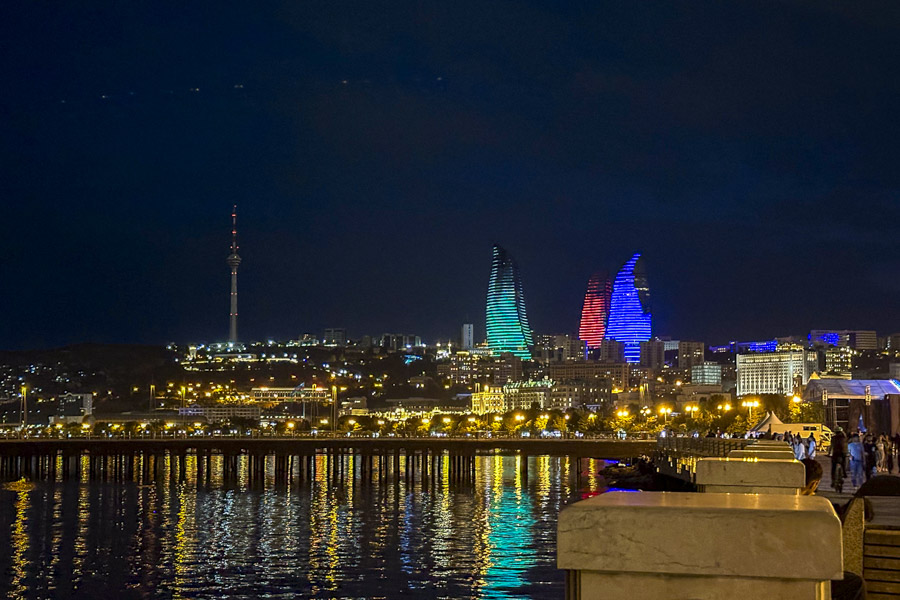
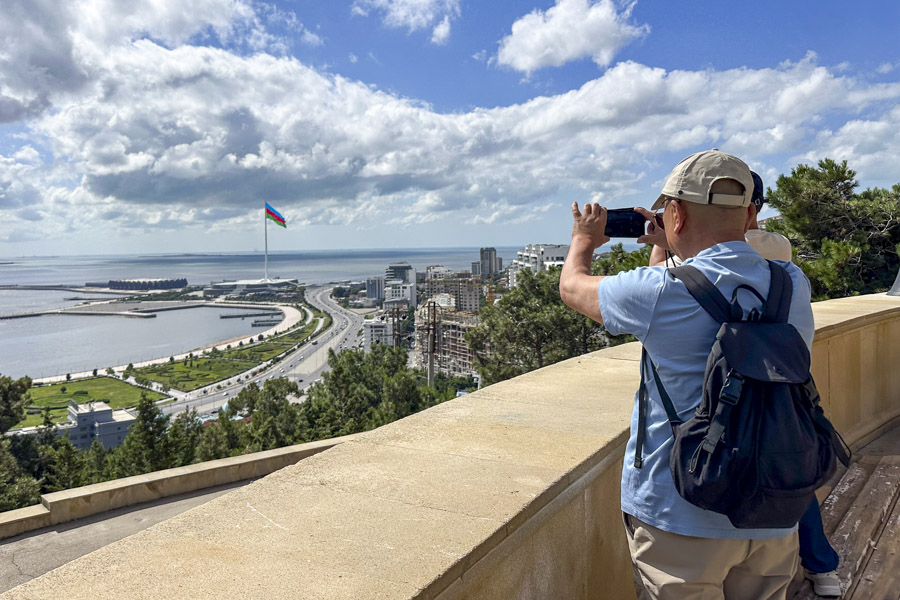
As the heat goes out of the day, Baku heads for the sea. The seafront boulevard runs for several kilometres around the bay, and in the early evening it fills with families, courting couples, chess players and grandparents steering pushchairs. It is the city’s living room, and visitors are more than welcome to join in.
There is no need for a plan. Walk until you fancy a sit-down, then find a bench or a café table facing the water to watch the city’s lights. Locals call Baku the City of Winds, and for good reason. On a summer night, the breeze off the Caspian Sea is a relief, but a light jacket will certainly not go amiss.
3. Watch the Land of Fire burn
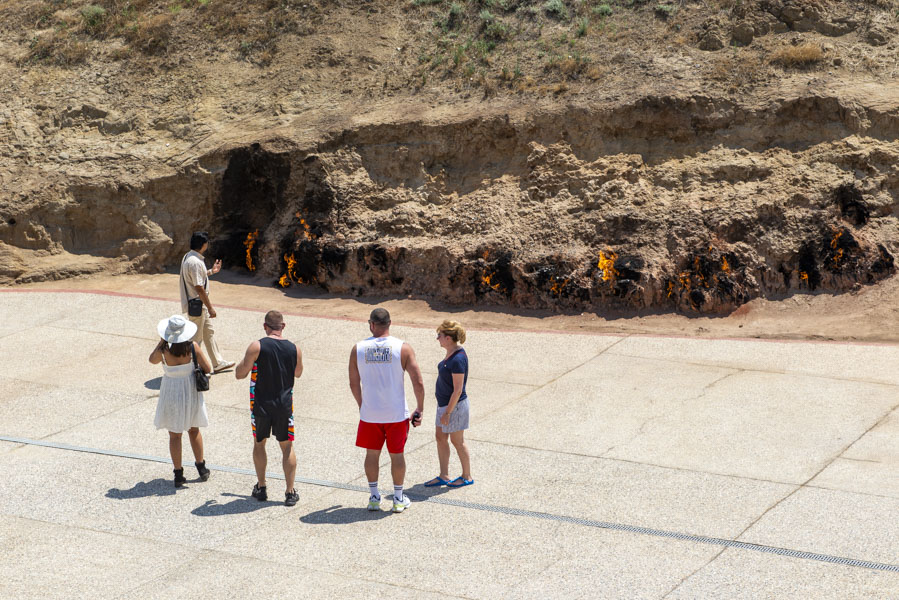
Plenty of countries have nicknames: the Land of the Rising Sun for Japan, the Land Down Under for Australia, and the Land of a Thousand Lakes for Finland. Well, Azerbaijan has its own – the Land of Fire.
On the Absheron Peninsula, natural gas sits so close to the surface that it has burnt in places for centuries. The flames of Yanar Dag seem modest in the afternoon, but after dark the hillside glows orange against the night sky, and you can feel its heat from several metres away.
Pair the trip with the old fire temple of Ateshgah in Surakhany (Suraxanı), where merchants and pilgrims from as far away as India once prayed before the flames.
4. Walk among mud volcanoes and ancient rock art
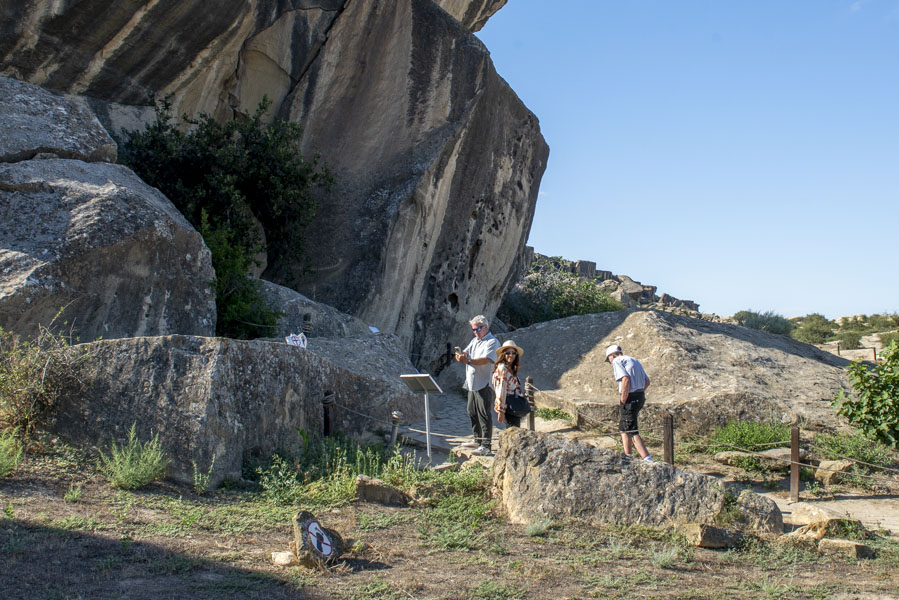
The landscape south of Baku is entirely different. Greenery fades, hills turn bare and grey, and the road runs through a semi-desert that feels a very long way from the capital’s boulevards. This is Gobustan, where a day out reveals two of Azerbaijan’s famous landmarks.
The first tells a human story. Carved into the rocks are hunters, dancers and boats left by people who lived here thousands of years ago. The second is geological. A short drive further on, the mud volcanoes gurgle and burp like pans left on the stove, while cool grey mud slides down their slopes in slow little rivers.
5. Hear the hammers of Lagich
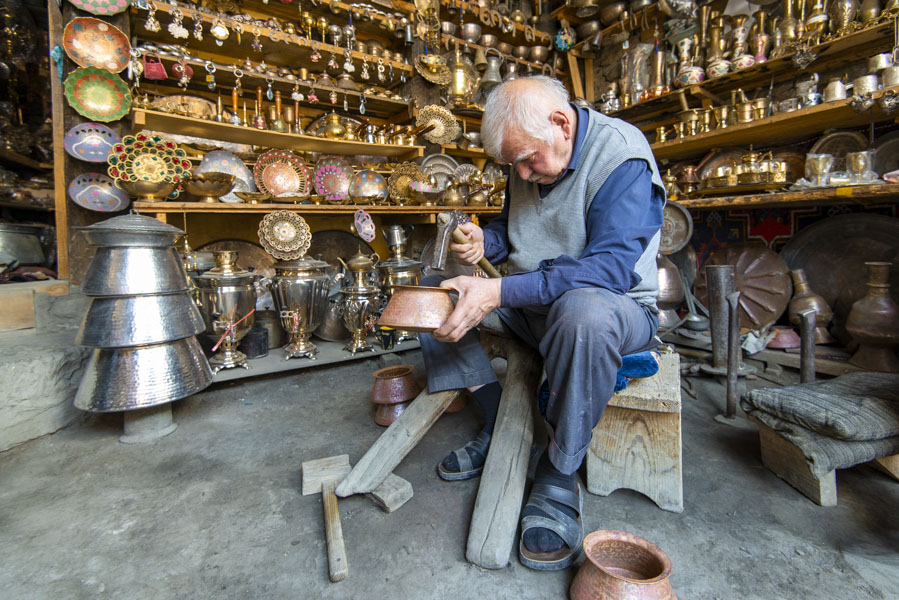
You are far enough out from Baku to notice the countryside is growing greener by the mile. After the semi-desert landscapes of the capital’s outskirts, the ancient mountain village of Lagich (also Lahic or Lahij) feels like a breath of fresh air. It is known for its copperware, narrow cobbled lanes and two-storey houses built from river stones.
Wherever you look, you will encounter a workshop or a souvenir shop. Carpets, papakhas (traditional sheepskin hats), kitchenware and leather goods hang by the doors. Sacks of spices standing outside are just as eye-catching. Many of the craftsmen are happy for you to watch as they shape jugs, trays and bowls by hand, using skills passed down through generations of the same family.
The road up to the village follows a river gorge and winds a good deal, but the scenery is beautiful. Along the way, keep an eye out for village women baking qutab (kutab) at the roadside on a saj, a domed iron griddle set over an open fire. Each one comes off the griddle paper-thin and still warm, filled with fresh herbs, cheese, or whatever local delicacy is in season.
6. Slow down in Sheki
The drive from Baku to Lagich takes nearly three hours, and another two and a half hours along the same road brings you to Sheki. The historic town sits at the foot of the Greater Caucasus among walnut and chestnut trees. And once again, green hills line the road, and Sheki is especially gorgeous in spring, when the orchards are in blossom.
On the way, be sure to stop at Just Coffee in the village of Vandam. It is one of the few places this far outside Baku where you can perk yourself up with truly excellent coffee (Azerbaijan is a tea country, after all), and it also highlights two quirky installations: the last thing you would expect here is statues of Jean-Claude Van Damme doing his famous split between two tree trunks and Steve Jobs.
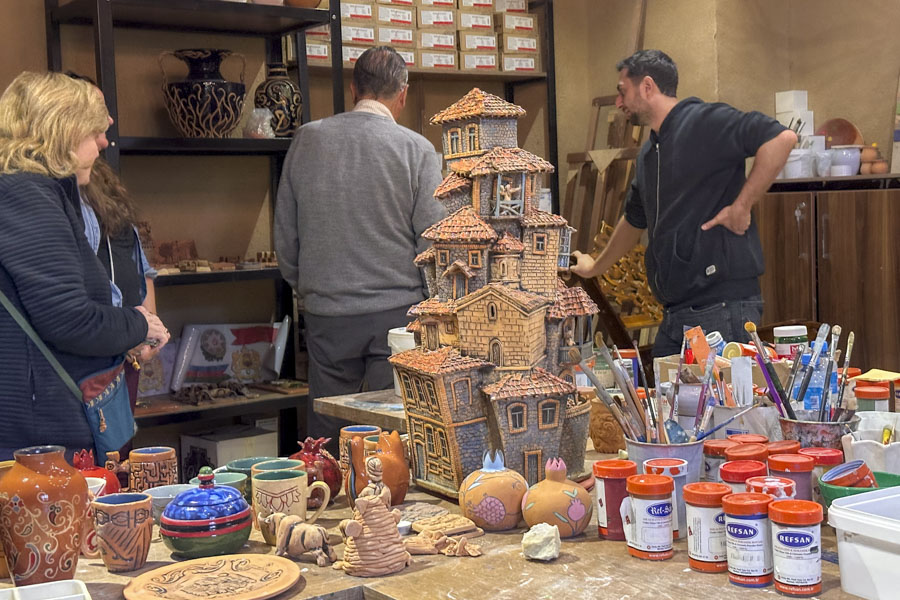
The Khan’s Palace is a big draw, of course, but visitors tend to remember Sheki for other reasons too. The food, for one. Piti, a lamb and chickpea stew cooked in clay pots. Then there is Sheki halva, a sticky lattice of rice flour, nuts and syrup. Afterwards, wander past the craft workshops and perhaps pick up a silk kelaghayi headscarf. Its signature motif is the buta, a paisley-like symbol of fire, eternity and life. Then consider a night in an old caravanserai, where Silk Road merchants once rested beneath the very same arches.
It is also well worth setting aside time for the countryside around Sheki. Within easy reach are Kish (Kiş), Qakh (Qax), Parigala (Pəriqala) and Zagatala (Zaqatala), as well as several ancient Caucasian Albanian churches and monasteries.
7. Head for the high village of Khinalug
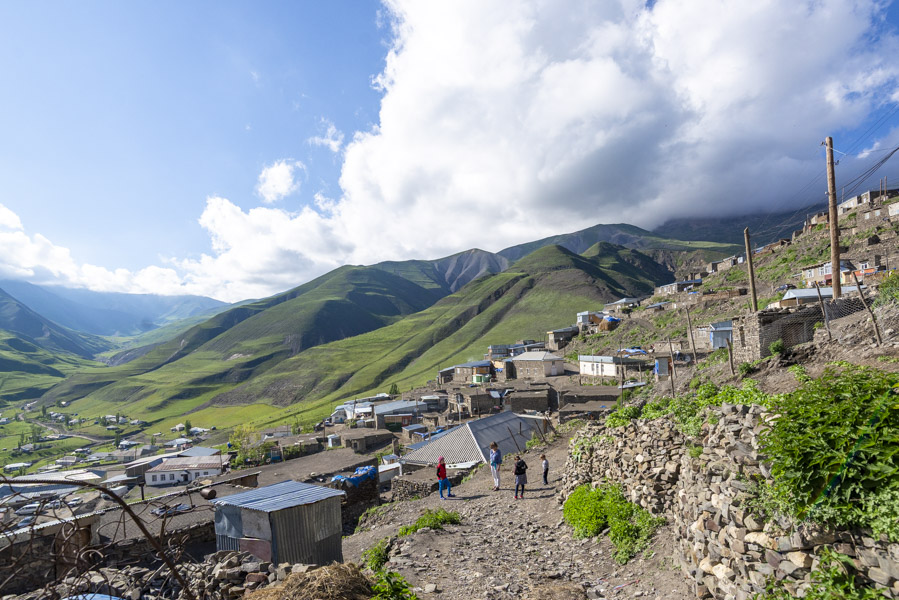
Khinalug is one of Azerbaijan’s highest villages, set at more than 2,000 metres above sea level in the Greater Caucasus. Just a few dozen stone houses cling to the mountainside, where the stunning landscape meets the rhythms of everyday village life. Khinalug has a long history, and its people speak their own language. The village and the ancient Köç Yolu transhumance route are recognised together as a UNESCO World Heritage Site. Khinalug’s remote mountain location and difficult access kept it relatively isolated for a long time, helping villagers maintain their language through both the Russian Empire and the Soviet Union. Today, it is protected and taught at the local school.
Do not miss an off-road ride with the locals in Khinalug. Imagine yourself as a shepherd for a day, and try a traditional dish called daşarası, which translates as “between two stones”. And that, quite literally, is how it is cooked. Locals light a fire and set a large flat stone over it. Meat is laid on top, and then a second stone of the same size goes on as a lid. The food slowly cooks between the two, and the result is a hearty shepherd’s meal. Local cheese, bread, and tea from a samovar (a metal urn for boiling water) bubbling nearby are also part of the meal.
What to Do in Azerbaijan Beyond Sightseeing
Azerbaijan’s daily rituals and local traditions can be as memorable as its grand views. Spend time with the country, and you will notice its regional character through food, tea, music and craft.
8. Take time for Azerbaijani tea
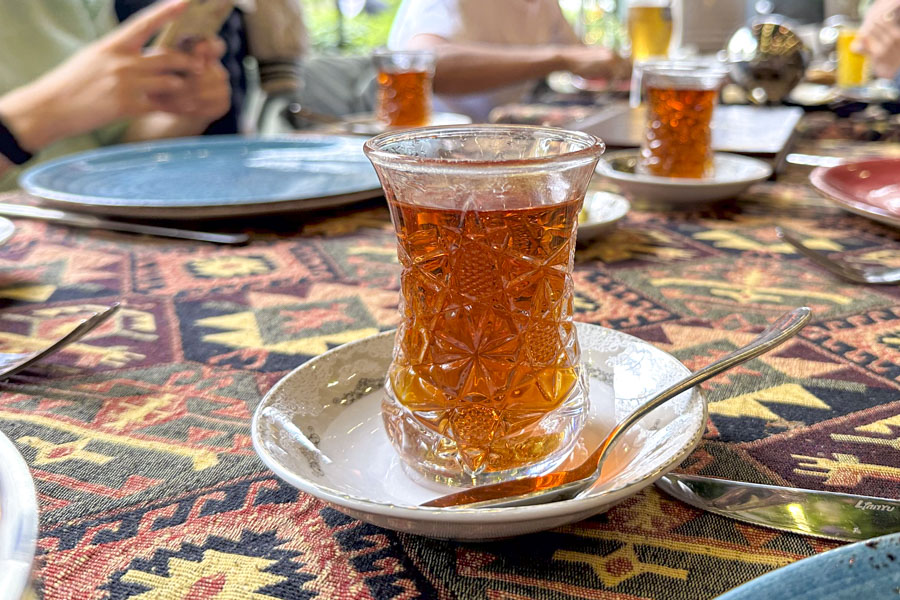
Tea is a big part of Azerbaijani culture. As in Turkey, locals drink it in small, pear-shaped glasses called armudu, which are said to keep the tea hot at the bottom while the top cools enough to sip. Slices of lemon, sugar cubes, nuts and local fruit preserves are also part of a daily ritual.
The best place to try it is a traditional teahouse, or chaikhana. Baku’s Old City has a couple of good ones. Tea Garden 145 (Çay Bağı 145), for example, serves excellent breakfasts and, naturally, brews a very fine pot of tea. To learn more about tea culture, though, head south to Lankaran, near the ancient Hyrcanian forest. As the capital of Azerbaijan’s tea industry, it produces around 90% of the country’s tea. You can stop by a restaurant next to the plantations to sip tea and take in the sights of the green tea bushes.
Lankaran is also known as the “fruit basket of Azerbaijan”. Kiwis, lemons, oranges, mandarins and feijoas are grown here, and visiting a family farm to pick fruits is a popular activity.
9. Wander through a Baku bazaar
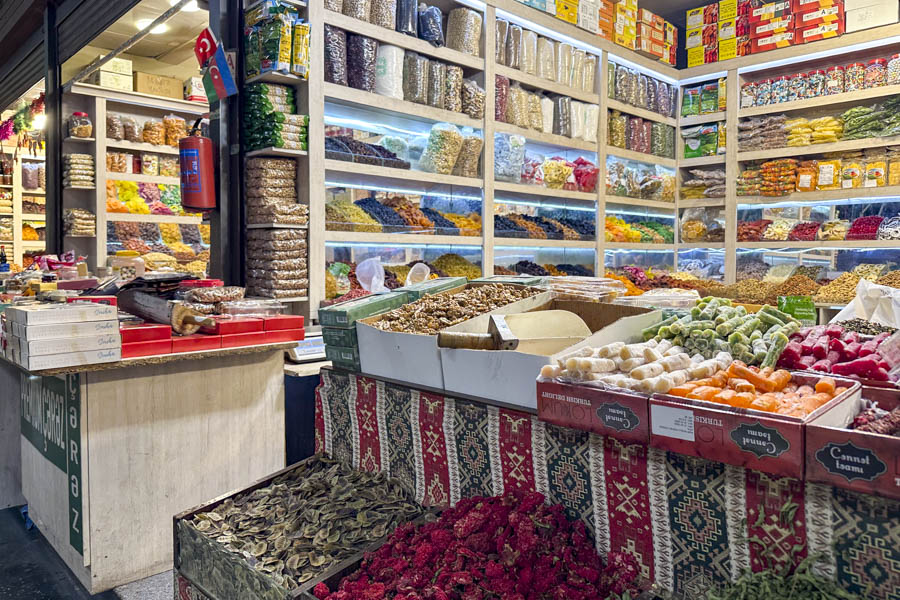
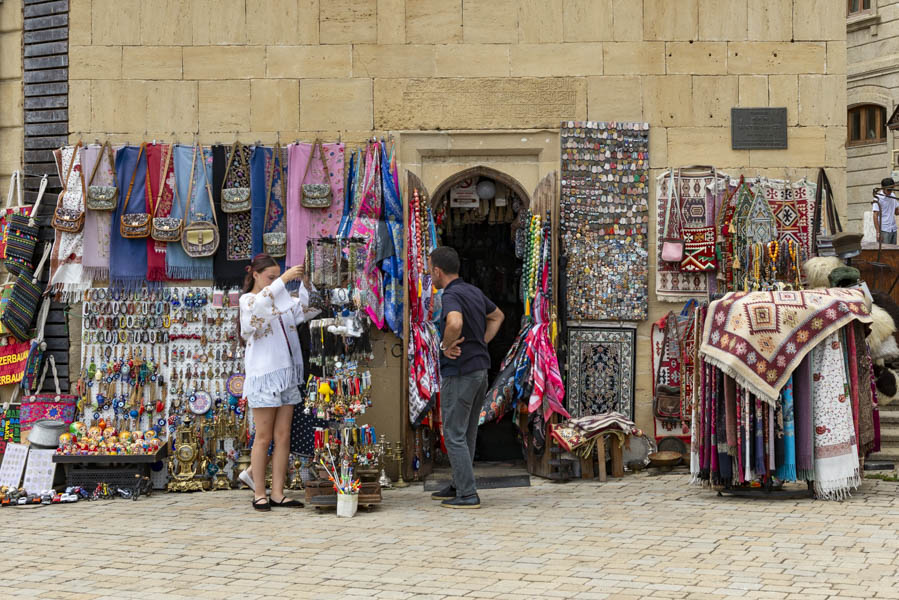
Once you are rested, discover where locals buy all that fruit. At Baku’s Yashil Bazaar (Yaşıl Bazar), vendors build little pyramids of pomegranates, persimmons and quinces, and scoop saffron, sumac and dried barberries from open sacks. Somewhere nearby, inevitably, a man is slicing cheese and insisting you try it.
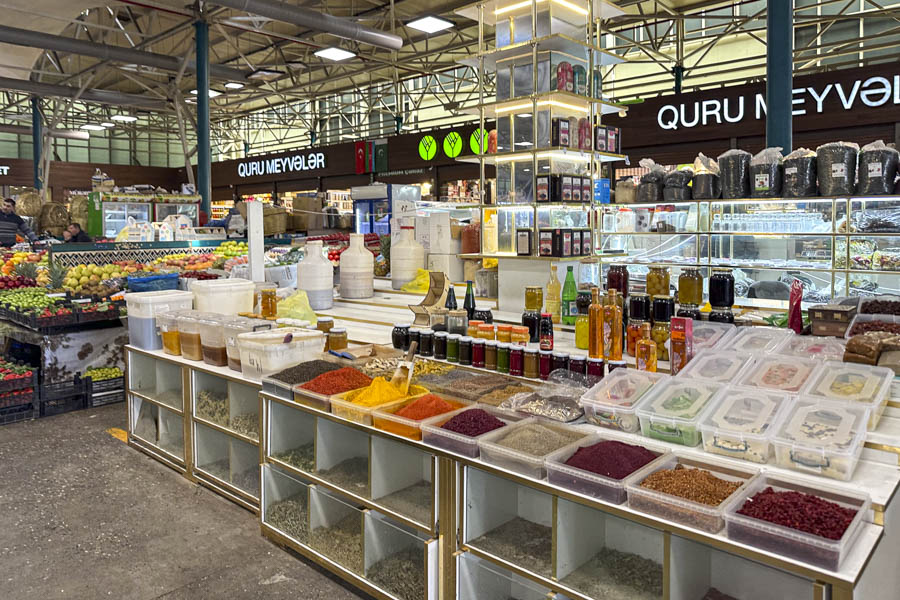
Autumn is the richest season, when the fruit is at its best, and the colours alone justify the visit. A little gentle bargaining is accepted, though it is always good-humoured. A bag of saffron or a jar of fig jam makes a nice gift, and it will remind you of the trip every time you cook. It also sets you up nicely for the next experience, which involves rather a lot of eating.
10. Sit down to an Azerbaijani feast
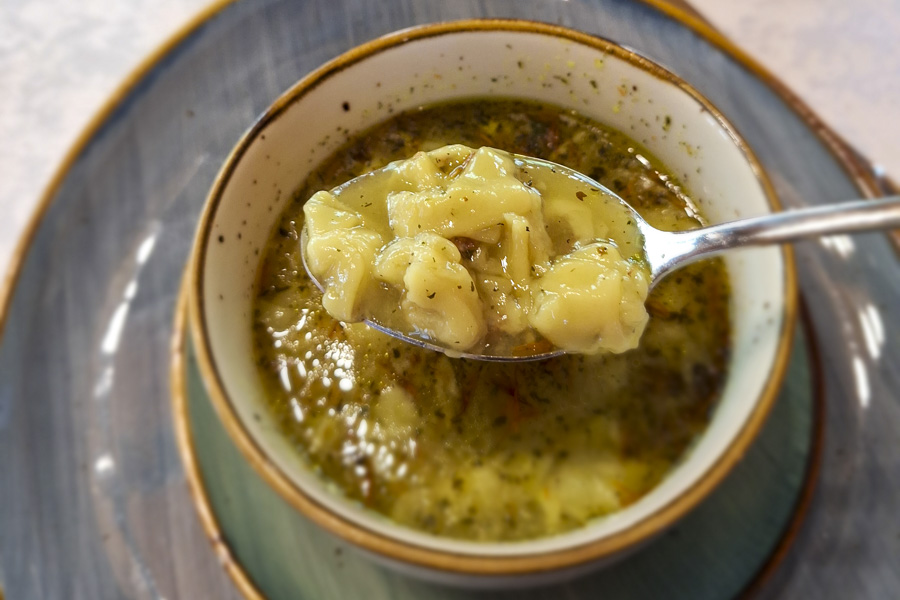
Sooner or later, someone will invite you to the table. A meal in Azerbaijan begins with a generous spread: bundles of fresh herbs, white cheese, tomatoes, pickles and warm bread. Next come the qutab, which you may have tried at the roadside, filled with greens, meat or pumpkin, which you eat with your fingers. After that, perhaps a bowl of dushbara, which are dumplings so tiny that a dozen fit on one spoon.
Plov, however, is the crowning dish and a regional pride. In Azerbaijan, the rice is usually cooked separately, then served with toppings of lamb, chestnuts, dried fruit or saffron. On special occasions it arrives baked inside a golden crust of flatbread—shah plov (royal plov). There is more on local dishes in our guide to Azerbaijani cuisine.
11. Hear mugham being performed live
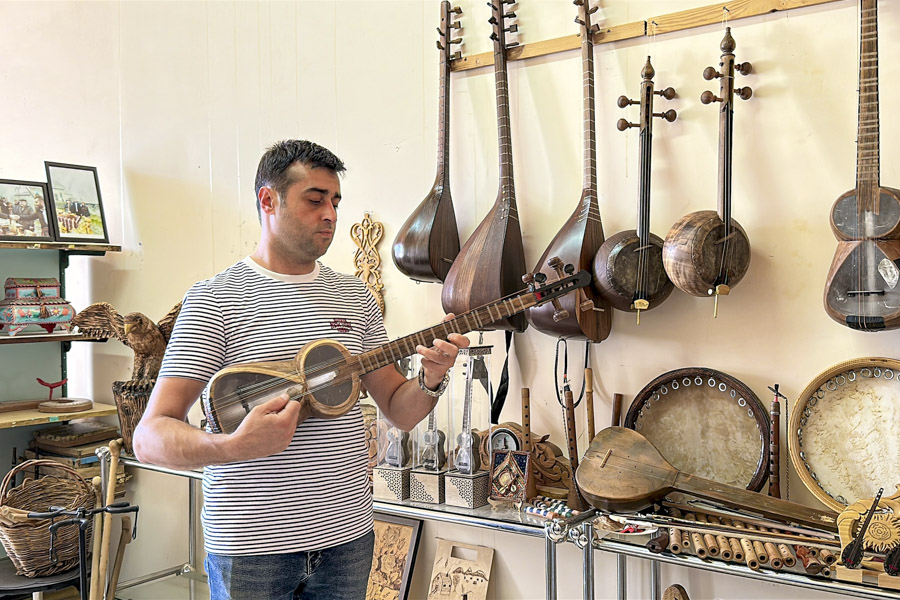
If you listen to only one kind of music in Azerbaijan, let it be mugham. This is the country’s classical tradition: a partly improvised art, combining singing, poetry and instrumental performance, in which a singer and a small group of musicians build a piece slowly, rising and falling through a full range of moods. UNESCO lists it as part of the world’s intangible heritage.
You might hear mugham in a Baku concert hall, in an Old Town restaurant or at a family celebration. Listen for the tar, a long-necked lute, and the kamancha, played upright with a bow. Interestingly, mugham found its way into jazz in the 1960s and 70s, when the pianist and composer Vagif Mustafazadeh blended the two, and Baku has kept a soft spot for jazz ever since. Look for concerts or cultural events in Baku held at the International Mugham Centre, on Baku Boulevard, but check what is on during your visit.
12. See how carpet patterns come to life
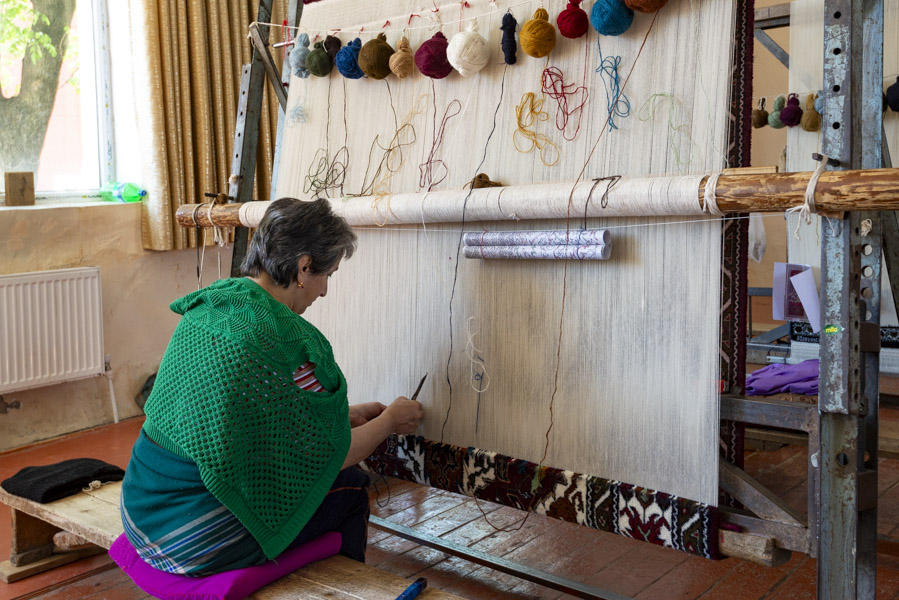
A carpet is easier to appreciate once you have seen how it is made. UNESCO recognises the traditional art of Azerbaijani carpet weaving, and each region has its own patterns and methods.
In Quba and workshops around Baku, you can sit beside the weavers and watch them knot pile carpets by hand. A single carpet can take months and years to complete. Afterwards, the Carpet Museum in Baku is a great place to admire this ancient craft.
13. Join in Novruz
Somewhere in a remote village, a girl may sit on that traditional rug, telling fortunes and singing traditional songs at Novruz, the ancient festival of spring and the new year, which falls on the spring equinox in March. In the weeks beforehand, households grow trays of green wheat shoots, called samani, as a symbol of renewal. Meanwhile, kitchens turn out mountains of sweet pastries: diamond-shaped pakhlava, crescent-shaped shekerbura and round, flaky shorgoghal.
On the Tuesday evenings leading up to the festival, people light bonfires in courtyards and squares and leap over the flames to leave the old year’s troubles behind. There is no need to jump, of course. Watching is quite enough, especially with a plate of pastries in hand. The streets come alive with music and folk dancing, and you may find yourself invited for a cup of tea.
14. Taste Azerbaijani wine in the Caucasus foothills
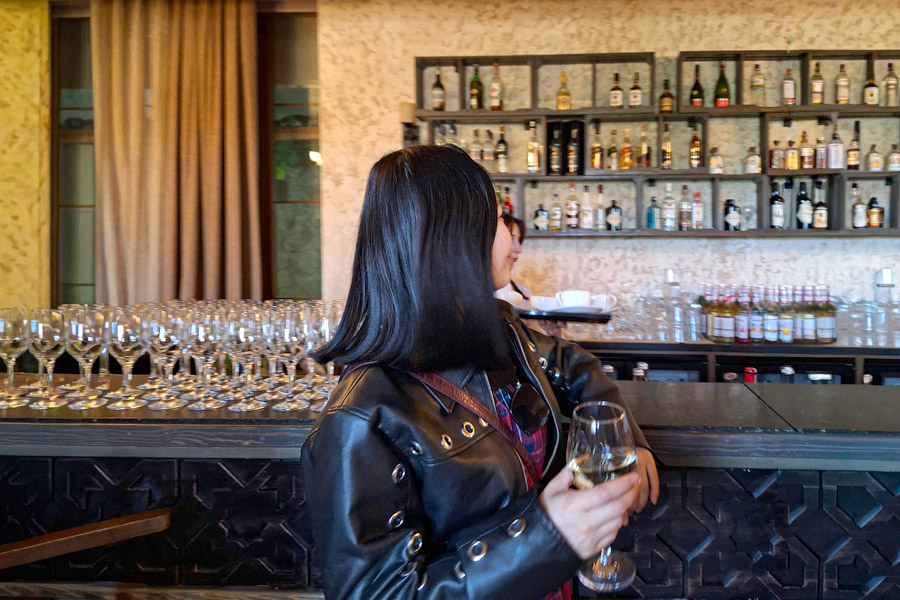
Few visitors arrive anticipating Azerbaijani wine, and yet grapes have grown on these slopes since ancient times. The hills around Shamakhi and Ismayilli, not far from Lagich, are the heart of it.
Several estates welcome guests for a stroll through the vineyards and cellars, followed by a tasting. Look out for Madrasa, a local red grape used to make fruity wines, and for whites from native varieties such as Bayan Shirey (Bayanşirə). Autumn, around the harvest, is a lovely time to go.
15. Follow a poet through Ganja
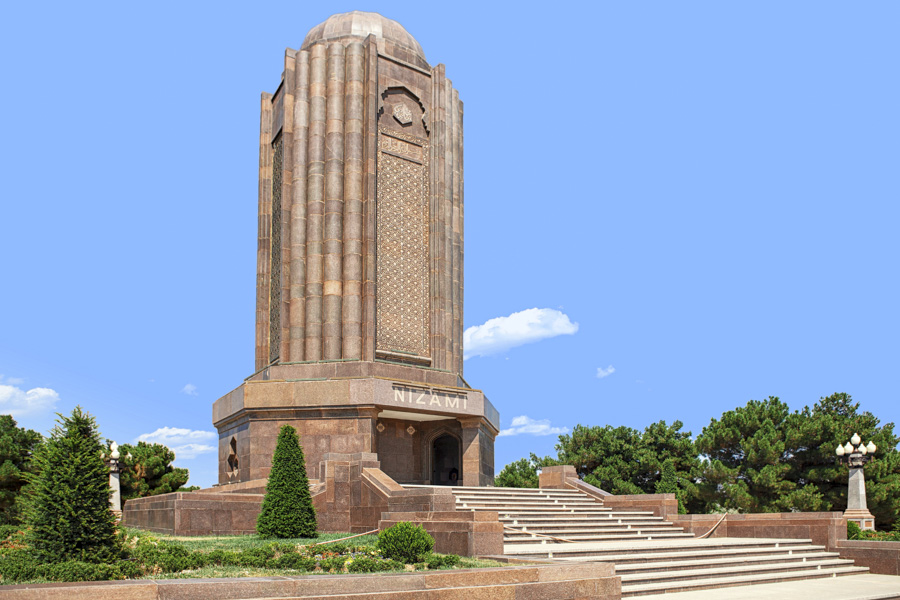
After the bustle of Baku, Azerbaijan’s second city is a pleasant surprise. Ganja is greener, peaceful and altogether more provincial. It is also the hometown of Nizami Ganjavi, the 12th-century poet whose tale of Layla and Majnun has been read and retold across the Persian-speaking world for eight centuries. Locals are proud of him, and his name crops up everywhere, from street signs to the city’s grandest monument. You may read online a few of his lines before you arrive. Then, as evening falls, join the families strolling along Javad Khan Street and settle into a café to watch the city.
Ganja is also a good base for the surrounding countryside. Half an hour’s drive away, the town of Goygol (Göygöl) has an unusual history. In the early 19th century migrants from the Kingdom of Württemberg in southern Germany founded a colony here and named it Helenendorf. Their red-roofed houses and old wine cellars still stand, and wine is still made there today. And if you are curious about Azerbaijan’s more unusual traditions, nearby Naftalan is famous for its therapeutic oil baths.
How to choose what to see and do

City life in Baku, mountain landscapes, regional food, local traditions or simply time to linger where you please: decide what matters most to you, and the right activities will follow.
If this is your first visit to Azerbaijan
Begin with Baku, then choose one excursion to see the country from a new angle. Gobustan and Absheron are a natural pairing from the capital. Sheki offers a richer sense of regional history and craft if you have time to travel farther. Add a meal, tea stop or performance rather than filling every hour with sights.
If you are drawn to history and culture
Combine Baku’s historic districts with a trip to Lagich and then Sheki. Alternatively, build your itinerary around Azerbaijan’s UNESCO World Heritage Sites.
If you enjoy museums
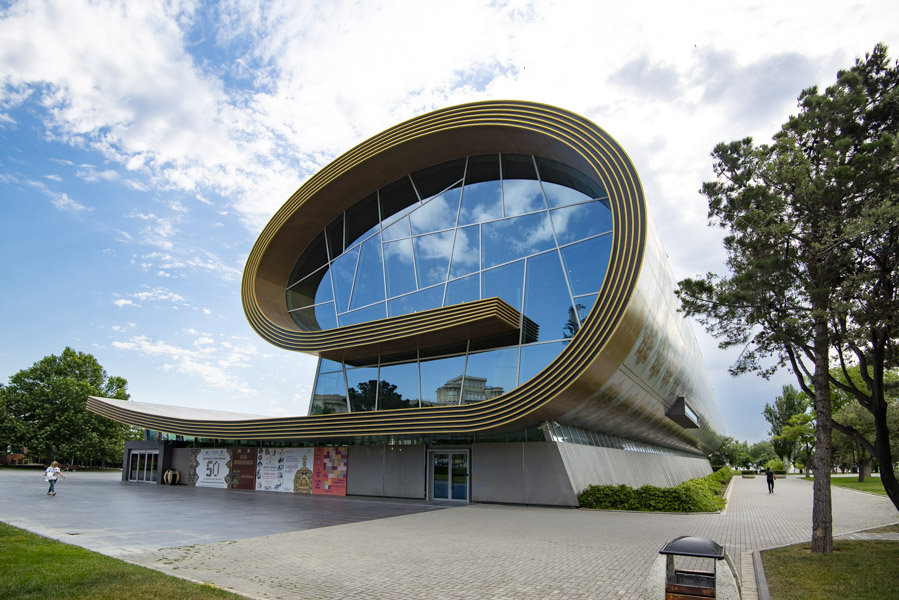
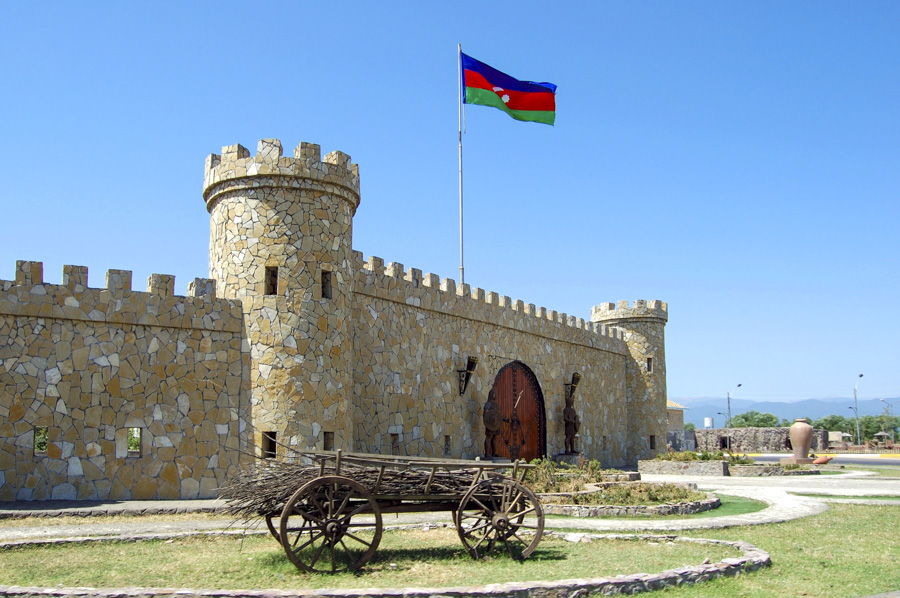
In Baku, the highlights are the Azerbaijan Carpet Museum, the National History Museum, the National Art Museum and the Museum of Miniature Books. Outside the capital, the Gobustan Rock Art Museum is a must-visit open-air museum where carvings are explored on foot. The Gala State Historical Ethnographic Reserve on the Absheron Peninsula recreates village life in the open air, and the Museum of Mountain Jews near Quba tells the story of an ancient community.
If you have a stopover in Baku
Baku makes an easy stopover because the airport is about half an hour from the centre. A few hours are enough for the Old City, a glass of tea and a walk by the sea. A longer stay leaves time for the flames of Yanar Dag after dark. Check that your stopover allows enough time to leave the airport, take the tour and return for your flight.
If you prefer food and local traditions
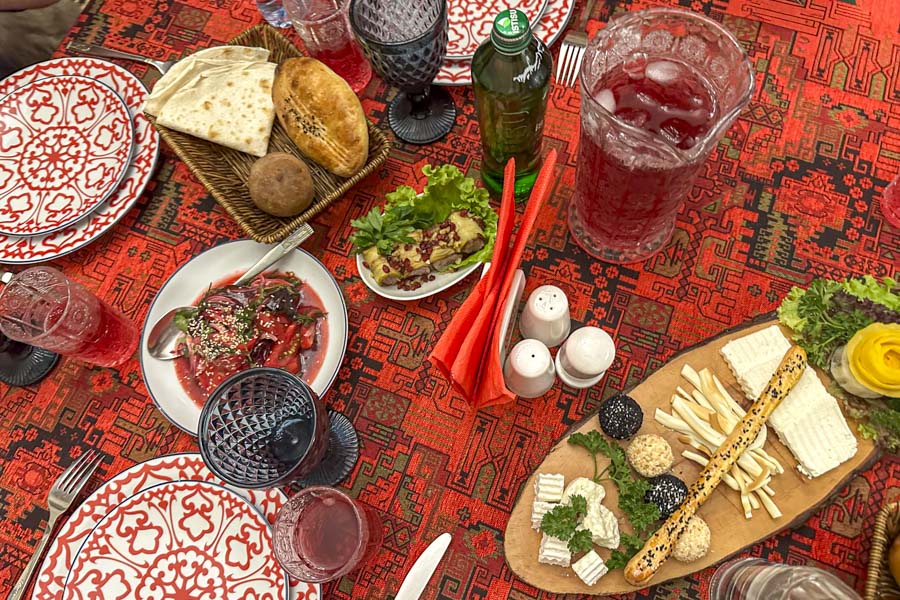
Build the trip around meals and markets. Try regional dishes and tea, and ask what is seasonal. If you are travelling through Shamakhi or Ismayilli, consider joining a winery tour and enjoy a tasting of locally produced wines. And along the way, you will experience how regional ingredients, crafts and customs shift from one place to another.
If you prefer landscapes and a gentler pace
Choose scenic drives, short walks and longer stops in the mountain regions. Khinalug and other highland villages require more planning than a city visit, and a trip to Shahdag can be tailored to the season.
If you are travelling solo
Azerbaijan is welcoming to solo travellers. Taxis are easy to book through apps, and local hospitality means you rarely stay alone for long. Outside the capital, English is less common. Women travelling alone in the country generally feel at ease. In any case, Azerbaijan is a place where traditions are alive, so travellers should dress modestly in villages and at religious sites. If you would like company for some of the longer journeys, a small-group guided tour can be a comfortable middle ground.
How to Explore Azerbaijan from Baku
| Destination | Approximate Distance from Baku | Approximate Driving time | Best as |
| Absheron Peninsula (entrance) | 18 kilometres (11 miles) | 30 to 45 min | Half-day or evening |
| Gobustan Rock Art Reserve | 62 kilometres (39 miles) | 1 hour 20 min | Half-day |
| Shamakhi and Lagich | 122 and 180 kilometres (76 and 112 miles) | 2 to 3 hours and 30 minutes | Long day or overnight |
| Quba and Khinalug | 174 and 230 kilometres (108 and 143 miles) | 3 to 4 hours and 30 minutes | Two nights |
| Sheki | 300 kilometres (186 miles) | 5 hours | Two nights |
| Naftalan and Ganja | 335 and 360 kilometres (208 and 224 miles) | 5 to 6 hours | Two nights or more |
| Lankaran | 250 kilometres (155 miles) | 3 hours and 20 minutes | Two nights |
Please note that drive times vary with traffic, road conditions and the exact starting point.
When a day trip works well
Absheron and Gobustan are natural day trips from Baku. Depending on the route, you can combine fire heritage sites, rock art and the mud volcano landscape. Allow time for the drive and a proper stop along the way; these places are more entertaining when you do not rush through them.
When an overnight stay makes the journey easier
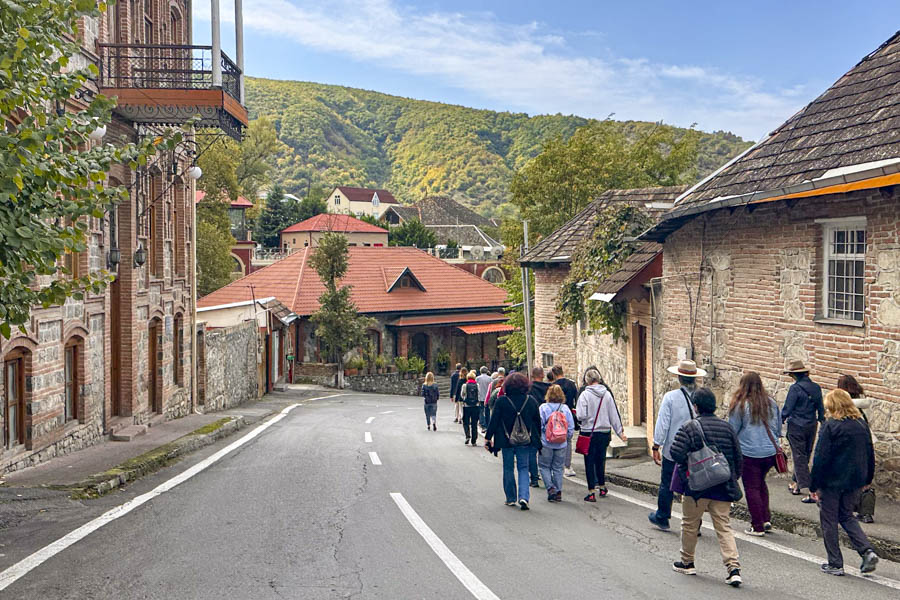
Sheki and the northern mountain regions are better approached with an overnight stay. Staying overnight gives you a chance to take a break from the drive and leaves you time to enjoy the town or landscape at a more relaxed pace. The same principle applies to winery stays around Ismayilli or Shamakhi.
When private transport matters
Private transport is useful when you want to balance rural stops with workshop visits or travel into the mountains. It reduces the need to coordinate connections and lets you decide how long to spend at each place. For a more comfortable trip, plan fewer stops and leave room for breaks, especially on longer regional journeys.
Ride the train from Ganja to Gabala
For part of the journey, you may prefer to take the train. From Ganja, you can continue northeast by rail to Gabala, a popular mountain resort. Nearby Tufandag, about 4 kilometres (2.49 miles) from the city centre, is a modern ski resort in Azerbaijan.
The Ganja–Gabala railway service launched in January 2026. Stadler trains cover the 139 kilometres (86.37 miles) route in about 1 hour 50 minutes, stopping at Goran, Yevlakh, Laki and Aghdash. Standard, Standard+, Business and First Class seats are available. Coming from Baku, take the Baku–Gazakh train to Laki and change there for Gabala. For the return journey, travel from Gabala to Laki and take a train to Baku. Check the latest timetable before travelling.
When to Visit and What to Do in Azerbaijan
The right season depends largely on what you would like to do. Broadly speaking, spring and autumn suit almost everything. Summer and winter, on the other hand, reward a little planning.
| Season | What to expect | Best for |
| Spring (March to May) | Mild days, green hills, wildflowers | Novruz, Baku, Gobustan, before the heat, Sheki |
| Summer (June to August) | Hot in Baku, cooler in the mountains | Caspian evening, the high villages, Lagich |
| Autumn (September to November) | Warm, then crisp; harvest time | Bazaars, wine tasting, long feasts, Sheki and Lagich, the Baku Grand Prix |
| Winter (December to February) | Cold across much of the country. Windy in Baku and snow in the mountains | Fire sites after dark, mugham, carpets, teahouses, Naftalan |
Late September and October are ideal if you have only one window. By then, the temperatures are more comfortable, the mountain roads are still open and the markets are full of pomegranates. In late April and May, the hills bloom with wildflowers. Midsummer in Baku is hot, making early mornings or evenings perfect for outdoor activities, while the middle of the day offers a chance to enjoy a leisurely lunch in the shade.
For motor racing enthusiasts
In recent years, September has brought the Formula 1 Azerbaijan Grand Prix to Baku, with cars racing through the city streets, past the old walls, and along the seafront. The circuit’s striking urban setting gives the race a distinctive character. The sound alone echoes across the bay, and the city stays up late throughout the weekend. Visitors should bear in mind that roads closures and barriers around parts of the boulevard can affect getting around for several days.
Frequently Asked Questions
What is Azerbaijan famous for?
Azerbaijan is famous for its natural gas fires, which earned it the nickname “Land of Fire”, and for Baku, where Icheri Sheher, the mediaeval walled Old City sits beside striking modern architecture. It is also known for its carpets, mugham music, generous hospitality and cuisine, especially plov. Beyond the capital, visitors come for the Caucasus mountains, the historic town of Sheki, known for its silk heritage, and the mud volcanoes of Gobustan.
Why is Baku called the Black City?
Strictly speaking, it is not. The Black City (Qara Şəhər) was the name of Baku’s industrial zone. The smoke and soot produced blackened everything from the buildings to the workers’ clothes. The wealth it produced, meanwhile, helped fund the elegant mansions of central Baku. Today, much of the old district is being transformed into Baku White City, a new neighbourhood consisting of parks and apartments.
What are Azerbaijan’s top things to buy?
Look for Azerbaijani carpets, silk kelaghayi scarves, copperware from Lagich, handmade saddles from Shamakhi, Sheki sweets, Lankaran tea, pomegranate sauce (narsharab), homemade jams, a box of Sheki halva, and a bottle of wine from Ganja–Gazakh or Shamakhi. For a distinctive gift, consider embroidered textiles or traditional armudu tea glasses. If you are buying a carpet, ask the seller about the export certificate required for customs clearance at the airport.
Is Nakhchivan worth visiting?
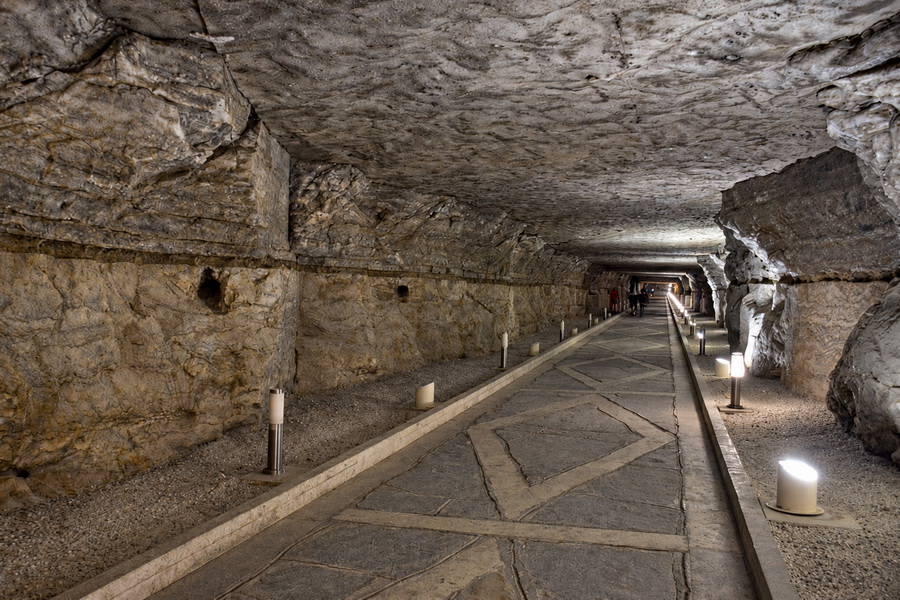
Yes, if you have time and enjoy the places few travellers reach. Nakhchivan is an autonomous republic of Azerbaijan separated from the rest of the country by Armenia, so most people arrive on a short flight from Baku. In return, you will find red-rock mountains, a slower pace of life and some of the finest mediaeval architecture in the country, including the 12th-century Momine Khatun Mausoleum. Local legend also links the region with Noah, whose tomb is said to lie here. And the old salt mine at Duzdag is now used as a physiotherapy centre offering speleotherapy for respiratory conditions.
Can I travel to Armenia and Georgia after Azerbaijan?
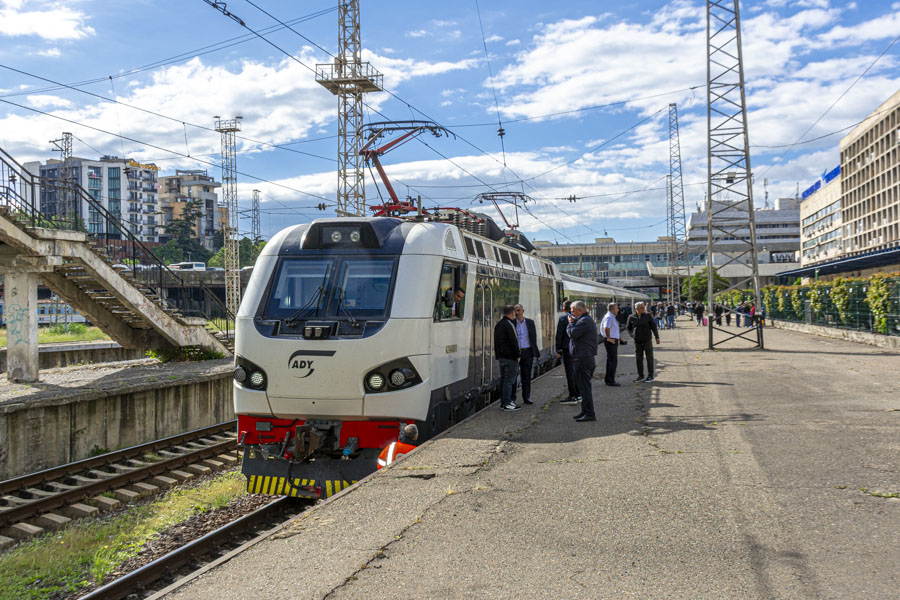
Yes, but you cannot cross directly from Azerbaijan into Armenia: the border remains closed. One option is to travel from Baku to Georgia and then to Armenia. The Baku–Tbilisi passenger train resumed in May 2026, though Azerbaijan’s current rules limit rail service to its citizens and foreign visitors eligible for visa-free entry to Azerbaijan. Travellers holding an Azerbaijani visa or e-Visa cannot use the train to enter the country. Check your eligibility and entry requirements before planning the route. Then explore Things to Do in Georgia and Things to Do in Armenia.
What do Azerbaijan and Turkey have in common?
The two countries share deep cultural ties, and their languages are closely related. Azerbaijani and Turkish both belong to the Oghuz branch of the Turkic family, so speakers may recognise many similarities, although understanding one another is not always effortless. You will notice the kinship at the table, too: dolma, kebabs, pakhlava and tea. Yet Azerbaijan has a distinct character, shaped by Persian and Russian influences, by the Caspian Sea rather than the Mediterranean Sea, and by the mountains of the Caucasus. As a result, the two countries combine well in one itinerary, as they are linked by frequent direct flights from Baku to Istanbul and vice versa. If you are tempted, take a look at our guide to Things to Do in Turkey.