

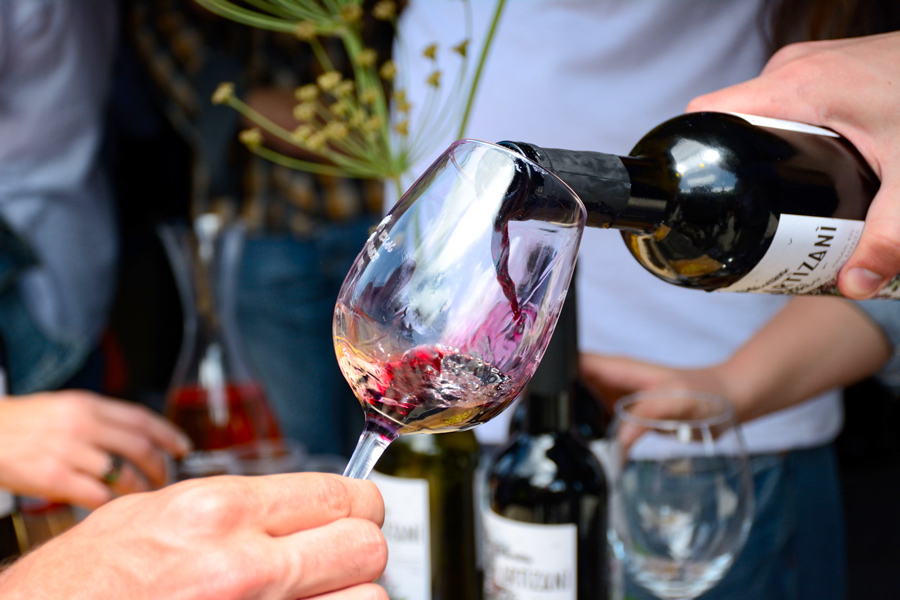
In Georgia, where winemaking dates to ancient times, wine is embedded in the way of life. Every region boasts its own winemaking tradition, unfolding unique characteristics with each season. These are the fresh landscapes of spring vineyards in Kartli, central Georgia, and the golden bustle of the autumn harvest in Kakheti, eastern Georgia. And then there are the blooming grapevines of Racha-Lechkhumi, western Georgia, in early summer. While sunshine and comfortable temperatures are important when choosing your travel dates, what matters most is your personal mindset for wine travel.
When Is the Best Time to Visit Georgia for Wine?
September and October are the harvesting season, known locally as “Rtveli”. This is the most exciting and immersive time to be in Georgia's wine country, Kakheti, as the festive celebrations bring the entire region’s vineyards to life.
That said, the Georgia wine season is by no means limited to the harvest. Each season has something to offer: from cellar tours and intimate fire-lit tastings in winter overlooking vineyards during grapevine dormancy to vibrant festivals, hands-on grape picking and stomping, and sun-soaked picnics in summer.
Spring (March–May): Young Wines, Open Cellars, and Vineyard Walks
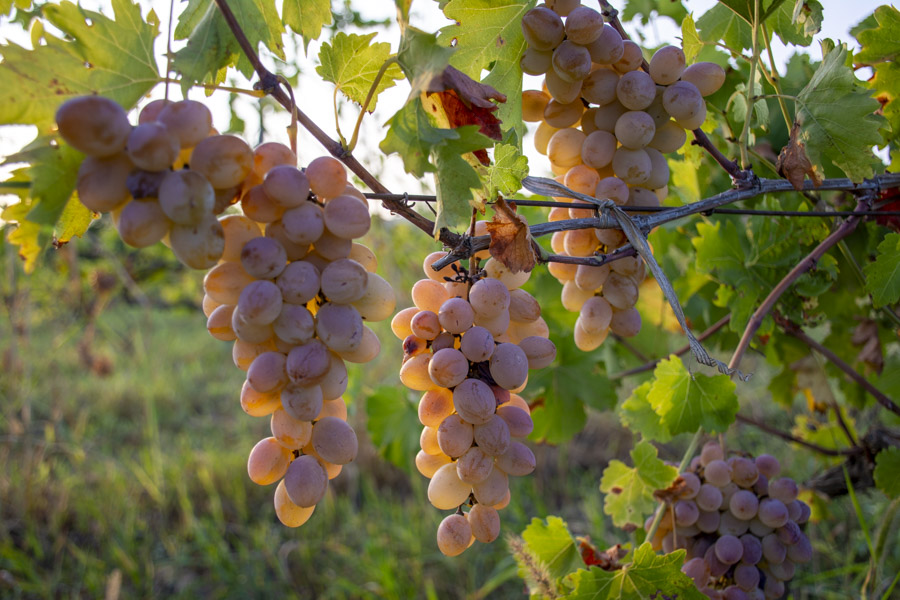
Spring is one of the finest times to explore Kakheti. The countryside is green and flourishing. It is a thrilling time for the palate: the young wines from the latest harvest are ready to be tasted. This means sampling amber wines (macerated whites) fresh from the Qvevri – large clay vessels buried underground, used in Georgia's ancient, UNESCO-recognised winemaking method – alongside young reds still finding their shape and the crisp sparkling wines of Kartli.
What to Expect
Spring in Kakheti begins in late March. Winemakers are back in the fields, ploughing between the rows as the growing season gets underway. While the autumn harvest continues to mature in the cellars, some producers begin opening their vessels in April for the first tastings of the new vintage wines.
April and May feature mild temperatures, light crowds, and a wonderful stillness at smaller family-run boutique wineries.
May highlights two major events worth planning around. On 8 May, Georgia celebrates its newly established National Wine Day. And every second Saturday of May, the country marks the New Wine Festival. Free festivities and tastings take over parks and venues in Tbilisi during that time.
Other wine festivals in May to take note of are the Zero Compromise Natural Wine Festival, the Bolnisi PDO Wine Festival, and Wine Ambassadors.
Wine Highlights
Spring is the ideal season to taste white and amber (also called “orange”) wines of the previous vintage. Kakheti's skin-contact whites – such as Rkatsiteli, Mtsvane, and Kisi – are ready for tastings in early spring, have more grip than typical white wines, and often develop deeper complexity, and a golden hue. In Imereti, fresh local whites like the ones made of Tsolikouri and Tsitska are elegant, mineral-driven profiles that are light, crisp and pleasant to drink. It is also the perfect season to discover Kartli's delicate wines, made from Chinuri and Goruli Mtsvane.
Where to Go
Kakheti: The obvious starting point. Home to around 60–70% of Georgia's national wine production and containing roughly 20 of the country’s PDO (Protected Designation of Origin). The majestic Alazani Valley is alive with visits to maranis (wineries in Georgian) in spring. Telavi, Sighnaghi, and the Gurjaani district have grand commercial estates and historic family producers.
Kartli: Located just outside Tbilisi, Kartli is known for its sparkling wines and elegant table whites made from grape varieties cultivated in the historic Mukhrani Valley or along the banks of the Mtkvari River.
Imereti: For something less frequented, spring is a lovely time to head west, where the cellar region around Kutaisi provides a more off-the-beaten-path wine experience.
Ideal for: those seeking a relaxed trip, amber wine enthusiasts, and travellers combining wine with cultural sightseeing.
Summer (July–August): Long Days, Bold Reds, and Quiet Vineyards
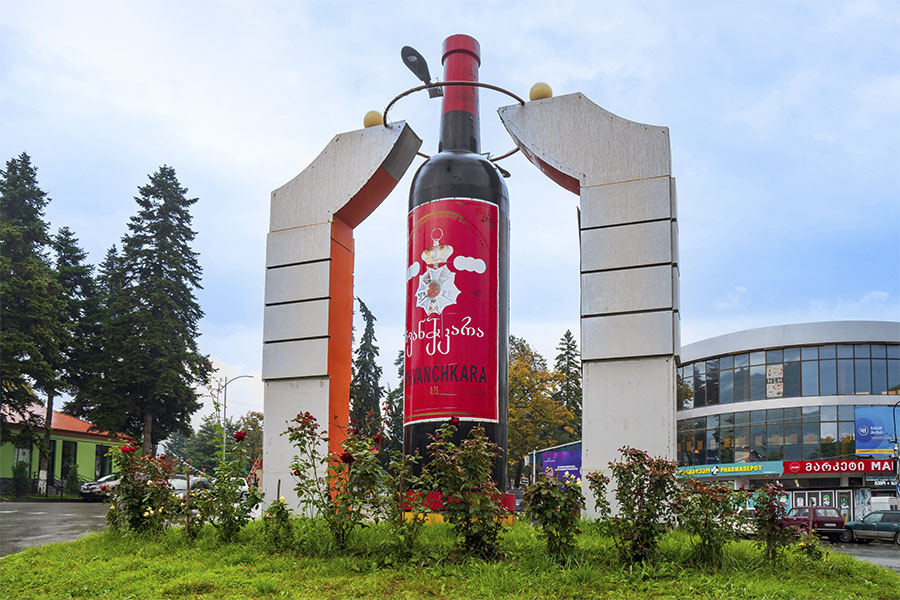
Summer is the height of the growing season. Fruit set occurs in June, and by July, the berries that looked like green peas have swelled and begun to change colour. This process, known as “véraison”, signals the slow sugar-building shift towards the autumn harvest.
Down in the cellars, attention turns to preparation: qvevris are cleaned, inspected, and left open or loosely covered to air out, ready to be sealed once they're filled with the new harvest's wine.
What to Expect
By June, warmth settles in across eastern Georgia, and the vineyards are lush and photogenic.
July and August are the hottest months of the year, with the Alazani Valley regularly exceeding 35°C. Therefore, summer is a quieter time for cellar visits. Besides, winemakers focus on managing their vines rather than hosting large-group tours. But this can work to the insider's advantage, granting you exclusive access to the winemakers who are open.
Wine Highlights
Several wine festivals take place in Georgia's cities and regions during early summer, typically in June, giving visitors a taste of the country's wine culture in a festive setting.
The two festivals, Red and White and Extraordinary Exhibition, hosted in Kutaisi’s botanical garden, celebrate Tsolikouri (Imereti's signature white grape variety) and the family winemaking traditions of western Georgia.
In Guria, the Gurian Wine Festival is held in the village of Goraberezhouli in the Chokhatauri region – a setting made distinctive by two local landmarks: a historic Eristavi estate and a dendrological park.
In Batumi, dozens of wine producers gather for the wine-and-food event “SuperNatural”.
Where to Go
Western Georgia is a natural haven for summer wine travel.
The foothills of Imereti are considered the best for viniculture in the region, thanks to a subtropical climate with mild winters. The natural, refreshing white wine made from the Tsolikouri grapes with herbal and fruity notes is the most widely produced in Western Georgia.
In Racha, the high-altitude vineyards are comfortable to visit in July. The Churi (the qvevri synonym in Western Georgia) cellars of small family producers in the Ambrolauri and Rioni gorge areas cater to a tailored experience of dry white wines called Rachuli Tetra (name of the grape variety) or red semi-sweet wines called Khvanchkara. Made in the village and under the Khvanchkara brand, this wine is produced by blending the Aleksandrouli and Mujuretuli grape varieties, grown in Khvanchkara.
A natural, semi-sweet white wine, Tvishi, with citrus and floral notes, comes from the Lechkhumi region, which is also worth visiting in summer.
If you brave the heat, summer is a good season to explore Kakheti’s larger estates – Tsinandali among them – for cool cellar-tasting tours.
Ideal for: travellers interested in western Georgian wine traditions, festivals, and hidden winery visits.
Autumn (September–October): Harvest Season in the Soul of Georgian Wine
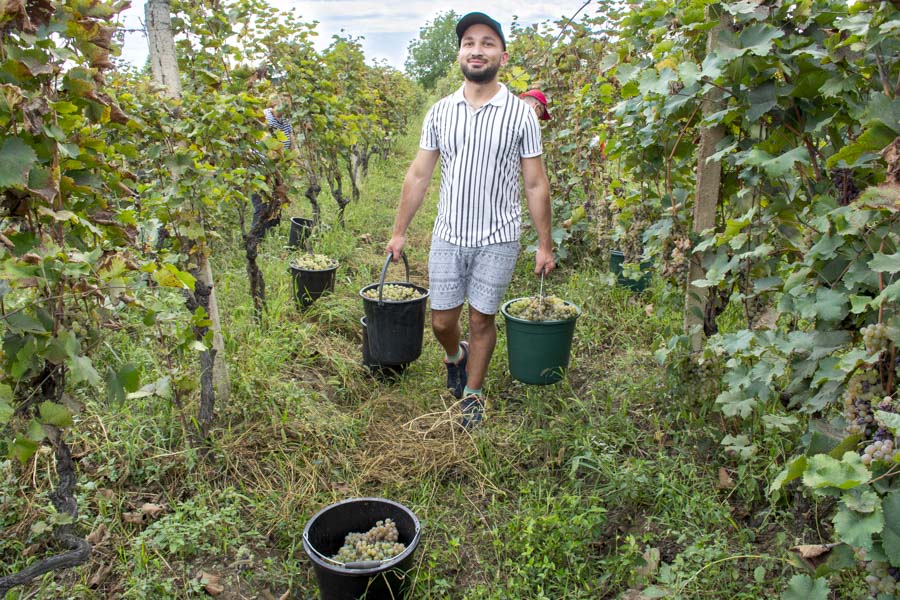
Autumn is, for many wine lovers, the crown jewel of the Georgian wine calendar. This is the Rtveli season – the ancient grape harvest. Visitors who time their trip well can join winemaking families to pick grapes, crush them in traditional wooden troughs or stone presses, help fill the qvevri, and sit down to a supra feast with the family afterwards.
What to Expect
Once picked, the grapes are sorted and crushed, and maceration begins. This is the critical period during which the juice rests in contact with the skins and seeds, giving Georgian (orange) amber wines their distinctive texture and depth. Fermentation follows, filling the cellars with the sharp, yeasty energy of a vintage being born. Around late October, some of the first batches of young wine are ready for a first taste.
Wine Highlights
Wineries operate at absolute peak activity during these months. You will have the unique opportunity to taste freshly pressed, sugary grape must (badagi) side by side with fully aged vintages from previous years.
In Kakheti and Kartli, late August and the second half of September are the finest windows to see red Saperavi (a red grape variety) fruits ripe, and the second half of October is for harvest. The white Rkatsiteli grape variety in Kakheti typically comes in during late September.
In Racha, mid-to-late October is the harvest time of red grapes – Aleksandrouli and Mujuretuli, the grapes behind the semi-sweet red wine Khvanchkara. Some late-ripening varieties in Lechkhumi and Samegrelo stretch the harvest well into November.
Where to Go
Kakheti is the heartland of Rtveli. The areas around historic towns of Telavi, Sighnaghi, Gurjaani, and Kvareli are all active during the harvest.
If you can only choose a specific period to visit Georgia for wine, mid-September to mid-October is the right choice. Around that time, Tbilisi celebrates the Rtveli festival; Telavi – the Telavi Wine Festival or Telavino; and Gurjaani, the Gurjaani Wine Festival.
Ideal for: wine collectors and enthusiasts, cultural travellers, those seeking hands-on experience, first-time and returning visitors alike.
Winter (December–January): Off-Season Cellar Visits and Tastings
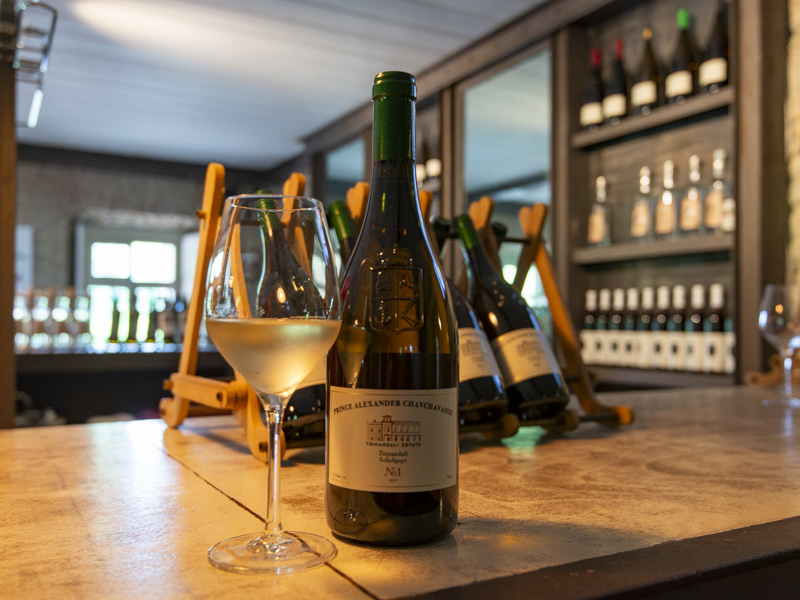
Winter may not be the obvious choice for a dedicated wine holiday, but for the curious, slow-paced traveller, it holds real rewards. While vineyards lie dormant, the cellars are alive with young wines ageing underground.
What to Expect
The wine tourism infrastructure scales back significantly in the winter. Many smaller tasting rooms operate on reduced seasonal hours or close entirely between December and February. However, larger estates in Kakheti remain open year-round. Temperatures in eastern Georgia can be cold, with frost and snow. Yet, the Alazani Valley benefits from a microclimate that protects the vines from extreme weather in this mountainous wine region.
At the same time, winter is a pruning season in the fields. You will see workers move through the bare vineyards, shaping the vines for the year ahead. Inside the cellars, it is a hive of activity. For example, red wines are racked into oak barrels in December, while whites continue to mature in qvevris. January often brings the first bottlings of the new vintage. February is a time for racking, blending, and topping up ageing barrels.
Wine Highlights
In the traditional Kakhetian method, wines ferment in qvevri through the cold months of autumn. You can visit cellars and learn about the various stages of their development. It is the ideal time for deep, contemplative tastings of full-bodied ambers and the red wine made from the Tavkveri grape variety in Kartli. Winter is also a good season to explore rich red wines in Kakheti made from Saperavi and Mukuzani cépages.
Each year, the beginning of December highlights the natural wine festival Amerimeri at the Legends Tskaltubo Spa Resort. A few dozen wineries with cellars participate in the event, all members of the Natural Wine Association. Guests meet winemakers, taste and buy rare wines.
Where to Go
Kakheti's larger estates, including the romantic Tsinandali Estate and wineries in the Gurjaani and Telavi areas, stay open and are more tranquil than at any other time of year.
The Kartli region is an excellent winter wine destination: the vineyards around Kaspi and Mtskheta sit within easy reach of the capital. The winters here are mild, and the combination of a cellar tasting with the visit to Mtskheta's ancient cathedral city makes for a natural half-day or full-day itinerary.
Ideal for: connoisseurs looking for technical tastings, returning visitors, those looking to pair wine tours with the Georgian winter ski scene, and anyone who prefers personal interaction over peak-season crowds.
Practical Planning Tips
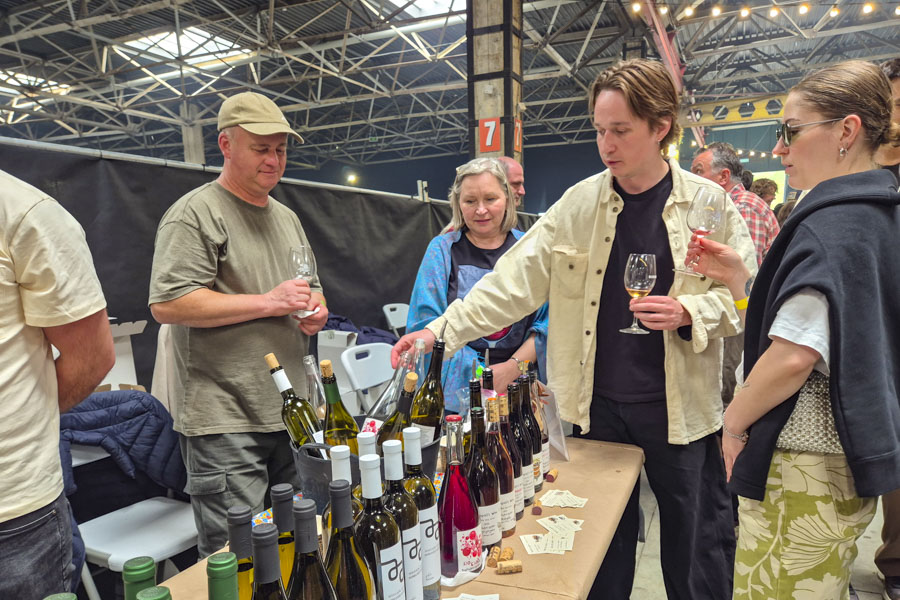
Secure September dates early. Kakheti is popular during the harvest festival Rtveli, and family guesthouses and quality wineries book out quickly – particularly on September weekends. Aim to book accommodation at least six to eight weeks ahead.
Go west, too. Most wine itineraries focus on Kakheti, and rightly so, but Imereti, Racha-Lechkhumi, and Samegrelo are equally compelling and far less visited destinations.
Understand Georgian wine styles. Georgian winemakers use various winemaking techniques to achieve wines of diverse styles. The traditional Kakhetian method utilises the entire grape in the qvevri, resulting in amber wines packed with intense tannins, texture, and tea-like notes. The Imeretian method, on the other hand, results in lighter styles due to the use of a small portion of skins and pips in the fermenting grape juice. The modern method, used alongside traditional techniques in Kakheti and elsewhere, produces wines more familiar to international palates. Knowing what you are tasting makes each visit richer.
Plan for the supra. A Georgian wine experience is inseparable from food. The supra, a traditional feast guided by a tamada (toastmaster), is the context in which Georgian wine has always been drunk.
Dress for the region. In Kakheti during October, days can still be warm, but evenings cool quickly. In the mountain valleys of Racha-Lechkhumi, pack layers even in summer. In winter, Kakheti can see frost and occasional snow.