

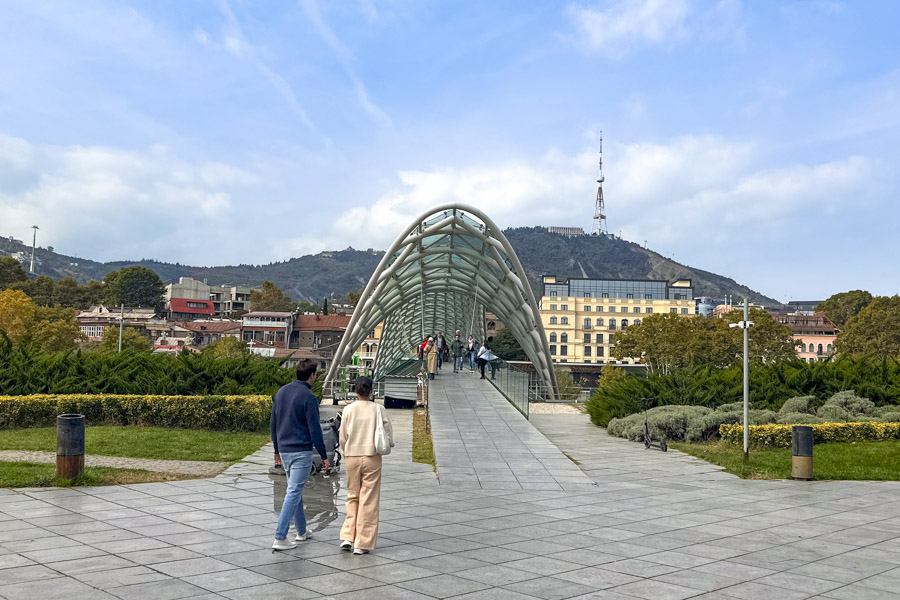
Even though it’s compact, Tbilisi is a capital of slopes, riverbanks and sudden openings. Streets drop from Avlabari towards River Mtkvari (Kura), climb from the Abanotubani District to the Narikala Fortress, and bend through old districts. Wooden balconies, bathhouse domes, church bell towers and courtyards appear within a few minutes of each other. Most conventional and logical Tbilisi itineraries follow that movement.
This guide is designed for travellers planning one, two or three days in Tbilisi. One day is enough for the city’s essential routes, from the sulphur baths to the streets around Old Town. Two days allow more time for museums, wine bars and slower walks along the Mtkvari River. Within three days, travellers can enjoy day trips, or stay in the capital for a deeper look at neighbourhoods, theatre and culture.
What gives the city its pull is the contrast between its oldest layer and its everyday life. Domed sulphur baths, Orthodox churches, balconies, cable cars and modern bridges sit within the same central area.
The rhythm of the city changes with the season, with spring and autumn bringing the best time for walking. Summer needs early starts and shaded breaks, while winter suits museums, sulphur baths, wine bars and theatre evenings. Our Tbilisi itinerary presents the city’s flexible routes through Georgia’s capital.
How Many Days Do You Need in Tbilisi?
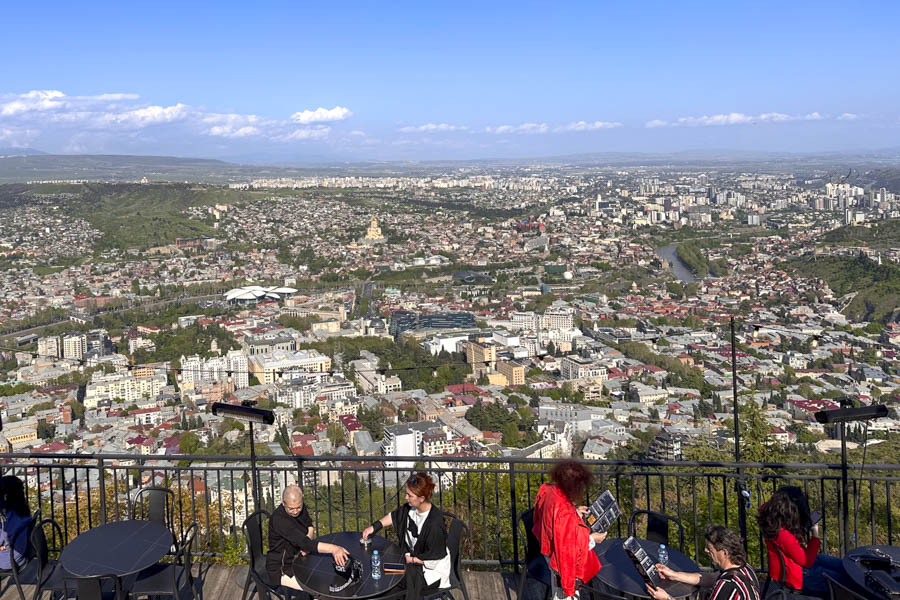
Three days are enough for a full and balanced first-time visit to Tbilisi. The city is compact in its historic centre but opens in layers in river crossings and churches on both banks. One day in Tbilisi gives travellers the city essentials, enough for the Old Town, churches, and a Georgian dinner. This is the best itinerary for Tbilisi when time is short, and the capital is part of a wider Georgia route.
Two days give a clearer sense of the capital, moving towards Rustaveli Avenue, museums, parks, and wine bars. This makes the Tbilisi trip itinerary feel more associated with the city’s actual life and everyday rhythm.
Three days in Tbilisi are ideal for travellers who want the city to feel complete. The third day leaves space for day trips, or staying inside for actual bath experiences, theatres and parks. For most visitors, a Tbilisi travel plan of two to three days gives the best balance between sightseeing and culture.
How to Spend One Day in Tbilisi?
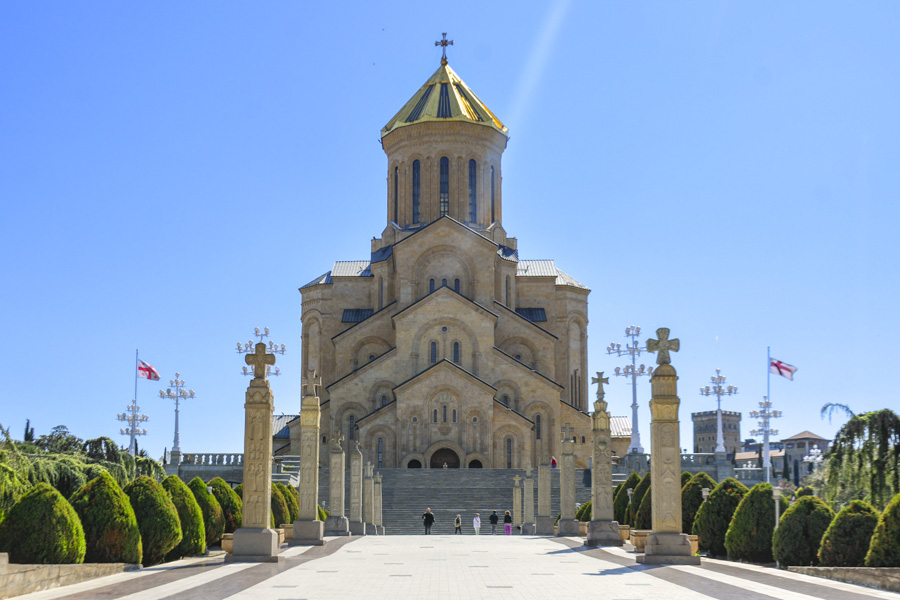
A one-day itinerary in Tbilisi usually follows the city’s oldest line from the left bank above the Mtkvari River. Then it goes down to the river, up to the Narikala Fortress, and back through the old streets. This route gives travellers the best things to do in Tbilisi without making the day feel scattered.
Morning starts with the Holy Trinity Sameba Cathedral, whose golden dome rises above the Elia and Avlabari Districts. From there, continue towards Avlabari and Metekhi Church, where the platform opens towards the Mtkvari River and the Old Town cliffs. This first part explains the city’s basic geography: churches above the river, bathhouses below the fortress, and neighbourhoods climbing in layers.
Midday crosses the river through Rike Park, past the Bridge of Peace, and up by cable car to Narikala Fortress. The fortress dates back to the 4th century, expanded over the centuries by Arab and Georgian rulers. The walk along its walls gives a wide view over the entire city and the river valley below.
Afternoon drops down into Abanotubani, the bath district where Tbilisi's founding legend is set. The brick domes of the sulphur baths sit alongside the Juma Mosque, the city's only surviving mosque. A short walk further reaches the Sioni Cathedral and the Anchiskhati Basilica, two of the oldest churches in the old town. Visitors with extra time can stop at the Gabriadze Puppet Theatre, known for its whimsical clock tower.
In the evening, choose between Mount Mtatsminda and dinner with Georgian music and dance shows. Mtatsminda gives the stunning city views from above, especially at sunset. A traditional dinner gives another side of the capital through khinkali, khachapuri, Georgian wine and qalaquri songs. For a short visit, this is the most convenient way to visit Tbilisi attractions without losing the city’s rhythm.
Two-Day Itinerary in Tbilisi
With two days in Tbilisi, the first day can stay with the main historic route from the first-day itinerary. The second day can move towards museums, flea markets, the city’s verdant parks, repurposed buildings and wine bars.
Start the 2nd day at Rustaveli Avenue. The city's main 19th- and 20th-century boulevard is lined with the museums, theatres and a long run of galleries. Here, you’ll find the Opera and Ballet Theatre, the Rustaveli Theatre, the Kashveti Church, the National Museum, and old façades. Travellers interested in a Tbilisi cultural itinerary should spend time here.
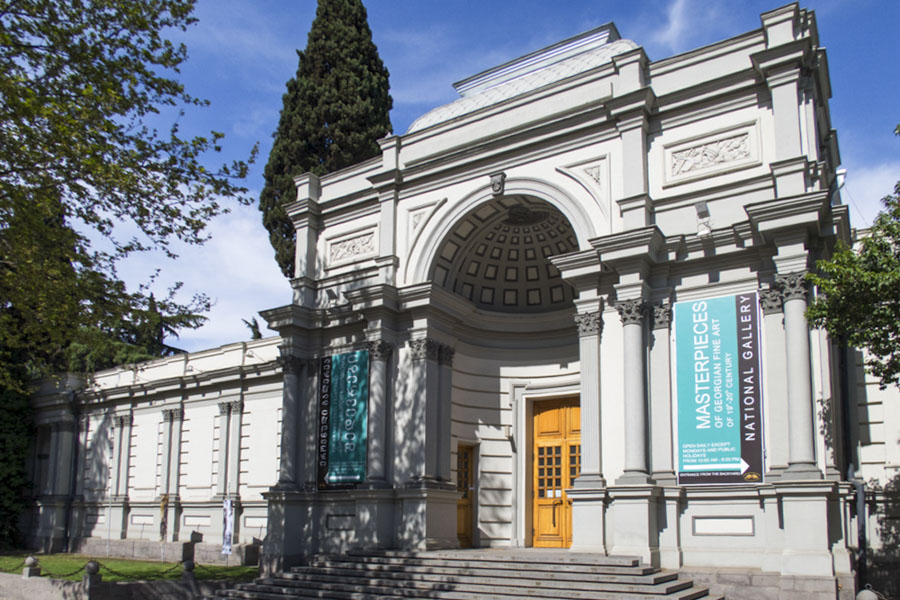
High noon can be shaped by museums. The Georgian National Museum gives the best introduction to archaeology, goldwork, ancient history and the Soviet occupation. The National Gallery is better for Georgian painting, especially Pirosmani, Gudiashvili and Kakabadze. If the weather is hot or rainy, this museum section becomes one of the most practical things to do in Tbilisi.
In the afternoon, walk or take a short taxi towards Dry Bridge Market and Dedaena Park. Dry Bridge brings antiques, Soviet objects, paintings, cameras, books and small pieces of local memory into one open-air market. Dedaena Park gives the route a younger tone, with open lawns, bars, events and the city’s skatepark.
The evening continues towards the Chugureti District and Fabrika. This former Soviet sewing factory now works as a courtyard of cafés, bars, studios, shops and social spaces. It is one of the top answers to where to go in Tbilisi after the classic sights. End the day with Georgian wine, dinner or a slower walk back towards the Mtkvari. This explore Tbilisi itinerary works best for travellers who want the city’s daily texture.
Tbilisi Three-Day Itinerary
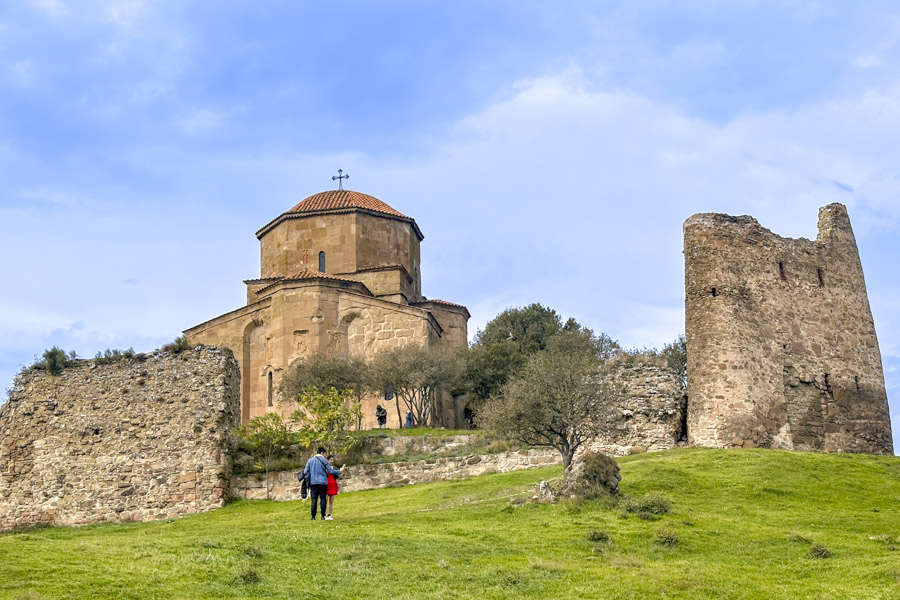
Three days in Tbilisi give the city a fuller shape, with day one and day two following the routes already covered. Old Tbilisi and the central sights on day one, Rustaveli, the museums and the neighbourhoods of Sololaki and Chugureti on day two. The third day should either leave the capital briefly or stay inside it more slowly, depending on the traveller’s pace.
For many visitors, Mtskheta is the best third-day choice. It is close to Tbilisi and gives the itinerary a deeper historical frame. This UNESCO World Heritage Site was the ancient capital of Kartli and remains one of Georgia’s main religious centres.
Jvari Monastery stands above the meeting point of the Aragvi and Mtkvari rivers. Svetitskhoveli Cathedral anchors the centre of Mtskheta with centuries of Christian history. This route turns a Tbilisi itinerary for 3 days into a wider Georgian cultural route without requiring a long journey.
Travellers who prefer to stay in the capital can use the third day more quietly. Begin with a late sulphur bath, a slow breakfast or a neighbourhood walk through Sololaki, Vera or Vake. These districts show Tbilisi through residential streets, cafés, old houses, gardens and daily movement. Vake Park and Turtle Lake are good choices when the city centre feels too dense.
Another option is to focus on viewpoints and outer-city landmarks. The Chronicle of Georgia, Lisi Lake, Mount Mtatsminda or the Nutsubidze Skybridge all show Tbilisi from outside the Old Town frame. This is useful for travellers who already know the main route and want stronger Tbilisi holiday ideas for a final day.
Three days give the fullest version of an ultimate Tbilisi itinerary, but the city feels better when the plan stays loose. Leave space for a longer dinner, a wine bar, a theatre evening, or a viewpoint found by accident.
Tbilisi Itinerary with Children
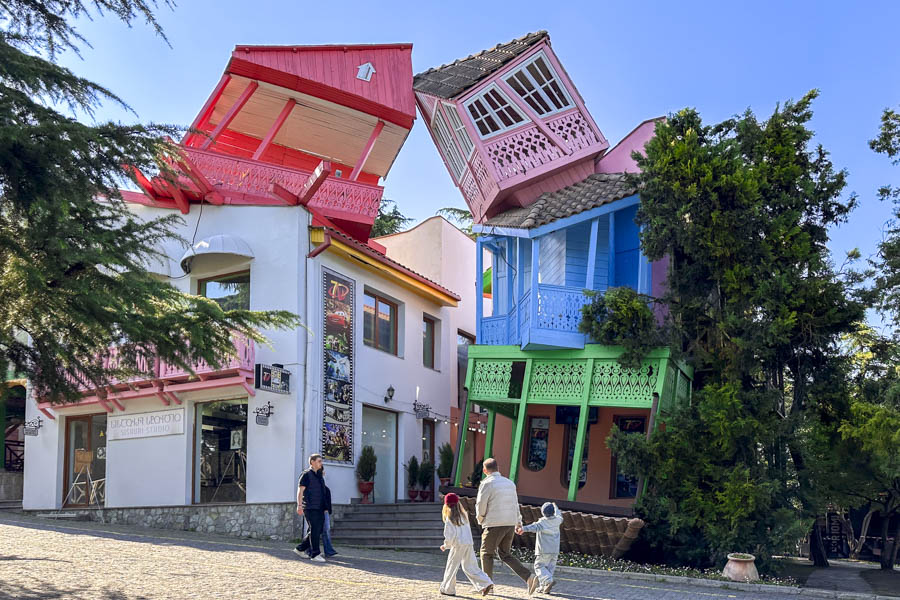
Our Tbilisi itinerary for children is built around a handful of stops that are close together. The Tbilisi children’s tour is visual and less dependent on long walks through steep streets. The city’s full of open-air museums; parks; cable cars; puppet theatres and museums; and riverfront spaces.
Start with the Open Air Museum of Ethnography near Turtle Lake. Its traditional houses, courtyards, tools, craftsmanship and regional buildings give children a clear picture of Georgia. If available, craft activities such as pottery or blacksmithing make the visit more memorable.
Announced to be reopened soon, the Puppet Museum works well because the collection is visual, detailed and easy to follow. For a costume-related stop, Samoseli Pirveli, a short visual stop, is a traditional Georgian clothing shop.
Rike Park is among the leading answers to where to go in Tbilisi with children. It has open space, river views, modern sculptures, the Bridge of Peace nearby and access to the Narikala cable car. Mtatsminda Park is an ultimate destination in Tbilisi for children with its amusement rides and city views.
As an additional option, you can take the children to the Tbilisi Zoo to discover tigers, lynxes, monkeys and elephants among other animals. As an additional option, you can take the children to the Tbilisi Zoo to discover tigers, lynxes, monkeys and elephants among other animals.
Tbilisi Itinerary by Season
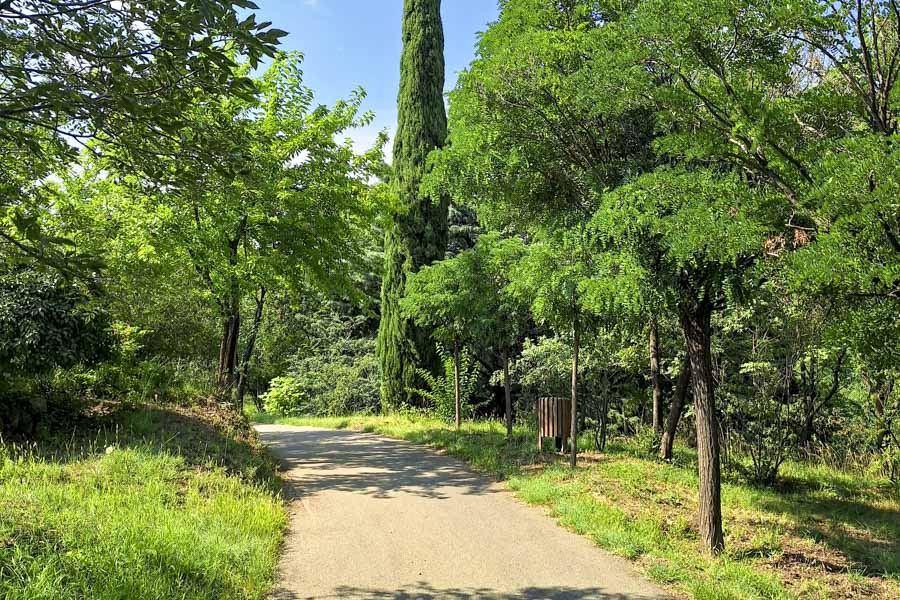
Georgia is a country of all seasons, where travellers can ski in the Caucasus and swim on the Black Sea coast. Thus, Tbilisi incorporates different seasonal allures and changes character by the time of the year.
Tbilisi Spring Itinerary
Spring is one of the best seasons for Tbilisi itinerary planning. Even though the weather usually changes in March, April and May can bring green courtyards and longer walks. This is the best season for Old Tbilisi, Sololaki, Rustaveli Avenue, Rike Park, the Botanical Garden and Mount Mtatsminda.
A spring Tbilisi travel plan should keep most sightseeing outside.
Start early enough for churches, balconies and viewpoints, then leave the afternoon for parks, cafés or museum stops if the weather changes. May also brings the New Wine Festival at Mtatsminda Park, making spring especially good for travellers interested in Georgian wine.
Summer Tbilisi Itinerary
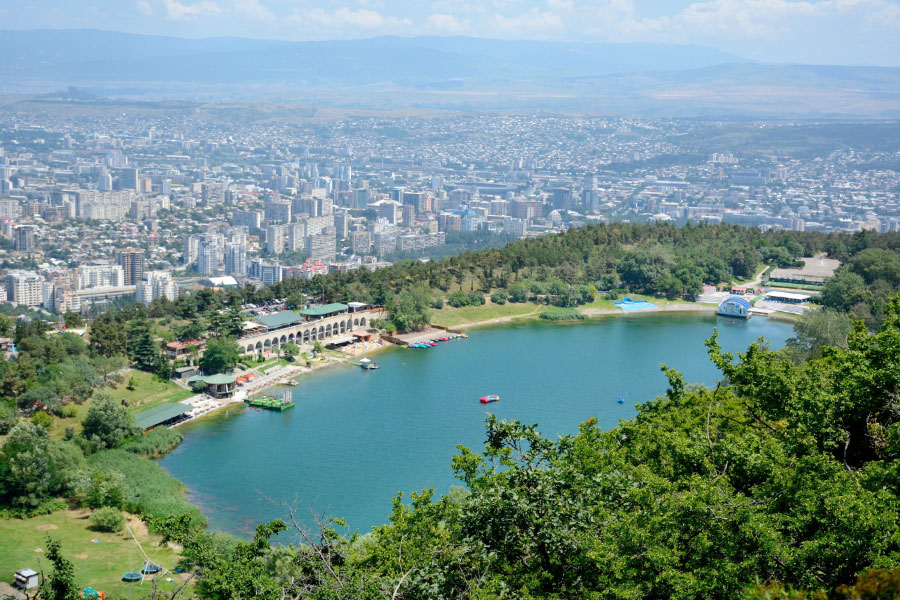
Summer in Tbilisi is hot, especially in July and August, so the best itinerary for Tbilisi should avoid midday outdoor activities. Use the morning to visit the Abanotubani District, the Narikala Fortress, the Metekhi Church or the Bridge of Peace. Move indoors during the hottest hours, to the Georgian National Museum, the National Gallery, the Art Palace or cafés on Rustaveli Avenue and in the Chugureti District.
Evenings are the best part of a summer Tbilisi trip itinerary, with Mount Mtatsminda, Turtle Lake, Lisi Lake or a riverside restaurant. Summer also suits family routes, especially Mziuri Park, Rike Park, Mtatsminda Park and indoor museums. Art-Gene Festival adds folk music, crafts and regional culture to the season.
Tbilisi Itinerary in Autumn
Autumn is probably the best season for a Tbilisi travel itinerary. September keeps warmth without the harshest summer heat, while October brings cooler air, clearer walking weather and stronger cultural rhythm. This is the best time for detours in the Kakheti region and indulging yourself in the grape harvest, Rtveli.
A Tbilisi cultural itinerary works especially well in autumn with the Tbilisoba Festival filling the city with food, wine, music and regional produce. Travellers with two or three days can keep the first days for the capital, then add a Kakheti wine tour.
What to Do in Winter in Tbilisi?
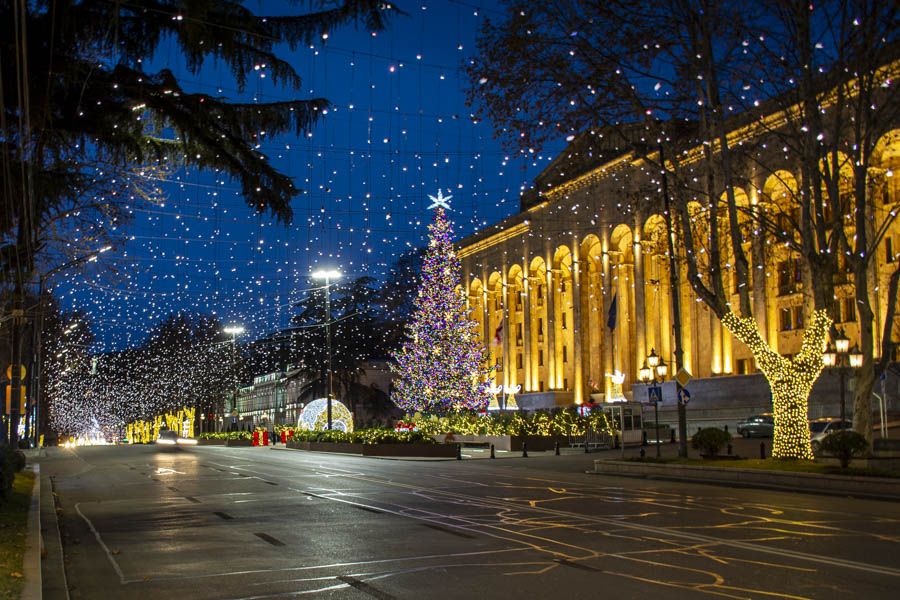
Winter is the most atmospheric season in Tbilisi with a quiet interior rhythm. A sulphur bath on colder days is more appealing than in warmer seasons. The city centre still works well for walking, but the best Tbilisi itinerary suggestions should keep distances short. Use taxis for hills, rain or late evenings.
December and January bring New Year lights, seasonal markets and a festive centre. A winter route can combine Sameba, Rustaveli Avenue, the Opera area, the National Gallery, Abanotubani District and an evening bath. Travellers with extra time can add Gudauri or Bakuriani Ski Resorts for snow, making Tbilisi a practical base for a wider winter Georgia trip.