

In many traditions, including China’s, surrounding oneself with auspicious symbols is thought to invite good fortune, ward off hardship, and gently shape the course of one’s life. Symbols in China often arise from the language itself, where words that sound alike create associations. These motifs form part of a broader symbolic language through which ideas of luck and prosperity are expressed.
From this perspective, for the traveller, learning to recognise these symbols opens up a new way of seeing. Temples, festivals, and even doorways become texts to be read, drawing us closer to an ancient culture.
This guide covers a selection of examples; many other symbols appear across literature, ritual, visual arts, and daily life and can be explored on our other guides covering elements of Chinese culture.
Panda: The Beloved and Protected National Symbol
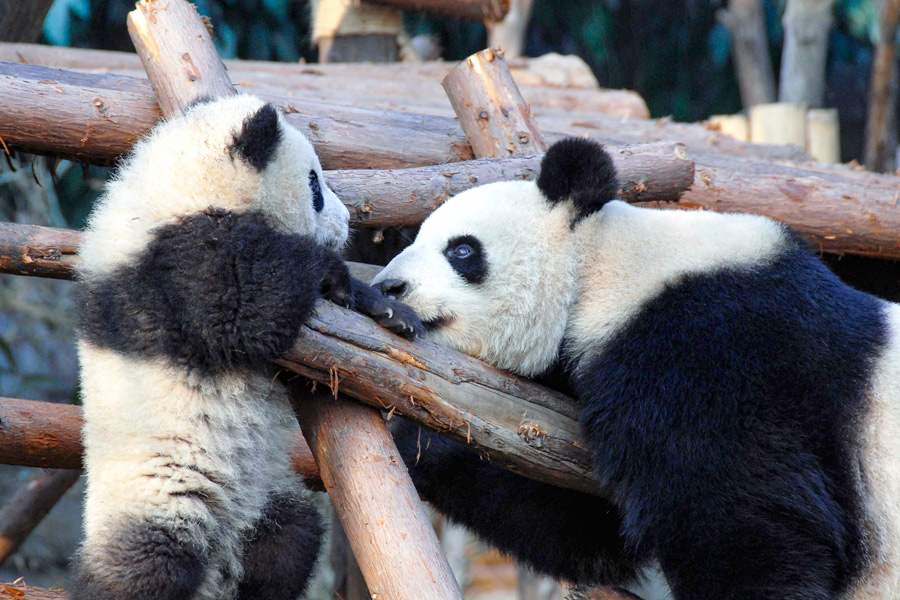
Few creatures charm the world quite like the giant panda in China. With its gentle manner and striking black-and-white coat, it has become one of the most cherished emblems. The panda’s colouring is often seen as a living image of yin and yang – the balance of opposites – making it a natural symbol of peace and harmony.
In the twentieth century, pandas stepped onto the world stage as diplomats. China began presenting them as national gifts, a practice soon known as “panda diplomacy”. Even today, panda loans to foreign zoos serve as gestures of friendship and trust between nations.
To all visitors of China, the panda tells a double story. On one hand, it is a cultural treasure, appearing in regional folk tales, philately, and modern souvenirs. On the other hand, it is a conservation effort: once endangered, pandas now thrive in protected reserves and at public centres such as the Chengdu Research Base of Giant Panda Breeding in Sichuan Province, one of the best places to see giant pandas. Visitors can watch pandas munching on bamboo, tumbling and dozing around their naturalistic habitats, while discovering how the base cares for them and supports their survival.
The base is open daily from 07:30 to 18:00, with ticket sales ending at 17:00*.
| Morning admission | Afternoon admission | |
| March–October | 07:30 to 12:00 | 12:00 to 17:00 |
| November–February | 08:00 to 12:00 | 12:00 to 16:30 |
Admission for one adult currently is 55 CNY/RMB (approximately $7.50 / £6 / €7). Tickets can be reserved fourteen days in advance via the official website, and advance booking is strongly recommended. All visitors must book online using their names as per their ID card (passport for non-national visitors) and present the same valid identification used for the reservation upon entry. The base can be explored on foot (allow around three hours) or by tour shuttle bus available on site.
* Note: Opening hours and ticket prices may be subject to change without previous notice, so it is recommended to check them on the official website before visiting the site.
Colours: The Palette Behind Chinese Traditions
Colours in China carry stories, moods, and sometimes warnings. They form a visual language, expressing what words sometimes cannot. Many of these hues are linked with the Wu Xing theory (Five Elements); for a fuller account of those elemental associations, consult our feng shui guide.
Red (红, hóng) is the colour of joy, celebration and protection. It appears in wedding gowns, lanterns, red envelopes and Lunar New Year decorations, where it signals happiness and good luck. As one of the most auspicious colours in China, red is believed to ward off evil. A popular folktale explains this custom: red frightens the monster Nian and drives away misfortune. Historically, the prestige of red was reinforced by prized pigments such as cinnabar (vermilion), used in carved lacquer and ritual objects, linking the colour with power. Today, red remains the go-to hue for celebrations and for wishing someone well.
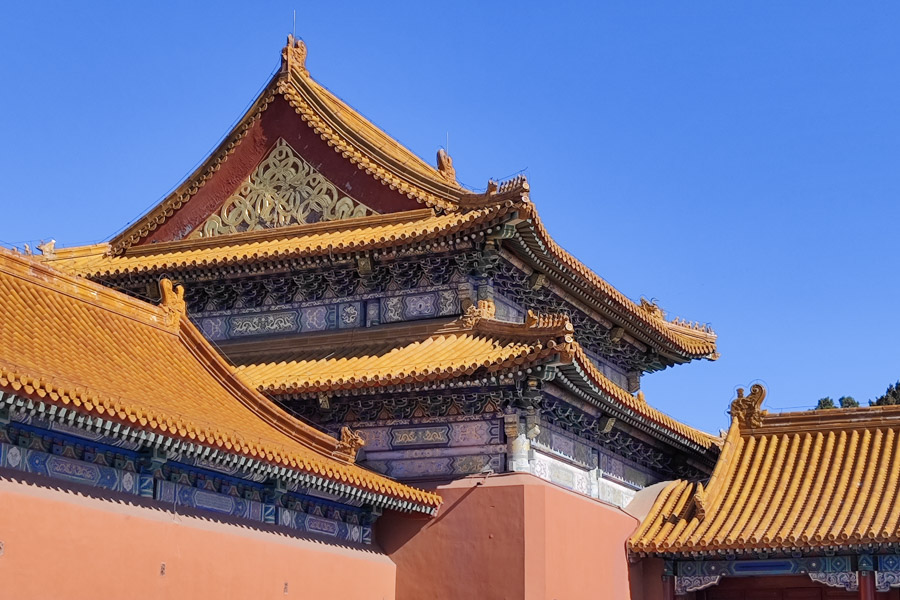
Yellow (黄, huáng) has long symbolised imperial power in China. Its brightest shade, known as “imperial yellow”, was once reserved exclusively for emperors, particularly in their robes. In Chinese cosmology, yellow is associated with the earth element, representing stability, centrality, and abundance.
Green (绿, lǜ) is traditionally associated with the wood element and the season of spring in Chinese thought. It symbolises growth, renewal, health, and harmony with the natural world. Green appears in textiles and clothing, pottery glazes (such as celadon), and garden ornamentation, and it has long carried connotations of fertility and well-being, as well as prosperity.
Blue (蓝, lán) represents tranquillity, immortality, and healing. It has been expressed through both material and symbolic contexts in Chinese culture. In porcelain, cobalt blue signified technical mastery and prestige, especially in blue-and-white wares produced for the court and for global trade. In ritual architecture, blue glazed tiles symbolised Heaven and the cosmic order. In everyday life, indigo-dyed textiles expressed practicality and local identity, as seen in Nantong blue-printed calico and other regional indigo crafts.
Black (黑, hēi), associated with water, the north, and winter in Chinese cosmology, is personified by the mythic and protective Black Tortoise. Traditionally, black is a colour of depth, evoking both dignity and caution depending on context. In modern China, it is often linked with formality, professionalism, and minimalist elegance. Black also recalls the colour of traditional Chinese ink, applied to bamboo paper for calligraphy and inlaid into the skin for traditional tattoos. It further evokes gunpowder, used to create vividly coloured fireworks.
White (白, bái) symbolises purity, yet in Chinese tradition it is above all the colour of mourning. White garments and white paper offerings mark funerals, expressing grief and reverence. At the same time, the colour appears in fine porcelain and, in some modern contexts, even at weddings.
Travellers can trace colour symbolism in China across the country: admire the golden-yellow glazed roofs of Beijing’s Forbidden City; feel red’s festive vitality in lantern-lit streets during Lunar New Year; experience black’s quiet authority at Hong Kong’s M+ museum of contemporary visual culture; and find white’s enduring purity in Jingdezhen’s porcelain studios, famed for their luminous wares.
Numerology: Luck, Taboos, and Daily Belief
In China, numbers are seldom random. Because many words share similar sounds, a single digit can gather heaps of meaning that reach far beyond its numerical value. This is why the choices involving numbers are often shaped by ideas of luck or misfortune.
| Number | Perception | Meaning |
| Number 0 (零, líng) | neutral | 零 (líng) is the standard Chinese numeral for zero. Historically, positional zero on counting-rod boards was indicated by a blank space. The character 零, originally meaning “small fragments” or “drizzle”, was later adopted in writing, alongside the round symbol 〇. In everyday language, 零 functions as “nothing” or metaphorically as a starting point, as in 从零开始 (“starting from scratch”). |
| Number 1 (一, yī) | mixed | Commonly implies singularity, primacy, “firstness” (e.g., ranking or emphasis), or aloneness, with November 11 (11/11) being the Singles' Day in China. |
| Number 2 (二, èr) | positive | Is associated with pairs and harmony – reflected in idioms such as “good things come in pairs” – and is favoured in wedding imagery and other pair-based rituals for its connotations of balance and companionship. |
| Number 3 (三, sān) | positive | Often suggests continuation, generation, or wholeness (many traditional groupings come in threes) and is generally positive in everyday usage. |
| Number 4 (四, sì) | negative | Is widely regarded as an unlucky number in Chinese culture because it is a near-homophone of 死 (sǐ, “death”). This tetraphobia appears in practices such as avoiding floor numbers 4, 14 or 24 in buildings and phone numbers. |
| Number 5 (五, wǔ) | positive | Ties into central cosmological schemes (the Five Elements, five blessings, Wufu) and therefore carries associations of balance, centrality, and cosmic order, historically associated with the emperor. |
| Number 6 (六, liù) | positive | Is commonly lucky in contemporary usage because of its phonetic association with “smoothness” or things “going well”, so single or repeated sixes are popular in commercial contexts. |
| Number 7 (七, qī) | mixed | Has mixed resonances: it can connote togetherness in some idioms (like in Qixi Festival 七夕, the Double Seventh Festival, the Chinese equivalent of Valentine's Day), yet it is also associated with the seventh lunar month and ancestral or ghost rites and considered a negative number. |
| Number 8 (八, bā) | positive | Is widely regarded as the most auspicious number in Chinese culture, as it is a homophone of fā (发) in fācái (发财, “to get rich”). Eights command premiums in telephone numbers, licence plates, and addresses as a sign of hoped-for prosperity. |
| Number 9 (九, jiǔ) | positive | Suggests longevity and permanence (homophony with 久 jiǔ, meaning “long-lasting”) and carries imperial and ceremonial connotations (e.g., nine-dragon symbolism), making it a number often chosen for ceremonial dates and status markers. |
Plants, Flowers, and Fruits: Rooted in Values and Ideals
Across centuries of literati art and popular practice, flora have served as seasonal markers and moral metaphors. Some species are prized for practical or medicinal use, others for floral symbolism, and certain fruits carry compact meanings in language and ritual.
Plants
Plants form a core part of the Chinese materia medica (本草, běncǎo) and of the dietary and herbal therapies of traditional medicine, developed over centuries. These practical uses are matched by ritual roles in seasonal observance and protective practice.
- Willow (柳树)
During the Qingming Festival (清明节, Tomb-Sweeping Day), willow branches are carried or displayed to ward off spirits and to welcome spring; the custom is rooted in protective folk belief.
- Pine (松屬)
Pine appears in the Chinese New Year and ancestral imagery as an emblem of endurance and long life, often paired with other evergreens in seasonal art.
- Mugwort (艾)
Mugwort is hung on doors and burnt at midsummer (Dragon Boat) festivals to repel pests and ill luck; its practical uses and role in warding off harm link botanical knowledge with household ritual.
Flowers
Flowers supply metaphors of character and season in poetry, painting, and ritual practice; they are often used as moral emblems in literati culture.
- Orchid (兰花)
Admired for its delicate scent, the orchid symbolises refinement, subtle virtue, and moral integrity in literary, ancient philosophies, and pictorial traditions.
- Chrysanthemum (菊属)
Praised by scholars, the chrysanthemum stands for vitality and the graceful acceptance of age; its flowers are also brewed as a cooling infusion in herbal practice.
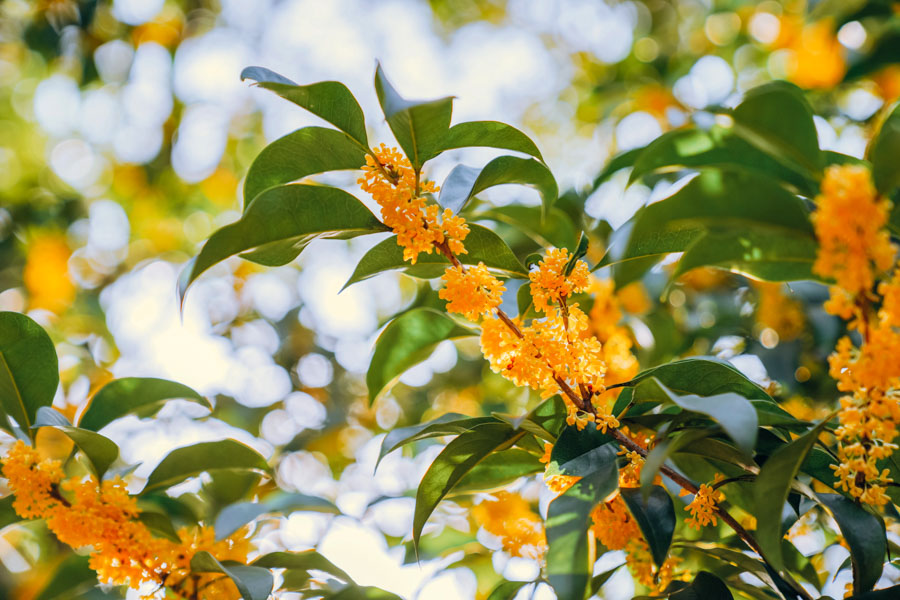
- Osmanthus (木樨属)
Osmanthus perfumes wine, cakes, and confections at Mid-Autumn gatherings, signifying family reunion, the season’s sweetness, and convivial domestic celebration.
Fruits
Fruits are often compact conveyors of wishes and wordplay; the following three are widely used in gifting and seasonal exchange.
- Apple (苹果)
The name echoes píng (平), as in píng’ān (平安, “peace” or “safety”), so apples commonly appear in gifts and displays expressing wishes for calm and well-being.
- Orange (橙) / Tangerine (柑)
Their round shape and bright hue suggest wholeness, wealth, and good fortune; citrus fruits are customary Lunar New Year gifts for this reason.
- Lychee (荔枝)
Long prized for its perfume and sweetness, lychee carries connotations of love, imperial favour, and nostalgic luxury in literary anecdotes and gifting practices.
To see these metaphors come alive, wander through the classical gardens of Suzhou, in Jiangsu Province – added to the UNESCO World Heritage list, located about 85 kilometres (50 miles) west of central Shanghai – where scholar-gardeners arranged plantings to reflect seasonal change and moral ideals, with each garden revealing different beauties as the year turns.
Animals: Messengers of Meaning
In Chinese culture, animals roam freely through art, literature, and ritual, embodying admired qualities such as wisdom, strength, fidelity, and longevity.
Horse
The horse (马, mǎ) takes on renewed symbolic resonance in 2026, when the Year of the Fire Horse begins on 17 February within the twelve-year Chinese zodiac cycle.
In Chinese visual culture, the horse frequently appears in vigorous motion and is commonly invoked to convey energy, speed, forward momentum, and ambitious change.
A celebrated example of such imagery is the Flying Horse of Gansu, also known as 马踏飞燕 (Horse Treading on a Flying Swallow), a small bronze sculpture dating to the Eastern Han dynasty. Unearthed from a tomb near Wuwei and now housed in the Gansu Provincial Museum, the statuette – approximately 34.5 centimetres (13.6 inches) in height – is renowned for its dramatic sense of balance. The horse appears suspended mid-gallop, with a single hind hoof resting on a swallow, its remaining legs lifted as if in flight.
Another striking image reflects the high esteem in which horses were held in Han-dynasty China. From as early as 101 BC, prized purebred horses – later known as the “heavenly horses” of the Ferghana Valley, in present-day Uzbekistan – were brought to China following military campaigns, reinforcing the horse’s status as a symbol of speed and imperial ambition.
Kingfisher
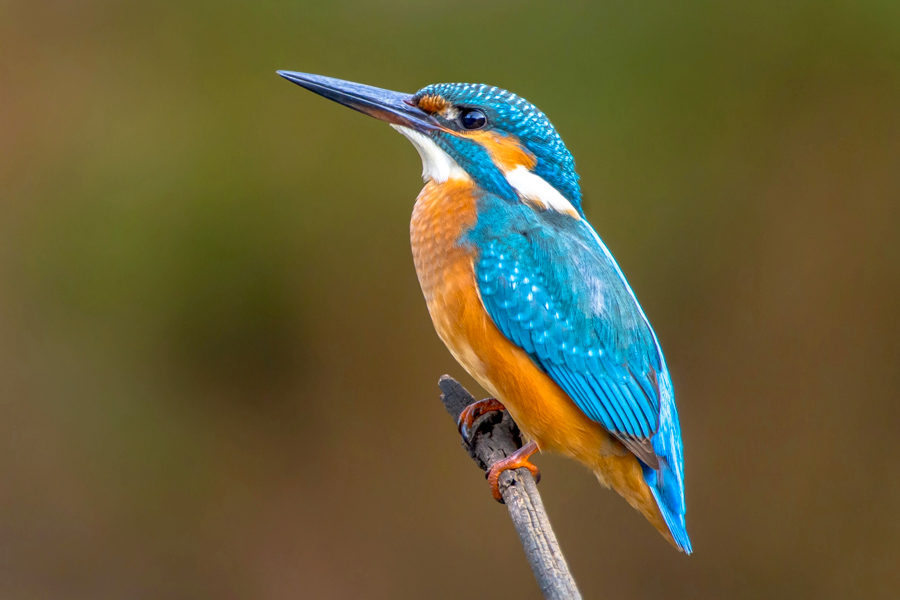
The kingfisher (翠鸟, cuìniǎo), often associated with chance, prosperity, and peace, is not traditionally classes as a songbird. It occupies a distinctive place in Chinese cultural history through traditions of ornament and ceremonial display.
Valued for the intense blue-green iridescence of its feathers, the bird became central to the decorative technique known as tian-tsui or diancui (点翠, “dotting with kingfishers”). In this craft, carefully prepared kingfisher feathers were applied to metal frameworks to adorn headdresses, hairpins, and other luxury objects worn primarily by elite and court women, particularly during the Tang, Ming, and Qing dynasties. These luminous ornaments transformed fragile avian plumage into potent symbols of elegance and social status, while also reflecting the technical sophistication and material hierarchies of imperial China.
Tiger
One more important animal, the tiger (虎, hǔ), occupies an honoured place in Chinese visual and ritual culture as an emblem of courage, martial strength, and protection. In myth and ancient Chinese cosmology, it appears as the White Tiger (白虎, Bái Hǔ), one of the Four Symbols of the Chinese constellations that guard the cardinal directions, and the protector of the west and the autumn season. It is also one of the twelve Chinese Zodiac signs.
In Chinese art, the tiger is often cast as the terrestrial counterpart to the dragon. Together the pair embodies a dynamic balance: the tiger represents the material and earthly, while the dragon stands for the spiritual and celestial.
Travellers can encounter these and many other powerful animal symbols in China’s museums and festivals during their holidays. At the National Museum of China in Beijing, ancient jade dragons and bronze tigers reveal how sacred animals shaped early Chinese cosmology and imperial imagery. During festivals such as the Dragon Boat Festival and Lantern Festival, these legendary creatures reappear in races and dances, such as the Tiger Dance, and radiant displays that celebrate their enduring presence in Chinese culture.
Objects: Meaningful Life of Everyday Things
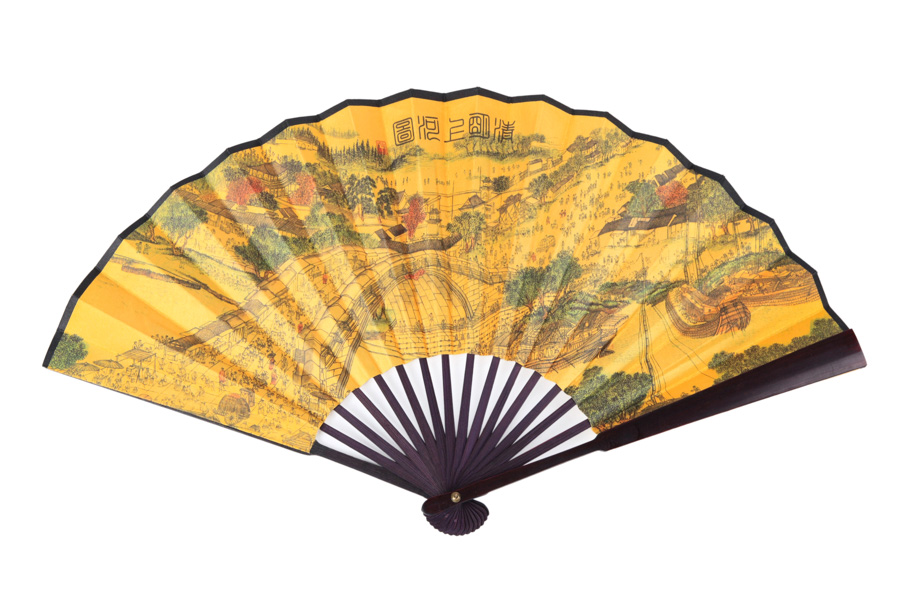
In Chinese culture, everyday objects are compact carriers of meaning. Made, named, and used in particular ways, they form a visual language of concise, repeatable signals that convey wishes and virtues. Their value lies as much in what they signify as in what they are made for.
The mirror (镜, jìng) signifies reflection, clarity, and protection. It reveals appearance and, by extension, truth, serving as a metaphor for self-examination and moral clarity. In popular belief, a bright mirror is also protective, its power to reflect imagined to repel malevolent forces and show what is hidden.
The lantern (灯笼 / 灯, dēnglóng / dēng) stands for light, guidance and communal hope. As physical sources of light, lanterns mark safe passage through darkness. As ritual objects they symbolise reunion, renewal, and the wish for a bright future. Hung in streets, temples, and homes during seasonal observances, they also act as collective offerings.
The fan (扇, shàn) embodies elegance, refinement, and subtle communication. Both folding and round fans served as tools of comfort and display, their surfaces becoming portable canvases for painting and calligraphy. Over time, fan gestures developed a delicate grammar in social and theatrical settings, allowing a fan to convey taste, conceal a smile, or deliver a discreet message in Chinese opera.
Material, colour, and inscription further enrich an object’s symbolism in China, allowing it to carry meaning on several levels at once. Travellers interested in symbolic traditional keepsakes can explore markets and craft streets in major cities. In Beijing, explore Liulichang Cultural Street for calligraphy tools and scholars’ items, or Panjiayuan Antique Market for porcelain, carvings, and decorative fans. In Shanghai, Tianzifang and the Yuyuan Bazaar offer silk goods, lanterns, and handcrafted ornaments. In Xi’an, the Muslim Quarter and Shuyuanmen Cultural Street are perfect for traditional crafts, seals, and calligraphy pieces that reflect the symbolism found throughout China.
Mythical Creatures: Legends in Scales, Feathers, and Flame
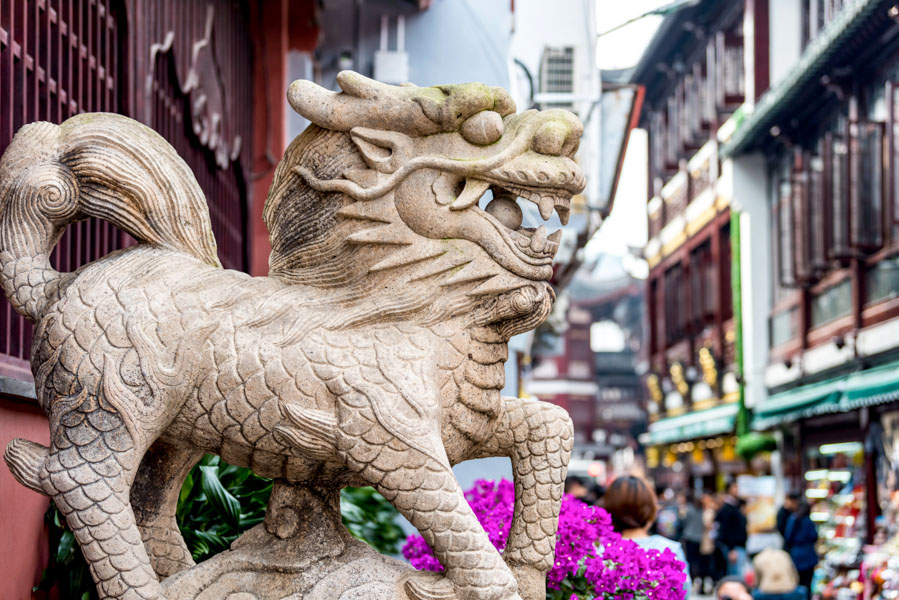
Mythical beings populate Chinese culture, embodying virtue and power. In tale, ritual, and brushstroke, they turn human fears and hopes into powerful Chinese symbols that both caution and inspire.
Dragon (龙)
Appearance: The Chinese dragon is a long, sinuous composite creature with a serpentine body and fish-like scales, combined with mammalian and avian features such as a horned head, flowing whiskers, a beard, and clawed limbs. A common motif shows the dragon pursuing a flaming pearl, symbolising the quest of enlightenment, wisdom and cosmic power.
Symbolism: In traditional Chinese thought, the dragon is a benevolent cosmological being associated with yang energy, rain, and the regulation of water and weather. It embodies authority, vitality, transformation, and renewal and is closely linked to imperial power, with the emperor identified as the “Son of Heaven” and ruler from the Dragon Throne.
The number of claws also functioned as a rank marker: three-clawed dragons were common decorative motifs, four-clawed dragons were associated with high nobility, and five-clawed dragons were reserved for imperial use, particularly during the Ming and Qing dynasties.
Presence in culture: Dragon imagery permeates Chinese visual and ritual culture, appearing on imperial robes, architecture, ceramics, jade, and bronzes, sculpted stones, as well as in festivals in the form of dragon dances, songs, and dragon-boat races. Despite regional and historical variation, the dragon remains a consistent symbol of power, protection, and auspiciousness across Chinese history.
Fènghuáng (凤凰)
Appearance: The fènghuáng is a composite bird: head of a golden pheasant, body of a mandarin duck, tail of a peacock, legs of a crane, beak of a parrot, and wings of a swallow – though some traditions include other features. Its radiant plumage often appears amid clouds or blossoms. Unlike the Western phoenix, the fènghuáng does not undergo fiery death and rebirth, although it is associated with it.
Symbolism: The fènghuáng represents cosmic harmony, often paired with the dragon as its counterpart and serving as the emblem of the empress or marital harmony. Classical texts say it appeared only under virtuous rule, making it a sign of peace, prosperity, and auspicious renewal.
Presence in culture: Fènghuáng motifs adorned ceremonial art and textiles, and they feature prominently in the fèngguàn – a jewelled crown of gold, pearls, and kingfisher feathers once worn by empresses and noblewomen, and still worn by some brides today.
Húli Jīng (狐狸精)
Appearance: The húli jīng is a fox spirit, most often shown with up to nine tails. In many tales it assumes human form, usually that of a beautiful woman, though folklore and art often preserve subtle traces of its animal nature.
Symbolism: The húli jīng embodies intelligence, transformation, and seduction. It moves between deceiving and assisting humans: sometimes a dangerous trickster luring victims astray, sometimes a loyal, even loving, companion.
Presence in culture: Fox spirits appear throughout Chinese literature and folklore, most famously in Strange Tales from a Chinese Studio (1740). Their image endures in opera, painting, and popular media, where they symbolise both the allure and the danger of desire.
Qílín (麒麟)
Appearance: The qílín is portrayed with the body of a deer or horse, the tail of an ox, the hooves of a horse, and a hide covered in shining scales. Some depictions give it a single horn, while others show two. Wreathed in flames or surrounded by auspicious clouds, it appears as a sacred, otherworldly being.
Symbolism: The qílín is a harbinger of fortune, protection, and prosperity. Said to appear only under benevolent rule, it foretold the birth or death of sages. Unlike fierce beasts, it is gentle – legend says it avoids stepping on grass or harming even the smallest creature.
Presence in culture: Qílín imagery graced temples, decorative arts, and official robes, where it signified authority tempered by virtue. Folklore cast it as a guardian against evil, sometimes protecting children and families. Even today, the qílín is invoked as a blessing for peace. Hakka people still perform the traditional Qílín dance.
Cultural Practices: The Flow of Life and Custom

Cultural practices turn belief into action: through rituals, objects, philosophies of life, religion, etiquette, and seasonal customs, they make hopes visible and duties shared. On altars and in festivals they teach values and link the past with the present.
Rituals
Chinese ritual life takes many forms, including seasonal offerings to household gods, gestures of respect in temples and shrines, or the carefully structured practices surrounding tea, where preparation and sharing carry social and symbolic meaning.
At its centre stands ancestor veneration, a practice of enduring significance maintained across families and communities. Archaeology and early texts trace its roots to Neolithic cultures such as the Yangshao (c. 6000–1000 BCE).
During the Qingming Festival (清明节, Tomb-Sweeping Day), remembrance joins renewal: after tending tombs, families share food and fly kites, balancing reverence with joy. Bowing before ancestral tablets and offering incense and food affirms kinship across generations and invites forebears to watch over the living.
Art and Calligraphy
Traditional Chinese art embeds meaning in its motif, its colour and their placement. Artists often layered symbols so that a single bowl or screen conveys wishes for life, prosperity, and virtue all at once.
Seed-filled pomegranates on wedding textiles promise many offspring, peonies on robes signify wealth and honour, lingzhi fungus and tortoises invoke longevity, and painted door gods guard the household. Set in homes, temples, or processions, such objects can turn everyday spaces into arenas of meaning.
Characters in Chinese calligraphy also carry meaning – often echoing ancient pictographs – so inscribing 寿 (shòu, “life”) is believed to express hopes for longevity and embody the blessing itself.
Calligraphy has long been regarded in China as a revealing art: the strokes of brush and ink were thought to disclose the writer’s character, a belief captured in the proverb 書如其人 (“writing reflects the person”).
Script styles also carry symbolic weight: clerical script (隶书, lìshū) conveys formality and order, while running script (行书, xíngshū) suggests fluidity and freedom.
In this way, calligraphy unites language, art, and self-expression into a single cultural form.
Festivals
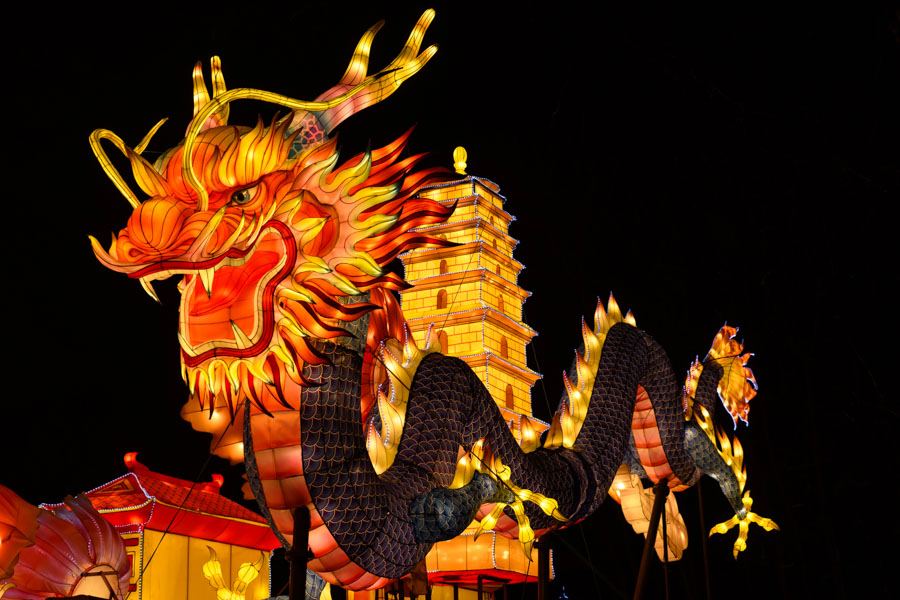
Chinese New Year is observed as a ritual of expulsion and renewal: houses are swept clean, spring couplets (春联, chūnlián) on red paper are put on doorways, and firecrackers are lit to scare off the monster Nián and banish the misfortunes of the past year.
Lion and dragon dances, loud, colourful, and highly physical, are performed to drive away evil spirits and invite good fortune, with their clamorous movement and vivid display acting as collective protection.
During the Lantern Festival, intricate lanterns are lit, carried, or floated as collective offerings, while riddles (猜燈謎, cāidēngmí) are pasted on them for people to solve – a public game that projects communal hopes and prayers into the night sky.
For those wishing to learn the traditional art of Chinese dragon dance, workshops at the YunTai Shan International Culture and Martial Arts School in Xian Jiaozuo, Henan Province, are open to the public upon registration. Participants can train with skilled instructors, explore the cultural significance of the movements to the rhythm of the music, and practise this vibrant art amidst the scenic Yuntai Mountains.