

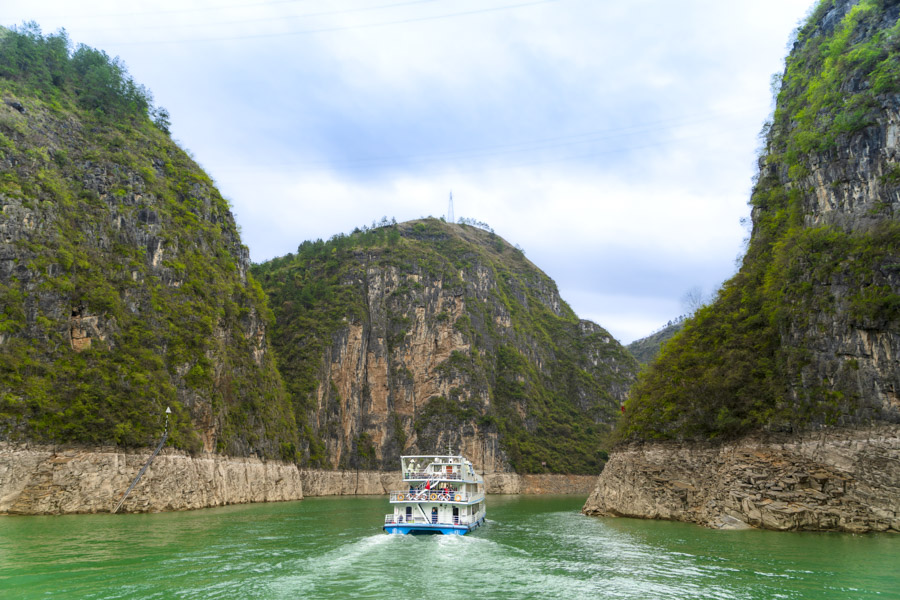
The Yangtze River runs across China from the Tibetan Plateau to the East China Sea, cutting through cities, gorges, and plains. With a length of 6,300 kilometres (3,915 miles), it is the longest river in Asia and the third longest river in the world. A Yangtze River travel guide is mostly about the scale of the river, defining both the landscape and the journey.
The Yangtze River basin covers nearly one fifth of China and sustains over 400 million people. It has long shaped agriculture, trade routes, and settlement patterns across the country. A Yangtze River map shows a dense network of tributaries, including the Min, Han, and Jialing rivers.
The region is also one of the richest ecological zones in China. The Yangtze River ecosystem includes thousands of plant species and animal types, from freshwater fish to rare mammals. Wetlands and lakes once dominated the central basin, earning it the name “land of a thousand lakes”. Some of its wetlands are protected under the Ramsar Convention on Wetlands.
Several areas along the river hold UNESCO World Heritage status, linking natural landscapes with early human settlements. The upper reaches in Yunnan protect deep gorges and biodiversity, while the lower basin preserves Neolithic sites like Liangzhu. These layers form part of the wider Yangtze River history, where early cultures developed alongside the water.
Today, the river remains a central route for travel and exploration. Our Yangtze Travel guide follows the main cruise section between Chongqing and Yichang, where most visitors experience the river. It combines key Yangtze River facts with practical insight to help plan the journey.
Your Dream Yangtze River Cruise: Chongqing to Yichang Tours
Most popular Yangtze River cruise tours start in Chongqing’s neon-lit, hectic docks and end in Yichang’s quieter piers. Yangtze River tours grant travellers the clearest mix of gorge scenery, shore visits, and practical transport links.
A downstream Chongqing Yangtze River cruise usually lasts 4 days and 3 nights. Our cruise operated with Century’s official route, which starts in Chongqing and then continues to Fengdu Ghost City, Qutang Gorge, Wu Gorge, Shennv Stream, and the Three Gorges Dam. The upstream version from Yichang lasts 5 days and 4 nights, with the dam visited first. These are the core Yangtze River itineraries we can offer on a Yangtze River ship tour with a group or as part of a custom tour.
A river cruise from Chongqing begins with a strong city image. Towers, bridges, and port lights sit above black water at the meeting point of the Yangtze and Jialing rivers. By the next day, the view changes to quieter banks, cliffs, and smaller excursion sites. Whatever the cruise company you choose, Century and Victoria guided shore visits, onboard talks, dining, cultural programmes, and English-speaking service will be provided.
Among Chinese river cruises, this route works well on its own or inside wider Yangtze River travel packages. Our 15-day group itinerary links Hong Kong, Guilin, Chongqing, the cruise, Yichang, Shanghai, Xi’an, and Beijing. Starting from Beijing, the 16-day Central China Grand Tour adds Chengdu, with its giant pandas, and Huangshan before Shanghai. These tours place the Yangtze tour inside a larger China journey, which suits travellers who want more than the river section alone.
Yichang is the practical eastern gateway to the cruise route and the Three Gorges Dam area. Some travellers continue straight to Shanghai, but others stay longer and build extra land around the river.
Yangtze River Itineraries
A Yangtze cruise map should make one point clear from the start: this journey covers only a short section of the river. Most classic routes begin at Chaotianmen Dock in Chongqing and end near Yichang, usually at Maoping Port.
From Chongqing, the route moves east past Fengdu and Zhongxian, where some itineraries add Ghost City or Shibaozhai visits. The scenic spots come next: Fengjie, the Kui Gate, Qutang Gorge, Wu Gorge, and a smaller-boat excursion into Shennv Stream. Many sailings then continue towards Zigui and the Three Gorges Dam area. Stops can shift slightly by ship, season, and water level.
The practical Yangtze River maps mark Chongqing, Chaotianmen Dock, Fengdu, Zhongxian, Fengjie, the gorges, and Yichang. It should also note Maoping or Sandouping, where dam visits and some disembarkations take place. This is the same core route used in our cruise tours between Chongqing and Yichang. On longer programmes, the cruise links with city stays and onwards travel after Yichang.
Best Time to Cruise the Yangtze River
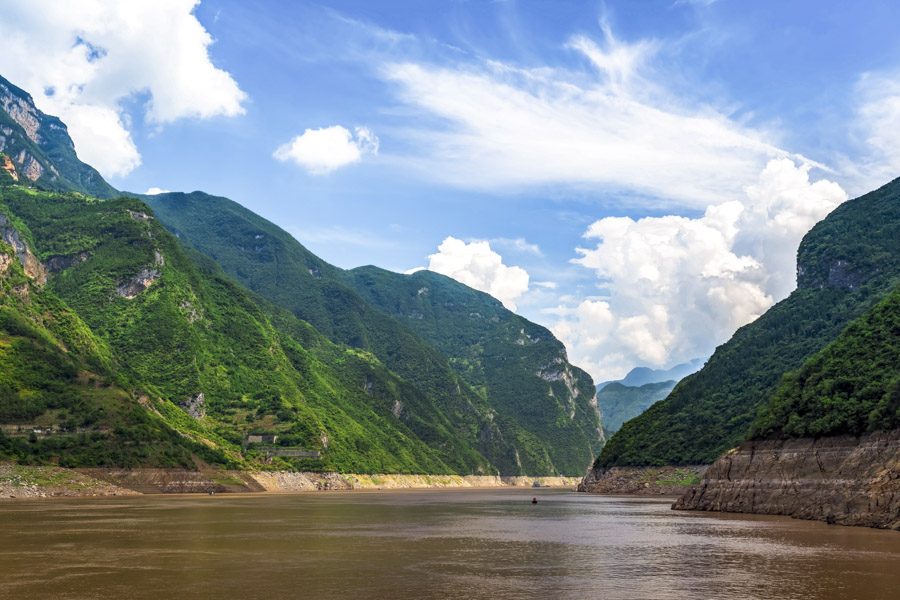
The best time to visit this section of the Yangtze River depends on what matters most to you: is it weather, scenery, comfort, or fewer crowds? In general, April, May, September, and October are the Yangtze River best months. These months bring milder temperatures, lower humidity, and better visibility through the gorges. For most travellers, this is the ideal time for Yangtze River cruising.
If your focus is comfort and views, with average temperatures of 12 to 25°C (53.6 to 75.2°F), spring and autumn are the strongest seasons. April and May bring fresh greenery, blossom-covered slopes, and clear days for shore visits. September and October bring cooler air, calmer light, and some of the best autumn colours around Wu Gorge. This is also the main Yangtze River sightseeing season and the busiest Yangtze River peak season.
Are you wondering which ship and cabin category to travel on depending on the season?
Choose comfort-to-premium (Century / Victoria style) if you want better onboard comfort and experiences; choose standard class (Golden / Huaxia Goddess style) if you prioritise lower cost and simple outdoor enjoyment. Late March, early June, and early–mid November are great choices. Late March brings blossoms and milder weather, ideal for relaxed decks and outdoor viewing; early June is lush and quieter before school holidays, perfect for daytime shore excursions; early November is cooler but offers red leaves and soft light for photos during guided outings.
July and August are usually the least comfortable months. The weather is hot, with temperatures averaging 26 to 33°C (78.8 to 91.4°F), humid, and wetter, with more fog and less reliable views. These months can still suit families, since ships are air-conditioned, but the deck can feel harsh in midday heat. In practical terms, this is part of the Yangtze River cruise season but not the best stretch for scenery or comfort.
Winter, from December to February, brings lower temperatures around 3 to 12°C (37.4 to 53.6°F) and prices but fewer ships. Mist, overcast skies, and cold wind often reduce visibility on deck. For full Yangtze River climate information, it is also worth watching China’s major public holidays. Labour Day and National Day bring crowds, higher fares, and long queues at ports and excursion sites.
Yangtze River History
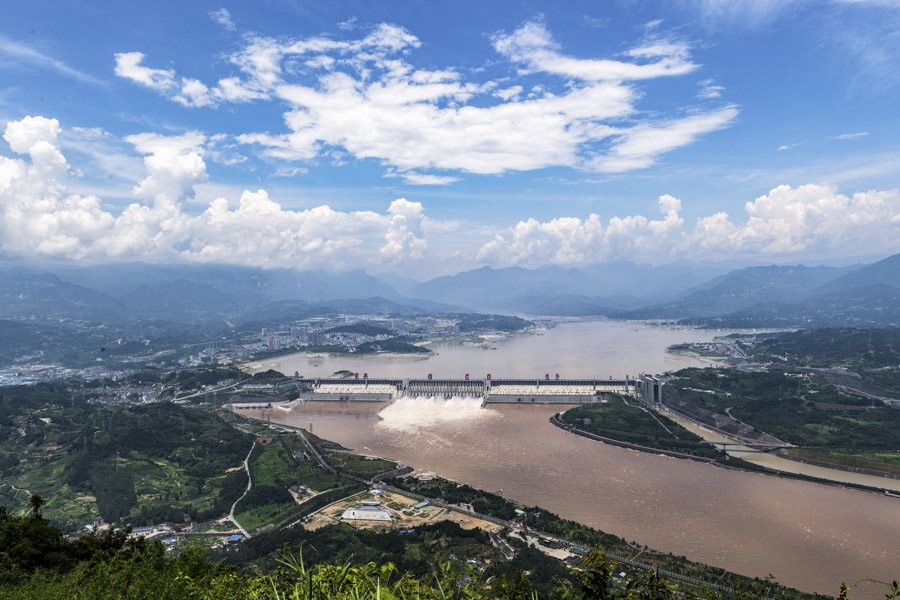
The history of the Yangtze River begins long before imperial China with human occupation, food, water, and movement. Archaeological evidence places Neolithic activity in the basin thousands of years ago. Rice cultivation in the middle and lower Yangtze took root here around 8,000 years ago. That agricultural base turned the river into one of the centres of China, giving the Yangtze River historical significance.
Over time, the river became much more than a water source. It linked the upper, middle, and lower parts of China through trade, transport, and cultural exchange. By the Han period (206 BCE-220 CE), irrigation and long-established farming systems along the basin were already supporting strong economic growth. Later, during the Song dynasty (906-1279), lands south of the river became some of the richest and most densely populated parts of the country.
The Yangtze River’s history is also tied to migration, war, and political change. For centuries, the river served as a major transport route and at times a dividing line between north and south. From the late Zhou and Warring States periods (c. 770–221 BCE), it shaped the rise of regional states and cultures such as Chu, Wu, and Yue and later helped shift China’s economic centre southward. Cities in the Yangtze basin grew into major cultural and commercial hubs.
In modern times, the river remained central to trade, industry, and engineering, from the late Qing (mid-19th century) through the Republican era (1912–1949) and into the People’s Republic period (1949–present). The Three Gorges Dam (construction 1994–2006; reservoir filling 2003–2010) became one of the most consequential projects in its modern story. The dam changed navigation, energy production, and the landscape itself. Today, the river still carries that long history in its ports, gorges, and cities.
Things to Do on the Yangtze River
Most classic Yangtze travel begins in Chongqing, where the riverfront feels dense, vertical, and electric. Before boarding, many travellers spend time in the city, then head to Chaotianmen Port at dusk. The ship leaves the neon skyline behind and moves into the quieter upper stretch of the cruise route. This shift, from city glare to dark water and distant hills, is part of the appeal.
Places to Visit Along the Yangtze River
During Yangtze River cruises, the river gathers its best-known scenery and historic stops. Along the way, the route moves from dense river cities to old temple sites. The cliffside viewpoints, smaller tributaries, and the vast scale of the Three Gorges Dam provide an ultimate experience.
- Fengdu Ghost City (丰都鬼城及其周边地区) and its nearby areas
Named for Chinese beliefs about the afterlife, Fengdu is presented as a place where souls are judged after death. One of the most unusual Yangtze River attractions, it's known for temples, statues, and scenes of the Chinese afterlife. It sits above the river on Ming Mountain and includes a darker cultural layer to the route.
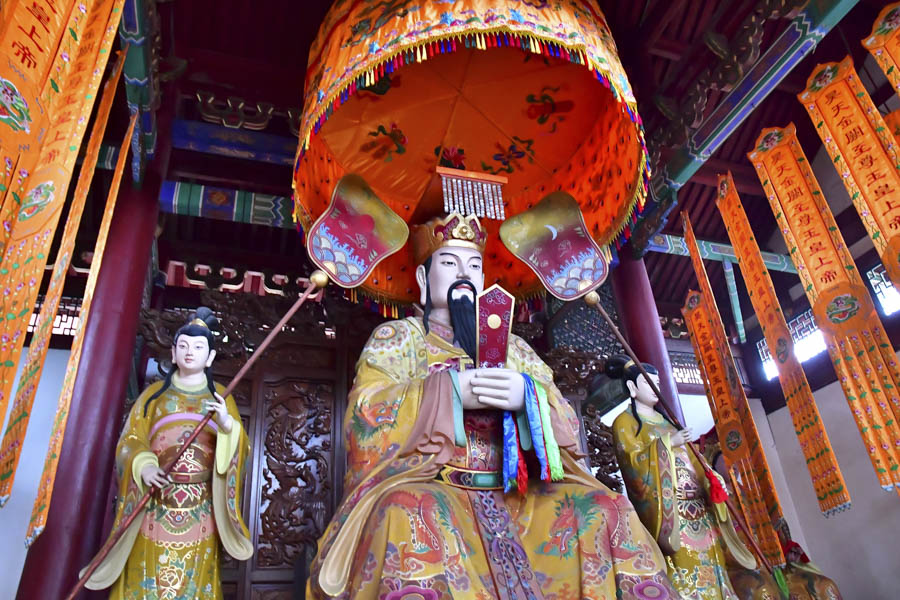
Near Fengdu, the Jade Emperor Scenic Area (玉皇景区) is a Taoist site filled with traditional buildings and deity sculptures. The giant Jade Emperor statue and hilltop layout make it visually striking. Another Fengdu vicinity is Shuanggui Mountain (双龟山), a forested mountain area with old temples, stone inscriptions, and wide river views.
It’s a top-notch experience for travellers who want a quieter stop away from the main cruise flow. Snow Jade Cave (雪玉洞) is a karst cave near Fengdu known for bright white formations and still-growing stalactites.
- Fuling Attractions
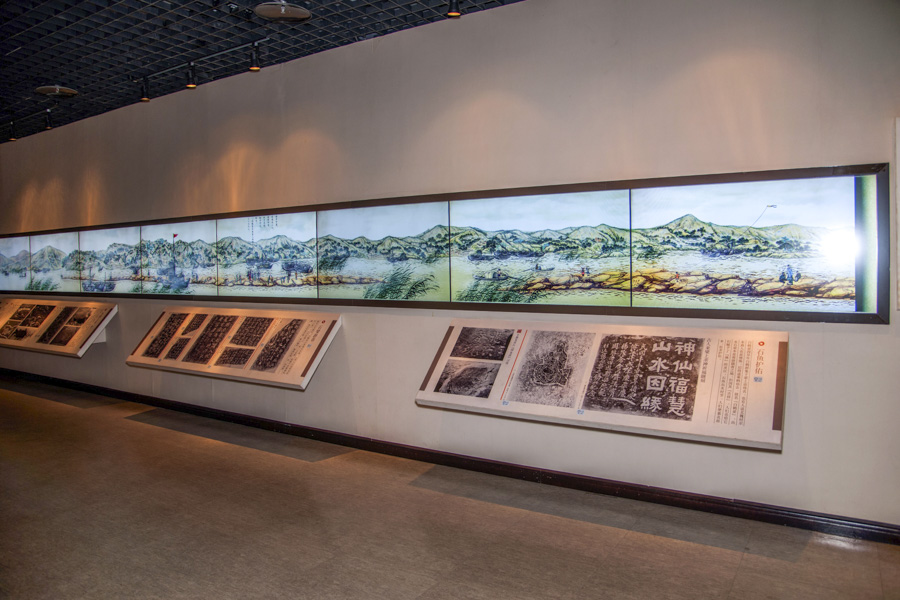
In Fuling, Baiheliang Underwater Museum (白鹤梁水下博物馆) preserves a submerged stone ridge carved with ancient water-level records, as well as a poem submerged underwater. It is one of the most distinctive cultural sites along the Yangtze River. Also near Fuling, the 816 Nuclear Project is a vast underground military complex that feels stark and unexpected. Long tunnels, concrete chambers, and cold industrial scale make it stand apart from the usual cruise stops.
Lychee Ancient Road is tied to Tang dynasty court history. According to official Tang histories, Emperor Xuanzong ordered fresh lychees to be sent from Fuling to Chang’an, now Xi’an, for his favourite concubine. The route later became an important transport road in western China, and Fuling still grows lychees today, so travellers may find them in season.
- Shibaozhai Pagoda (石宝寨塔)
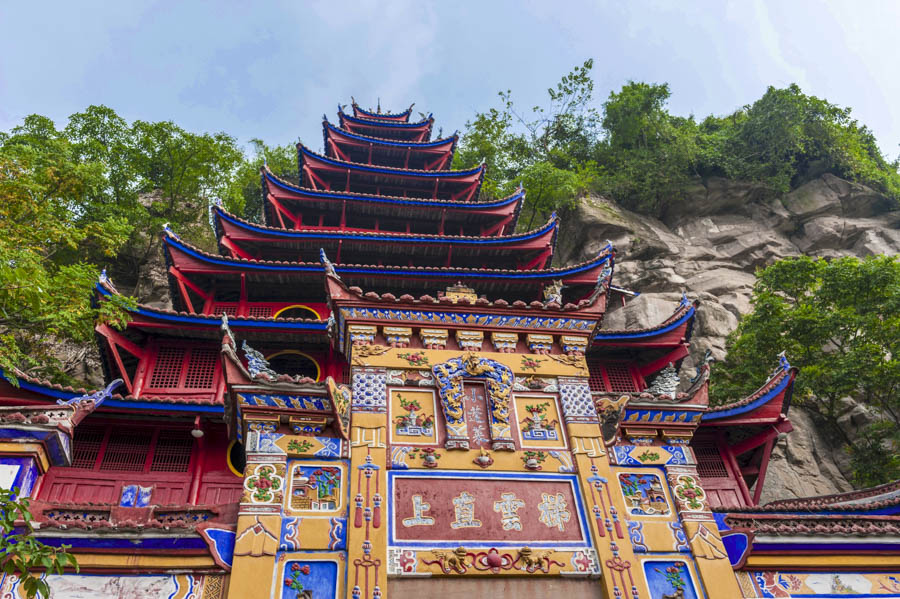
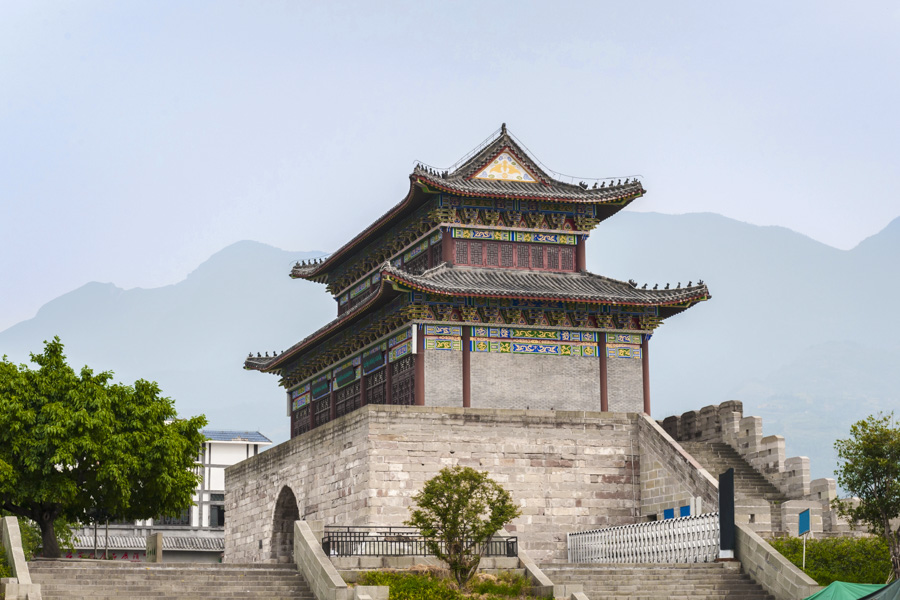
This red, wooden, 12-storey pagoda in Zhongxian rises up against a steep rock face. It is one of the most photogenic things to see along the Yangtze River. Its nail-free timber structure gives it real architectural weight.
- White Emperor City (白帝城) & Qutang Gorge (瞿塘峡) Area
One of the most important historic sites on the Upper Yangtze is White Emperor City, also known as White Emperor Temple, Baidi City or Baidi Cheng. Set above the western entrance to Qutang Gorge, it is linked with the Three Kingdoms period. Additionally, White Emperor City gathers classical poetry, and the famous Kuimen Gate (夔门) view, the entrance to the Qutang Gorge, is shown on the 10 yuan note. Temples, old inscriptions, and river-facing terraces make it one of the strongest cultural stopovers on the Yangtze cruise route.
Three Gorges Summit is one of the highest and widest viewpoints over Qutang Gorge. In late autumn, red leaves spread across the slopes and shift the whole landscape. Qutang Gorge is the shortest gorge and also the most dramatic, with steep cliffs pressing close to the river. Celebrated in the past by poets such as Du Fu, Li Bai, and Su Shi, this is classic Yangtze River scenery and one of the defining images of the route.
More recently, in 2018, Chinese film director Zhang Zimou staged the breathtaking spectacle Return to the Three Gorges on the river. It incorporated poems by these and other poets to celebrate the magnificent scenery of Baidi Cheng, the Qutang Gorge and the Kuimen Gate, with an aim to promote environmental protection.
- Wu Gorge Area (巫峡地区)
Softer in shape and often wrapped in mist, Wu Gorge, in Fengjie County, feels quieter and more layered. Peaks such as Goddess Peak give this section its mythic atmosphere. High above Wushan, Goddess Peak Sky Road (神女天路) is a cliffside road that opens long views over the gorge and river bends. It is one of the strongest lookout points for wide-angle photos. It can be reached by hiking the Three Gorges Dragon Ridge (三峡龙脊). Continuing the hike, you can reach the Peak of the Three Gorges (三峡之巅), the highest viewpoint in this area. These trails are shrouded in legends.
- Smaller gorges & quieter streams
Reached by smaller boat, Shennv Stream (神女溪) is a narrow tributary bringing travellers closer to cliff walls and hanging coffins. It feels more enclosed and serene than the main river. In the Lesser Three Gorges on the Daning River, the boat rides are quieter, with narrower channels and greener banks. Another tranquil tributary, Shennong Stream, provides clear water, steep slopes, and small local boats.
- Yichang & Nearby
Near Yichang, Tribe of the Three Gorges presents traditional village life, old bridges, riverbank houses, and staged performances. The Tribe of the Three Gorges is one of the most visitor-friendly Yangtze River destinations. Xiling Gorge is the longest of the Three Gorges; Xiling mixes natural wonders with visible engineering changes. It marks the stretch where the old river and the modern river meet most clearly.
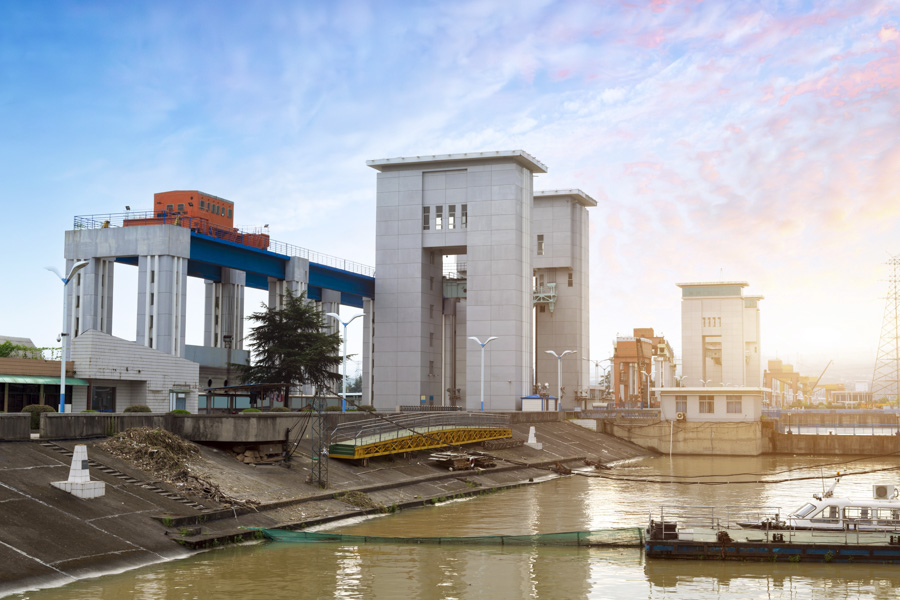
Closer to Yichang, Gezhouba Dam sits lower on the river and extends the engineering story beyond the main dam. The Chinese Sturgeon Museum (中华鲟园) in Yichang focuses on one of the Yangtze’s oldest and most threatened species. It enriches the end of the journey with an ecological angle.
- Quyuan Temple (屈原祠)
Quyuan Temple is dedicated to Qu Yuan, one of China’s most important poets and statesmen from the state of Chu. The site is closely linked to his exile, death, and lasting place in Chinese literary history. The temple also represents the birthplace of the Dragon Boat Festival. Set near the Three Gorges Dam area, it adds real historical weight to the lower end of the cruise route.
- Three Gorges Dam (三峡大坝) & its Attractions
The standard Three Gorges Dam tour is the final major stop for most Yangtze River itineraries. The Three Gorges Dam Ship Lift moves vessels past the dam in a single system – one of the most impressive engineering features on the Yangtze route. Three Gorges Dam Ship Locks is a five-step lock system handling large ships moving through the dam area. Even from a distance, the scale is easy to grasp.
- Badong County
Wuyuan Cave (五元洞) in Badong delivers a different Yangtze route, shifting from open river views to an underground karst world. Formed over millions of years, it is known for stalactites, dark chambers, and boat trips through the cave.
Even though Yichang is usually the final stop, Shennongjia National Park (神农架国家公园) is a destination that extends the Yangtze journey. This is one of the most important protected natural areas in central China. The park features deep forests, peaks covered in clouds, and exceptional biodiversity. On expansive Yangtze routes, it provides a remarkably different side of the region beyond the river itself.
Entertainment, Facilities and Shopping
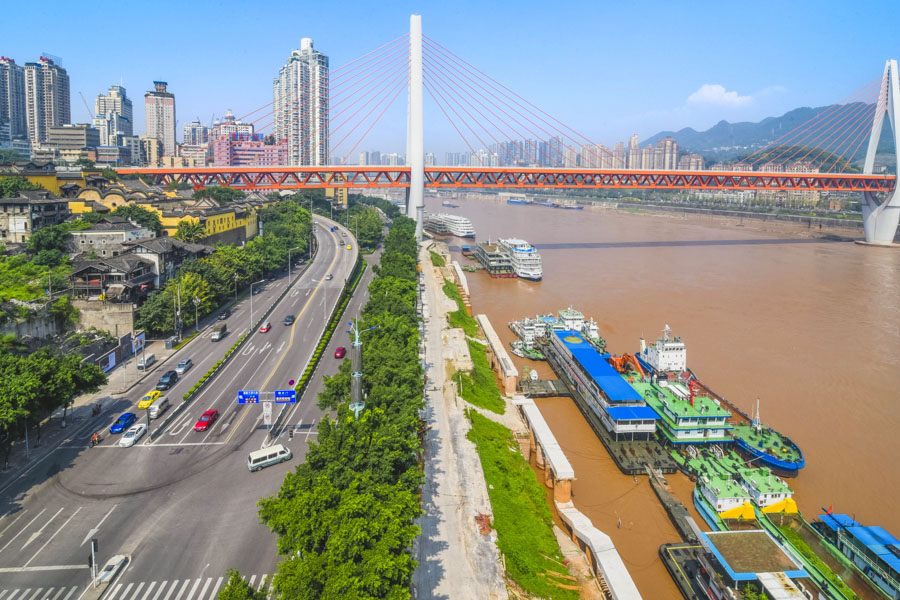
On a Yangtze cruise ship, even on the shorter Chongqing to Yichang route, ships run a steady programme from early morning to late evening. Tai chi chuan martial arts on deck, crew shows, welcome parties, farewell parties, and quiet hours on the observation deck are all part of the rhythm. A cruise ship experience on the Yangtze river is additionally about how the days are structured onboard.
Yangtze Cruise Onboard Entertainment
For standard and comfort travel, we usually include the Golden and Huaxia Goddess lines. These ships focus on relaxed sailing, scheduled performances, cultural activities, and the core cruise atmosphere. Expect the usual Yangtze format of morning tai chi chuan, Chinese culture sessions, evening performances, and captain’s events. Extra-charge spaces such as karaoke, mahjong, spa, or private entertainment rooms depend on the ship layout.
Century and Victoria sit at a premium level, with a more polished feel in both service and public spaces. Century Voyage onboard life is a full five-star environment with cultural lectures, seasonal activities, and DIY sessions. These include dumpling or mooncake making, a theatre, a children's play space, and social events with staff and passengers. At this level, Yangtze travel starts to feel closer to a floating hotel than a standard sightseeing vessel.
Facilities on the Yangtze Cruise Boat: What to Expect
Facilities on the Yangtze River cruise vessels tend to follow a standard amenities pattern*:
- a cabin with a private bathroom
- basic hotel-style amenities
- air conditioning
- a dining room
- reception
- sun deck
- reading & lounge space
- lectures & performance areas
Depending on the ship, there may also be a gym, card room, bar, karaoke room, clinic, and laundry service. Guided shore excursions and English-speaking support are part of the basic expectation on the route.
Century Cruises and Victoria Cruises move clearly beyond that baseline. It is an eco-conscious vessel with intelligent room systems and stronger support for suite guests. Onboard you'll find an observation broad deck built for long hours of river viewing and Yangtze River photography.
Century cruise vessels feature the following*:
- large cabins
- private balconies
- butler service
- free Wi-Fi
- a theatre
- swimming pool
- lounge areas
- fitness and wellness spaces
- children’s facilities
- VIP dining areas
On a standard ship, comfort comes from the route itself, the open deck, and the ease of joining excursions.
On a premium Yangtze cruise ship, comfort means quieter cabins, more varied entertainment and a stronger sense of privacy. This is especially useful on a four- or five-day sailing, where passengers spend long stretches onboard.
*Note: Amenities and exact schedules vary by operator and vessel.
Shopping on a Yangtze River Cruise
Most Yangtze cruise ships have at least one small onboard shop, so you will not be cut off once you board. These shops usually stock daily basics, snacks, drinks, gifts, and a small range of travel items. On larger ships, the retail offer can be broader, with silk goods, jewellery, books, liquors, and other gift items. Prices are usually a little higher than on land, but the convenience matters during the sailing.
On bigger vessels, public areas may also include a more developed shopping zone rather than a single counter shop. Along the Chongqing to Yichang route, travellers often find local crafts and small cultural gifts at excursion sites. These are the better places to look for something with local character rather than generic onboard stock. For Yangtze River travel, the ship shop is practical, but the stops along the river usually feel more memorable.
Yangtze River Cruise Food
Most ships serve Chinese and Western dishes for breakfast, lunch, and dinner, with the exact menu changing by season, route, and cruise line. Main dining rooms are standard on all ships, while some vessels also have a quieter VIP restaurant for suite guests or paid upgrades. On premium lines, the dining room often has large windows, so the river stays in view while you eat.
The usual spread includes salads, soups, noodles, rice, vegetables, meat and fish dishes, bread, pastries, fruit, desserts, tea, coffee, juice, and soft drinks. Chinese dishes remain the core, but international produce is always part of the mix. Some lines also run tea service or afternoon tea, which suits the slower pace of the cruise.
At Century Cruises, food is part of the premium onboard experience, with buffet dining, upgraded menus, and tea service. An experienced team can take care of your dietary requirements whether you prefer vegetarian, halal, kosher, or gluten-free. In practical terms, food on a Yangtze cruise ship is more about comfort, variety, and ease. You dine well, you keep the river in sight, and you do not have to think much about the logistics.
How to Get to the Yangtze River?
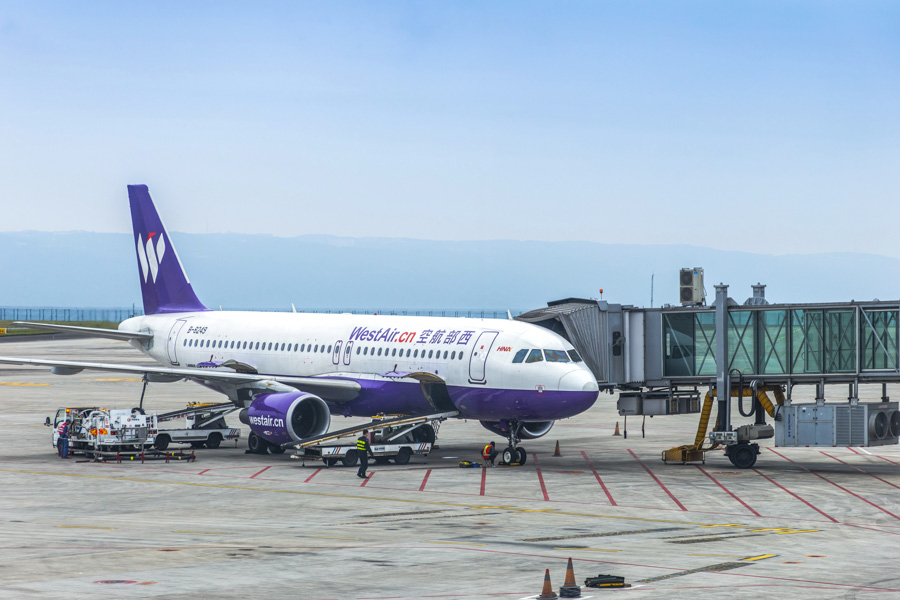
Getting to the Yangtze River is really about reaching the cruise ports. For the classic Three Gorges route, the main travel routes to the Yangtze River run through Chongqing and Yichang. Downstream cruises from Chongqing usually board between 16:30 and 21:00. Upstream sailings generally start from Yichang; board at Maoping Pier between 16:30 and 22:00. In practice, same-day arrivals can work, but arriving the night before makes getting to the Yangtze River much easier.
For Chongqing, the main gateway is Jiangbei International Airport (CKG), with Chongqing North and Chongqing West as the main rail station arrivals. Chaotianmen Dock sits about 26 kilometres from the airport, and a taxi or private car usually takes 30 to 40 minutes. That is the easiest option if you are carrying luggage. In low-water periods, some cruise companies embark from Fengdu or Fuling, with cruise-line bus transfers of about 1.5 hours.
For Yichang, use Yichang Sanxia International Airport (YIH) or Yichang East Railway Station. Maoping Port lies outside the city, so group shuttles are common here. Expect about 1 to 1.5 hours from downtown, the airport, or Yichang East. On Century cruises, the dam visit and shuttle back to downtown usually finish at around 13:00.
Shanghai usually comes after the cruise as the easiest big-city add-on for longer Yangtze River exploration. Hongqiao is the best rail-air hub, with Hongqiao Railway Station next to Terminal 2, while Pudong suits long-haul flights. The Airport Link Line between Pudong and Hongqiao runs from 06:00 to 22:00 about every 15 minutes. Travellers extending their trip in Shanghai can pair the cruise with a day trip to Zhujiajiao Water Town, dubbed the Venice of Shanghai and the Pearl of the south of the Yangtze River.
Languages Spoken on the Yangtze River
Along the cruise route, Putonghua, or standard Mandarin, is the main language used in daily travel. On the main Yangtze cruise lines, international travellers are usually assisted by English-speaking guides or cruise staff. This is most noticeable during excursions, briefings, and onboard announcements. China’s standard spoken language; it is what you will hear at airports, railway stations, hotel desks, and on most organised tours.
In Chongqing, daily speech leans into Southwestern Mandarin. Around Yichang and much of Hubei Province, local speech stays close to Mandarin as well. In some smaller valleys and minority areas of southwestern Hubei, Tujia also survives. Yet, most Tujia people today speak Chinese in daily life.
If your journey continues east to Shanghai, Shanghainese belongs to the Wu language group rather than Mandarin. Mandarin will cover almost every transfer and excursion, while premium cruise lines also advertise English-speaking staff and guides.
How to Pay on a Yangtze River Cruise?
The only currency you need on a Yangtze cruise is the Chinese yuan (CNY / RMB). China now works best with mobile payment, and foreign visitors can link international cards to Alipay and WeChat Pay. Physical bank cards still work in places that display the right logos, and cash remains a valid backup.
You can withdraw cash before boarding in Chongqing, Yichang or Shanghai, ideally at the airport, railway, or major banks. Bank of China (BOC) ATMs support overseas cards carrying UnionPay, Visa, Mastercard, JCB, or American Express. In Shanghai, RMB can be withdrawn from ATMs showing the matching network logos.
There is no cash flow aboard Century Cruises, and guests sign for bars, gift shops, and other purchases. Then settle the bill later in major currencies or major credit cards. That makes a small amount of cash useful mainly for shore stops, local craft stalls, and minor personal purchases during excursions.
Tipping in China is generally limited, but on Yangtze cruises it is often handled through a service charge. On Century cruises, the crew service charge is added as a set onboard fee. Tips for local guides, drivers, or extra help on shore are still up to you.
Yangtze River Security
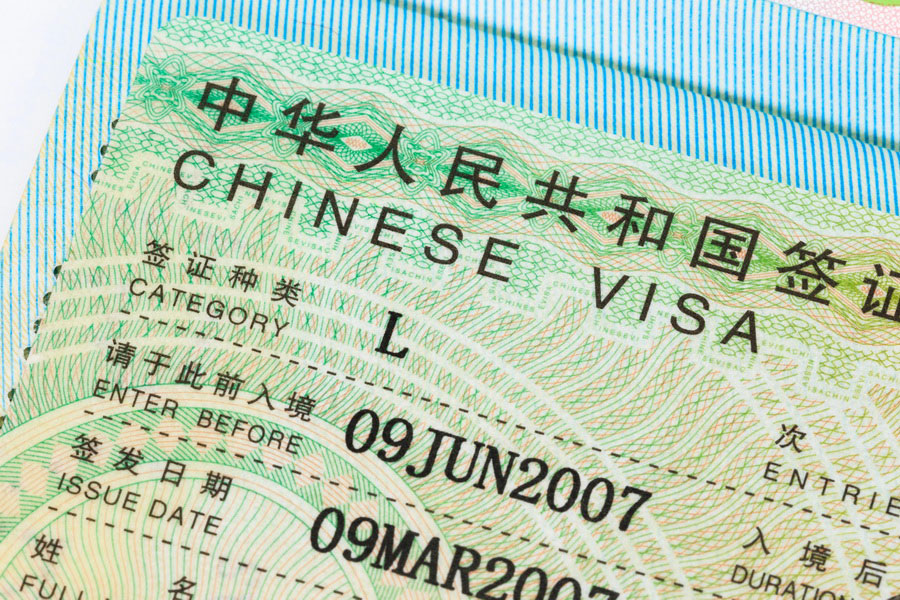
Some nationalities can travel visa-free for up to 30 days in China, while others still need a visa before departure. For most cruise travellers who do need a visa, the usual choice is the tourist L visa. China also keeps a 24-hour visa-free transit policy for all nationalities and a 240-hour transit policy for eligible countries on onward third-country itineraries. Port visas do exist, but they are designed for urgent cases, not for routine holiday planning.
Health planning is simpler on the classic Chongqing to Yichang route than at the river’s remote source. Keep routine immunisations up to date. Consult your home country’s travel-health advice and a travel clinic, and review local Chinese entry and health guidance for any recommended vaccines or precautions (e.g., hepatitis A, hepatitis B, and typhoid). Operators build in an embarkation safety briefing, and cruise schedules can change with weather, water level, navigation, and season.
For photography, phones and cameras are normally fine, but drones are a different matter. China requires registrations with names that match the passport for drones above 250 grams. Customs declarations must be truthful, and professional equipment may need temporary-import paperwork.
Three Gorges Dam is a no-fly area unless you have explicit local clearance. Accessibility is improving on newer ships, but some shore visits still use smaller sightseeing boats or steep sites.
What to Bring on Yangtze River & Practical Tips
The most important thing to wear on Yangtze River cruises is comfortable shoes. Even regular stops mean temple steps, uneven paths, cable-car areas, or a transfer to a smaller sightseeing boat. Lightweight activewear is also a good option if you want to join morning tai chi chuan sessions or use the fitness room.
The gorge section can feel warm by midday and cooler on deck in the morning or after sunset, so a light jacket or overshirt is more useful than heavy packing. Add a hat, sunglasses, sunscreen, and a compact rain layer. In warmer months, insect repellent is worth carrying too, especially if your Yangtze travel plans include extra time in rural areas.
Century cabins run on 220 volts, which is useful if you are carrying camera batteries, phones, or grooming devices. If you travel with prescription medicine, bring it in original packaging and carry a doctor’s note, because some medicines that are ordinary at home can be restricted abroad.
Nature Along the Yangtze River
China’s Yangtze River Protection Law puts ecological protection, green development, and heritage protection under the same framework. On classic cruise stretches, the scenery is shaped by tributaries, steep slopes, regulated water levels, and reservoir zones.
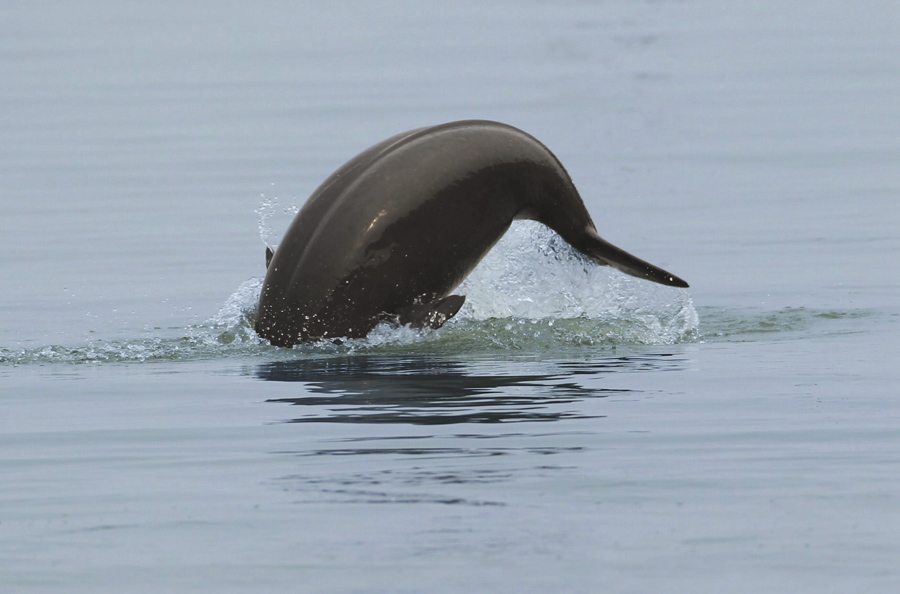
The clearest symbol of that recovery is the Yangtze finless porpoise, one of the river’s popular endangered animals. From 2021 to 2025, 351 indigenous fish species were monitored in the Yangtze River basin. The Yangtze finless porpoise number has risen to 1426 in 2025. In plain terms, Yangtze River ecology is moving in the right direction.
Yangtze River wildlife and Yangtze River fishing are not tourist pastimes on the main cruise section. The basin has been under a 10-year fishing ban in key waters since 2021, and that policy is part of the river’s recovery.
This delightful cruise provides the perfect way to discover the region’s spectacular landscapes, monuments and culture. Even after the sailing ends, the river tends to stay with you, and makes you come back and look more closely. Its scenery, stories and people will be borne in your mind and may even draw you back to explore the places that most captured your imagination.