

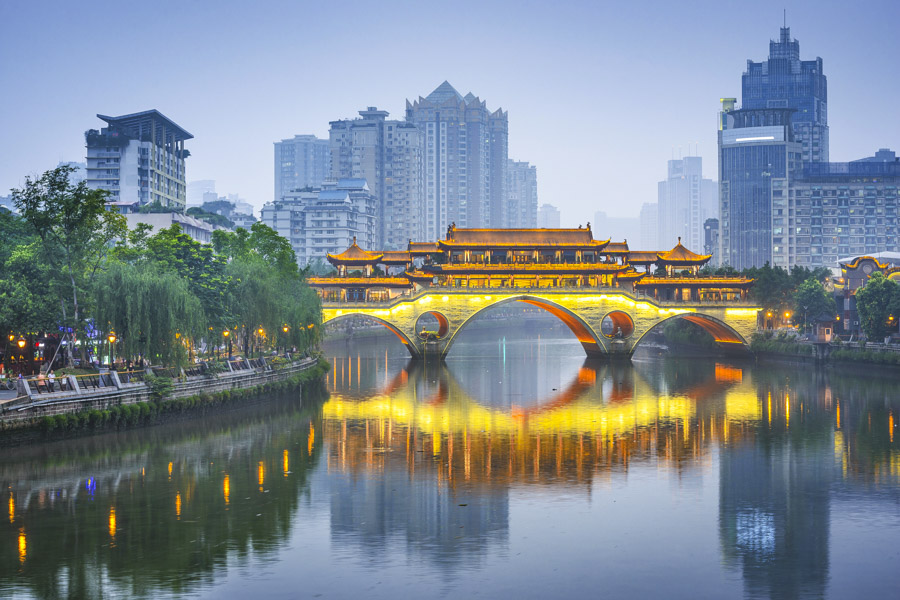
Streamlined new districts rise rapidly with landscaped streets. Here, low-rise compounds and enclaves look like an eco-city built as a luxury neighbourhood. Panda motifs and small planted corners appear so repeatedly that the city seems to be planned around vegetation. This is not a fictional, utopian sci-fi city in cyberspace run by algorithms; it is Chengdu.
Where is Chengdu in China? This capital of Sichuan Province is in southwestern China. The 4th largest city in China by population is also one of the fastest-growing cities in the country. City planners have pushed the “park city” idea, with a stated aim that you see green within a few hundred metres. In the centre, one of the Chengdu sights, Tianfu Square, rests like a giant Taiji sign when you take the bird’s-eye view.
The city additionally holds the largest building in the world by floor area – the New Century Global Centre. When you visit Chengdu, the tastes there will enchant you, as it is UNESCO’s first-ever city of gastronomy in Asia. UNESCO refers to the Chinese saying that “the best cuisine is from China, while the richest flavour is from Chengdu”.
Our Chengdu travel guide maps the city's key attractions in practical pieces, from parks and old streets to pandas and food.
Chengdu Tours
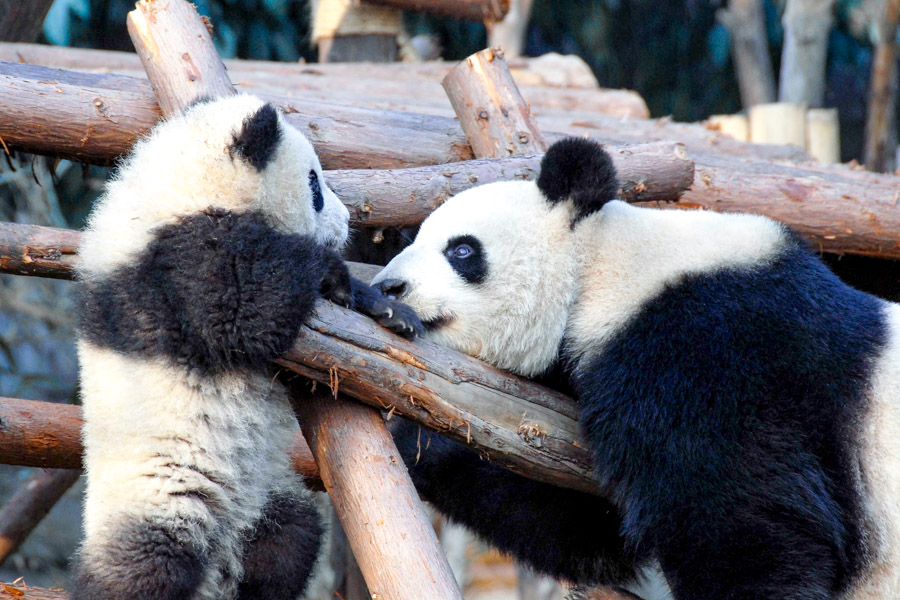
Our tours include Chengdu travel routes through Central China, with the city used as the point where the tempo drops. Here, you’ll experience parks, temples, teahouses, and then an early morning visit to the pandas.
For a short stay, many travellers start with a compact Chengdu city programme that covers the core Chengdu attractions in one to two days. It usually means tea at Chengdu People’s Park and a walk through the old quarters around Jinli Street. Visiting the Wenshu Temple area and a dawn visit to the Panda Base during feeding time are highly recommended. Add a simple Chengdu day trip to Leshan for the Giant Buddha, the largest Buddha in the world.
Chengdu, as part of a first-time route through China, our 10-day Central China Discovery Tour links Beijing, Xi’an, Chengdu and Shanghai.
It pairs the headline sites in the north with a Chengdu stop focused on Chengdu panda tours at the Panda Base. Also, we'll see the Leshan Giant Buddha before finishing on Shanghai’s classic waterfront and the canals of Zhujiajiao Water Town.
It works well as a clear, balanced Chengdu itinerary within a bigger China trip. For a longer route, the 11-day Central China Cultural Treasures Tour leans harder into Chengdu cultural tours.
As UNESCO’s City of Gastronomy, many Chengdu travel packages address market stops, hotpot, and street snacks. If food is your priority, Chengdu food tours can be built to include these delightful culinary experiences.
Best Time to Visit Chengdu
The best time to visit Chengdu is from March to June and from September to November. Chengdu weather follows a humid subtropical pattern, with cloud cover common year-round. These months are milder than mid summer, so you can walk the old quarters. Sitting in People’s Park, and planning early mornings at the Chengdu Panda Base is pleasant without fighting heat.
Chengdu has a humid subtropical monsoon climate, with cloud cover common and most rainfall concentrated in July and August.
Chengdu Weather by Months:
| Season | Months | Average temperatures in degrees Celsius |
Average temperatures in degrees Fahrenheit |
| Spring | March to May | 8 to 26 | 46 to 79 |
| Summer | June to August | 20 to 35 | 68 to 95 |
| Autumn | September to November | 9 to 25 | 48 to 77 |
| Winter | December to February | 2 to 11 | 36 to 52 |
Spring (March to May) suits first-time Chengdu travel. Parks and gardens green up early, and the city is comfortable for long walking days in Chengdu in Jinli Street and around Wenshu Temple.
Summer (June to August) is humid, with the heaviest rain in July and August. Build your Chengdu itinerary around mornings and evenings. Enjoy a stroll in the parks first thing, then use the warmest hours for museums, tea houses, and shopping streets. If you need cooler air, take day trips to higher ground such as Mount Qingcheng or Mount Emei, available by cable car.
In autumn (September to November), Chengdu transforms into a picturesque city, adorned with vibrant colours by nature and blessed with a pleasant climate. It is ideal to explore Renmin Park and the Anshun Bridge.
Winter (December to February) is damp and can feel colder than the numbers suggest, with little snow. This is a good season for quieter Chengdu sightseeing, indoor museums, and long meals. Hotpot lands differently in winter. For snow, Xiling Snow Mountain is the local escape.
Chengdu travel tips: visiting Chengdu during China’s busiest holiday periods such as Chinese New Year and National Day offers a vibrant festive atmosphere, where you can immerse yourself in local traditions, enjoy unique seasonal delicacies, and connect with the community celebrating together. This experience provides a rich cultural insight that makes your trip truly memorable.
History of Chengdu
Long before the city took its present shape, the Chengdu Plain was home to the ancient Shu civilisation. Finds at Sanxingdui (c. 1700 – c. 1150 BC) and Jinsha (1200–800 BC) archaeological sites, both on the UNESCO World Heritage Sites tentative list, show a Bronze Age culture with its own symbols and ritual art. They've been active thousands of years before imperial China reached full control of Sichuan.
In the 4th century BC, the Kingdom of Shu established a capital at today’s Chengdu, and the name remained. It is a rare case in China. A major settlement that has kept both its name and location through imperial, republican and communist eras.
In 316 BC, the Qin state conquered Shu and rebuilt the city as an administrative centre. The defeat tightened the link between the basin and the wider Chinese world.
The turning point for Chengdu’s long stability came with water. Around 256 BC, the Qin governor Li Bing built the Dujiangyan Irrigation System, diverting the Min River. It reduced flooding and irrigated wide stretches of the plain. Additionally, the system helped to create the reputation of Sichuan as a “land of abundance”.
Under the Han Dynasty (206 BC–220 AD), Chengdu grew into a cultural and commercial city. The governor Wen Weng founded Shishi High School (the “Stone Chamber”) in the 2nd century BC. It is still operating and ranks among the top 100 high schools in China. Centuries later, Chengdu became the capital of Shu Han during the Three Kingdoms period (221–263 AD). Zhuge Liang is recognised as the strategist most closely tied to the city’s lore and landmarks.
During the Tang Dynasty (618–907 AD), Chengdu attracted writers and craftsmen. The poet Du Fu lived here in exile and wrote some of his most enduring work, later commemorated at Du Fu Thatched Cottage. During the Song Dynasty (960–1279 AD), Chengdu produced jiaozi, widely regarded as the world’s first paper money used at scale.
At that time, Chengdu sat on the old Southern Silk Road routes, linking the Sichuan Basin to Yunnan and onwards to South and Southeast Asia.
In 1644, the warlord Zhang Xianzhong seized Sichuan and left the region traumatised. The depopulated city was followed by years of instability and resettlement. By the late 19th and early 20th centuries, new institutions arrived through medicine and education.
In the 1940s Chengdu became a wartime refuge. In 1949, Chengdu fell to the People's Liberation Army after serving as a late Nationalist holdout.
Things To Do in Chengdu
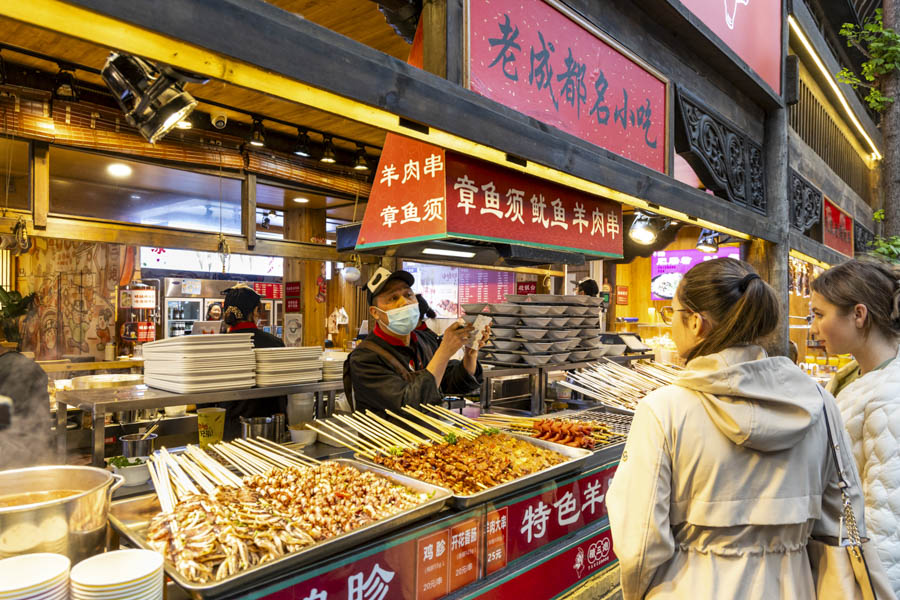
Chengdu is famous for three key aspects: The Giant Panda Base, the Sichuan Opera face-changing performances, and its vibrant food culture, which includes Sichuan peppercorns, and deep broths. However, there are many other equally prestigious facets of Chengdu that are worth discovering.
Places to visit in Chengdu
Most headlining sights sit on the metro and can be paired without rushing.
Chengdu Old Town
Anshun Bridge (安顺桥), across the Funan River (Jin River), which is spectacular at night, became renowned through Marco Polo (1254–1324), who described it in The Travels of Marco Polo. Near Hejiang Pavilion Wharf is an ideal viewpoint to relax and appreciate the architectural beauty of this historical site.
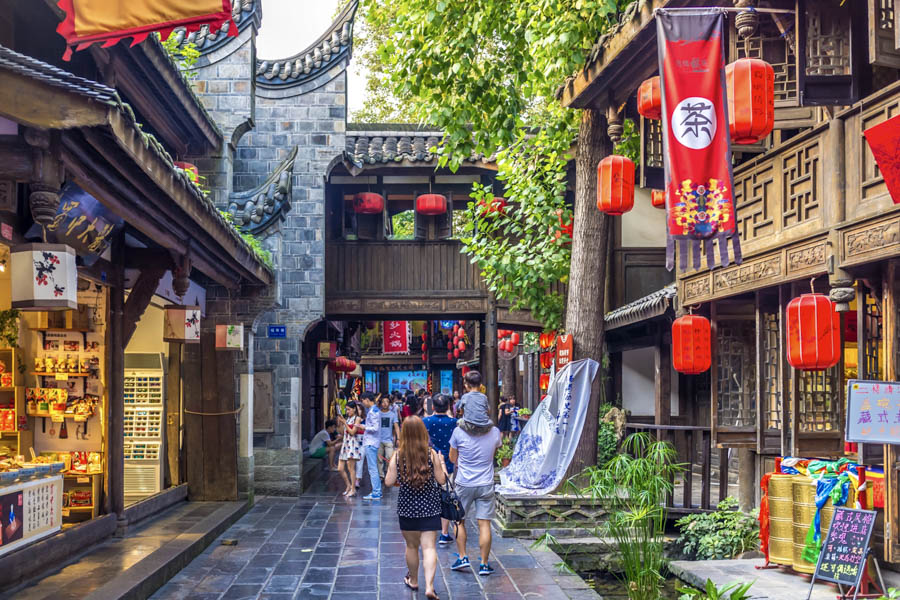
Kuanzhai Alley (Wide and Narrow Alleys) is a Qing-era lane district rebuilt as a shopping and food quarter, not far from the centre. Go early for architecture and courtyard lanes, then stay for snacks and a slow tea break.
Chengdu Research Base of Giant Panda Breeding
On the urban edge, thanks to the Chengdu Research Base of Giant Panda Breeding, Chengdu holds its reputation as the city of pandas. Over 240 pandas are around 1/3 of the world’s captive population. For most visitors, this is the first entry on the list of top things to do in Chengdu.
You can find it in the northern suburbs, roughly 15 kilometres from Tianfu Square. Go early for feeding time, then walk the bamboo enclosures and the nursery for cubs.
Shrines and Temples
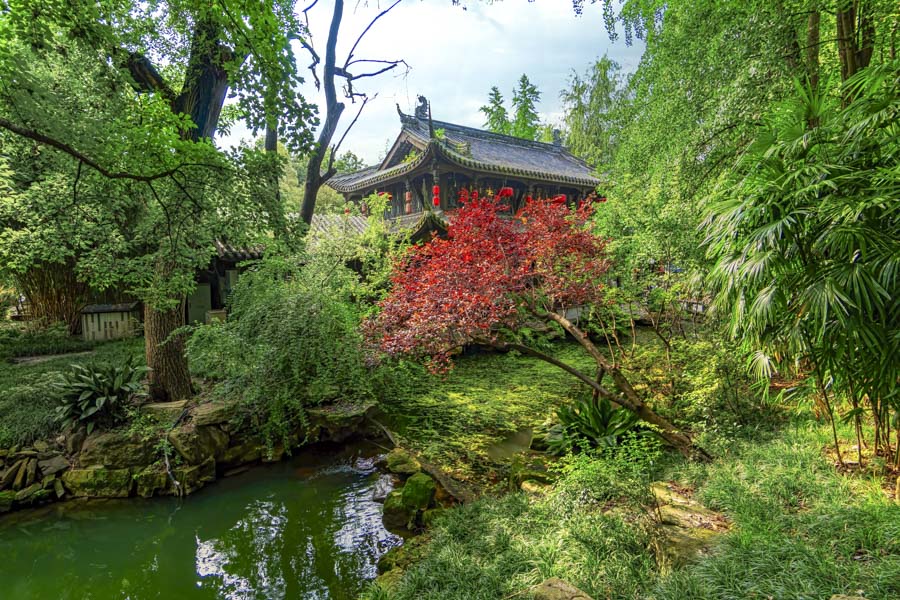
Wuhou Shrine is the city’s key Three Kingdoms site (220 - 280), with gardens and courtyards dedicated to Liu Bei and Zhuge Liang; it also hosts a museum. Finish on Jinli Street next door for snacks, crafts, and an easy evening walk under lanterns.
Wenshu Temple is Chengdu’s best-known Buddhist temple, set behind busy streets near Wenshuyuan. Light incense and walk the quiet courtyards, then eat at the vegetarian restaurant and drink tea nearby.
Alternatively, slip into Daci Temple for a quiet pause.
The best day trips from Chengdu additionally include Dujiangyan and Mount Qingcheng, which are close enough to visit in one full day.
Just outside the city, Dujiangyan is a 3rd-century BC water project that still controls the Min River. Spend the morning on river engineering and bridges, then switch to forest paths and Taoist temples in the afternoon.
Museums in Chengdu
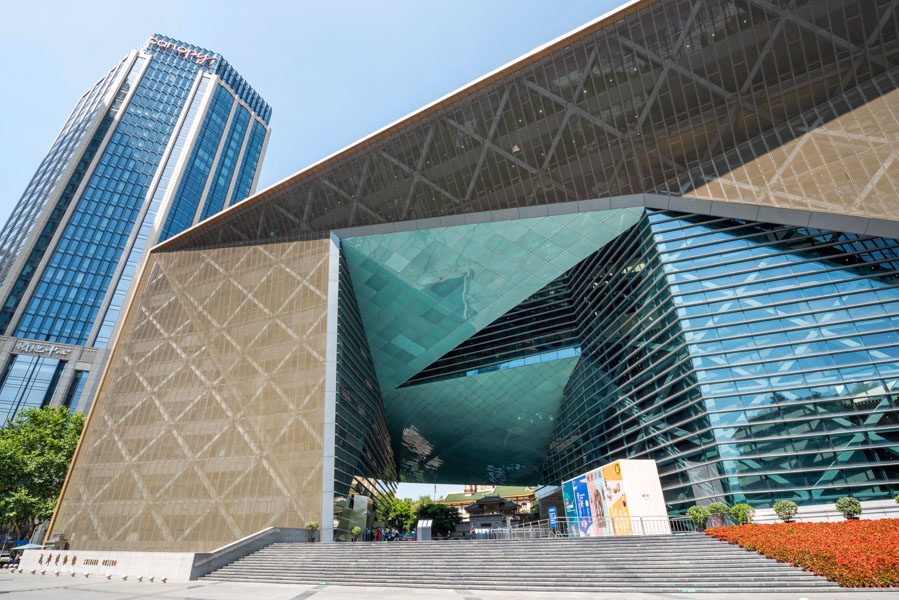
Chengdu’s museum scene is split between crisp new buildings and collections that sit deep in the city’s older layers. You can start with modern spaces in parks and new districts, then go back through Bronze Age Sichuan and the Three Kingdoms. End with everyday objects from the old teahouse city. Go on a weekday if you can because many places get busy on weekends and holidays, and several close on Mondays.
For an easy first stop, head to Chengdu Museum (成都博物馆) on the west side of Tianfu Square (Qingyang District, West Yu Street No. 4). There, you'll find the central overview with permanent galleries and a strong section on Chinese shadow play and puppetry.
A few minutes away, the Sichuan Science and Technology Museum (四川科技馆) sits behind the Mao statue at Tianfu Square. It has four floors of hands-on galleries. These include aviation and robotics. It also has a children’s level that works well for families.
South of the centre, pair the Wuhou Shrine Museum (武侯祠博物馆) on Wuhouci Street No. 231, with a walk through the surrounding courtyards and cypress shade. This is Chengdu’s Three Kingdoms museum in temple form, built to memorialise Zhuge Liang and Liu Bei. It reads best if you take your time with the steles and inscriptions rather than rushing for photos.
For art, go north to Tianfu Art Park for the Chengdu Art Museum (成都美术馆). The site combines the Tianfu Art Museum and the Museum of Contemporary Art across its venues. It is free, open late, and gives you a clean look at how the city frames modern Chinese art alongside older forms. The Chengdu Contemporary Image Museum (成都当代影像博物馆) focuses on photography and image-based work, often in dialogue with international institutions.
Chengdu’s archaeology is strongest at the Jinsha Site Museum (金沙遗址博物馆) on Jinsha Yizhi Road No. 2. The museum sits on the excavation site and displays gold, jade and bronze, including the famous gold sun bird emblem.
To push further, the Sanxingdui Museum (三星堆博物馆) in Guanghan makes perfect sense, but Jinsha is the essential Chengdu sightseeing.
For Chengdu nature tours, Chengdu Natural History Museum (成都自然历史博物馆) is a modern, large-scale walk through geology, biodiversity and evolution.
The Sanhe Classic Car Museum (三和经典汽车博物馆) lines up more than 200 restored vehicles, including early Benz history. If food is your focus, book ahead for the Sichuan Cuisine Museum (四川菜博物馆) in Pidu District. Tickets include tastings, a cooking session, and a commemorative certificate.
Chengdu Theatres
Chengdu initiated major cultural building projects after 2008. Massimiliano and Doriana Fuksas designed a performing arts complex. The structure has four elliptical volumes, based on an old Chengdu sun symbol.
A separate competition in 2007 proposed the Chengdu Centre for the Arts as one combined “hall for the arts”. It grouped theatres, a conference centre, and a museum, with auditoriums orientated towards the main road and nearby neighbourhoods.
For large touring productions, start with Sichuan Theatre (四川剧院) on No. 1 Mid Renmin Road, Chengdu. The building is split into three venues: a 1,601-seat main theatre, a 450-seat small theatre and an 800-seat cinema. Programming covers opera, dance, ballet, orchestras and visiting shows. Arrive at least 30 minutes early on weekends, as entry and seating take time.
For straight drama, the Sichuan People’s Art Theater (四川人民艺术剧院) is a long-running repertoire institution, founded in 1953. It has staged more than 260 Chinese and international plays. Its production, Voyage Through the Three Gorges, travelled to the Brighton Art Festival in 1998.
The Sichuan Opera Theater of Sichuan Province (四川戏剧院), established in 1960, is famous for traditional works. These pieces include Legend of the White Snake, a new historical repertory, and the face-changing classic Changing Faces. The Jinjiang Theater (锦江剧场) runs two-hour Sichuan opera performances built around face-changing and acrobatics, sometimes with English subtitles.
If you want opera in a teahouse setting, book Shufeng Yayun Sichuan Opera House (No. 23 Qintai Road, Qingyang District, inside Chengdu Culture Park). Shows run from 18:30 to 21:30, with tea, folk segments and the expected face changing and fire spitting. Arrive early for backstage makeup and costume photos.
Newer infrastructure is centred on the Chengdu Jinsha Grand Theatre (金沙大剧院) , part of the Jinsha Performing Arts Complex. The theatre features 900 seats, tea house, outdoor performance area and a roof garden that links to the surrounding park.
Entertainment, Parks, and Shopping in Chengdu
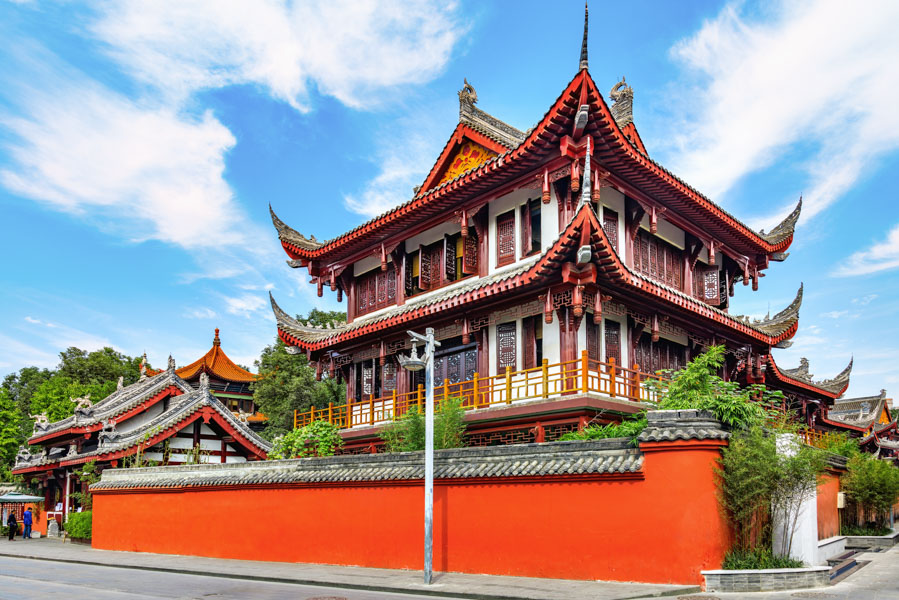
Teahouse afternoons, loud nights, and a calendar full of public rituals define this green megacity. Mix one high-energy outing with one culture-led evening so you will cover some of the best things to do in Chengdu.
Entertainment
For Chengdu travel beyond temples and pandas, one should plan for two tracks: high-energy days and culture-led nights. Spend an evening in a teahouse where jasmine tea, covered-bowl tea, mahjong and Chinese chess are part of the ritual. Heming, Yuelai, Dabei Temple and Wenshu Temple teahouses are frequently cited.
Festivals and city rituals
If your Chengdu itinerary follows the festivities of the lunar calendar, the Wuhou Shrine Temple Fair shines. Lantern displays in city parks turn New Year into street theatre, where you can enjoy snacks and folk crafts. Spring brings the Chengdu Flower Festival in Chengdu Culture Park and the Flower Fair at Qingyang Palace. Plus Chengdu day trips to Longquan for peach blossom and Pengzhou for the Tianpeng Peony Fair.
Early April marks the Dujiangyan Water Releasing Festival, a ceremony linked to the farming season and the irrigation system. Summer brings music weekends, from Fête de la Musique pop-up shows to big electronic and rock lineups. These take place at the International Intangible Cultural Heritage Park.
The International Festival of the Intangible Cultural Heritage, founded in 2007, is the flagship, mixing forums, exhibitions and performances.
A lighter dose of adrenaline
For Chengdu adventure tours, try Happy Valley rides, Paradise Island Water Park, or indoor surfing at 51 Real Wave. We additionally have family travel recommendations in Chengdu. These include karting, laser tag, climbing at Monkey Rock, and winter skiing at Xiling Snow Mountain or the city dry slope.
Chengdu Parks
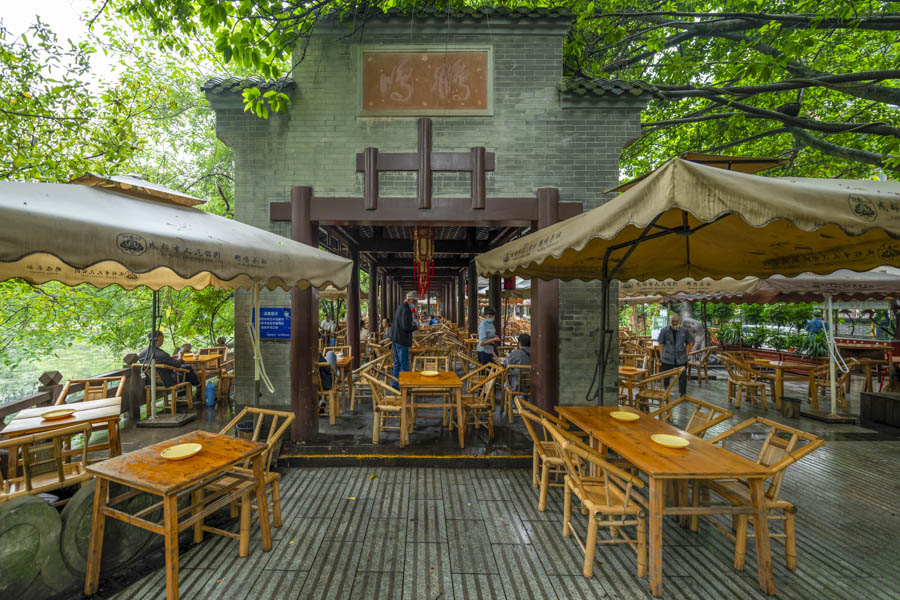
For a calmer side of Chengdu travel, build your day around parks in Chengdu. They are key Chengdu attractions for every traveller. Level paths, plenty of seating, and local routines you rarely see on organised Chengdu tours define these parks. If you are asking what to do in Chengdu, Sichuan, start here.
People’s Park (人民公园, Renmin Park) is the classic answer when you visit Chengdu. Order tea at Heming Teahouse, watch mahjong tables fill up, and follow the paths past lotus ponds and penjing displays. It is a compact lesson in daily life, right in central Qingyang. Ear-cleaning is centuries-old in Chengdu, and in teahouses you’ll still see ears cleaned with metal picks and a small lamp.
Huanhuaxi Park suits longer, unhurried walks for Chengdu sightseeing. It combines broad riverside greenery with Chinese garden touches such as winding water and shaded woodland, making it one of the best places in Chengdu to step away from traffic noise.
Wangjianglou Park (望江楼公园) leans into Bashu garden aesthetics. The bamboo groves and Wangjiang Pavilion, linked to Tang poet Xue Tao, make it a strong pick for photography and a tea stop. For a cultural pairing, Chengdu Culture Park sits close to Qingyang Palace. The site often hosts exhibitions, while Baihuatan Park is quieter, with flower displays, rockeries, and ponds.
Chengdu Botanical Garden (成都植物园) brings themed groves and seasonal flower shows about 10 kilometres (6.2 miles) from the city centre. These travel spots represent an easy half day when planning a Chengdu holiday or relaxed Chengdu travel packages.
Shopping in Chengdu
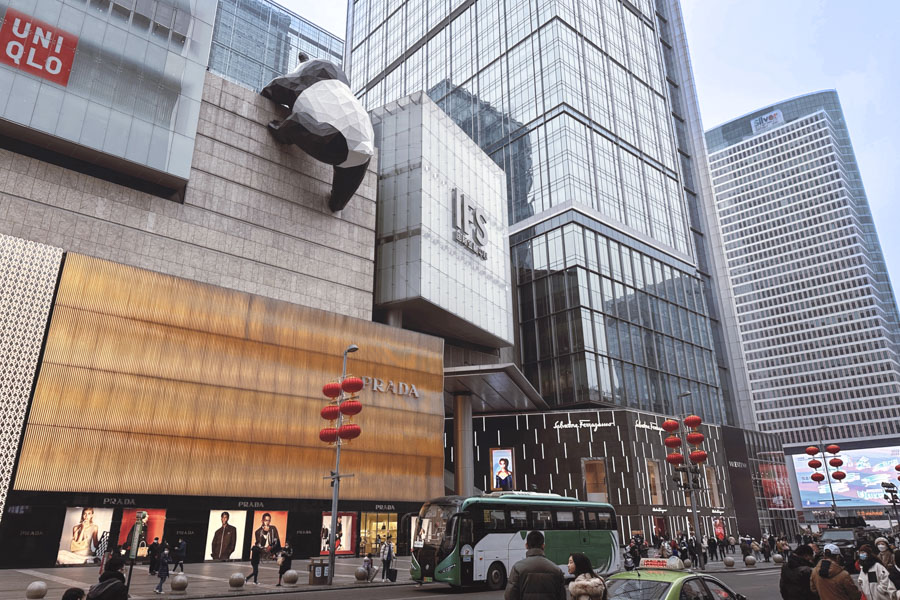
Shopping in Chengdu splits into two worlds. One is craft streets and markets where makers sell things tied to Sichuan’s older trades. In the Chunxi Road area, luxury brands, designer labels, and colossal malls turn shopping into a day’s walking route.
Start with the city’s most recognisable gift: giant panda souvenirs. For better quality and licensed designs, as well as to participate in the conservation effort of this endangered species, buy inside the Chengdu Panda Base shops or at Panda Post in town. If you don’t have enough time to visit the panda base, browse the small stores in Kuanzhai Alley, including the “Panda Courtyard” in Narrow Alley.
For traditional textiles, look for Shu brocade and Shu embroidery. Scarves, ties, handkerchiefs, small wallets, and framed pieces travel well. The most reliable stop is the Shu Brocade and Embroidery Museum. Another catch after Wuhou Shrine is Jinli Ancient Street with plenty of stalls selling embroidery and folk handicrafts.
If you want decorative crafts, Chengdu is strong on lacquerware and bamboo weaving. Expect screens, trays, boxes, lampshades, baskets, and finely woven bamboo sleeves fitted around porcelain. Jinli and Kuanzhai are the simplest places to compare styles in one walk.
For objects with a backstory, go to Songxianqiao Art City. It’s Chengdu’s deep end for antiques and art, from calligraphy and seals to jade, porcelain, old furniture, and Buddhist figures. For jewellery, Qintai Road is the obvious run, lined with silver, pearl, and gemstone shops in an old-style streetscape. For Tibetan items, head to Wuhouci Cross Street or Hengjie Street, where shops sell thangkas, prayer wheels, beads, rugs, and wool scarves.
For modern retail, base yourself around Chunxi Road, Chengdu International Finance Square (IFS), and Taikoo Li. Add Cosmo for independent designers and Eastern Suburb Memory for galleries and gift shops in a converted factory zone. New Century Global Center is perfect when you want everything under one roof.
Chunxi Road, Taikoo Li, and the IFS panda are Chengdu’s busiest retail zones, a mix of malls and open-air blocks. Photograph the giant panda sculpture on IFS and browse Taikoo Li.
Food in Chengdu
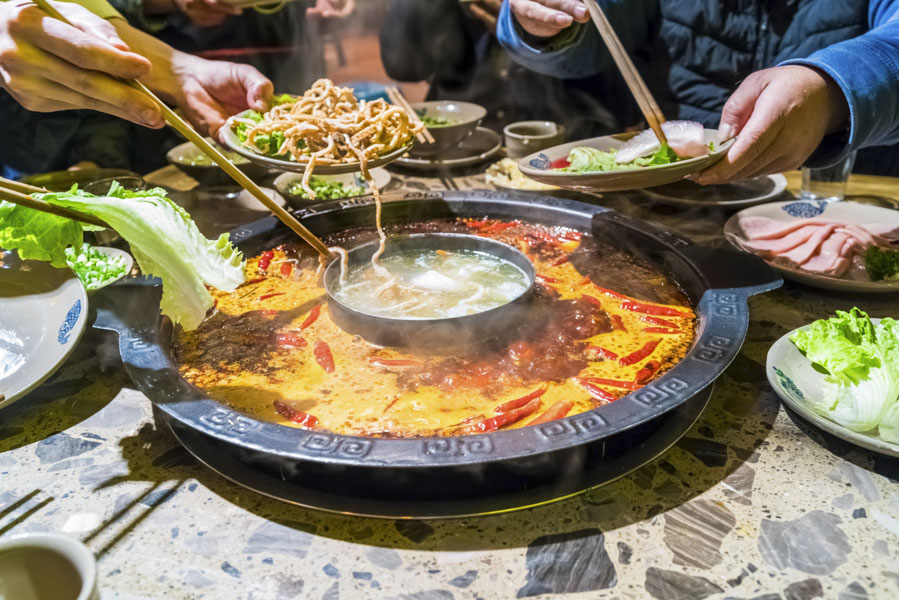
UNESCO describes Chengdu cooking through its range of tastes, built on the careful balance of sweet, sour, bitter, salty and spicy food. Chengdu restaurants range from century-old teahouse kitchens to modern hotpot chains, but the logic of the food stays the same. Spicy food is common, but it is rarely one-note in local snacks.
Chinese Cuisine
Start with a hotpot (火锅), the city’s shared table ritual. In the Funan New District, you can hop between different broths and styles, from classic red oil to lighter, restorative pots. If you are new to it, order a yuanyang pot (鸳鸯锅) so you can switch between spicy and mild. For a quicker, cheaper version, try maocai (冒菜) or chuanchuan (串串), where ingredients arrive on bamboo sticks.
For famous Chengdu dishes, look for mapo tofu (麻辣豆腐), ideally served bubbling in a hot bowl. Plus huiguo rou (回锅肉) (twice-cooked pork), gongbao jiding (宫保鸡丁) (kung pao chicken), and yuxiang rousi (鱼香肉丝) (fish-fragrant shredded pork). Cold starters matter here. Order fuqi feipian (夫妻肺片), sliced beef and offal dressed with chilli oil, vinegar, garlic and peanuts.
Noodles and dumplings are everyday Chengdu fare.
In the Wenshuyuan area, many old names cluster close together. Dan dan noodles (担担面), zhong dumplings (中式饺子), and chaoshou groups in sour hot sauce. If you want something less expected, try sweet water noodles or feichangfen, sweet potato noodles in an intestine broth.
For grazing and people watching, rotate between three classic streets. Jinli runs late and suits an evening of small plates. Kuanzhai Alley mixes tea, snacks, and courtyard dining. Chunxi Road is for fast bites between shops.
Finish with cooling sweets. Bingfen (冰粉) with brown sugar, peanuts and raisins is the standard reset. Add dan hong gao pancakes and tangyou guozi if you want something warm and sticky.
Vegetarian Restaurants
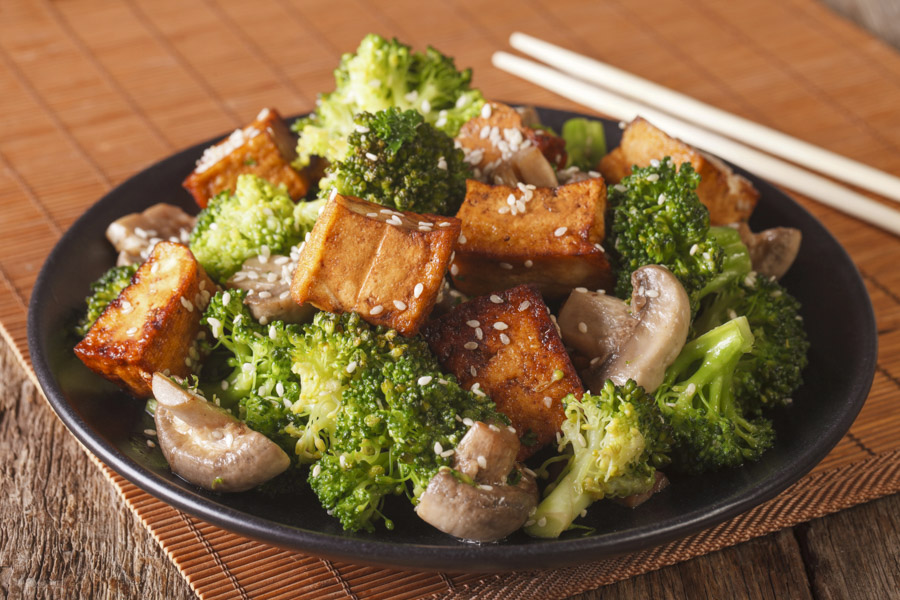
Chengdu is easy on vegetarians and better than most Chinese cities for vegans once you know where to look. Buddhist cooking and modern plant-based menus overlap here, so you can eat well without chasing trend spots.
For a reliable first meal, go to the vegetarian restaurant inside Wenshu Monastery (文殊院) in Qingyang. Expect a vast spread of tofu, greens, mushrooms, noodles, stir-fries and soups. Some dishes imitate meat. Take what you like and ignore the gimmicks.
If you want something quick and clearly vegan, Su Shan Mian ( 苏煸面) has small branches in Jinjiang and near Wenshu Temple. Order handmade dumplings, wontons and noodle bowls.
Jujube Tree in Qingyang runs modern Chinese vegetarian cooking with an English menu and plenty of vegan-friendly plates. You will see mock meats, but the best orders lean into seasonal vegetables, tofu skin, beans and fungi.
In Wuhou, Water Lotus makes fast vegan meals with rice, soup and vegetable sides, good for an easy lunch between sights.
Tea Houses, Bakeries, and Patisseries
Tea houses in Chengdu are less a brief respite than a daily habit. In People’s Park, Heming Teahouse (鹤鸣茶社) has been pouring covered-bowl tea for over a century. Come in the morning to enjoy bamboo chairs, endless hot water top-ups, and the steady rhythm of cards, newspapers, and gossip.
For quieter courtyards, head to the teahouses at Wenshu Monastery and Wangjiang Pavilion Park. If you want the city’s most cinematic throwback, take a taxi out to Pengzhen Old Tea House. It opens before dawn, runs on coal kettles and smoke, and still feels like a community clubhouse rather than a set.
For bakeries and patisseries, Chengdu leans modern, but a few places stand out. Wheat & Baker keeps two strong counters for bread and pastry, with a reliable range of loaves, eclairs, quiches and canelés. Zoe Bakery’s chef, at 8 Tongzilin Middle Road, is French-trained in style and known for croissants and cream-filled profiteroles. Origins, run by two American families, does proper cookies, muffins, cupcakes and biscuits, all baked in-house.
For a high-end pastry stop near Taikoo Li, book time at The Temple Café in The Temple House. For a local cult name, Lan’s Patisserie sells intricate French-style cakes and pastries with a price tag to match.
City Transport in Chengdu
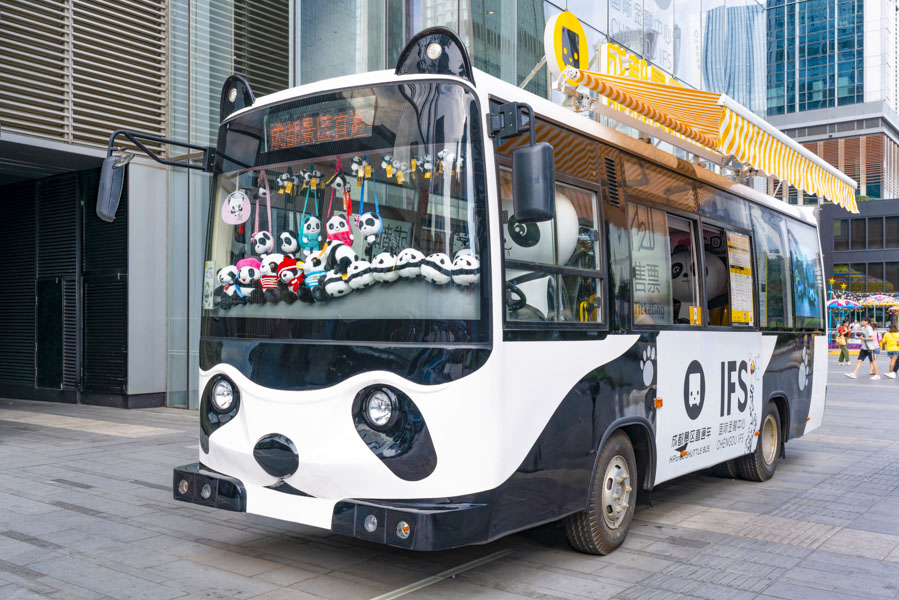
Planning your Chengdu itinerary around Tianfu Square additionally reveals a major transport centre for local transportation, including multiple metro lines, dense bus coverage, and plenty of taxis. Staying near Tianfu Square is one of the simplest Chengdu travel tips because you reduce transfers and long walks between stations.
Public Transport
Buses and Shuttles
Chengdu runs around 14,000 city buses on nearly 1,000 routes. Buses are cheap and frequent, but they are slower in rush hour, so use them for direct rides or short hops.
Most routes run roughly from 06:30 to 20:00 or 21:00. Some start earlier and finish as late as 23:00, and it is recommended to check the updated schedules before travelling. Pay by cash, transport card, WeChat, or Alipay. Children shorter than 1.3 metres (4 feet 3 inches) ride free.
If paying cash, carry small change. There are 16 “K” lines that run faster than regular buses, with stops spaced about 1 kilometre apart. They run along the Second Ring Road. The fare is typically CNY/RMB 2, paid the same way as regular buses.
If your Chengdu tourism days focus on IFS, Thatched Cottage, Qingyang Palace, Wuhou Temple, Jinli, and Kuanzhai Alley. Use them when you want a simple loop without decoding local bus numbers.
There are 15 night lines, useful after the metro closes. The cash fare is typically CNY/RMB 3, with the usual discounts when using a transport card or mobile payment. Several routes link major rail stations and Tianfu Square South.
Metro
The metro is the most reliable way to move across Chengdu sightseeing zones because it avoids traffic. Expect standard security checks at entrances, including bag x-ray.
Most lines operate roughly from early morning to about 23:00. Buy single tickets at machines or pay with WeChat or Alipay. A rechargeable transport card is useful if you ride often.
Other Transport Options
Taxi
For most visitors, taxis and ride-hailing are the easiest way to plug gaps in a Chengdu itinerary. These especially work in the evening, in rain, or when you are moving as a couple or family.
DiDi is the main ride hailing app. You set a pick up point on the map, add the destination, then check the driver name and number plate before you get in. If your driver struggles with the address, use the in app chat, or show the destination pin rather than a street name. For smoother pick ups, walk 50 to 100 metres to a quieter side street and avoid standing right on a junction.
Amap (Gaode) is worth having even if you do not use it for navigation. Its taxi function can call a metered taxi from several providers in one place, which is useful when demand spikes. Meituan also has a taxi option inside its main app, but it tends to feel more Chinese first.
Car Rental
Self-drive isn't the best choice inside the centre, but it's flexible for multiple stops, parks, or a private space. Shenzhou Zuche is a major national platform with a large network of outlets. 24-hour customer service and self-service pickup and return options include one-way returns in many cases.
eHi is another large operator, covering hundreds of cities and supporting one-way rentals. Options encompass delivery or self-service pickup and drop-off depending on location.
Worth knowing before you plan this into your itinerary, note the key constraint: you generally need a valid PRC driving license. If you do not have one, a car with a driver is often the best way to travel. It helps you avoid parking and city traffic.
Practical Chengdu travel tips:
Keep your hotel name on a screenshot, carry a small amount of cash, and assume longer waits at rush hour or after major shows.
Shared bikes can be useful for flat, short links between a station and a park gate, especially outside peak hours. For most things to do in Chengdu, pair metro rides with short taxi trips for the final stretch.
How to Get to Chengdu?
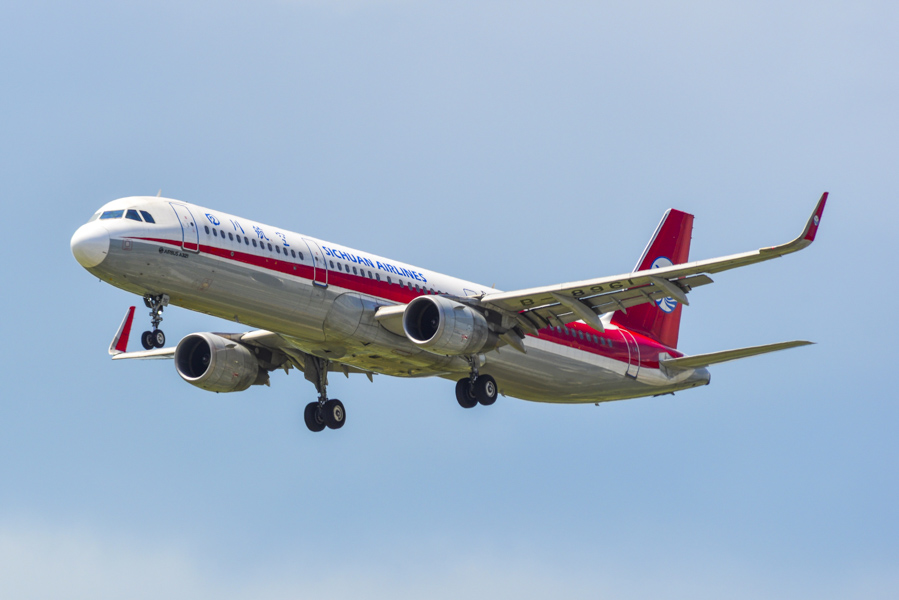
Wonder how to travel to Chengdu? The city is one of Southwest China’s main transport centres, with straightforward links by plane, train, and coach. Most travellers who visit Chengdu arrive by air or high-speed rail, then build their Chengdu itinerary from there.
By Air
Chengdu has two airports. Chengdu Shuangliu International Airport (CTU) is the closest airport, around 16 kilometres (10 miles) from downtown. It handles many domestic flights, with frequent services to major Chinese cities like Beijing, Shanghai, and Guangzhou. Other destinations include Guilin, Hangzhou, Kashgar, Kunming, Lanzhou, Lhasa, Nanjing, Turpan, Ürümqi, Xiamen, and Xi’an.
Shuangliu Airport also has flights to Jiuzhaigou in peak season. The airport usually hosts about two flights a day, taking roughly 45 minutes to 1 hour to get there.
Chengdu Tianfu International Airport (TFU) is the newer, larger airport, about 50 kilometres (31 miles) from the city centre. It serves many domestic and international routes, including services to Hong Kong, Bangkok, Kuala Lumpur, Tokyo, and Seoul.
By Train
Chengdu has four main railway stations, with thousands of services across China.
Chengdu East Railway Station (成都东站) is the largest high-speed station you will use most often for bullet trains. High-speed trains connect Chengdu with cities such as Xi’an, Chongqing, Guiyang, Kunming, Beijing, Shanghai, Guangzhou, Hangzhou, and Nanjing.
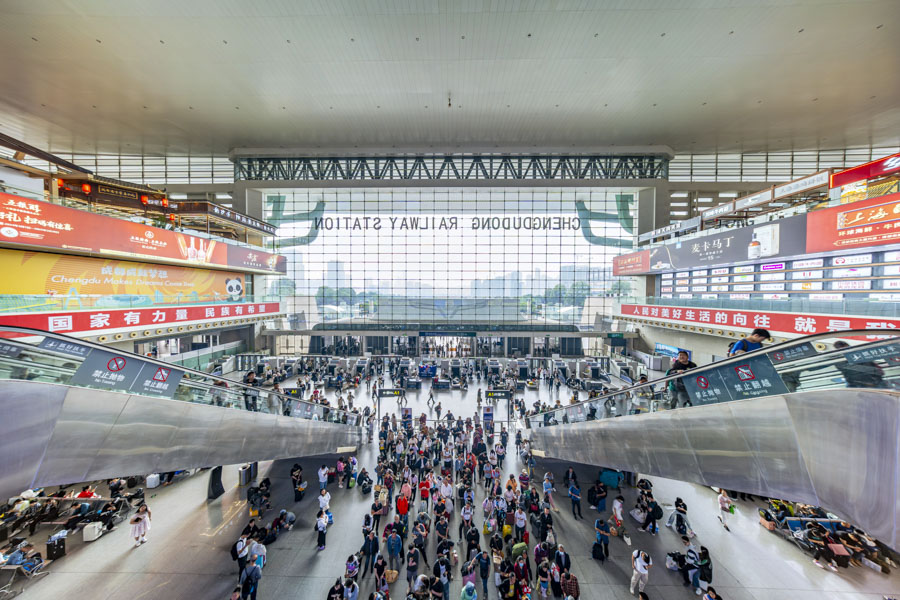
Chengdu Railway Station (成都火车站) is also called Chengdu North. Chengdu South and Chengdu West handle a mix of routes, including regional services.
By long-distance coach
Long-distance buses to Chengdu arrive at several stations, with Xinnanmen bus station (新南门) widely used as a tour bus centre for scenic routes. Chadianzi bus station is a key hub for western and northern Sichuan and Tibetan area routes. Wuguiqiao bus station is useful for routes along the Chengdu-Chongqing corridor. There are also dedicated coach stations linked to the airport and major rail centres.
Languages Spoken in Chengdu
Used in schools, government, transport announcements and most signage, the official language in Chengdu is Mandarin. In daily life, many people speak Sichuanese, so street conversations can sound remarkably different from Mandarin. Visitors can usually get by with basic Mandarin and simple English in hotels, museums, and the larger shopping areas.
Sichuanese, sometimes called Sichuanese Mandarin or Chengdu Mandarin, is part of Southwestern Mandarin. The dialect is popular across Sichuan and Chongqing and in the nearby provinces of Yunnan, Guizhou, Hubei, and Shaanxi. It also serves as a second language for many ethnic minorities, including Tibetan, Yi, and Qiang speakers in the region.
People often treat “Sichuanese” as the Chengdu-Chongqing dialect, but the reality is more complex. Sichuanese includes several major sub-dialect groups, and some are not fully mutually intelligible. Linguists often describe four broad groupings: Chengdu-Chongqing, Minjiang, Renshou-Fushun, and Ya’an Shimian. Minjiang is widely regarded as harder for outsiders, partly because it preserves older tones that other areas have merged.
Modern Sichuanese took shape after large-scale migration in the Ming and Qing periods. At that time, settlers from neighbouring regions brought their speech into Sichuan. Thus, Sichuanese sits closer to Standard Chinese than many southern varieties, yet still diverges in pronunciation and vocabulary. A well-known feature is sound merging that makes certain Mandarin contrasts more difficult to differentiate.
Since the late 20th century, the push for Standard Mandarin has reduced daily Sichuanese use. This change is clear in broadcasting and schools. Younger speakers often shift toward a more standard, Mandarin-leaning style.
Security in Chengdu
Chengdu is a welcoming and generally a safe city for tourists, with violent crime being quite rare. In busy places such as metro stations, shopping streets, markets, and major attractions, it is wise to stay aware of your belongings. To enhance your experience, keep your phone and wallet secured in a zipped bag, and enjoy the vibrant atmosphere while being mindful of your valuables. It is always good to keep in your phone the contact details of the emergency numbers in China: Police – 110; Ambulance – 120; Fire – 119.
Getting around is straightforward and safe. The metro is clean and well organised, with security checks at entrances.
Prefer licensed or metered taxis, or ride-hailing apps such as DiDi, where trips are tracked, especially late at night. Keep a screenshot of your hotel name and address for drivers as it will be useful to get straight to your destination. If you rent shared bikes, check the QR code sticker carefully before paying to make sure that your payment is made to the renting company.
Solo travellers, including women, usually report a comfortable experience in Chengdu. For added comfort, it is a good idea to stick to well-lit streets at night and take advantage of ride-hailing services rather than walking long distances when going back to your hotel.
Health precautions are simple: do not drink tap water. Instead, use bottled water for drinking and brushing teeth. For street food, choose stalls with high turnover and cooked dishes. Chengdu’s air can be polluted in winter, so it is wise to check the Air Quality Index (AQI) and consider wearing a mask to protect your health.
Packing comfortable, season-appropriate clothing and shoes will help you feel at ease in any situation. With a little preparation, you can focus on what truly matters: exploring this remarkable destination.